Orthopedic Board Review MCQs (2026 Edition) - Part 6
Orthopedic Board Review MCQs (2026 Edition) - Part 6
Comprehensive 100-Question Exam
00:00
Start Quiz
Question 1
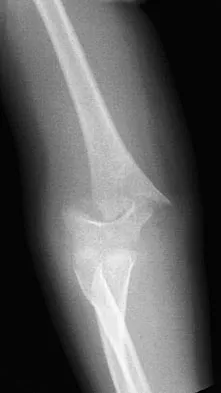
A 6-year-old boy sustains a supracondylar humerus fracture. Which of the following physical examination findings is most characteristic of the most common nerve palsy associated with this injury?
Explanation
Correct Answer: B
The most common nerve palsy seen with supracondylar humerus fractures is a neurapraxia of the anterior interosseous branch of the median nerve (AIN). The AIN innervates the flexor pollicis longus, the flexor digitorum profundus to the index and middle fingers, and the pronator quadratus. A palsy results in the inability to flex the interphalangeal joint of the thumb and the distal interphalangeal joint of the index finger. It is a purely motor nerve, so sensation remains intact. Nearly all cases resolve spontaneously without surgical intervention.
Question 2
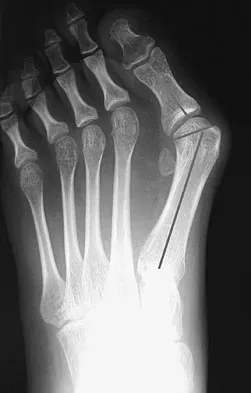
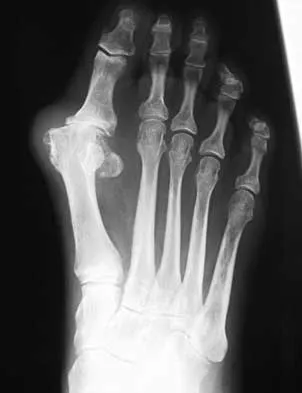
A 14-year-old girl presents with a painful hallux valgus deformity. Radiographs demonstrate an increased first-second intermetatarsal angle, a congruent metatarsophalangeal joint, and an abnormal distal metatarsal articular angle. Which of the following surgical strategies is most appropriate to correct all of these specific radiographic abnormalities?
Explanation
Correct Answer: D
In juvenile hallux valgus, the presence of an increased intermetatarsal angle combined with an abnormal distal metatarsal articular angle (DMAA) and a congruent joint requires a double osteotomy. A proximal osteotomy is needed to correct the intermetatarsal angle, while a distal osteotomy is required to correct the abnormal DMAA. Soft-tissue realignment alone or single osteotomies will fail to address both components of the deformity, leading to a high risk of recurrence or joint incongruency.
Question 3
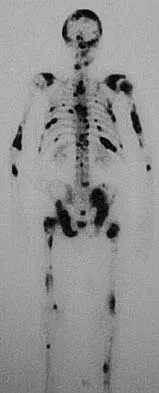
A 73-year-old man presents with diffuse back and lower extremity pain. A technetium-99m bone scan demonstrates widespread, discrete osteoblastic lesions throughout the axial and appendicular skeleton. Which of the following medications is most appropriate to decrease pain and reduce the incidence of skeletal-related events in this patient?
Explanation
Correct Answer: B
The patient's age, gender, and widespread osteoblastic lesions on bone scan are highly characteristic of metastatic prostate cancer. In patients with widespread bone metastases from prostate cancer, bisphosphonates (such as zoledronic acid) play a critical role in treatment by decreasing bone pain, reducing the number of pathologic fractures, and delaying the onset of skeletal-related events.
Question 4
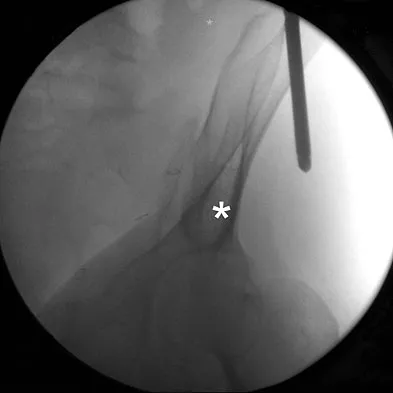
When evaluating a pelvic radiograph, the radiographic 'teardrop' is an important landmark for hardware placement. This structure represents a thick column of bone extending between which two anatomic landmarks?
Explanation
Correct Answer: B
The radiographic teardrop, best visualized on the obturator outlet view of the pelvis, represents a thick column of bone that runs from the anterior inferior iliac spine (AIIS) to the posterior superior iliac spine (PSIS). This dense corridor of bone is an excellent site for the insertion of half pins for supra-acetabular external fixation or for screw fixation during pelvic ring reconstruction.
Question 5
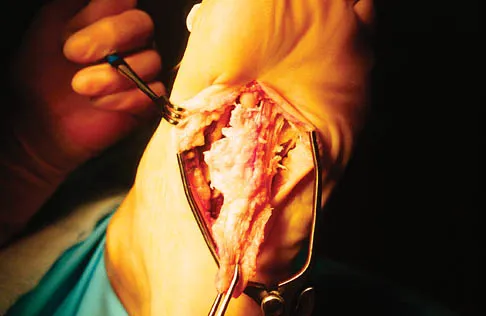
A 56-year-old woman undergoes excision of a painful, firm nodule contiguous with the plantar fascia. Histologic examination of the excised tissue would most likely reveal an abundance of which of the following cell types?
Explanation
Correct Answer: B
The clinical presentation is consistent with plantar fibromatosis (Ledderhose disease), a benign fibroproliferative disorder of the plantar fascia. Histologically, it consists chiefly of fibromyoblasts (myofibroblasts) that produce excessive collagen. This condition is pathophysiologically similar to Dupuytren's contracture in the hand and Peyronie's disease.
Question 6
A patient with a malunited calcaneus fracture presents with anterior ankle impingement and limited dorsiflexion. A weight-bearing lateral radiograph demonstrates a talar declination angle of 10 degrees. Which of the following procedures is most appropriate to reestablish normal ankle mechanics and eliminate the anterior impingement?
Explanation
Correct Answer: C
A malunited calcaneus fracture often results in loss of heel height, a decreased talar declination angle (normal is >20 degrees), and subsequent anterior ankle impingement due to a horizontal talus. A subtalar distraction bone block arthrodesis restores heel height and reestablishes the normal declination of the talus, thereby eliminating the anterior ankle impingement and improving dorsiflexion mechanics. In situ fusion or osteophyte excision alone would not correct the underlying mechanical derangement.
Question 7
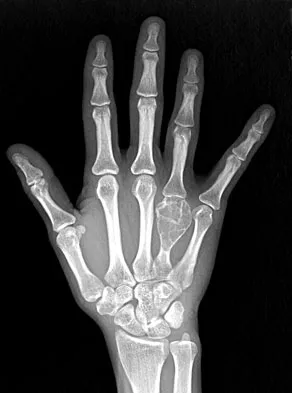
A 26-year-old man presents with progressive swelling and pain in his ring finger metacarpophalangeal joint without a history of trauma. Imaging reveals an expansile, lytic, subchondral lesion without cystic components. Which of the following is the most likely diagnosis?
Explanation
Correct Answer: C
The subchondral location and expansile, lytic nature of the lesion in a skeletally mature individual are highly characteristic of a giant cell tumor of bone. While enchondromas are the most common benign bone tumors of the hand, they are typically diaphyseal/metaphyseal and often have calcified matrix. Aneurysmal bone cysts would typically show fluid-fluid levels on MRI, which are absent here.
Question 8
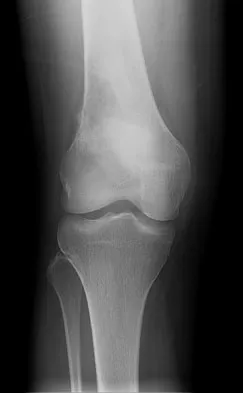
During an open carpal tunnel release, the transverse carpal ligament is divided. Which of the following pairs of carpal bones serve as the radial attachments for this ligament?
Explanation
Correct Answer: A
The transverse carpal ligament (flexor retinaculum) forms the volar roof of the carpal tunnel. It attaches radially to the scaphoid tuberosity and the crest of the trapezium. Ulnarly, it attaches to the pisiform and the hook of the hamate. The trapezoid, capitate, triquetrum, and lunate do not serve as direct attachment sites for the transverse carpal ligament.
Question 9
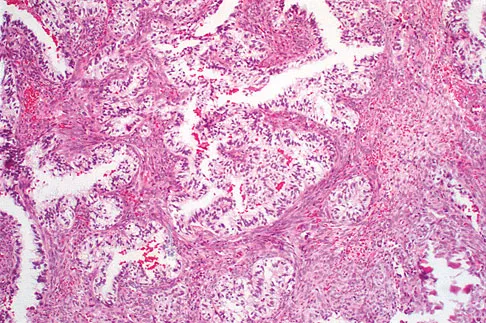
A 40-year-old man undergoes biopsy of a slow-growing, painless soft-tissue mass around his left ankle. Histology reveals a biphasic pattern of epithelial cells and fibrous spindle cells. Immunohistochemical staining of this lesion is most likely to be positive for which of the following markers?
Explanation
Correct Answer: C
The histologic description of a biphasic pattern of epithelial cells and fibrous spindle cells is classic for a synovial sarcoma. Synovial sarcomas characteristically stain positive for epithelial markers such as cytokeratin (keratin) and epithelial membrane antigen (EMA). They are also associated with the chromosomal translocation t(X;18).
Question 10
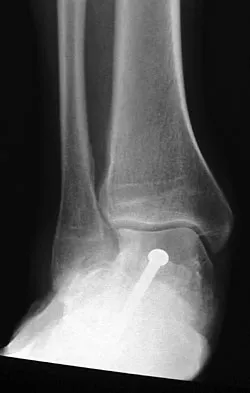
A 28-year-old man presents with progressive lateral ankle pain 15 years after undergoing a triple arthrodesis for a tarsal coalition. Weight-bearing radiographs demonstrate a valgus-supination malunion with lateral subfibular impingement. Which of the following surgical interventions is most appropriate to address this specific deformity?
Explanation
Correct Answer: C
A valgus-supination triple arthrodesis malunion results in excessive hindfoot valgus (causing subfibular impingement) and forefoot supination. The most appropriate management to correct this complex multiplanar deformity while preserving the ankle joint is a medial displacement calcaneal osteotomy (to correct the hindfoot valgus) combined with a transverse tarsal derotational osteotomy (to correct the forefoot supination). Ankle arthrodesis or arthroplasty is not indicated as the primary pathology is the malunited hindfoot, not the ankle joint itself.
Question 11
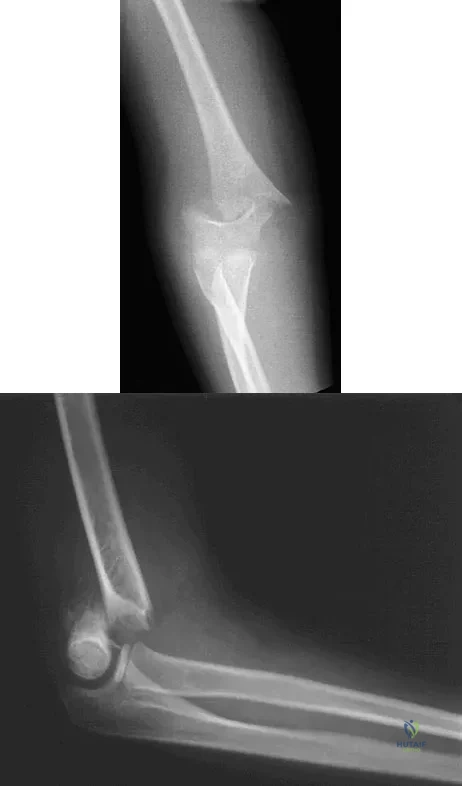
A 6-year-old boy presents with a displaced supracondylar humerus fracture. Examination reveals an inability to flex the interphalangeal joint of the thumb and the distal interphalangeal joint of the index finger. Which of the following represents the second most common nerve palsy associated with this specific fracture pattern?
Explanation
Correct Answer: B. Radial nerve palsy
The patient's clinical presentation (inability to flex the IP joint of the thumb and DIP joint of the index finger) is classic for an anterior interosseous nerve (AIN) palsy. AIN palsy is the most common nerve injury associated with pediatric supracondylar humerus fractures. The second most common nerve injury in this setting is a radial nerve palsy. Most of these nerve injuries are neurapraxias that resolve spontaneously with observation.
Question 12
A 14-year-old girl presents with a painful hallux valgus deformity. Radiographs demonstrate an increased first-second intermetatarsal angle, a congruent metatarsophalangeal joint, and an abnormal distal metatarsal articular angle (DMAA). If surgical intervention is pursued, which of the following combinations is required to fully correct the deformity?
Explanation
Correct Answer: C. Proximal and distal first metatarsal osteotomies
In a juvenile bunion presenting with an increased intermetatarsal angle and an abnormal DMAA with a congruent joint, a double osteotomy is required. A proximal osteotomy is necessary to correct the large intermetatarsal angle, while a distal osteotomy is required to correct the abnormal DMAA and maintain joint congruency.
Question 13
The radiographic 'teardrop' seen on the obturator outlet view of the pelvis represents a dense corridor of bone frequently used for external fixation pin placement. Between which two anatomic landmarks does this column of bone extend?
Explanation
Correct Answer: B. Anterior inferior iliac spine (AIIS) to the posterior superior iliac spine (PSIS)
The teardrop visualized on the obturator outlet view of the pelvis represents a thick, dense column of bone that runs from the anterior inferior iliac spine (AIIS) to the posterior superior iliac spine (PSIS). This corridor provides excellent purchase for supra-acetabular external fixation pins or internal fixation screws.
Question 14
A 56-year-old woman undergoes resection of a painful, firm nodule contiguous with the plantar fascia, as shown in the clinical photograph. Histologic examination of this lesion would most likely reveal a proliferation of which of the following cell types?
Explanation
Correct Answer: B. Fibromyoblasts producing excessive collagen
The clinical presentation and image are consistent with plantar fibromatosis (Ledderhose disease). This benign condition is characterized by a proliferation of fibromyoblasts that produce excessive collagen, which is histologically and pathophysiologically similar to Dupuytren's contracture in the palmar fascia of the hand.
Question 15
A patient presents with progressive hindfoot pain and anterior ankle impingement two years after a comminuted calcaneus fracture. A lateral weight-bearing radiograph demonstrates a talar declination angle of 10 degrees. Which of the following procedures is most appropriate to reestablish normal ankle mechanics and eliminate the anterior impingement?
Explanation
Correct Answer: C. Subtalar distraction bone block arthrodesis
Loss of heel height after a calcaneus fracture leads to a decreased talar declination angle (normal is > 20 degrees), resulting in anterior ankle impingement and limited dorsiflexion. A subtalar distraction bone block arthrodesis restores heel height and normal talar declination, thereby resolving the anterior impingement and addressing the subtalar arthrosis.
Question 16
During the anterior (Smith-Petersen) approach to the hip, the internervous plane is developed between the sartorius and the tensor fascia lata. Which of the following vascular structures crosses this interval and must be routinely identified and ligated to prevent significant hemorrhage?
Explanation
Correct Answer: B. Ascending branch of the lateral femoral circumflex artery
The ascending branch of the lateral femoral circumflex artery crosses the internervous plane between the sartorius (innervated by the femoral nerve) and the tensor fascia lata (innervated by the superior gluteal nerve) in the anterior approach to the hip. It must be identified and ligated or coagulated to prevent excessive bleeding.
Question 17
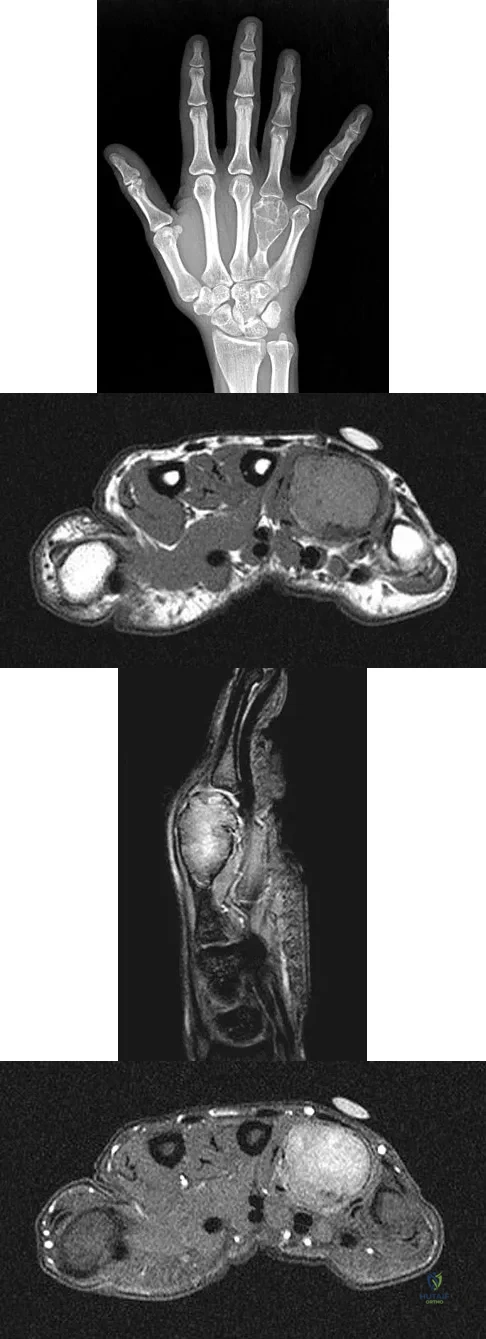
A 26-year-old man presents with progressive swelling and pain in his ring finger metacarpophalangeal joint without a history of trauma. Radiographs and MRI are provided. The lesion is lytic, expansile, and extends to the subchondral bone without cystic components. Which of the following is the most likely diagnosis?
Explanation
Correct Answer: C. Giant cell tumor of bone
The subchondral location, expansile lytic nature, and lack of cystic components on MRI in a skeletally mature patient are highly characteristic of a giant cell tumor of bone. While enchondromas are the most common benign bone tumors of the hand, they typically have chondroid matrix calcifications and do not typically extend to the subchondral bone in this aggressive, expansile manner.
Question 18
The transverse carpal ligament forms the roof of the carpal tunnel. Which of the following pairs of carpal bones serve as the radial attachments for this ligament?
Explanation
Correct Answer: A. Scaphoid and trapezium
The transverse carpal ligament attaches radially to the tuberosity of the scaphoid and the crest of the trapezium. Ulnarly, it attaches to the pisiform and the hook of the hamate. It serves as the volar boundary of the carpal tunnel.
Question 19
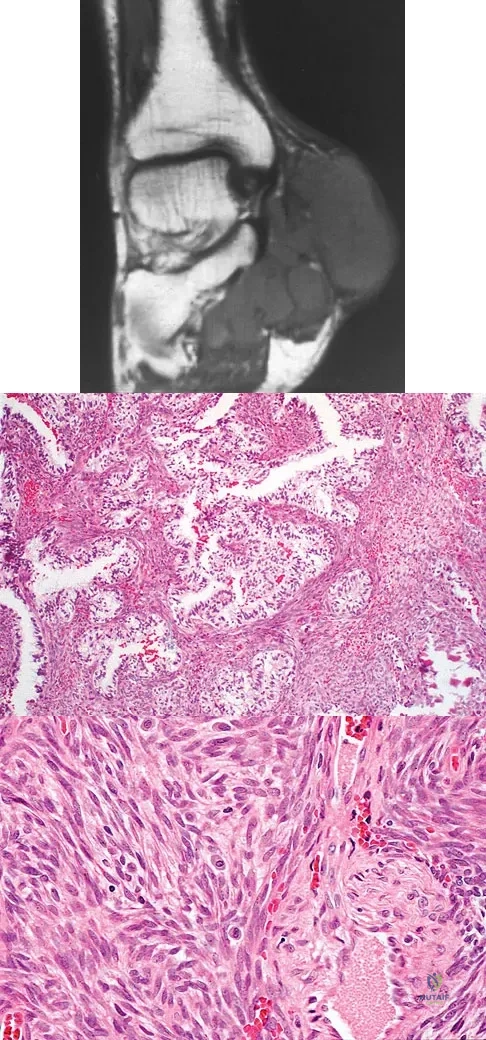
A 40-year-old man presents with a slow-growing, painless mass around his left ankle. MRI and biopsy specimens are provided. Histology demonstrates a biphasic pattern of epithelial cells and fibrous spindle cells. Immunohistochemical staining of this tumor would most likely be positive for which of the following markers?
Explanation
Correct Answer: C. Keratin
The clinical presentation, location, and biphasic histologic pattern (epithelial and spindle cells) are characteristic of a synovial sarcoma. Synovial sarcomas characteristically stain positive for epithelial markers such as keratin (cytokeratin) and epithelial membrane antigen (EMA), even in the monophasic spindle cell variant.
Question 20
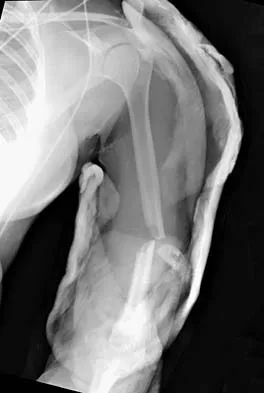
A 20-year-old man undergoes reamed intramedullary nailing for a closed tibial shaft fracture. Which of the following is the most frequently reported complication following this procedure?
Explanation
Correct Answer: C. Anterior knee pain
Anterior knee pain is the most common complication following intramedullary nailing of the tibia, occurring in up to 57% of patients. It is often activity-related and exacerbated by kneeling. The incidence of nonunion, malunion, infection, and compartment syndrome is significantly lower.
Question 21
A 45-year-old man presents with chronic lower back pain. MRI shows degenerative changes in the L4-L5 intervertebral disk. Which of the following biochemical changes is most characteristic of the natural aging and degeneration process of the intervertebral disk?
Explanation
Correct Answer: B
Gradual desiccation of the disk begins in the third decade as glycosaminoglycan levels within the nucleus begin to decline. The original water content of 88% decreases to 70% in the sixth decade and beyond. As glycosaminoglycan content decreases, there is a corresponding increase in noncollagen glycoprotein.
Question 22
During an open carpal tunnel release, the surgeon carefully divides the transverse carpal ligament to decompress the median nerve. Which of the following carpal bones serves as an ulnar attachment site for this ligament?
Explanation
Correct Answer: D
The transverse carpal ligament forms the volar boundary of the carpal tunnel. It attaches radially to the scaphoid tuberosity and the crest of the trapezium, and ulnarly to the pisiform and the hook of the hamate. The trapezoid and triquetrum do not serve as attachment points for the transverse carpal ligament.
Question 23
A 32-year-old man sustains a displaced fracture of the talar neck. He is at high risk for osteonecrosis of the talar body. The main blood supply to the lateral two-thirds of the talar body is derived from which of the following vessels?
Explanation
Correct Answer: A
The main blood supply to the lateral two-thirds of the talar body is derived from the artery of the tarsal canal, which is a branch of the posterior tibial artery. The artery of the sinus tarsi supplies the intrasinus structures and is formed by anastomoses from the peroneal and anterior tibial arteries. The anterior tibial artery supplies the superior surface of the talar head.
Question 24
A 28-year-old woman presents with a slow-growing, painless mass around her right knee. Biopsy reveals a biphasic pattern of epithelial cells and fibrous spindle cells. Immunohistochemical staining of this lesion is most likely to be positive for which of the following markers?
Explanation
Correct Answer: C
The clinical presentation and biphasic histologic pattern (epithelial cells and fibrous spindle cells) are characteristic of a synovial sarcoma. Synovial sarcomas characteristically stain positive for keratin (specifically cytokeratin) and epithelial membrane antigen (EMA). Keratin is positive in nearly all biphasic types and many monophasic fibrous types.
Question 25
A 68-year-old man who underwent a total knee arthroplasty 2 years ago presents with new-onset knee pain. Aspiration of the knee yields synovial fluid. Which of the following synovial fluid analysis results is most predictive of the absence of a prosthetic joint infection?
Explanation
Correct Answer: C
Synovial fluid analysis is highly sensitive for detecting infection in total knee arthroplasties. Studies have shown that an absolute leukocyte count of less than 1,700 to 2,500/mm3 and a differential of less than 50% to 60% neutrophils are accurate predictors of the absence of infection. Therefore, a WBC count of 1,500/mm3 with 45% neutrophils makes a prosthetic joint infection highly unlikely.
Question 26
During the tibial bone resection in a total knee arthroplasty, the surgeon must be mindful of the common peroneal nerve. At the level of the tibial resection, the common peroneal nerve is anatomically protected by lying superficial to which of the following structures?
Explanation
Correct Answer: B
At the level of the tibial bone resection in total knee arthroplasty, the common peroneal nerve lies superficial to the lateral head of the gastrocnemius muscle, which provides a layer of protection. The mean distance from the bony posterolateral corner of the tibia to the nerve is approximately 1.5 cm, and this distance is greater in larger legs.
Question 27
A 25-year-old professional soccer player undergoes arthroscopic microfracture for a 1.5 cm symptomatic full-thickness articular cartilage defect on the medial femoral condyle. One year later, a biopsy of the repaired tissue would predominantly demonstrate which of the following types of collagen?
Explanation
Correct Answer: A
Microfracture is a marrow stimulation technique that relies on stem cells from the underlying subchondral bone marrow to form a repair tissue. Biopsy findings in both animals and humans have demonstrated that the repair tissue is primarily fibrocartilage, not hyaline articular cartilage. Fibrocartilage is composed mostly of Type I (and Type III) collagen, whereas normal hyaline articular cartilage is predominantly Type II collagen.
Question 28
A 45-year-old man presents with severe neck pain radiating down his left arm. Physical examination reveals numbness over the middle finger, weakness in elbow extension and wrist flexion, and a diminished triceps reflex. Which of the following cervical disc herniations is the most likely cause of these findings?
Explanation
Correct Answer: C
The patient's symptoms are classic for a C7 radiculopathy. In the cervical spine, the exiting nerve root is named for the lower vertebral body of the motion segment (e.g., the C7 nerve root exits at the C6-C7 level). A C7 radiculopathy typically presents with sensory changes in the middle finger, motor weakness in the triceps (elbow extension) and wrist flexors/extensors, and a diminished or absent triceps reflex.
Question 29
While most benign bone tumors remain localized, certain histologically benign lesions have a known propensity to occasionally metastasize to the lungs. Which of the following pairs of benign bone lesions is most recognized for this potential?
Explanation
Correct Answer: B
Although considered benign bone lesions, both giant cell tumors of bone and chondroblastomas have a well-documented potential to develop "benign" lung metastases. These pulmonary implants are histologically identical to the primary benign tumor and can often be treated successfully with surgical resection (multiple thoracotomies), resulting in long-term survival.
Question 30
The posterolateral corner of the knee is a complex arrangement of static and dynamic stabilizers. Biomechanical studies have shown that the primary function of the popliteofibular ligament is to resist which of the following motions?
Explanation
Correct Answer: D
The primary function of the popliteofibular ligament is to resist posterolateral rotation of the tibia on the femur. It also acts as a secondary restraint to varus angulation and posterior displacement of the tibia. The posterior cruciate ligament is the primary restraint to posterior tibial displacement, and the lateral collateral ligament is the primary restraint to varus displacement at 30 degrees of flexion.
Question 31
A 6-year-old boy sustains a displaced supracondylar humerus fracture. Post-reduction, he is unable to flex the interphalangeal joint of his thumb. While this specific deficit represents the most common nerve palsy associated with this injury, which of the following nerve injuries is the second most common nerve palsy associated with this fracture pattern?
Explanation
Correct Answer: B
The patient's inability to flex the interphalangeal joint of the thumb indicates a neurapraxia of the anterior interosseous branch of the median nerve (AIN). AIN palsy is the most common nerve palsy seen with supracondylar humerus fractures in children. This is followed closely by radial nerve palsy, making it the second most common. Nearly all cases of neurapraxia following supracondylar humerus fractures resolve spontaneously without the need for surgical exploration.
Question 32
A 15-year-old girl presents with a painful bunion deformity that has failed conservative management. Radiographs demonstrate an increased first-second intermetatarsal angle and an abnormal distal metatarsal articular angle (DMAA) with a congruent metatarsophalangeal joint. Which of the following surgical strategies is most appropriate to correct both the intermetatarsal angle and the DMAA?
Explanation
Correct Answer: C
The radiograph reveals an increased first-second intermetatarsal angle and a congruent metatarsophalangeal joint with an abnormal distal metatarsal articular angle (DMAA). Correction of both of these specific abnormalities in a juvenile or adolescent bunion requires a double osteotomy approach: a proximal first metatarsal osteotomy to correct the intermetatarsal angle, and a distal first metatarsal osteotomy to correct the DMAA.
Question 33
The radiographic "teardrop" seen on an obturator oblique view of the pelvis (marked with an asterisk in the provided image) represents a dense corridor of bone frequently used for external fixation pin placement. This column of bone extends between which two anatomic landmarks?
Explanation
Correct Answer: B
The teardrop can be visualized on the obturator outlet view of the pelvis and represents a thick column of bone that runs from the anterior inferior iliac spine (AIIS) to the posterior superior iliac spine (PSIS). Half pins for external fixation frames or screws can be safely inserted into this dense column for robust fixation of pelvic ring fractures.
Question 34
A 50-year-old man presents with a painful, firm nodule on the plantar aspect of his foot. MRI confirms a lesion contiguous with the plantar fascia. Surgical resection is performed as shown in the clinical photograph. The predominant cell type in this lesion is most similar to the cells found in which of the following conditions?
Explanation
Correct Answer: C
The history, examination, and surgical findings are most consistent with plantar fibromatosis. Plantar fibromatosis is a benign tumor of the plantar fascia that consists chiefly of fibromyoblasts. These cells produce excessive collagen and are histologically and pathophysiologically similar to the cells found in the palmar fascia of patients with Dupuytren's contracture of the hand.
Question 35
A patient with a history of a calcaneus fracture presents with anterior ankle pain and limited dorsiflexion. A lateral radiograph demonstrates loss of heel height and subtalar arthrosis. Anterior ankle impingement in this setting is suggested when the talar declination angle falls below what value?
Explanation
Correct Answer: C
The talar declination angle is measured by drawing a line through the longitudinal axis of the talus and the plane of support of the foot on a weight-bearing lateral radiograph. Anterior impingement is suggested with any value below 20 degrees. By performing a distraction arthrodesis through the subtalar joint, the normal declination of the talus is reestablished, eliminating the anterior ankle impingement.
Question 36
During an anterior (Smith-Petersen) approach to the hip, the internervous plane is developed between the sartorius and the tensor fascia lata. Which of the following vascular structures crosses this interval and must be routinely identified and ligated to prevent significant hemorrhage?
Explanation
Correct Answer: B
The ascending branch of the lateral femoral circumflex artery crosses the gap between the tensor fascia lata and the sartorius in the anterior approach to the hip. It must be carefully identified and ligated or coagulated to prevent significant bleeding. The other vessels listed are out of the immediate field of dissection for this specific internervous plane.
Question 37
The spread of metastatic prostate carcinoma to the lumbar spine is facilitated by a valveless venous network that allows retrograde blood flow, particularly during periods of increased intra-abdominal pressure. This network extends from the sacrum to which of the following structures?
Explanation
Correct Answer: C
In 1940, Batson described a valveless plexus of veins that extend from the dural venous sinuses of the skull to the sacrum. This system permits retrograde blood flow and enables tumor cells to enter vertebral bodies at multiple levels. Increased intra-abdominal pressure enhances this retrograde blood flow, explaining the frequent metastasis of pelvic tumors (like prostate cancer) to the spine.
Question 38
The transverse carpal ligament forms the volar boundary of the carpal tunnel. Which of the following carpal bones serves as a radial attachment site for this ligament?
Explanation
Correct Answer: C
The transverse carpal ligament is the volar boundary of the carpal tunnel. It attaches to the scaphoid and trapezium radially, and the pisiform and the hook of the hamate ulnarly. The ulna, trapezoid, capitate, and lunate do not receive attachments of the transverse carpal ligament.
Question 39
A 32-year-old man sustains a displaced talar neck fracture. The primary blood supply to the lateral two-thirds of the talar body is at risk. This blood supply is derived from the artery of the tarsal canal, which is a branch of which of the following vessels?
Explanation
Correct Answer: B
The main blood supply to the lateral two-thirds of the talar body is derived from the artery of the tarsal canal, which is a branch of the posterior tibial artery. The peroneal artery helps form a vascular plexus over the posterior tubercle, and the anterior tibial artery sends branches to the superior surface of the talar head.
Question 40
When reconstructing a chronic Achilles tendon rupture with a large insertional gap, transfer of the flexor hallucis longus (FHL) tendon is often utilized. Which of the following anatomic characteristics makes the FHL particularly advantageous for this transfer?
Explanation
Correct Answer: B
The flexor hallucis longus (FHL) tendon provides the best, most direct route of transfer for filling Achilles tendon gaps. The FHL tendon has a muscle belly that extends distally on the tendon itself, often beyond the actual tibiotalar joint. When the tendon is transferred, this muscle belly brings excellent blood supply to the anterior portion of the reconstruction. It also lies lateral to the neurovascular structures, making it safe for harvest without crossing them.
Question 41
A 6-year-old girl sustains an extension-type supracondylar humerus fracture. Which of the following physical examination findings is most indicative of the most common nerve injury associated with this fracture pattern?
Explanation
Correct Answer: B
The anterior interosseous nerve (AIN) is the most commonly injured nerve in extension-type supracondylar humerus fractures. It is a motor branch of the median nerve that innervates the flexor pollicis longus, the flexor digitorum profundus to the index and middle fingers, and the pronator quadratus. Injury results in the inability to flex the interphalangeal joint of the thumb and the distal interphalangeal joint of the index finger (making an 'A-OK' sign). Most of these injuries represent a neurapraxia and resolve spontaneously without surgical intervention.
Question 42
In a 14-year-old patient presenting with a painful hallux valgus deformity, radiographic evaluation demonstrates an increased first-second intermetatarsal angle, a congruent metatarsophalangeal joint, and an abnormal distal metatarsal articular angle. Which of the following surgical strategies is most appropriate to address all components of this deformity?
Explanation
Correct Answer: D
The presence of an increased intermetatarsal angle combined with an abnormal distal metatarsal articular angle (DMAA) and a congruent joint in a juvenile bunion requires a double osteotomy. A proximal osteotomy corrects the intermetatarsal angle, while a distal osteotomy corrects the DMAA. Soft-tissue realignment alone or a single osteotomy would fail to address the complex multi-apical nature of this specific deformity.
Question 43
When evaluating an obturator outlet view of the pelvis, the radiographic 'teardrop' represents a thick column of bone that is frequently utilized for the placement of half pins in external fixation. This column of bone extends between which two anatomic landmarks?
Explanation
Correct Answer: B
The radiographic teardrop seen on the obturator outlet view represents the dense column of bone extending from the anterior inferior iliac spine (AIIS) to the posterior superior iliac spine (PSIS). This corridor is an excellent site for supra-acetabular pin placement in pelvic external fixation, providing robust bony purchase for frame stability.
Question 44
During the anterior (Smith-Petersen) approach to the hip, the internervous plane is developed between the sartorius and the tensor fascia lata. Which of the following vascular structures crosses this interval and must be routinely identified and ligated to prevent significant hemorrhage?
Explanation
Correct Answer: C
The anterior approach to the hip utilizes the internervous plane between the sartorius (innervated by the femoral nerve) and the tensor fascia lata (innervated by the superior gluteal nerve). Within this interval, the ascending branch of the lateral femoral circumflex artery crosses the surgical field transversely and must be identified and ligated or coagulated to prevent significant bleeding.
Question 45
A 26-year-old man presents with progressive swelling and pain in his ring finger metacarpophalangeal joint without a history of trauma. Imaging reveals a lytic, expansile subchondral lesion without cystic components. Which of the following is the most likely diagnosis?
Explanation
Correct Answer: C
The subchondral location and expansile, lytic nature of the lesion in a skeletally mature patient are highly characteristic of a giant cell tumor of bone. While enchondromas are the most common benign bone tumors of the hand, they are typically diaphyseal/metaphyseal and often have calcifications. Aneurysmal bone cysts would typically show fluid-fluid levels on MRI and are less likely to be strictly subchondral.
Question 46
The transverse carpal ligament forms the volar roof of the carpal tunnel. Which of the following pairs of carpal bones serve as the radial attachments for this structure?
Explanation
Correct Answer: A
The transverse carpal ligament attaches radially to the scaphoid tuberosity and the crest of the trapezium. Ulnarly, it attaches to the pisiform and the hook of the hamate. The trapezoid and ulna do not serve as attachment points for the transverse carpal ligament.
Question 47
Which of the following arteries provides the primary blood supply to the lateral two-thirds of the talar body?
Explanation
Correct Answer: B
The artery of the tarsal canal, a branch of the posterior tibial artery, provides the main blood supply to the lateral two-thirds of the talar body. The artery of the sinus tarsi supplies the intrasinus structures and the anterolateral aspect of the talar body. The anterior tibial artery supplies the superior aspect of the talar head and neck.
Question 48
When reconstructing a chronic Achilles tendon rupture with a large insertional gap, transfer of the flexor hallucis longus (FHL) tendon is frequently utilized. Which of the following anatomic characteristics makes the FHL particularly advantageous for this transfer?
Explanation
Correct Answer: B
The FHL tendon is ideal for Achilles tendon reconstruction because its muscle belly extends far distally, often beyond the tibiotalar joint. When transferred, this muscle belly brings a robust blood supply to the anterior aspect of the poorly vascularized Achilles reconstruction site. Additionally, it lies lateral to the neurovascular bundle, making harvest safe and providing a direct route to the calcaneus.
Question 49
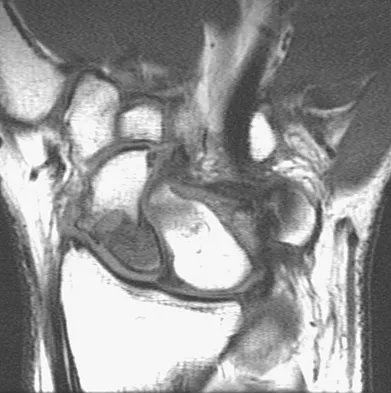
During the tibial bone resection in a total knee arthroplasty, the common peroneal nerve is at risk of injury. At this specific level, which of the following structures lies directly deep to the common peroneal nerve, thereby offering it some protection?
Explanation
Correct Answer: C
At the level of the tibial bone cut in a total knee arthroplasty, the common peroneal nerve lies superficial to the lateral head of the gastrocnemius muscle. This muscle belly provides a protective buffer between the nerve and the posterior aspect of the proximal tibia, reducing the risk of iatrogenic injury during bone resection.
Question 50
The popliteofibular ligament is a critical stabilizer of the posterolateral corner of the knee. What is its primary biomechanical function?
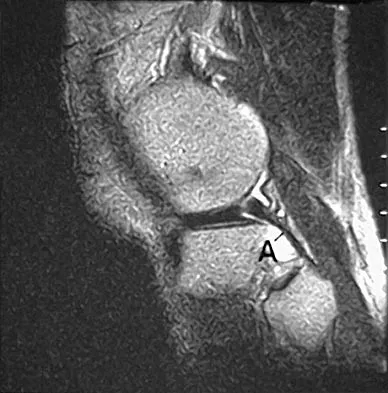
Explanation
Correct Answer: D
The primary function of the popliteofibular ligament is to resist posterolateral rotation of the tibia on the femur. While it provides secondary restraint to varus angulation and posterior displacement, the lateral collateral ligament is the primary restraint to varus at 30 degrees, and the posterior cruciate ligament is the primary restraint to posterior translation at 90 degrees.
Question 51
A 35-year-old man presents with a hemodynamically unstable anteroposterior compression (APC) type III pelvic ring injury following a motorcycle accident. A pelvic binder is applied. What is the most common anatomic source of hemorrhage in this type of injury?
Explanation
Question 52
A 24-year-old collegiate soccer player undergoes primary anterior cruciate ligament (ACL) reconstruction. Which of the following graft choices is associated with the highest incidence of postoperative anterior knee pain?
Explanation
Question 53
A 65-year-old man presents with progressive gait imbalance and deteriorating fine motor skills. Physical examination reveals a positive Hoffmann sign. What maneuver is used to elicit this clinical sign?
Explanation
Question 54
A 25-year-old carpenter sustains a laceration to the volar aspect of his index finger, resulting in a Zone II flexor tendon injury. Following primary surgical repair, what rehabilitation protocol is currently considered optimal to minimize adhesion formation while protecting the repair?
Explanation
Question 55
A 12-year-old boy with a BMI in the 98th percentile presents with 3 weeks of insidious onset left groin pain and a limp. Radiographs confirm a mild slipped capital femoral epiphysis (SCFE). What is the most appropriate initial management?
Explanation
Question 56
A 30-year-old woman is diagnosed with an unresectable giant cell tumor of the sacrum. She is started on denosumab therapy. What is the mechanism of action of this medication?
Explanation
Question 57
A 55-year-old man undergoes an uncomplicated primary total hip arthroplasty. Three years later, he presents complaining of a high-pitched "squeaking" sound from his hip during certain movements. Which bearing surface combination was most likely utilized?
Explanation
Question 58
A 28-year-old man suffers a closed comminuted tibia fracture. He is being monitored for acute compartment syndrome. According to current guidelines, what intracompartmental pressure parameter is most diagnostic for compartment syndrome?
Explanation
Question 59
A 22-year-old rugby player sustains a purely ligamentous Lisfranc injury with dynamic instability demonstrated on weight-bearing radiographs. Which surgical intervention is associated with the best long-term functional outcome for purely ligamentous variants?
Explanation
Question 60
During the process of endochondral ossification at the epiphyseal growth plate, which specific collagen type is primarily synthesized by hypertrophic chondrocytes to prepare the matrix for calcification?
Explanation
Question 61
A 19-year-old athlete undergoes evaluation for recurrent anterior shoulder instability. Advanced imaging reveals an anterior glenoid bone loss of 28%. What is the most appropriate surgical intervention?
Explanation
Question 62
A 60-year-old woman presents with classic neurogenic claudication that has failed 6 months of nonoperative management. Imaging shows an L4-L5 degenerative spondylolisthesis. What is the surgical treatment of choice?
Explanation
Question 63
In the initial correction of an idiopathic clubfoot utilizing the Ponseti casting technique, what is the critical first maneuver?
Explanation
Question 64
A 15-year-old boy completes neoadjuvant chemotherapy for osteosarcoma of the distal femur and subsequently undergoes wide surgical resection. Pathologic analysis is pending. What represents the most important prognostic factor for his long-term survival?
Explanation
Question 65
A 65-year-old woman presents with painful catching and a palpable 'clunk' in her knee when extending from a flexed position, one year after a posterior-stabilized total knee arthroplasty. Where is the fibrotic nodule responsible for this condition typically located?
Explanation
Question 66
A 30-year-old man undergoes percutaneous fixation for a displaced talar neck fracture. At the 8-week follow-up, an AP radiograph of the ankle reveals a subchondral radiolucent band extending across the dome of the talus (Hawkins sign). What does this finding indicate?
Explanation
Question 67
When counseling a 35-year-old active male regarding the treatment options for an acute Achilles tendon rupture, how do the complication profiles of operative versus nonoperative management typically compare?
Explanation
Question 68
Aseptic loosening is the most common mode of failure in total joint arthroplasty and is primarily driven by an inflammatory response to particulate wear debris. Which cell type is the primary effector of the subsequent osteolysis?
Explanation
Question 69
A 45-year-old woman undergoes volar locked plating for a distal radius fracture
. At 6 months post-op, she suddenly loses the ability to actively flex her thumb interphalangeal joint. What surgical technical error most likely caused this complication?
Explanation
Question 70
A 40-year-old man sustains a traumatic high-energy knee dislocation (KD III) resulting in multiligamentous injury. During the initial neurological assessment, he exhibits a 'foot drop' and decreased sensation over the dorsum of the foot. Which nerve is injured?
Explanation
Question 71
A 45-year-old man is brought to the emergency department after a high-speed motor vehicle collision. Radiographs and a CT scan of the pelvis demonstrate an acetabular fracture with a continuous fracture line extending from the iliac crest to the ischiopubic ramus. The articular surface of the acetabulum is completely dissociated from the intact axial skeleton, and a 'spur sign' is visible on the obturator oblique radiograph. Which of the following is the most accurate classification of this fracture pattern?
Explanation
Question 72
A 35-year-old male presents following a high-speed motor vehicle collision. He is hypotensive and tachycardic. Radiographs reveal an APC III pelvic ring injury. After initial fluid resuscitation, a pelvic binder is placed, but he remains hemodynamically unstable. A FAST examination is negative. What is the most appropriate next step in management?
Explanation
Question 73
A 14-year-old female gymnast presents with progressive back pain and an L5 radiculopathy that has failed 6 months of conservative management. Standing lateral radiographs demonstrate a grade 3 isthmic spondylolisthesis at L5-S1. What is the most appropriate surgical treatment?
Explanation
Question 74
A 28-year-old carpenter presents with chronic radial-sided wrist pain. Radiographs reveal a scaphoid waist fracture nonunion with a dorsal intercalated segment instability (DISI) deformity, but no evidence of radiocarpal arthritis. MRI confirms the proximal pole is well-vascularized. Which of the following is the most appropriate definitive management?
Explanation
Question 75
A 6-week-old female infant with an irreducible developmental dysplasia of the hip (DDH) is placed in a Pavlik harness. After 3 weeks of strict, full-time wear, an ultrasound shows the hip remains completely dislocated. What is the next most appropriate step in management?
Explanation
Question 76
A 55-year-old woman with a history of a metal-on-metal total hip arthroplasty 10 years ago presents with groin pain and a palpable mass. Serum cobalt and chromium levels are significantly elevated. MRI with MARS shows a large cystic mass communicating with the joint. What is the predominant histologic finding expected in the periprosthetic tissue?
Explanation
Question 77
A 30-year-old female undergoes a biopsy for an eccentric, lytic epiphyseal lesion in her distal femur. The pathology report confirms a Giant Cell Tumor (GCT) of bone, describing a mix of mononuclear cells and multinucleated giant cells. Which of the following best describes the pathogenesis involving these mononuclear cells?
Explanation
Question 78
A 24-year-old male undergoes intramedullary nailing for a closed tibial shaft fracture. Six hours postoperatively, he has increasing pain out of proportion to his injury that is exacerbated by passive stretch of his toes. His diastolic blood pressure is 65 mmHg, and his anterior compartment pressure is measured at 40 mmHg. What is the most appropriate management?
Explanation
Question 79
When comparing a quadrupled hamstring autograft to a bone-patellar tendon-bone (BPTB) autograft for primary anterior cruciate ligament (ACL) reconstruction, the hamstring autograft is most likely to demonstrate which of the following characteristics?
Explanation
Question 80
A 25-year-old male sustains a severe axial load to a plantarflexed foot. Weight-bearing radiographs reveal widening between the medial and middle cuneiforms and a "fleck sign" in the first intermetatarsal space. The injured primary stabilizing structure normally connects which of the following bones?
Explanation
Question 81
During the histologic evaluation of normal articular cartilage, which zone demonstrates the highest concentration of proteoglycans, highest compressive modulus, and contains chondrocytes arranged in vertical columns?
Explanation
None
