
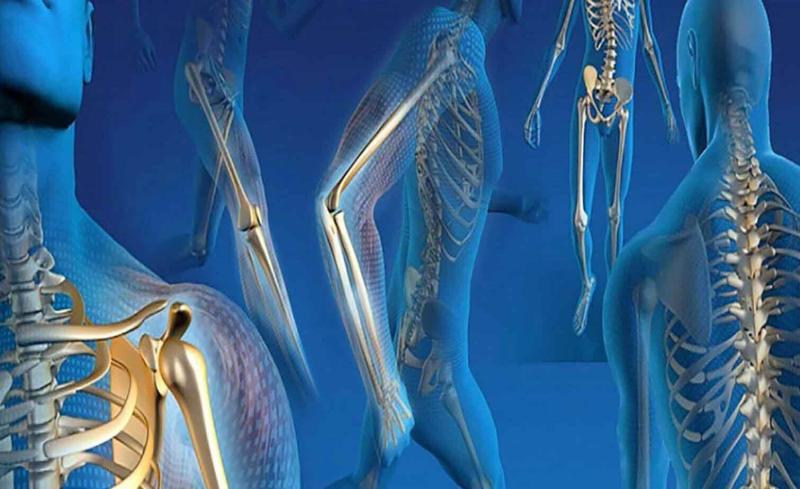
An in-depth exploration of the considerations surrounding the removal of surgical plates and screws following the healing of a bone fracture. This comprehensive guide will delve into the benefits, risks, decision-making process, surgical and recovery phases, costs, and patient experiences, providing a pillar of content for those contemplating this procedure.
The Ultimate Guide to Hardware Removal Surgery After a Fracture: Should Your Plates and Screws Stay or Go?
A sudden fall, a collision on the sports field, or a car accident can change your life in an instant, often resulting in a bone fracture. For many complex breaks, surgery is required to realign the bone and secure it with metal plates, screws, rods, or pins. This procedure, known as open reduction and internal fixation (ORIF), is a modern miracle of orthopedic medicine, providing the stability necessary for bones to heal correctly.
But once the bone has mended and you've completed months of rehabilitation, a new question emerges: What about the hardware inside? Does it need to come out? This question marks the beginning of a complex decision-making process for millions of people. While the hardware has served its purpose, its continued presence can be a source of debate and concern.
This guide is designed to be your comprehensive resource, a pillar of information to help you navigate this decision. We will explore every facet of orthopedic hardware removal, moving beyond simple pros and cons to provide a deep, evidence-based understanding of the entire journey. From the biological process of bone healing to the financial implications of a second surgery, we will arm you with the knowledge needed to have an informed conversation with your surgeon and make the choice that is right for you.
Chapter 1: A Foundation in Bone Healing and Surgical Fixation
Before we can decide whether to remove the hardware, it's essential to understand why it was put there in the first place and how the bone marvelously repairs itself.
The Miraculous Process of Bone Healing
When a bone fractures, the body initiates a remarkable four-stage healing cascade:
- Inflammation and Hematoma Formation: Immediately after the fracture, blood vessels rupture, causing a blood clot, or hematoma, to form at the site. This signals the start of the inflammatory response, bringing in specialized cells to begin the cleanup and repair process.
- Soft Callus Formation: Within a few days, the hematoma is gradually replaced by a soft callus made of fibrocartilage. This acts as a natural, flexible splint, providing initial stability to the fracture.
- Hard Callus Formation: Over the next several weeks, the soft callus is converted into a hard, bony callus. Osteoblasts, the bone-building cells, work tirelessly to create new bone, bridging the gap between the fractured ends. This is the stage where the bone begins to feel solid again.
- Bone Remodeling: This final stage can last for months or even years. The bulky hard callus is slowly reshaped and remodeled by the body into strong, compact bone. This process allows the bone to adapt to the loads and stresses placed upon it, eventually returning it to its original shape and strength.
The Role of Orthopedic Hardware
In a simple, well-aligned fracture, a cast may be all that is needed. However, in more severe fractures, the bone fragments can be displaced. This is where surgical fixation becomes critical. The primary goal of internal fixation with plates and screws is to achieve and maintain anatomical reduction—placing the bone fragments back into their precise, original alignment—to allow the healing process to occur correctly.
This hardware is crafted from biocompatible materials designed to be strong, durable, and non-reactive with the body. The most common materials are:
- Medical-Grade Stainless Steel: A strong and cost-effective option.
- Titanium and its Alloys: Known for their excellent strength-to-weight ratio, corrosion resistance, and superior biocompatibility. Titanium is also more compatible with MRI scans, causing less distortion of the image.
These devices act as an internal splint, holding everything in place while the body performs its natural healing magic.
Chapter 2: The Great Debate: To Remove or Not to Remove?
This is the central question. For some, the decision is clear-cut, driven by significant symptoms. For most, it's a gray area, requiring a careful weighing of the potential benefits against the undeniable risks of a second operation.
Part A: Compelling Reasons for Hardware Removal
While many people live comfortably with their hardware for a lifetime, there are several well-established reasons why removal surgery, or implant removal, becomes a necessary or highly desirable option.
1. Pain, Discomfort, and Irritation
This is the most common reason for hardware removal. The pain can manifest in several ways:
*
Prominence Under the Skin:
In areas with little soft tissue coverage, like the ankle, collarbone (clavicle), elbow, and wrist, hardware can be prominent. It can rub against clothing, shoes, or straps, causing persistent irritation.
*
Tendon and Soft Tissue Irritation:
Plates and screw heads can irritate overlying tendons as they glide back and forth, leading to tendonitis or a painful snapping sensation.
*
Temperature Sensitivity:
Some individuals report an aching pain at the hardware site in cold weather. While the exact mechanism is debated, it is a frequently reported symptom that often resolves after removal.
2. Infection
While uncommon, an infection can develop around the orthopedic implant.
*
Early Infection:
Occurs shortly after the initial surgery.
*
Late-Onset Infection:
Can appear months or even years later, sometimes after a minor illness or injury. Bacteria can form a protective layer on the implant called a biofilm, which makes them highly resistant to antibiotics alone. In cases of chronic, deep infection (osteomyelitis), removal of the hardware is almost always required to eradicate the infection.
3. Functional Impairment and Limited Range of Motion
Sometimes, the hardware itself can mechanically block a joint's full range of motion. A plate located near the elbow or ankle joint, for instance, might impede full flexion or extension, limiting a person's ability to perform daily activities or participate in sports.
4. Hardware Failure or Loosening
Though designed to be incredibly strong, orthopedic hardware can fail under repetitive stress. This can include the loosening or backing out of screws, or, in rare cases, the breaking of a plate. This is more likely to happen if the bone fails to heal properly (a "nonunion"), placing the full load on the hardware indefinitely. The signs of hardware failure include new pain, a popping or clicking sound, or a visible deformity, which would necessitate removal.
5. Allergic Reactions and Hypersensitivity
A small percentage of the population has allergies to metals like nickel, cobalt, or chromium, which can be components of stainless steel implants. An allergic reaction can cause a localized skin rash, persistent pain, swelling, and poor wound healing. If a metal allergy is suspected, a doctor may perform a patch test, and if positive, hardware removal is recommended.
6. Patient Preference and Psychological Factors
For some, the knowledge that they have a "foreign object" in their body is psychologically unsettling. Others may be concerned about the aesthetics of a prominent implant or a visible scar. For high-level athletes, the decision to remove hardware may be driven by a desire to return to their sport without any potential for implant-related complications during a future injury.
7. Long-Term Concerns
- Stress Shielding: A very rigid plate can "shield" the underlying bone from the normal stresses of daily life. According to Wolff's law, bone remodels and strengthens in response to the loads placed upon it. If the plate carries too much of the load, the bone beneath it can gradually lose density and become weaker (osteopenia). Removing the plate allows the bone to be subjected to normal physiological stress, which can improve its density over time.
- Interference with Imaging: Hardware can create significant artifacts on MRI and CT scans, making it difficult to diagnose future problems in that area.
Part B: The Case for Leaving Hardware In Place
If the hardware isn't causing any problems, the argument to "let sleeping dogs lie" is a powerful one. Every surgery, no matter how routine, carries inherent risks.
1. Avoiding the Risks of a Second Surgery
This is the most significant reason to leave asymptomatic hardware in place. The potential complications are serious and must be considered:
*
Risk of Infection:
Any time the skin is cut, there is a risk of introducing bacteria, which could lead to a serious infection.
*
Nerve and Blood Vessel Damage:
The hardware is often close to important nerves and blood vessels. During the removal surgery, these structures can be bruised, stretched, or even severed, potentially leading to numbness, weakness, or permanent paralysis in the affected area. The risk is particularly notable in areas like the upper arm (radial nerve) and lower leg (peroneal nerve).
*
Anesthesia Complications:
Whether general or regional, anesthesia carries its own set of risks, ranging from minor nausea to rare but severe reactions.
*
Refracture:
After the hardware is removed, the bone is left with empty screw holes. These holes act as "stress risers," creating weak points in the bone. There is a small but significant risk of the bone re-fracturing through one of these holes, especially if a patient returns to high-impact activities too soon.
2. The Difficulty of the Procedure
Hardware removal is not always a simple reversal of the initial surgery. Over time, bone can grow over and around the plates and screws, encasing them and making them difficult to extract. Screw heads can become stripped, or a phenomenon known as "cold welding" can occur, essentially fusing the screw to the plate. A difficult extraction can increase surgical time and raise the risk of complications like nerve damage or fracture.
3. The Second Recovery Period
Hardware removal is not a minor procedure. It requires another period of recovery, which can involve:
* Time off from work.
* A period of restricted weight-bearing or activity.
* Additional physical therapy.
* Pain and swelling.
For many, enduring another rehabilitation period is a significant deterrent.
Chapter 3: The Decision-Making Process: A Personalized Approach
There is no universal answer to the hardware removal question. The decision is highly individualized and should be made in close consultation with your orthopedic surgeon. Here are the key factors that will guide the conversation.
A Factor-Based Checklist
-
Anatomical Location:
This is paramount. Hardware in some locations is more likely to be symptomatic and is more frequently removed.
- High Removal Rates: Ankle (fibula), collarbone (clavicle), elbow (olecranon). These areas have thin skin and the hardware often causes irritation.
- Moderate Removal Rates: Wrist/Forearm (radius/ulna), hand, foot. Removal is typically only for specific symptoms like tendon irritation.
- Low Removal Rates: Upper arm (humerus), thigh (femur), shin (tibia). The significant risks (e.g., to the radial nerve in the humerus) and the fact that the hardware is buried deep under large muscles mean it is often left in place unless there is a compelling reason for removal. Intramedullary nails placed down the center of long bones are almost always left in permanently.
-
Patient Age and Activity Level:
- Younger, Active Patients & Athletes: These individuals are more likely to opt for removal. They have a longer lifespan ahead of them, are more likely to experience issues during high-impact sports, and may benefit from addressing long-term concerns like stress shielding.
- Older, More Sedentary Patients: For this group, the risks of a second surgery and another round of anesthesia and rehabilitation often outweigh the potential benefits, especially if the hardware is asymptomatic.
- Timing is Everything: Hardware should never be removed until the fracture is completely and solidly healed. X-rays must confirm this. Most surgeons recommend waiting at least 12 to 18 months after the initial surgery to allow for full bone consolidation and remodeling.
- Symptoms are the Main Driver: The presence and severity of pain, irritation, or functional limitation remain the number one reason to proceed with removal.
Your Consultation with the Surgeon: Questions to Ask
This decision is a partnership between you and your doctor. Be prepared for your appointment with a list of questions:
* "Given the specific location of my hardware, what are the primary risks of this removal surgery for me?"
* "In your experience, what percentage of patients with my injury and hardware find relief from their symptoms after removal?"
* "What are the chances that my pain is not from the hardware and will persist even after the surgery?"
* "What would the recovery process look like? How long until I can return to work/sports?"
* "What happens if the hardware is difficult to remove? Is it possible you might have to leave a piece behind?"
* "What is the risk of refracture, and how can I minimize it?"
Chapter 4: The Journey: Surgery and Recovery
If you and your surgeon decide to proceed, understanding the process can help alleviate anxiety and set you up for a successful outcome.
Preparing for Your Surgery
Preparation typically involves a pre-operative physical, bloodwork, and a consultation with the anesthesiologist to determine the safest method of anesthesia for you. You will need to arrange for time off from work and for help at home during the initial recovery period.
The Surgical Procedure
In many cases, the surgeon can use the original incision line, which helps to minimize additional scarring. The steps generally include:
1.
Incision and Exposure:
The surgeon carefully dissects through the layers of soft tissue to expose the plate and screws.
2.
Hardware Removal:
Each screw is carefully removed, followed by the plate itself. This is the most delicate part of the operation, requiring patience to avoid damaging surrounding structures.
3.
Wound Closure:
The incision is thoroughly cleaned and closed in layers.
The Road to Full Recovery
Recovery from hardware removal is typically faster and less painful than the original fracture surgery, but it still requires care and patience.
*
The First Two Weeks:
The focus is on pain management, rest, and keeping the incision clean and dry. Depending on the location, you may have weight-bearing restrictions to protect the bone.
*
Weeks Two to Six:
Your sutures or staples will be removed. You will likely begin a course of physical therapy to restore range of motion and strength.
*
Beyond Six Weeks:
As you regain function, you will be gradually cleared for more activity. However, it's crucial to remember the screw holes. It can take six months to a year or more for the bone to fully remodel and fill in these gaps. During this time, you must avoid high-impact activities or contact sports to prevent a refracture. Physical therapy is essential to ensure a complete and successful recovery.
Chapter 5: Unpacking the Costs and Navigating Insurance
The financial aspect of hardware removal surgery cannot be overlooked. Understanding the distinction between "medically necessary" and "elective" procedures is key.
*
Medically Necessary:
If you are having the hardware removed due to documented pain, infection, functional limitation, or hardware failure, insurance is very likely to cover the procedure.
*
Elective:
If the removal is for purely cosmetic reasons or a personal desire without symptoms, it may be deemed elective, and your insurance provider may deny coverage.
The total cost can vary dramatically based on your location, hospital, and insurance plan, but it includes the surgeon's fee, the anesthesiologist's fee, and the hospital or surgery center facility fees. Always obtain pre-authorization from your insurance company before scheduling the surgery to understand what will be covered and what your out-of-pocket expenses will be.
Chapter 6: Patient Stories and Finding the Right Expert
While data provides the facts, personal stories provide perspective.
*
Case Study 1: The Runner's Ankle.
A 30-year-old marathon runner had a plate and screws placed for a fibula fracture. A year later, while the bone was healed, the screw heads constantly rubbed against her running shoes, causing debilitating pain. For her, the decision was easy. After removal and a three-month recovery, she was back to pain-free running.
*
Case Study 2: The Office Worker's Arm.
A 55-year-old man had a plate on his humerus (upper arm bone). It caused him no pain or issues in his daily life. After discussing the significant risk to his radial nerve with his surgeon, he confidently decided against removal, deeming the risks far too great for a problem that didn't exist.
These stories highlight the spectrum of experiences. To navigate your own journey, it's vital to find a qualified surgeon. Look for a board-certified orthopedic surgeon with experience in trauma and, specifically, in hardware removal procedures.
Conclusion: A Decision Uniquely Yours
The question of whether to remove orthopedic hardware is not a simple one. There is no right or wrong answer, only the answer that is right for you. It is a deeply personal decision that requires a thorough understanding of the potential rewards and the unavoidable risks.
By understanding the mechanics of your injury, the function of your hardware, and the nuances of the removal process, you can move from a place of uncertainty to one of empowerment. Engage in an open and honest dialogue with your surgeon, weigh the evidence, listen to your body, and consider your lifestyle. This comprehensive approach will ensure that you make a confident, well-informed choice that best supports your long-term health and well-being.
Frequently Asked Questions (FAQ)
-
How long does hardware removal surgery typically take?
- It varies depending on the location and complexity, but most procedures take between 30 and 90 minutes.
-
Will I have a bigger scar?
- Surgeons almost always try to use the original incision line, so while the scar will be re-opened, it shouldn't be significantly larger.
-
What happens to the empty screw holes in the bone?
- The body's natural remodeling process will gradually fill in the holes with new bone over many months.
-
Will my bone be weaker after the hardware is removed?
- Initially, yes, due to the screw holes. However, once the holes have remodeled and the bone is no longer subject to stress shielding, it may actually regain its natural strength and density.
-
Can I keep my hardware after it's removed?
- Yes, in most cases. You can ask your surgeon to have the hardware cleaned and given to you after the procedure.
-
Can I go through airport security with orthopedic hardware?
- Yes. Modern scanners are very advanced. While your implant may be detected, it is a common occurrence, and security personnel are trained to handle it. You can carry a doctor's note, but it is usually not necessary.
-
Is it true that hardware hurts more in cold weather?
- Many patients report this phenomenon. While not fully understood scientifically, theories suggest that the metal, which conducts temperature differently than bone, may cause the surrounding tissues to contract, leading to a sensation of aching or pain.
Detailed Chapters & Topics
Dive deeper into specialized chapters regarding should-plates-and-screws-be-removed-after-bone-fractures-heal