Specialized Medical Category
Orthopedic Trauma
Principles of orthopedic trauma care. Detailed management of simple and complex fractures, dislocations, and soft tissue injuries.
131 Articles
Updated: Apr 2026
Articles in this Section
Page 7 of 11
Pathologic Fractures: Understand Causes, Identify Risks & Get Care
Guide Topics:
- Pathological Subtrochanteric Femoral Fracture Secondary to Multiple Myeloma: Diagnostic Nuances & Bone Scintigraphy
- Mastering the Mirel Scoring System: Prevent Fractures
- Orthopedic Management of Bisphosphonate Complications: MRONJ & Atypical Femoral Fractures
2023-01
72
Read More
Calcaneus Fractures: Essential Insights into Your Heel Bone
Guide Topics:
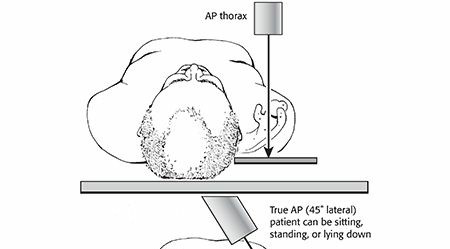
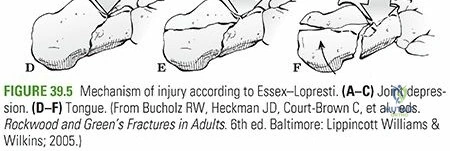
- Mastering Intra-Articular Calcaneal Fracture Repair: An Extensile Lateral Approach
- Extensile Lateral Approach to Calcaneal Fractures: Anatomy, Technique & Management
- Mastering Calcaneal Malunion Reconstruction: An Intraoperative Guide
2023-01
141
Read More
Master Pediatric Femoral Shaft & Knee Fractures: Interactive Module
Guide Topics:
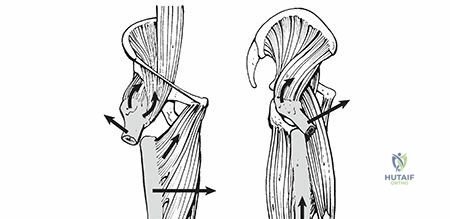
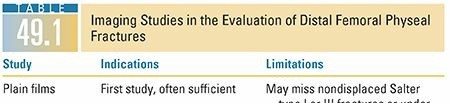
- Distal Femoral Physeal Fractures: An Intraoperative Masterclass
- Pediatric Knee Fractures: When is a Long Leg Cast Necessary?
- Submuscular Bridge Plating of Pediatric Femoral Shaft Fractures: An Intraoperative Masterclass
2023-01
99
Read More