Part of the Master Guide

OITE & ABOS Orthopedic Exam MCQs: Trauma, Foot & Knee Board Review Part 132

OITE & ABOS Orthopedic Exam MCQs: Spine, Arthroplasty & Fracture Part 102
23 Apr 2026 62 min read 40 Views
OITE & ABOS Orthopedic Board Prep: Practice Exam Part 102

Key Takeaway

This page offers Part 102 of a comprehensive OITE/AAOS Orthopedic Surgery Board Review. It features 50 high-yield MCQs designed for orthopedic residents and surgeons preparing for board certification. Utilize interactive Study or Exam modes to enhance your knowledge and readiness for exams.

OITE & ABOS Orthopedic Exam MCQs: Spine, Arthroplasty & Fracture Part 102

Comprehensive 100-Question Exam


00:00

Start Quiz

Question 1

A 14-year-old gymnast presents with progressive lower back pain and is diagnosed with an L5-S1 isthmic spondylolisthesis. Which of the following statements regarding her spino-pelvic parameters is most accurate concerning the etiology of her condition?


Explanation

High pelvic incidence (PI = Pelvic Tilt + Sacral Slope) is strongly correlated with the development of isthmic spondylolisthesis. A higher PI leads to an increased sacral slope, which in turn increases the anterior shear forces acting across the pars interarticularis at the L5-S1 junction. Pelvic incidence is considered a fixed morphological parameter after skeletal maturity.

Question 2

During a primary total knee arthroplasty for osteoarthritis, trial components are placed. Examination reveals that the knee is perfectly balanced in full extension but is significantly tight in 90 degrees of flexion. Which of the following is the most appropriate step to balance the knee?


Explanation

A knee that is balanced in extension but tight in flexion typically indicates that the posterior condylar offset of the femoral component is too large, or the PCL (if retaining) is too tight. Downsizing the femoral component (using anterior referencing) decreases the anteroposterior (AP) dimension, thus reducing the posterior condylar prominence and increasing the flexion gap without affecting the extension gap.

Question 3

A 35-year-old male is involved in a motorcycle accident. Radiographs reveal an anteroposterior compression (APC) type II pelvic ring injury. Which of the following posterior pelvic ligamentous structures is characteristically disrupted in this specific injury pattern?


Explanation

APC II injuries involve symphyseal diastasis and disruption of the anterior sacroiliac (SI) ligaments, as well as the sacrotuberous and sacrospinous ligaments. The critical distinction is that the strong posterior SI ligaments remain intact, providing vertical stability but allowing rotational instability (the 'open book' pelvic injury). APC III involves disruption of both anterior and posterior SI ligaments, resulting in both rotational and vertical instability.

Question 4

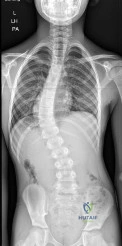
A 45-year-old man presents with right arm pain radiating to his thumb. Examination reveals weakness in wrist extension and an absent brachioradialis reflex. A clinical image representing his pathology is shown. Which of the following cervical nerve roots is most likely compressed?


Explanation

The clinical presentation is classic for a C6 radiculopathy. Findings include pain or numbness radiating to the thumb and index finger (radial aspect of the forearm and hand), weakness in wrist extension (extensor carpi radialis longus and brevis), and an absent or diminished brachioradialis reflex. C5 radiculopathy typically affects the deltoid and biceps; C7 affects the triceps, wrist flexion, and finger extension; C8 affects finger flexors.

Question 5

A 55-year-old highly active male underwent a primary total hip arthroplasty 2 years ago using a ceramic-on-ceramic bearing. He is very satisfied with his pain relief but complains of an audible 'squeaking' noise from the hip when rising from a chair. Which of the following factors is most strongly associated with this complication?


Explanation

Squeaking is a specific complication of ceramic-on-ceramic (CoC) bearings, occurring in up to 10% of patients. The noise is strongly associated with component malposition (e.g., steep inclination or excessive anteversion of the acetabular cup), which leads to edge loading. This causes micro-separation, disrupts fluid film lubrication, and leads to stripe wear and the resulting squeak.

Question 6

A 28-year-old man sustains a displaced, vertically oriented (Pauwels Type III) femoral neck fracture. Which of the following fixation constructs is shown biomechanically to provide the greatest stability against the high shear forces in this fracture pattern?


Explanation

Pauwels Type III fractures are highly vertical shear fractures (angle > 50 degrees) that are prone to varus collapse and nonunion. Biomechanical studies have demonstrated that fixed-angle devices, such as a sliding hip screw (SHS) supplemented with an anti-rotation screw, provide superior biomechanical stability against vertical shear forces compared to multiple parallel cancellous screws.

Question 7

A 22-year-old male sustains a traumatic cervical spine injury. On examination 48 hours later, he has motor function graded as 3/5 or higher in more than half of the key muscles below the neurological level of injury. He has intact light touch and pinprick sensation in the sacral segments (S4-S5). Based on the ASIA (American Spinal Injury Association) Impairment Scale, how is this injury classified?


Explanation

ASIA D is defined as a motor incomplete injury where motor function is preserved below the neurological level, and at least half or more of key muscle functions below the neurological level have a muscle grade of 3 or greater. ASIA C indicates motor preservation but more than half of key muscles below the neurological level have a muscle grade less than 3. ASIA B is sensory incomplete (sacral sparing but no motor preservation). ASIA A is complete.

Question 8

A surgeon utilizes the direct anterior approach for a total hip arthroplasty. To safely access the hip joint, an internervous plane is developed superficially. Which two nerves supply the muscles that form the boundaries of this superficial surgical interval?


Explanation

The direct anterior approach (Smith-Petersen) utilizes a superficial internervous plane between the sartorius (innervated by the femoral nerve) and the tensor fasciae latae (innervated by the superior gluteal nerve). The deep plane is between the rectus femoris (femoral nerve) and the gluteus medius (superior gluteal nerve).

Question 9

A 62-year-old woman presents with sudden inability to actively flex the interphalangeal joint of her right thumb 8 months after undergoing open reduction and internal fixation of a distal radius fracture with a volar locking plate. What is the most likely cause of her current presentation?


Explanation

Attritional rupture of the flexor pollicis longus (FPL) tendon is a classic and severe complication of volar locking plates used for distal radius fractures. It most commonly occurs when the plate is positioned too far distally, crossing the 'watershed line' of the distal radius, which exposes the tendon to repetitive friction against the prominent distal edge of the plate.

Question 10

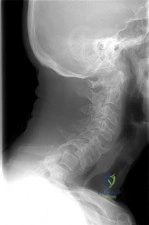
An 82-year-old male with severe COPD, coronary artery disease, and prior myocardial infarction falls and sustains a Type II odontoid fracture with 2 mm of posterior displacement. He is neurologically intact. A representative image is shown. Which of the following is the most appropriate treatment to minimize mortality while managing this fracture?


Explanation

In elderly patients (typically >80 years) with significant medical comorbidities, rigid cervical collar immobilization is the safest approach for isolated, minimally displaced Type II odontoid fractures. Halo vest immobilization in this age group is associated with high morbidity and mortality (up to 40%) due to respiratory complications and pin site issues. While surgical fusion provides better union rates, the perioperative risks are prohibitive in severely medically compromised elderly patients. Fibrous nonunion in this population is frequently asymptomatic and clinically stable.

Question 11

A 60-year-old woman with a history of a metal-on-metal total hip arthroplasty performed 8 years ago presents with new-onset groin pain and a palpable anterior thigh mass. Inflammatory markers are normal. MRI demonstrates a thick-walled cystic mass communicating with the joint. What is the classic histopathological finding associated with this condition?


Explanation

The presentation describes an adverse local tissue reaction (ALTR) or 'pseudotumor' associated with metal-on-metal THA. This is characterized by a delayed Type IV hypersensitivity reaction to metal wear debris (cobalt and chromium ions). The hallmark histological finding is an aseptic lymphocyte-dominated vasculitis-associated lesion (ALVAL), which includes perivascular lymphocytic infiltration, tissue necrosis, and fibrin deposition.

Question 12

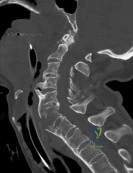
A 42-year-old male twists his ankle. Radiographs show a transverse fracture of the medial malleolus and a vertical fracture of the lateral malleolus extending proximally from the joint line. A representative radiograph is shown. According to the Lauge-Hansen classification, what was the position of the foot and the deforming force at the time of injury?


Explanation

The injury pattern described is a Supination-Adduction (SAD) fracture. In the SAD mechanism, the talus inverts, first placing tension on the lateral side, resulting in a transverse avulsion fracture of the lateral malleolus below the joint line (or an LCL tear). As adduction continues, the talus impacts the medial malleolus, causing a vertical shear fracture of the medial malleolus. This aligns with a Danis-Weber Type A fracture.

Question 13

A 68-year-old male complains of bilateral leg and buttock pain that worsens with prolonged standing and walking. His symptoms improve when he leans forward over a shopping cart. Examination reveals normal lower extremity pulses. Which of the following characteristics most reliably differentiates his neurogenic claudication from vascular claudication?


Explanation

Neurogenic claudication (due to lumbar spinal stenosis) is exacerbated by lumbar extension (which decreases canal volume) and relieved by lumbar flexion (such as leaning on a shopping cart or sitting), which opens the spinal canal and foramina. A key distinguishing feature is that mere cessation of walking while remaining standing (in lumbar extension) does not quickly relieve neurogenic pain. In contrast, vascular claudication is relieved rapidly by simply resting (stopping muscle exertion), even while standing upright.

Question 14

A 65-year-old male presents with a painful total knee arthroplasty 3 years postoperatively. His serum ESR is 45 mm/hr and CRP is 18 mg/L. Joint aspiration yields a white blood cell count of 4,500 cells/µL with 75% PMNs. Which of the following synovial fluid biomarkers currently offers the highest specificity for confirming a periprosthetic joint infection in this patient?


Explanation

Alpha-defensin is an antimicrobial peptide released by neutrophils in response to pathogens. Multiple meta-analyses have shown that synovial fluid alpha-defensin testing provides exceptionally high sensitivity and specificity (both typically >95%) for diagnosing periprosthetic joint infection (PJI). It outperforms other markers, including leukocyte esterase and synovial CRP, particularly in avoiding false positives from non-infectious inflammatory conditions.

Question 15

A 28-year-old comatose male is admitted to the ICU following a motor vehicle accident resulting in a closed tibia fracture. His blood pressure is 100/60 mmHg. Intracompartmental pressure monitoring of the anterior compartment of the injured leg reads 35 mmHg. What is the most appropriate next step in management?


Explanation

In obtunded or comatose patients, the diagnosis of acute compartment syndrome relies on objective pressure measurements. The 'delta P' (diastolic blood pressure minus compartment pressure) is the standard metric. A delta P of 30 mmHg or less is an absolute indication for emergent fasciotomy. In this patient, the diastolic BP is 60 mmHg and the compartment pressure is 35 mmHg, yielding a delta P of 25 mmHg. Therefore, an emergent four-compartment fasciotomy is indicated.

Question 16

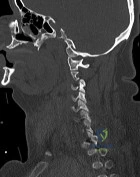
A 65-year-old man with type 2 diabetes presents with neck stiffness and mild dysphagia. Radiographs demonstrate flowing ossification along the anterolateral aspect of four contiguous vertebral bodies in the cervical spine. The intervertebral disc spaces are preserved, and the sacroiliac joints are normal. A representative image is shown. What is the most likely diagnosis?


Explanation

Diffuse idiopathic skeletal hyperostosis (DISH), or Forestier disease, is characterized by flowing ossification of the anterolateral aspect of at least four contiguous vertebral bodies. Diagnostic criteria include the preservation of intervertebral disc height and the absence of sacroiliac joint erosion or ankylosis (which distinguishes it from ankylosing spondylitis). Large anterior cervical osteophytes can impinge on the esophagus, causing dysphagia. It is strongly associated with metabolic syndrome and type 2 diabetes.

Question 17

A 72-year-old female sustains a posterior dislocation of her total hip arthroplasty 4 weeks postoperatively. The surgery was performed via a posterior approach. After successful closed reduction, what is the most appropriate bracing strategy to prevent a recurrent posterior dislocation?


Explanation

Posterior dislocations of a THA most commonly occur when the hip is placed in a position of excessive flexion, adduction, and internal rotation. Therefore, to prevent a recurrent posterior dislocation, an abduction brace should be applied that restricts these 'at-risk' positions. It typically limits hip flexion (e.g., to 70 degrees or less) and prevents internal rotation and adduction.

Question 18

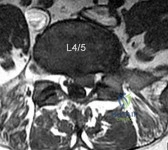
A 45-year-old pedestrian is struck by a car. Radiographs and CT reveal a depressed fracture of the lateral tibial plateau accompanied by a transverse fracture line separating the condyles from the tibial shaft (metaphyseal-diaphyseal dissociation). A representative image is shown. According to the Schatzker classification, what type of fracture is this?


Explanation

The Schatzker classification is used for tibial plateau fractures. Schatzker Type VI is defined by metaphyseal-diaphyseal dissociation, meaning a fracture line totally separates the articular condyles from the tibial diaphysis. This is a high-energy injury often associated with significant soft-tissue damage and compartment syndrome. Schatzker I-III involve only the lateral plateau; Schatzker IV involves the medial plateau; Schatzker V is a bicondylar fracture but the metaphysis remains attached to the diaphysis.

Question 19

A 35-year-old female falls from a horse and sustains a T12 burst fracture. On CT, there is 40% canal compromise, but the posterior ligamentous complex (PLC) is intact. She has 5/5 strength in all lower extremity myotomes, normal sensation, and intact bowel/bladder function. What is her Thoracolumbar Injury Classification and Severity (TLICS) score, and what is the recommended treatment based on this score?


Explanation

The Thoracolumbar Injury Classification and Severity (TLICS) score determines treatment for thoracolumbar fractures based on three categories. 1) Morphology: Burst fracture = 2 points. 2) Neurological status: Intact = 0 points. 3) Posterior ligamentous complex (PLC) integrity: Intact = 0 points. The total score is 2. A score of ≤3 indicates nonoperative management (e.g., TLSO brace). A score of 4 is indeterminate, and ≥5 suggests operative management.

Question 20

A 68-year-old male undergoes a primary total knee arthroplasty for severe valgus osteoarthritis (25 degrees of valgus deformity). In the recovery room, he is noted to have a foot drop and decreased sensation over the dorsum of his foot. What is the most appropriate initial management for this complication?


Explanation

Peroneal nerve palsy is a severe complication of TKA, especially following the correction of severe valgus or flexion contractures. The nerve experiences traction injury as the lateral side is tensioned. Postoperative swelling and tight dressings can exacerbate the compromise. The immediate first step is to remove all restrictive dressings, splints, and wraps, and to slightly flex the knee to relieve physical tension on the peroneal nerve. Surgical exploration is generally reserved for suspected direct laceration or expanding hematoma.

Question 21

A 35-year-old male is brought to the trauma bay after a high-speed motor vehicle collision. He is intubated and sedated. A lateral cervical spine radiograph shows a Basion-Dens Interval (BDI) of 14 mm and Basion-Axial Interval (BAI) of 15 mm. What is the most appropriate definitive management?


Explanation

The patient has an atlanto-occipital dissociation (AOD), indicated by a BDI and BAI both >12 mm (normal is <12 mm). AOD is a highly unstable injury characterized by disruption of the tectorial membrane and alar ligaments. The standard of care is rigid stabilization via an occipitocervical fusion. Halo immobilization is contraindicated as it can cause overdistraction of the unstable occipitocervical junction.

Question 22

A 45-year-old male presents with severe right anterior thigh pain and weakness in knee extension. An MRI of the lumbar spine reveals a far-lateral (extraforaminal) disc herniation at the L3-L4 level. Which nerve root is most likely compressed by this specific pathology?


Explanation

In the lumbar spine, a far-lateral (extraforaminal) disc herniation compresses the exiting nerve root at the same level. Because the exiting nerve root leaves the neural foramen below the correspondingly numbered pedicle, an L3-L4 far-lateral disc herniation will compress the exiting L3 nerve root, causing anterior thigh pain and quadriceps weakness. A paracentral disc herniation at the same level would compress the traversing L4 root.

Question 23

A patient sustains a sacral fracture with a vertical fracture line passing directly through the neural foramina. According to the Denis classification, what zone is this fracture, and what is the approximate risk of neurologic injury?


Explanation

According to the Denis classification of sacral fractures: Zone 1 (alar) is lateral to the foramina and has a 5% risk of nerve injury (usually L5). Zone 2 (foraminal) passes through the neural foramina, carrying a 28% risk of neurologic injury (typically radiculopathy). Zone 3 (central canal) involves the central sacral canal medial to the foramina and has a 57% risk of neurologic injury, frequently presenting with bowel or bladder dysfunction.

Question 24

A 68-year-old male presents with bilateral hand clumsiness, difficulty walking, and intermittent neurogenic claudication of the lower extremities. Physical exam shows hyperreflexia in the lower extremities, a positive Hoffman sign, and diminished reflexes in the upper extremities. An MRI demonstrates severe cervical stenosis at C4-C6 with cord signal change, as well as severe lumbar stenosis at L3-L5. When planning surgical intervention, what is the generally recommended approach?


Explanation

This patient has symptomatic tandem spinal stenosis (concurrent cervical myelopathy and lumbar stenosis). The generally accepted management algorithm is to address the cervical spine first. Decompressing the cervical spine initially halts the progression of myelopathy and prevents potentially catastrophic worsening of cervical cord compromise that could occur during patient positioning and intubation for the lumbar surgery.

Question 25

A 72-year-old female presents with a loose right total hip arthroplasty. Radiographs demonstrate superior migration of the acetabular component by 3.5 cm, with massive osteolysis extending medial to the Kohler line and complete destruction of the inferior aspect of the teardrop. This acetabular defect is best classified as:


Explanation

The Paprosky classification for acetabular defects guides reconstruction. Type IIIB defects are characterized by severe superior migration (>3 cm), medial migration past the Kohler line, and loss of the inferior teardrop, indicating massive bone loss and pelvic discontinuity risk. Type IIIA defects also have >3 cm superior migration but maintain an intact teardrop and Kohler line (the medial wall is intact).

Question 26

During a primary total knee arthroplasty, the surgeon performs a trial reduction and notes lateral patellar subluxation during flexion without the tourniquet inflated. Which of the following technical errors could most likely contribute to this finding?


Explanation

Internal rotation of the femoral component and internal rotation of the tibial component both medialise the trochlear groove or lateralise the tibial tubercle relative to the trochlea, increasing the Q-angle and leading to lateral patellar maltracking. External rotation of the femoral or tibial components, as well as medialization of the tibial tray or patellar button, typically improves patellar tracking.

Question 27

A 68-year-old male presents with a painful total knee arthroplasty 6 weeks after index surgery. Aspiration reveals synovial WBC of 45,000 cells/µL with 92% PMNs. Cultures grow methicillin-sensitive Staphylococcus aureus. Radiographs confirm a loose tibial component with a wide radiolucent line. Which of the following is an absolute contraindication to Debridement, Antibiotics, and Implant Retention (DAIR)?


Explanation

DAIR is generally indicated for acute postoperative infections (within 90 days) or acute hematogenous infections (symptoms < 3 weeks) in the setting of a well-fixed prosthesis and a healthy soft tissue envelope. A loose prosthesis is an absolute contraindication to DAIR and necessitates component removal (typically via a 2-stage exchange arthroplasty).

Question 28

A 58-year-old male presents with severe groin pain 6 years after an uncomplicated primary THA using a cobalt-chrome head on a titanium stem with a highly cross-linked polyethylene liner. His serum cobalt level is 8 ppb and chromium is 1 ppb. MRI with MARS reveals a large cystic mass communicating with the joint space. What is the most likely diagnosis?


Explanation

In a metal-on-polyethylene THA, an elevated serum cobalt level that is disproportionately higher than the chromium level (Co > Cr) points to mechanically assisted crevice corrosion (MACC) at the head-neck junction (trunnionosis). This corrosion leads to an adverse local tissue reaction (ALTR) or pseudotumor, manifesting as a cystic mass on MRI.

Question 29

A 45-year-old male sustains an acetabular fracture in a motor vehicle collision.

Representative radiographs demonstrate disruption of both the anterior and posterior columns. A 'spur sign' is clearly visible on the obturator oblique view. Which of the following is the most likely diagnosis?


Explanation

The 'spur sign' seen on the obturator oblique radiograph is a pathognomonic finding for a both-column acetabular fracture. It represents the posteroinferior aspect of the intact ilium that has completely dissociated from the articular surface. The presence of this sign confirms that no portion of the articular surface remains attached to the axial skeleton.

Question 30

A 35-year-old female sustains a complex bicondylar tibial plateau fracture. The CT scan reveals a large posteromedial shear fragment extending to the joint line. Which of the following surgical approaches provides the most direct and optimal access for anti-glide or buttress plating of this specific fragment?


Explanation

The standard posteromedial approach to the tibia utilizes the interval between the pes anserinus anteriorly and the medial head of the gastrocnemius posteriorly. It allows direct visualization and orthogonal placement of a buttress or anti-glide plate to neutralize the shear forces of a posteromedial plateau fragment, which is biomechanically superior to anterior-to-posterior lag screws alone.

Question 31

A 25-year-old male sustains a vertically oriented (Pauwels type III) femoral neck fracture. Which of the following fixation constructs provides the greatest biomechanical stability for this high-shear fracture pattern?


Explanation

Vertically oriented femoral neck fractures (Pauwels III) experience significant shear forces leading to varus collapse. Biomechanical studies have shown that fixed-angle devices, such as a sliding hip screw (DHS), provide superior stability against shear and varus stress compared to multiple cancellous screws. A derotational screw is often added superiorly to prevent rotation during lag screw insertion and to improve overall construct rigidity.

Question 32


A 40-year-old male sustains a high-energy closed tibial pilon fracture, as demonstrated in the representative clinical image showing severe soft tissue swelling and clear fracture blisters. What is the most appropriate initial management?


Explanation

High-energy pilon fractures are notorious for severe soft-tissue compromise. The standard of care is a staged protocol: initial application of a spanning external fixator across the ankle joint (often with limited open fixation of the fibula to restore length, though optional) to allow the soft tissue envelope to recover. Definitive ORIF is delayed until swelling subsides and the 'wrinkle sign' appears, usually 1-3 weeks later.

Question 33

A 30-year-old male sustains a C1 burst (Jefferson) fracture. An open-mouth odontoid radiograph demonstrates lateral displacement of the C1 lateral masses. According to the Rule of Spence, what total combined overhang of the C1 lateral masses on the C2 articular facets suggests a rupture of the transverse atlantal ligament (TAL)?


Explanation

The Rule of Spence dictates that on an open-mouth odontoid view, if the total combined lateral overhang of the C1 lateral masses on the C2 superior articular facets is greater than 6.9 mm, it strongly suggests incompetence or rupture of the transverse atlantal ligament (TAL), indicating instability. In the MRI era, TAL integrity is usually confirmed directly with high-resolution MRI.

Question 34

A 14-year-old gymnast presents with chronic low back pain. Radiographs (representative example shown below) demonstrate a Grade II isthmic spondylolisthesis at L5-S1.

Despite 6 months of nonoperative management, her pain persists and she has developed bilateral L5 radiculopathy. What is the most appropriate surgical treatment?


Explanation

For a symptomatic Grade II isthmic spondylolisthesis that has failed nonoperative management and is presenting with radiculopathy, the gold standard treatment is posterior decompression (e.g., Gill laminectomy to relieve the L5 nerve roots) and L5-S1 instrumented posterolateral fusion. Pars repair is generally reserved for Grade I slips or spondylolysis without a slip in young athletes.

Question 35

A 55-year-old male with medial compartment osteoarthritis of the knee is being evaluated for a unicompartmental knee arthroplasty (UKA). Which of the following is historically and contemporarily considered an absolute contraindication to a medial UKA?


Explanation

Inflammatory arthritis (such as Rheumatoid arthritis) is a universally accepted absolute contraindication to UKA because the disease is systemic and involves all compartments of the joint, leading to a very high rate of early failure. ACL deficiency was traditionally an absolute contraindication, but it is now considered a relative contraindication (or even acceptable in selected cases with fixed-bearing UKA). Age, weight, and mild flexion contractures (<15 degrees) are not absolute contraindications.

Question 36

During a complex revision total hip arthroplasty to extract a well-fixed, fully porous-coated cylindrical femoral stem, the surgeon decides to perform an extended trochanteric osteotomy (ETO). The osteotomy is correctly performed by:


Explanation

An extended trochanteric osteotomy (ETO) involves making a controlled osteotomy of the lateral one-third of the proximal femur. This preserves the tendinous insertions of the gluteus medius and minimus proximally and the vastus lateralis distally as a continuous sleeve, maintaining the blood supply and aiding in subsequent healing. It provides excellent exposure for cement or stem removal and allows straight-line reaming for the revision stem.

Question 37

A 28-year-old male sustains a Gustilo-Anderson Type IIIB open fracture of the distal third of the tibial shaft. After thorough debridement and skeletal stabilization, a 6 cm x 4 cm soft tissue defect with exposed bone devoid of periosteum remains. Which of the following soft tissue coverage options is most appropriate?


Explanation

Soft tissue coverage for the tibia is divided into thirds. The proximal third is typically covered by a medial gastrocnemius flap. The middle third is covered by a soleus flap. The distal third lacks adequate local muscle bulk with a reliable arc of rotation, so Type IIIB defects in the distal third generally require free tissue transfer (such as an ALT, gracilis, or latissimus dorsi free flap) for robust coverage.

Question 38

A 65-year-old female sustains a dorsally displaced distal radius fracture (Colles type). A volar approach (modified Henry) is planned for open reduction and internal fixation. During the approach, the interval is developed between the flexor carpi radialis (FCR) and the radial artery. Which muscle must be incised and elevated from the radius to expose the fracture site?


Explanation

In the modified Henry approach to the distal radius, the superficial interval is between the FCR tendon and the radial artery. In the deep dissection, the pronator quadratus muscle is encountered overlying the volar surface of the distal radius. It is incised along its radial border and elevated ulnarly (often as an L-shaped flap) to expose the fracture site.

Question 39

A 55-year-old male presents with worsening gait instability and fine motor dysfunction in his hands. MRI of the cervical spine demonstrates severe central canal stenosis at C4-C5 with T2-weighted hyperintensity in the spinal cord. Which of the following MRI findings is associated with the poorest prognosis for neurologic recovery after decompressive surgery?


Explanation

In the setting of cervical spondylotic myelopathy (CSM), T2 hyperintensity within the spinal cord indicates edema, ischemia, or myelomalacia. The presence of a corresponding T1 hypointensity signifies cystic necrosis or permanent myelomalacia and is a strong negative prognostic indicator for neurologic recovery following surgical decompression.

Question 40

A 24-year-old snowboarder sustains a hyperdorsiflexion injury to his ankle. Radiographs show a talar neck fracture with subluxation of the subtalar joint, but the tibiotalar joint remains congruous. According to the Hawkins classification, what type is this fracture, and what is the approximate rate of avascular necrosis (AVN)?


Explanation

According to the Hawkins classification of talar neck fractures: Type I is nondisplaced (AVN 0-10%). Type II has subtalar subluxation or dislocation with an intact tibiotalar joint (AVN ~20-50%). Type III has both subtalar and tibiotalar dislocation (AVN ~80-100%). Type IV (Canale modification) includes talonavicular subluxation/dislocation.

Question 41

A 68-year-old female undergoes a primary posterior-stabilized total knee arthroplasty. During trial reduction with the thinnest available polyethylene insert, the knee is found to be symmetrically tight in both full extension and 90 degrees of flexion. What is the most appropriate next step to achieve a balanced gap?


Explanation

When a total knee arthroplasty is symmetrically tight in both flexion and extension, the overall joint space is too small. Because the tibial cut affects both the flexion and extension gaps equally, resecting more proximal tibia (or using a thinner polyethylene insert, if one were available) will increase both gaps simultaneously and achieve balance. Resecting more distal femur only increases the extension gap, while downsizing the femoral component primarily affects the flexion gap.

Question 42

An 82-year-old male presents to the emergency department after a ground-level fall. Imaging reveals a displaced Anderson D'Alonzo Type II odontoid fracture. His medical history is significant for severe COPD on home oxygen and congestive heart failure. He is neurologically intact. Which of the following is the most appropriate management strategy?


Explanation

In the elderly population with severe medical comorbidities, the treatment of Type II odontoid fractures is challenging. Halo vest immobilization is generally contraindicated in this demographic due to unacceptably high rates of morbidity and mortality (e.g., pneumonia, pin site infections). While surgical fixation provides higher union rates, patients with severe cardiorespiratory disease are often poor surgical candidates. Immobilization in a rigid cervical collar is the treatment of choice in such cases; although the nonunion rate is high, the nonunions are typically stable and asymptomatic fibrous unions.

Question 43

During an ilioinguinal approach for the open reduction and internal fixation of an anterior pelvic ring fracture, the surgeon encounters brisk arterial bleeding near the superior pubic ramus. Which of the following vascular structures or anastomoses is the most likely source of this bleeding?


Explanation

The source of the bleeding is likely the 'corona mortis' (crown of death), which is a vascular anastomosis between the external iliac or inferior epigastric vessels and the obturator vessels. It is located on the posterior aspect of the superior pubic ramus, typically 4 to 9 cm from the pubic symphysis, and can cause significant hemorrhage if inadvertently injured during surgical approaches to the anterior pelvis or acetabulum.

Question 44

A 55-year-old male is 15 years post-operative from a total hip arthroplasty utilizing a highly cross-linked polyethylene (HXLPE) liner. Which of the following best describes the wear and mechanical characteristics of HXLPE compared to conventional ultra-high-molecular-weight polyethylene?


Explanation

Highly cross-linked polyethylene (HXLPE) is manufactured using irradiation to create cross-links between polymer chains, followed by a heating process (melting or annealing) to eliminate free radicals. This significantly reduces adhesive and abrasive volumetric wear. However, the cross-linking process alters the mechanical properties, leading to a reduction in ductility, yield strength, and ultimate tensile strength, which increases its susceptibility to fatigue cracking and rim fracture, particularly in thin liners or with malpositioned components.

Question 45

A 14-year-old female competitive gymnast presents with progressive low back pain and hamstring tightness. Radiographs demonstrate a grade II L5-S1 isthmic spondylolisthesis. She has failed 6 months of comprehensive nonoperative management including physical therapy and bracing. What is the most appropriate surgical intervention?


Explanation

For a pediatric or adolescent patient with a symptomatic low-grade (Grade I or II) isthmic spondylolisthesis that has failed conservative treatment, an L5-S1 posterolateral fusion (with or without instrumentation) is the gold standard surgical treatment. Laminectomy alone is contraindicated in the pediatric population as it increases instability and the risk of further slip progression. ALIF alone or disc replacement is not indicated for this pathology in adolescents.

Question 46

A 35-year-old male sustains a displaced Pauwels type III femoral neck fracture in a motor vehicle collision. He is taken to the operating room for open reduction and internal fixation. Which of the following biomechanical constructs provides the most stable fixation for this specific fracture pattern?


Explanation

Pauwels type III femoral neck fractures are highly vertical (angle > 50 degrees from the horizontal) and experience significant shear forces across the fracture site, predisposing to varus collapse and nonunion. Biomechanical studies have demonstrated that a fixed-angle device, such as a sliding hip screw (SHS), provides superior stability against these shear forces compared to multiple cancellous screws. The addition of a derotational cancellous screw superior to the SHS provides necessary rotational control of the femoral head.

Question 47

A 65-year-old female presents with a painful total knee arthroplasty 3 years postoperatively. Synovial fluid analysis reveals a WBC count of 3,500 cells/uL with 75% PMNs. An alpha-defensin test is ordered and returns positive. Which of the following best describes the nature and clinical utility of alpha-defensin in diagnosing periprosthetic joint infection (PJI)?


Explanation

Alpha-defensin is a biomarker used in the diagnosis of periprosthetic joint infection (PJI). It is an antimicrobial peptide released primarily by human neutrophils in response to pathogens. The synovial fluid alpha-defensin test has been shown to be highly sensitive and specific for PJI. A key advantage of the test is that its accuracy is not significantly diminished by prior systemic antibiotic administration, unlike traditional synovial fluid cultures.

Question 48

A 45-year-old male sustains an L1 burst fracture after falling from a height. Neurological examination reveals normal motor and sensory function in the bilateral lower extremities, and normal rectal tone. CT imaging demonstrates a 40% loss of anterior vertebral body height, 15 degrees of local kyphosis, and 25% spinal canal compromise. MRI confirms that the posterior ligamentous complex (PLC) is completely intact. According to the Thoracolumbar Injury Classification and Severity (TLICS) score, what is his total score and the generally recommended management?


Explanation

The Thoracolumbar Injury Classification and Severity (TLICS) system is based on three categories: injury morphology, neurological status, and integrity of the posterior ligamentous complex (PLC). For this patient: Morphology is a burst fracture (2 points). Neurological status is intact (0 points). PLC is intact (0 points). The total score is 2. A TLICS score of 3 or less indicates nonoperative management (e.g., bracing or observation), a score of 4 is indeterminate (surgeon preference), and a score of 5 or more indicates operative intervention.

Question 49

A 42-year-old female presents with acute wrist pain and deformity after a fall on an outstretched hand. Radiographs reveal a highly comminuted, intra-articular fracture of the distal radius with a prominent volar marginal fragment and volar subluxation of the carpus.

Which of the following eponymous terms best describes this fracture pattern, and what is the optimal surgical approach for internal fixation?


Explanation

A volar shear fracture of the distal radius with concomitant volar radiocarpal subluxation is eponymously known as a Volar Barton fracture. Because the primary deforming force is volar shear, it is mechanically best treated by placing a volar buttress plate via a volar approach (typically the modified Henry approach between the FCR and radial artery) to directly counteract the shear forces and prevent volar carpal translation.

Question 50

A 58-year-old male presents with isolated medial compartment knee osteoarthritis. He is considering a medial unicompartmental knee arthroplasty (UKA). Which of the following conditions represents an absolute contraindication to proceeding with a UKA?


Explanation

Inflammatory arthropathies, such as rheumatoid arthritis, are generally considered absolute contraindications for unicompartmental knee arthroplasty due to the systemic, progressive nature of the disease, which will almost certainly affect the remaining un-resurfaced compartments of the knee. Historically, age <60, weight >90kg, and patellofemoral changes were contraindications (Kozinn and Scott criteria), but modern literature has largely debunked these as absolute contraindications. An intact ACL is a requirement (an indication), not a contraindication, for a standard UKA.

Question 51

A 52-year-old male presents with severe radicular pain radiating down his right arm to his middle finger. Neurological examination reveals weakness in elbow extension and wrist flexion. His triceps reflex is 1+ on the right and 2+ on the left. Biceps and brachioradialis reflexes are symmetric and 2+. He has decreased pinprick sensation over the volar aspect of his middle finger. Compression of which cervical nerve root is most likely responsible for these findings?


Explanation

The clinical presentation is classic for a C7 radiculopathy, typically caused by a C6-C7 disc herniation. The C7 nerve root supplies the triceps muscle (elbow extension) and contributes to wrist flexion and extension. The hallmark reflex change is a diminished triceps reflex. Sensory changes are characteristically found in the middle finger.

Question 52

A 34-year-old male cyclist is struck by a motor vehicle and presents to the trauma bay. Radiographs demonstrate a displaced midshaft clavicle fracture and a displaced fracture of the ipsilateral scapular neck, representing a 'floating shoulder' injury. Which of the following represents a generally accepted, strong indication for operative fixation of the clavicle (and potentially the scapula) in this setting?


Explanation

A 'floating shoulder' is a double disruption of the superior shoulder suspensory complex (SSSC). While historically thought to be inherently unstable and an absolute indication for surgery, modern evidence suggests that minimally displaced floating shoulders can be treated nonoperatively. However, significant displacement is an indication for surgery. Medialization of the glenoid > 10 mm or angular displacement > 40 degrees are recognized indications for operative fixation (often fixing the clavicle alone is sufficient to restore stability, though both may be addressed).

Question 53

A 62-year-old female is 8 years post-operative from a metal-on-metal total hip arthroplasty. She presents with new-onset, progressive anterior groin pain and a palpable soft tissue mass. Serum cobalt and chromium levels are elevated. MRI with MARS sequencing reveals a large periarticular cystic mass. Tissue biopsy of the periarticular soft tissues would most likely reveal which of the following characteristic histologic findings?


Explanation

The clinical scenario describes an adverse local tissue reaction (ALTR) or pseudotumor associated with a metal-on-metal (MoM) total hip arthroplasty. The characteristic histologic hallmark of this condition is the Aseptic Lymphocyte-dominated Vasculitis-Associated Lesion (ALVAL), which represents a delayed type IV hypersensitivity immune response to metal ions (cobalt and chromium).

Question 54

A 40-year-old male presents with bilateral leg sciatica, perineal numbness, and new-onset urinary incontinence. An ultrasound bladder scan reveals a post-void residual of 400 mL. MRI confirms a massive L4-L5 central disc herniation severely compressing the thecal sac.

According to current literature, what is the generally accepted critical time threshold for emergent surgical decompression to optimize the chances of full neurologic recovery?


Explanation

Cauda equina syndrome is an orthopedic emergency. Meta-analyses and extensive clinical literature, most notably by Ahn et al., have demonstrated that surgical decompression performed within 48 hours of the onset of symptoms significantly improves the chances of recovering motor, sensory, and sphincter (bladder/bowel) function compared to decompression performed after 48 hours. While some advocate for even earlier intervention (e.g., <24 hours), 48 hours is the widely tested and accepted critical threshold in board examinations.

Question 55

A 28-year-old male construction worker falls from a ladder and sustains an intra-articular calcaneus fracture. Radiographs show a decreased Bohler's angle and an increased angle of Gissane. He is scheduled for open reduction and internal fixation. Which of the following surgical approaches provides the most comprehensive exposure of the subtalar joint and the lateral wall of the calcaneus?


Explanation

The extensile lateral approach is the standard, traditional surgical approach for complex, displaced intra-articular calcaneus fractures. It provides excellent, comprehensive exposure of the entire lateral wall of the calcaneus, the posterior facet of the subtalar joint, and the calcaneocuboid joint, allowing for precise reduction and plate fixation. While the sinus tarsi approach is less invasive and gaining popularity, it provides more limited exposure compared to the extensile lateral approach.

Question 56

During a total hip arthroplasty via a posterior approach, the surgeon inadvertently utilizes a femoral component with significantly less femoral offset than the patient's native anatomy, though leg lengths are perfectly restored. Postoperatively, the patient experiences recurrent posterior dislocations. Decreasing femoral offset contributes to joint instability primarily through which of the following mechanisms?


Explanation

Femoral offset is the horizontal distance from the center of rotation of the femoral head to a line bisecting the long axis of the femur. Decreasing femoral offset shortens the lever arm of the abductor musculature. This results in relative soft tissue laxity and weakness of the abductors, which significantly decreases the stability of the hip joint and increases the risk of dislocation. It can also lead to earlier bony impingement between the greater trochanter and the pelvis.

Question 57

A 55-year-old diabetic male with a history of intravenous drug use presents with severe, localized back pain, low-grade fever, and progressive bilateral lower extremity weakness. MRI reveals a dorsal fluid collection in the epidural space from T8 to T10, causing significant spinal cord compression. What is the most common causative organism for this pathology?


Explanation

The patient's presentation and imaging are classic for a spinal epidural abscess. Staphylococcus aureus is by far the most common causative organism, accounting for approximately two-thirds of all cases. Other less common pathogens include gram-negative bacilli (e.g., in IV drug users), coagulase-negative staphylococci, and mycobacteria, but S. aureus remains the predominant pathogen.

Question 58

A 45-year-old female pedestrian is struck by a motor vehicle. Radiographs of her right knee demonstrate a displaced fracture of the medial tibial plateau with extension into the metaphysis. The lateral tibial plateau is completely intact.

How is this fracture classified according to the Schatzker classification system?


Explanation

The Schatzker classification is widely used for tibial plateau fractures. Schatzker I is a lateral split; II is a lateral split-depression; III is a pure lateral depression. Schatzker IV is a fracture of the medial tibial plateau. Schatzker V is a bicondylar fracture, and Schatzker VI involves metaphyseal-diaphyseal dissociation. This isolated medial plateau fracture is a Schatzker IV. It represents a high-energy injury and is highly associated with peroneal nerve and popliteal artery injuries, as well as knee dislocation variants.

Question 59

A 68-year-old female presents with a painful 'catching' or 'popping' sensation in her knee 14 months after undergoing a posterior-stabilized total knee arthroplasty. She notes the catching occurs consistently as she extends her knee from a flexed position, typically around 30 to 45 degrees of flexion. Which of the following is the underlying pathophysiology of this specific phenomenon?


Explanation

The clinical presentation describes 'patellar clunk syndrome,' a known complication primarily associated with posterior-stabilized (PS) total knee arthroplasty designs. It is caused by the development of a fibrosynovial nodule at the junction of the quadriceps tendon and the superior pole of the patella. As the knee extends from flexion, this nodule drops into the intercondylar box of the femoral component and then forcefully 'clunks' or pops out as extension continues (usually between 30 and 45 degrees of flexion). Treatment is arthroscopic excision of the nodule.

Question 60

A 70-year-old male presents with deteriorating handwriting, difficulty buttoning his shirts, and a progressive, unsteady, broad-based gait. On physical examination, the examiner supports the patient's hand and sharply flicks the volar aspect of the distal phalanx of the patient's middle finger. This maneuver immediately produces rapid, involuntary flexion of the thumb and index finger. What is the name of this clinical sign, and what neurologic localization does it indicate?


Explanation

The clinical scenario and the physical exam maneuver describe Hoffmann's sign. Elicited by flicking the nail of the middle finger, a positive sign is the reflexive flexion of the thumb and/or index finger. It is indicative of an upper motor neuron (UMN) lesion above the level of C5, such as in cervical spondylotic myelopathy, which aligns with his symptoms of clumsiness (myelopathic hand) and gait dysfunction.

Question 61

A 68-year-old female presents with progressive clumsiness in her hands and difficulty walking. Radiographs and MRI demonstrate severe cervical spondylosis from C3 to C6 with a rigid 20-degree cervical kyphosis and cord signal changes. Which of the following is the most appropriate surgical approach?


Explanation

In the setting of cervical myelopathy with a rigid kyphotic deformity, an anterior approach is necessary to adequately decompress the spinal cord and correct the sagittal alignment. A posterior-only approach (laminectomy or laminoplasty) is contraindicated as the cord will remain draped over the anterior osteophytes in a rigid kyphotic spine.

Question 62

A 55-year-old male with a metal-on-polyethylene total hip arthroplasty (modular unipolar femoral head) placed 6 years ago presents with new-onset anterior groin pain. Radiographs show well-fixed components. Serum metal ion testing reveals a Cobalt level of 18 ppb and a Chromium level of 1.2 ppb. What is the most likely etiology of his symptoms?


Explanation

Elevated serum cobalt levels with normal or slightly elevated chromium levels in the setting of a metal-on-polyethylene THA is classic for mechanically assisted crevice corrosion (trunnionosis) at the head-neck junction. This leads to an adverse local tissue reaction (ALTR).

Question 63

A 40-year-old male sustains a Schatzker IV tibial plateau fracture extending into the posteromedial quadrant following a motor vehicle collision. Which of the following best describes the optimal fixation strategy for the posteromedial fragment?


Explanation

The posteromedial fragment in a Schatzker IV fracture pattern typically involves a vertical shear mechanism. A posteromedial approach with an antiglide buttress plate provides optimal biomechanical stability to counteract the apical shear forces.

Question 64

According to the Spine Patient Outcomes Research Trial (SPORT) data regarding the treatment of degenerative spondylolisthesis with spinal stenosis, which of the following statements is most accurate at 4-year follow-up?


Explanation

The SPORT trial demonstrated that patients who underwent surgery for degenerative spondylolisthesis with spinal stenosis maintained significantly improved pain and function at 4 years compared to those treated nonoperatively.

Question 65

During a primary total knee arthroplasty, the surgeon places the trial components and notes that the knee is perfectly balanced in 90 degrees of flexion, but is symmetrically tight in full extension. Which of the following is the most appropriate intraoperative adjustment?


Explanation

A knee that is tight in extension but balanced in flexion indicates a tight extension gap with a normal flexion gap. Resecting more distal femur will increase the extension gap without affecting the flexion gap.

Question 66

A 32-year-old male sustains a high-energy distal femur fracture. CT imaging reveals a coronal plane intra-articular fracture of the lateral femoral condyle (Hoffa fracture).

What is the biomechanically superior method for independent lag screw fixation of this specific fragment?


Explanation

Hoffa fractures are coronal shear fractures of the femoral condyle. Biomechanical studies have demonstrated that posterior-to-anterior (PA) directed lag screws provide significantly greater pullout strength and stability compared to anterior-to-posterior (AP) screws.

Question 67

A 72-year-old male falls forward striking his face, causing a hyperextension injury to his neck. On examination, he has motor strength of 2/5 in his bilateral upper extremities and 4/5 in his bilateral lower extremities. What is his most likely diagnosis and overall prognosis for ambulation?


Explanation

The patient has Central Cord Syndrome, typically caused by hyperextension in a stenotic cervical spine, resulting in upper extremity weakness out of proportion to lower extremity weakness. Most patients (especially those who are younger or have milder deficits) recover enough lower extremity function to ambulate.

Question 68

A 60-year-old male presents with a third episode of posterior dislocation following a primary total hip arthroplasty performed via a posterior approach. Which of the following component positions is the most likely culprit contributing to his recurrent posterior instability?


Explanation

Acetabular retroversion decreases the posterior coverage of the femoral head, making the hip highly susceptible to posterior dislocation, especially with flexion and internal rotation.

Question 69

A 45-year-old female sustains a lateral compression type II (LC-II) pelvic ring injury, which includes a crescent fracture of the posterior ilium. The stability of the remaining posterior sacroiliac complex hinges on which intact ligamentous structure?


Explanation

In an LC-II injury, the fracture line exits through the posterior ilium (crescent fracture). The posterior sacroiliac ligaments remain intact, keeping the posterior portion of the ilium tightly bound to the sacrum.

Question 70

A 12-year-old premenarcheal female presents with a right thoracic curve of 32 degrees.

Radiographs show open triradiate cartilages and a Risser stage of 0. What is the most appropriate management based on the Bracing in Adolescent Idiopathic Scoliosis Trial (BrAIST)?


Explanation

The BrAIST study demonstrated the efficacy of bracing in preventing curve progression to the surgical threshold (>50 degrees) in patients with AIS who are still growing (Risser 0-2) with curves between 25 and 40 degrees. A dose-response curve showed optimal results with >18 hours of wear per day.

Question 71

A 68-year-old male is 3 weeks status post primary total knee arthroplasty. He presents with acute onset of severe knee pain, erythema, and a large effusion. Joint aspiration yields synovial fluid with 65,000 WBC/uL and 95% neutrophils. What is the most appropriate surgical management?


Explanation

For acute periprosthetic joint infections occurring within 4 weeks of the index arthroplasty, Debridement, Antibiotics, and Implant Retention (DAIR) with exchange of the modular polyethylene component is the gold standard treatment.

Question 72

A 25-year-old male sustains a Hawkins type III talar neck fracture following a fall from height. Which of the following accurately describes the pathoanatomy and associated risk of avascular necrosis (AVN) for this fracture pattern?


Explanation

A Hawkins type III talar neck fracture involves displacement with dislocation of both the subtalar and tibiotalar joints. This severely disrupts the blood supply (artery of the tarsal canal, deltoid branches), leading to an AVN risk that frequently approaches 80-100%.

Question 73

An 84-year-old male with multiple medical comorbidities sustains a Type II odontoid fracture after a ground-level fall. He is neurologically intact. Which of the following represents the most appropriate initial management strategy with the lowest risk of severe complications or mortality?


Explanation

In the elderly population, halo vest immobilization is associated with unacceptably high morbidity and mortality. A rigid cervical collar is the preferred nonoperative treatment, prioritizing survival over bony union, as nonunion is frequently asymptomatic or well-tolerated.

Question 74

A 58-year-old female presents with isolated medial compartment osteoarthritis of the knee. She is being considered for a unicompartmental knee arthroplasty (UKA). Which of the following is considered an absolute contraindication for a mobile-bearing UKA?


Explanation

Inflammatory arthropathy is an absolute contraindication to unicompartmental knee arthroplasty due to the systemic nature of the disease, which predictably leads to progressive degeneration of the preserved compartments.

Question 75

A 24-year-old male falls on an outstretched hand and sustains a proximal pole scaphoid fracture.

What is the rationale for using a dorsal surgical approach for internal fixation of this specific fracture pattern?


Explanation

Proximal pole scaphoid fractures are best fixed via a dorsal approach. This allows the surgeon to place the headless compression screw directly down the central axis of the scaphoid and perpendicular to the fracture plane, which is biomechanically superior for proximal pole lesions.

Question 76

When evaluating a patient with a spinal metastasis using the Spinal Instability Neoplastic Score (SINS), which of the following clinical or radiographic features contributes the highest point value to the total score?


Explanation

In the SINS criteria, a spinal alignment abnormality (such as a new deformity, kyphosis, or translation) contributes the maximum of 4 points. Mechanical pain contributes 3 points, and a junctional location contributes 3 points.

Question 77

A 70-year-old female with severe rotator cuff tear arthropathy undergoes a reverse total shoulder arthroplasty (RTSA). How does this implant design alter the biomechanics of her shoulder to restore active elevation?


Explanation

The reverse total shoulder arthroplasty functions by medializing and inferiorly displacing the center of rotation of the glenohumeral joint. This significantly increases the lever arm and tension of the deltoid muscle, allowing it to initiate and power arm elevation in the absence of a functional rotator cuff.

Question 78

A 35-year-old roofer falls from a ladder and sustains an intra-articular calcaneus fracture.

The Sanders classification is used for surgical planning. This classification is primarily based on the fracture lines seen on which specific imaging view?


Explanation

The Sanders classification for calcaneus fractures is based on the number and location of articular fracture lines through the posterior facet. It is determined using the coronal CT slice at the widest portion of the posterior facet.

Question 79

A 50-year-old male with a history of intravenous drug use presents with severe lumbar back pain, fevers, and new-onset bilateral lower extremity weakness that has rapidly progressed over the last 6 hours. MRI reveals a ventral epidural abscess from L3 to L5 causing severe thecal sac compression. What is the most appropriate definitive management?


Explanation

A spinal epidural abscess presenting with an acute, progressive neurologic deficit is a surgical emergency. Emergent surgical decompression is required to prevent irreversible neurologic injury, followed by long-term intravenous antibiotics.

Question 80

A 65-year-old male presents with severe cervical spondylotic myelopathy and a rigid cervical kyphosis. Surgical planning is undertaken for a posterior cervical fusion. To achieve optimal sagittal alignment and minimize adjacent segment disease, which of the following spinopelvic parameters is most critical to restore?


Explanation

In cervical deformity correction, achieving a T1 slope minus cervical lordosis (T1S - CL) mismatch of less than 15-20 degrees correlates with improved health-related quality of life. This parameter is analogous to the PI-LL mismatch in the lumbar spine.

Question 81

During a primary total knee arthroplasty, the surgeon notes that the joint is symmetrically tight in full extension but has symmetric laxity in 90 degrees of flexion. Which of the following is the most appropriate intraoperative adjustment?


Explanation

A knee that is tight in extension but loose in flexion indicates a flexion gap that is larger than the extension gap. Resecting more distal femur increases the extension gap to match the flexion gap without affecting flexion kinematics.

Question 82

A 35-year-old male sustains a comminuted distal femur fracture (OTA/AO 33-C3) with significant articular involvement. During open reduction and internal fixation utilizing a lateral locked plate, the surgeon recognizes a coronal plane fracture of the medial femoral condyle (Hoffa fragment). What is the optimal fixation strategy for this specific fragment?


Explanation

Medial Hoffa fractures are optimally fixed with anterior-to-posterior oriented lag screws placed perpendicular to the fracture line to maximize compression. Posterior-to-anterior screws are biomechanically strong but surgically difficult to place without extensive soft tissue stripping.

Question 83

A 45-year-old male presents with acute onset weakness in ankle dorsiflexion and numbness over the dorsal web space of his first and second toes. MRI demonstrates a large, extruded disc herniation in the far-lateral (extraforaminal) zone at the L4-L5 level. Which nerve root is most likely compressed?


Explanation

In the lumbar spine, far-lateral (extraforaminal) disc herniations compress the exiting nerve root at that level. An L4-L5 far-lateral disc herniation compresses the L4 nerve root, unlike paracentral herniations which compress the traversing L5 root.

Question 84

A 55-year-old highly active female underwent a right total hip arthroplasty using a ceramic-on-ceramic bearing 3 years ago. She now complains of a high-pitched squeaking noise during gait, particularly when extending her hip. Which of the following component position factors is most strongly associated with this phenomenon?


Explanation

Squeaking in ceramic-on-ceramic THA is highly associated with edge loading, which often results from an unacceptably steep acetabular cup (inclination > 55 degrees). Edge loading disrupts the fluid film lubrication, leading to stripe wear and audible squeaking.

Question 85

A 42-year-old male sustains a high-energy Schatzker type VI tibial plateau fracture. He presents with massive swelling, fracture blisters, and shortening of the limb. A spanning external fixator is applied. When considering the definitive surgical approach, which structure defines the safe interval for a posteromedial approach to the medial plateau?


Explanation

The posteromedial approach to the tibial plateau utilizes the interval between the medial head of the gastrocnemius (retracted laterally with the neurovascular bundle) and the pes/semimembranosus (retracted medially). This provides direct access to posteromedial shear fragments.

Question 86

A 68-year-old male with long-standing ankylosing spondylitis sustains a low-energy mechanical fall and complains of new-onset severe neck pain without neurologic deficit. Initial plain radiographs of the cervical spine are read as negative. What is the most appropriate next step in management?


Explanation

Patients with ankylosing spondylitis are highly susceptible to highly unstable shear fractures of the cervical spine even after minor trauma. Because these fractures are easily missed on plain radiographs due to altered anatomy, a CT scan is mandatory for any AS patient presenting with neck pain after a fall.

Question 87

A 70-year-old female undergoes a primary total hip arthroplasty via a posterior approach. Intraoperatively, she is noted to dislocate anteriorly with the hip in extension, external rotation, and adduction. What is the most likely cause of this specific instability pattern?


Explanation

Anterior dislocation of a THA (occurring in extension and external rotation) is classically caused by excessive combined anteversion, most commonly due to excessive anteversion of the acetabular component. Retroverted cups tend to dislocate posteriorly in flexion and internal rotation.

Question 88

A 25-year-old male is brought to the trauma bay after a severe crush injury to the pelvis. AP pelvis radiograph demonstrates widening of the pubic symphysis to 4 cm and disruption of the right sacroiliac joint. Based on the Young-Burgess classification, this anteroposterior compression (APC) III injury involves complete disruption of all the following ligaments EXCEPT:


Explanation

In an APC III injury, the symphysis is widely disrupted, and the hemipelvis is completely unstable due to tearing of the anterior SI, sacrotuberous, sacrospinous, and posterior SI ligaments. The iliolumbar ligament attaches the L5 transverse process to the iliac crest and is typically disrupted in vertical shear (VS) injuries, not classically in APC injuries.

None

Dr. Mohammed Hutaif
Medically Verified Content by
Prof. Dr. Mohammed Hutaif
Consultant Orthopedic & Spine Surgeon
Chapter Index
