Part of the Master Guide

Orthopedic Surgery Board Review MCQs: Arthroplasty, Trauma & Spine Part 255

Orthopedic Board Review MCQs: Spine & Scoliosis | Part 106
23 Apr 2026 57 min read 55 Views
OITE & ABOS Orthopedic Board Prep: Practice Exam Part 106

Key Takeaway

This page presents Part 106 of an orthopedic board review, offering 50 high-yield, OITE/AAOS-style MCQs focusing on Scoliosis and Spine. Designed for orthopedic surgeons and residents, it facilitates ABOS/AAOS certification exam preparation through interactive study and exam modes.

Orthopedic Board Review MCQs: Spine & Scoliosis | Part 106

Comprehensive 100-Question Exam


00:00

Start Quiz

Question 1

A 14-year-old girl with adolescent idiopathic scoliosis presents for evaluation. Standing radiographs show a right thoracic curve of 55°, a left lumbar curve of 35°, and a proximal thoracic curve of 20°. On side-bending films, the thoracic curve reduces to 30°, the lumbar curve to 15°, and the proximal thoracic to 10°. The apical lumbar vertebra is L2, and the center sacral vertical line (CSVL) touches the medial border of the left L2 pedicle. Sagittal T5-T12 kyphosis is +25°. Based on the Lenke classification, what is the correct curve type and modifier?


Explanation

The patient has a Lenke 1 (Main Thoracic) curve. The main thoracic curve is structural (>25° on bending). The lumbar curve is non-structural as it bends out to <25° (15°). The proximal thoracic is also non-structural (<25° on bending). The lumbar modifier is B because the CSVL falls between the lateral margin of the apical vertebral body and the medial border of the pedicle. The sagittal modifier is N (Normal, 10°-40°). Therefore, the classification is 1BN.

Question 2

A 65-year-old man presents with progressive gait unsteadiness and loss of fine motor skills in his hands over the past 8 months. Examination reveals a positive Hoffmann's sign and hyperreflexia in the lower extremities. MRI of the cervical spine demonstrates severe multi-level spondylotic myelopathy. Which of the following MRI findings is the most reliable predictor of poor neurologic recovery following surgical decompression?


Explanation

In cervical spondylotic myelopathy, signal changes in the spinal cord can predict postoperative outcomes. T2 hyperintensity alone indicates cord edema, gliosis, or early myelomalacia, and its prognostic value is debated. However, the combination of T1 hypointensity (indicating cystic necrosis/myelomalacia) and T2 hyperintensity is a strong predictor of a poor prognosis for neurologic recovery after decompression.

Question 3

A 52-year-old man with a history of intravenous drug use presents with severe back pain, fevers, and new-onset profound right foot drop. His ESR is 95 mm/hr and CRP is 120 mg/L. MRI confirms a large dorsal epidural abscess at L4-L5 with severe thecal sac compression. What is the most appropriate next step in management?


Explanation

Spinal epidural abscesses presenting with acute, profound neurologic deficits (such as a foot drop) mandate emergent surgical decompression and debridement. Medical management (antibiotics alone) is reserved for patients who are neurologically intact with high surgical risk, or those with complete paralysis for >48 hours where recovery is highly unlikely. Early decompression (<24-36 hours of deficit onset) yields the best neurologic outcomes.

Question 4

A newborn is evaluated for a spinal deformity noted at birth. Radiographs reveal a congenital spinal anomaly. Which of the following specific congenital vertebral anomalies carries the highest risk of rapid curve progression and often requires early in situ fusion?


Explanation

A unilateral unsegmented bar with a contralateral hemivertebra represents a combined defect of both formation and segmentation. This creates a severe tether on one side with active growth on the contralateral side, resulting in the highest risk of rapid curve progression among congenital anomalies. Early in situ fusion is highly recommended to prevent severe deformity.

Question 5

A 68-year-old woman presents with severe mechanical low back pain, forward stooping posture, and early satiety. Radiographs demonstrate degenerative adult spinal deformity. Her measured pelvic incidence (PI) is 60°. To restore optimal spinopelvic sagittal balance postoperatively, what is the surgical target for her lumbar lordosis (LL)?


Explanation

According to the Schwab criteria for adult spinal deformity, optimal sagittal balance is achieved when the lumbar lordosis (LL) matches the pelvic incidence (PI) within 9 degrees (PI - LL < 10°). Since her PI is 60°, the target LL should be approximately 60°.

Question 6

A 16-year-old male gymnast presents with chronic low back pain and radicular symptoms radiating down his left leg. Lateral radiographs demonstrate a L5-S1 isthmic spondylolisthesis with a 65% slip (Meyerding Grade III). Which nerve root is most commonly compressed in this specific condition?


Explanation

In L5-S1 isthmic spondylolisthesis, the pars interarticularis defect leads to anterior translation of L5 on S1. The fibrocartilaginous tissue at the pars defect (Gill nodule) and the slipping of the L5 vertebra cause compression of the exiting L5 nerve root within the neural foramen. This is in contrast to degenerative spondylolisthesis, where the traversing root is typically compressed in the lateral recess.

Question 7

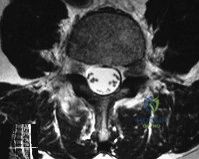
A 35-year-old man falls from a 10-foot ladder and sustains a thoracolumbar injury. He is neurologically intact. CT demonstrates an L1 burst fracture with 40% loss of anterior body height and 20% canal compromise. MRI confirms that the posterior ligamentous complex (PLC) is fully intact. Based on the Thoracolumbar Injury Classification and Severity Score (TLICS), what is his total score and the recommended management?


Explanation

The TLICS scoring system dictates treatment based on morphology, neurologic status, and PLC integrity. Morphology: Burst fracture = 2 points. Neurologic status: Intact = 0 points. PLC: Intact = 0 points. Total score = 2. A score of 3 or less indicates non-operative management. A score of 4 is the watershed (operative vs. non-operative), and 5 or more indicates operative intervention.

Question 8

A 55-year-old woman with a 20-year history of rheumatoid arthritis complains of severe occipital headaches and upper extremity paresthesias. Lateral cervical spine radiographs show anterior atlantoaxial subluxation. Which of the following measurements is the most critical and direct predictor of impending neurologic deficit, indicating the need for surgical stabilization?


Explanation

In rheumatoid arthritis of the cervical spine, the Posterior Atlanto-Dens Interval (PADI) directly measures the space available for the spinal cord (SAC). A PADI of < 14 mm is highly correlated with the development of myelopathy and is a strict indication for surgical stabilization, whereas AADI is less reliable due to potential concurrent dens erosion.

Question 9

A 15-year-old boy presents with progressive mid-back pain and a rounded posture. Standing lateral radiographs reveal a thoracic kyphosis of 65°. Which of the following defines the strict Sorensen radiographic criteria for the diagnosis of Scheuermann's kyphosis?


Explanation

The classic Sorensen criteria for diagnosing Scheuermann's disease include anterior wedging of at least 5 degrees in three or more consecutive vertebrae. Associated findings often include Schmorl's nodes, endplate irregularities, and narrowed disc spaces, but the consecutive wedging is the defining criteria.

Question 10

A 14-year-old female soccer player presents with acute right-sided low back pain that is exacerbated by spinal extension. Anteroposterior, lateral, and oblique radiographs of the lumbar spine are completely normal. What is the most appropriate next imaging modality to definitively evaluate for an acute pars interarticularis stress reaction or fracture?


Explanation

MRI of the lumbar spine, specifically utilizing T2-weighted fat-suppressed or STIR sequences, is now the gold standard and initial imaging of choice for detecting early pars stress reactions (marrow edema) in young athletes with normal plain radiographs. It avoids ionizing radiation compared to CT or SPECT, while providing excellent sensitivity for acute edema.

Question 11

A 13-year-old boy with Duchenne muscular dystrophy is non-ambulatory and has developed a progressive scoliotic curve of 35°. His forced vital capacity (FVC) is 45% of predicted. What is the most appropriate management for his spinal deformity?


Explanation

In Duchenne muscular dystrophy, scoliosis rapidly progresses once the patient becomes wheelchair-bound. Bracing is contraindicated as it is ineffective and restricts already compromised pulmonary function. Surgery (posterior spinal fusion from the upper thoracic spine to the pelvis) is recommended for curves >20-30 degrees while pulmonary function is still adequate (FVC >35-40%) to minimize perioperative pulmonary complications.

Question 12

A 6-year-old girl is diagnosed with Klippel-Feil syndrome. Physical examination demonstrates a short neck, low posterior hairline, and severely limited cervical range of motion. Given the known associations of this syndrome, which of the following screening tests is mandatory?


Explanation

Klippel-Feil syndrome is characterized by congenital fusion of two or more cervical vertebrae. It is highly associated with other systemic anomalies, most notably renal abnormalities (such as unilateral renal agenesis or horseshoe kidney) in >30% of patients. Therefore, a renal ultrasound is a mandatory screening test. Cardiac and hearing evaluations are also routinely indicated.

Question 13

A 45-year-old man with a known history of ankylosing spondylitis presents to the emergency department after a minor trip and fall. He complains of moderate neck pain. He is neurologically intact. Cross-table lateral radiographs of the cervical spine are difficult to interpret due to extensive syndesmophytes and overlapping shoulder anatomy, but the resident interprets them as 'negative for acute fracture'. What is the most appropriate next step in management?


Explanation

Patients with ankylosing spondylitis have highly rigid, osteoporotic spines that are extremely susceptible to unstable fractures (e.g., through the disc space or vertebral body) even after trivial trauma. Plain radiographs are notoriously unreliable and often miss these fractures due to the altered anatomy and osteopenia. A CT scan of the entire cervical spine is mandatory in any AS patient with neck pain following trauma.

Question 14

A 28-year-old woman is involved in a motor vehicle collision and sustains a traumatic spondylolisthesis of C2 (Hangman's fracture). Imaging demonstrates severe angulation of C2 on C3 and 2 mm of anterior translation. The mechanism is determined to be flexion-distraction, classifying this as a Levine-Edwards Type IIA fracture. What is a critical principle regarding the initial non-operative management of this specific injury pattern?


Explanation

A Levine-Edwards Type IIA Hangman's fracture is characterized by severe angulation with minimal translation, caused by flexion-distraction. Because the C2-C3 disc space is disrupted and highly unstable in distraction, the application of cervical skeletal traction is absolutely contraindicated, as it can cause catastrophic over-distraction and neurologic injury. Reduction is achieved with gentle compression and extension under fluoroscopy, typically followed by halo immobilization.

Question 15

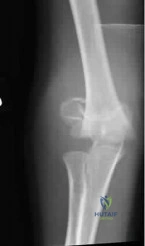
A 68-year-old man with known cervical spondylosis slips on ice, striking his forehead and forcing his neck into sudden hyperextension. He presents to the ED with burning pain in his upper extremities and severe weakness in his hands and arms. His leg strength is 4/5 bilaterally, and he is able to ambulate with assistance. Perianal sensation is intact. What is the most likely diagnosis?


Explanation

Central cord syndrome typically occurs in older patients with pre-existing cervical spondylosis who sustain a hyperextension injury. The classical presentation is motor weakness that is more severe in the upper extremities than in the lower extremities, often accompanied by burning dysesthesias in the hands. The centrally located cervical tracts for the upper extremities are preferentially injured.

Question 16

A 15-year-old boy presents with an acute onset of severe lower back pain radiating down his posterior right leg, accompanied by a noticeable left-sided trunk shift. He reports the pain worsens with sitting and coughing. Standing radiographs reveal a right-sided lumbar scoliosis of 20° without pedicle rotation. What is the most likely underlying etiology of this deformity?


Explanation

The patient is presenting with 'sciatic scoliosis', a non-structural functional scoliosis caused by muscle spasm secondary to nerve root irritation from a lumbar disc herniation. Characteristics include an acute onset, severe radicular pain, and a lack of vertebral rotation on radiographs (differentiating it from structural AIS). An osteoid osteoma typically causes a concave curve towards the lesion side and nocturnal pain relieved by NSAIDs.

Question 17

When evaluating a patient with a metastatic spinal lesion, the Spinal Instability Neoplastic Score (SINS) is utilized to assess the need for surgical stabilization. Which of the following individual findings contributes the highest number of points (greatest instability) to the SINS score?


Explanation

The SINS score assesses 6 components: location, pain, bone lesion, radiographic spinal alignment, vertebral body collapse, and posterolateral involvement. A vertebral body collapse of >50% assigns 3 points (the maximum for that category). Location in a junctional region gives 3 points (rigid spine gets 0 points). Mechanical pain gives 3 points. Lytic lesions give 2 points (blastic gives 0). Bilateral posterolateral involvement gives 3 points.

Question 18

A 42-year-old man presents to the emergency department complaining of severe 10/10 low back pain and bilateral sciatica for the past 24 hours. He is anxious and reports 'saddle' numbness. Which of the following clinical findings is widely considered the most sensitive and earliest indicator of cauda equina syndrome?


Explanation

Urinary retention (often resulting in overflow incontinence and a markedly elevated post-void residual volume) is the most consistent, sensitive, and earliest sign of cauda equina syndrome. While decreased anal sphincter tone and perineal numbness are classic, the absence of urinary retention makes the diagnosis of CES highly unlikely.

Question 19

A 75-year-old woman with a T-score of -3.2 undergoes balloon kyphoplasty for a painful osteoporotic compression fracture of L1. Postoperatively, she experiences immediate pain relief. Over the next year, she remains at the highest risk for developing which of the following specific complications related to the treated level?


Explanation

Following vertebroplasty or kyphoplasty for osteoporotic compression fractures, patients are at a significantly increased risk of developing new compression fractures in the adjacent untreated vertebrae (e.g., T12 or L2). The rigid cement-augmented vertebra creates a stress riser against the adjacent severely osteoporotic bone.

Question 20

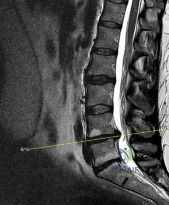
A 35-year-old man is brought to the trauma bay after a high-speed rollover motor vehicle collision. He complains of severe neck pain and numbness in his right thumb. Lateral cervical spine radiographs show C5 is translated anteriorly over C6 by approximately 25% of the vertebral body width. The facet joints at C5-C6 demonstrate a 'bowtie' or 'batwing' sign. What is the most likely diagnosis?


Explanation

A unilateral facet dislocation is caused by a flexion-rotation injury. Radiographically, it is characterized by anterior translation of < 50% of the vertebral body width (whereas bilateral facet dislocation is > 50%). The rotational component causes the facet pillars of the dislocated vertebra to appear out of phase on the lateral view, creating the classic 'bowtie' or 'batwing' sign.

Question 21

A 14-year-old girl is undergoing posterior spinal fusion for adolescent idiopathic scoliosis. During the curve correction maneuver, the anesthesiologist reports a 60% decrease in motor evoked potentials (MEP) amplitude in the bilateral lower extremities. Somatosensory evoked potentials (SSEP) are unchanged. Blood pressure is 110/70 mmHg, and temperature is 36.8°C. The surgeon pauses the procedure and asks the anesthesiologist to review the medication regimen. Which of the following anesthetic agents is most likely contributing to the loss of MEP signals while sparing SSEPs?


Explanation

Inhalational halogenated anesthetics (like sevoflurane, isoflurane, desflurane) cause a dose-dependent decrease in amplitude and increase in latency of both SSEPs and MEPs, but MEPs are exquisitely sensitive to these agents. Nitrous oxide also significantly depresses MEPs. Intravenous anesthetics (TIVA), such as propofol, opioids (fentanyl), and ketamine, have much less effect on MEPs and are preferred during spine surgery requiring neuromonitoring. Dexmedetomidine does not significantly depress MEPs at clinical doses.

Question 22

A 60-year-old man presents with progressive lower extremity weakness and hyperreflexia over the past 2 weeks. He has a history of renal cell carcinoma. MRI demonstrates a metastatic lesion in the T8 vertebral body causing high-grade epidural spinal cord compression (ESCC). He is ambulatory but requires assistance. According to the NOMS framework, what is the most appropriate management strategy?


Explanation

Renal cell carcinoma is a radioresistant tumor. The NOMS (Neurologic, Oncologic, Mechanical, Systemic) framework guides treatment. High-grade epidural spinal cord compression (ESCC grade 2 or 3) with a radioresistant tumor requires surgical decompression to create space between the tumor and spinal cord ('separation surgery') so that stereotactic body radiation therapy (SBRT) can be safely administered to the tumor without causing radiation myelopathy. cEBRT alone is ineffective for radioresistant tumors with high-grade compression.

Question 23

In the evaluation of adult spinal deformity, achieving optimal sagittal balance is critical for long-term patient outcomes. A 65-year-old woman is being planned for a long posterior spinal fusion from T10 to the pelvis. Her pelvic incidence (PI) is 58 degrees. To minimize the risk of proximal junctional kyphosis (PJK) and mechanical failure, her post-operative lumbar lordosis (LL) should ideally be targeted within what range?


Explanation

The goal in correcting adult spinal deformity is to restore global sagittal balance. A key parameter is matching Lumbar Lordosis (LL) to Pelvic Incidence (PI). The Schwab SRS adult spinal deformity classification sets the ideal PI-LL mismatch at < 10 degrees (PI - LL = +/- 9 degrees). Since her PI is 58, her LL should be targeted at 58 +/- 10 degrees, meaning roughly 48 to 68 degrees. An LL of 35-45 would leave her with a significant flatback deformity and predispose her to PJK and poor clinical outcomes.

Question 24

A 24-year-old man is brought to the trauma bay intubated and sedated (GCS 3T) following a high-speed motorcycle crash. CT scan of the cervical spine reveals a unilateral C5-C6 facet dislocation. What is the most appropriate next step in management to address the cervical spine injury?


Explanation

In a patient with a cervical facet dislocation who is unexaminable (e.g., intubated, sedated, or obtunded), an MRI of the cervical spine must be obtained prior to any reduction maneuvers. This is to rule out a compressive anterior lesion, such as a herniated intervertebral disc. Performing a closed reduction or a posterior open reduction in the presence of a herniated disc in an unexaminable patient carries a high risk of catastrophic spinal cord injury by drawing the disc into the spinal canal. In an awake and cooperative patient, an MRI is not strictly necessary prior to attempted closed traction reduction.

Question 25

A 5-year-old boy is placed in a halo vest for a rigid atlantoaxial rotatory subluxation (AARS) that failed soft collar treatment and halter traction. Three days after halo application, the mother notices the child is keeping his right eye turned inward and complains of seeing double when looking to the right. Which of the following cranial nerves is most likely injured?


Explanation

Cranial nerve VI (abducens) palsy is a known complication of halo traction or halo vest application, particularly if excessive traction is applied. The abducens nerve has a long intracranial course and is tethered at Dorello's canal, making it uniquely susceptible to stretching when the cervical spine is distracted. Injury to CN VI results in weakness of the lateral rectus muscle, leading to an esotropia (inward deviation) of the affected eye and horizontal diplopia, especially on lateral gaze toward the affected side.

Question 26

A 58-year-old male undergoes a complex 10-level posterior spinal fusion for adult degenerative scoliosis. The surgery lasts 11 hours, with an estimated blood loss of 3.5 liters. He is positioned on a Jackson table. On postoperative day 1, the patient complains of painless, bilateral vision loss. Pupillary light reflexes are sluggish. What is the most common cause of this complication in this clinical scenario?


Explanation

Postoperative visual loss (POVL) is a rare but devastating complication of complex spine surgery performed in the prone position. The most common cause is ischemic optic neuropathy (ION), which accounts for almost 90% of cases. Risk factors for ION include prolonged operative time (typically >6 hours), substantial blood loss, use of a Wilson frame (which lowers the head below the heart), hypotension, obesity, and male sex. Central retinal artery occlusion (CRAO) is another cause of POVL but is usually unilateral and associated with direct mechanical pressure on the globe.

Question 27

Recombinant human bone morphogenetic protein-2 (rhBMP-2) is frequently used off-label in spine surgery to enhance fusion rates. When used in anterior cervical discectomy and fusion (ACDF), which of the following is the most widely recognized and significant complication associated with its use?


Explanation

The use of rhBMP-2 (INFUSE) in the anterior cervical spine is associated with significant prevertebral soft tissue swelling, which can lead to severe dysphagia, airway compromise, and occasionally the need for re-intubation or tracheostomy. Because of this life-threatening risk, the FDA issued a warning regarding its use in the anterior cervical spine. Postoperative radiculitis and ectopic bone formation are more commonly associated with its use in posterior lumbar interbody fusions (PLIF or TLIF).

Question 28

A 45-year-old intravenous drug user presents with 2 weeks of worsening back pain, fevers, and new-onset bilateral lower extremity weakness with urinary retention. MRI reveals a large epidural fluid collection with peripheral enhancement from L1 to L4 compressing the cauda equina. He is hemodynamically stable. Blood cultures are drawn. What is the most appropriate next step in management?


Explanation

This patient presents with a spinal epidural abscess (SEA) causing acute neurologic deficits (cauda equina syndrome), as evidenced by bilateral lower extremity weakness and urinary retention. The standard of care for SEA with new or progressive neurologic deficit is urgent surgical decompression and evacuation. Medical management alone (antibiotics) is only appropriate for carefully selected patients who are neurologically intact, poor surgical candidates, or have pan-spinal disease without focal severe compression. Corticosteroids are contraindicated in active pyogenic infections.

Question 29

A 16-year-old boy presents with back pain that is worse at night and relieved by NSAIDs. Physical exam reveals a painful left-sided thoracic scoliosis. CT scan shows a 9 mm sclerotic lesion with a central lucent nidus in the left T8 pedicle. Which of the following is true regarding this condition?


Explanation

Osteoid osteoma is a benign bone-forming tumor. In the spine, it most commonly affects the posterior elements (pedicle, pars, lamina) and causes a painful scoliosis. The tumor is typically located on the concave side of the scoliotic curve (muscle spasm on the side of the lesion causes the concavity). If the lesion is treated (via RFA or excision) within 15-18 months of symptom onset, the scoliosis usually resolves completely. If left longer, structural changes may occur, and the scoliosis may persist. It has no malignant potential.

Question 30

A 14-year-old gymnast presents with progressive lower back pain and a noticeable 'step-off' on her lower spine. Imaging confirms a Grade III L5-S1 isthmic spondylolisthesis. During surgical intervention involving reduction of the slip and L5-S1 instrumented fusion, the patient is at highest risk for injury to which of the following nerve roots?


Explanation

Reduction of high-grade L5-S1 isthmic spondylolisthesis carries a significant risk of iatrogenic L5 nerve root injury. This occurs due to stretching of the L5 nerve root as the L5 vertebral body is pulled posteriorly and superiorly during the reduction maneuver. The L5 nerve is tethered by the lumbosacral ligament and can be stretched over the sacral ala. S1 nerve root injury is less common during the actual reduction maneuver.

Question 31

A 50-year-old woman presents with progressive myelopathy, hyperreflexia, and a sensory level at the umbilicus. MRI demonstrates a large, calcified central thoracic disc herniation at T9-T10 causing severe spinal cord compression. Which of the following surgical approaches is CONTRAINDICATED in the management of this pathology?


Explanation

Standard posterior laminectomy is absolutely contraindicated for a central thoracic disc herniation, particularly if calcified. Removing the posterior elements alone does not remove the anterior compression and allows the spinal cord to drape over the calcified disc, which inevitably leads to catastrophic neurologic worsening or paralysis. Appropriate approaches require access ventral to the spinal cord without retracting it, such as anterior (thoracotomy) or posterolateral approaches (costotransversectomy, lateral extracavitary, or transpedicular).

Question 32

A 12-year-old boy with Duchenne Muscular Dystrophy (DMD) presents for evaluation of a progressive 45-degree thoracolumbar scoliosis. He recently became wheelchair-dependent. His forced vital capacity (FVC) is 45% of predicted. What is the most appropriate recommendation regarding his spinal deformity?


Explanation

In Duchenne Muscular Dystrophy, scoliosis almost universally progresses rapidly once the child loses ambulation and becomes wheelchair-bound. Bracing does not halt progression and is poorly tolerated. Surgery (posterior spinal fusion from the upper thoracic spine to the pelvis) is indicated for curves >20-30 degrees in non-ambulatory patients to maintain sitting balance and comfort. It is critical to perform surgery before the FVC drops below 30-35%, as pulmonary complications and perioperative mortality increase significantly below this threshold. Early intervention is ideal.

Question 33

In the evaluation of a patient with cervical ossification of the posterior longitudinal ligament (OPLL), the 'K-line' is determined on a lateral cervical radiograph. The K-line connects the midpoints of the spinal canal at C2 and C7. A patient is considered 'K-line negative' if the OPLL mass crosses anterior to this line. What is the clinical significance of a K-line negative finding?


Explanation

The K-line is a critical concept in evaluating OPLL. It connects the mid-points of the spinal canal at C2 and C7 on a neutral lateral radiograph. If the OPLL mass crosses posterior to the K-line (the line intersects the mass), the spine is 'K-line negative.' This means the cervical sagittal alignment is kyphotic or the mass is so large that posterior drift of the spinal cord will not occur after a posterior decompression (laminectomy/laminoplasty). In K-line negative patients, posterior surgery alone results in poor neurologic recovery, and an anterior decompression (or combined) is typically required.

Question 34

During an anterior thoracoabdominal approach for a T10-L2 fusion, the surgeon ligates multiple segmental vessels. Postoperatively, the patient is noted to have loss of bilateral lower extremity motor function and pain/temperature sensation, but preservation of proprioception and light touch. This syndrome is most likely caused by ischemia in the territory of which of the following vessels?


Explanation

The clinical picture describes Anterior Spinal Artery (ASA) Syndrome: loss of motor function (corticospinal tracts) and pain/temperature sensation (spinothalamic tracts) with preservation of dorsal column function (proprioception, vibration, light touch). The Artery of Adamkiewicz (arteria radicularis magna) is the major supplier to the anterior spinal artery in the lower thoracic and upper lumbar regions. It typically arises on the left side between T8 and L1. Ligation or injury during anterior approaches can lead to ASA syndrome.

Question 35

A 4-year-old girl with early-onset idiopathic scoliosis and a 65-degree curve undergoes implantation of magnetically controlled growing rods (MCGR). What is the primary advantage of this technology compared to traditional growing rods (TGR)?


Explanation

The primary advantage of magnetically controlled growing rods (MCGR, e.g., MAGEC) over traditional growing rods is the ability to perform lengthenings non-invasively in an outpatient clinic using an external remote control. This avoids the need for repetitive operative lengthenings every 6 months under general anesthesia, thereby reducing surgical risks, infection rates, and psychological trauma to the child. MCGRs do not eliminate PJK and are generally MRI conditional or contraindicated due to the internal magnet.

Question 36

A 22-year-old man falls 30 feet from a roof, landing on his buttocks. He complains of severe sacral pain, perineal numbness, and inability to void. Radiographs and CT demonstrate a transverse sacral fracture at the S2 level connecting bilateral longitudinal sacral fractures. Which of the following terms best describes this fracture pattern, and what is the primary neurovascular concern?


Explanation

A transverse fracture through the upper sacrum (typically S1 or S2) connecting bilateral longitudinal transforaminal fractures represents a 'U-type' or 'H-type' sacral fracture. This results in spinopelvic dissociation, separating the upper spine/central sacrum from the pelvis. Because the fracture passes transversely through the sacral canal, there is a very high incidence of neurologic injury, specifically cauda equina syndrome, leading to bowel, bladder, and sexual dysfunction, as well as perineal numbness.

Question 37

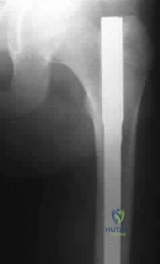
A 68-year-old male with a long-standing history of ankylosing spondylitis presents with localized, progressive lower back pain over the past 6 months without recent acute trauma. Inflammatory markers (CRP, ESR) are normal. Radiographs reveal a radiolucent defect and localized kyphosis at the L3-L4 intervertebral disc space with adjacent endplate sclerosis. There is no large paraspinal mass. What is the most likely diagnosis?


Explanation

An Andersson lesion is a non-infectious inflammatory or post-traumatic pseudarthrosis seen in patients with ankylosing spondylitis. Because the spine is completely fused and rigid, a minor, unrecognized stress fracture can lead to a localized area of micro-motion. Over time, this non-union causes bone resorption, endplate sclerosis, and localized kyphosis, mimicking an infection (spondylodiscitis). However, inflammatory markers are typically normal, and there is no infectious fluid collection. Treatment often requires posterior instrumentation to stabilize the segment.

Question 38

A 19-year-old male presents with slowly progressive, unilateral weakness and atrophy of his right hand and forearm intrinsic muscles over the past 2 years. He denies pain, sensory loss, or lower extremity symptoms. MRI of the cervical spine in neutral is unremarkable, but a flexion MRI demonstrates anterior displacement of the posterior dura compressing the lower cervical cord. What is the most likely diagnosis?


Explanation

Hirayama disease (juvenile muscular atrophy of distal upper extremity) is a rare cervical myelopathy that predominantly affects young males. It presents with asymmetric weakness and wasting of the intrinsic hand and forearm muscles, sparing the brachioradialis (oblique amyotrophy). The classic pathophysiologic mechanism is a tight posterior dural sac that displaces anteriorly during neck flexion, compressing the lower cervical cord against the vertebral bodies, leading to chronic microvascular ischemia of the anterior horn cells. Diagnosis requires a dynamic flexion MRI showing this forward dural shift.

Question 39

A newborn is diagnosed with multiple hemivertebrae and a unilateral unsegmented bar in the thoracic spine on screening radiographs. Given the high association of VACTERL and other congenital anomalies, which of the following screening tests is mandatory in the initial workup of this patient?


Explanation

Congenital scoliosis is caused by failures of formation (hemivertebra) and/or failures of segmentation (unsegmented bars). It occurs during the first 6 weeks of gestation, concurrent with the development of the cardiac and genitourinary systems. Consequently, up to 30% of these patients have genitourinary anomalies, and 10-15% have congenital heart defects (part of the VACTERL association). Routine screening with renal ultrasound and echocardiography is mandatory for any child diagnosed with congenital scoliosis. Neural axis anomalies (tethered cord) are also common, warranting a spinal MRI.

Question 40

A 35-year-old man dives into a shallow pool and sustains an isolated C1 (atlas) burst fracture. An open-mouth odontoid view demonstrates a combined lateral mass overhang of 8 mm. According to the Rule of Spence, what structure is presumed to be incompetent, dictating the need for more rigid stabilization?


Explanation

A C1 burst fracture (Jefferson fracture) involves fractures of the anterior and posterior arches. The Rule of Spence states that if the sum of the overhang of the bilateral C1 lateral masses on the C2 superior articular facets is greater than or equal to 6.9 mm (often practically rounded to 7 mm) on an AP open-mouth radiograph, the transverse atlantal ligament (TAL) is likely ruptured. TAL rupture indicates atlantoaxial instability requiring rigid stabilization (e.g., halo or C1-C2 fusion). In modern practice, an MRI is usually obtained to definitively visualize the TAL.

Question 41

In the Bracing in Adolescent Idiopathic Scoliosis Trial (BRAIST), what factor was most strongly correlated with the prevention of curve progression to a surgical magnitude (>=50 degrees)?


Explanation

The BRAIST trial demonstrated a strong dose-response relationship between brace wear and success. Patients who wore the brace for more than 12.9 hours per day had success rates exceeding 90%.

Question 42

A 3-year-old child presents with a congenital scoliosis. Radiographs demonstrate a unilateral unsegmented bar with fully segmented contralateral hemivertebrae at the same levels. What is the most appropriate management?


Explanation

A unilateral unsegmented bar with contralateral hemivertebrae is the most highly progressive congenital curve pattern, often progressing 5 to 10 degrees per year. Early definitive in situ fusion is indicated to prevent severe deformity.

Question 43

A 65-year-old woman undergoes corrective surgery for severe adult spinal deformity. To minimize the risk of adjacent segment disease, proximal junctional kyphosis, and mechanical failure, the pelvic incidence minus lumbar lordosis (PI-LL) should ideally be corrected to within what range?


Explanation

According to the Schwab criteria for adult spinal deformity, adequate sagittal balance correction requires a PI-LL mismatch of less than 10 degrees (ideally ± 10 degrees) to optimize outcomes and minimize mechanical complications.

Question 44

A 55-year-old man presents with cervical myelopathy due to severe ossification of the posterior longitudinal ligament (OPLL) from C3-C6. Sagittal MRI and CT show the OPLL mass anteriorly exceeds the K-line (K-line negative). What is the most appropriate surgical approach?


Explanation

A negative K-line implies the anterior compressive OPLL mass is too large and the cervical kyphosis is too significant for the spinal cord to drift backward adequately after a posterior laminoplasty alone. An anterior approach or posterior decompression with instrumented fusion is required.

Question 45

A 15-year-old girl undergoes posterior spinal fusion for a 65-degree thoracic scoliosis. On post-operative day 5, she develops bilious vomiting, significant abdominal distension, and rapid weight loss. What is the most likely anatomic cause of her symptoms?


Explanation

Superior mesenteric artery (SMA) syndrome occurs when corrective lengthening of the spine stretches the SMA, reducing the aortomesenteric angle and causing obstruction of the third portion of the duodenum. Symptoms include bilious vomiting and weight loss.

Question 46

A 25-year-old man presents after a high-speed motor vehicle collision with quadriparesis. Imaging shows a C5-C6 bilateral facet dislocation. He is fully alert, cooperative, and medically stable.

What is the most appropriate next step in management?


Explanation

In an awake, cooperative patient with a cervical facet dislocation and a neurologic deficit, urgent awake closed reduction via cranial traction is indicated to quickly decompress the spinal cord without delaying for an MRI.

Question 47

A 45-year-old man falls from a height. CT shows an L1 burst fracture with 40% loss of height and 30% canal compromise. He is neurologically intact. MRI confirms the posterior ligamentous complex (PLC) is intact. What is his Thoracolumbar Injury Classification and Severity (TLICS) score, and what is the recommended treatment?


Explanation

The TLICS score is 2: 2 points for a burst fracture mechanism, 0 points for intact neurology, and 0 points for an intact PLC. A score of 3 or less is an indication for non-operative management (e.g., bracing).

Question 48

A 60-year-old man with known renal cell carcinoma presents with intractable mechanical back pain. Imaging reveals an L3 lytic metastasis with vertebral collapse, bilateral pedicle involvement, and no epidural spinal cord compression. The Spinal Instability Neoplastic Score (SINS) is 14. What is the most appropriate management?


Explanation

A SINS score of 13 or greater indicates impending or actual spinal instability. Regardless of the tumor histology or presence of neurologic deficit, surgical stabilization is required prior to addressing the tumor with targeted radiation.

Question 49

According to the Spine Patient Outcomes Research Trial (SPORT) for degenerative spondylolisthesis, which of the following statements is true regarding outcomes of surgical versus non-operative treatment?


Explanation

The SPORT trial showed that patients treated surgically for degenerative spondylolisthesis maintained significantly greater improvement in pain and physical function at 4 to 8 years of follow-up compared to those treated non-operatively.

Question 50

A 42-year-old man complains of radiating right arm pain. Examination shows weakness in wrist flexion and triceps extension, decreased sensation over the middle finger, and an absent triceps reflex. Which cervical nerve root is most likely compressed?


Explanation

The C7 nerve root supplies the triceps, wrist flexors, and finger extensors. It provides sensation to the middle finger and mediates the triceps reflex.

Question 51

A 55-year-old man presents with severe lower back pain and low-grade fevers. MRI shows L4-L5 discitis and osteomyelitis without a significant epidural abscess. He is neurologically intact, and three sets of blood cultures are negative. What is the most appropriate next step?


Explanation

In hemodynamically stable patients with suspected pyogenic discitis/osteomyelitis and negative blood cultures, obtaining a tissue diagnosis via CT-guided biopsy is the standard of care prior to starting empiric antibiotics.

Question 52

A 14-year-old girl is undergoing a posterior spinal fusion for adolescent idiopathic scoliosis. During deformity correction, the neuromonitoring technician reports a sudden, sustained 80% decrease in motor evoked potentials (MEPs) in the bilateral lower extremities, while somatosensory evoked potentials (SSEPs) remain at baseline. A wake-up test confirms the patient cannot move her lower extremities. Which of the following anatomic structures is most likely compromised?


Explanation

Loss of MEPs with preserved SSEPs indicates an anterior cord syndrome, commonly due to hypoperfusion of the anterior spinal artery. The corticospinal tract, located in the anterior/lateral cord, carries descending motor signals and is monitored by MEPs.

Question 53

A 10-month-old infant presents with a left-sided thoracic curve measuring 35 degrees. Supine radiographs demonstrate a rib-vertebra angle difference (RVAD) of 25 degrees at the apical vertebra. Furthermore, the rib head on the concave side overlaps the apical vertebral body. What is the most appropriate management for this patient?


Explanation

This patient has early-onset scoliosis with high-risk features for progression (Mehta's RVAD >20 degrees and Phase II rib-vertebral overlap). Serial Mehta casting is the initial treatment of choice to harness growth and potentially cure or delay surgical intervention.

Question 54

A 68-year-old woman presents with severe flatback deformity and sagittal imbalance following a prior lumbar fusion from L3 to S1. Her pelvic incidence (PI) is 55 degrees. Standing full-length radiographs reveal a current lumbar lordosis (LL) of 15 degrees and a sagittal vertical axis (SVA) of +12 cm. To achieve optimal sagittal balance, what should be the target postoperative lumbar lordosis?


Explanation

In adult spinal deformity, the formula PI = PT + SS is critical, and the goal for lumbar lordosis (LL) is to be within 10 degrees of the pelvic incidence (PI). For a PI of 55 degrees, the target LL should be approximately 45 to 65 degrees.

Question 55

A 22-year-old restrained driver is involved in a high-speed motor vehicle collision. Radiographs and CT of the thoracolumbar spine demonstrate a flexion-distraction injury (Chance fracture) through the L2 vertebral body and posterior elements. Which of the following associated injuries must be highly suspected?


Explanation

Chance fractures are typical seatbelt injuries caused by flexion-distraction forces. They have a high association (up to 50%) with intra-abdominal injuries, particularly hollow viscus injuries like small bowel lacerations.

Question 56

A 15-year-old male with a history of back pain presents with bilateral lower extremity radicular pain. Radiographs reveal a Grade IV isthmic spondylolisthesis at L5-S1. During surgical reduction and fusion, the patient is at highest risk for iatrogenic injury to which of the following nerve roots?


Explanation

In high-grade L5-S1 isthmic spondylolisthesis, the L5 nerve root is stretched over the sacral ala. Reduction maneuvers place the L5 nerve root at significant risk for stretch injury or traction neuropraxia.

Question 57

A 60-year-old woman with a 20-year history of severe rheumatoid arthritis presents with neck pain and progressive clumsiness in her hands. Which of the following radiographic parameters is the most reliable predictor of impending neurologic compromise and paralysis?


Explanation

While an ADI > 9mm indicates instability, the space available for the cord (SAC), also known as the posterior atlanto-dental interval (PADI), is the most reliable predictor of neurologic recovery and paralysis. A SAC < 14mm is a critical threshold.

Question 58

A 55-year-old man undergoes a complex 10-level posterior spinal fusion for adult spinal deformity. The surgery lasts 11 hours with an estimated blood loss of 3.5 liters. On postoperative day 1, he complains of painless, profound bilateral vision loss. Pupillary reflexes are sluggish. What is the most likely etiology of this complication?


Explanation

Postoperative visual loss (POVL) in spine surgery is most commonly due to ischemic optic neuropathy. Risk factors include prolonged prone positioning, large blood loss, hypotension, and the use of a Wilson frame (which places the head lower than the heart).

Question 59

A 16-year-old boy presents with severe, progressive right-sided back pain that is worse at night and dramatically relieved by ibuprofen. Examination reveals a left-sided thoracic scoliosis. CT scan shows a 1 cm sclerotic lesion with a central lucent nidus in the right T8 pedicle. Which of the following best describes the relationship between the lesion and the scoliotic curve?


Explanation

In spinal osteoid osteoma, muscle spasms on the side of the lesion cause a secondary scoliosis. The lesion is characteristically located on the concave side of the scoliotic curve.

Question 60

A 62-year-old man presents with dull, aching sacral pain and recent onset of bowel/bladder dysfunction. MRI demonstrates a large, destructive midline sacral mass. Biopsy reveals physaliferous cells with abundant vacuolated cytoplasm. What is the most appropriate definitive management?


Explanation

The diagnosis is a chordoma, characterized by physaliferous cells. Chordomas are locally aggressive and largely resistant to conventional chemotherapy and radiation. Wide en bloc resection offers the best chance for local control and long-term survival.

Question 61

A 28-year-old man falls from a height and sustains a Type II odontoid fracture. The fracture line slopes from anterior-inferior to posterior-superior. Intact transverse ligament is noted on MRI. Which of the following makes this patient a poor candidate for an anterior odontoid screw?


Explanation

An anterior-inferior to posterior-superior fracture line is a 'reverse obliquity' pattern. Placing an anterior lag screw in this pattern will cause the fracture to shear and displace rather than compress, making it a contraindication.

Question 62

A 45-year-old man with acute severe low back pain and bilateral sciatica presents to the emergency department. He reports difficulty urinating. Which of the following post-void residual (PVR) bladder volumes is most indicative of cauda equina syndrome?


Explanation

Urinary retention is the most consistent finding in cauda equina syndrome. A post-void residual (PVR) volume > 100-200 mL is highly sensitive for the condition, and volumes > 200 mL strongly suggest the diagnosis.

Question 63

A 15-year-old boy presents with progressive mid-back pain and a rounded posture. Lateral radiographs of the thoracic spine demonstrate anterior wedging of T7, T8, and T9. According to Sorensen's criteria for classic Scheuermann's kyphosis, what is the minimum degree of anterior wedging required in these consecutive vertebrae?


Explanation

Sorensen's criteria for Scheuermann's kyphosis require at least 5 degrees of anterior wedging in at least three consecutive vertebrae. Associated findings include Schmorl's nodes and irregular endplates.

Question 64

A surgeon is planning a corrective osteotomy for a 60-year-old man with severe fixed sagittal imbalance. The surgeon decides to perform a pedicle subtraction osteotomy (PSO) at L3. Approximately how many degrees of sagittal correction can realistically be expected from a single-level lumbar PSO?


Explanation

A pedicle subtraction osteotomy (PSO) is a three-column closing wedge osteotomy hinged at the anterior longitudinal ligament. It typically provides approximately 30 to 35 degrees of lordotic correction at a single level.

Question 65

A 16-year-old girl undergoes a posterior spinal fusion from T4 to L3 for adolescent idiopathic scoliosis (Lenke 1A). On postoperative day 4, she develops severe bilious emesis, abdominal distension, and weight loss. Upright abdominal films show a dilated stomach and proximal duodenum with abrupt cutoff. What is the anatomic mechanism of this complication?


Explanation

Superior Mesenteric Artery (SMA) syndrome is a known complication following scoliosis correction. Lengthening of the spine alters the angle of the SMA, compressing the third portion of the duodenum against the aorta.

Question 66

A 4-year-old girl is diagnosed with Klippel-Feil syndrome. She exhibits a low posterior hairline, short neck, and limited cervical range of motion. Because of known systemic associations with this syndrome, which of the following screening tests is most highly recommended?


Explanation

Klippel-Feil syndrome is associated with congenital anomalies due to abnormal embryogenesis. Genitourinary anomalies (e.g., unilateral renal agenesis) occur in approximately 30% of patients, making screening renal ultrasound mandatory.

Question 67

A 50-year-old man presents with left arm pain radiating to his thumb and index finger. Examination demonstrates weakness in wrist extension and a diminished brachioradialis reflex. Which cervical nerve root is most likely compressed?


Explanation

A C6 radiculopathy typically presents with sensory changes in the thumb and index finger, weakness in wrist extension and elbow flexion, and a diminished brachioradialis reflex.

Question 68

A 75-year-old woman presents with severe back pain 3 months after a mechanical fall. Radiographs reveal a T12 vertebral compression fracture with a distinct radiolucent shadow within the vertebral body (intravertebral vacuum cleft). What is the underlying pathophysiology of this specific radiographic sign?


Explanation

An intravertebral vacuum cleft (Kümmell disease) is pathognomonic for avascular necrosis of the vertebral body. It indicates a non-healing vertebral compression fracture with pseudoarthrosis, often requiring surgical augmentation (e.g., kyphoplasty).

Question 69

A 3-year-old boy is evaluated for congenital scoliosis. Radiographs demonstrate a unilateral unsegmented bar on the left spanning T5 to T8, with a contralateral fully segmented hemivertebra at T6. What is the natural history of this specific spinal anomaly if left untreated?


Explanation

A unilateral unsegmented bar with a contralateral fully segmented hemivertebra is the most malignant form of congenital scoliosis. It carries nearly a 100% risk of relentless progression and requires early surgical fusion.

Question 70

A 16-year-old male gymnast complains of insidious onset, mechanical lower back pain. Radiographs are normal. A T2-weighted STIR MRI of the lumbar spine reveals bilateral high signal intensity in the L5 pars interarticularis. There is no spondylolisthesis. What is the most appropriate initial management?


Explanation

High signal intensity on STIR MRI indicates an acute pars stress reaction or early stress fracture (spondylolysis) with bone marrow edema. The standard treatment for an acute/active pars defect is rigid bracing and cessation of the offending sport.

Question 71

A 40-year-old woman undergoes an anterior cervical discectomy and fusion (ACDF) for C5-C6 spondylosis. Postoperatively, she is noted to have a new-onset unilateral vocal cord paralysis and a hoarse voice. Injury to the recurrent laryngeal nerve is suspected. Which surgical approach and anatomical relationship most likely contributed to this injury?


Explanation

The right recurrent laryngeal nerve loops under the right subclavian artery and has a more variable, oblique course in the neck compared to the left (which loops under the aortic arch and ascends vertically in the tracheoesophageal groove). This makes the right-sided approach theoretically higher risk for RLN injury.

Question 72

A 65-year-old woman with adult spinal deformity is planning for surgery. Her pelvic incidence (PI) is 60 degrees. To minimize the risk of adjacent segment disease and mechanical failure, her postoperative lumbar lordosis (LL) should be targeted closest to what value?


Explanation

In adult spinal deformity correction, the target lumbar lordosis should be within 10 degrees of the pelvic incidence (PI = LL +/- 10 degrees). Matching PI and LL restores global sagittal balance and significantly reduces the risk of adjacent segment failure.

Question 73

A 58-year-old man undergoes a C3-C6 cervical laminectomy and posterior spinal fusion for cervical spondylotic myelopathy. On postoperative day 2, he develops profound weakness in bilateral shoulder abduction and elbow flexion, with no sensory changes. What is the most likely etiology of this new deficit?


Explanation

Postoperative C5 palsy is a known complication following cervical decompression, particularly posterior laminectomy. It is believed to result from tethering or traction on the C5 nerve root as the spinal cord drifts posteriorly following the release of anterior compression.

Question 74

A newborn is noted to have a congenital hemivertebra at T8 causing early scoliotic deformity. Which of the following screening tests is most critical in the initial workup of this patient to rule out associated anomalies?


Explanation

Congenital scoliosis is frequently associated with VACTERL sequence anomalies. Renal ultrasound and echocardiography are critical early screening tests to rule out associated genitourinary and cardiac defects.

Question 75

A 6-year-old boy undergoes a posterior spinal fusion without anterior fusion for a severe progressing thoracic scoliosis. Over the next four years, he develops progressive rotational deformity and lordosis despite a solid posterior fusion mass. What is the primary cause of this phenomenon?


Explanation

The crankshaft phenomenon occurs in skeletally immature patients who undergo posterior-only spinal fusion. Continued longitudinal growth of the anterior vertebral bodies against a tethered posterior fusion mass leads to progressive rotation and lordosis.

Question 76

A 35-year-old woman falls from a height and sustains a T12 burst fracture. She is neurologically intact. MRI demonstrates an intact posterior ligamentous complex (PLC). According to the Thoracolumbar Injury Classification and Severity (TLICS) score, what is her total score and the recommended management?


Explanation

According to the TLICS system, a burst fracture morphology receives 2 points, an intact neurologic status receives 0 points, and an intact PLC receives 0 points. A total score of 2 indicates nonoperative management.

Question 77

A 15-year-old boy presents with progressive back pain and a prominent thoracic kyphosis. Standing lateral radiographs reveal anterior wedging of multiple consecutive thoracic vertebrae. According to Sorensen's criteria, what is the strict radiographic definition of classic Scheuermann's disease?


Explanation

Sorensen's criteria for classic Scheuermann's kyphosis require anterior wedging of at least 5 degrees in 3 or more consecutive vertebrae. Other common findings include Schmorl's nodes and narrowed disc spaces.

Question 78

An 82-year-old man sustains a Type II odontoid fracture after a ground-level fall. He is neurologically intact. Radiographs show a 3 mm posterior displacement. He has severe medical comorbidities (ASA IV). What is the most appropriate management?


Explanation

In elderly patients with severe comorbidities (ASA IV) and Type II odontoid fractures, rigid cervical collar immobilization is generally preferred over a Halo vest (due to high morbidity/mortality) or surgery. While nonunion rates are high, the resulting fibrous nonunions are typically stable and well-tolerated.

Question 79

A 60-year-old man with a 20-year history of ankylosing spondylitis presents to the ED after a minor rear-end motor vehicle collision. He complains of severe lower cervical pain. Plain radiographs show marked osteopenia and bridging syndesmophytes, but no obvious fracture. What is the most appropriate next step?


Explanation

Patients with ankylosing spondylitis are at an extremely high risk for unstable, occult spinal fractures even after minor trauma. A CT scan of the entire cervical spine is mandatory when plain radiographs are negative or inadequate.

Question 80

A 14-year-old non-ambulatory boy with spastic quadriplegic cerebral palsy presents with progressive scoliosis. His Cobb angle is 85 degrees and he has 30 degrees of pelvic obliquity causing severe seating difficulties and ischial skin breakdown. When planning posterior spinal fusion, what is the most appropriate distal extent of fixation?


Explanation

In non-ambulatory patients with neuromuscular scoliosis and significant pelvic obliquity (>15 degrees), fusion must typically extend to the pelvis (ilium). This effectively corrects the obliquity, restores a level sitting balance, and helps prevent pressure sores.

Question 81

A 16-year-old female gymnast complains of mechanical low back pain for 6 months. Imaging reveals a bilateral L5 pars defect with a Grade I anterior slip of L5 on S1. Conservative treatment has failed. Which of the following pelvic parameters is the strongest predictor for progression of the spondylolisthesis?


Explanation

A high pelvic incidence increases the shear stress at the lumbosacral junction. It is considered a strong anatomical predictor for the development and progression of L5-S1 isthmic spondylolisthesis.

Question 82

When applying a halo vest orthosis, placing the anterior pins 1 cm superior to the orbital rim and lateral to the supraorbital notch specifically avoids injury to which of the following structures?


Explanation

Anterior halo pins must be placed in the safe zone: lateral to the supraorbital notch (or lateral two-thirds of the orbit) and medial to the temporalis fossa. This positioning explicitly avoids injuring the supratrochlear and supraorbital nerves.

Question 83

A 45-year-old man presents with acute onset of severe low back pain, bilateral sciatica, saddle anesthesia, and urinary retention with overflow incontinence. MRI reveals a massive L4-L5 herniated disc. To maximize the chance of full neurologic recovery, surgical decompression should ideally be performed within what timeframe from the onset of autonomic symptoms?


Explanation

Cauda equina syndrome with urinary retention is a surgical emergency. Decompression ideally performed within 24 to 48 hours from the onset of autonomic/sphincter symptoms offers the best chance for significant urological and neurological recovery.

Question 84

A 55-year-old man with a history of renal cell carcinoma presents with progressive paraparesis. MRI shows a destructive lesion in the T8 vertebral body causing severe spinal cord compression. The tumor is highly vascular and radioresistant. Which of the following is the most appropriate surgical approach?


Explanation

Renal cell carcinoma spinal metastases are highly vascular and typically radioresistant. Preoperative embolization significantly reduces intraoperative blood loss prior to definitive anterior decompression (corpectomy) and stabilization.

Question 85

A 40-year-old intravenous drug user presents with T10-T11 discitis and a small ventral epidural abscess. He is neurologically completely intact. Blood cultures are positive for Methicillin-sensitive Staphylococcus aureus (MSSA). What is the standard initial management?


Explanation

In the absence of neurologic deficits, spinal instability, or gross deformity, most spinal epidural abscesses and discitis cases can be treated successfully with a prolonged course of culture-directed intravenous antibiotics. Surgery is reserved for neurologic decline or failure of medical management.

Question 86

A 12-year-old girl with adolescent idiopathic scoliosis has a 35-degree right thoracic curve. Her Risser stage is 1. Her menarche occurred 2 months ago. What is the most appropriate management?


Explanation

In a growing child (Risser 0-2) with an AIS curve between 25 and 45 degrees, bracing is indicated to halt progression. Given her recent menarche and Risser 1 status, she has significant growth remaining, making bracing the gold standard.

Question 87

A 50-year-old woman requires surgical decompression for a large, central, calcified T8-T9 disc herniation causing severe myelopathy. Which of the following surgical approaches is CONTRAINDICATED due to an unacceptably high risk of iatrogenic spinal cord injury?


Explanation

Posterior laminectomy alone is strongly contraindicated for central or calcified thoracic disc herniations. Retracting the thoracic spinal cord to access an anterior central lesion via a standard posterior laminectomy carries a very high risk of catastrophic paraplegia.

None

Dr. Mohammed Hutaif
Medically Verified Content by
Prof. Dr. Mohammed Hutaif
Consultant Orthopedic & Spine Surgeon
Chapter Index
