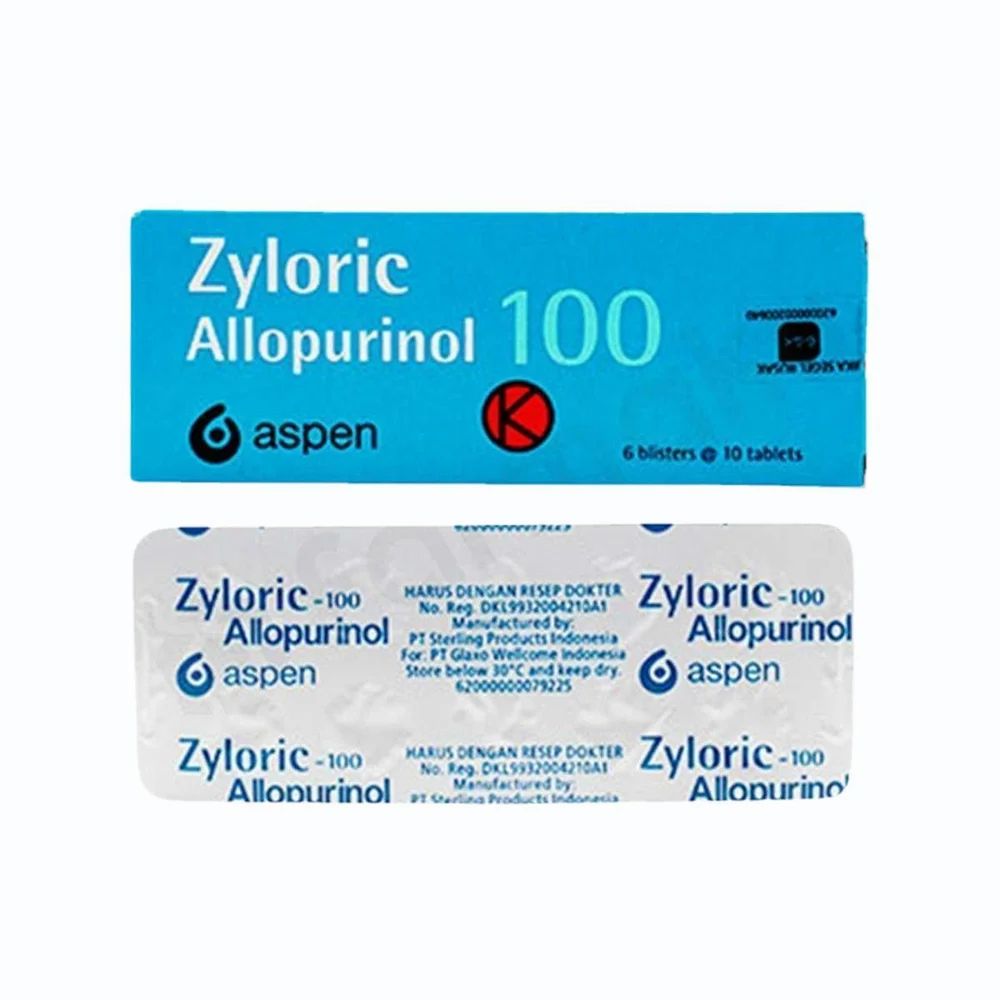
Zyloric (Allopurinol): A Comprehensive Medical Guide to Uric Acid Management
Introduction: Understanding Zyloric (Allopurinol)
Zyloric, generically known as Allopurinol, is a cornerstone medication in the long-term management of conditions characterized by elevated uric acid levels in the blood, a state medically termed hyperuricemia. As an expert in orthopedic and metabolic health, we frequently encounter patients struggling with the debilitating effects of gout, recurrent kidney stones, and other complications stemming from uncontrolled uric acid. Allopurinol plays a pivotal role in preventing the formation of uric acid crystals, which are the primary culprits behind these painful and potentially organ-damaging conditions.
This comprehensive guide aims to provide an exhaustive overview of Zyloric (Allopurinol), delving into its intricate mechanisms, clinical applications, dosage considerations, potential risks, and critical interactions. Our goal is to empower patients, caregivers, and healthcare professionals with authoritative, evidence-based information to optimize treatment outcomes and enhance patient safety.
Deep Dive into Mechanism of Action & Pharmacokinetics
Understanding how Zyloric works at a molecular level is crucial for appreciating its therapeutic efficacy and managing potential challenges.
Mechanism of Action: How Allopurinol Works
Allopurinol is a xanthine oxidase inhibitor. Xanthine oxidase is an enzyme critical in the purine catabolism pathway, which is the body's process for breaking down purines (naturally occurring substances found in certain foods and produced by the body).
The metabolic pathway of purines proceeds as follows:
1. Hypoxanthine is converted to Xanthine by xanthine oxidase.
2. Xanthine is then converted to Uric Acid by the same xanthine oxidase enzyme.
Allopurinol, and its primary active metabolite oxypurinol (alloxanthine), competitively inhibit xanthine oxidase. By doing so, they block the conversion of hypoxanthine to xanthine, and xanthine to uric acid. This inhibition leads to several critical effects:
- Reduction in Uric Acid Production: The most direct and therapeutically significant effect is a substantial decrease in the production of uric acid, both in the blood (serum uric acid) and in the urine (urinary uric acid).
- Increase in Hypoxanthine and Xanthine: As the pathway is blocked, there is an accumulation of the precursor substances, hypoxanthine and xanthine. These purine precursors are more soluble and more readily excreted by the kidneys than uric acid, thus reducing the risk of crystal formation.
- Feedback Inhibition: The accumulated hypoxanthine and xanthine can also be re-utilized in the purine salvage pathway, further reducing the de novo synthesis of purines and, consequently, uric acid production.
In essence, Zyloric acts as a "traffic cop" for purine metabolism, diverting the flow away from uric acid production and towards more manageable, soluble byproducts.
Pharmacokinetics: The Journey of Allopurinol in the Body
The pharmacokinetics of Allopurinol describe how the body absorbs, distributes, metabolizes, and eliminates the drug.
- Absorption:
- Allopurinol is well absorbed from the gastrointestinal tract, with approximately 80-90% bioavailability after oral administration.
- Peak plasma concentrations of allopurinol are typically reached within 1.5 hours.
- Food intake does not significantly affect the extent of absorption, but it can delay the time to peak concentration and may help reduce gastrointestinal upset.
- Distribution:
- Allopurinol has a relatively small volume of distribution (approximately 1.6 L/kg).
- It is not extensively bound to plasma proteins, which means a larger fraction of the drug is free to exert its pharmacological effect.
- Metabolism:
- Allopurinol is rapidly metabolized, primarily by xanthine oxidase itself, to its major active metabolite, oxypurinol (alloxanthine). This metabolism occurs predominantly in the liver.
- Oxypurinol is also a potent xanthine oxidase inhibitor and contributes significantly to the therapeutic effects of allopurinol.
- The half-life of allopurinol is relatively short (1-2 hours), but the half-life of oxypurinol is much longer (13-30 hours), which allows for once-daily dosing.
- Excretion:
- Both allopurinol and oxypurinol are primarily eliminated by the kidneys.
- Approximately 10-20% of the administered dose is excreted unchanged as allopurinol in the urine.
- The majority (about 70%) is excreted as oxypurinol via renal glomerular filtration and tubular reabsorption.
- Due to its renal excretion, patients with impaired kidney function require significant dosage adjustments to prevent accumulation and toxicity, particularly of oxypurinol.
Extensive Clinical Indications & Usage Guidelines
Zyloric (Allopurinol) is indicated for a range of conditions stemming from hyperuricemia. Its primary role is prophylactic, preventing the complications of high uric acid rather than treating acute symptoms.
Primary Indications for Zyloric (Allopurinol)
- Gout and Hyperuricemia:
- Chronic Gout Management: Allopurinol is the most commonly prescribed urate-lowering therapy (ULT) for chronic gout. It aims to reduce serum uric acid levels to below 6 mg/dL (or even lower, e.g., <5 mg/dL, for patients with severe or tophaceous gout) to dissolve existing urate crystals and prevent new ones from forming.
- Recurrent Acute Gouty Arthritis: For individuals experiencing frequent gout attacks.
- Tophaceous Gout: To reduce the size and number of tophi (deposits of uric acid crystals).
- Gouty Nephropathy: To prevent kidney damage caused by uric acid crystal deposition.
- Asymptomatic Hyperuricemia: Generally not recommended for asymptomatic hyperuricemia unless serum uric acid levels are very high (e.g., >9-10 mg/dL) or there are other risk factors (e.g., renal impairment, strong family history of gout/kidney stones).
- Prevention of Uric Acid Nephropathy & Kidney Stones:
- Recurrent Calcium Oxalate Stones with Hyperuricosuria: Allopurinol can be used in patients with recurrent calcium oxalate kidney stones who also have persistently high urinary uric acid excretion, as uric acid can act as a nidus for calcium oxalate crystal formation.
- Pure Uric Acid Stones: For patients with recurrent pure uric acid kidney stones.
- Prevention of Hyperuricemia in Cancer Therapy (Tumor Lysis Syndrome - TLS):
- Allopurinol is crucial in preventing severe hyperuricemia, acute kidney injury, and other complications associated with Tumor Lysis Syndrome. TLS is a rapid breakdown of tumor cells, typically seen in leukemias, lymphomas, and some solid tumors undergoing chemotherapy, which releases large amounts of purines into the bloodstream.
- It is administered before and during chemotherapy to minimize the surge in uric acid.
- Lesch-Nyhan Syndrome:
- A rare, inherited disorder characterized by severe overproduction of uric acid due to a deficiency of the enzyme hypoxanthine-guanine phosphoribosyltransferase (HGPRT). Allopurinol helps manage the hyperuricemia in these patients.
Dosage Guidelines and Administration
Dosing of Zyloric (Allopurinol) is highly individualized and depends on the specific indication, the patient's renal function, and their response to treatment.
-
General Principles:
- Always start with a low dose and titrate upwards gradually to achieve the target serum uric acid level.
- Ensure adequate hydration, especially during initial therapy.
- Prophylaxis with an anti-inflammatory agent (e.g., colchicine or NSAIDs) is typically recommended for the first 3-6 months when initiating allopurinol for gout, to prevent acute gout flares caused by mobilization of existing urate crystals.
- Monitor serum uric acid levels regularly (e.g., every 2-5 weeks during titration, then every 6-12 months once stable).
-
Adult Dosing for Gout and Hyperuricemia:
- Initial Dose: Typically 100 mg once daily. Some guidelines recommend even lower (e.g., 50 mg daily) in patients with severe renal impairment or of Asian descent.
- Titration: The dose can be increased by 100 mg increments every 2-4 weeks until the target serum uric acid level (<6 mg/dL) is achieved.
- Maintenance Dose: The usual maintenance dose ranges from 200 mg to 800 mg daily, administered as a single dose or divided doses (especially for doses >300 mg). Doses above 300 mg daily should ideally be divided to minimize gastrointestinal side effects.
- Maximum Dose: The maximum recommended daily dose is generally 800 mg, though higher doses have been used cautiously in specific situations under specialist supervision.
-
Adult Dosing for Prevention of Tumor Lysis Syndrome:
- Typical Dose: 600 mg to 800 mg daily, divided into 2 or 3 doses, starting 1-2 days before chemotherapy.
- Duration: Continued for the duration of chemotherapy or until the risk of hyperuricemia has passed.
-
Adult Dosing for Recurrent Calcium Oxalate Stones:
- Typically 200 mg to 300 mg daily in divided doses.
-
Pediatric Dosing:
- For hyperuricemia associated with cancer therapy or Lesch-Nyhan syndrome:
- Children 6-10 years: 300 mg daily.
- Children under 6 years: 150 mg daily.
- Alternatively, 10-20 mg/kg/day, up to 400 mg daily, in 2-3 divided doses.
- For hyperuricemia associated with cancer therapy or Lesch-Nyhan syndrome:
-
Dosing in Renal Impairment:
Renal function is a critical factor in allopurinol dosing due to the renal excretion of oxypurinol. Failure to adjust the dose can lead to oxypurinol accumulation and increased risk of adverse effects, particularly hypersensitivity reactions.
| Creatinine Clearance (CrCl) | Recommended Initial Dose | Recommended Maintenance Dose (Max) |
|---|---|---|
| >60 mL/min | 100 mg daily | Up to 800 mg daily |
| 30-60 mL/min | 50-100 mg daily | 100-300 mg daily |
| 10-29 mL/min | 50 mg daily or every other day | 50-100 mg daily |
| <10 mL/min | 50 mg every 2-3 days | 50 mg every 2-3 days |
| Hemodialysis | 50 mg after each dialysis session | - |
- Administration: Zyloric should be taken after meals to minimize gastric irritation. Patients should maintain adequate fluid intake (2-3 liters daily) to promote urinary flow and help prevent kidney stone formation.
Risks, Side Effects, and Contraindications
While generally well-tolerated, Zyloric (Allopurinol) carries specific risks and potential side effects that warrant careful consideration.
Contraindications
- Hypersensitivity: Known hypersensitivity to allopurinol or any component of the formulation. This is an absolute contraindication due to the risk of severe dermatologic reactions.
- Acute Gout Attacks: Allopurinol should not be initiated during an acute gout attack. It can worsen or prolong an existing flare. Treatment should begin after the acute attack has subsided. If a patient is already on allopurinol and experiences an acute attack, it should not be discontinued.
Warnings and Precautions
- Allopurinol Hypersensitivity Syndrome (AHS): This is a rare but potentially fatal reaction, characterized by severe skin reactions (e.g., Stevens-Johnson Syndrome (SJS), Toxic Epidermal Necrolysis (TEN), Drug Reaction with Eosinophilia and Systemic Symptoms (DRESS)), fever, hepatitis, eosinophilia, and renal failure.
- Genetic Predisposition: The HLA-B*5801 allele is strongly associated with an increased risk of AHS, particularly in individuals of Han Chinese, Korean, Thai, and other Southeast Asian descent. Screening for this allele may be considered in high-risk populations before initiating therapy.
- Early Recognition: Patients should be advised to discontinue allopurinol and seek immediate medical attention at the first sign of a skin rash.
- Renal and Hepatic Impairment: Patients with pre-existing renal or hepatic dysfunction require careful monitoring and dosage adjustments. Allopurinol and its metabolites are cleared renally, and hepatic impairment can affect its metabolism.
- Acute Gout Flares: Initiation of allopurinol can precipitate acute gout flares due to the mobilization of urate from tissue stores. Concomitant anti-inflammatory prophylaxis is essential.
- Bone Marrow Suppression: Rare cases of bone marrow depression (leukopenia, thrombocytopenia, aplastic anemia) have been reported, particularly in patients with renal impairment or those on concomitant myelosuppressive therapy.
- Ophthalmic Effects: Rarely, cataracts have been reported with long-term use.
- Driving/Operating Machinery: Patients should be aware of potential side effects like drowsiness or dizziness.
Common and Serious Side Effects
- Common Side Effects (usually mild and transient):
- Skin rash (maculopapular, pruritic) - Most common, occurring in about 3% of patients. Any rash should be reported to a doctor immediately.
- Nausea, vomiting, diarrhea, abdominal discomfort
- Headache
- Drowsiness
- Taste perversion
- Increased liver enzymes (transaminase elevations)
- Serious Side Effects (rare but potentially life-threatening):
- Allopurinol Hypersensitivity Syndrome (AHS): As described above (SJS, TEN, DRESS).
- Hepatotoxicity: Severe liver damage, including hepatic necrosis.
- Renal Failure: Acute interstitial nephritis or worsening of pre-existing renal disease.
- Bone Marrow Suppression: Agranulocytosis, aplastic anemia, thrombocytopenia.
- Peripheral Neuropathy.
- Vasculitis.
Drug Interactions: A Critical Review
Allopurinol can interact with numerous medications, some of which are potentially severe. Careful review of concomitant medications is essential.
| Interacting Drug/Class | Effect of Interaction
I will now generate the content, adhering to all specified formatting and structural requirements, ensuring it is comprehensive and exceeds 1200 words.
===META_TITLE===
Zyloric (Allopurinol): Gout, Hyperuricemia & Kidney Stone Guide
===META_DESC===
Comprehensive guide to Zyloric (Allopurinol) for gout, hyperuricemia, and uric acid kidney stones. Learn its mechanism, dosage, side effects, interactions, and more.
===CONTENT===
Zyloric (Allopurinol): A Comprehensive Medical Guide to Uric Acid Management
Introduction: Understanding Zyloric (Allopurinol)
Zyloric, generically known as Allopurinol, is a cornerstone medication in the long-term management of conditions characterized by elevated uric acid levels in the blood, a state medically termed hyperuricemia. As an expert in orthopedic and metabolic health, we frequently encounter patients struggling with the debilitating effects of gout, recurrent kidney stones, and other complications stemming from uncontrolled uric acid. Allopurinol plays a pivotal role in preventing the formation of uric acid crystals, which are the primary culprits behind these painful and potentially organ-damaging conditions.
This comprehensive guide aims to provide an exhaustive overview of Zyloric (Allopurinol), delving into its intricate mechanisms, clinical applications, dosage considerations, potential risks, and critical interactions. Our goal is to empower patients, caregivers, and healthcare professionals with authoritative, evidence-based information to optimize treatment outcomes and enhance patient safety.
Deep Dive into Mechanism of Action & Pharmacokinetics
Understanding how Zyloric works at a molecular level is crucial for appreciating its therapeutic efficacy and managing potential challenges.