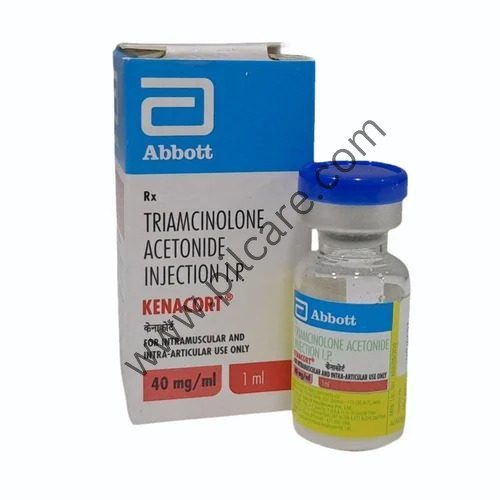
Kenacort: A Comprehensive Medical SEO Guide for Patients and Professionals
As an expert Medical SEO Copywriter with a specialization in Orthopedics, this guide provides an exhaustive overview of Kenacort, a powerful corticosteroid medication. Understanding Kenacort's intricate mechanisms, diverse applications, and potential risks is crucial for both patients seeking relief and healthcare providers optimizing treatment strategies.
1. Introduction & Overview of Kenacort
Kenacort is a brand name for various formulations of triamcinolone, a synthetic glucocorticoid corticosteroid. It is widely recognized for its potent anti-inflammatory and immunosuppressive properties. Triamcinolone is available in several forms, including oral tablets, topical creams, inhalers, and various injectable preparations, each tailored for specific clinical applications. This guide will primarily focus on its injectable forms, particularly those used in orthopedic and rheumatologic settings, such as triamcinolone acetonide and triamcinolone hexacetonide.
The primary role of Kenacort in medicine is to alleviate symptoms associated with a wide range of inflammatory and autoimmune conditions. From severe allergic reactions and skin disorders to complex rheumatic diseases and localized musculoskeletal inflammation, Kenacort offers a powerful therapeutic option. Its efficacy stems from its ability to modulate the immune response and reduce inflammation at a cellular level, providing significant relief for patients often suffering from chronic and debilitating conditions.
In the field of orthopedics, Kenacort injections are a cornerstone for managing localized inflammatory conditions within joints, bursae, and soft tissues. These targeted injections can reduce pain, swelling, and improve function, often providing a bridge to physical therapy or, in some cases, delaying the need for more invasive procedures.
2. Deep-dive into Technical Specifications & Mechanisms
Understanding how Kenacort works requires delving into its pharmacological properties and how it interacts with the body's physiological systems.
What is Kenacort? (Chemical Formulations)
Kenacort typically refers to injectable forms of triamcinolone. The two most common forms for injections are:
- Triamcinolone Acetonide (e.g., Kenacort-A): A long-acting synthetic corticosteroid often used for intramuscular (IM), intra-articular (IA), intralesional, and intradermal injections. It has a relatively rapid onset and sustained action.
- Triamcinolone Hexacetonide (e.g., Kenacort-T): Characterized by a larger particle size, which leads to slower absorption from the injection site and a potentially longer duration of action, particularly in intra-articular applications. It is often preferred for persistent joint inflammation.
Mechanism of Action (MOA)
Triamcinolone, like other glucocorticoids, exerts its effects by binding to specific glucocorticoid receptors located in the cytoplasm of target cells. This receptor-ligand complex then translocates into the cell nucleus, where it modulates gene transcription. The key mechanisms include:
- Anti-inflammatory Effects:
- Inhibition of Phospholipase A2: This is a crucial step in the arachidonic acid pathway, leading to a reduction in the synthesis of prostaglandins and leukotrienes, which are potent mediators of inflammation.
- Suppression of Cytokines and Chemokines: Kenacort decreases the production of pro-inflammatory cytokines (e.g., IL-1, IL-6, TNF-α) and chemokines, thereby reducing the recruitment and activation of inflammatory cells.
- Stabilization of Lysosomal Membranes: Prevents the release of destructive enzymes from lysosomes in inflammatory cells.
- Decreased Capillary Permeability and Vasoconstriction: Reduces edema and swelling at inflammatory sites.
- Immunosuppressive Effects:
- Reduction in Lymphocyte Activity: Decreases the number and activity of circulating lymphocytes, particularly T-lymphocytes.
- Inhibition of Macrophage Function: Reduces the phagocytic and antigen-presenting capabilities of macrophages.
- Suppression of Antibody Production: Indirectly affects humoral immunity by reducing B-cell activation.
Pharmacokinetics
The pharmacokinetics of triamcinolone vary significantly based on the route of administration and the specific ester used.
| Parameter | Description |
|---|---|
| Absorption | Oral: Well-absorbed from the GI tract. IM/IA/ID/Intralesional: Systemic absorption occurs even with local injections, though the rate and extent depend on the specific ester and injection site. Triamcinolone hexacetonide has slower systemic absorption. |
| Distribution | Distributed widely throughout the body. Binds to plasma proteins, primarily transcortin (corticosteroid-binding globulin) and albumin. Only the unbound fraction is pharmacologically active. |
| Metabolism | Primarily metabolized in the liver by the cytochrome P450 enzyme system, specifically CYP3A4. Metabolites are generally inactive. |
| Excretion | Primarily excreted in the urine as inactive metabolites. A small amount is excreted in the feces. |
| Half-life | The biological half-life is typically longer than the plasma half-life. For triamcinolone acetonide, the biological half-life can range from 18-36 hours, but local effects can persist for weeks. Triamcinolone hexacetonide can have even longer local action. |
| Onset/Duration | Onset: Varies from hours (oral/IM) to 24-48 hours (IA). Duration: Effects can last from several days to several weeks, or even months for certain intra-articular preparations. |
3. Extensive Clinical Indications & Usage
Kenacort's versatility makes it invaluable across numerous medical specialties.
General Indications
Kenacort (triamcinolone) is indicated for the treatment of various conditions requiring corticosteroid therapy:
- Rheumatic Disorders: Rheumatoid arthritis, psoriatic arthritis, ankylosing spondylitis, systemic lupus erythematosus, acute gouty arthritis, bursitis, synovitis, epicondylitis, tenosynovitis.
- Allergic States: Severe or debilitating allergic conditions refractory to conventional treatment, such as seasonal or perennial allergic rhinitis, bronchial asthma, contact dermatitis, atopic dermatitis, serum sickness, drug hypersensitivity reactions.
- Dermatologic Diseases: Pemphigus, bullous dermatitis herpetiformis, severe erythema multiforme (Stevens-Johnson syndrome), exfoliative dermatitis, mycosis fungoides, severe psoriasis, severe seborrheic dermatitis.
- Respiratory Diseases: Symptomatic sarcoidosis, Loeffler's syndrome not manageable by other means, berylliosis, fulminating or disseminated pulmonary tuberculosis (when used concurrently with appropriate antituberculous chemotherapy), aspiration pneumonitis.
- Ophthalmic Diseases: Severe acute and chronic allergic and inflammatory processes involving the eye and its adnexa (e.g., allergic conjunctivitis, keratitis, allergic corneal marginal ulcers, anterior segment inflammation, diffuse posterior uveitis and choroiditis, optic neuritis).
- Hematologic Disorders: Acquired (autoimmune) hemolytic anemia, pure red cell aplasia, secondary thrombocytopenia in adults.
- Neoplastic Diseases: For palliative management of leukemias and lymphomas in adults; acute leukemia of childhood.
- Gastrointestinal Diseases: To tide the patient over a critical period of the disease in ulcerative colitis and regional enteritis (Crohn's disease).
- Endocrine Disorders: Primary or secondary adrenocortical insufficiency (hydrocortisone or cortisone is the drug of choice; supplemental mineralocorticoids must be used concurrently where applicable), congenital adrenal hyperplasia, hypercalcemia associated with cancer, nonsuppurative thyroiditis.
Orthopedic and Musculoskeletal Indications (Detailed Focus)
In orthopedics, Kenacort injections are a common therapeutic intervention, particularly for localized inflammation.
- Intra-articular Injections:
- Osteoarthritis (OA): Especially in knees, hips, shoulders, and other peripheral joints, to reduce pain and inflammation and improve joint function, particularly during acute flares.
- Rheumatoid Arthritis (RA): For specific joints affected by severe inflammation, as an adjunct to systemic therapy.
- Psoriatic Arthritis: To manage localized joint inflammation.
- Acute Gouty Arthritis & Pseudogout: To rapidly reduce pain and inflammation during acute attacks.
- Synovitis: Inflammation of the synovial membrane.
- Intrabursal Injections:
- Bursitis: Common sites include subacromial (shoulder), olecranon (elbow), prepatellar (knee), and trochanteric (hip) bursitis, to reduce inflammation and pain.
- Intralesional/Soft Tissue Injections:
- Tendinitis/Tenosynovitis: Conditions like De Quervain's tenosynovitis, trigger finger, lateral/medial epicondylitis (tennis/golfer's elbow), and rotator cuff tendinitis.
- Plantar Fasciitis: To reduce inflammation at the heel.
- Carpal Tunnel Syndrome: Injections into the carpal tunnel to reduce inflammation around the median nerve.
- Ganglion Cysts: Occasionally used, though aspiration and surgical excision are more common.
Dosage Guidelines
Dosage is highly individualized and depends on the specific condition, severity, patient response, and route of administration. Kenacort should never be administered intravenously.
- Intra-articular (IA) Injection:
- Large Joints (e.g., knee, shoulder, hip): Typically 5-40 mg (triamcinolone acetonide) or 10-40 mg (triamcinolone hexacetonide).
- Medium Joints (e.g., elbow, wrist, ankle): 5-15 mg.
- Small Joints (e.g., fingers, toes): 2.5-5 mg.
- Frequency: Generally limited to every 3-4 months per joint to minimize the risk of joint damage or systemic side effects. More frequent injections are usually discouraged.
- Intramuscular (IM) Injection:
- Systemic effect: 40-80 mg of triamcinolone acetonide, usually administered deeply into the gluteal muscle.
- Frequency: Typically every 2-4 weeks, depending on the response and condition.
- Intrabursal/Intralesional/Soft Tissue Injection:
- Dosage: Varies widely, generally 5-20 mg depending on the size and location of the lesion.
- Frequency: As needed, but repeated injections in the same area should be spaced out to prevent local tissue atrophy.
Important Considerations for Administration:
- Aseptic Technique: Strict aseptic technique is paramount to prevent infection, especially with intra-articular injections.
- Needle Placement: Accurate needle placement is crucial for efficacy and to avoid injecting into blood vessels or nerves. Ultrasound guidance is increasingly used for precision.
- Not for IV Use: Kenacort injectable forms are suspensions and can cause embolic events if given intravenously.
- Cumulative Dose: Healthcare providers should monitor the cumulative dose to minimize systemic adverse effects, even with local injections.
4. Risks, Side Effects, and Contraindications
While highly effective, Kenacort carries significant risks and potential side effects, especially with long-term or high-dose use.
Contraindications
- Systemic Fungal Infections: Corticosteroids can exacerbate these.
- Hypersensitivity: Known allergy to triamcinolone or any component of the formulation.
- Live or Live-attenuated Vaccines: Should not be administered to patients receiving immunosuppressive doses of corticosteroids.
- Untreated Systemic Infections: Local injections are contraindicated in the presence of active infection at or near the injection site.
- Acute Viral Infections: Such as herpes simplex keratitis, varicella, or measles, due to immunosuppressive effects.
- Idiopathic Thrombocytopenic Purpura (ITP): Intramuscular administration is generally contraindicated.
Warnings and Precautions
- Adrenal Suppression: Prolonged use can suppress the hypothalamic-pituitary-adrenal (HPA) axis, leading to adrenal insufficiency upon abrupt withdrawal.
- Immunosuppression: Increased susceptibility to infection (bacterial, viral, fungal, parasitic) and masking of infection symptoms.
- Cushing's Syndrome: Long-term, high-dose systemic use can lead to iatrogenic Cushing's syndrome.
- Ocular Effects: Posterior subcapsular cataracts, glaucoma (with possible damage to optic nerves), and exacerbation of ocular herpes simplex.
- Psychiatric Disturbances: Mood swings, insomnia, personality changes, severe depression, or frank psychotic manifestations.
- Cardiovascular Effects: Fluid retention, hypertension, congestive heart failure (in susceptible patients).
- Gastrointestinal Effects: Increased risk of peptic ulcer disease, perforation, hemorrhage; pancreatitis.
- Musculoskeletal Effects: Osteoporosis (especially with long-term use), myopathy, avascular necrosis (osteonecrosis), tendon rupture (rare, particularly with direct injection into tendons).
- Diabetes Mellitus: Can exacerbate existing diabetes or precipitate latent diabetes, requiring insulin or oral hypoglycemic agent adjustments.
- Growth Retardation: In children, long-term use can suppress growth and development.
- "Post-injection Flare": A transient increase in pain and inflammation in the injected joint, typically lasting 24-48 hours, which resolves spontaneously.
- Local Tissue Reactions: Skin atrophy, hypopigmentation, sterile abscess formation at the injection site.
Common Side Effects (Systemic)
- Fluid retention, edema
- Weight gain, increased appetite
- Mood changes, irritability, anxiety, insomnia
- Indigestion, heartburn
- Hyperglycemia (elevated blood sugar)
- Increased blood pressure
- Headache
- Facial flushing
Local Side Effects (Injections)
- Pain, swelling, or bruising at the injection site
- Skin atrophy (thinning), hypopigmentation (lightening of skin)
- Infection (rare but serious)
- Damage to joint cartilage or tendons with repeated, frequent injections
- Sterile abscess
Drug Interactions
Kenacort can interact with several medications, altering their effects or increasing the risk of adverse events.
| Drug Class | Interaction |
| Corticosteroids | CYP3A4 Inducers: Rifampin, phenytoin, phenobarbital, and other CYP3A4 inducers can increase the metabolism of triamcinolone, reducing its efficacy.
CYP3A4 Inhibitors: Ketoconazole, macrolide antibiotics (e.g., clarithromycin, erythromycin), and other CYP3A4 inhibitors can decrease the metabolism of triamcinolone, potentially increasing its systemic effects and adverse reactions.
NSAIDs: Concomitant use increases the risk of gastrointestinal ulceration and bleeding.
Anticoagulants (e.g., Warfarin): Corticosteroids may alter the effects of anticoagulants. Close monitoring of INR/PT is recommended.
Diuretics (Thiazide or Loop): Concomitant use can enhance the excretion of potassium, increasing the risk of hypokalemia.
Antidiabetics (Insulin, Oral Hypoglycemics): Corticosteroids can increase blood glucose levels, requiring dose adjustments of antidiabetic medications.
Vaccines: Immunosuppressive doses of corticosteroids can reduce the immune response to live or attenuated vaccines and increase the risk of adverse reactions from live vaccines.
Cardiac Glycosides (e.g., Digoxin): Increased risk of toxicity with hypokalemia induced by