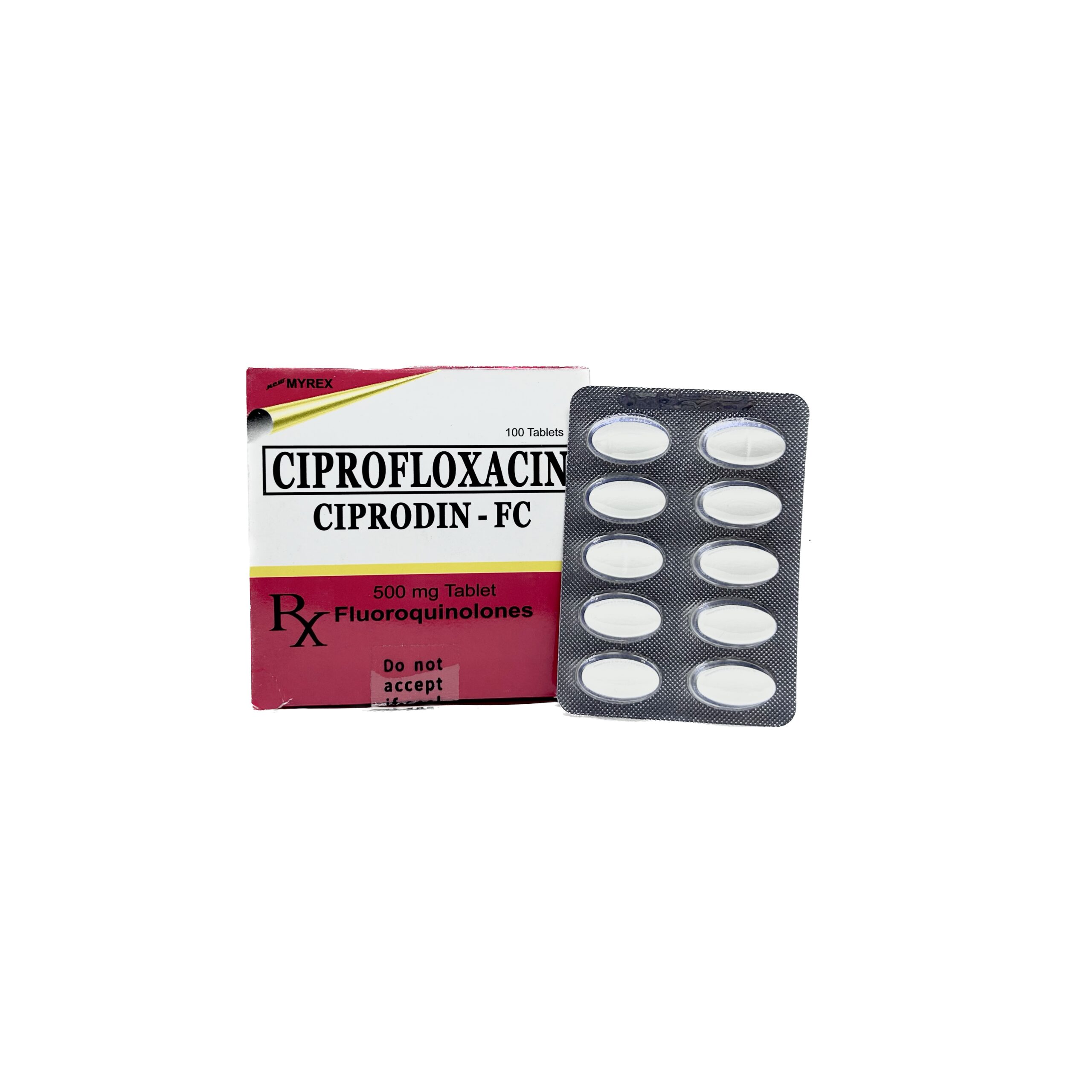
Ciprofloxacin 500 mg Tablet: An Authoritative Medical SEO Guide
1. Comprehensive Introduction & Overview
Ciprofloxacin 500 mg is a potent, broad-spectrum antibiotic belonging to the fluoroquinolone class. It is a critically important medication in modern medicine, prescribed to combat a wide array of bacterial infections throughout the body. Developed to target specific bacterial mechanisms, ciprofloxacin has proven efficacy against both Gram-positive and Gram-negative bacteria, making it a versatile tool for healthcare professionals.
As an expert in orthopedic medicine and medical SEO, I recognize the profound impact and necessity of understanding such medications. While highly effective, ciprofloxacin, like all powerful antibiotics, comes with specific guidelines for its use, potential side effects, and crucial interactions that demand careful consideration. This comprehensive guide aims to provide an exhaustive, authoritative resource on Ciprofloxacin 500 mg tablets, covering its intricate mechanisms, diverse indications, precise dosage, potential risks, and essential patient information. Our goal is to empower patients and healthcare providers with accurate, detailed knowledge to ensure safe and effective treatment outcomes.
2. Deep-dive into Technical Specifications / Mechanisms
Mechanism of Action
Ciprofloxacin exerts its potent bactericidal effect by targeting essential enzymes within bacterial cells. Specifically, it inhibits bacterial DNA gyrase (topoisomerase II) and topoisomerase IV. These enzymes are crucial for DNA replication, transcription, repair, and recombination in bacteria.
- DNA Gyrase (Topoisomerase II): This enzyme is responsible for introducing negative supercoils into bacterial DNA, which is essential for DNA packaging and replication. By inhibiting DNA gyrase, ciprofloxacin prevents the unwinding and replication of bacterial DNA.
- Topoisomerase IV: This enzyme is involved in separating replicated bacterial chromosomal DNA into daughter cells during cell division. Inhibition of topoisomerase IV by ciprofloxacin leads to a failure in cell division.
The dual inhibition of these critical enzymes leads to irreversible damage to bacterial DNA, ultimately resulting in bacterial cell death. This unique mechanism contributes to ciprofloxacin's broad spectrum of activity against many bacterial species.
Pharmacokinetics
Understanding the pharmacokinetics of ciprofloxacin is vital for appropriate dosing and predicting its efficacy and safety profile.
Absorption
- Route: Oral administration (tablet).
- Rate: Rapidly and well-absorbed from the gastrointestinal tract.
- Bioavailability: Approximately 70-80% after oral administration.
- Peak Plasma Concentration (Tmax): Reached within 1-2 hours after a 500 mg dose.
- Food Effect: While food can delay absorption, it generally does not significantly affect the total amount absorbed. However, concomitant administration with dairy products or mineral-fortified juices can significantly reduce absorption.
Distribution
- Volume of Distribution: Large, indicating extensive distribution into body tissues and fluids.
- Tissue Penetration: Achieves high concentrations in various tissues, including:
- Lungs
- Kidneys
- Gallbladder
- Liver
- Female reproductive organs
- Prostate
- Bone (highly relevant for orthopedic infections)
- Cerebrospinal fluid (CSF) penetration is limited in the absence of meningeal inflammation.
- Protein Binding: Low, approximately 20-40%, allowing a large fraction of the drug to be freely available to exert its antibacterial effect.
Metabolism
- Metabolic Pathway: Primarily hepatic metabolism, involving the cytochrome P450 (CYP450) system, although a significant portion of the drug is excreted unchanged.
- Metabolites: Produces four main active metabolites (desethyleneciprofloxacin, sulfociprofloxacin, oxociprofloxacin, and formylciprofloxacin), which possess some antimicrobial activity but are less potent than the parent drug.
Excretion
- Primary Route: Primarily renal excretion (glomerular filtration and tubular secretion) of both unchanged drug and metabolites.
- Fecal Excretion: A smaller portion is excreted via the feces.
- Half-life: The elimination half-life is typically 3-5 hours in individuals with normal renal function. This half-life is prolonged in patients with impaired renal function, necessitating dosage adjustments.
3. Extensive Clinical Indications & Usage
Ciprofloxacin 500 mg is indicated for the treatment of various bacterial infections caused by susceptible organisms. Its broad spectrum and excellent tissue penetration make it suitable for numerous conditions.
Detailed Indications
| Indication | Common Pathogens Targeted | Notes |
|---|---|---|
| Urinary Tract Infections (UTIs) | E. coli, Klebsiella pneumoniae, Proteus mirabilis, Pseudomonas aeruginosa, Enterococcus faecalis, Staphylococcus epidermidis | Effective for both complicated and uncomplicated UTIs, including pyelonephritis and cystitis. Often a first-line agent for complicated cases. |
| Respiratory Tract Infections (RTIs) | Haemophilus influenzae, Moraxella catarrhalis, Streptococcus pneumoniae, Klebsiella pneumoniae, Pseudomonas aeruginosa | Acute sinusitis, acute exacerbations of chronic bronchitis, community-acquired pneumonia (CAP), and nosocomial pneumonia. Use for CAP often reserved due to resistance concerns and potential side effects. |
| Skin and Soft Tissue Infections | Staphylococcus aureus (MSSA), Streptococcus pyogenes, Pseudomonas aeruginosa, Enterobacter cloacae, Proteus vulgaris | Cellulitis, abscesses, infected ulcers, and wound infections. Particularly useful for infections involving Gram-negative bacteria or in immunocompromised patients. |
| Bone and Joint Infections | Staphylococcus aureus, Pseudomonas aeruginosa, Enterobacter spp. | Osteomyelitis, septic arthritis, prosthetic joint infections. Ciprofloxacin's excellent bone penetration makes it a valuable option, often in combination with other agents, especially in chronic or difficult-to-treat cases. Requires prolonged treatment courses. |
| Gastrointestinal Infections | Salmonella spp., Shigella spp., Campylobacter jejuni, E. coli (enterotoxigenic) | Infectious diarrhea, traveler's diarrhea, typhoid fever, and salmonellosis. Effective in reducing the duration and severity of symptoms. |
| Intra-abdominal Infections | E. coli, Klebsiella pneumoniae, Pseudomonas aeruginosa, Bacteroides fragilis (often in combination) | Complicated intra-abdominal infections, often used in combination with metronidazole for anaerobic coverage. |
| Prostatitis | E. coli, Klebsiella pneumoniae, Proteus mirabilis | Acute and chronic bacterial prostatitis. Its good penetration into prostatic tissue makes it effective, though chronic cases require extended treatment. |
| Anthrax (Post-exposure and Treatment) | Bacillus anthracis | Recommended for both inhalational anthrax post-exposure prophylaxis and treatment, including systemic anthrax, due to its efficacy against Bacillus anthracis. |
| Plague | Yersinia pestis | Treatment of plague. |
| Gonorrhea | Neisseria gonorrhoeae | Historically used, but due to widespread resistance, it is no longer recommended as a first-line treatment for uncomplicated gonorrhea in many regions. Culture and susceptibility testing are crucial. |
Dosage Guidelines
The dosage of Ciprofloxacin 500 mg varies significantly depending on the type and severity of the infection, the patient's renal function, and other individual factors. It is critical to always follow the prescribing physician's instructions.
General Principles:
- Administration: Ciprofloxacin tablets can be taken with or without food. However, to minimize gastrointestinal upset, it is often recommended to take it with food.
- Dairy/Antacids: Avoid taking ciprofloxacin with dairy products (milk, yogurt) or calcium-fortified juices, as these can significantly impair absorption. Similarly, avoid antacids containing magnesium or aluminum, sucralfate, or products containing iron or zinc, for at least 2 hours before or 6 hours after taking ciprofloxacin.
- Hydration: Patients should maintain adequate hydration to prevent crystalluria.
- Renal Impairment: Dosage adjustments are necessary for patients with impaired renal function (creatinine clearance < 50 mL/min).
Typical Adult Dosages (Consult specific guidelines for precise recommendations):
| Indication | Recommended Oral Dosage (Ciprofloxacin 500 mg) | Frequency | Duration |
|---|---|---|---|
| Uncomplicated UTI (acute cystitis) | 250 mg - 500 mg | Every 12 hours | 3 days (uncomplicated) to 7-14 days (complicated) |
| Complicated UTI and Pyelonephritis | 500 mg | Every 12 hours | 7-14 days |
| Acute Sinusitis | 500 mg | Every 12 hours | 10 days |
| Acute Exacerbation of Chronic Bronchitis | 500 mg | Every 12 hours | 7-14 days |
| Community-Acquired Pneumonia | 500 mg - 750 mg | Every 12 hours | 7-14 days |
| Skin and Soft Tissue Infections | 500 mg - 750 mg | Every 12 hours | 7-14 days |
| Bone and Joint Infections | 500 mg - 750 mg | Every 12 hours | 4-6 weeks or longer (often 2-3 months for osteomyelitis, 3-6 months for prosthetic joint infections) |
| Infectious Diarrhea | 500 mg | Every 12 hours | 5-7 days (or single dose for traveler's diarrhea in some cases) |
| Typhoid Fever | 500 mg | Every 12 hours | 10 days |
| Complicated Intra-abdominal Infections | 500 mg | Every 12 hours | 7-14 days (often with metronidazole) |
| Chronic Bacterial Prostatitis | 500 mg | Every 12 hours | 28 days |
| Inhalational Anthrax (post-exposure prophylaxis) | 500 mg | Every 12 hours | 60 days |
4. Risks, Side Effects, or Contraindications
While highly effective, Ciprofloxacin carries significant risks and potential side effects. Patients must be fully informed and monitored during treatment.
Contraindications
- Hypersensitivity: Known hypersensitivity to ciprofloxacin, any other fluoroquinolone, or any component of the formulation.
- Tizanidine Concomitant Use: Co-administration with tizanidine is contraindicated due to a significant increase in tizanidine plasma concentrations, leading to hypotension and somnolence.
- History of Tendinitis/Tendon Rupture: Patients with a history of tendinitis or tendon rupture associated with fluoroquinolone therapy should generally avoid ciprofloxacin.
Warnings and Precautions (Black Box Warnings)
The U.S. Food and Drug Administration (FDA) has issued "Black Box Warnings" for fluoroquinolones, including ciprofloxacin, highlighting several serious adverse events:
- Tendon Rupture: Increased risk of tendinitis and tendon rupture (e.g., Achilles tendon, rotator cuff, hand, biceps, thumb), which can occur during or after treatment, sometimes months later. This risk is higher in older patients, those taking corticosteroids, and organ transplant recipients. As an orthopedic specialist, I emphasize vigilance for any musculoskeletal pain, swelling, or inflammation. Discontinue Ciprofloxacin immediately if these symptoms appear.
- Peripheral Neuropathy: Fluoroquinolones can cause peripheral neuropathy, a potentially irreversible nerve damage, with symptoms like pain, burning, tingling, numbness, or weakness in the extremities. Discontinue immediately if symptoms occur.
- Central Nervous System (CNS) Effects: May cause dizziness, lightheadedness, confusion, hallucinations, seizures, and increased intracranial pressure. Use with caution in patients with known or suspected CNS disorders.
- Exacerbation of Myasthenia Gravis: Fluoroquinolones can exacerbate muscle weakness in patients with myasthenia gravis, including life-threatening respiratory failure.
- Aortic Aneurysm and Dissection: Increased risk of aortic aneurysm and dissection, particularly in older patients, those with hypertension, or pre-existing vascular conditions. Use with caution in these populations.
Other Important Warnings:
- QT Prolongation: Can prolong the QT interval on an electrocardiogram, increasing the risk of cardiac arrhythmias. Avoid in patients with known QT prolongation, uncorrected hypokalemia, or concomitant use of other QT-prolonging drugs.
- Hypo/Hyperglycemia: May cause disturbances in blood glucose, including symptomatic hypoglycemia and hyperglycemia, particularly in diabetic patients. Monitor blood glucose levels carefully.
- Clostridioides difficile-Associated Diarrhea (CDAD): Can cause CDAD, ranging from mild diarrhea to fatal colitis.
- Photosensitivity: Increased sensitivity to sunlight and UV light. Patients should avoid excessive sun exposure.
- Hepatotoxicity: Rare cases of severe hepatotoxicity, including fatal hepatic failure, have been reported.
- Crystalluria: Adequate hydration is essential to prevent crystalluria.
Common Side Effects
- Gastrointestinal: Nausea, diarrhea, abdominal pain, vomiting, indigestion.
- CNS: Headache, dizziness, insomnia, restlessness.
- Skin: Rash.
- Musculoskeletal: Joint pain (arthralgia).
Serious Side Effects (Seek immediate medical attention)
- Severe allergic reactions (anaphylaxis: hives, difficulty breathing, swelling of face/throat).
- Cardiac arrhythmias, severe chest pain.
- Severe diarrhea (watery or bloody), fever, abdominal cramps.
- Unusual bleeding or bruising.
- Yellowing of skin or eyes (jaundice), dark urine.
- Severe skin reactions (Stevens-Johnson syndrome, toxic epidermal necrolysis).
- Signs of kidney problems (change in urine amount).
- Tendon pain, swelling, or rupture.
- Numbness, tingling, burning pain in hands or feet.
- Changes in mood or behavior (depression, anxiety, confusion, hallucinations).
Drug Interactions
Ciprofloxacin can interact with numerous medications, altering their efficacy or increasing the risk of adverse effects.
| Interacting Drug/Substance | Interaction Mechanism | Clinical Effect / Recommendation |
|---|---|---|
| Antacids (Mg/Al), Sucralfate, Iron/Zinc Supplements, Dairy Products | Chelation; impairs ciprofloxacin absorption. | Administer ciprofloxacin at least 2 hours before or 6 hours after these agents. Avoid taking with dairy products or calcium-fortified juices. |
| Theophylline | Ciprofloxacin inhibits CYP1A2, increasing theophylline levels. | Increased risk of theophylline toxicity (nausea, vomiting, seizures, arrhythmias). Monitor theophylline levels closely; adjust dose as needed. |
| Warfarin and other oral anticoagulants | Ciprofloxacin can enhance anticoagulant effect. | Increased risk of bleeding. Monitor INR/PT closely, especially during initiation and discontinuation of ciprofloxacin. Adjust anticoagulant dose as needed. |
| Cyclosporine | Increased cyclosporine levels. | Increased risk of nephrotoxicity. Monitor cyclosporine levels and renal function. |
| Methotrexate | Increased methotrexate levels. | Increased risk of methotrexate toxicity. Monitor for adverse effects. |
| NSAIDs (e.g., ibuprofen, naproxen) | Synergistic CNS stimulation. | Increased risk of CNS side effects, including seizures. Use with caution. |
| Oral Hypoglycemic Agents (e.g., glyburide) | Fluoroquinolones can affect glucose metabolism. | Increased risk of dysglycemia (hypoglycemia or hyperglycemia). Monitor blood glucose closely, especially in diabetic patients. |
| Tizanidine | Ciprofloxacin inhibits CYP1A2, significantly increasing tizanidine levels. | Contraindicated. Leads to severe hypotension and somnolence. |
| Caffeine | Ciprofloxacin inhibits CYP1A2, reducing caffeine clearance. | Increased caffeine levels and potential for increased caffeine-related side effects (e.g., nervousness, insomnia). |
| Phenytoin | Altered phenytoin levels (increased or decreased). | Monitor phenytoin levels. |
Pregnancy and Lactation Warnings
- Pregnancy: Ciprofloxacin is classified as Pregnancy Category C. Animal studies have shown adverse effects on cartilage development in offspring, but human data are limited. It should be used during pregnancy only if the potential benefit justifies the potential risk to the fetus. Discussion with a healthcare provider is essential.
- Lactation (Breastfeeding): Ciprofloxacin is excreted into breast milk. Due to the potential for serious adverse reactions in breastfed infants (e.g., effects on cartilage, disruption of gut flora), a decision should be made whether to discontinue nursing or discontinue the drug, considering the importance of the drug to the mother.
Overdose Management
In the event of an overdose with Ciprofloxacin, symptoms can range from mild to severe and may include:
- Gastrointestinal Distress: Nausea, vomiting, diarrhea.
- Renal Toxicity: Reversible renal toxicity has been reported.
- CNS Effects: Dizziness, confusion, headache, tremors, hallucinations, seizures.
- Cardiac: QT prolongation.
Treatment of Overdose:
1. Gastric Lavage: May be performed shortly after ingestion to remove unabsorbed drug.
2. Activated Charcoal: Administration of activated charcoal can help reduce absorption.
3. Supportive Care: Maintain adequate hydration to prevent crystalluria. Monitor vital signs, kidney function, and ECG for QT prolongation.
4. Hemodialysis/Peritoneal Dialysis: Only a small amount of ciprofloxacin is removed by hemodialysis or peritoneal dialysis, so these methods are generally not highly effective in an overdose situation.
5. Symptomatic Treatment: Address specific symptoms as they arise (e.g., anticonvulsants for seizures, antiemetics for nausea).
5. Massive FAQ Section
Q1: What is Ciprofloxacin 500 mg used for?
Ciprofloxacin 500 mg is a broad-spectrum antibiotic used to treat a wide range of bacterial infections, including urinary tract infections (UTIs), respiratory tract infections, skin and soft tissue infections, bone and joint infections, gastrointestinal infections, and certain sexually transmitted infections.
Q2: How should I take Ciprofloxacin 500 mg?
Take Ciprofloxacin exactly as prescribed by your doctor. It can be taken with or without food, but avoid dairy products (milk, yogurt) and calcium-fortified juices, as they can reduce absorption. Also, avoid antacids, iron/zinc supplements, or sucralfate for at least 2 hours before or 6 hours after your dose. Drink plenty of fluids to stay hydrated.
Q3: Can I drink alcohol while taking Ciprofloxacin?
While there is no direct contraindication for alcohol consumption with ciprofloxacin, it is generally advisable to limit or avoid alcohol. Alcohol can exacerbate some side effects like dizziness or stomach upset, and it may also impair your body's ability to fight the infection.
Q4: What are the most common side effects of Ciprofloxacin?
Common side effects include nausea, diarrhea, abdominal pain, headache, and dizziness. If these symptoms are severe or persistent, contact your doctor.
Q5: Is Ciprofloxacin safe during pregnancy or breastfeeding?
Ciprofloxacin is generally not recommended during pregnancy (Pregnancy Category C) due to potential risks to fetal cartilage development. It is also excreted in breast milk and may pose risks to a nursing infant. Always discuss the risks and benefits with your doctor if you are pregnant, planning to become pregnant, or breastfeeding.
Q6: How long does it take for Ciprofloxacin to start working?
Many patients begin to feel better within 24 to 48 hours of starting ciprofloxacin. However, it is crucial to complete the entire prescribed course of antibiotics, even if your symptoms improve, to ensure the infection is fully eradicated and to prevent the development of antibiotic resistance.
Q7: What should I avoid while taking Ciprofloxacin?
You should avoid:
* Dairy products, calcium-fortified juices, antacids, iron/zinc supplements, and sucralfate for several hours around your dose.
* Excessive exposure to sunlight or tanning beds due to increased photosensitivity.
* Driving or operating heavy machinery if you experience dizziness or confusion.
* Certain medications like tizanidine, theophylline, and warfarin without consulting your doctor.
Q8: Can Ciprofloxacin cause tendon problems, and what should I do if it happens?
Yes, Ciprofloxacin, like other fluoroquinolones, carries a Black Box Warning for an increased risk of tendinitis and tendon rupture, particularly in the Achilles tendon. This risk is higher in older adults, those taking corticosteroids, or organ transplant recipients. If you experience any pain, swelling, inflammation, or hear a "pop" in a tendon area, stop taking ciprofloxacin immediately and contact your doctor for an urgent evaluation.
Q9: What should I do if I miss a dose of Ciprofloxacin?
If you miss a dose, take it as soon as you remember, unless it's almost time for your next scheduled dose. In that case, skip the missed dose and continue with your regular dosing schedule. Do not take a double dose to make up for a missed one.
Q10: Is Ciprofloxacin considered a strong antibiotic?
Yes, ciprofloxacin is considered a potent, broad-spectrum antibiotic. Its ability to target a wide range of bacteria, including some resistant strains, makes it a powerful tool for treating serious infections. However, its strength also means it carries a higher risk of significant side effects compared to some other antibiotics, necessitating careful use and medical supervision.
Q11: Can Ciprofloxacin affect my blood sugar levels?
Yes, ciprofloxacin can cause fluctuations in blood sugar levels, leading to either hypoglycemia (low blood sugar) or hyperglycemia (high blood sugar), particularly in diabetic patients. If you have diabetes, your doctor may recommend more frequent monitoring of your blood glucose while on ciprofloxacin.
Q12: How should Ciprofloxacin 500 mg tablets be stored?
Store Ciprofloxacin 500 mg tablets at room temperature, away from moisture and direct heat. Keep them in their original container and out of reach of children and pets. Do not store in the bathroom. Properly dispose of any unused or expired medication.