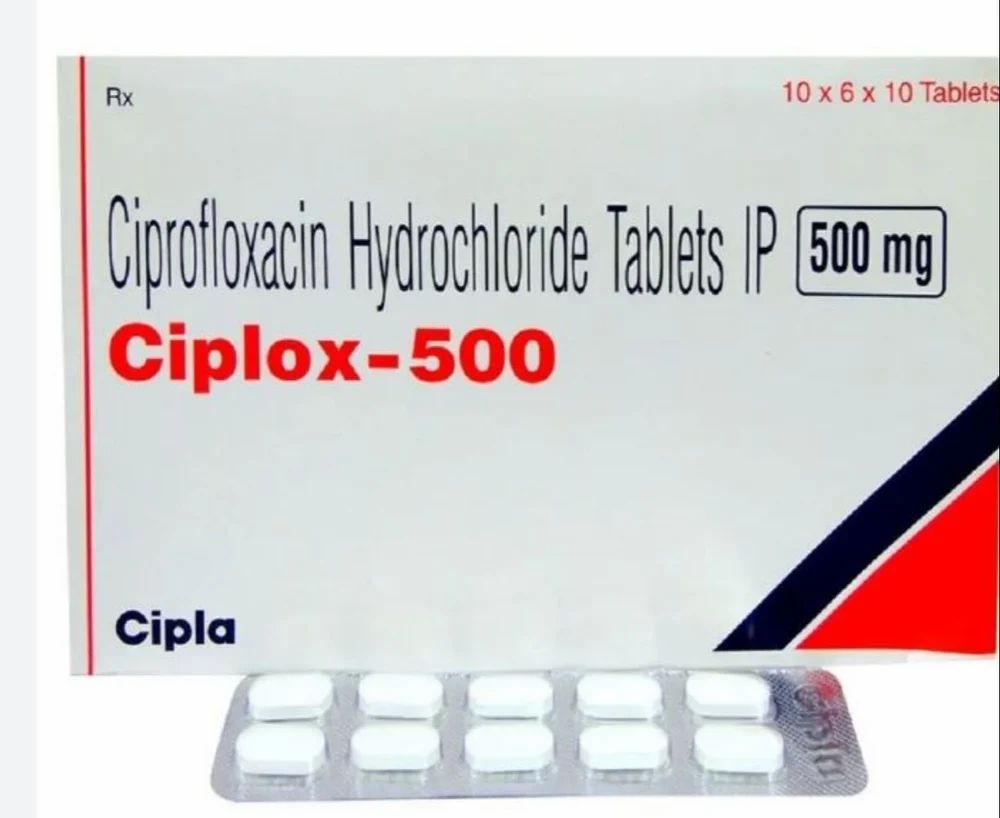
Ciplox (Ciprofloxacin): A Comprehensive Medical SEO Guide
Introduction & Overview
Ciplox is a widely recognized brand name for the antibiotic Ciprofloxacin, a synthetic broad-spectrum antimicrobial agent belonging to the fluoroquinolone class. Developed to combat a diverse range of bacterial infections, Ciplox has become a cornerstone in modern medicine for its efficacy against both Gram-positive and Gram-negative bacteria, including challenging pathogens like Pseudomonas aeruginosa.
This comprehensive guide serves as an authoritative resource for understanding Ciplox, detailing its intricate mechanism of action, pharmacokinetic profile, extensive clinical indications, precise dosage guidelines, critical contraindications, potential drug interactions, warnings for special populations like pregnant and lactating individuals, and management of overdose situations. As expert Medical SEO Copywriters and Orthopedic Specialists, we aim to provide an exhaustive, medically accurate, and easily digestible overview to inform healthcare professionals and interested individuals alike.
Disclaimer: This guide provides extensive information about Ciplox for educational and informational purposes only. It is not a substitute for professional medical advice, diagnosis, or treatment. Always seek the advice of your physician or other qualified health provider with any questions you may have regarding a medical condition or treatment.
Deep-Dive into Technical Specifications & Mechanisms
Understanding how Ciplox works at a molecular level is crucial for appreciating its broad therapeutic utility and potential considerations.
Mechanism of Action
Ciprofloxacin exerts its potent bactericidal (bacteria-killing) effect by interfering with essential bacterial DNA processes. Unlike many other antibiotic classes that target cell wall synthesis or protein production, ciprofloxacin specifically inhibits two critical bacterial enzymes:
- DNA Gyrase (Topoisomerase II): This enzyme is vital for unwinding and supercoiling bacterial DNA, a process necessary for DNA replication, transcription, repair, and recombination. By inhibiting DNA gyrase, ciprofloxacin prevents the proper functioning of bacterial DNA.
- Topoisomerase IV: This enzyme is also involved in the separation of replicated DNA during cell division. Its inhibition by ciprofloxacin leads to a failure in bacterial cell division.
By targeting these topoisomerases, ciprofloxacin causes irreversible damage to bacterial DNA, leading to fragmentation of the bacterial chromosome and ultimately, bacterial cell death. A key aspect of its mechanism is its selective toxicity; ciprofloxacin has a much higher affinity for bacterial DNA gyrase and topoisomerase IV than for their mammalian counterparts, thereby minimizing harm to human cells.
Pharmacokinetics
The journey of ciprofloxacin through the body—from absorption to elimination—is critical for its therapeutic effect and for determining appropriate dosing.
Absorption
- Oral Bioavailability: Ciprofloxacin is well-absorbed after oral administration, with an absolute bioavailability typically ranging from 70% to 80%.
- Peak Plasma Concentration (Tmax): Peak serum concentrations are usually achieved within 1 to 2 hours after oral dosing.
- Food Effect: While food may delay the time to peak concentration, it generally does not significantly alter the overall extent of absorption (AUC). However, dairy products and calcium-fortified juices can reduce absorption.
- Cation Interaction: Antacids containing aluminum, magnesium, or calcium, as well as iron and zinc supplements, can chelate ciprofloxacin, significantly reducing its absorption.
Distribution
- Tissue Penetration: Ciprofloxacin is widely distributed throughout the body into various tissues and fluids. High concentrations are found in the kidneys, lungs, prostate, bone, bile, and macrophages.
- CSF Penetration: Penetration into the cerebrospinal fluid (CSF) is relatively low in individuals with non-inflamed meninges but increases with meningeal inflammation.
- Protein Binding: It exhibits moderate plasma protein binding, approximately 20% to 40%.
Metabolism
- Hepatic Metabolism: Ciprofloxacin undergoes partial metabolism in the liver. While it is metabolized by the cytochrome P450 system (specifically CYP1A2), it is not considered a primary substrate and does not undergo extensive first-pass metabolism.
- Metabolites: Four active metabolites have been identified: desethyleneciprofloxacin (M1), sulfociprofloxacin (M2), oxociprofloxacin (M3), and formylciprofloxacin (M4). These metabolites possess some antimicrobial activity, but their contribution to the overall clinical effect is generally minor.
Elimination
- Renal Excretion: The primary route of elimination is renal, with approximately 50-70% of an oral dose excreted unchanged in the urine.
- Biliary/Fecal Excretion: A smaller portion (15-30%) is eliminated via biliary and fecal routes.
- Half-life: The elimination half-life in individuals with normal renal function is typically 3 to 5 hours. This half-life is significantly prolonged in patients with renal impairment, necessitating dosage adjustments.
Extensive Clinical Indications & Usage
Ciplox's broad spectrum of activity makes it effective against a wide array of bacterial pathogens, encompassing both Gram-positive and Gram-negative bacteria, including multi-drug resistant strains like Pseudomonas aeruginosa. This versatility has made it an indispensable antibiotic for treating numerous infections across various organ systems.
Detailed Indications
Ciplox is indicated for the treatment of infections caused by susceptible strains of microorganisms in the following conditions:
- Urinary Tract Infections (UTIs):
- Complicated and uncomplicated UTIs.
- Acute pyelonephritis.
- Chronic bacterial prostatitis.
- Respiratory Tract Infections:
- Acute exacerbations of chronic bronchitis.
- Community-acquired pneumonia.
- Hospital-acquired pneumonia (often in combination therapy).
- Cystic fibrosis-related bronchopulmonary infections (especially Pseudomonas aeruginosa).
- Skin and Soft Tissue Infections:
- Complicated skin and skin structure infections.
- Diabetic foot infections.
- Wound infections.
- Bone and Joint Infections:
- Osteomyelitis (including chronic osteomyelitis).
- Septic arthritis.
- Gastrointestinal Infections:
- Infectious diarrhea caused by susceptible organisms (e.g., E. coli, Shigella, Salmonella, Campylobacter).
- Typhoid fever.
- Intra-abdominal Infections:
- Complicated intra-abdominal infections (often in combination with metronidazole for anaerobic coverage).
- Sexually Transmitted Infections (STIs):
- Uncomplicated cervical and urethral gonorrhea (note: resistance rates are increasing, local susceptibility data should guide use).
- Chancroid.
- Anthrax (Post-Exposure Prophylaxis and Treatment):
- Inhalational anthrax (including prophylaxis after exposure).
- Plague (Treatment and Prophylaxis).
- Sinusitis:
- Acute bacterial sinusitis.
- Ophthalmic Infections (Topical Preparations):
- Bacterial conjunctivitis.
- Corneal ulcers.
- Otitis Externa (Topical Preparations):
- Acute otitis externa.
Dosage Guidelines
Dosage and duration of treatment with Ciplox vary significantly based on the type and severity of infection, the patient's renal function, and the route of administration (oral or intravenous). It is crucial to follow a healthcare professional's specific instructions.
| Indication | Oral Dosage (Adults) | IV Dosage (Adults) | Duration of Treatment (Typical) |
|---|---|---|---|
| Urinary Tract Infections | |||
| Uncomplicated | 250 mg every 12 hours | Not typically used for uncomplicated | 3 days |
| Complicated | 500 mg every 12 hours | 400 mg every 12 hours | 7-14 days |
| Acute Pyelonephritis | 500-750 mg every 12 hours | 400 mg every 8-12 hours | 7-14 days |
| Chronic Bacterial Prostatitis | 500 mg every 12 hours | Not commonly used | 28 days |
| Respiratory Tract Infections | |||
| Acute Exacerbation of Chronic Bronchitis | 500 mg every 12 hours | 400 mg every 12 hours | 7-10 days |
| Community-Acquired Pneumonia | 500-750 mg every 12 hours | 400 mg every 8-12 hours | 7-14 days |
| Cystic Fibrosis (P. aeruginosa) | 750 mg every 12 hours | 400 mg every 8 hours | 10-21 days (or as per protocol) |
| Skin & Soft Tissue Infections | 500-750 mg every 12 hours | 400 mg every 8-12 hours | 7-14 days |
| Bone & Joint Infections | 500-750 mg every 12 hours | 400 mg every 8-12 hours | 4-6 weeks or longer |
| Gastrointestinal Infections | |||
| Infectious Diarrhea | 500 mg every 12 hours | Not commonly used | 5-7 days |
| Typhoid Fever | 500 mg every 12 hours | 400 mg every 12 hours | 10 days |
| Intra-abdominal Infections | 500 mg every 12 hours (with Metronidazole) | 400 mg every 12 hours (with Metronidazole) | 7-14 days |
| Anthrax | 500 mg every 12 hours (post-exposure prophylaxis) | 400 mg every 12 hours (treatment) | 60 days |
| Gonorrhea (uncomplicated) | 500 mg single dose | Not typically used | Single dose |
Renal Impairment: Dosage adjustments are necessary for patients with impaired renal function (creatinine clearance < 50 mL/min).
* CrCl 30-50 mL/min: Administer usual dose every 12 hours, but reduce dose by 25-50%.
* CrCl < 30 mL/min: Administer usual dose every 24 hours, or half the usual dose every 12 hours.
* Hemodialysis/Peritoneal Dialysis: Administer dose after dialysis on dialysis days.
Pediatric Use: Ciprofloxacin is generally not recommended for children and adolescents under 18 years of age due to the risk of arthropathy (joint damage) in weight-bearing joints. However, its use may be justified in specific severe infections where other effective therapies are unavailable (e.g., complicated UTIs, pyelonephritis, cystic fibrosis exacerbations, inhalational anthrax, plague). In such cases, the dosage is weight-based and carefully monitored.
Risks, Side Effects, and Contraindications
While Ciplox is a powerful antibiotic, its use is associated with a range of potential risks, from common side effects to severe adverse reactions, and specific contraindications that must be carefully considered.
Contraindications
Ciplox is contraindicated in individuals with:
- Hypersensitivity: Known hypersensitivity to ciprofloxacin, other fluoroquinolones, or any component of the formulation.
- Tizanidine Co-administration: Concomitant use with Tizanidine (a muscle relaxant) is absolutely contraindicated due to a significant risk of hypotension and somnolence.
- Myasthenia Gravis: History of myasthenia gravis, as fluoroquinolones can exacerbate muscle weakness.
- Children and Adolescents: Generally contraindicated in pediatric patients (under 18 years) due to the risk of irreversible arthropathy, except for specific, life-threatening indications as determined by a physician.
Side Effects
Fluoroquinolones, including ciprofloxacin, carry several serious warnings. Patients should be fully informed of these risks.
Common Side Effects (≥1% occurrence):
- Nausea, vomiting, diarrhea, abdominal pain
- Headache, dizziness
- Rash
- Dyspepsia
- Insomnia
- Abnormal liver function tests (transient elevation)
Serious and Less Common Side Effects (Black Box Warnings highlighted):
- Tendinopathy and Tendon Rupture: BLACK BOX WARNING. Fluoroquinolones are associated with an increased risk of tendinitis and tendon rupture (e.g., Achilles tendon rupture), which can occur during or after treatment, sometimes months later. Risk factors include advanced age (>60 years), concurrent corticosteroid use, renal impairment, and organ transplant recipients. This risk is present regardless of the patient's activity level.
- Peripheral Neuropathy: BLACK BOX WARNING. Fluoroquinolones can cause peripheral neuropathy, characterized by symptoms such as pain, burning, tingling, numbness, and/or weakness. These symptoms can be rapid in onset and potentially irreversible. If symptoms occur, Ciplox should be discontinued immediately.
- Central Nervous System (CNS) Effects:
- Seizures, convulsions, increased intracranial pressure.
- Psychotic reactions (e.g., hallucinations, paranoia, depression, suicidal thoughts or acts).
- Tremors, lightheadedness, confusion, anxiety, restlessness.
- Dizziness and vertigo.
- QT Prolongation and Arrhythmias: Ciplox can prolong the QT interval on an electrocardiogram (ECG), increasing the risk of ventricular arrhythmias, including Torsades de Pointes. This risk is higher in patients with pre-existing QT prolongation, uncorrected hypokalemia or hypomagnesemia, significant bradycardia, or those receiving other QT-prolonging drugs.
- Aortic Aneurysm and Dissection: Increased risk of aortic aneurysm and dissection, particularly in older patients and those with a history of hypertension, existing aneurysms, or certain genetic disorders (e.g., Marfan syndrome).
- Blood Glucose Disturbances: Can cause both hypoglycemia (low blood sugar), sometimes severe enough to lead to coma, and hyperglycemia (high blood sugar), especially in diabetic patients or those taking oral hypoglycemic agents or insulin.
- Clostridioides difficile-Associated Diarrhea (CDAD): Can occur with nearly all antibacterial agents, including Ciplox, and may range in severity from mild diarrhea to fatal colitis.
- Hepatotoxicity: Cases of severe hepatotoxicity, including hepatic necrosis and life-threatening liver failure, have been reported. Liver enzyme elevations are common.
- Hypersensitivity Reactions: Severe and potentially fatal hypersensitivity reactions (anaphylactic reactions, angioedema, Stevens-Johnson Syndrome (SJS), Toxic Epidermal Necrolysis (TEN), Drug Reaction with Eosinophilia and Systemic Symptoms (DRESS) syndrome).
- Photosensitivity/Phototoxicity: Severe sunburn-like reactions can occur with exposure to direct or indirect sunlight or artificial UV light. Patients should use sun protection and avoid excessive exposure.
- Crystalluria: Although rare with adequate hydration, ciprofloxacin can precipitate in the urinary tract, leading to crystalluria.
- Myasthenia Gravis Exacerbation: Fluoroquinolones have been reported to exacerbate muscle weakness in patients with myasthenia gravis.
Drug Interactions
Ciplox has several significant drug interactions that can alter its efficacy, increase its toxicity, or affect the levels of co-administered medications.
| Interacting Drug/Class | Effect of Interaction | Management |
|---|---|---|
| Tizanidine | Concomitant administration significantly increases Tizanidine plasma concentrations, leading to profound hypotension and somnolence. | Absolute Contraindication. |
| Antacids (Al, Mg, Ca), Sucralfate, Didanosine (buffered), Iron/Zinc Supplements, Multivitamins with minerals | Form insoluble chelates with ciprofloxacin, significantly reducing its oral absorption and bioavailability. | Administer Ciplox at least 2 hours before or 6 hours after these agents. |
| Theophylline | Ciprofloxacin inhibits CYP1A2, leading to increased plasma concentrations of Theophylline, which can result in Theophylline toxicity (nausea, vomiting, seizures, arrhythmias). | Avoid co-administration if possible. If unavoidable, monitor Theophylline levels closely and adjust dosage. |
| Warfarin and other oral anticoagulants | Ciprofloxacin can enhance the anticoagulant effect of Warfarin, increasing the risk of bleeding. The exact mechanism is not fully understood but may involve inhibition of CYP450 enzymes. | Monitor International Normalized Ratio (INR) closely and frequently. Adjust anticoagulant dosage as needed. |
| Caffeine | Ciprofloxacin inhibits CYP1A2, leading to decreased metabolism and increased plasma levels of Caffeine. | Advise patients to limit caffeine intake. |
| Methotrexate | Ciprofloxacin can decrease renal tubular secretion of Methotrexate, leading to increased plasma concentrations and potential Methotrexate toxicity. | Monitor Methotrexate levels and for signs of toxicity. Consider alternative antibiotics. |
| Cyclosporine | Increased serum concentrations of Cyclosporine, potentially leading to nephrotoxicity. | Monitor Cyclosporine levels and renal function. Adjust Cyclosporine dosage as needed. |
| Phenytoin | Altered (increased or decreased) Phenytoin serum levels have been reported. | Monitor Phenytoin levels closely. |
| Oral Hypoglycemic Agents / Insulin | Risk of hypo- or hyperglycemia. Ciprofloxacin can interfere with glucose homeostasis. | Monitor blood glucose levels closely. Adjust antidiabetic medication dosage if necessary. |
| Corticosteroids | Concomitant use significantly increases the risk of tendinitis and tendon rupture. | Avoid co-administration if possible, especially in elderly patients or those with pre-existing tendon issues. If unavoidable, monitor for tendon pain/inflammation. |
| QT-Prolonging Drugs | Additive effect on QT interval prolongation, increasing the risk of ventricular arrhythmias, including Torsades de Pointes. Examples include Class IA and III antiarrhythmics (e.g., quinidine, amiodarone, sotalol), tricyclic antidepressants, macrolides (e.g., erythromycin), antipsychotics. | Avoid co-administration. If unavoidable, monitor ECG for QT prolongation and correct electrolyte imbalances (hypokalemia, hypomagnesemia). |
| Ropinirole | Ciprofloxacin inhibits CYP1A2, increasing Ropinirole plasma concentrations and potentially enhancing its adverse effects. | Monitor for Ropinirole-related adverse effects and adjust Ropinirole dosage if necessary. |
| Omeprazole | May reduce the Cmax and AUC of ciprofloxacin. | Clinical significance usually minor, but monitor for reduced efficacy in critical infections. |
| Dairy Products / Calcium-fortified juices | Can reduce the absorption of oral ciprofloxacin. | Advise patients to take Ciplox at least 2 hours before or 6 hours after consuming dairy products or calcium-fortified juices. |
Pregnancy and Lactation Warnings
Pregnancy
- Pregnancy Category C: There are no adequate and well-controlled studies of ciprofloxacin use in pregnant women. Animal studies have shown evidence of arthropathy and other toxic effects.
- Risk vs. Benefit: Ciplox should be used during pregnancy only if the potential benefit justifies the potential risk to the fetus. The decision to use Ciplox in pregnant women should be made after careful consideration of the severity of the infection and the availability of alternative, safer antibiotics.
Lactation
- Excretion into Breast Milk: Ciprofloxacin is excreted into human breast milk. Due to the potential for serious adverse reactions in nursing infants (including arthropathy and other effects observed in juvenile animals), a decision should be made whether to discontinue nursing or discontinue the drug, taking into account the importance of the drug to the mother.
Overdose Management
In the event of an acute overdose with Ciplox, there is no specific antidote. Management should focus on supportive care and symptom management.
- Gastric Decontamination: If the overdose is recent (within a few hours), gastric lavage or induced emesis may be considered. Activated charcoal can be administered to reduce absorption.
- Supportive Care:
- Maintain adequate hydration to prevent crystalluria.
- Monitor renal function (creatinine, urine output).
- Closely monitor the patient's cardiac rhythm (ECG for QT prolongation) and neurological status for any CNS-related adverse effects (e.g., seizures).
- Hemodialysis/Peritoneal Dialysis: Only a small amount (less than 10%) of ciprofloxacin is removed by hemodialysis or peritoneal dialysis. Therefore, these methods are generally not effective for enhancing elimination in overdose.
Massive FAQ Section
Here are some frequently asked questions about Ciplox:
1. What is Ciplox used for?
Ciplox (Ciprofloxacin) is a broad-spectrum antibiotic used to treat a wide range of bacterial infections, including urinary tract infections, respiratory tract infections, skin and soft tissue infections, bone and joint infections, gastrointestinal infections, and certain sexually transmitted infections. It is also used for specific severe infections like anthrax and plague.
2. How does Ciplox work?
Ciplox works by inhibiting two essential bacterial enzymes, DNA gyrase and topoisomerase IV, which are crucial for bacterial DNA replication, repair, and cell division. By blocking these enzymes, Ciplox causes irreparable damage to bacterial DNA, leading to the death of the bacterial cell.
3. What are the common side effects of Ciplox?
Common side effects include nausea, diarrhea, abdominal pain, headache, dizziness, and rash. More serious side effects, though less common, can include tendon rupture, nerve damage (peripheral neuropathy), and severe allergic reactions.
4. Can I take Ciplox with food?
Yes, Ciplox can be taken with or without food. However, it's important to avoid taking it with dairy products (like milk or yogurt) or calcium-fortified juices, as these can reduce the absorption of the medication. If consumed, take Ciplox at least 2 hours before or 6 hours after.
5. What should I avoid while taking Ciplox?
You should avoid:
* Antacids containing aluminum, magnesium, or calcium, as well as iron or zinc supplements (take Ciplox at least 2 hours before or 6 hours after).
* Dairy products and calcium-fortified juices around the time of dosing.
* Excessive exposure to sunlight or artificial UV light due to the risk of photosensitivity.
* Tizanidine (an absolute contraindication).
* Caffeine (may increase caffeine levels).
* Alcohol (though not a direct interaction, it can worsen some side effects like dizziness).
6. Is Ciplox safe during pregnancy or breastfeeding?
Ciplox is generally not recommended during pregnancy (Pregnancy Category C) due to potential risks to the fetus, particularly to developing joints. It is excreted in breast milk and can pose risks to a nursing infant. A doctor will weigh the benefits and risks carefully to decide if its use is necessary.
7. How long does it take for Ciplox to work?
The time it takes for Ciplox to start working can vary depending on the type and severity of the infection. You may start to feel better within a few days of starting treatment, but it is crucial to complete the entire course of antibiotics as prescribed to ensure the infection is fully eradicated and to prevent the development of antibiotic resistance.
8. What should I do if I miss a dose of Ciplox?
If you miss a dose, take it as soon as you remember, unless it is almost time for your next scheduled dose. In that case, skip the missed dose and continue with your regular dosing schedule. Do not take a double dose to make up for a missed one.
9. Can Ciplox cause tendon problems?
Yes, Ciplox and other fluoroquinolones carry a BLACK BOX WARNING regarding the increased risk of tendinitis and tendon rupture, particularly of the Achilles tendon. This risk is higher in older adults, those taking corticosteroids, individuals with