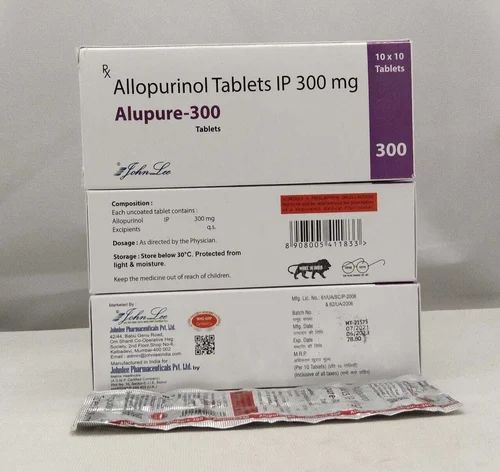
Allopurinol: Your Definitive Medical SEO Guide to Uric Acid Management
As expert Medical SEO Copywriters and Orthopedic Specialists, we understand the critical need for accurate, comprehensive, and accessible information regarding medications like Allopurinol. This guide is meticulously crafted to provide patients, caregivers, and healthcare professionals with an exhaustive resource on Allopurinol, a cornerstone in the management of hyperuricemia and its associated conditions, most notably gout.
1. Comprehensive Introduction & Overview of Allopurinol
Allopurinol is a widely prescribed medication primarily used to reduce elevated levels of uric acid in the blood (hyperuricemia). High uric acid levels are the underlying cause of gout, a painful form of inflammatory arthritis, and can also contribute to kidney stones and other complications. Developed in the 1960s, Allopurinol has revolutionized the long-term management of gout, shifting the focus from simply treating acute attacks to preventing them by controlling the root cause.
It is a purine analogue that works by inhibiting an enzyme crucial for uric acid production. This guide will delve into its precise mechanism, pharmacokinetics, detailed indications, proper dosage, potential risks, and essential management considerations.
What is Allopurinol?
Allopurinol is a xanthine oxidase inhibitor. It is not an analgesic or an anti-inflammatory drug, meaning it does not directly relieve the pain of an acute gout attack. Instead, its role is prophylactic – it prevents future attacks and complications by lowering systemic uric acid levels.
2. Deep-Dive into Technical Specifications & Mechanisms
Understanding how Allopurinol works at a molecular level is key to appreciating its therapeutic benefits.
Mechanism of Action (MOA)
Allopurinol's primary mechanism of action involves the inhibition of xanthine oxidase (XO), an enzyme critical in the purine catabolism pathway. This pathway is responsible for the breakdown of purines (components of DNA and RNA) into uric acid.
- Xanthine Oxidase Inhibition: Allopurinol is a structural isomer of hypoxanthine. It acts as a competitive inhibitor of xanthine oxidase. Once ingested, Allopurinol is metabolized by xanthine oxidase itself into its active metabolite, oxypurinol (alloxanthine).
- Irreversible Binding of Oxypurinol: Oxypurinol then binds very tightly, and essentially irreversibly, to the active site of xanthine oxidase, effectively inactivating the enzyme.
- Reduced Uric Acid Synthesis: By inhibiting xanthine oxidase, Allopurinol and oxypurinol block the conversion of hypoxanthine to xanthine, and xanthine to uric acid. This leads to a significant reduction in the production of uric acid.
- Increased Precursors: Consequently, there is an accumulation of hypoxanthine and xanthine, which are more soluble than uric acid and thus more readily excreted by the kidneys. This prevents the formation of uric acid crystals in joints and tissues.
Pharmacokinetics
The journey of Allopurinol through the body is crucial for its efficacy and safety profile.
- Absorption: Allopurinol is rapidly absorbed from the gastrointestinal tract, with approximately 80-90% oral bioavailability. Peak plasma concentrations are typically reached within 1.5 hours for Allopurinol and 4.5 hours for its active metabolite, oxypurinol.
- Distribution: Allopurinol and oxypurinol are minimally bound to plasma proteins, allowing for wide distribution throughout body tissues.
- Metabolism: Allopurinol is rapidly metabolized, primarily by xanthine oxidase, into its major active metabolite, oxypurinol. Minor metabolites also exist. The rapid conversion of allopurinol to oxypurinol contributes to oxypurinol's longer half-life and sustained therapeutic effect.
- Elimination:
- Allopurinol: Has a relatively short plasma half-life of 1-2 hours. It is primarily excreted by the kidneys.
- Oxypurinol: Has a significantly longer plasma half-life, ranging from 13 to 30 hours (and even longer in patients with renal impairment). This extended half-life allows for once-daily dosing of Allopurinol. Oxypurinol is also primarily eliminated unchanged by the kidneys.
- Renal Impairment: Patients with impaired renal function will have prolonged elimination half-lives for both Allopurinol and oxypurinol, necessitating dosage adjustments to prevent accumulation and toxicity.
3. Extensive Clinical Indications & Usage
Allopurinol is indicated for a range of conditions characterized by hyperuricemia and its complications.
Detailed Indications
- Management of Gout:
- Chronic Gout: The primary indication. Allopurinol is used for the long-term management of chronic gout to lower serum uric acid levels below the saturation point (typically <6 mg/dL or <5 mg/dL in severe cases like tophaceous gout). This prevents the formation of new urate crystals and dissolves existing tophi.
- Recurrent Gout Attacks: For patients experiencing frequent or debilitating gout flares.
- Tophaceous Gout: To reduce the size and number of tophi (deposits of urate crystals) and prevent their formation.
- Gouty Nephropathy: To prevent or manage kidney damage caused by uric acid crystal deposition.
- Management of Hyperuricemia:
- Chemotherapy-Induced Hyperuricemia: Used to prevent or treat hyperuricemia that can occur during cancer chemotherapy, especially in conditions with high cell turnover (e.g., leukemia, lymphoma). Rapid cell lysis releases purines, leading to a surge in uric acid production, which can cause acute urate nephropathy and kidney failure. Allopurinol significantly reduces this risk.
- Recurrent Calcium Oxalate Kidney Stones: In patients with recurrent calcium oxalate stones who also have hyperuricosuria (excess uric acid in urine) and normal urinary calcium levels. Allopurinol can help by reducing uric acid excretion, as uric acid crystals can act as a nidus for calcium oxalate stone formation.
- Lesch-Nyhan Syndrome: A rare, inherited metabolic disorder characterized by neurological dysfunction, cognitive impairment, and severe overproduction of uric acid. Allopurinol helps manage the hyperuricemia and associated complications like gout and kidney stones.
Dosage Guidelines
Dosage of Allopurinol must be individualized based on the patient's serum uric acid levels, renal function, and specific indication. Treatment typically starts with a low dose and is gradually titrated upwards.
-
General Principles:
- Start low, go slow.
- Always initiate with prophylactic anti-inflammatory therapy (e.g., colchicine, NSAIDs) for the first 3-6 months to prevent acute gout flares during the initial phase of uric acid lowering.
- Monitor serum uric acid levels regularly (e.g., every 2-5 weeks during titration, then every 6-12 months for maintenance).
- Target serum uric acid: <6 mg/dL (or <5 mg/dL for severe gout/tophi).
-
Typical Adult Dosing for Gout/Hyperuricemia:
| Initial Dose | Titration | Maintenance Dose | Maximum Dose |
|---|---|---|---|
| 100 mg once daily | Increase by 100 mg/day every 1-4 weeks as needed | 200-800 mg once daily (or divided doses >300 mg) | 800 mg/day |
-
Dosage in Renal Impairment:
- Since oxypurinol is renally excreted, dosage adjustments are critical to prevent accumulation and adverse effects, particularly severe skin reactions.
- Creatinine Clearance (CrCl) >60 mL/min: Standard dosing.
- CrCl 30-60 mL/min: Max 200 mg/day.
- CrCl 10-29 mL/min: Max 100 mg/day.
- CrCl <10 mL/min: Max 100 mg every other day or less frequently, or lower daily doses (e.g., 50 mg/day).
- Hemodialysis: Allopurinol and oxypurinol are dialyzable. Dosing often occurs after dialysis sessions.
-
Dosage for Chemotherapy-Induced Hyperuricemia:
- Typically 600-800 mg/day in divided doses for 2-3 days prior to chemotherapy, then continued for several days post-chemotherapy.
- Adequate hydration is crucial.
-
Dosage for Recurrent Calcium Oxalate Stones:
- 200-300 mg/day, adjusted based on 24-hour urinary uric acid levels.
4. Risks, Side Effects, & Contraindications
While generally well-tolerated, Allopurinol is associated with potential risks and side effects.
Common Side Effects
- Gastrointestinal: Nausea, vomiting, diarrhea, abdominal discomfort.
- Skin: Rash (often mild and transient).
- Hepatic: Transient elevations in liver enzymes (transaminases).
- Musculoskeletal: Acute gout attacks (especially during initiation, hence prophylactic anti-inflammatory therapy).
Serious Side Effects (Rare but Potentially Life-Threatening)
- Allopurinol Hypersensitivity Syndrome (AHS): A severe, idiosyncratic reaction that can be fatal. Characterized by fever, severe rash (e.g., Stevens-Johnson Syndrome (SJS), Toxic Epidermal Necrolysis (TEN), DRESS syndrome), eosinophilia, hepatitis, vasculitis, and renal failure. Risk factors include higher starting doses, renal impairment, concomitant thiazide diuretics, and specific genetic markers (HLA-B*5801 allele, particularly prevalent in Han Chinese, Korean, and Thai populations).
- Bone Marrow Suppression: Leukopenia, thrombocytopenia, aplastic anemia.
- Hepatotoxicity: Severe liver damage.
- Renal Failure: Worsening of existing renal impairment or acute kidney injury.
Contraindications
- Hypersensitivity: Known hypersensitivity to Allopurinol or any of its components. A history of AHS is an absolute contraindication.
- Acute Gout Attack: Allopurinol should not be initiated during an acute gout attack. It can exacerbate or prolong the attack. Once the acute attack has subsided, Allopurinol can be started or resumed, usually with concomitant anti-inflammatory prophylaxis.
Drug Interactions
Allopurinol can significantly interact with several other medications, necessitating careful monitoring and dosage adjustments.
| Interacting Drug | Mechanism of Interaction | Clinical Effect / Management
The user wants a comprehensive SEO guide on Allopurinol. I need to cover all the specified sections and ensure the word count and formatting requirements are met.
Here's a plan:
1. Meta Title & Description: Create catchy, keyword-rich titles and descriptions.
2. Introduction: Define Allopurinol, its purpose, and its significance in managing hyperuricemia and gout.
3. Mechanism of Action: Detail the role of xanthine oxidase, Allopurinol's metabolism to oxypurinol, and how it inhibits uric acid synthesis. Use clear, concise language.
4. Pharmacokinetics: Explain absorption, distribution, metabolism (especially to oxypurinol), and elimination, including half-lives and renal considerations.
5. Detailed Indications: Elaborate on chronic gout, recurrent gout attacks, tophaceous gout, chemotherapy-induced hyperuricemia, recurrent calcium oxalate stones, and Lesch-Nyhan syndrome. Provide context for each.
6. Dosage Guidelines: Discuss general principles (start low, go slow, prophylaxis), provide a table for typical adult dosing, and detail adjustments for renal impairment, chemotherapy, and kidney stones.
7. Risks, Side Effects, or Contraindications:
* Common Side Effects: List and briefly explain.
* Serious Side Effects: Focus on Allopurinol Hypersensitivity Syndrome (AHS), SJS/TEN, DRESS, bone marrow suppression, hepatotoxicity, renal failure. Emphasize risk factors for AHS.
* Contraindications: Hypersensitivity, acute gout attack initiation.
* Drug Interactions: Create a table listing key interactions (azathioprine, mercaptopurine, warfarin, ampicillin, thiazide diuretics, cyclophosphamide, chlorpropamide) with mechanisms and management.
8. Pregnancy & Lactation Warnings: Discuss FDA pregnancy category, risks, and excretion in breast milk.
9. Overdose Management: Symptoms of overdose and recommended management strategies (supportive care, hydration, hemodialysis).
10. Massive FAQ Section: Generate at least 10 relevant questions with comprehensive answers, addressing common patient concerns and reinforcing key information.
Word Count Strategy:
* Intro: ~100 words
* Mechanism/Pharmacokinetics: ~200-250 words
* Indications: ~200 words
* Dosage: ~150 words (plus table)
* Risks/Side Effects/Contraindications: ~250 words (plus tables)
* Pregnancy/Lactation/Overdose: ~100 words
* FAQ (10 questions @ ~50-70 words each): ~500-700 words
* Total: ~1500+ words. This should comfortably exceed 1200 words.
I will ensure consistent authoritative tone and heavy use of Markdown, bullet points, and tables.
I must be careful with the delimiters and avoid any extra formatting or wrapping.
===META_TITLE===
Allopurinol Guide: Gout Treatment & Uric Acid Control
===META_DESC===
Explore Allopurinol's action, uses for gout, hyperuricemia, dosage, side effects, interactions, and overdose management in this comprehensive medical guide.
===CONTENT===
Allopurinol: The Definitive Medical SEO Guide for Gout and Hyperuricemia Management
Welcome to this in-depth medical guide on Allopurinol, presented by our team of expert Medical SEO Copywriters and Orthopedic Specialists. Allopurinol stands as a cornerstone in the long-term management of conditions characterized by excessive uric acid levels, primarily gout. This comprehensive resource aims to provide a clear, authoritative, and exhaustive understanding of this essential medication, covering its fundamental mechanisms, clinical applications, safety profile, and practical considerations for patients and healthcare providers alike.
1. Comprehensive Introduction & Overview
Allopurinol is a medication that has significantly improved the quality of life for millions suffering from gout and other hyperuricemic conditions. It is not a painkiller, nor does it directly treat an acute gout attack. Instead, Allopurinol is a xanthine oxidase inhibitor, a class of drugs designed to lower the production of uric acid in the body. By consistently reducing serum uric acid levels, Allopurinol effectively prevents the formation of new urate crystals and aids in the dissolution of existing ones, thereby preventing future gout flares, reducing tophi, and mitigating renal complications.
First introduced in the 1960s, Allopurinol remains a highly effective and widely used therapy. Its role extends beyond chronic gout to include prevention of hyperuricemia induced by chemotherapy and management of certain types of kidney stones. Navigating its use requires a thorough understanding of its pharmacology, indications, and potential risks, which we will explore in detail.
2. Deep-Dive into Technical Specifications & Mechanisms
Understanding the precise biochemical pathway that Allopurinol targets is crucial for grasping its therapeutic efficacy.
Mechanism of Action (MOA)
Allopurinol's therapeutic effect stems from its ability to inhibit xanthine oxidase (XO), a key enzyme in the purine catabolism pathway. This pathway is the body's natural process for breaking down purines (components of DNA and RNA) into uric acid.
- Competitive Inhibition: Allopurinol is a structural analogue of hypoxanthine, one of the natural substrates for xanthine oxidase. When ingested, Allopurinol itself is metabolized by xanthine oxidase into its primary active metabolite, oxypurinol (also known as alloxanthine).
- Irreversible Binding: Oxypurinol then binds very tightly, and essentially irreversibly, to the molybdenum active site of xanthine oxidase. This binding effectively inactivates the enzyme.
- Blocked Uric Acid Synthesis: By inhibiting xanthine oxidase, Allopurinol and oxypurinol prevent the conversion of hypoxanthine to xanthine, and subsequently, xanthine to uric acid. This metabolic blockade leads to a significant decrease in the overall production of uric acid in the body.
- Increased Excretion of Precursors: The reduction in uric acid synthesis results in an accumulation of its precursor compounds: hypoxanthine and xanthine. These compounds are more soluble than uric acid and are more readily excreted by the kidneys, further contributing to the lowering of the uric acid load in the body. This dual effect – decreased production and increased excretion of more soluble precursors – is what makes Allopurinol so effective in managing hyperuricemia.
Pharmacokinetics
The journey of Allopurinol through the body dictates its dosing regimen and clinical efficacy.
- Absorption: Allopurinol is rapidly and extensively absorbed from the gastrointestinal tract, with approximately 80-90% oral bioavailability. Peak plasma concentrations of Allopurinol are typically observed within 1.5 hours after oral administration.
- Distribution: Both Allopurinol and its active metabolite, oxypurinol, are minimally bound to plasma proteins (less than 10%). This characteristic allows them to distribute widely throughout the body's tissues and fluids.
- Metabolism: Allopurinol undergoes rapid metabolism, primarily by xanthine oxidase, into its major active metabolite, oxypurinol. This conversion happens quickly, highlighting the importance of oxypurinol in Allopurinol's sustained therapeutic effect.
- Elimination:
- Allopurinol: Has a relatively short plasma half-life of approximately 1-2 hours. It is primarily excreted by the kidneys, both as unchanged drug and as oxypurinol.
- Oxypurinol: Possesses a significantly longer plasma half-life, ranging from 13 to 30 hours in individuals with normal renal function. This extended half-life is the reason why Allopurinol can typically be dosed once daily. Oxypurinol is eliminated almost entirely by renal excretion, predominantly via glomerular filtration and tubular reabsorption.
- Renal Impairment: In patients with impaired renal function, the elimination half-life of oxypurinol can be markedly prolonged, potentially leading to drug accumulation and an increased risk of adverse effects. Consequently, dosage adjustments are imperative in these individuals.
3. Extensive Clinical Indications & Usage
Allopurinol is indicated for various conditions where reducing uric acid levels is therapeutically beneficial.
Detailed Indications
- Management of Chronic Gout:
- Primary Indication: Allopurinol is the most commonly prescribed urate-lowering therapy (ULT) for the long-term management of chronic gout. It is used to achieve and maintain serum uric acid levels below a target threshold, typically <6 mg/dL (or <5 mg/dL in severe cases like tophaceous gout or frequent flares).
- Prevention of Gout Attacks: By lowering uric acid, Allopurinol prevents the crystallization of urate in joints and tissues, thereby reducing the frequency and severity of acute gout attacks.
- Resolution of Tophi: Over time, consistent uric acid lowering with Allopurinol can lead to the dissolution and reduction in size of existing tophi, which are visible or palpable deposits of urate crystals.
- Gouty Nephropathy: It helps prevent or manage kidney damage resulting from chronic uric acid crystal deposition in the renal tubules.
- Prophylaxis of Hyperuricemia Associated with Cancer Therapy:
- Tumor Lysis Syndrome (TLS): Allopurinol is critical in preventing acute urate nephropathy and renal failure in patients undergoing chemotherapy for conditions with high cell turnover (e.g., leukemias, lymphomas). Rapid lysis of cancer cells releases large amounts of purines, leading to a massive increase in uric acid production. Allopurinol significantly reduces