1. Introduction & Overview: Understanding Alendrotab for Bone Health
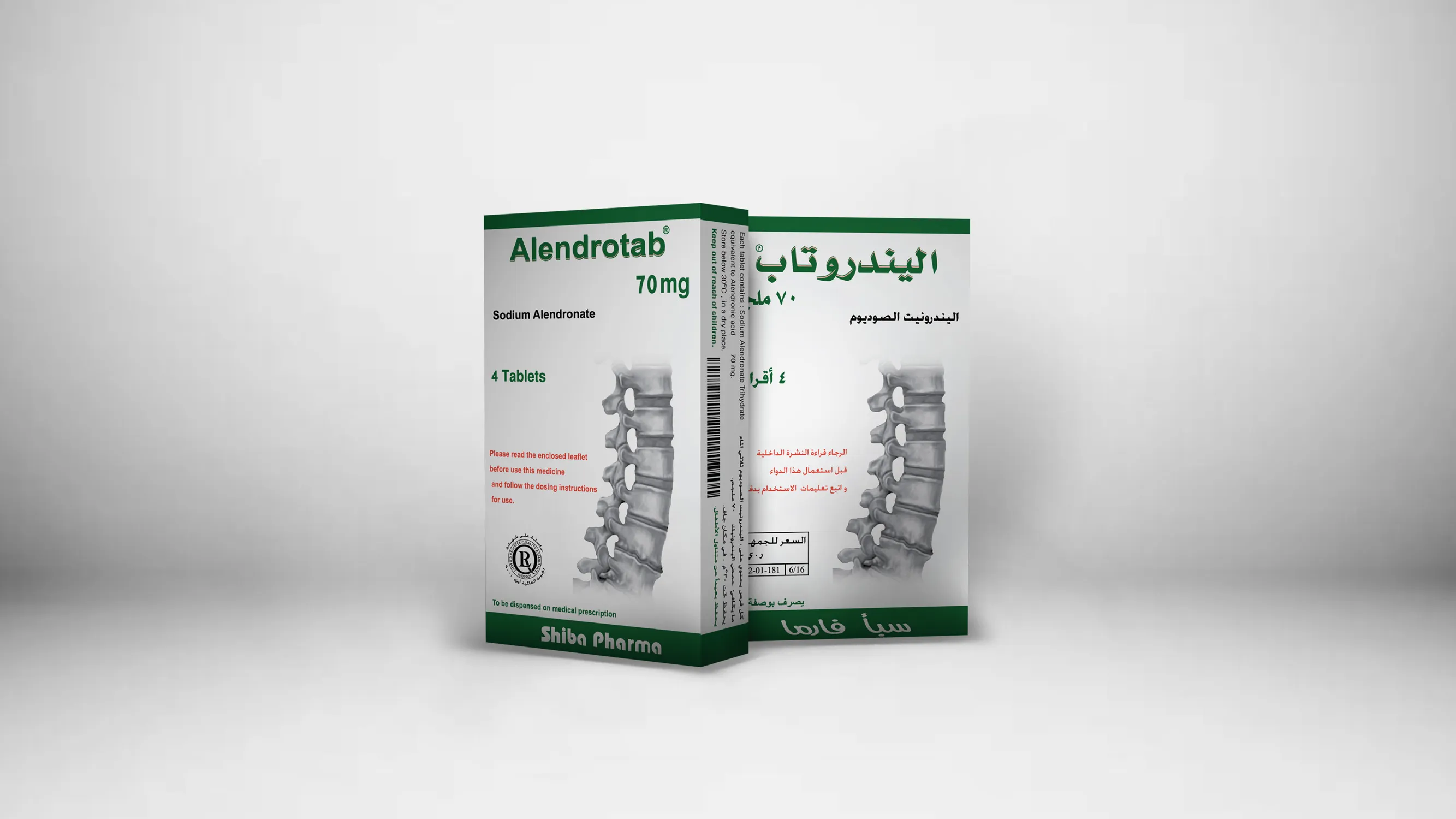
Welcome to the definitive guide on Alendrotab, a crucial medication in the fight against osteoporosis and other bone-related conditions. As an expert in orthopedic health and medical SEO copywriting, we aim to provide an exhaustive, authoritative resource for patients, caregivers, and healthcare professionals seeking in-depth knowledge about this vital therapeutic agent.
Alendrotab is the brand name for alendronate sodium, a potent bisphosphonate medication specifically designed to strengthen bones and reduce the risk of fractures. Osteoporosis, a silent disease characterized by progressive bone loss, affects millions globally, leading to brittle bones and an increased susceptibility to debilitating fractures, particularly of the hip, spine, and wrist. Alendrotab plays a pivotal role in managing this condition, enhancing bone mineral density (BMD) and improving overall skeletal integrity.
This guide will delve into every critical aspect of Alendrotab, from its intricate mechanism of action at a cellular level to practical dosage instructions, potential risks, and essential safety considerations. Our goal is to empower you with comprehensive information, fostering a deeper understanding of how Alendrotab works to maintain bone health and improve quality of life.
2. Deep-Dive into Technical Specifications & Mechanisms: How Alendrotab Works
Understanding the science behind Alendrotab is key to appreciating its efficacy in bone disease management. As a bisphosphonate, its action is highly targeted and remarkably effective.
### Mechanism of Action (MOA)
Alendronate belongs to the class of nitrogen-containing bisphosphonates, which are synthetic analogs of pyrophosphate. Its primary mechanism involves a selective affinity for bone mineral and a potent inhibitory effect on osteoclast-mediated bone resorption.
Here's a breakdown of its action:
- Bone Affinity: Alendronate strongly binds to hydroxyapatite crystals, the primary mineral component of bone. This binding is particularly concentrated in areas of high bone turnover, effectively targeting sites where bone loss is most active.
- Osteoclast Uptake: Once incorporated into the bone matrix, alendronate is ingested by osteoclasts (the cells responsible for breaking down bone) during their normal bone resorption process.
- Enzyme Inhibition: Inside the osteoclast, alendronate interferes with the mevalonate pathway by inhibiting farnesyl pyrophosphate synthase (FPPS). This enzyme is crucial for the biosynthesis of isoprenoid lipids, which are essential for the post-translational prenylation of small GTPases (like Rab, Rho, and Rac).
- Osteoclast Dysfunction & Apoptosis: The inhibition of FPPS prevents the proper functioning and membrane localization of these GTPases, leading to a cascade of events that impair osteoclast function, reduce their ability to resorb bone, and ultimately induce osteoclast apoptosis (programmed cell death).
- Reduced Bone Resorption: By directly inhibiting and ultimately eliminating osteoclasts, alendronate significantly reduces the rate of bone breakdown.
- Increased Bone Mineral Density (BMD): With bone resorption curtailed, bone formation (by osteoblasts) can proceed relatively unimpeded, leading to a net gain in bone mass and an increase in bone mineral density over time. This strengthens bones and reduces the risk of fractures.
Alendronate's ability to selectively target bone and specifically inhibit osteoclasts without directly affecting osteoblast activity makes it a highly effective agent for managing conditions characterized by excessive bone resorption.
### Pharmacokinetics
The pharmacokinetic profile of alendronate highlights specific characteristics crucial for its administration and efficacy.
- Absorption:
- Alendronate is poorly absorbed from the gastrointestinal tract. The oral bioavailability is very low, typically less than 1% (0.6-0.7%) in fasting healthy individuals.
- Food, beverages (other than plain water), and certain medications (e.g., calcium supplements, antacids) significantly impair absorption, reducing it by up to 60%. This underscores the critical importance of proper administration instructions.
- Distribution:
- Following absorption, alendronate is rapidly distributed. Approximately 78% of the absorbed dose transiently binds to plasma proteins.
- A significant portion rapidly distributes to bone, binding to the bone surface and becoming pharmacologically active.
- Metabolism:
- Alendronate is not metabolized in humans. It is excreted unchanged.
- Excretion:
- Unabsorbed drug is excreted unchanged in feces.
- Absorbed drug that does not bind to bone is primarily eliminated by the kidneys via glomerular filtration and tubular secretion.
- The plasma elimination half-life is very short (approximately 2 hours). However, the terminal half-life in bone, due to its strong binding to the skeletal matrix and slow release, is estimated to be more than 10 years. This long residence time in bone explains its prolonged pharmacological effect.
- Special Populations:
- Renal Impairment: Renal clearance of alendronate is reduced in patients with kidney dysfunction. Therefore, Alendrotab is contraindicated in patients with severe renal impairment (creatinine clearance < 35 mL/min).
- Hepatic Impairment: No dose adjustment is necessary for patients with liver impairment, as alendronate is not metabolized by the liver.
3. Extensive Clinical Indications & Usage: Who Benefits from Alendrotab?
Alendrotab is a versatile medication with several key indications for improving bone health and preventing fractures. Its use is backed by extensive clinical trials demonstrating significant improvements in bone mineral density and reduction in fracture risk.
### Detailed Indications
Alendrotab is primarily indicated for the following conditions:
- Treatment of Postmenopausal Osteoporosis:
- This is the most common indication. Alendrotab is used to increase bone mineral density (BMD) and reduce the incidence of vertebral (spinal) and hip fractures in postmenopausal women with osteoporosis.
- Diagnosis typically involves a T-score of -2.5 or lower on a DEXA scan, or a history of fragility fracture.
- Prevention of Postmenopausal Osteoporosis:
- For postmenopausal women at increased risk of developing osteoporosis. This includes women with osteopenia (T-score between -1.0 and -2.5) or those with significant risk factors such as family history, low body weight, or early menopause.
- Treatment of Osteoporosis in Men:
- Alendrotab is effective in increasing BMD and reducing the risk of fractures in men diagnosed with osteoporosis. This can include primary male osteoporosis or secondary osteoporosis due to conditions like hypogonadism.
- Treatment of Glucocorticoid-Induced Osteoporosis:
- For both men and women receiving long-term (e.g., 3 months or more) systemic glucocorticoid therapy (e.g., prednisone, dexamethasone) at a daily dose equivalent to ≥ 7.5 mg of prednisone. Glucocorticoids are known to cause rapid bone loss, and Alendrotab helps to prevent and treat this associated bone deterioration.
- Treatment of Paget's Disease of Bone:
- Paget's disease is a chronic disorder of abnormal bone remodeling, characterized by excessive and disorganized bone formation and resorption. Alendrotab helps to normalize bone turnover, reduce elevated serum alkaline phosphatase levels (a marker of bone formation), and alleviate bone pain associated with the disease.
### Dosage Guidelines & Administration
Correct administration of Alendrotab is paramount to ensure optimal absorption and minimize the risk of esophageal adverse events. Patients must adhere strictly to these guidelines.
General Administration Principles:
- Timing: Take the tablet first thing in the morning, immediately upon waking, at least 30 minutes (and preferably 60 minutes) before the first food, beverage (other than plain water), or other medication of the day.
- Beverage: Take with a full glass (6-8 ounces or 180-240 mL) of plain water ONLY. Do NOT use mineral water, coffee, tea, juice, milk, or any other beverage.
- Position: Swallow the tablet whole. Do NOT chew, crush, or suck the tablet. After taking, remain fully upright (sitting or standing) for at least 30 minutes and until after your first food of the day. Do NOT lie down. This helps prevent the tablet from lodging in the esophagus and causing irritation.
- Other Medications: Do not take calcium supplements, antacids, or other oral medications for at least 30 minutes (preferably longer) after taking Alendrotab.
- Dental Care: Maintain good oral hygiene. Inform your dentist that you are taking Alendrotab, especially before any dental procedures.
Specific Dosages:
| Indication | Recommended Dosage | Frequency |
|---|---|---|
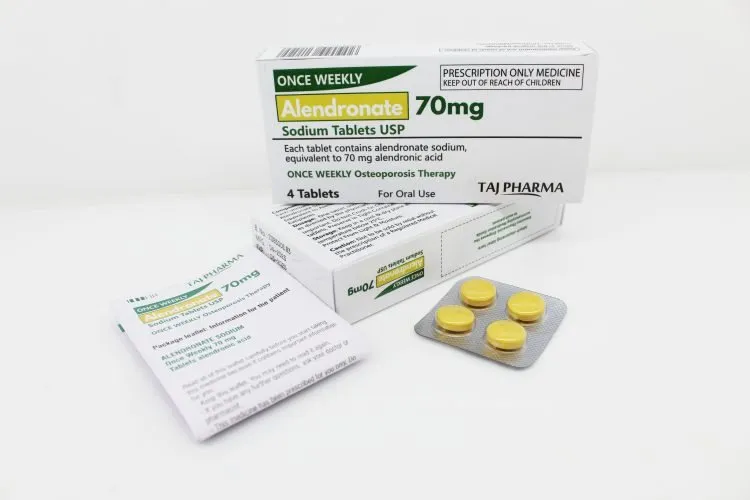
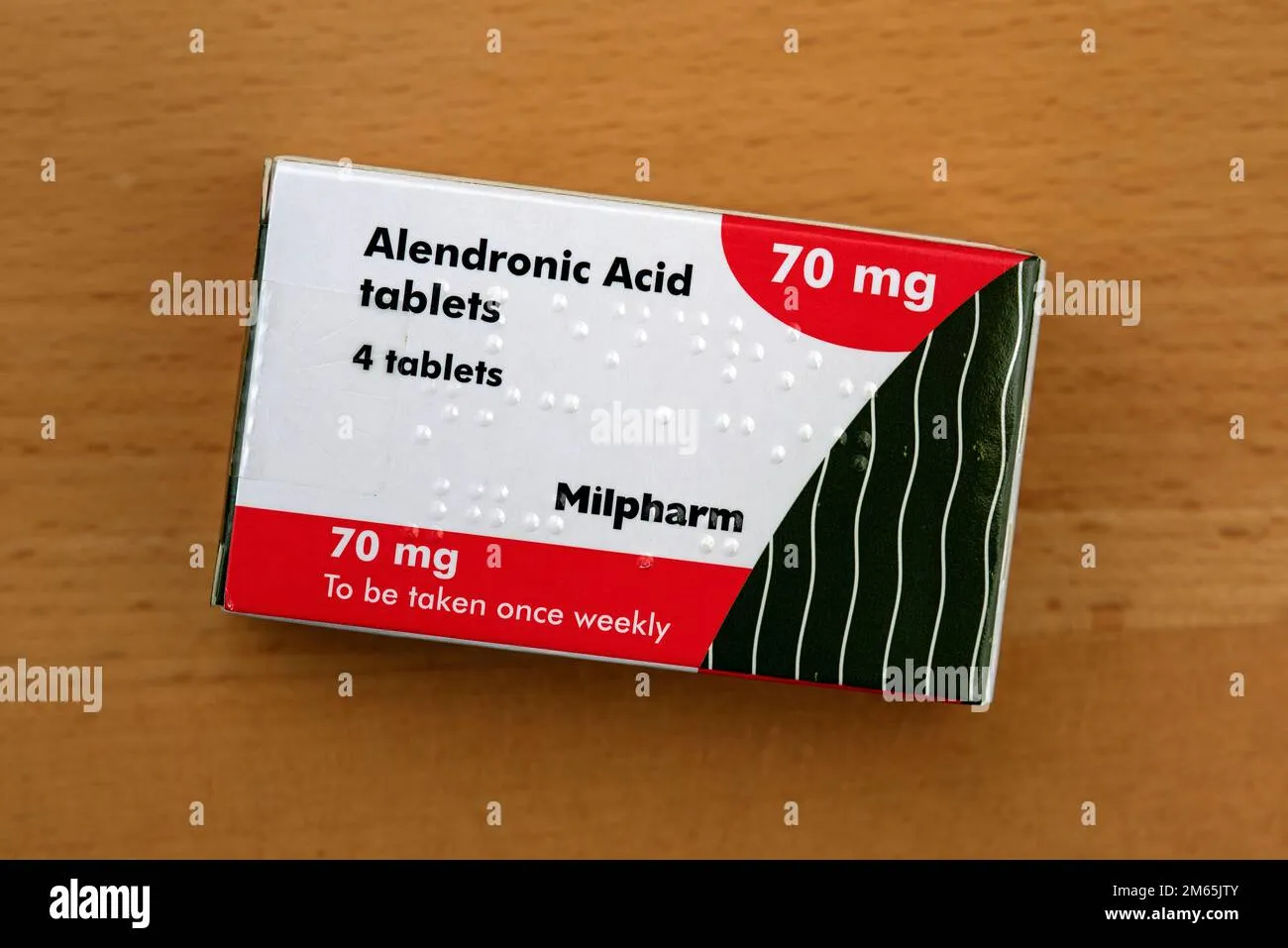
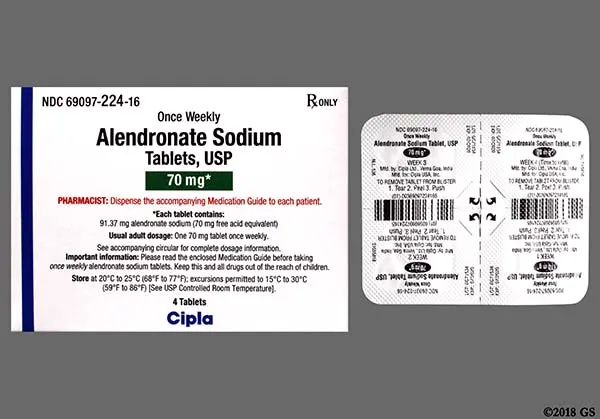
| Treatment of Postmenopausal Osteoporosis | 70 mg | Once weekly |
| OR 10 mg | Once daily | |
| Prevention of Postmenopausal Osteoporosis | 35 mg | Once weekly |
| OR 5 mg | Once daily | |
| Treatment of Osteoporosis in Men | 70 mg | Once weekly |
| OR 10 mg | Once daily | |
| Glucocorticoid-Induced Osteoporosis | 5 mg | Once daily |
| (Postmenopausal women not receiving estrogen: 10 mg once daily) | Once daily | |
| Paget's Disease of Bone | 40 mg | Once daily |
| (for 6 months) |
Missed Dose:
* Once-weekly regimen: If a dose is missed, take one tablet on the morning after it is remembered. Do not take two tablets on the same day. Resume the usual schedule on the originally appointed day.
* Once-daily regimen: If a dose is missed, skip the missed dose and continue with the next scheduled dose the following morning. Do not take a double dose.
Duration of Therapy:
The optimal duration of bisphosphonate therapy for osteoporosis is not definitively established and should be individualized. Many clinical studies support 5-10 years of continuous use. However, healthcare providers may consider "drug holidays" (temporary cessation of therapy) for some patients after 3-5 years, particularly those at lower risk of fracture, to re-evaluate the risk-benefit profile and mitigate potential long-term adverse effects like atypical femur fractures or osteonecrosis of the jaw. Regular reassessment by a physician is essential.
4. Risks, Side Effects, & Contraindications: Important Safety Information
While Alendrotab is highly effective, it is crucial to be aware of its contraindications, potential side effects, and drug interactions to ensure safe and effective use.
### Contraindications
Alendrotab should not be used in patients with the following conditions:
- Hypersensitivity: Known allergy to alendronate or any component of the tablet.
- Esophageal Abnormalities: Conditions that delay esophageal emptying, such as stricture or achalasia. This increases the risk of severe esophageal adverse events.
- Inability to Stand or Sit Upright for at Least 30 Minutes: Patients who cannot maintain an upright position for the required time are at significantly higher risk of esophageal irritation.
- Hypocalcemia: Pre-existing low blood calcium levels must be corrected before initiating Alendrotab therapy, as the medication can exacerbate hypocalcemia.
- Severe Renal Impairment: Patients with a creatinine clearance of less than 35 mL/min. The drug is primarily excreted by the kidneys, and accumulation can occur in severe renal dysfunction.
### Potential Side Effects
Alendrotab is generally well-tolerated, but like all medications, it can cause side effects. These can range from common, mild gastrointestinal issues to rare, but serious, adverse events.
Common Side Effects (often mild and transient):
- Gastrointestinal: Abdominal pain, dyspepsia (indigestion), constipation, diarrhea, flatulence, nausea, acid reflux.
- Musculoskeletal: Musculoskeletal pain (bone, joint, and/or muscle pain).
Less Common / Serious Side Effects (require immediate medical attention):
- Esophageal Reactions: Esophagitis, esophageal ulcers, erosions, and rarely esophageal stricture or perforation. These can be severe and may require hospitalization. Symptoms include difficulty swallowing (dysphagia), painful swallowing (odynophagia), chest pain, or new or worsening heartburn.
- Severe Musculoskeletal Pain: While mild musculoskeletal pain is common, severe and incapacitating bone, joint, or muscle pain can occur. If this happens, discontinuation of the drug should be considered.
- Osteonecrosis of the Jaw (ONJ): A rare but serious condition involving bone death in the jaw, typically following tooth extraction or dental surgery. Risk factors include cancer, chemotherapy, radiotherapy, corticosteroid use, poor oral hygiene, and pre-existing dental disease. Patients should inform their dentist about Alendrotab use.
- Atypical Femur Fractures (AFF): Very rare, low-trauma fractures of the subtrochanteric or diaphyseal regions of the femur. These are often preceded by dull, aching pain in the thigh or groin for weeks or months. Patients experiencing such pain should be evaluated for a femoral fracture.
- Hypocalcemia: Can occur, especially if pre-existing hypocalcemia is not corrected or if vitamin D and calcium intake is inadequate.
- Eye Disorders: Rarely, uveitis, scleritis, or episcleritis (inflammation of the eye).
- Allergic Reactions: Rash, itching, hives, angioedema (swelling of the face, lips, tongue, and/or throat that may cause difficulty breathing or swallowing).
### Drug Interactions
Several substances can interact with Alendrotab, primarily affecting its absorption or increasing the risk of adverse events.
- Calcium Supplements, Antacids, and Other Oral Medications: These agents can significantly interfere with the absorption of alendronate. They must be taken at least 30 minutes (and preferably several hours) after Alendrotab to prevent reduced efficacy.
- Aspirin/NSAIDs (Nonsteroidal Anti-inflammatory Drugs): Concurrent use with Alendrotab may increase the risk of upper gastrointestinal adverse events, such as stomach upset or ulcers. Caution is advised.
- H2 Blockers/Proton Pump Inhibitors (PPIs): Medications that increase gastric pH (e.g., ranitidine, omeprazole) may potentially increase alendronate absorption, though this interaction is generally not considered clinically significant enough to warrant dose adjustment.
### Pregnancy & Lactation Warnings
- Pregnancy Category C:
- There are no adequate and well-controlled studies of Alendrotab use in pregnant women. Animal studies have shown adverse effects on fetal development at high doses.
- Alendronate is incorporated into the bone matrix and gradually released over years. The extent of fetal exposure to alendronate released from the maternal skeleton and its potential effects are unknown.
- Alendrotab should be used during pregnancy only if the potential benefit justifies the potential risk to the mother and fetus.
- Lactation:
- It is unknown whether alendronate is excreted in human milk.
- A decision must be made whether to discontinue nursing or to discontinue the drug, taking into account the importance of the drug to the mother and the potential risks to the nursing infant.
- Caution should be exercised when Alendrotab is administered to a nursing woman.
### Overdose Management
Accidental overdose with Alendrotab can lead to specific symptoms and requires prompt medical attention.
- Symptoms of Overdose:
- Hypocalcemia and Hypophosphatemia: Due to the drug's mechanism of inhibiting bone resorption.
- Upper Gastrointestinal Adverse Events: Upset stomach, heartburn, esophagitis, gastritis, or ulcer.
- Treatment of Overdose:
- Immediate Action: Administer milk or antacids to bind alendronate and reduce its absorption.
- Do NOT Induce Vomiting: This can exacerbate esophageal irritation.
- Positioning: Keep the patient fully upright.
- Monitoring: Monitor serum calcium and phosphate levels.
- Symptomatic Treatment: Provide appropriate symptomatic treatment for any gastrointestinal irritation.
- Seek Medical Help: Contact a poison control center or seek immediate medical attention.
5. Frequently Asked Questions (FAQ) about Alendrotab
Here are some of the most common questions regarding Alendrotab, providing quick and clear answers to help you better understand this medication.
Q1: What is Alendrotab used for?
A1: Alendrotab (alendronate) is primarily used for the treatment and prevention of osteoporosis in postmenopausal women and men, the treatment of glucocorticoid-induced osteoporosis, and the treatment of Paget's disease of bone. It helps to increase bone mineral density and reduce the risk of fractures.
Q2: How should I take Alendrotab to ensure it works effectively and safely?
A2: Take Alendrotab first thing in the morning with a full glass of plain water (6-8 oz), at least 30 minutes before your first food, beverage, or other medication. You must remain fully upright (sitting or standing) for at least 30 minutes after taking it and until after your first food of the day. Do not chew or suck the tablet.
Q3: What happens if I miss a dose of Alendrotab?
A3: If you take Alendrotab once weekly and miss a dose, take one tablet on the morning after you remember. Do not take two tablets on the same day. Resume your usual schedule on your originally appointed day. If you take it once daily, simply skip the missed dose and continue with your next scheduled dose the following morning. Do not double dose.
Q4: Can I take Alendrotab with coffee, juice, or milk?
A4: No, you should only take Alendrotab with plain water. Coffee, juice, milk, mineral water, or any other beverage can significantly reduce the absorption of the medication, making it less effective.
Q5: What are the most common side effects of Alendrotab?
A5: The most common side effects are generally mild and include abdominal pain, dyspepsia (indigestion), constipation, diarrhea, flatulence, nausea, acid reflux, and musculoskeletal pain (bone, joint, or muscle pain).
Q6: Are there any serious side effects of Alendrotab I should be aware of?
A6: Yes, although rare, serious side effects can occur. These include severe esophageal problems (ulcers, strictures, or erosions), severe musculoskeletal pain, osteonecrosis of the jaw (ONJ), and atypical femur fractures (AFF). Contact your doctor immediately if you experience severe chest pain, difficulty or pain swallowing, severe thigh/groin pain, or unusual jaw pain/swelling.
Q7: How long do I need to take Alendrotab for osteoporosis?
A7: The optimal duration of Alendrotab therapy is individualized and should be discussed with your doctor. While many patients take it long-term (5-10 years), your doctor may consider a "drug holiday" (a temporary stop in medication) after a certain period, especially if your fracture risk is low, to assess the benefits versus potential long-term risks.
Q8: Can men take Alendrotab for osteoporosis?
A8: Yes, Alendrotab is approved and effective for the treatment of osteoporosis in men, helping to increase bone mineral density and reduce fracture risk.
Q9: What should I do if I experience severe heartburn or difficulty swallowing after taking Alendrotab?
A9: Stop taking Alendrotab immediately and contact your doctor or seek emergency medical attention. These symptoms can indicate a serious esophageal reaction that requires prompt evaluation.
Q10: Is Alendrotab a cure for osteoporosis?
A10: No, Alendrotab is not a cure for osteoporosis. It is a treatment that helps to slow down bone loss, increase bone mineral density, and significantly reduce the risk of fractures. It is part of a comprehensive management plan that often includes adequate calcium and vitamin D intake, exercise, and lifestyle modifications.
Q11: Can I take calcium and vitamin D supplements with Alendrotab?
A11: Yes, calcium and vitamin D are essential for bone health and are often recommended alongside Alendrotab. However, you must take these supplements at a different time of day, at least 30 minutes (and preferably several hours) after your Alendrotab dose to avoid interfering with its absorption.
Q12: What dental precautions should I take while on Alendrotab?
A12: It is crucial to inform your dentist that you are taking Alendrotab. Maintain excellent oral hygiene, and if you require any invasive dental procedures (like tooth extractions or implants), discuss the potential risks of osteonecrosis of the jaw (ONJ) with both your dentist and your prescribing physician. They may advise on specific precautions or temporary cessation of the medication, especially if you have other risk factors for ONJ.