Part of the Master Guide

AAOS Orthopedic MCQs (Set 1): Kienbock's Disease & Wrist Disorders | 2026 Board Review

Orthopedic Surgery Board Review 2026 | High-Yield MCQs - Set 10
27 Apr 2026 85 min read 119 Views
Orthopedic Surgery Board Review 2026 | High-Yield MCQs - Set 10

Key Takeaway

We review everything you need to understand about Orthopedic Surgery Board Review 2026 | High-Yield MCQs - Set 10. New High-Yield Orthopedic Board Review MCQs (Set 10). 100 fresh randomized questions with timers, scoring, and explanations.

Orthopedic Surgery Board Review 2026 | High-Yield MCQs - Set 10

Comprehensive 100-Question Exam


00:00

Start Quiz

Question 1

In the nonsurgical management of posterior tibial tendon dysfunction with flexible deformity, a common strategy is to prescribe an ankle-foot orthosis or a University of California Biomechanics Laboratory (UCBL) orthosis with medial posting. A high patient satisfaction rating and favorable outcome with this nonsurgical management is most likely in which of the following situations?


Explanation

Most authors recommend an initial trial of nonsurgical management in the treatment of adult-acquired flatfoot deformity such as posterior tibial tendon dysfunction. Chao and associates found that there is high patient satisfaction with ankle-foot orthoses and UCBL-type inserts in elderly patients with a relatively sedentary lifestyle. Alternatively, there was a higher dissatisfaction rate in young active patients, those with balance and ambulation difficulties (Parkinson's, severe arthritis of the hip or knee), and patients with inflammatory systemic disorders. Chao W, Wapner KL, Lee TH, et al: Nonoperative management of posterior tibial tendon dysfunction. Foot Ankle Int 1996;17:736-741.

Question 2

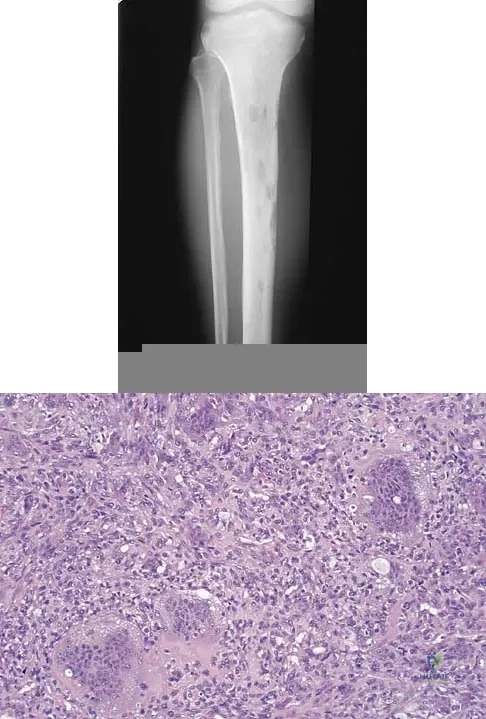
A 34-year-old woman reports constant midlateral arm pain after sustaining minimal trauma to the shoulder. Radiographs and a biopsy specimen are shown in Figures 29a and 29b. What is the most likely diagnosis?


Explanation

Eighty percent of giant cell tumors occur in patients older than age 20 years, with the peak incidence in the third decade of life. Most of these tumors are eccentrically located and epiphyseal in location. They are lytic in nature as in this patient. Although named for the hallmarked multinucleated giant cells seen in the lesion, the basic cell type is the spindle-shaped stromal cell. Chondroblastoma is highly cellular and contains large multinucleated giant cells with intercellular chondroid material, some of which is calcified. Chondromyxoid fibroma has chondroid tissue separated by strands of more cellular tissue with occasional multinucleated giant cells. Desmoplastic fibroma is characterized by poorly cellular fibrous tissue, and lymphoma is highly cellular with characteristic round cells. Campanacci M, Baldini N, Boriani S, et al: Giant cell tumor of bone. J Bone Joint Surg Am 1987;69:106-114.

Question 3

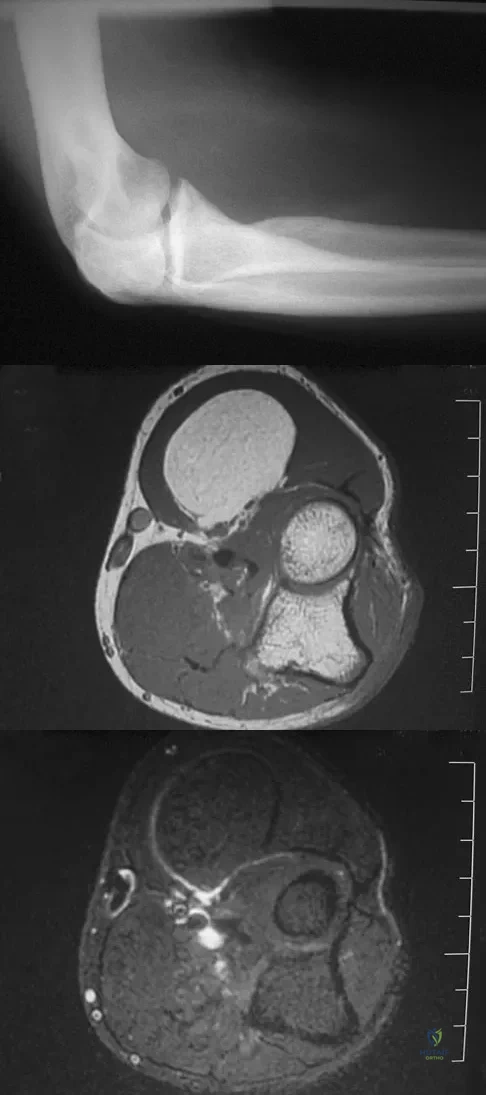
A 33-year-old man reports an enlarging painful soft-tissue mass in his right forearm. A radiograph and MRI scans are shown in Figures 45a through 45c. Treatment should consist of


Explanation

An intramuscular lipoma is a benign soft-tissue lesion that can grow and has a small risk of progressing to a liposarcoma. Radiographs usually show a globular radiolucent mass adjacent to higher-density muscle tissue shadows. When the patient has symptoms and reports an increase in size of the mass, the treatment of choice after appropriate radiographic analysis is complete excision of the mass with marginal resection. Sampling error is a problem with fatty lesions and core or incisional biopsies are frequently unnecessary, especially if an MRI scan of the lesion shows signal intensity that matches subcutaneous fat on all sequences. Damron TA: What to do with deep lipomatous tumors. Instr Course Lect 2004;53:651-655. Gaskin CM, Helms CA: Lipomas, lipoma variants, and well-differentiated liposarcomas (atypical lipomas): Results of MRI evaluations of 126 consecutive fatty masses. Am J Roentgenol 2004;182:733-739.

Question 4

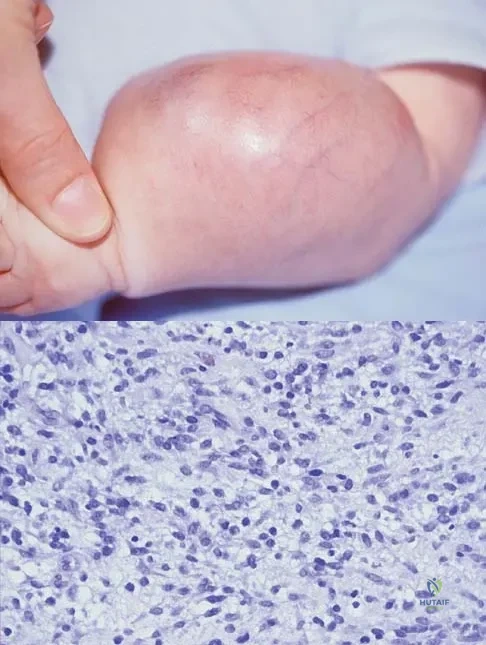
An infant is born with a mass that involves both the volar and dorsal compartments of the left arm. A clinical photograph and biopsy specimen are shown in Figures 41a and 41b. What is the best initial course of action?


Explanation

The patient has infantile fibrosarcoma. For unresectable lesions, the treatment of choice is chemotherapy with vincristine, actinomycin-D, and cyclophosphamide, followed by excision if there is an adequate decrease in the size of the lesion.

Question 5

The wear resistance of ultra-high molecular weight polyethylene can be improved by exposing the polymer to high-energy radiation (eg, gamma or electron beam), followed by a thermal treatment. What is one detrimental side effect of this process?


Explanation

Highly cross-linked polyethylene has gained widespread acceptance for joint arthroplasty components because of reported experimental and early clinical accounts of significant reductions in wear. Cross-linking is increased by imparting additional energy into the polymer (above that conventionally used for sterilization). The thermal treatments after cross-linking stabilize the material against oxidative degradation by quenching free radicals and also reduce the elastic modulus. One disadvantage of the increased cross-linking is a reduction in toughness that makes the polyethylene more susceptible to crack initiation and propagation. The reduced toughness raises concerns for gross component fracture and fracture at stress concentrations that can arise with the locking mechanisms used to secure polyethylene inserts into metallic backings. Nonconsolidated polyethylene particles have been associated with increased subsurface density secondary to oxidative degradation in conventional polyethylene implants. The quenching of free radicals by thermal treatment in highly cross-linked polyethylene should prevent this problem. Collier JP, Currier BH, Kennedy FE, et al: Comparison of cross-linked polyethylene materials for orthopaedic applications. Clin Orthop 2003;414:289-304. Buckwalter JA, Einhorn TA, Simon SR (eds): Orthopaedic Basic Science: Biology and Biomechanics of the Musculoskeletal System, ed 2. Rosemont, IL, American Academy of Orthopaedic Surgeons, 2000, pp 203-208.

Question 6

A 3-year-old boy with severe cerebral palsy is unable to sit independently and does not crawl. Examination reveals a 40-degree hip flexion contracture by the Thomas test and 25 degrees of passive abduction. A radiograph of the pelvis shows subluxation of both hips, with a migration index of 30%. Management should consist of


Explanation

Progressive hip subluxation occurs in up to 50% of children with spastic quadriparesis. The subluxation is the result of chronic muscle hypertonicity, especially in the adductor muscle group. In time, the constant muscle tension will lead to dislocation, dysplastic changes in the acetabulum, and erosive changes in the cartilage of the femoral head. Many of these children will experience pain. Two recent studies have shown that early soft-tissue releases can successfully prevent progressive subluxation in children who are younger than age 4 years and who have a Reimers index (migration index) of less than 40%. Botulinum toxin A injections may reduce tone in the adductors for 4 to 6 months, but it is difficult to inject into the iliopsoas. Additionally, there are no long-term studies documenting the efficacy of botulinum toxin A to treat progressive hip subluxation in patients who have spastic quadriparesis. In general, proximal femoral osteotomy, combined with soft-tissue release as necessary, is indicated in older children (older than age 4 years) with progressive subluxation. Although selective dorsal rhizotomy has been used in nonambulatory patients, outcomes are less well documented than in ambulatory patients. There are no studies documenting the effect of selective dorsal rhizotomy on progressive hip subluxation in nonambulatory children. Miller F, Cardoso Dias R, Dabney KW, et al: Soft-tissue release for spastic hip subluxation in cerebral palsy. J Pediatr Orthop 1997;17:571-584.

Question 7

A metal-on-metal bearing used for total hip arthroplasty shows which of the following properties?
Orthopedic Surgery Board Review 2026 | High-Yield MCQs - Set 10 - Figure 8


Explanation

Activity levels do not affect cobalt and chromium ion levels, which are the bulk of serum ion levels. The majority of ions are produced in the run-in period in the first several years. A gradual reduction in ion levels occurs thereafter. The kidneys are responsible for the bulk of clearance from the serum, and to date there is no relationship of cancer to ion levels in the serum.

Question 8

A 38-year-old man sustains a complete avulsion with retraction of the ischial attachment of the hamstring muscles in a fall while water skiing. He indicates that he is an aggressive athlete who participates regularly in multiple running and cutting-type sports, and he strongly desires to continue his athletic competition. Management should consist of


Explanation

Several studies have identified a complete proximal avulsion of the hamstring muscles as an injury that leads to significant long-term disability, with a high percentage of athletes who must permanently restrict their activities following nonsurgical management. Early surgical repair and prolonged rehabilitation have yielded consistently better results than nonsurgical management. Orava S, Kujala UM: Rupture of the ischial origin of the hamstring muscles. Am J Sports Med 1995;23:702-705.

Question 9

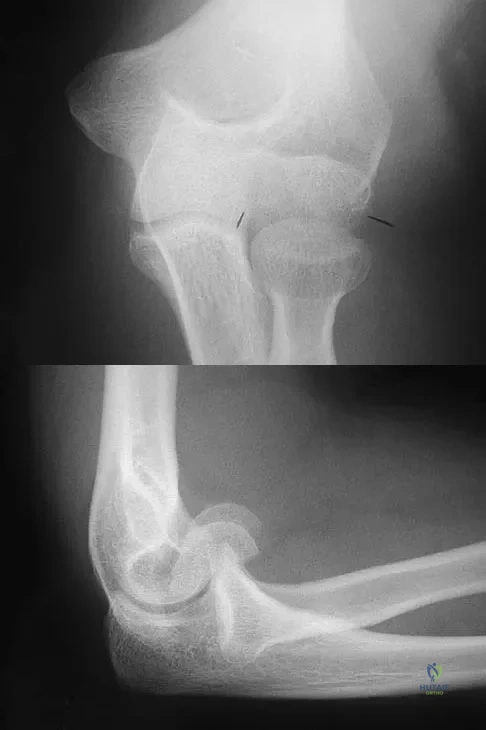
To preserve blood supply to the fractured bone seen in Figures 12a and 12b, care should be taken when exposing which of the following areas?


Explanation

The blood supply to the adult capitellum and lateral trochlea comes from posterior vessels arising from the radial recurrent, radial collateral, and interosseous recurrent arteries. These arteries penetrate the distal humerus posterior and superior to the capitellum.

Question 10

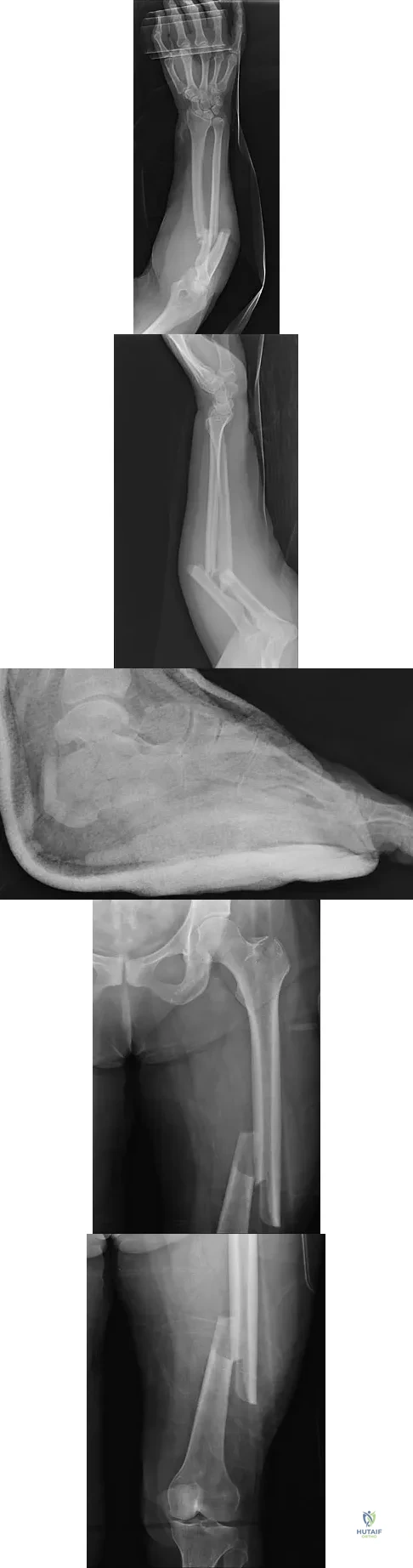
A 29-year-old woman was injured in a high-speed motor vehicle accident 3 hours ago. Radiographs are shown in Figures 7a through 7e. Her right foot injury is open and contaminated. Her associated injuries include a closed head injury and a ruptured spleen requiring resection. She has had 6 units of packed red blood cells and the trauma surgeon has turned her care over to you. Her current base deficit is 10 and her urinary output has averaged 0.4 mL/kg for the last 2 hours. What is the best treatment at this time?


Explanation

The patient appears to be a borderline or unstable surgical patient following her initial trauma and spleenectomy (high base excess and low urine output). She needs continued resuscitation and minimal additional blood loss. This is best accomplished with irrigation and debridement of the ankle, external fixation of the ankle, foot, and femur, and splinting of the forearm. A traction pin for the femoral fracture will not control bleeding as well as an external fixator. Intramedullary nailing of the femur and open reduction and internal fixation of the forearm would be appropriate in patients that are euvolemic and stable. Pape HC, Hildebrand F, Pertschy S, et al: Changes in the management of femoral shaft fractures in polytrauma patients: From early total care to damage control orthopedic surgery. J Trauma 2002;53:452-461. Taeger G, Ruchholtz S, Waydhas C, et al: Damage control orthopedics in patients with multiple injuries is effective, time saving, and safe. J Trauma 2005;59:409-416. Harwood PJ, Giannoudis PV, van Griensven M, et al: Alterations in the systemic inflammatory response after early total care and damage control procedures for femoral shaft fracture in severely injured patients. J Trauma 2005;58:446-452.

Question 11

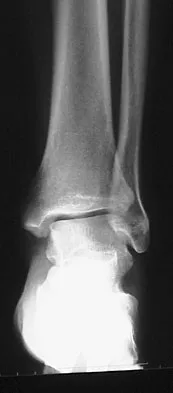
A 26-year-old woman is seen in the emergency department with an intra-articular distal tibia fracture and a fibular fracture (pilon). The patient, her husband, and three small children have recently immigrated to the United States from Mexico. The husband and wife have both been in a migrant labor camp but have no immediate relatives in the States. What factor is most important when considering her recommended care and treatment?
Orthopedic Surgery Board Review 2026 | High-Yield MCQs - Set 10 - Figure 16


Explanation

With documented use of a competent interpreter, informed consent should not be an issue. In Hispanic families, the husband often makes the ultimate decision regarding proceeding with surgery; however, he would not be expected to withhold recommended treatment. Hispanics may have a higher risk of comorbidities, but you do not expect this to be a significant concern with this patient. Claustrophobia and some fear of the unfamiliar may make additional imaging studies more difficult to arrange, but not impossible. The real concern is that with no extended family and three small children, the postoperative demand on the patient could significantly jeopardize her ability to comply with weight-bearing restrictions and overall ambulatory demands. Discharge planning and appropriate help may be paramount for a good outcome.

Question 12

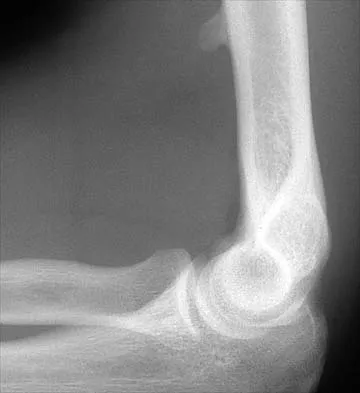
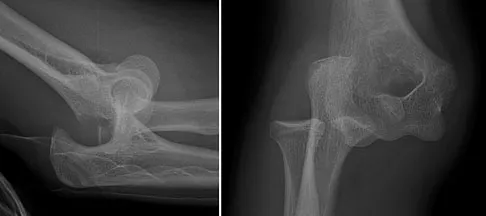
Figure 12 shows a lateral radiograph of the elbow. What is the most likely diagnosis?
Orthopedic Surgery Board Review 2026 | High-Yield MCQs - Set 10 - Figure 17


Explanation

The figure shows a supracondylar process, which is a normal anatomic variant. An osteochondroma tends to occur more toward the end of bones, and the medullary space of the underlying bone extends into the base of the osteochondroma. The presence of a supracondylar process is usually asymptomatic. However, the ligament of Struthers that always extends from the supracondylar process to the medial epicondyle can result in median nerve entrapment secondary to trauma. Last RJ: Anatomy: Regional and Applied, ed 6. London, England, Churchill Livingstone, 1978, pp 132-133.

Question 13

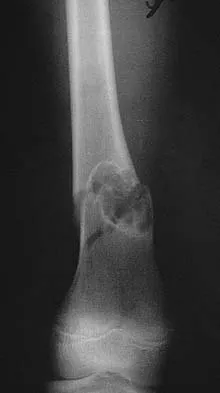
Soft-tissue sarcomas most commonly metastasize to the
Orthopedic Surgery Board Review 2026 | High-Yield MCQs - Set 10 - Figure 18


Explanation

The most common location for soft-tissue tumors to metastasize is the lungs. Depending on the grade of the sarcoma, metastases develop in as many as 50% of patients with soft-tissue sarcomas. Tumor grade is considered the most significant prognostic factor in predicting risk of metastases, with high-grade lesions at greatest risk. Staging CT of the chest should be performed once the diagnosis of a soft-tissue sarcoma is suspected or confirmed. Regular surveillance of patients treated for soft-tissue sarcomas includes follow-up CT scans at regular intervals. Intra-abdominal metastases are uncommon but may occur, particularly in patients with myxoid liposarcoma. Regional metastases are relatively uncommon and occur in approximately 5% of all patients with soft-tissue sarcoma. The incidence of regional nodal metastases is higher for synovial sarcoma and epithelioid sarcomas than other soft-tissue sarcomas. Sim FH, Frassica FJ, Frassica DA: Soft-tissue tumors: Diagnosis, evaluation, and management. J Am Acad Orthop Surg 1994;2:202-211.

Question 14

The best patient-related outcomes, following the surgical treatment of cauda equina syndrome secondary to a large L5-S1 disk herniation, are most closely related to which of the following?


Explanation

The most predictable positive outcome from spinal surgery due to a cauda equina syndrome is early surgical intervention before any significant neurologic deficit develops. Meta-analysis studies demonstrate that surgical intervention more than 48 hours after the onset of cauda equina syndrome show an increased risk for poor outcomes. Ahn UM, Ahn NU, Buchowski JM, et al: Cauda equina syndrome secondary to lumbar disc herniation: A meta-analysis of surgical outcomes. Spine 2000;25:1515-1522.

Question 15

Which of the following infectious organisms may be associated with underlying malignancy?


Explanation

Evidence implicates an association, albeit unexplained, between Clostridium septicum infection and malignancy, particularly hematologic or intestinal malignancy. The malignancy is often at an advanced stage, compromising survival of the patients. A bowel portal of entry is postulated for most patients. In the absence of an external source in the patient with clostridial myonecrosis or sepsis, the cecum or distal ileum should be considered a likely site of infection. Increased awareness of this association between Clostridium septicum and malignancy, and aggressive surgical treatment, may result in improvement in the present 50% to 70% mortality rate. Other organisms associated with malignancy include group Clostridium streptococci that are occasionally associated with upper gastrointestinal malignancies. Schaaf RE, Jacobs N, Kelvin FM, et al: Clostridium septicum infection associated with colonic carcinoma and hematologic abnormality. Radiology 1980;137:625-627.

Question 16

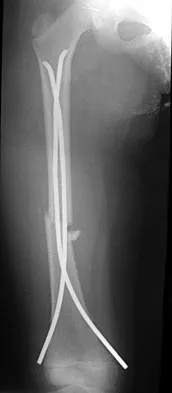
Figure 22 shows the radiograph of a 7-year-old boy who underwent retrograde elastic nailing of a femoral shaft fracture. What is the most common problem following this procedure?
Orthopedic Surgery Board Review 2026 | High-Yield MCQs - Set 10 - Figure 19


Explanation

Several large clinical studies have shown that the most common problem after elastic nailing of a femoral shaft fracture is persistent pain and irritation at the nail insertion site. Unacceptable shortening and malunion are very rare in a 7-year-old patient. Rotational malalignment also is unusual. Osteonecrosis has been reported in solid antegrade nailing but not with elastic nailing of femoral shaft fractures in skeletally immature patients. Flynn JM, Luedtke LM, Ganley TJ, et al: Comparison of titanium elastic nails with traction and a spica cast to treat femoral fractures in children. J Bone Joint Surg Am 2004;86:770-777. Flynn JM, Hresko T, Reynolds RA, et al: Titanium elastic nails for pediatric femur fractures: A multicenter study of early results with analysis of complications. J Pediatr Orthop 2001;21:4-8.

Question 17

A 35-year-old man is brought to the emergency department following a motorcycle accident. He is breathing spontaneously and has a systolic blood pressure of 80 mm Hg, a pulse rate of 120/min, and a temperature of 98.6 degrees F (37 degrees C). Examination suggests an unstable pelvic fracture; AP radiographs confirm an open book injury with vertical displacement on the left side. Ultrasound evaluation of the abdomen is negative. Despite administration of 4 L of normal saline solution, he still has a systolic pressure of 90 mm Hg and a pulse rate of 110. Urine output has been about 20 mL since arrival 35 minutes ago. What is the next best course of action?


Explanation

The patient is at risk for a pelvic vascular injury and major hemorrhage. This type of complication of pelvic trauma is highest in motorcyclists. Once it is recognized that the pelvic ring has opened, it is important to close that ring to tamponade any venous bleeding with a pelvic binder and to add a skeletal traction pin to the limb on the involved side. This will correct any translational displacement. The noninvasive pelvic binders or sheets are easy to apply and are very effective. They do not compromise future care and allow the surgeons access to the abdomen. External fixation or pelvic resuscitation clamps require a certain amount of skill to apply and are not always available. If the pelvic stabilization does not improve the hemodynamic parameters in 10 to 15 minutes, angiography is necessary.

Question 18

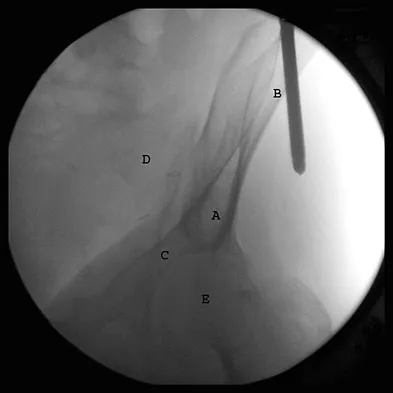
The correct starting point for an external fixation half pin placed into the anterior inferior iliac spine (AIIS) is labeled by what letter in Figure 3?
Orthopedic Surgery Board Review 2026 | High-Yield MCQs - Set 10 - Figure 20


Explanation

Half pins placed in the AIIS are an alternative to pins placed in the iliac crest. A strong pillar of bone runs from the AIIS to the posterior iliac crest and less soft tissue is typically present in this area. The starting point is best seen on an obturator outlet view. The obturator outlet view is a combination of the pelvic outlet view and the obturator view of Judet and Letournel. The beam is rotated "over the top" of the patient since the iliac wing is externally rotated as well as cephalad to best visualize this column of bone running from the AIIS to the posterior iliac spine. This corridor of bone will appear as a teardrop. Once the correct view is obtained, the pin should be started at least 2 cm proximal to the hip joint to avoid placing a pin within the hip capsule. Blunt dissection and a guide sleeve should be used to prevent damage to the lateral femoral cutaneous nerve. An iliac oblique view is used after the pin has been partially inserted to make sure the pin is passing superior to the superior gluteal notch, and an obturator inlet view can be used at the completion of the procedure to make sure the pin is contained within the bone for its entire length. Gardner MJ, Nork SE: Stabilization of unstable pelvic fractures with supra-acetabular compression external fixation. J Orthop Trauma 2007;21:269-273. Haidukewych GJ, Kumar S, Prpa B: Placement of half-pins for supra-acetabular external fixation: An anatomic study. Clin Orthop Relat Res 2003;411:269-273.

Question 19

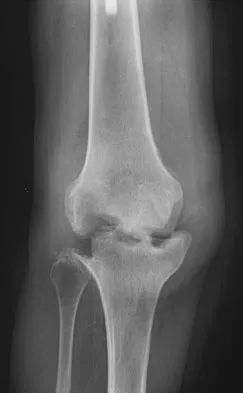
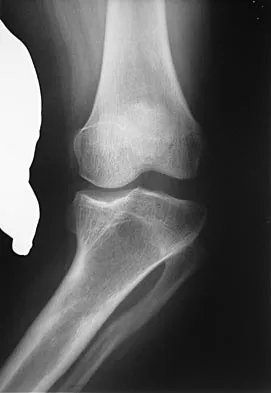
Figure 1 shows the radiograph of an 18-year-old patient who has severe knee pain. Treatment consisting of osteotomy should be perfomed
Orthopedic Surgery Board Review 2026 | High-Yield MCQs - Set 10 - Figure 21


Explanation

Very large corrections of tibial deformity can be achieved at or just below the tibial tubercle. This level of osteotomy maintains the relationship between the tubercle and the rest of the joint, does not alter patellofemoral mechanics, and avoids complicating possible future conversion to total knee arthroplasty. High tibial osteotomy is contraindicated for large corrections because of excessive elevation of the tibial tubercle and overhang of the lateral plateau. Correction in the tibial diaphysis creates a zig zag pattern in the tibia by correcting below the deformity and risks nonunion in cortical bone. There is no evidence that the femur is deformed; therefore, femoral osteotomy is not indicated.

Question 20

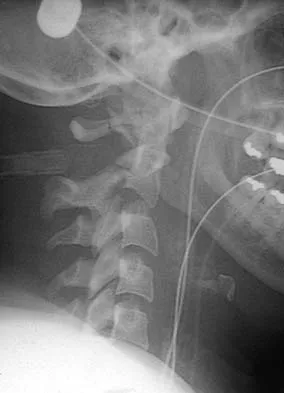
Figure 16 shows the radiograph of a 56-year-old man who has neck pain after a rollover accident on his lawnmower. The injury appears to be isolated, and he is neurologically intact. Management of the fracture should consist of
Orthopedic Surgery Board Review 2026 | High-Yield MCQs - Set 10 - Figure 22


Explanation

The radiograph shows a type IIa Hangman's fracture, and the classic treatment is halo vest immobilization. Traction should be avoided in type IIa injuries because of the risk of overdistraction. A lesser form of immobilization such as a hard collar or a Minerva jacket can be used for nondisplaced (type I) fractures. Surgery generally is reserved for type III fractures (includes C2-3 facet dislocation), or extenuating circumstances such as multiple trauma or other fractures of the cervical spine that require surgical stabilization. Levine AM, Edwards CC: The management of traumatic spondylolisthesis of the axis. J Bone Joint Surg Am 1985;67:217-226.

Question 21

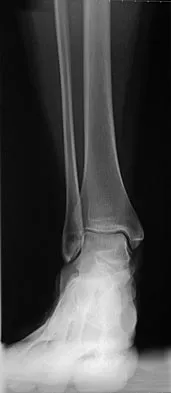
Use of prophylactic knee bracing in contact sports participants results in which of the following?
Orthopedic Surgery Board Review 2026 | High-Yield MCQs - Set 10 - Figure 23


Explanation

Several studies have looked at the effects of knee bracing, and it appears to be effective in prophylactically decreasing the incidence of medial collateral ligament sprains. Najibi and Albright reported that although evidence is not conclusive, bracing appears to help decrease the incidence of medial collateral ligament injuries. Albright and associates showed similar findings. Prophylactic knee braces have been associated with an increased incidence of ankle injuries. Albright JP, Powell JW, Smith W, et al: Medial collateral ligament knee sprains in college football: Effectiveness of preventive braces. Am J Sports Med 1994;22:12-18.

Question 22

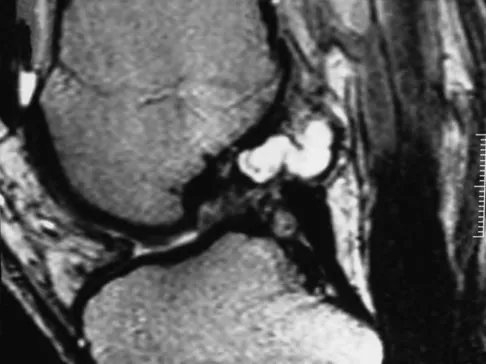
A 35-year-old woman who is a recreational runner reports posterior knee pain and tightness in the knee with flexion during running. She denies any history of trauma. Examination reveals normal patellar glide and tilt and no patellar apprehension. Range of motion is 5 degrees to 120 degrees, and quadriceps function and knee ligamentous examination are normal. Radiographs are normal. An MRI scan is shown in Figure 18. What is the most likely diagnosis?
Orthopedic Surgery Board Review 2026 | High-Yield MCQs - Set 10 - Figure 24


Explanation

Ganglia involving the cruciate ligaments have been recently reported as a cause of knee pain that interferes with knee flexion and extension. The symptoms are poorly localized in this patient and not along the medial joint line, making the diagnosis of a torn medial meniscus less likely. In addition, the MRI findings do not show a significant medial meniscal lesion. A Baker's cyst is usually posteromedial and extends posterior to the interval between the medial head of the gastrocnemius and semimembranosus. MRI scans show a fluid-filled lesion with an increased signal on T1- and T2-weighted images. A lipoma would be bright on the T1-weighted image only. Deutsch A, Veltri DM, Altchek DW, et al: Symptomatic intraarticular ganglia of the cruciate ligaments of the knee. Arthroscopy 1994;10:219-223.

Question 23

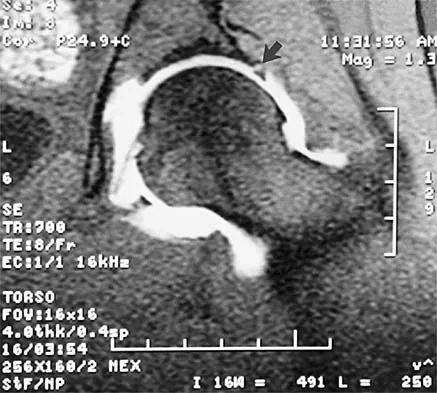
A 39-year-old competitive cyclist sustains an injury to her left hip in a fall. Gadolinium arthrography, with an accompanying MRI scan, is shown in Figure 31. A cleft, or defect, identified by the arrow, indicates a detachment of the
Orthopedic Surgery Board Review 2026 | High-Yield MCQs - Set 10 - Figure 25


Explanation

The area indicated by the arrow represents gadolinium contrast extending into a separation between the lateral labrum and its acetabular attachment. This can be a traumatic detachment, but occasionally a cleft may be present as a normal variant of the labral morphology. The capsular attachment of the iliofemoral ligament is peripheral to the labrum. The pulvinar is the common name applied to the fat and overlying synovium contained within the acetabular fossa above the ligamentum teres. The zona orbicularis is a circumferential thickening of the capsule around the femoral neck, and the retinacular vessels travel within the capsular synovium up the femoral neck to supply the femoral head. Petersilge CA, Haque MA, Petersilge WJ, Lewin JS, Lieberman JM, Buly R: Acetabular labral tears: Evaluation with MR arthrography. Radiology 1996;200:231-235. Czerny C, Hofmann S, Neuhold A, et al: Lesions of the acetabular labrum: Accuracy of MR imaging and MR arthrography in detection and staging. Radiology 1996;200:225-230.

Question 24

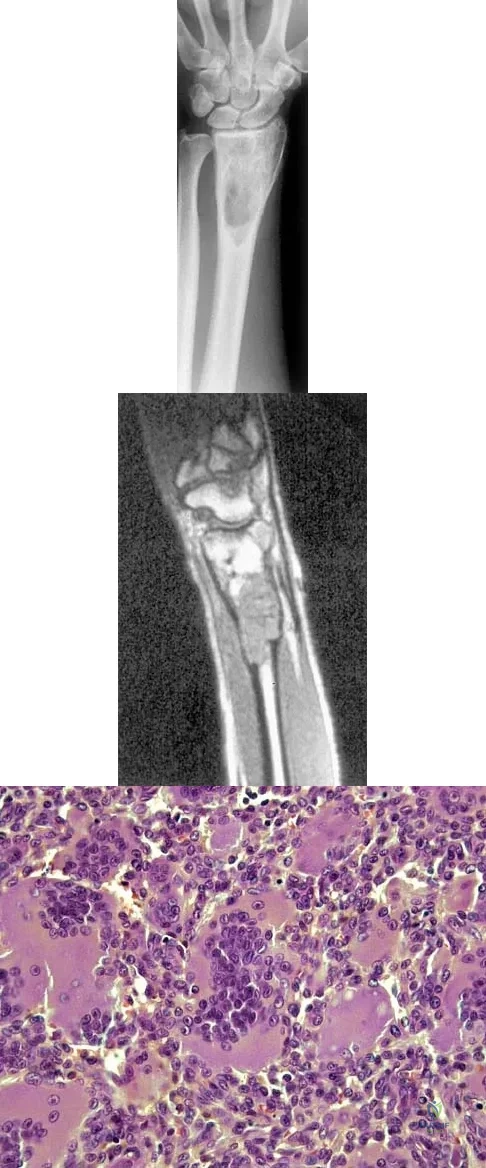
Figures 27a through 27c show the AP radiograph, MRI scan, and biopsy specimen of an otherwise healthy man who has a painful wrist. Serum chemistry studies are normal. What is the most likely diagnosis?


Explanation

The osseous sites most frequently involved by giant cell tumor of bone are the distal femur, proximal tibia, and distal radius with approximately 10% of giant cell tumors involving the distal radius. The goals of treatment are to remove the tumor completely and to preserve maximum function of the extremity.

Question 25

A 17-year-old high school long distance runner is seeking advice before running a marathon for the first time. What advice should be given regarding his fluid, carbohydrate, and electrolyte intake around the time of the race?
Orthopedic Surgery Board Review 2026 | High-Yield MCQs - Set 10 - Figure 29


Explanation

The goal of fluid replenishment should be to replace the sweat that has been lost. Sweat is mostly water, with a small concentration of salts and other electrolytes. Absorption is enhanced by solutions of low osmolality. Scientific research has also shown that adding carbohydrates to the drink improves athletic performance. Carbohydrates such as glucose and maltodextrins (glucose polymers) stimulate fluid absorption by the intestines. Fructose slows intestinal absorption of fluids. Drinks that are high in fructose, such as orange juice, can lead to gastrointestinal distress and osmotic diarrhea. Kirkendall D: Fluids and electrolytes, in The U.S. Soccer Sports Medicine Book. Baltimore, MD, Williams and Wilkins, 1996.

Question 26

Which of the following is most commonly associated with an open clavicular fracture?
Orthopedic Surgery Board Review 2026 | High-Yield MCQs - Set 10 - Figure 30


Explanation

Open clavicular fractures are rare and result from high-energy trauma. In a series of 20 patients with open clavicular fractures, 13 (65%) sustained a closed head injury. Fifteen (75%) had associated pulmonary injuries and 35% had a cervical or thoracic spine fracture. Only one demonstrated scapulothoracic dissociation. Screening for pulmonary and closed head injuries should be considered in the setting of traumatic open clavicular fractures.

Question 27

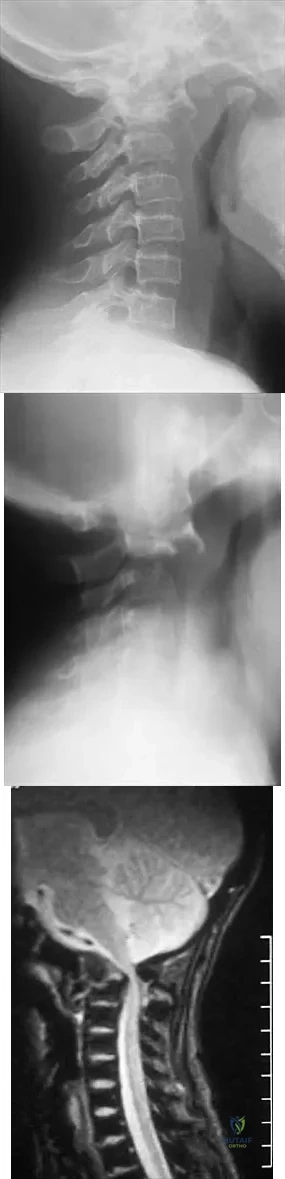
A 14-year-old girl with polyarticular juvenile rheumatoid arthritis (JRA) has severe neck pain and reports the onset of urinary incontinence. A lateral radiograph and lateral tomogram of the cervical spine are shown in Figures 15a and 15b. An MRI scan of the upper cervical spine is shown in Figure 15c. Management should consist of


Explanation

The plain radiograph and tomogram show an abnormality of the upper cervical spine, with erosion of the dens. The MRI scan shows evidence of cord impingement. The cervical spine is frequently involved in polyarticular JRA. Stiffness and autofusion are commonly seen, but C1-2 instability can also occur secondary to synovitis and bony erosion. Basilar invagination is rare in JRA. There is no consensus regarding fusion in the asymptomatic patient. In patients with symptoms and neurologic signs, C1-2 posterior fusion is indicated. Fried JA, Athreya B, Gregg JR, Das M, Doughty R: The cervical spine in juvenile rheumatoid arthritis. Clin Orthop 1983;179:102-106.

Question 28

An 8-year-old boy sustains injuries to his head, abdomen, and left lower extremity after being struck by a truck. In the emergency department, his mental status deteriorates and he is intubated after assessment reveals a Glasgow Coma Scale score of 3; the score subsequently improves to 10. A CT scan reveals a right parietal intracranial hemorrhage, and an abdominal ultrasound reveals free fluid. Prior to an emergency laparotomy, the swollen left thigh is evaluated. Radiographs reveal a transverse fracture of the mid-diaphysis. Management of the fracture should consist of

Orthopedic Surgery Board Review 2026 | High-Yield MCQs - Set 10 - Figure 34


Explanation

The prognosis for a young patient with a head injury is more favorable compared to that for adults. Full neurologic recovery generally occurs. Spasticity may occur within a few days after injury, which can lead to fracture displacement if immediate spica casting or traction is used. Early surgical stabilization will reduce problems with shortening and malunion and will facilitate transportation of the child for diagnostic tests. Surgery may be performed when it is best for the patient, either on the day of injury or later if time is needed for stabilization. In this patient, the fracture is ideally suited to stabilization using flexible intramedullary nails. Heinrich and associates' report of 78 diaphyseal femur fractures stabilized with flexible intramedullary nails included 14 patients with an associated closed head injury. All fractures healed, and there were no major complications. Tolo VT: Management of the multiply injured child, in Rockwood CA, Wilkins KE, Beaty JH (eds): Fractures in Children, ed 4. Philadelphia, PA, Lippincott-Raven, 1996, pp 83-95.

Question 29

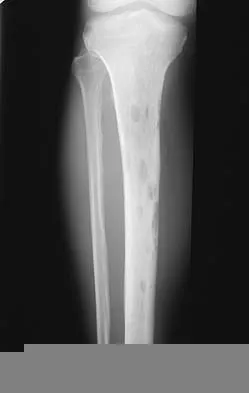
A 66-year-old man has a high-grade angiosarcoma of the right tibia. A radiograph is shown in Figure 43. Treatment should consist of
Orthopedic Surgery Board Review 2026 | High-Yield MCQs - Set 10 - Figure 1


Explanation

Angiosarcoma is a locally aggressive sarcoma. The radiograph shows extensive multiple discontinuous lesions throughout the entire tibia. The extent of bone involvement precludes resection; therefore, the treatment of choice is amputation, either above the knee or through the knee. Radiation therapy is not needed after amputation, and chemotherapy remains investigational for soft-tissue sarcoma.

Question 30

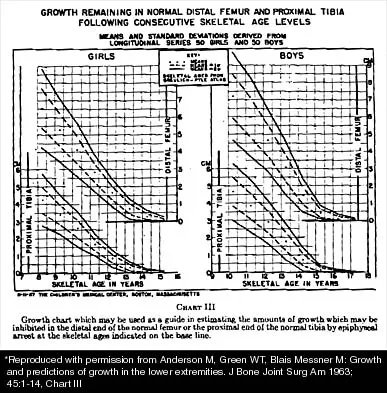
A 10-year-old girl with a monoarticular pattern of juvenile rheumatoid arthritis (JRA) has had a 3-cm limb-length discrepancy since age 8 years when inflammation in the right knee came under good medical control. Because her right leg is longer, the patient states that she would like her legs to be close to equal in length in the future. A growth-remaining chart is shown in Figure 14. Management should consist of
Orthopedic Surgery Board Review 2026 | High-Yield MCQs - Set 10 - Figure 35


Explanation

In a subgroup of patients with monoarticular JRA and a limb-length discrepancy that developed before the age of 9 years, Simon and associates showed that a subsequent growth deceleration on the affected side may correct a large part of the difference in length. This possibility would make surgery unnecessary and should prompt further observation. Simon S, Whiffen J, Shapiro F: Leg-length discrepancies in monoarticular and pauciarticular juvenile rheumatoid arthritis. J Bone Joint Surg Am 1981;63:209-215.

Question 31

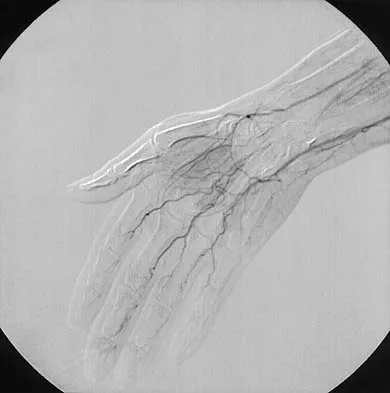
A 19-year-old wrestler has numbness along the radial aspect of the forearm after undergoing an open Bankart repair through an anterior deltopectoral approach. Motor weakness would be expected along with what other finding?
Orthopedic Surgery Board Review 2026 | High-Yield MCQs - Set 10 - Figure 36


Explanation

The musculocutaneous nerve may be injured by retracting the conjoined tendon medially. This nerve enters the coracobrachialis 5 cm distal to its origin. Its sensory distribution is the radial forearm, and its motor supply is to the biceps and brachialis. Bach BR, O'Brien SJ, Warren RF, et al: An unusual neurologic complication of the Bristow procedure. J Bone Joint Surg Am 1988;70:458-460.

Question 32

Which of the following orthotic features best reduces pain in patients with hallux rigidus?


Explanation

Nonsurgical care for hallux rigidus involves limiting the motion of the first metatarsophalangeal joint during toe-off and ensuring that there is a deep enough toe box to accommodate dorsal osteophytes. A rigid shank or forefoot rocker both help to reduce the forces of extension during toe-off. Beskin JL: Hallux rigidus. Foot Ankle Clin 1999;4:335-353.

Question 33

Which of the following changes to heart rate, blood pressure, and bulbocavernosus reflex are typical of spinal shock?


Explanation

The term 'spinal shock' applies to all phenomena surrounding physiologic or anatomic transection of the spinal cord that results in temporary loss or depression of all or most spinal reflex activity below the level of the injury. Hypotension and bradycardia caused by loss of sympathetic tone is a possible complication, depending on the level of the lesion. The mechanism of injury that causes spinal shock is usually traumatic in origin and occurs immediately, but spinal shock has been described with mechanisms of injury that progress over several hours. Spinal cord reflex arcs immediately above the level of injury also may be depressed severely on the basis of the Schiff-Sherrington phenomenon. The end of the spinal shock phase of spinal cord injury is signaled by the return of elicitable abnormal cutaneospinal or muscle spindle reflex arcs. Autonomic reflex arcs involving relay to secondary ganglionic neurons outside the spinal cord may be affected variably during spinal shock, and their return after spinal shock abates is variable. The returning spinal cord reflex arcs below the level of injury are irrevocably altered and are the substrate on which rehabilitation efforts are based.

Question 34

What is the most important factor in determining recovery after surgical repair of a complete laceration of a nerve at the wrist?


Explanation

All other factors being equal, a patient's age is the most important factor in determining outcome after peripheral nerve injury. Repair of a nerve laceration within the first 2 weeks is generally considered appropriate. Fascicular repair may be of benefit in larger proximal nerves to reapproximate appropriate nerve bundles; distally perineural or epineural repair is sufficient. Use of a fibrin tissue sealant for nerve repair does not result in improved outcomes over suture repair. Nerve conduits have shown promise in digital nerves but do not have proven benefit in larger caliber nerves. Sunderland S: Nerve Injuries and Their Repair: A Critical Appraisal. New York, NY, Churchill Livingstone, 1991. Wilgis ES, Brushart TM: Nerve repair and grafting, in Green DP, Hotchkiss RN (eds): Operative Hand Surgery, ed 3. New York, NY, Churchill Livingstone, 1993, p 1325. Narakas A: The use of fibrin glue in repair of peripheral nerves. Orthop Clin North Am 1988;19:187-199.

Question 35

What percent of patients initially diagnosed with classic, high-grade osteosarcoma of the extremity have visible evidence of pulmonary metastasis on CT of the chest?
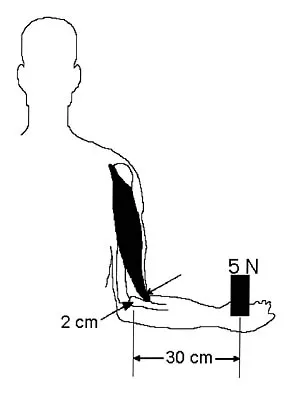
Orthopedic Surgery Board Review 2026 | High-Yield MCQs - Set 10 - Figure 37


Explanation

CT studies show that approximately 10% to 20% of patients with high-grade osteosarcoma have pulmonary metastases at diagnosis. Although not visible on current staging studies, it is believed that up to 80% of patients have micrometastatic disease that requires systemic chemotherapy. Because it is not possible to identify those patients who do not have disseminated micrometastatic disease, most patients are treated presumptively with chemotherapy. Kaste SC, Pratt CB, Cain AM, et al: Metastases detected at the time of diagnosis of primary pediatric extremity osteosarcoma at diagnosis: Imaging features. Cancer 1999;86:1602-1608.

Question 36

A 28-year-old man sustained numerous injuries in an accident including a dislocation of the elbow and a severe closed head injury that resulted in unconsciousness. The elbow was reduced in the emergency department. After 1 month of rehabilitation, the patient reports pain and stiffness. A radiograph is shown in Figure 23. Management should now consist of
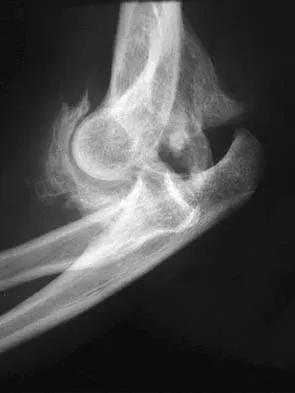
Orthopedic Surgery Board Review 2026 | High-Yield MCQs - Set 10 - Figure 38


Explanation

In a young individual with a chronic dislocation of the elbow and heterotopic bone formation, the treatment of choice is open reduction, heterotopic bone excision, anterior and posterior capsular releases, and a dynamic hinged fixator to begin protected early postoperative range of motion. It is important to understand that the fixator protects the reconstruction and allows early range of motion, but it does not maintain the reduction and should not be expected to do so. Pin fixation across the elbow delays early motion and is not recommended. Total elbow arthroplasty is not indicated, and ulnohumeral arthroplasty is for a primary arthritic condition. Garland DE, Hanscom DA, Keenan MA, et al: Resection of heterotopic ossification in the adult with head trauma. J Bone Joint Surg Am 1985;67:1261-1269.

Question 37

Which of following side effects is most commonly seen in a pediatric patient undergoing ketamine anesthesia?
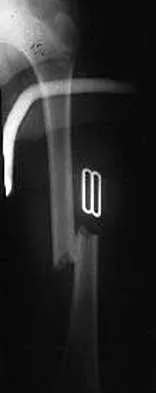
Orthopedic Surgery Board Review 2026 | High-Yield MCQs - Set 10 - Figure 39


Explanation

The most common deleterious side effect of ketamine is increased salivation and tracheobronchial secretions. For this reason, an antisialagogue agent should be given. While lack of sufficient respiratory depression is one of the major advantages of using ketamine, apnea can occur if the drug is given too rapidly intravenously. Emergence phenomena is common in adults but relatively rare in children. Furman JR: Sedation and analgesia in the child with a fracture, in Rockwood CA Jr, Wilkins KE, Beaty JH (eds): Fractures in Children, ed 4. Philadelphia, PA, Lippincott-Raven, 1996, vol 3, pp 62-63. White PF, Way WL, Trevor AJ: Ketamine: Its pharmacology and therapeutic uses. Anesthesiology 1982;56:119-136.

Question 38

The major benefit of irrigation with a castile soap solution over irrigation with bacitracin solution for the treatment of the open fracture shown in Figure 42 can be seen in which of the following outcomes?
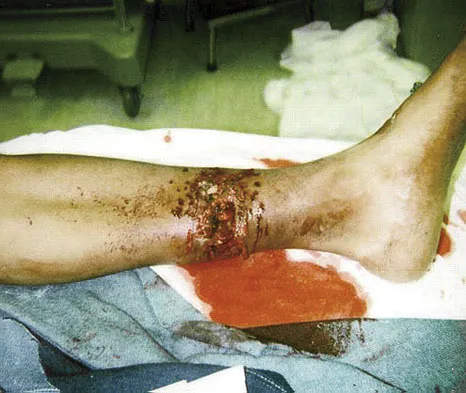
Orthopedic Surgery Board Review 2026 | High-Yield MCQs - Set 10 - Figure 40


Explanation

The mainstay of early treatment of open fractures includes irrigation and debridement. Prior to the development of antibiotics, this was traditionally accomplished with some form of detergent irrigation. Antibiotic irrigation has been in favor more recently but has mixed scientific results related to its use. Results of at least one major study show the use of a nonsterile liquid soap additive (castile soap) is at least as effective as the use of bacitracin with regards to the rate of postoperative infection and fracture healing, and shows a significant decrease in problems with soft-tissue healing.

Question 39

A 45-year-old man undergoes an open reduction and internal fixation of a displaced proximal third humeral shaft fracture via an anterolateral approach. Postoperatively, he is unable to extend his wrist or fingers, though he had full function preoperatively. Which of the following is the most appropriate initial management for this neurological deficit?


Explanation

Iatrogenic radial nerve palsy after humerus shaft fracture fixation is typically a neuropraxia resulting from retraction or manipulation. The gold standard initial management is observation and wrist splinting to prevent flexion contractures. Spontaneous recovery is common and can take 3-6 months. An EMG is usually delayed until 4-6 weeks postoperatively if there are no signs of recovery. Immediate exploration is only indicated in open fractures, vascular injuries, or if the nerve was known to be at risk of entrapment between fracture fragments or under a plate.

Question 40

A 65-year-old man presents with progressive hand clumsiness, difficulty buttoning his shirt, and a wide-based gait. Physical examination demonstrates a positive Hoffmann sign bilaterally and sustained ankle clonus. An MRI of the cervical spine confirms severe central canal stenosis from C3-C6. He undergoes a posterior cervical laminectomy and instrumented fusion. On postoperative day 2, he develops isolated, severe weakness in bilateral shoulder abduction and elbow flexion (0/5 strength), with normal hand grip and lower extremity function. Sensation is intact. What is the most likely etiology of this complication?


Explanation

This patient has developed a C5 palsy, a well-recognized complication of cervical decompression, especially posterior laminectomy and fusion. It occurs in up to 5-10% of cases. The prevailing theory is that the decompression allows the spinal cord to drift posteriorly (the 'bowstring' effect), causing traction and tethering of the relatively short C5 nerve roots. It presents as deltoid and/or biceps weakness, typically without sensory loss or long-tract signs, and can occur immediately or a few days postoperatively.

Question 41

A 28-year-old man sustains a closed midshaft tibia fracture and is treated with reamed intramedullary nailing. Which of the following biological processes best characterizes the primary mode of bone healing expected in this scenario?


Explanation

Intramedullary nailing provides relative stability to a fracture site. This mechanical environment promotes micro-motion at the fracture gap, which stimulates secondary bone healing. Secondary bone healing progresses through an inflammatory phase, soft callus formation, hard callus formation (via endochondral ossification), and remodeling. Primary bone healing (osteonal remodeling without a callus) only occurs under conditions of absolute stability, such as rigid compression plating.

Question 42

A 24-year-old male presents with persistent wrist pain 6 months after a fall onto an outstretched hand. Initial radiographs at an outside clinic were interpreted as normal. Current imaging reveals a scaphoid proximal pole fracture nonunion with sclerosis of the proximal fragment, indicating avascular necrosis (AVN). There is no evidence of carpal collapse or radiocarpal arthritis. What is the most appropriate surgical intervention?


Explanation

A scaphoid nonunion involving the proximal pole complicated by avascular necrosis (AVN) is notoriously difficult to heal. In the absence of significant carpal collapse (e.g., SNAC wrist) or osteoarthritis, joint-preserving surgery is indicated. The best outcomes for achieving union in the setting of AVN are obtained with a vascularized bone graft (such as a 1,2-Intercompartmental supraretinacular artery [1,2-ICSRA] graft or a free medial femoral condyle vascularized graft) combined with rigid internal fixation.

Question 43

A 14-year-old obese male presents with an acute exacerbation of chronic left knee pain and a severe limp. Examination reveals obligate external rotation of the hip during passive flexion. He is completely unable to bear weight on the left leg. Radiographs confirm a severe, acute-on-chronic slipped capital femoral epiphysis (SCFE). Which of the following is the most serious and highly prevalent complication specifically associated with this patient's inability to bear weight?


Explanation

This patient's inability to bear weight defines his condition as an 'unstable' SCFE. Unstable SCFE is associated with a markedly higher risk of avascular necrosis (AVN) of the femoral head—reported to be up to 50% in some series. While chondrolysis, FAI, and contralateral slips are also complications of SCFE, AVN is the most devastating complication intrinsically tied to the vascular insult that occurs during an unstable slip.

Question 44

A 55-year-old woman with a 15-year history of poorly controlled type 2 diabetes mellitus presents with a swollen, warm, and erythematous right foot. She denies any specific trauma. She has no fevers or chills, and laboratory markers for infection (WBC, CRP, ESR) are within normal limits. Radiographs demonstrate fragmentation of the tarsometatarsal joints, joint subluxation, and soft tissue swelling. What is the gold standard initial management for this condition?


Explanation

The clinical and radiographic presentation is classic for acute (Eichenholtz stage I) Charcot neuroarthropathy. The initial management of acute Charcot arthropathy involves arresting the inflammatory process and preventing further skeletal deformity. This is most effectively achieved with total contact casting (TCC) to offload and immobilize the foot until the acute inflammatory phase (warmth, erythema, edema) completely resolves, which often takes several months.

Question 45

During a total hip arthroplasty, the surgeon elects to use a highly cross-linked polyethylene (HXLPE) liner. Compared to conventional ultra-high-molecular-weight polyethylene (UHMWPE), the primary trade-off of the highly cross-linked polyethylene manufacturing process is a decrease in which of the following mechanical properties?


Explanation

Highly cross-linked polyethylene is manufactured by exposing conventional UHMWPE to radiation, which creates cross-links that dramatically improve resistance to adhesive and abrasive wear. However, this process alters the polymer structure, leading to a reduction in certain mechanical properties, most notably ultimate tensile strength, yield strength, and fatigue strength. To improve oxidation resistance, the material often undergoes thermal treatment (remelting or annealing), which can further reduce its mechanical strength.

Question 46

A 19-year-old male presents with persistent knee pain. Radiographs demonstrate a large, ill-defined, mixed lytic and sclerotic lesion in the distal femoral metaphysis with a 'sunburst' periosteal reaction. Biopsy confirms high-grade, conventional intramedullary osteosarcoma. He undergoes neoadjuvant chemotherapy followed by wide surgical resection. Pathologic examination of the resected specimen reveals 95% tumor necrosis. What is the primary clinical significance of this pathologic finding?


Explanation

The histologic response to neoadjuvant chemotherapy, quantified by the percentage of tumor necrosis in the resected specimen (Huvos grading system), is the most important prognostic indicator for overall and disease-free survival in patients with osteosarcoma. A good response is typically defined as ≥90% tumor necrosis. Despite a good response, adjuvant chemotherapy is still indicated to treat microscopic systemic disease.

Question 47

A 35-year-old woman with advanced rheumatoid arthritis presents with progressive neck pain and occipital headaches. Lateral flexion-extension radiographs of the cervical spine demonstrate 9 mm of anterior atlantoaxial subluxation (AAS). The posterior atlantodental interval (PADI) measures 12 mm. Physical examination reveals diffuse hyperreflexia and a positive Babinski sign. What is the most appropriate definitive management?


Explanation

Symptomatic anterior atlantoaxial subluxation with neurological signs (myelopathy) and a posterior atlantodental interval (PADI) of less than 14 mm is a strong indication for surgical stabilization to prevent catastrophic spinal cord injury. For reducible AAS without vertical subluxation (basilar invagination) or lateral mass destruction, a posterior C1-C2 instrumented fusion is the standard treatment. Odontoid screw fixation is used for acute type II odontoid fractures, not RA. Occipitocervical fusion is reserved for cases with vertical subluxation/basilar invagination.

Question 48

A 22-year-old collegiate football player sustains a complete rupture of the anterior cruciate ligament (ACL) and opts for reconstruction using a bone-patellar tendon-bone (BTB) autograft. When comparing this specific graft choice to a quadrupled hamstring autograft, which of the following is the most commonly reported donor-site complication?


Explanation

Bone-patellar tendon-bone (BTB) autograft is considered the gold standard for ACL reconstruction in high-demand athletes due to its rigid bone-to-bone healing and strength. However, its most significant and frequently reported donor-site morbidity is anterior knee pain, particularly pain when kneeling. Hamstring autografts, conversely, are associated with a temporary decrease in deep hamstring flexion strength and potential iatrogenic injury to the infrapatellar branch of the saphenous nerve during graft harvest.

Question 49

A 12-year-old boy with obesity presents with left hip pain and an obligatory external rotation during hip flexion. He is diagnosed with a slipped capital femoral epiphysis (SCFE). Which of the following is the strongest indication for prophylactic pinning of the asymptomatic contralateral hip?


Explanation

Prophylactic pinning of the contralateral hip in SCFE is controversial but is generally recommended in patients with a high risk of developing a contralateral slip. Strong indications include the presence of an endocrine disorder (such as hypothyroidism, panhypopituitarism, or renal osteodystrophy), prior radiation therapy, or presentation at a particularly young age (e.g., males <12 years, females <10 years). Age older than 14, female sex alone, chronicity, or severity of the current slip are not primary indications.

Question 50

A 65-year-old woman undergoes open reduction and internal fixation of a distal radius fracture with a volar locking plate. Six months postoperatively, she suddenly loses the ability to actively flex her thumb interphalangeal joint. Which of the following is the most likely cause of this complication?


Explanation

The inability to actively flex the thumb IP joint after volar plating of a distal radius fracture is highly suggestive of flexor pollicis longus (FPL) tendon rupture. Placing the plate too distal (prominent at or distal to the watershed line) creates a mechanical block that leads to attrition and eventual rupture of the FPL tendon. Dorsal screw penetration would cause extensor tendon irritation or rupture (e.g., EPL), but EPL rupture results in a loss of thumb extension, not flexion. Injury to the recurrent motor branch affects the thenar muscles (opposition), not FPL (which is innervated by the AIN).

Question 51

A 55-year-old man undergoes total hip arthroplasty using a highly cross-linked polyethylene (HXLPE) liner and a cobalt-chromium femoral head. Ten years later, he is asymptomatic, and radiographs show no evidence of osteolysis. Compared to conventional ultra-high molecular weight polyethylene (UHMWPE), what is the primary mechanism by which HXLPE reduces the incidence of osteolysis?


Explanation

Highly cross-linked polyethylene (HXLPE) undergoes irradiation to create cross-links between polymer chains, significantly increasing its resistance to adhesive and abrasive wear compared to conventional UHMWPE. This results in the generation of fewer wear debris particles, which are the primary drivers of macrophage-mediated osteolysis. Although HXLPE may produce smaller, more biologically active particles per unit volume, the total volume of particles is so drastically reduced that the overall biological response (osteolysis) is minimized. HXLPE actually has slightly decreased mechanical strength (fatigue and tensile strength) compared to conventional UHMWPE due to the irradiation and subsequent thermal treatment.

Question 52

A 10-year-old boy (Tanner stage I) sustains an anterior cruciate ligament (ACL) tear. His parents opt for surgical reconstruction due to recurrent instability. To minimize the risk of physeal arrest and subsequent growth disturbance, which of the following techniques is most appropriate?


Explanation

In a skeletally immature patient with significant remaining growth (e.g., Tanner stage I or II, open physes), ACL reconstruction techniques must minimize the risk of iatrogenic physeal injury. An all-epiphyseal (epiphyseal-sparing) ACL reconstruction or an entirely physeal-sparing technique is indicated to avoid drilling across the femoral and tibial physes. Transphyseal techniques may be considered in older adolescents (Tanner III/IV) but should use soft tissue grafts (not bone plugs). Bone-patellar tendon-bone grafts are contraindicated due to the risk of bone blocks bridging the physis, leading to premature arrest.

Question 53

A 45-year-old woman presents with neck pain radiating down her right arm. Physical examination reveals weakness in wrist extension, a diminished brachioradialis reflex, and numbness over the dorsal aspect of the thumb and index finger. Which cervical nerve root is most likely compressed?


Explanation

The clinical presentation is classic for a C6 radiculopathy. The C6 nerve root innervates the extensor carpi radialis longus and brevis (wrist extension) and the biceps and brachioradialis muscles (elbow flexion/pronation). The brachioradialis reflex is mediated by C6. Sensory distribution of C6 covers the lateral forearm, thumb, and index finger. C5 compression would present with deltoid/biceps weakness and a diminished biceps reflex. C7 compression causes triceps and wrist flexion weakness, a diminished triceps reflex, and middle finger numbness.

Question 54

A 16-year-old boy is diagnosed with high-grade conventional osteosarcoma of the distal femur without pulmonary metastases. He receives neoadjuvant chemotherapy, undergoes wide local excision, and the tumor necrosis rate in the resected specimen is found to be 95%. Which of the following represents the most significant prognostic factor for long-term survival in this patient?


Explanation

The percentage of tumor necrosis in response to neoadjuvant chemotherapy is one of the most critical prognostic factors for long-term survival in patients with high-grade, non-metastatic osteosarcoma. A good histologic response is typically defined as ≥ 90% tumor necrosis and is associated with significantly better overall survival compared to a poor response (< 90% necrosis). While tumor size and initial stage are also important, the histologic response to chemotherapy is a primary determinant of outcome.

Question 55

A 22-year-old man falls on an outstretched hand and presents with anatomic snuffbox tenderness. Radiographs show a displaced fracture of the proximal pole of the scaphoid. He is informed that he is at high risk for avascular necrosis (AVN) and nonunion. This risk is primarily due to the scaphoid's blood supply, which predominantly enters the bone at which location?


Explanation

The major blood supply to the scaphoid is retrograde, arising primarily from branches of the radial artery that enter the bone through the dorsal ridge (distal to the waist). This supplies the proximal pole and the majority of the bone. A smaller volar blood supply enters at the distal tubercle. Because the proximal pole relies entirely on intraosseous retrograde flow from these distal vessels, fractures at the waist or proximal pole disrupt the vascular supply, putting the proximal pole at high risk for ischemia, avascular necrosis, and nonunion.

Question 56

A 42-year-old recreational athlete sustains an acute Achilles tendon rupture while playing tennis. He opts for functional rehabilitation utilizing an early weight-bearing protocol in a functional orthosis. Compared to surgical repair, which of the following is true regarding this nonoperative treatment strategy?


Explanation

Recent high-level evidence demonstrates that when acute Achilles tendon ruptures are managed nonoperatively with early functional rehabilitation (early weight-bearing and mobilization in a functional orthosis), the re-rupture rates are equivalent to those of operative repair. Operative repair has a higher rate of overall complications (such as infection and sural nerve injury) but historically had a lower re-rupture rate when compared to prolonged rigid immobilization. With modern functional bracing protocols, the difference in re-rupture rates is no longer statistically significant.

Question 57

A transverse midshaft femur fracture is treated with a rigid locked intramedullary nail, resulting in a small gap with very low interfragmentary strain (< 2%). According to Perren's strain theory, what type of tissue will predominantly form in the fracture gap during the healing process?


Explanation

Perren's strain theory dictates the type of tissue that can form in a fracture gap based on the strain the tissue can tolerate without failing. Bone requires very low strain to form. A rigid construct that limits interfragmentary strain to < 2% allows for primary (direct) bone healing, resulting predominantly in lamellar bone formation through cutting cones, without a significant cartilaginous intermediate. If strain is slightly higher (2-10%), endochondral ossification (woven bone/callus) occurs. Higher strains lead to fibrocartilage (10-30%) or granulation tissue (>30%).

Question 58

A 28-year-old motorcyclist is brought to the trauma bay after a high-speed collision. Radiographs demonstrate widening of the pubic symphysis of 3.5 cm and widening of the anterior sacroiliac joints bilaterally. The posterior sacroiliac ligaments appear intact on CT scan. According to the Young-Burgess classification, which of the following is the most likely associated systemic injury or complication?


Explanation

The injury described is an Anteroposterior Compression (APC) Type II pelvic ring injury (diastasis of the pubic symphysis > 2.5 cm, disruption of anterior SI ligaments, intact posterior SI ligaments). APC injuries, colloquially known as 'open book' pelvis fractures, are highly associated with genitourinary injuries (e.g., posterior urethral tears, bladder ruptures) due to the diastasis of the anterior ring tearing the surrounding ligaments and structures. Superior gluteal artery injury is more common in posterior ring disruptions such as Lateral Compression or Vertical Shear injuries.

Question 59

A 68-year-old man who underwent a total hip arthroplasty 5 years ago with a cobalt-chromium head and highly cross-linked polyethylene liner on a titanium stem presents with insidious onset of groin pain. Inflammatory markers are within normal limits. Aspiration yields fluid with 500 WBCs/uL (mostly mononuclear), but serum metal ions show isolated elevated cobalt levels. What is the most likely source of the cobalt?


Explanation

In a metal-on-polyethylene total hip arthroplasty, elevated cobalt levels in the presence of a titanium stem and cobalt-chromium head are indicative of mechanically assisted crevice corrosion (trunnionosis) at the modular head-neck junction. The bearing surface is polyethylene, so it would not produce metal ions. A titanium stem would produce titanium ions, not cobalt. Thus, the modular cobalt-chromium head articulating with the titanium trunnion is the source.

Question 60

A 25-year-old man sustains a displaced, Pauwels type III femoral neck fracture after a high-energy motor vehicle collision. Which of the following fixation constructs offers the highest biomechanical stability against shear forces for this specific fracture pattern?


Explanation

Pauwels type III fractures are highly vertically oriented (angle greater than 50 degrees), exhibiting high shear forces and a high risk of varus collapse. Biomechanical studies have consistently shown that a sliding hip screw (SHS) with an adjunctive derotational screw provides superior biomechanical stability against shear forces and vertical displacement compared to three parallel cancellous screws.

Question 61

A 32-year-old manual laborer presents with progressive dorsal wrist pain and decreased grip strength. Radiographs show sclerosis and fragmentation of the lunate, with negative ulnar variance. The carpal height ratio is maintained. Which of the following is the most appropriate surgical treatment?


Explanation

The patient has Kienböck's disease (avascular necrosis of the lunate) Lichtman stage IIIA (fragmentation of the lunate with normal carpal height) and negative ulnar variance. Joint-leveling procedures, such as a radial shortening osteotomy or ulnar lengthening, are indicated for Lichtman stages I, II, and IIIA with ulnar minus variance to mechanically unload the lunate and halt disease progression.

Question 62

A 72-year-old man undergoes a wide L4-L5 decompressive laminectomy for spinal stenosis. Intraoperatively, a dural tear is encountered and primarily repaired with 4-0 nonabsorbable suture. Postoperatively, the patient develops a positional headache, and clear fluid is noted draining from the wound. Neurologic exam is normal. What is the most appropriate initial step in management?


Explanation

In the setting of a postoperative cerebrospinal fluid (CSF) leak following an intraoperative dural tear that was primarily repaired, initial management of a small, uninfected wound leak often includes over-sewing the wound edge, strict flat bed rest, and avoidance of increased intrathecal pressure (Valsalva). If conservative measures fail, a subarachnoid drain or re-operation may be considered. Placing a wound VAC is strictly contraindicated as the negative pressure will continuously pull CSF, preventing closure of the dural defect.

Question 63

A 13-year-old boy with a BMI of 32 presents with 3 weeks of left knee pain and an antalgic gait. He is able to bear weight on the affected limb. Radiographs demonstrate a mild left slipped capital femoral epiphysis (SCFE). Which of the following accurately describes the anatomic displacement that occurs in SCFE?


Explanation

In a slipped capital femoral epiphysis (SCFE), the epiphysis actually remains held within the acetabulum by the ligamentum teres, while the femoral neck (metaphysis) displaces anteriorly and externally rotates relative to the epiphysis. On radiographs, this makes the epiphysis appear to have displaced posteriorly and inferiorly relative to the neck.

Question 64

A 42-year-old man sustains an acute Achilles tendon rupture while playing basketball. He elects for nonoperative management utilizing a functional rehabilitation protocol. Compared to traditional surgical repair, current evidence suggests nonoperative functional rehabilitation is associated with:


Explanation

Recent high-quality randomized controlled trials and meta-analyses comparing functional rehabilitation (early weight-bearing and early range of motion) to surgical repair for acute Achilles tendon ruptures have shown similar rerupture rates between the two groups. However, nonoperative management avoids the surgical risks of infection, wound healing issues, and sural nerve injury.

Question 65

A 19-year-old female collegiate soccer player is undergoing an anterior cruciate ligament (ACL) reconstruction. The surgeon discusses the use of a bone-patellar tendon-bone (BTB) autograft versus a hamstring autograft. When comparing these two graft choices, the BTB autograft is generally associated with a higher incidence of:


Explanation

Bone-patellar tendon-bone (BTB) autografts have historically been associated with a higher incidence of donor site morbidity, specifically anterior knee pain and pain with kneeling, compared to hamstring autografts. Rates of graft failure are generally comparable or slightly lower for BTB grafts, and postoperative laxity is often slightly less with BTB grafts due to bone-to-bone healing.

Question 66

A 35-year-old man undergoes open reduction and internal fixation of a diaphyseal radius fracture with a compression plate and lag screw. During the healing process of a fracture treated with this type of absolute stability, which mechanism of bone healing predominates?


Explanation

Rigid internal fixation with absolute stability (e.g., lag screw and compression plate) minimizes interfragmentary strain and promotes primary (direct) bone healing. This occurs via direct Haversian remodeling, where osteoclast 'cutting cones' cross the fracture line followed by osteoblasts laying down new lamellar bone, without the formation of a cartilaginous callus (endochondral ossification), which is typically seen in secondary bone healing with relative stability.

Question 67

A 14-year-old boy presents with progressive distal thigh pain. Radiographs reveal a destructive, mixed lytic and sclerotic lesion in the distal femoral metaphysis with a 'sunburst' periosteal reaction. A core needle biopsy confirms a high-grade intramedullary osteosarcoma. Which of the following genetic alterations is most strongly associated with the pathogenesis of this tumor?


Explanation

High-grade intramedullary osteosarcoma is highly associated with mutations in tumor suppressor genes, particularly RB1 (Retinoblastoma) and TP53 (Li-Fraumeni syndrome). A t(11;22) translocation is associated with Ewing sarcoma. EXT1 is associated with multiple hereditary exostoses. A t(X;18) translocation is associated with synovial sarcoma. MDM2 amplification is characteristic of parosteal osteosarcoma and atypical lipomatous tumors.

Question 68

A 70-year-old woman undergoes a reverse total shoulder arthroplasty (rTSA) for massive rotator cuff tear arthropathy. The Grammont reverse design fundamentally alters the biomechanics of the glenohumeral joint to restore active forward elevation. Which of the following best describes the biomechanical change induced by the rTSA?


Explanation

The traditional Grammont design of the reverse total shoulder arthroplasty medializes and inferiorly translates the center of rotation of the glenohumeral joint. This biomechanical alteration increases the moment arm (lever arm) of the deltoid muscle and recruits more of the anterior and posterior deltoid fibers, allowing the deltoid to act as the primary elevator of the shoulder in the absence of a functional rotator cuff.

Question 69

Ceramic-on-ceramic (CoC) bearing surfaces in total hip arthroplasty are known for excellent wear characteristics. Which of the following is the most commonly cited cause of squeaking in a CoC THA?


Explanation

Squeaking is a specific complication of ceramic-on-ceramic bearings. The most common cause is edge loading, which typically results from component malposition (such as excessive acetabular cup anteversion or inclination). This malposition leads to loss of fluid-film lubrication, causing direct ceramic-on-ceramic contact at the rim, stripe wear, and the characteristic squeaking sound.

Question 70

A 28-year-old male sustains a high-energy motor vehicle collision resulting in a Hawkins type III fracture of the talar neck. Which of the following accurately describes the fracture pattern and the associated risk of avascular necrosis (AVN)?


Explanation

The Hawkins classification is used for talar neck fractures. Type I is a nondisplaced fracture (AVN risk ~0-10%). Type II is displaced with subtalar subluxation or dislocation (AVN risk ~20-50%). Type III is displaced with both subtalar and tibiotalar dislocations, and the AVN risk approaches 100%. Type IV involves displacement of the subtalar, tibiotalar, and talonavicular joints. Therefore, Type III corresponds to subtalar and tibiotalar dislocation with a near 100% risk of AVN.

Question 71

A 13-year-old obese male presents with 3 weeks of left knee pain and a limp. Examination reveals obligate external rotation of the left hip with passive flexion. Radiographs confirm a mild stable slipped capital femoral epiphysis (SCFE). Which of the following is the most appropriate definitive management?


Explanation

The gold standard for a mild, stable SCFE is in situ fixation using a single cannulated screw placed in the center of the epiphysis. Closed reduction is contraindicated due to the high risk of precipitating avascular necrosis. Open reduction (e.g., modified Dunn procedure) is typically reserved for severe or unstable slips to correct the deformity acutely while protecting the blood supply. Prophylactic pinning of the contralateral hip is performed in certain high-risk demographics, but the affected hip must be treated.

Question 72

A 65-year-old man presents with progressive clumsiness in his hands, difficulty buttoning his shirts, and a broad-based gait. Physical examination reveals a positive Hoffmann sign bilaterally and hyperreflexia in the lower extremities. MRI of the cervical spine shows severe stenosis at C4-C5 and C5-C6 with T2 signal change in the spinal cord. What is the most appropriate management?


Explanation

The patient has classic signs of degenerative cervical myelopathy (DCM), including hand clumsiness, gait instability, and upper motor neuron signs (Hoffmann sign, hyperreflexia). Imaging confirming stenosis with cord signal change corresponds to his clinical presentation. The most appropriate treatment for progressive or symptomatic DCM is surgical decompression (via an anterior, posterior, or combined approach) to halt the progression of neurologic decline. Nonoperative treatment is inadequate for progressive myelopathy.

Question 73

During an anterior cruciate ligament (ACL) reconstruction, positioning the femoral tunnel too anteriorly (shallow) will result in which of the following graft behaviors during knee range of motion?


Explanation

In ACL reconstruction, an anteriorly (shallow) placed femoral tunnel creates a length mismatch where the graft becomes tight in flexion and loose in extension. Conversely, a posteriorly (deep) placed femoral tunnel results in a graft that is tight in extension and loose in flexion. Optimal isometric placement or anatomic placement avoids these extremes, allowing normal range of motion without over-constraining the joint or leaving it unstable.

Question 74

Following a zone II flexor tendon repair of the index finger, a patient is placed in an early active mobilization protocol. Which of the following is the primary physiological advantage of early active motion compared to prolonged immobilization?


Explanation

Early controlled mobilization following a flexor tendon repair stimulates intrinsic tendon healing, increases the overall tensile strength of the repair, and significantly decreases the formation of restrictive peritendinous adhesions. It does not decrease the risk of rupture (which remains a risk during early motion if overloaded) and has no bearing on sensory nerve recovery or osteoarthritis.

Question 75

Which of the following cytokines is most responsible for the differentiation of macrophages into osteoclasts during bone remodeling and fracture healing?


Explanation

RANKL is a key cytokine expressed by osteoblasts and osteocytes that binds to the RANK receptor on osteoclast precursors (which are of the monocyte/macrophage lineage). This interaction stimulates their differentiation, activation, and survival into mature bone-resorbing osteoclasts. Osteoprotegerin (OPG) acts as a decoy receptor for RANKL, inhibiting this process. BMP-2 and TGF-β are primarily involved in osteoblast differentiation and bone formation.

Question 76

A 55-year-old patient with long-standing poorly controlled diabetes presents with a swollen, erythematous, and warm left foot. Radiographs reveal fragmentation and periarticular debris at the tarsometatarsal joints. Which of the following is the most appropriate initial management for this acute condition?


Explanation

This patient is presenting with acute Charcot neuroarthropathy (Eichenholtz stage 1), characterized by a red, hot, swollen foot with radiographic evidence of fragmentation. The gold standard for acute Charcot arthropathy is immediate immobilization and offloading, typically achieved with total contact casting (TCC) and non-weight bearing. Surgery is generally contraindicated in the acute inflammatory phase due to severe osteopenia and high risk of hardware failure.

Question 77

A 16-year-old male presents with persistent distal thigh pain. Imaging reveals a destructive, bone-forming lesion in the distal femoral metaphysis with a 'sunburst' periosteal reaction. Biopsy confirms a high-grade intramedullary osteosarcoma. What is the standard sequence of treatment for this patient?


Explanation

The standard of care for classic high-grade osteosarcoma consists of neoadjuvant (preoperative) multiagent chemotherapy, followed by limb-sparing wide surgical resection (or amputation if limb salvage is impossible), and concluding with adjuvant (postoperative) chemotherapy. The histologic response to the neoadjuvant chemotherapy (percentage of tumor necrosis) is the single most important prognostic factor. Osteosarcoma is highly radioresistant.

Question 78

A 68-year-old woman is evaluated for a stiff and painful total knee arthroplasty (TKA) 2 years postoperatively. Her range of motion is 10 to 80 degrees. Radiographs show a well-fixed TKA, but the joint line is elevated, and the patella appears significantly inferior to the joint line. Which of the following intraoperative technical errors is the most likely cause of this presentation?


Explanation

Elevating the joint line often occurs when too much distal femur is resected, requiring a thicker polyethylene insert to balance the extension gap. This effectively moves the joint line proximally relative to the tibial tubercle, leading to relative (or pseudo-) patella baja. The patellar tendon is relatively shortened, causing the patella to impinge on the tibial polyethylene, which alters patellofemoral kinematics and results in anterior knee pain and decreased range of motion.

Question 79

A 35-year-old male is brought to the emergency department after a high-speed motor vehicle collision. He has an anteroposterior compression type III (APC-III) pelvic ring injury. A pelvic binder is appropriately placed. Despite the administration of 2 units of packed red blood cells, he remains hemodynamically unstable. A Focused Assessment with Sonography for Trauma (FAST) scan is negative. What is the most appropriate next step in management?


Explanation

In a hemodynamically unstable patient with a pelvic ring fracture and a negative FAST exam (ruling out massive intra-abdominal hemorrhage), the bleeding is primarily retroperitoneal, typically originating from the presacral venous plexus or cancellous bone. After the application of a pelvic binder to reduce pelvic volume, the next step in the algorithm is either preperitoneal pelvic packing (PPP) or pelvic angiography. PPP is rapid, addresses venous bleeding, and can be performed concurrently with resuscitation.

Question 80

A 65-year-old man presents with progressive clumsiness in his hands, frequent dropping of objects, and a wide-based, unsteady gait. Suspecting cervical spondylotic myelopathy, you perform a thorough neurologic examination. Which of the following physical examination findings is considered the most specific for this condition?


Explanation

The inverted brachioradialis reflex occurs when tapping the brachioradialis tendon produces finger flexion (or absent radial reflex) rather than the normal response. It is highly specific for cervical myelopathy at the C5-C6 level. The Hoffmann sign, while highly sensitive for upper motor neuron pathology, lacks specificity and can be observed in up to 3% of asymptomatic individuals.

Question 81

A 60-year-old female presents with progressive groin pain 7 years after undergoing an uncomplicated primary total hip arthroplasty. Her implants consist of a large-diameter cobalt-chromium head on a titanium stem with a highly cross-linked polyethylene liner. Radiographs show well-fixed components with no osteolysis. Laboratory analysis reveals significantly elevated serum cobalt levels with normal serum chromium levels. What is the most likely source of the elevated metal ions?


Explanation

This patient is exhibiting signs of an Adverse Local Tissue Reaction (ALTR) due to mechanically assisted crevice corrosion (trunnionosis). In a metal-on-polyethylene THA, high serum cobalt combined with normal or low chromium strongly indicates fretting and corrosion at the modular head-neck junction. Bearing surface wear in this construct (metal on poly) does not release clinically significant systemic metal ions compared to metal-on-metal bearings.

Question 82

A 22-year-old soccer player sustains a twisting injury to his knee. Radiographs demonstrate a small, elliptical cortical avulsion fracture of the anterolateral proximal tibia. Biomechanical studies indicate that the primary anatomical structure avulsed in this injury pattern functions to resist which of the following knee motions?


Explanation

The radiographic finding describes a Segond fracture, which is an avulsion of the anterolateral ligament (ALL) and the lateral capsule. A Segond fracture is pathognomonic for an anterior cruciate ligament (ACL) tear. The ALL acts as a primary secondary stabilizer to internal tibial rotation and anterior translation of the tibia.

Question 83

A 50-year-old male presents with chronic wrist pain and stiffness. Radiographs demonstrate advanced Scapholunate Advanced Collapse (SLAC) with arthritis at the radioscaphoid and capitolunate joints. Which of the following articulations is classically spared from degenerative changes in this condition?


Explanation

In a SLAC wrist, the pathology begins with scapholunate ligament disruption. The lunate, tethered to the radius via the strong short radiolunate ligament, remains concentrically reduced within the spherical lunate fossa. This unique congruent anatomical relationship protects the radiolunate joint from osteoarthritis, even in advanced (Stage III) SLAC wrists, allowing for salvage procedures such as proximal row carpectomy or four-corner arthrodesis.

Question 84

A 13-year-old obese boy is brought to the clinic due to left groin pain and an absolute inability to bear weight on the left leg, even with the assistance of crutches, for the past 2 days following a minor fall. Pelvic radiographs confirm a severe slipped capital femoral epiphysis (SCFE). According to the Loder classification, this patient is at the highest risk for developing which of the following complications?


Explanation

The Loder classification divides SCFE into stable (able to bear weight with or without crutches) and unstable (unable to bear weight). Unstable SCFE has a notoriously high rate of avascular necrosis (AVN) of the femoral head, historically reported up to 47%, compared to a near 0% AVN rate in stable slips. Prompt recognition and appropriate operative planning are required to mitigate this risk.

Question 85

A 15-year-old boy is diagnosed with a conventional high-grade intramedullary osteosarcoma of the distal femur. He undergoes a standardized protocol of neoadjuvant chemotherapy followed by wide surgical resection. Which of the following factors determined from the surgical specimen is the most important prognostic indicator for long-term survival?


Explanation

The histologic response of the tumor to neoadjuvant chemotherapy, measured by the percentage of tumor necrosis, is one of the most powerful and reliable prognostic indicators for overall survival in osteosarcoma. A good response is defined as greater than 90% necrosis (Huvos grade III or IV) and correlates strongly with improved long-term survival.

Question 86

A 32-year-old man sustains a closed comminuted tibial shaft fracture. Two hours later, he complains of severe leg pain refractory to intravenous opioids. His blood pressure is 110/70 mmHg (Mean Arterial Pressure = 83 mmHg). Intracompartmental pressure monitoring is performed using a side-port needle. A measured compartment pressure of at least what value would result in a Delta P strictly indicating the need for an emergent four-compartment fasciotomy?


Explanation

The diagnosis of acute compartment syndrome using continuous or absolute pressure measurements is controversial. However, Delta P (Diastolic Blood Pressure minus Intracompartmental Pressure) is an established threshold. A Delta P of 30 mmHg or less is widely accepted as an absolute indication for fasciotomy. With a DBP of 70 mmHg, an ICP of 40 mmHg or higher results in a Delta P ≤ 30. Among the choices, 45 mmHg provides a Delta P of 25 mmHg, mandating emergent intervention.

Question 87

Recombinant human bone morphogenetic protein-2 (rhBMP-2) is utilized in various spine and trauma applications to promote osteoinduction and bone healing. What is the primary intracellular signaling pathway directly activated upon BMP-2 binding to its cell surface receptor?


Explanation

Bone Morphogenetic Proteins (BMPs) are members of the TGF-beta superfamily. When BMP-2 binds to its specific transmembrane serine/threonine kinase receptor, it phosphorylates the intracellular receptor-regulated Smads (R-Smads), specifically Smad 1, 5, and 8. These activated R-Smads then complex with the common-partner Smad (Co-Smad 4) to translocate into the nucleus and initiate transcription of osteogenic genes, including Runx2.

Question 88

A 42-year-old recreational athlete sustains an acute mid-substance Achilles tendon rupture. After an extensive discussion regarding treatment options, the patient elects for functional rehabilitation (nonoperative management with early weight-bearing in an orthosis) over surgical repair. Based on recent Level I evidence and meta-analyses, how does the expected clinical outcome of this approach compare to open surgical repair?


Explanation

Historically, nonoperative treatment of Achilles tendon ruptures was associated with higher rerupture rates. However, modern Level I randomized controlled trials (such as the Willits study) have demonstrated that when an accelerated functional rehabilitation protocol with early mobilization and weight-bearing is utilized, the rerupture rate is equivalent to surgical repair. Furthermore, nonoperative management completely avoids surgical risks, leading to a definitively lower rate of wound complications.

Question 89

A 65-year-old man presents with persistent right groin pain 5 years after undergoing a primary metal-on-polyethylene total hip arthroplasty. Aspiration of the hip yields clear fluid with a negative Gram stain and negative cultures. Laboratory workup reveals substantially elevated serum cobalt levels with normal chromium levels. Which of the following is the most likely source of the metal ions?


Explanation

The scenario describes trunnionosis, which is mechanically assisted crevice corrosion occurring at the modular head-neck junction (the trunnion). In a metal-on-polyethylene total hip arthroplasty, the bearing surface does not contain metal-on-metal articulation, so elevated metal ions point to a non-bearing surface source. A disproportionately elevated cobalt level relative to chromium is a classic hallmark of corrosion at the cobalt-chromium femoral head and titanium stem junction.

Question 90

A 42-year-old patient sustains a high-energy bicondylar tibial plateau fracture. Computed tomography reveals a large, vertically oriented, displaced posteromedial shear fragment. The surgical plan includes anti-glide buttress plating of this specific fragment. Which surgical interval provides the most direct and appropriate access?


Explanation

The posteromedial approach to the tibial plateau utilizes the interval between the medial head of the gastrocnemius and the pes anserinus tendons. Retracting the medial gastrocnemius laterally protects the neurovascular bundle in the popliteal fossa, while the pes anserinus is retracted medially or distally. This provides direct visualization of the posteromedial cortex, allowing for the application of an anti-glide buttress plate for posteromedial shear fragments.

Question 91

A 12-year-old boy presents with right hip pain and an obligatory external rotation with hip flexion. Radiographs confirm a stable slipped capital femoral epiphysis (SCFE) on the right. In which of the following clinical scenarios is prophylactic in situ pinning of the asymptomatic, contralateral (left) hip most strongly indicated?


Explanation

Prophylactic pinning of the contralateral hip in patients presenting with a unilateral SCFE is strongly recommended for those with underlying endocrine disorders (such as hypothyroidism, panhypopituitarism, and renal osteodystrophy) or a history of pelvic radiation. These patients have an exceptionally high rate of developing bilateral disease (often approaching 100%). Other relative indications include presentation at an age less than 10 years or the inability to reliably follow up.

Question 92

When evaluating graft choices for anterior cruciate ligament (ACL) reconstruction, understanding their native biomechanical properties is critical. Compared to the intact native ACL (ultimate tensile load ~2160 N), which of the following graft options has the highest ultimate tensile load at the time of implantation?


Explanation

Biomechanical studies have demonstrated that the quadrupled hamstring autograft (semitendinosus and gracilis) has an ultimate tensile load of approximately 4140 N, which is significantly higher than a 10-mm BPTB graft (~2977 N), quadriceps tendon (~2185-2352 N), and the native ACL (~2160 N). However, it is important to note that despite the high ultimate tensile load, factors such as fixation strength, graft incorporation, and stiffness also dictate the ultimate clinical success.

Question 93

A 68-year-old man with cervical spondylotic myelopathy presents with worsening hand clumsiness, a positive Hoffman reflex, and gait instability. Preoperative magnetic resonance imaging (MRI) of the cervical spine is obtained. Which of the following MRI findings correlates most strongly with irreversible spinal cord damage and a poor prognosis for neurologic recovery after surgical decompression?


Explanation

In the setting of cervical spondylotic myelopathy, T1-weighted hypointense signal within the spinal cord (often referred to as a 'black cord') indicates cystic myelomalacia and necrosis. This finding represents permanent structural damage and correlates strongly with poor postoperative neurologic recovery. While T2-weighted hyperintensity is a sensitive marker for cord edema and gliosis, it is not as highly specific for irreversible injury as T1 hypointensity.

Question 94

During a flexor tendon repair in Zone II of the index finger, a surgeon must manage the flexor tendon sheath carefully. To maintain the mechanical advantage of the flexor tendons and prevent clinically significant bowstringing, which two pulleys must be optimally preserved or reconstructed?


Explanation

The flexor pulley system consists of annular (A) and cruciate (C) pulleys. Biomechanically, the A2 pulley (located over the proximal aspect of the proximal phalanx) and the A4 pulley (located over the mid-portion of the middle phalanx) are the most critical. Loss of these major pulleys leads to significant bowstringing, causing a loss of active flexion and decreased mechanical efficiency (increased moment arm resulting in limited excursion).

Question 95

A 55-year-old patient with poorly controlled type 2 diabetes and peripheral neuropathy presents with a warm, swollen, and erythematous right foot. Radiographs demonstrate periarticular bony fragmentation, debris, and midfoot subluxation. According to the Eichenholtz classification of Charcot arthropathy, which stage does this represent?


Explanation

The patient is in Eichenholtz Stage 1 (Developmental/Fragmentation phase). This stage is characterized clinically by a red, hot, swollen foot and radiographically by osteopenia, periarticular fragmentation, subluxation/dislocation, and bony debris. Stage 0 is the inflammatory phase with a normal radiograph (except possible osteopenia) but positive MRI findings. Stage 2 (Coalescence) involves the absorption of fine debris and early fusion. Stage 3 (Consolidation) shows remodeling and rounding of bone ends.

Question 96

A 16-year-old male recently completed neoadjuvant chemotherapy for an osteosarcoma of the distal femur and subsequently undergoes wide local excision. Pathologic analysis of the resected specimen is performed. Which of the following factors is the most important independent prognostic indicator for overall survival in this patient?
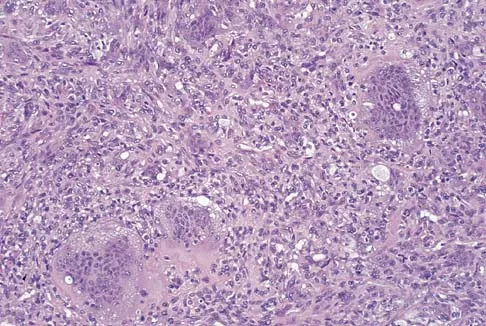


Explanation

The histologic response of the primary tumor to neoadjuvant chemotherapy is one of the most powerful prognostic factors in osteosarcoma. A 'good response' is classically defined as greater than 90% tumor necrosis in the resected specimen. Patients who achieve this level of necrosis have a significantly improved disease-free and overall survival rate compared to 'poor responders' (<90% necrosis).

Question 97

A 30-year-old patient undergoes an antegrade reamed intramedullary nailing of a diaphyseal femur fracture utilizing dynamic locking holes. This mechanical construct permits controlled axial micromotion. This relative stability primarily promotes fracture healing through which of the following biological processes?


Explanation

Constructs that provide relative stability (such as intramedullary nails, bridge plates, and external fixators) permit micromotion at the fracture site. This strain environment stimulates secondary bone healing, which occurs primarily via endochondral ossification. This process involves the formation of a hematoma, followed by a fibrocartilaginous soft callus, which is subsequently calcified into a hard woven bone callus and eventually remodeled. Primary bone healing (via Haversian remodeling/cutting cones) requires absolute stability and direct bone-to-bone contact.

Question 98

A 28-year-old woman is brought to the trauma bay following a high-speed motor vehicle collision. Pelvic radiographs demonstrate a symphysis pubis diastasis of 3.5 cm and widening of the anterior sacroiliac joints bilaterally. The posterior sacroiliac complex appears intact, and there is no vertical displacement of the hemipelvis. According to the Young-Burgess classification system, this injury pattern is best categorized as:


Explanation

An APC II injury is defined by disruption of the pubic symphysis (typically >2.5 cm), the anterior sacroiliac ligaments, and the sacrospinous and sacrotuberous ligaments, resulting in an 'open-book' pelvis. Because the strong posterior sacroiliac ligaments remain intact, the pelvis is rotationally unstable but vertically stable. APC I involves symphyseal widening <2.5 cm. APC III involves complete disruption of both anterior and posterior sacroiliac ligaments, rendering the hemipelvis both rotationally and vertically unstable.

Question 99

A 62-year-old man presents with progressive right groin pain and a palpable anterior thigh mass 7 years after undergoing a primary total hip arthroplasty. His implants include a highly cross-linked polyethylene liner, a titanium alloy femoral stem, and a cobalt-chromium femoral head. Serum cobalt levels are 8.5 ppb and chromium is 1.2 ppb. Aspiration of the hip yields synovial fluid with 1,200 WBC/µL and 60% polymorphonuclear leukocytes. Cultures are negative at 7 days. Metal artifact reduction sequence (MARS) MRI demonstrates a large, thick-walled solid and cystic mass compressing the femoral vein. During revision surgery, severe mechanically assisted crevice corrosion (MACC) is noted at the modular head-neck junction. The femoral stem is found to be solidly fixed with no evidence of loosening. Which of the following is the most appropriate definitive management of the femoral side?


Explanation

The patient presents with an adverse local tissue reaction (ALTR) secondary to mechanically assisted crevice corrosion (trunnionosis) at the head-neck junction, characterized by elevated cobalt levels disproportionate to chromium. When addressing trunnionosis during revision surgery, if the femoral stem is well-fixed, it should generally be retained to minimize surgical morbidity and bone loss. However, placing a new metal head on a damaged trunnion will invariably lead to recurrent corrosion. Placing a ceramic head directly onto a damaged trunnion is contraindicated due to the high risk of stress risers leading to catastrophic ceramic head fracture. The gold standard for a well-fixed stem with trunnion damage is the use of a ceramic head paired with a titanium taper sleeve. The titanium sleeve bypasses the damaged portion of the trunnion and provides a pristine, geometrically matched surface for the ceramic head, preventing further MACC and avoiding ceramic fracture.

Question 100

A 28-year-old man is brought to the trauma center after a high-speed motorcycle collision. Radiographs reveal an isolated, highly displaced, vertically oriented basicervical femoral neck fracture (Pauwels type III). Open reduction and internal fixation is planned. Which of the following fixation constructs is most biomechanically appropriate to resist the predominant deforming forces in this specific fracture pattern?


Explanation

Pauwels type III femoral neck fractures (fracture line > 50 degrees from the horizontal) are characterized by a highly vertical orientation, which subjects the fracture site to immense vertical shear forces rather than compressive forces. In young adults, anatomic reduction and absolutely stable internal fixation are critical to prevent varus collapse, nonunion, and osteonecrosis. Biomechanical studies consistently demonstrate that multiple parallel cancellous lag screws are insufficient at resisting these high vertical shear forces and carry a significantly higher failure rate in Pauwels III patterns. A fixed-angle device, such as a sliding hip screw, provides a mechanically robust construct that acts as a buttress against vertical shear, offering superior resistance to varus collapse. The addition of a derotational screw placed superiorly provides necessary rotational stability during initial healing. Standard cephalomedullary nails do not offer superior biomechanical advantages for isolated femoral neck fractures over a sliding hip screw and carry additional risks regarding entry point morbidity.

None

Dr. Mohammed Hutaif
Medically Verified Content by
Prof. Dr. Mohammed Hutaif
Consultant Orthopedic & Spine Surgeon
Chapter Index
