Restoring Mobility: Providing Orthopedic Care for Yemen's Neediest
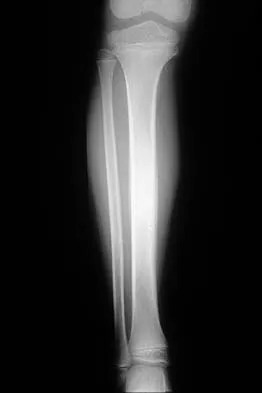
Key Takeaway
Here are the crucial details you must know about Restoring Mobility: Providing Orthopedic Care for Yemen's Neediest. Orthopedic care is a medical specialty focused on diagnosing, treating, preventing, and rehabilitating disorders and injuries of the musculoskeletal system, including bones, joints, muscles, and ligaments. This care is crucial for improving quality of life, reducing pain, and restoring function and mobility. We are dedicated to providing orthopedic care to patients, helping them overcome physical challenges and enhance their overall well-being.
As an academic orthopedic surgeon and medical educator, I recognize the profound challenges and critical importance of providing specialized musculoskeletal care in humanitarian crises. The ongoing conflict in Yemen has devastated its healthcare infrastructure, leaving a staggering number of individuals with complex, often neglected orthopedic injuries and conditions. This document aims to serve as a high-yield academic review, focusing on the principles and strategies essential for delivering effective orthopedic interventions in such a demanding environment, directed towards fellow surgeons, residents, and medical students contemplating or engaging in similar missions.
Introduction and Epidemiology
Orthopedic care encompasses the diagnosis, treatment, prevention, and rehabilitation of disorders and injuries affecting the musculoskeletal system, including bones, joints, muscles, tendons, ligaments, cartilage, nerves, and blood vessels critical for movement and function. In conflict zones such as Yemen, the epidemiological landscape of orthopedic pathology is profoundly altered. The protracted civil war, ongoing for over six years, has resulted in a disproportionate burden of high-energy trauma, ranging from ballistic injuries and blast-related trauma to landmine injuries and crush syndromes. These mechanisms often lead to devastating open fractures, extensive soft tissue loss, neurovascular compromise, and a high incidence of subsequent complications such as osteomyelitis, nonunion, and limb loss.
Beyond acute trauma, the collapse of primary healthcare services, coupled with widespread displacement and malnutrition, has exacerbated pre-existing conditions and led to the neglect of congenital deformities, chronic musculoskeletal pain syndromes, and degenerative joint diseases. Patients often present with advanced stages of pathology that would typically be managed much earlier in well-resourced settings. For instance, chronic osteomyelitis, untreated clubfoot deformities in older children, and severely neglected fractures are common presentations. The limited access to essential medical supplies, equipment, trained personnel, and rehabilitation services significantly compounds these challenges, impacting the quality of life, independence, and overall dignity of the affected population. The imperative for orthopedic intervention in this context extends beyond mere surgical fixation to comprehensive limb salvage, infection control, and functional restoration, often under austere conditions.
Global Burden of Conflict Related Musculoskeletal Trauma
The global burden of orthopedic trauma related to armed conflict is immense. Data from organizations like the World Health Organization and the International Committee of the Red Cross consistently demonstrate that musculoskeletal injuries are among the most common and debilitating consequences of war. In Yemen, specific epidemiological data are challenging to collect comprehensively, but anecdotal reports and limited studies indicate a high prevalence of extremity trauma, spinal injuries, and amputations. Civilian populations are disproportionately affected, often with multiple system injuries. The scarcity of diagnostic imaging, pathology services, and specialized surgical expertise means that many complex cases are undiagnosed or mismanaged, leading to lifelong disability. Understanding this unique epidemiological profile is paramount for tailoring appropriate and sustainable orthopedic interventions.
Resource Constraints and Ethical Considerations
Operating in a low-resource setting like Yemen necessitates a fundamental shift in clinical decision-making. The absence of advanced imaging (MRI, CT), limited availability of sterile environments, lack of essential surgical instruments, implants, and blood products, and scarcity of trained support staff (anesthesiologists, nurses, physical therapists) dictate a pragmatic, often staged approach to care. Ethical considerations frequently arise, including the allocation of scarce resources, the decision-making process for limb salvage versus amputation, and managing patient expectations given the limitations. Surgical teams must prioritize interventions that offer the greatest functional benefit with the lowest risk of complications, aligning with the "do no harm" principle while striving for the best possible outcomes under duress.
Surgical Anatomy and Biomechanics
A thorough understanding of surgical anatomy and biomechanics is foundational to effective orthopedic care, particularly in the context of complex war trauma. While the basic anatomical principles remain universal, their application in high-energy injuries demands a nuanced appreciation of tissue damage patterns, potential for contamination, and the altered biomechanical environment of a traumatized limb.
Extremity Surgical Anatomy
Focus on the common injury patterns in war zones necessitates detailed knowledge of extremity anatomy.
* Lower Extremity: The tibia and femur are frequently injured. Understanding the critical vascular structures (femoral artery, popliteal artery, anterior and posterior tibial arteries), major nerves (sciatic, common peroneal, tibial, femoral), and the fascial compartments is crucial for managing vascular compromise, nerve injuries, and compartment syndrome. Soft tissue envelopes around the tibia are notoriously thin anteriorly and medially, making open fractures prone to nonunion and infection.
* Upper Extremity: Humerus, radius, and ulna fractures are common. Awareness of the radial nerve's course in the spiral groove of the humerus, the ulnar nerve at the elbow, and the median nerve in the forearm is paramount to avoid iatrogenic injury. The rich muscle bulk of the arm and forearm can be protective but also masks significant deep tissue damage in blast injuries.
* Joints: Knee, ankle, elbow, and hip joint anatomy requires a clear understanding of ligamentous structures, articular cartilage, and joint capsule integrity. Intra-articular fractures are complex and demand meticulous reduction and stable fixation to prevent post-traumatic arthritis.
* Soft Tissue Envelopes: In high-energy trauma, the soft tissue envelope often dictates the approach and prognosis. Extensive devitalization of muscle, skin, and subcutaneous tissue compromises healing and increases infection risk. The concept of the "zone of injury" extends beyond the obvious wound margins.
Biomechanical Principles of Fracture Fixation
The biomechanical environment influences fracture healing. In war trauma, fixation strategies must accommodate extensive comminution, bone loss, and contamination.
* External Fixation: Often the primary choice for initial stabilization of open fractures, contaminated wounds, and polytrauma. It offers rigid stabilization, easy access for wound care, and allows for soft tissue recovery prior to definitive fixation. Principles of frame construction (pin placement, bar configuration, half-pins vs. transfixion pins) are critical for stability and preventing pin tract infection.
* Internal Fixation: Plating (compression, bridging, neutralization) and intramedullary nailing are definitive fixation methods.
* Plating: Requires anatomical reduction (absolute stability) for articular fractures or relative stability for metaphyseal/diaphyseal fractures with biological fixation. Careful contouring and screw placement are essential.
* Intramedullary Nailing: A load-sharing device, ideal for diaphyseal long bone fractures, particularly femur and tibia. Requires specialized equipment and reamers, often a luxury in austere environments. Offers relative stability and preserves periosteal blood supply.
* Load Sharing vs. Load Bearing: External fixation and plates can be load-bearing, taking most stress, while intramedullary nails are load-sharing, allowing physiological stress transfer through the bone. The choice depends on fracture pattern, bone quality, and available resources.
* Bone Healing: Primary (direct) healing with absolute stability and secondary (indirect) healing through callus formation with relative stability. The preference often leans towards strategies that promote robust callus formation in compromised tissues.
Internervous Planes
Surgical approaches should ideally utilize internervous planes to minimize muscle damage and preserve neurovascular structures. Examples include:
* Anterolateral Approach to the Tibia: Between tibialis anterior (deep peroneal nerve) and extensor digitorum longus (deep peroneal nerve) proximally, or between tibialis anterior and gastrocnemius/soleus (tibial nerve) distally.
* Deltopectoral Approach to the Humerus: Between the deltoid (axillary nerve) and pectoralis major (medial and lateral pectoral nerves).
* Direct Lateral Approach to the Femur: Between vastus lateralis (femoral nerve) and biceps femoris/gluteus maximus (sciatic nerve).
* Understanding these planes reduces surgical morbidity, preserves muscle function, and accelerates rehabilitation.
Indications and Contraindications
Surgical decision-making in Yemen's context is a delicate balance between optimal care and available resources. Indications for operative management are often expanded to address conditions that would be non-operative in well-resourced settings due to delays in presentation, while contraindications may be absolute due to severe resource limitations.
Operative Indications
Operative intervention is typically indicated for:
* Unstable Fractures: Displaced, comminuted, or segmentally unstable fractures that cannot be adequately reduced or held by non-operative means. This includes most long bone diaphyseal fractures, unstable articular fractures, and fractures with significant angulation or rotation.
* Open Fractures: All open fractures require surgical debridement and irrigation to prevent infection, typically followed by stabilization. Gustilo-Anderson classification guides management.
* Fractures with Neurovascular Compromise: Acute vascular injury requiring repair or severe nerve compression.
* Compartment Syndrome: Urgent fasciotomy is life-saving and limb-saving.
* Articular Fractures: Displaced intra-articular fractures where anatomical reduction is crucial for restoring joint congruence and preventing post-traumatic arthritis.
* Nonunions and Malunions: Especially those causing pain, deformity, or functional impairment. Requires revision surgery, often with bone grafting.
* Osteomyelitis: Surgical debridement of infected bone and soft tissue, often combined with local antibiotic delivery.
* Deformity Correction: Congenital (e.g., clubfoot, neglected developmental dysplasia of the hip) or acquired deformities causing functional limitations.
* Limb Salvage: Complex cases involving significant bone and soft tissue loss, where reconstruction is feasible and offers better functional outcome than amputation.
* Amputations: Indicated for unsalvageable limbs due to severe trauma, irreversible ischemia, overwhelming infection, or extensive tissue loss.
Non-Operative Indications
Non-operative management is typically indicated for:
* Stable Fractures: Minimally displaced fractures, hairline fractures, or those inherently stable due to anatomical configuration.
* Medically Unstable Patients: Patients with severe polytrauma, hemodynamic instability, or other life-threatening conditions where surgical intervention would carry unacceptable risk (damage control orthopedics principles).
* Fractures in Poor Soft Tissue Conditions: Where surgical incision would compromise an already precarious soft tissue envelope, potentially leading to wound breakdown or infection.
* Resource Limitations: When appropriate surgical expertise, sterile environment, necessary implants, or post-operative care are unavailable, non-operative management may be the only viable option, even for surgically indicated fractures.
* Patient Preference: After thorough counseling on risks and benefits of all options.
Operative vs. Non-Operative Indications
| Indication Category | Operative Management | Non-Operative Management |
|---|---|---|
| Fracture Stability | Unstable, displaced, comminuted, segmental fractures | Stable, minimally displaced, hairline fractures |
| Open Wounds | All open fractures (debridement, stabilization) | Closed fractures without neurovascular compromise |
| Neurovascular Status | Fractures with acute vascular compromise, nerve entrapment | Intact neurovascular status |
| Compartment Syndrome | Acute compartment syndrome (fasciotomy) | Absence of compartment syndrome |
| Articular Involvement | Displaced intra-articular fractures | Non-displaced intra-articular fractures (rarely) |
| Infection | Acute or chronic osteomyelitis (debridement) | Cellulitis without underlying bone infection |
| Deformity | Functional impairment due to malunion or congenital deformity | Non-symptomatic or mild, non-progressive deformities |
| Limb Salvage | Feasible reconstruction offering better function | Unsalvageable limbs (amputation becomes operative) |
| Patient Condition | Medically stable, optimized for surgery | Hemodynamically unstable, severe comorbidities |
| Resource Availability | Availability of expertise, sterile environment, implants | Severe limitations of surgical resources, staff, or equipment |
Pre Operative Planning and Patient Positioning
Meticulous pre-operative planning and appropriate patient positioning are critical for successful orthopedic surgery, especially in austere environments where error margins are minimal.
Pre Operative Planning
- Clinical Assessment and Optimization: A comprehensive history and physical examination are paramount. Evaluate patient's general health, nutritional status (often compromised in Yemen), co-morbidities, and hemodynamic stability. Aggressively manage anemia, correct electrolyte imbalances, and optimize infection control. Pre-operative antibiotics, including tetanus prophylaxis, are essential for open wounds.
- Imaging: While advanced imaging (CT, MRI) may be limited, plain radiographs are indispensable. Obtain at least two orthogonal views, including joints above and below the injury. Traction views can aid in assessing fracture patterns. Basic ultrasound may be available for vascular assessment.
- Surgical Strategy:
- Fracture Classification: Classify the fracture (e.g., AO/OTA, Gustilo-Anderson for open fractures).
- Implant Selection: Based on fracture pattern, bone quality, and critically, availability. Be prepared with alternative fixation strategies if preferred implants are unavailable. External fixation is often the workhorse.
- Approach Planning: Determine the safest and most effective surgical approach, considering internervous planes, previous wounds, and potential soft tissue compromise.
- Contingency Planning: Always have a backup plan for potential intra-operative challenges, such as unexpected comminution, implant failure, or neurovascular injury.
- Informed Consent: Obtain informed consent from the patient or guardian, clearly explaining the procedure, potential risks (especially infection and nonunion in the given context), anticipated outcomes, and limitations due to resource scarcity.
- Team Briefing: A pre-operative briefing with the surgical, anesthesia, and nursing teams ensures everyone is aware of the plan, patient specifics, and potential challenges.
Patient Positioning
Proper positioning prevents iatrogenic injury, optimizes surgical access, and allows for fluoroscopic imaging when available.
1. General Principles:
* Padding: All pressure points (heels, sacrum, elbows, ulnar nerve, peroneal nerve) must be meticulously padded to prevent pressure sores and nerve palsies.
* Safety Belts: Secure the patient to the operating table to prevent movement.
* Anesthesia Considerations: Ensure the patient's airway, breathing, and circulation are continuously monitored and accessible to the anesthesia team.
2. Specific Positions:
* Supine: Common for lower extremity fractures (tibia, distal femur), upper extremity (humerus, forearm), and anterior pelvic ring. C-arm access is generally good.
* Prone: Used for posterior approaches to the spine, calcaneus, posterior ankle, and sometimes the humerus or posterior thigh. Careful padding of the chest, pelvis, and ankles is crucial. Respiratory mechanics must be monitored.
* Lateral Decubitus: For lateral approaches to the hip, proximal femur, or humerus, and for posterior approaches to the tibia/fibula. Axillary roll and padding of the dependent limb are essential.
* Beach Chair (Semi-Fowler): Primarily for shoulder surgery. Head and neck position must be monitored to prevent cerebral ischemia or nerve injury.
3. Traction Table: When available, a traction table can aid in reducing long bone fractures (femur, tibia) and maintaining length during fixation. Requires meticulous setup to prevent perineal nerve compression or undue skin traction.
4. C-arm Access: Position the patient to allow unrestricted C-arm access from various angles without having to reposition the patient significantly intra-operatively.
Detailed Surgical Approach and Technique
This section will detail general principles and specific considerations for common orthopedic surgical interventions in a resource-limited, conflict-affected environment, focusing on maximizing outcomes while minimizing complications.
Principles of War Wound Management
- Aggressive Debridement and Irrigation: The cornerstone of open fracture management in contaminated wounds. All devitalized tissue (skin, subcutaneous fat, muscle, fascia, bone fragments without soft tissue attachment) must be meticulously removed until healthy, bleeding tissue is encountered. Repeated debridements (second look operations) are often necessary. Copious irrigation with saline (ideally 6-9 liters per major open fracture) reduces bacterial load.
- Antibiotic Prophylaxis: Broad-spectrum intravenous antibiotics initiated pre-operatively and continued for 24-72 hours post-operatively, or longer if severe contamination/infection is present. Tetanus prophylaxis is mandatory.
- Wound Management: Open wounds are often managed with delayed primary closure or secondary intention. Negative pressure wound therapy (if available) or simple sterile dressings facilitate granulation tissue formation. Skin grafting or local flap coverage may be required for larger defects.
- Fracture Stabilization: Early stabilization is crucial for pain control, preventing further tissue damage, and facilitating wound care. External fixation is often the preferred initial method for open fractures and polytrauma.
Open Fracture Management
- Gustilo-Anderson Classification: Guides management strategy.
- Type I: <1 cm wound, minimal soft tissue damage.
- Type II: 1-10 cm wound, moderate soft tissue damage.
- Type III: >10 cm wound, extensive soft tissue damage, high contamination. Subtypes A (adequate soft tissue coverage), B (periosteal stripping, bone exposure, requires soft tissue reconstruction), C (associated arterial injury requiring repair).
- Surgical Steps:
- Debridement: Meticulous excision of non-viable tissue.
- Irrigation: High volume, low pressure saline wash.
- Stabilization: External fixation for most Type II and Type III fractures. Internal fixation (IM nail, plates) may be considered for Type I and some Type II fractures if soft tissues are amenable and resources permit.
- Wound Coverage: Delayed primary closure, skin graft, or flap after 48-72 hours when the wound is clean.
- Bone Loss: For significant bone loss, options include bone transport with external fixators (Ilizarov/Taylor spatial frame if available and expertise present), vascularized free fibula grafts (highly resource-dependent), or non-vascularized autograft. In austere settings, staged reconstruction with cement spacers or serial debridement and eventual autograft may be more realistic.
Long Bone Fracture Fixation
- Femoral Shaft Fractures:
- Approach: Lateral approach for plating, trochanteric entry for intramedullary nailing.
- Technique (IM Nailing): Reamed or unreamed. Reamed nails offer stronger fixation but increase heat generation and risk of fat embolism. Entry point (piriformis vs. trochanteric) selection. Meticulous reaming, nail insertion, and interlocking screws (proximal and distal). Challenges include C-arm availability and reamer/nail size matching.
- Technique (Plating): Lateral subvastus or direct lateral approach. Bridge plating for comminuted fractures or compression plating for simple patterns. Less invasive plate osteosynthesis (LIPO) techniques can preserve soft tissues but require specific instruments.
- Tibial Shaft Fractures:
- Approach: Anterolateral approach for plating or direct incision over the fracture for IM nailing entry.
- Technique (IM Nailing): Similar principles to femur. Patellar tendon splitting or paratendinous approach for entry. Challenges include maintaining proper alignment and avoiding malrotation.
- Technique (Plating): Anteromedial or anterolateral approach. Bridge plating common. High risk of soft tissue complications, especially in Type III open fractures. External fixation is often preferred initially.
- Humeral Shaft Fractures:
- Approach: Deltopectoral for proximal, anterolateral for middle, posterior for distal.
- Technique (Plating): Compression or bridge plating depending on fracture pattern. Careful identification and protection of the radial nerve.
- Technique (IM Nailing): Antegrade or retrograde. Less common due to shoulder and elbow impingement risks.
Joint Fracture Management
Articular fractures demand anatomical reduction and stable fixation to restore joint mechanics. This can be particularly challenging with comminution. Small fragment fixation, fine wire external fixation, or limited arthroplasty (for specific cases like femoral neck in elderly, less common in young war victims) may be options.
Amputations
- Indications: Unsalvageable limbs due to severe trauma, irreversible ischemia, overwhelming infection, or extensive tissue loss. The decision is often life-saving.
- Principles:
- Level Selection: Aim for the most distal level possible that allows for primary wound closure, is free of infection, and will support future prosthetic fitting. Common levels: transtibial, transfemoral, transhumeral.
- Technique: Preserve maximal length. Create muscle flaps (myoplasty or myofascial flaps) to cushion the bone end and provide muscle balance. Bevel bone edges. Ensure adequate soft tissue coverage. Identify and ligate vessels, resect and bury nerves away from pressure points to prevent neuromas.
- Post-operative: Meticulous wound care, compression bandaging to shape the stump, early mobilization, and prosthetic fitting as soon as wound healing permits. This requires a robust rehabilitation infrastructure, which is often lacking.
Infection Management
- Acute Osteomyelitis: Aggressive surgical debridement, irrigation, cultures to guide targeted antibiotics, and stabilization of any associated fracture.
- Chronic Osteomyelitis: Often presents with sequestrum and involucrum. Requires thorough surgical debridement of all necrotic bone, removal of hardware if present, and often a planned staged reconstruction with antibiotic beads (PMMA) or calcium sulfate pellets, followed by bone grafting or bone transport. Prolonged targeted IV antibiotics are crucial.
Complications and Management
Complications are unfortunately frequent in war trauma, especially in resource-limited settings. Proactive recognition and management are critical for optimizing outcomes.
| Complication | Incidence (Approximate, Conflict Trauma) | Salvage Strategies |
|---|---|---|
| Surgical Site Infection | 10-30% (open fractures higher) | Aggressive wound debridement, targeted antibiotics (based on culture), secondary closure or wound care, removal of hardware if infected and stable bone (or exchange nailing/fixation). |
| Osteomyelitis | 5-15% (Type III open fractures higher) | Extensive debridement of necrotic bone and soft tissue, prolonged targeted IV antibiotics, local antibiotic delivery (PMMA beads), bone grafting or reconstruction, hardware removal/exchange. |
| Nonunion | 5-20% | Revision surgery with stable fixation, bone grafting (autograft preferred, allograft if available), biological augmentation (e.g., concentrated bone marrow aspirate if facilities exist). Addressing underlying infection or soft tissue issues. |
| Malunion | 5-15% | Corrective osteotomy (if symptomatic and causing functional deficit), external fixation with deformity correction capabilities (e.g., Ilizarov). |
| Hardware Failure | 5-10% | Revision surgery with stronger fixation, exchange nailing, or addition of supplementary fixation. Address underlying factors like nonunion or infection. |
| Neurovascular Injury | 2-5% (higher in blast/gunshot) | Immediate surgical exploration, repair or grafting of vessels, nerve repair (direct repair or grafting) if feasible within specific timeframes. Long-term rehabilitation, bracing, and potentially tendon transfers. |
| Compartment Syndrome | 1-3% (acute trauma) | Emergent fasciotomy. Post-fasciotomy wound care, delayed primary closure, or skin grafting. |
| DVT/Pulmonary Embolism | Variable, underestimated due to lack of screening | Prophylactic anticoagulation (chemical and mechanical) for high-risk patients. Treatment with therapeutic anticoagulation for confirmed events. |
| Heterotopic Ossification | 5-20% (especially blast injuries, head trauma) | Prophylaxis with NSAIDs or radiation in high-risk patients (if available). Surgical excision if symptomatic and mature. |
| Chronic Pain | High (up to 50% post-trauma) | Multimodal pain management, physical therapy, psychological support. Addressing underlying musculoskeletal pathology (nonunion, malunion, nerve entrapment). Neuropathic pain management (gabapentin, pregabalin). |
| Pressure Sores/Skin Necrosis | 5-10% (due to poor soft tissue, immobility) | Prevention through meticulous positioning and early mobilization. Wound care, debridement, skin grafting, or flap reconstruction for established ulcers. |
| Amputation Stump Complications | 10-20% | Wound dehiscence, infection, neuromas, phantom limb pain. Revision surgery for dehiscence/infection, targeted pain management, physical therapy, prosthetic adjustments. |
Prevention and Mitigation Strategies
In a resource-constrained setting, prevention is paramount. Strict adherence to aseptic technique, meticulous debridement, appropriate antibiotic prophylaxis, and judicious use of external fixation for initial stabilization are crucial. Early mobilization and robust post-operative care, even if basic, help reduce pulmonary and thromboembolic complications. Patient education on wound care and signs of infection empowers them to seek early intervention.
Post Operative Rehabilitation Protocols
Post-operative rehabilitation is as critical as the surgery itself for restoring function and improving quality of life, particularly for complex war-related injuries. In Yemen, rehabilitation resources are often severely limited, necessitating creative, community-based, and patient-centered approaches.
Phases of Rehabilitation
- Acute Phase (Hospitalization):
- Pain Management: Multi-modal approach (opioids, NSAIDs, regional blocks if available) to facilitate early movement.
- Wound Care: Meticulous dressing changes, monitoring for infection, and managing wound healing.
- Early Mobilization: As soon as medically safe and fracture stability allows. This might include bed mobility, assisted transfers, and early weight-bearing (partial or protected) if indicated. Prevents contractures, muscle atrophy, and secondary complications like DVT and pneumonia.
- Range of Motion (ROM) Exercises: Passive, active-assisted, or active ROM exercises to prevent joint stiffness and maintain flexibility.
- Basic Strength Training: Isometric exercises to maintain muscle tone.
- Subacute Phase (Post-Discharge/Outpatient):
- Progressive Weight Bearing: Guided by fracture healing status and stability of fixation.
- Advanced Strengthening: Gradual progression of resistance exercises for affected and surrounding muscle groups.
- Gait Training: With appropriate assistive devices (crutches, walkers) and focusing on proper biomechanics. For amputees, this involves training with prosthetics.
- Functional Training: Activities of daily living (ADLs), transfers, and mobility relevant to the patient's home environment.
- Scar Management: Massage, silicone sheeting (if available) to minimize scar tissue contracture.
- Edema Control: Elevation, compression.
- Chronic Phase (Long-Term Integration):
- Community Integration: Facilitating return to work, school, and social activities.
- Prosthetics and Orthotics (P&O): Essential for amputees and patients with significant limb deformities. P&O services are extremely limited in Yemen, requiring substantial investment and training. Custom fabrication and fitting, as well as regular adjustments, are vital.
- Psychological Support: Many war-injured patients suffer from PTSD, depression, and anxiety. Access to mental health services is crucial but often unavailable.
- Vocational Training: To help individuals re-enter the workforce, especially after life-altering injuries or amputations.
Challenges in Yemen
- Lack of Trained Personnel: Shortage of physical therapists, occupational therapists, prosthetists, and orthotists.
- Limited Equipment: Basic exercise equipment, assistive devices, and prosthetic components are scarce.
- Poor Infrastructure: Damaged or non-existent rehabilitation centers.
- Patient Compliance and Follow-up: Difficult due to displacement, lack of transportation, and financial constraints.
- Cultural and Social Barriers: Stigma associated with disability.
Strategies for Austere Environments
- "Train the Trainer" Models: Empowering local healthcare workers, family members, or community volunteers with basic rehabilitation skills.
- Simple, Low-Cost Devices: Utilizing locally sourced materials for splints, braces, and assistive devices.
- Home Exercise Programs: Designing simple, clear instructions for exercises that can be performed without specialized equipment.
- Tele-rehabilitation: Exploring remote consultation and guidance where connectivity allows.
- Integrated Care: Bridging the gap between surgical teams and rehabilitation efforts, even if informal.
Summary of Key Literature and Guidelines
Navigating orthopedic care in a conflict zone like Yemen requires a synthesis of established surgical principles with practical adaptations dictated by resource limitations. While specific high-level evidence from Yemen is scarce, international guidelines provide a framework.
International Guidelines and Best Practices
- AO Principles: The AO Foundation's principles of fracture management (anatomical reduction, stable fixation, preservation of blood supply, early mobilization) remain the gold standard. However, their application must be adapted. For instance, absolute stability and anatomical reduction may be compromised in severe open fractures where biological fixation and relative stability are prioritized.
- ICRC Guidelines for War Surgery: The International Committee of the Red Cross (ICRC) has extensive experience and published guidelines for managing war wounds and trauma. Key tenets include:
- Aggressive and Repeated Debridement: Essential for all contaminated wounds.
- Delayed Primary Closure: Most war wounds should not be primarily closed due to high infection risk.
- Use of External Fixation: Favored for initial stabilization of open fractures due to ease of application, adjustability, and wound access.
- Conservative Amputation: Preserve as much length as possible, prioritizing functional stumps.
- WHO Emergency and Trauma Care: The World Health Organization (WHO) provides guidance on strengthening emergency and trauma care systems, relevant for rebuilding infrastructure in post-conflict or ongoing conflict settings. This includes basic surgical standards, infection prevention, and rehabilitation.
- Damage Control Orthopedics (DCO): For polytrauma patients, DCO principles are vital. Initial stabilization of life-threatening injuries, temporary external fixation of fractures, and delayed definitive orthopedic surgery once the patient is physiologically stable. This approach minimizes the "second hit" of prolonged surgery on an unstable patient.
Adapting Evidence-Based Medicine
In austere environments, strictly adhering to Western-centric, evidence-based guidelines can be impractical. The concept of "resource-appropriate care" becomes paramount.
* Prioritization: Surgical interventions must be prioritized based on immediate life- or limb-saving potential, and ability to achieve a functional outcome with available resources.
* Simplicity and Robustness: Preference for simpler, more robust techniques and implants that are less prone to failure in challenging environments and can be managed by local staff.
* Infection Control: A heightened focus on infection prevention given the high rates and limited treatment options.
* Training and Education: Investing in the training of local surgeons, nurses, and rehabilitation professionals is crucial for sustainability.
* Data Collection: Even basic data collection on outcomes, complications, and resource utilization is essential to build local evidence and inform future interventions.
The Yemeni Context
Specific literature on orthopedic outcomes in Yemen is limited. However, experiences from other conflict zones (e.g., Afghanistan, Syria, Iraq) provide valuable insights into the challenges of high-energy trauma, neglected infections, and the profound impact of resource scarcity. Organizations like Doctors Without Borders (MSF) and the ICRC continuously contribute to this body of knowledge through their field experiences.
The provision of orthopedic care in Yemen transcends technical surgery; it involves a deep understanding of humanitarian principles, resourcefulness, adaptability, and a commitment to long-term functional recovery for a population facing immense adversity. As academic orthopedic surgeons, our role extends to advocating for resources, training, and fostering sustainable solutions for these vulnerable populations.
