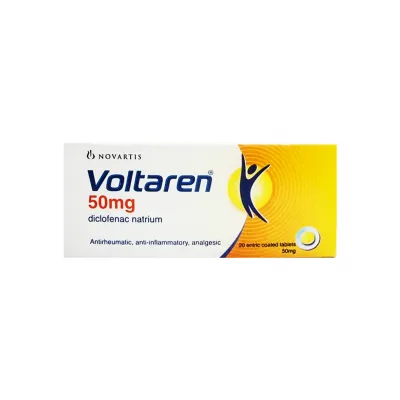
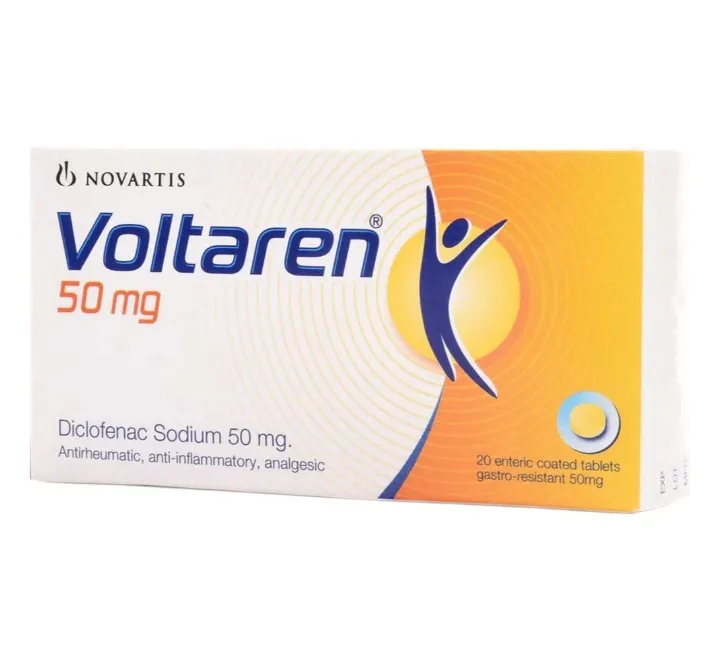
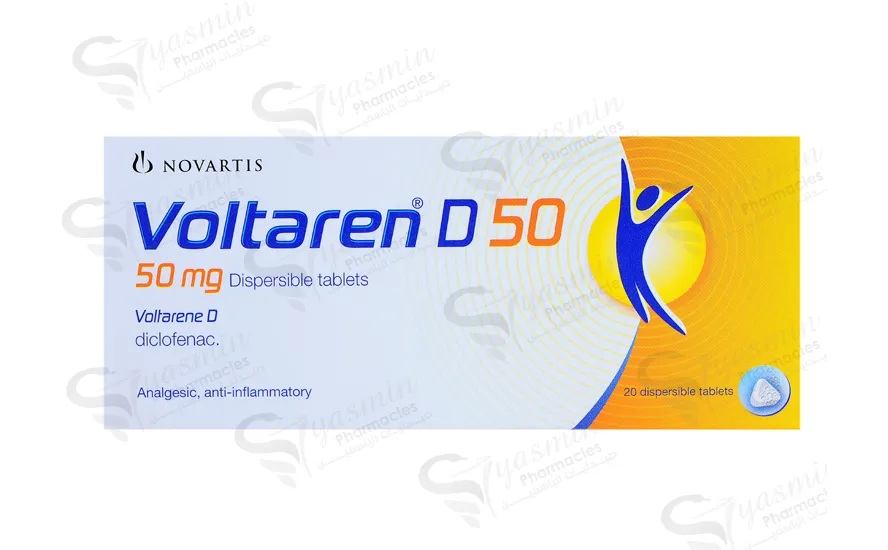
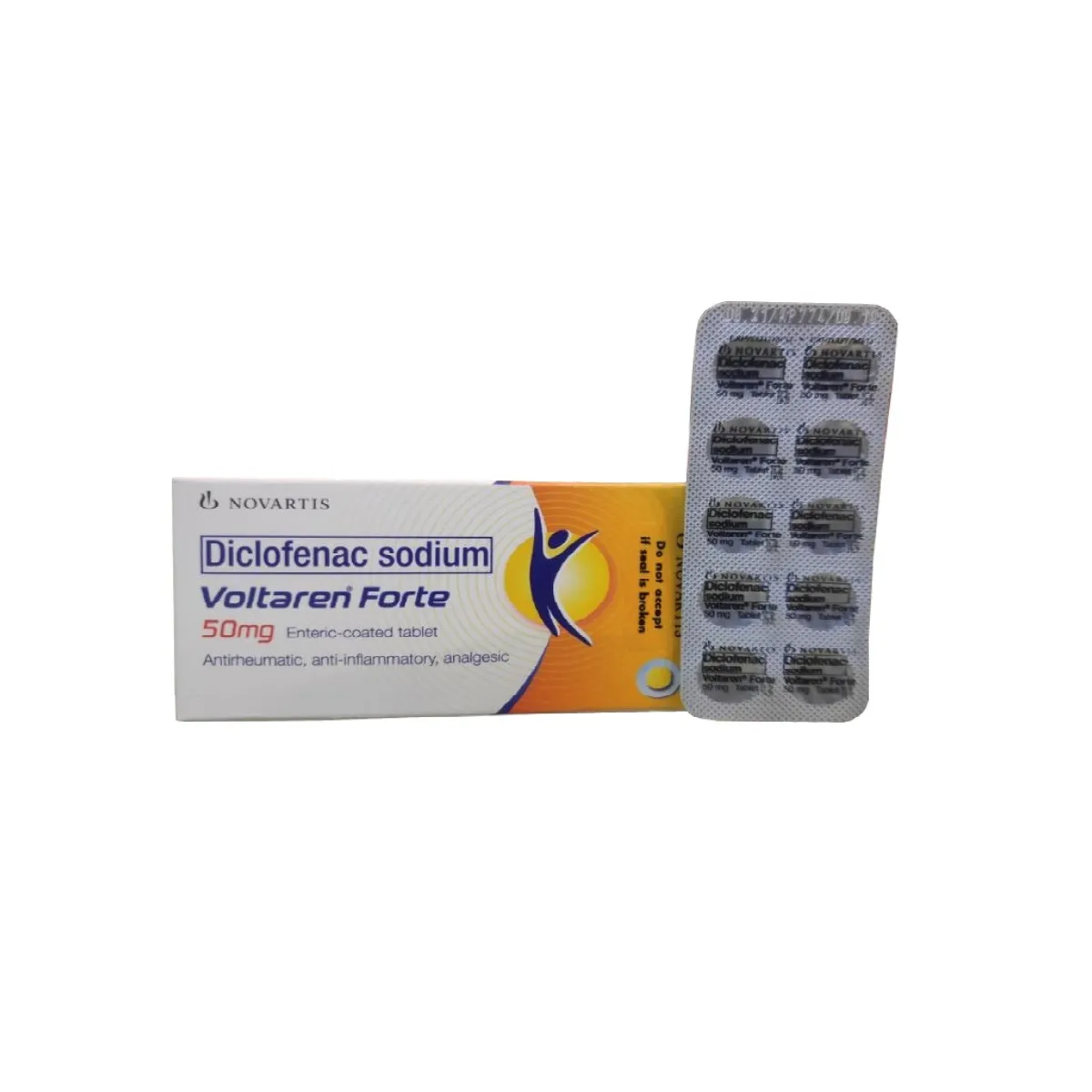
1. Comprehensive Introduction & Overview: Voltaren Tablet (Diclofenac)
Voltaren Tablet, with its active pharmaceutical ingredient diclofenac sodium, stands as a cornerstone in the management of pain and inflammation across various medical disciplines, particularly in orthopedics. As a non-steroidal anti-inflammatory drug (NSAID), diclofenac is widely prescribed for its potent analgesic, anti-inflammatory, and antipyretic properties. It addresses symptoms associated with a broad spectrum of conditions, from chronic debilitating diseases like arthritis to acute musculoskeletal injuries and post-operative pain.
First introduced in 1974, diclofenac has since become one of the most frequently used NSAIDs globally. Its efficacy in reducing pain and swelling has made it an indispensable tool for healthcare providers aiming to improve patients' quality of life. This comprehensive guide aims to provide an exhaustive overview of Voltaren Tablet, delving into its intricate mechanisms, clinical applications, safety profile, and essential considerations for both patients and healthcare professionals. While this guide provides authoritative medical information, it is crucial to remember that it does not substitute for personalized medical advice from a qualified healthcare provider.
2. Deep-Dive into Technical Specifications & Mechanisms
Understanding how Voltaren Tablet works requires an exploration of its pharmacological actions within the body.
### Mechanism of Action: How Voltaren Tablet Works
Voltaren (diclofenac) exerts its therapeutic effects primarily by inhibiting the synthesis of prostaglandins, which are key mediators of pain, inflammation, and fever. This inhibition is achieved through the reversible blockade of cyclooxygenase (COX) enzymes.
- Cyclooxygenase (COX) Inhibition:
- COX-1 (Constitutive Isoform): This enzyme is constitutively expressed in most tissues and is involved in maintaining normal physiological functions, such as gastric mucosal protection, renal blood flow regulation, and platelet aggregation. Inhibition of COX-1 is responsible for some of the common side effects of NSAIDs, particularly gastrointestinal disturbances and effects on platelet function.
- COX-2 (Inducible Isoform): This enzyme is largely undetectable in most tissues under normal physiological conditions but is rapidly induced at sites of inflammation by various pro-inflammatory stimuli (e.g., cytokines, growth factors). COX-2 produces prostaglandins that mediate pain, inflammation, and fever.
- Diclofenac's Specificity: Diclofenac is considered a non-selective NSAID, meaning it inhibits both COX-1 and COX-2 enzymes. However, it exhibits a slight preference for COX-2 inhibition, which contributes to its potent anti-inflammatory effects while still carrying the risk of COX-1 mediated side effects. By reducing prostaglandin synthesis, diclofenac effectively diminishes the inflammatory response, alleviates pain, and lowers fever.
### Pharmacokinetics: The Journey of Diclofenac in Your Body
The pharmacokinetics of diclofenac describe how the body absorbs, distributes, metabolizes, and excretes the drug.
- Absorption:
- Voltaren Tablets are rapidly and almost completely absorbed from the gastrointestinal tract following oral administration.
- Peak plasma concentrations are typically achieved within 2-3 hours for conventional tablets. Enteric-coated formulations may have a delayed onset but similar total absorption.
- Food intake can delay the rate of absorption but generally does not affect the extent of absorption.
- Distribution:
- Diclofenac is extensively bound to plasma proteins, primarily albumin (over 99%).
- It readily penetrates synovial fluid, where its concentrations may remain higher than in plasma for an extended period, contributing to its sustained therapeutic effect in joint conditions.
- The volume of distribution is relatively small.
- Metabolism:
- Diclofenac undergoes extensive first-pass metabolism in the liver.
- It is primarily metabolized by hydroxylation and subsequent glucuronidation.
- The main enzymes involved are cytochrome P450 enzymes, particularly CYP2C9 and CYP3A4.
- Most metabolites are pharmacologically inactive, though some weak activity exists.
- Excretion:
- Approximately 60% of the administered dose is excreted in the urine as metabolites, and about 30% is eliminated in the bile via feces.
- The terminal elimination half-life of diclofenac in plasma is relatively short, typically 1-2 hours. However, due to its accumulation in inflamed tissues and synovial fluid, its pharmacological duration of action is significantly longer.
3. Extensive Clinical Indications & Usage
Voltaren Tablet is indicated for a wide array of conditions where pain and inflammation are prominent symptoms. Its versatility makes it a valuable therapeutic option across various medical specialties.
### Approved Indications for Voltaren Tablet
Voltaren Tablet is approved for the treatment of:
- Rheumatoid Arthritis: A chronic, systemic autoimmune disease characterized by inflammation of the synovial joints, leading to pain, stiffness, swelling, and potential joint destruction. Diclofenac helps manage the symptomatic pain and inflammation.
- Osteoarthritis: A degenerative joint disease resulting from the breakdown of joint cartilage and underlying bone. Voltaren alleviates the pain and improves joint function, particularly in weight-bearing joints.
- Ankylosing Spondylitis: A chronic inflammatory disease primarily affecting the axial skeleton, leading to pain and progressive stiffness in the spine. Diclofenac helps reduce inflammation and pain, improving spinal mobility.
- Acute Pain Syndromes:
- Post-traumatic pain: Such as sprains, strains, dislocations, and fractures.
- Post-operative pain: Following surgical procedures, to reduce pain and inflammation.
- Renal Colic: Severe pain associated with kidney stones, though often parenteral formulations are preferred for rapid relief.
- Dysmenorrhea (Menstrual Pain): Effectively reduces uterine cramping and associated pain.
- Migraine Attacks: Specific formulations of diclofenac (e.g., diclofenac potassium for rapid absorption) are indicated for the acute treatment of migraine attacks with or without aura.
- Other Inflammatory Conditions:
- Bursitis and Tendinitis: Inflammation of bursae and tendons, respectively, often caused by overuse or injury.
- Acute Gout Attacks: While not a first-line treatment, it can be used to manage the severe pain and inflammation of acute gout.
### Dosage Guidelines and Administration
The dosage of Voltaren Tablet should always be individualized, aiming for the lowest effective dose for the shortest possible duration to minimize the risk of adverse effects.
-
General Principles:
- Start with the lowest recommended dose.
- Adjust dose based on patient response and tolerability.
- Do not exceed the maximum recommended daily dose.
- Administer with food or milk to minimize gastrointestinal irritation.
- Swallow tablets whole; do not crush, chew, or break extended-release formulations.
-
Adult Dosage for Common Indications (Typical Ranges):
| Indication | Recommended Initial Dose (Oral) | Maintenance Dose (Oral) | Maximum Daily Dose (Oral) |
|---|---|---|---|
| Osteoarthritis | 50 mg BID or 75 mg QD | 50 mg BID-TID or 75 mg BID | 150 mg |
| Rheumatoid Arthritis | 50 mg BID-TID or 75 mg BID | 50 mg TID or 75 mg BID | 200 mg |
| Ankylosing Spondylitis | 25 mg QID | 25 mg QID or 50 mg BID | 125 mg |
| Acute Pain/Dysmenorrhea | 50 mg TID | 50 mg TID | 150 mg |
| Migraine (Diclofenac K) | 50 mg as a single dose | Repeat if needed after 2 hours | 100 mg |
- Special Populations:
- Elderly Patients: Elderly individuals are at an increased risk of serious adverse effects, particularly gastrointestinal bleeding and renal impairment. A lower starting dose should be considered, and careful monitoring is essential.
- Renal Impairment: Diclofenac should be used with caution in patients with mild to moderate renal impairment. It is generally contraindicated in severe renal impairment due to the risk of worsening renal function. Dose adjustments may be necessary.
- Hepatic Impairment: Patients with mild to moderate hepatic impairment should be monitored closely. Diclofenac is contraindicated in severe hepatic impairment.
4. Risks, Side Effects, and Contraindications
While highly effective, Voltaren Tablet is associated with a range of potential side effects and carries important contraindications. Awareness of these is crucial for safe and effective use.
### Potential Side Effects of Voltaren Tablet
Side effects can range from mild to severe, and their incidence often depends on the dose and duration of treatment.
- Gastrointestinal (GI) Effects (Most Common):
- Nausea, vomiting, diarrhea, constipation, indigestion, abdominal pain.
- Serious GI effects: Gastric or duodenal ulcers, bleeding (melena, hematemesis), perforation. These risks increase with higher doses, prolonged use, advanced age, concurrent corticosteroid or anticoagulant use, and a history of GI disease.
- Cardiovascular Effects (Black Box Warning):
- Increased risk of serious cardiovascular thrombotic events, including myocardial infarction (MI) and stroke, which can be fatal. This risk may increase with duration of use and in patients with pre-existing cardiovascular disease or risk factors.
- Voltaren is contraindicated for the treatment of peri-operative pain in the setting of coronary artery bypass graft (CABG) surgery due to increased risk of MI and stroke.
- May lead to new onset or worsening of hypertension and can increase the risk of heart failure.
- Renal Effects:
- Acute kidney injury, papillary necrosis, interstitial nephritis.
- Fluid retention and edema.
- Hyperkalemia.
- Risk is higher in elderly, dehydrated patients, those with pre-existing renal disease, heart failure, or concurrent diuretic/ACE inhibitor use.
- Hepatic Effects:
- Elevation of liver enzymes (transaminases) is common and usually transient.
- Rare cases of severe liver injury, including fulminant hepatitis, liver necrosis, and hepatic failure, some of which have been fatal. Patients should be monitored for signs of liver dysfunction.
- Dermatologic Effects:
- Rash, pruritus, urticaria.
- Photosensitivity reactions.
- Rare but serious skin reactions: Stevens-Johnson syndrome (SJS), toxic epidermal necrolysis (TEN), exfoliative dermatitis. Discontinue at the first sign of rash.
- Hematologic Effects:
- Anemia, prolonged bleeding time (due to antiplatelet effect, primarily COX-1 inhibition).
- Rarely, agranulocytosis, thrombocytopenia, aplastic anemia.
- Central Nervous System (CNS) Effects:
- Headache, dizziness, vertigo.
- Tinnitus (ringing in the ears).
- Drowsiness, insomnia.
- In rare cases, aseptic meningitis.
### Contraindications: When Not to Use Voltaren Tablet
Voltaren Tablet is contraindicated in patients with:
- Known hypersensitivity (e.g., anaphylactic reactions, asthma, urticaria, or other allergic-type reactions) to diclofenac or any other NSAID, including aspirin.
- History of aspirin-induced asthma or other NSAID-induced allergic reactions.
- Peri-operative pain in the setting of coronary artery bypass graft (CABG) surgery.
- Active gastrointestinal bleeding or a history of recurrent peptic ulcer disease/hemorrhage.
- Severe renal impairment (creatinine clearance <30 mL/min) or end-stage renal disease.
- Severe hepatic impairment.
- Late pregnancy (third trimester).
- Congestive heart failure (NYHA Class II-IV).
### Drug Interactions: Important Considerations
Concomitant use of Voltaren Tablet with certain medications can lead to significant drug interactions, potentially increasing the risk of adverse effects or altering drug efficacy.
| Interacting Drug/Class | Potential Interaction
Volt to the the point where the user can choose the correct answer.
### Pregnancy and Lactation Warnings
The use of NSAIDs during pregnancy and lactation requires careful consideration due to potential risks to both mother and fetus/infant.
- Pregnancy:
- First and Second Trimester: Use of diclofenac during early to mid-pregnancy should only occur if the potential benefit outweighs the potential risk to the fetus. Some observational studies suggest an increased risk of miscarriage and cardiac malformation after use of prostaglandins synthesis inhibitors in early pregnancy.
- Third Trimester: Voltaren Tablet is ABSOLUTELY CONTRAINDICATED during the third trimester of pregnancy. NSAIDs can cause premature closure of the fetal ductus arteriosus, leading to persistent pulmonary hypertension in the newborn. They can also impair fetal renal function, resulting in oligohydramnios (low amniotic fluid) and, in some cases, renal impairment in the newborn. Inhibition of uterine contractions and delayed labor are also potential risks.
- Lactation (Breastfeeding):
- Diclofenac is excreted into breast milk in small quantities.
- While the amount is generally considered low, there is a theoretical risk of adverse effects in the nursing infant (e.g., cardiovascular or renal effects).
- Healthcare providers should weigh the benefits of breastfeeding against the potential risks to the infant and the mother's need for treatment. If used, monitor the infant for any adverse reactions.
### Overdose Management
In the event of an overdose with Voltaren Tablet, immediate medical attention is necessary.
- Symptoms of Overdose:
- General symptoms may include drowsiness, lethargy, nausea, vomiting, epigastric pain, and gastrointestinal bleeding.
- More severe or rare symptoms can include acute renal failure, liver damage, respiratory depression, hypotension, coma, and convulsions (especially in children).
- Management:
- No specific antidote for diclofenac overdose exists.
- Treatment is primarily symptomatic and supportive.
- Gastric decontamination: If an overdose is recognized within one hour of ingestion, activated charcoal may be administered. Gastric lavage may be considered in cases of very large, life-threatening ingestions.
- Monitor vital signs (blood pressure, heart rate, respiratory rate), renal function (creatinine, urine output), and liver function (transaminases).
- Manage complications:
- For convulsions, administer benzodiazepines (e.g., diazepam).
- For hypotension, administer intravenous fluids and vasopressors if necessary.
- Correct electrolyte imbalances.
- Ensure adequate urine output.
- For severe intoxication, hemodialysis or hemoperfusion are unlikely to be effective due to the high protein binding of diclofenac.
5. Massive FAQ Section
Here are some frequently asked questions about Voltaren Tablet:
### Q1: What is the main difference between Voltaren Tablet and other NSAIDs like ibuprofen?
While both Voltaren (diclofenac) and ibuprofen are NSAIDs that work by inhibiting prostaglandin