Vigantol: An Exhaustive Medical SEO Guide to Vitamin D3 Supplementation
Introduction to Vigantol and the Vital Role of Vitamin D
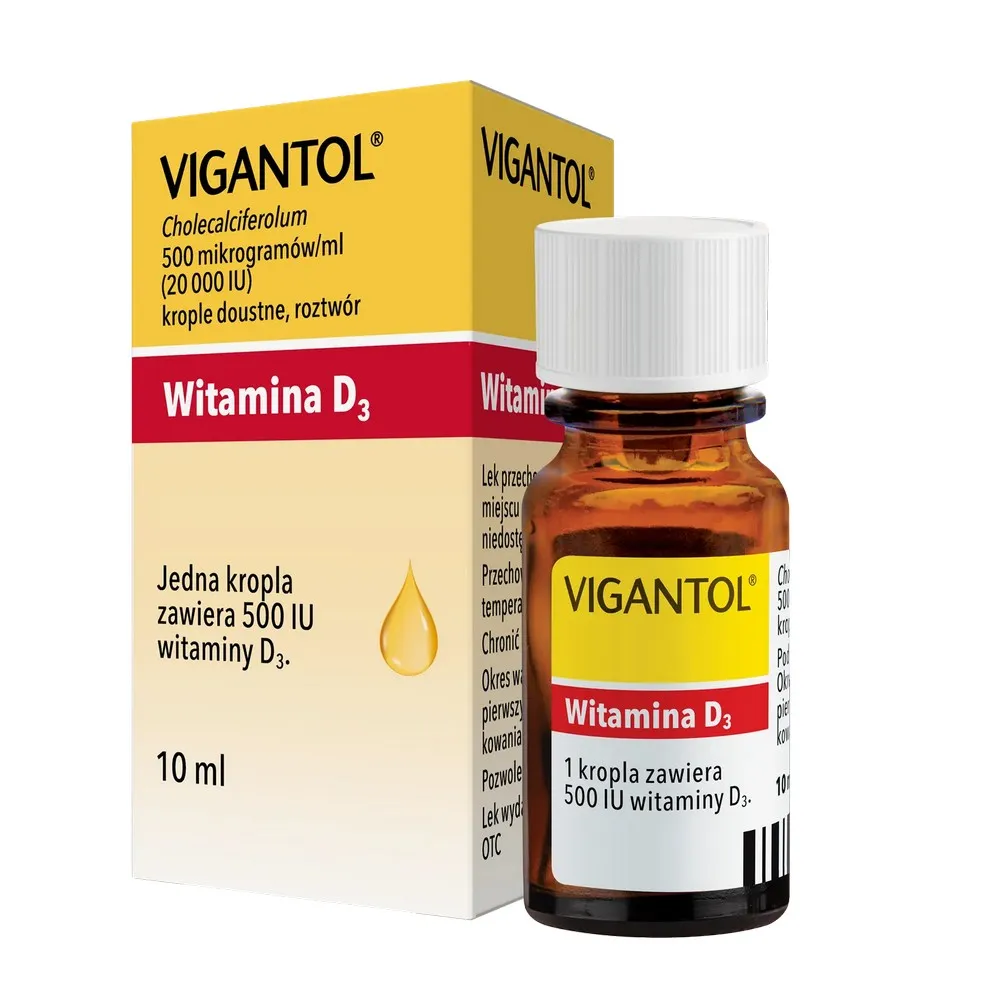
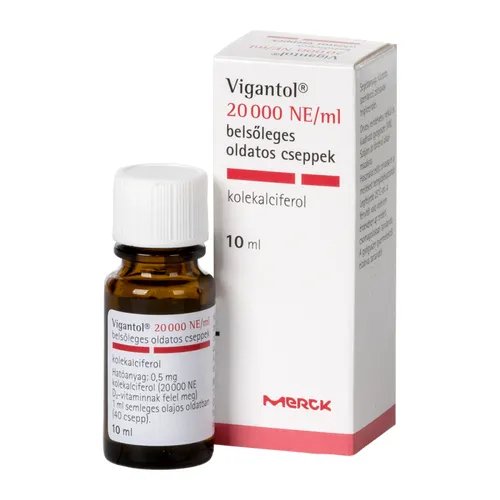
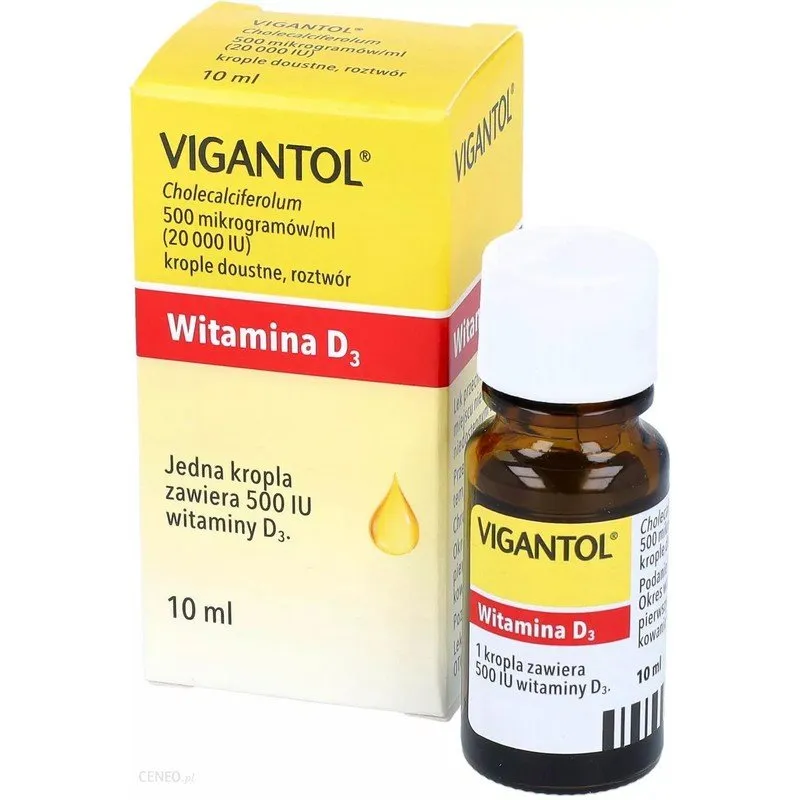
Vigantol, a widely recognized brand name for Cholecalciferol (Vitamin D3), stands as a cornerstone in the prevention and treatment of Vitamin D deficiency. As an essential fat-soluble vitamin, Vitamin D plays a profoundly critical role in maintaining overall health, extending far beyond its well-known association with bone health. It is instrumental in calcium and phosphate homeostasis, immune system modulation, cellular growth, and neuromuscular function.
In an era where Vitamin D deficiency is a global health concern affecting billions, understanding the mechanisms, indications, and safe usage of supplements like Vigantol is paramount. This exhaustive guide, curated by an expert Medical SEO Copywriter and Orthopedic Specialist, delves into the intricate details of Vigantol, offering a comprehensive resource for patients, healthcare professionals, and anyone seeking authoritative information on this vital medication.
Deep Dive into Technical Specifications and Mechanisms
What is Cholecalciferol (Vitamin D3)?
Cholecalciferol, or Vitamin D3, is the naturally occurring form of Vitamin D synthesized in the skin upon exposure to ultraviolet B (UVB) radiation from sunlight. It can also be obtained from dietary sources such as fatty fish, fortified foods, and dietary supplements. Vigantol provides this exact form of Vitamin D, making it a highly effective and biologically relevant supplement.
Mechanism of Action: How Vigantol Works
The journey of Vitamin D from its inactive form (Cholecalciferol) to its active hormonal state (Calcitriol) is a complex yet fascinating biochemical process:
-
Absorption: When Vigantol is ingested, Cholecalciferol, being fat-soluble, is absorbed in the small intestine, primarily in the jejunum, through a mechanism similar to other dietary fats. Its absorption is enhanced when taken with a fatty meal. It is then incorporated into chylomicrons and transported via the lymphatic system into the bloodstream.
-
Hepatic Hydroxylation (First Hydroxylation): Upon reaching the liver, Cholecalciferol undergoes its first hydroxylation step. The enzyme 25-hydroxylase (CYP2R1 and CYP27A1) converts Cholecalciferol into 25-hydroxyvitamin D [25(OH)D], also known as Calcifediol. This is the primary circulating form of Vitamin D in the body and the metabolite measured to assess a patient's Vitamin D status.
-
Renal Hydroxylation (Second Hydroxylation - Activation): Calcifediol is then transported to the kidneys, where it undergoes a second hydroxylation. The enzyme 1-alpha-hydroxylase (CYP27B1), located in the renal proximal tubules, converts 25(OH)D into 1,25-dihydroxyvitamin D [1,25(OH)2D], known as Calcitriol. Calcitriol is the biologically active, hormonal form of Vitamin D. This step is tightly regulated by parathyroid hormone (PTH), serum calcium, and phosphate levels.
-
Biological Actions of Calcitriol:
- Calcium and Phosphate Homeostasis: Calcitriol is the primary regulator of calcium and phosphate metabolism. It acts on:
- Intestines: Enhances the absorption of dietary calcium and phosphate from the gastrointestinal tract.
- Bones: Facilitates bone mineralization and remodeling. It works synergistically with PTH to mobilize calcium from bone when serum calcium levels are low.
- Kidneys: Promotes the reabsorption of calcium and phosphate in the renal tubules, preventing excessive loss in urine.
- Parathyroid Hormone (PTH) Regulation: Calcitriol directly suppresses the synthesis and secretion of PTH by the parathyroid glands, thereby helping to maintain calcium balance.
- Immune System Modulation: Vitamin D receptors are found on various immune cells (T cells, B cells, macrophages), and calcitriol plays a role in modulating immune responses, potentially reducing inflammation and enhancing innate immunity.
- Cell Growth and Differentiation: Calcitriol has antiproliferative and prodifferentiating effects on various cell types, suggesting a role in cancer prevention and treatment.
- Neuromuscular Function: It contributes to muscle strength and coordination, and deficiency can lead to muscle weakness and pain.
- Calcium and Phosphate Homeostasis: Calcitriol is the primary regulator of calcium and phosphate metabolism. It acts on:
Pharmacokinetics of Cholecalciferol
| Parameter | Description |
|---|---|
| Absorption | Readily absorbed from the small intestine, especially in the presence of dietary fat. Bioavailability can vary based on formulation and individual factors. |
| Distribution | Once absorbed, Cholecalciferol is transported via chylomicrons and then binds to Vitamin D-binding protein (DBP) in the plasma. It is stored primarily in adipose tissue and the liver, providing a reservoir for future use. |
| Metabolism | Undergoes two primary hydroxylation steps: first in the liver to 25(OH)D (calcifediol), then in the kidneys to 1,25(OH)2D (calcitriol). Other inactive metabolites are also formed. |
| Elimination | Primarily excreted via the bile into the feces. A small amount is excreted in the urine. The half-life of 25(OH)D in circulation is approximately 15-20 days, while that of 1,25(OH)2D is much shorter (4-6 hours). |
Extensive Clinical Indications & Usage
Vigantol (Cholecalciferol) is indicated for a wide range of conditions, primarily related to Vitamin D deficiency and its consequences.
Primary Indications
- Prevention and Treatment of Vitamin D Deficiency:
- Rickets: In children, characterized by softening and weakening of bones due to impaired mineralization.
- Osteomalacia: In adults, similar to rickets, leading to bone pain, muscle weakness, and increased fracture risk.
- General Deficiency: For individuals with insufficient sun exposure, inadequate dietary intake, or increased requirements.
- Adjunct to Osteoporosis Treatment: Vigantol is often prescribed alongside calcium supplements and other anti-osteoporotic medications to improve calcium absorption, enhance bone mineral density, and reduce the risk of fractures in patients with osteoporosis.
- Hypoparathyroidism: Used to help maintain normal serum calcium levels in patients with hypoparathyroidism, a condition characterized by insufficient PTH production.
- Malabsorption Syndromes: Patients with conditions that impair fat absorption (e.g., celiac disease, Crohn's disease, cystic fibrosis, short bowel syndrome, bariatric surgery) often require higher doses of Vitamin D to overcome malabsorption.
- Chronic Kidney Disease (Early Stages): While active Vitamin D analogs (e.g., calcitriol) are often used in advanced kidney disease, Cholecalciferol can be used in earlier stages to replete stores and support bone health, provided the kidneys retain sufficient 1-alpha-hydroxylase activity.
- Elderly Individuals: Due to reduced skin synthesis of Vitamin D and potentially lower dietary intake, the elderly are at high risk of deficiency.
- Infants and Children: Crucial for skeletal development. Breastfed infants, in particular, often require supplementation as breast milk may not provide adequate Vitamin D.
Dosage Guidelines
Dosage of Vigantol varies significantly based on age, specific indication, severity of deficiency, and individual patient factors. It is crucial to follow the advice of a healthcare professional. Doses are typically expressed in International Units (IU) or micrograms (mcg), where 1 mcg = 40 IU.
| Population/Indication | Typical Dosage Range