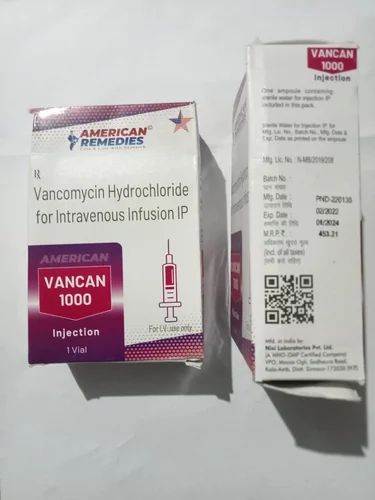
Vancomycin: An Essential Antibiotic in Modern Medicine
Vancomycin is a powerful glycopeptide antibiotic that plays a critical role in treating a variety of severe bacterial infections, particularly those caused by Gram-positive bacteria resistant to other commonly used antibiotics. Discovered in the 1950s, vancomycin has remained a cornerstone of antimicrobial therapy, especially in the era of increasing antibiotic resistance. Its unique mechanism of action and broad spectrum against problematic pathogens like Methicillin-Resistant Staphylococcus aureus (MRSA) and Clostridioides difficile make it an indispensable tool for clinicians worldwide.
This comprehensive guide delves into every aspect of vancomycin, from its intricate molecular workings to its clinical applications, dosage considerations, potential side effects, and crucial drug interactions. Understanding vancomycin's nuances is vital for healthcare professionals to optimize patient outcomes and minimize adverse events.
Deep Dive into Technical Specifications and Mechanisms
Mechanism of Action: How Vancomycin Fights Bacteria
Vancomycin's bactericidal action stems from its unique ability to disrupt bacterial cell wall synthesis. Unlike beta-lactam antibiotics that target penicillin-binding proteins (PBPs), vancomycin interferes with an earlier stage of peptidoglycan synthesis.
- Target Site: Vancomycin specifically binds to the D-Ala-D-Ala (D-alanyl-D-alanine) terminus of the nascent peptidoglycan pentapeptide precursors. These precursors are essential building blocks for the bacterial cell wall.
- Inhibition of Transpeptidation: By binding to D-Ala-D-Ala, vancomycin sterically hinders the transpeptidase enzymes (also known as PBPs) from cross-linking the peptidoglycan strands. This cross-linking is crucial for the structural integrity and rigidity of the bacterial cell wall.
- Inhibition of Transglycosylation: Vancomycin also interferes with transglycosylation, the process by which glycan chains are elongated.
- Result: The inhibition of both transpeptidation and transglycosylation leads to the formation of a weak, unstable cell wall, ultimately resulting in bacterial cell lysis and death.
- Spectrum: Vancomycin primarily targets Gram-positive bacteria, as its large molecular size prevents it from easily penetrating the outer membrane of Gram-negative bacteria. It is generally considered bactericidal, although it can be bacteriostatic against some enterococcal strains.
Pharmacokinetics: Understanding Vancomycin's Journey in the Body
The pharmacokinetics (PK) of vancomycin are crucial for appropriate dosing and therapeutic drug monitoring (TDM).
- Absorption (A):
- Intravenous (IV): Vancomycin is administered intravenously for systemic infections, achieving excellent systemic absorption and bioavailability.
- Oral: Oral vancomycin is very poorly absorbed from the gastrointestinal (GI) tract. This characteristic is precisely why it is effective for treating Clostridioides difficile infection (CDI), as it acts locally within the gut lumen. For systemic infections, oral administration is ineffective.
- Distribution (D):
- Vancomycin distributes widely into most body fluids and tissues, including bone, pleural fluid, pericardial fluid, ascitic fluid, and synovial fluid.
- Penetration into the cerebrospinal fluid (CSF) is generally poor in the absence of meningeal inflammation but improves significantly when meninges are inflamed (e.g., in meningitis).
- Protein binding ranges from 30-55%.
- Metabolism (M):
- Vancomycin undergoes minimal metabolism in the body.
- Excretion (E):
- The vast majority (approximately 80-90%) of a parenterally administered vancomycin dose is excreted unchanged by glomerular filtration in the kidneys.
- Half-life: In adults with normal renal function, the elimination half-life is typically 4-6 hours. However, in patients with impaired renal function, the half-life can be significantly prolonged (up to several days), necessitating substantial dose adjustments.
- Therapeutic Drug Monitoring (TDM):
- Due to its narrow therapeutic index, inter-patient variability in PK, and potential for nephrotoxicity and ototoxicity, TDM is routinely performed for IV vancomycin.
- Target Trough Levels: Trough concentrations (lowest drug concentration in the blood just before the next dose) are typically monitored. For most serious infections, target trough levels are often 10-20 mg/L, with higher targets (15-20 mg/L) recommended for severe infections like endocarditis, osteomyelitis, meningitis, and pneumonia, especially when caused by MRSA. Peak levels are generally not monitored.
- Area Under the Curve (AUC): Increasingly, AUC/MIC (minimum inhibitory concentration) ratio is considered a better predictor of efficacy and safety, though trough monitoring remains a practical surrogate.
Extensive Clinical Indications and Usage
Vancomycin is reserved for specific, often severe, infections where its unique spectrum and potency are required.
Primary Indications
Vancomycin is indicated for the treatment of serious and life-threatening infections caused by susceptible Gram-positive bacteria, particularly those resistant to other antibiotics.
- Methicillin-Resistant Staphylococcus aureus (MRSA) Infections:
- Skin and Soft Tissue Infections: Cellulitis, abscesses, surgical site infections.
- Bone and Joint Infections: Osteomyelitis, septic arthritis, prosthetic joint infections.
- Endocarditis: Infections of the heart valves.
- Pneumonia: Hospital-acquired pneumonia (HAP), ventilator-associated pneumonia (VAP).
- Bacteremia and Sepsis: Bloodstream infections.
- Meningitis: Central nervous system infections (when meninges are inflamed).
- Coagulase-Negative Staphylococci Infections: Especially Staphylococcus epidermidis infections related to prosthetic devices (e.g., catheters, shunts, artificial heart valves, orthopedic implants).
- Enterococcal Infections: For serious infections like endocarditis, often used in combination with an aminoglycoside, particularly if the strain is Enterococcus faecalis or E. faecium susceptible to vancomycin.
- Streptococcal Infections: In patients with severe penicillin allergy or infections caused by highly resistant Streptococcus pneumoniae or Streptococcus pyogenes.
- Clostridioides difficile Infection (CDI):
- Oral vancomycin is the preferred treatment for severe CDI and recurrent CDI. It acts locally in the gut lumen, as it is poorly absorbed.
- Severe CDI: Defined by markers such as WBC ≥ 15,000 cells/µL or serum creatinine ≥ 1.5 times baseline.
- Fulminant CDI: Characterized by hypotension, shock, ileus, or megacolon.
- Surgical Prophylaxis:
- In specific scenarios for patients undergoing major surgeries (e.g., cardiac, orthopedic surgeries involving implants) who have a high risk of MRSA infection or are severely allergic to beta-lactam antibiotics.
- Endocarditis Prophylaxis: For high-risk patients undergoing certain dental or medical procedures, particularly those with prosthetic cardiac valves or prior infective endocarditis.
Dosage Guidelines
Vancomycin dosing is complex and highly individualized, requiring careful consideration of patient weight, renal function, infection severity, and desired trough levels.
Intravenous (IV) Dosage for Systemic Infections
- Standard Adult Dosing:
- Typically 15-20 mg/kg/dose IV every 8-12 hours.
- Maximum single dose generally capped at 2 grams, even for larger patients.
- Loading Dose: In critically ill patients with severe infections (e.g., sepsis, meningitis) or those requiring rapid attainment of therapeutic levels, a loading dose of 25-30 mg/kg (up to 2500 mg) may be considered, followed by maintenance dosing.
- Renal Impairment:
- Since vancomycin is primarily renally excreted, dosage adjustments are crucial in patients with impaired kidney function.
- Dosing intervals are extended, or doses are reduced based on estimated creatinine clearance (CrCl).
- Table: General Vancomycin Dosing in Renal Impairment (Adults)
| CrCl (mL/min) | Dosing Interval |
|---|---|
| > 90 | Every 8-12 hours |
| 60-90 | Every 12-24 hours |
| 20-59 | Every 24-48 hours |
| < 20 or Dialysis | Individualized; often single dose then monitor levels |
* For patients on hemodialysis, dosing is typically post-dialysis, with subsequent doses guided by trough levels.
- Pediatric Dosing:
- Standard dose: 10-15 mg/kg/dose IV every 6-8 hours.
- Neonates: Dosing is more complex and depends on gestational age, postnatal age, and weight.
- Obese Patients:
- Dosing should be based on total body weight, but caution is advised with very high doses, and TDM is essential.
Oral Dosage for Clostridioides difficile Infection (CDI)
- Standard CDI: 125 mg orally four times daily (QID) for 10 days.
- Severe CDI: 125 mg orally QID for 10 days.
- Fulminant CDI: 500 mg orally QID for 10 days, potentially combined with IV metronidazole and/or rectal vancomycin.
- Recurrent CDI: Tapering and pulsing regimens (e.g., 125 mg QID for 10-14 days, then 125 mg BID for 7 days, then 125 mg daily for 7 days, then 125 mg every 2-3 days for several weeks) are often used to prevent further recurrence.
Administration
- IV Infusion: Vancomycin must be administered by slow intravenous infusion over at least 60 minutes (for doses up to 1 gram) or 90-120 minutes (for doses > 1 gram to 2 grams) to prevent the rapid histamine release reaction known as "Red Man Syndrome."
- Compatibility: Compatible with most common IV solutions (e.g., normal saline, D5W).
Risks, Side Effects, and Contraindications
While highly effective, vancomycin is associated with several important side effects and drug interactions that necessitate careful monitoring.
Contraindications
- Hypersensitivity: Known history of severe allergic reaction to vancomycin. A history of "Red Man Syndrome" is not a true contraindication but requires careful administration (slower infusion, pre-medication).
Major Side Effects
- Nephrotoxicity (Kidney Damage):
- This is the most significant dose-limiting toxicity.
- Risk factors include high vancomycin trough concentrations (>20 mg/L), prolonged duration of therapy, pre-existing renal impairment, dehydration, and concomitant use of other nephrotoxic drugs.
- Monitoring: Regular monitoring of serum creatinine and blood urea nitrogen (BUN) is essential.
- Ototoxicity (Hearing Damage):
- Rare but potentially irreversible.
- More common with very high serum concentrations, prolonged therapy, underlying hearing impairment, or concomitant use of other ototoxic agents (e.g., aminoglycosides, loop diuretics).
- Symptoms include tinnitus, vertigo, and hearing loss.
- Vancomycin Infusion Reaction ("Red Man Syndrome"):
- A pseudo-allergic reaction caused by rapid, non-IgE mediated histamine release from mast cells and basophils.
- Symptoms: Flushing, erythema (redness) of the face, neck, and upper torso, pruritus (itching), urticaria (hives), angioedema, hypotension, and in severe cases, chest pain or dyspnea.
- Prevention: Slow infusion rate (over at least 60 minutes), and pre-medication with antihistamines (e.g., diphenhydramine) may be used, especially in patients with a history of the reaction.
- Management: Stop infusion, administer antihistamines, reinitiate infusion at a slower rate once symptoms resolve.
- Hematologic Effects:
- Rarely, neutropenia (decreased white blood cells) and thrombocytopenia (decreased platelets) can occur, typically after prolonged therapy.
- Gastrointestinal Effects (Oral Vancomycin):
- Nausea, vomiting, abdominal pain, diarrhea.
- Local Reactions:
- Phlebitis (inflammation of the vein) and pain at the injection site are common with IV administration, especially with peripheral lines.
Drug Interactions
Concomitant use of vancomycin with certain medications can increase the risk of adverse effects.
- Nephrotoxic Agents: Concurrent use with other drugs known to cause kidney damage significantly increases the risk of vancomycin-induced nephrotoxicity. These include:
- Aminoglycosides (e.g., gentamicin, tobramycin, amikacin)
- Amphotericin B
- Cyclosporine
- Tacrolimus
- Nonsteroidal anti-inflammatory drugs (NSAIDs)
- Loop diuretics (e.g., furosemide)
- Radiographic contrast agents
- Ototoxic Agents: Concomitant use with other ototoxic drugs can exacerbate the risk of hearing damage:
- Aminoglycosides
- Loop diuretics
- Neuromuscular Blockers: Vancomycin may enhance the effects of neuromuscular blocking agents, potentially prolonging muscle paralysis.
- Metformin: Vancomycin has been reported to potentially increase metformin levels, though clinical significance is unclear.
Pregnancy and Lactation Warnings
- Pregnancy (Category C):
- Vancomycin crosses the placenta. While human data are limited, animal studies have not shown evidence of teratogenicity.
- However, potential for ototoxicity and nephrotoxicity in the fetus or neonate has been reported, particularly when used in the second and third trimesters.
- Vancomycin should be used during pregnancy only if clearly needed and the potential benefits outweigh the potential risks to the fetus. Close monitoring of maternal vancomycin levels is recommended.
- Lactation:
- Vancomycin is excreted in breast milk in small amounts.
- There is a theoretical risk of disruption of intestinal flora, allergic reactions, or direct effects on the infant.
- Caution is advised. The decision to breastfeed should consider the potential for adverse reactions in the infant versus the benefits of breastfeeding and the importance of the drug to the mother. Monitoring the infant for gastrointestinal upset (e.g., diarrhea, candidiasis) is prudent.
Overdose Management
Vancomycin overdose is rare but can occur, especially in patients with severe renal impairment or accidental administration errors.
- Symptoms: Primarily an exacerbation of known side effects, including severe nephrotoxicity, ototoxicity, and "Red Man Syndrome."
- Management:
- Supportive Care: Maintain airway, breathing, and circulation.
- Fluid Management: Ensure adequate hydration to support renal function.
- Monitoring: Closely monitor renal function (creatinine, BUN, urine output), hearing, and vancomycin serum concentrations.
- Hemodialysis: Hemodialysis can remove vancomycin from the blood, but its efficacy is limited due to vancomycin's large molecular size and protein binding. It may be considered in severe overdose, especially in patients with renal failure.
- Peritoneal Dialysis: Less effective than hemodialysis for vancomycin removal.
Massive FAQ Section
Q1: What type of antibiotic is vancomycin?
A1: Vancomycin is a glycopeptide antibiotic, distinct from beta-lactams, that works by inhibiting bacterial cell wall synthesis at an early stage.
Q2: What are the primary infections vancomycin treats?
A2: Vancomycin is primarily used to treat serious Gram-positive bacterial infections, most notably those caused by Methicillin-Resistant Staphylococcus aureus (MRSA) and Clostridioides difficile infection (CDI). It also treats some enterococcal and streptococcal infections.
Q3: How is vancomycin typically administered?
A3: For systemic infections (like MRSA), vancomycin is administered intravenously (IV). For Clostridioides difficile infection (CDI), it is given orally to act locally in the gut.
Q4: What is "Red Man Syndrome" and how is it prevented?
A4: "Red Man Syndrome" is a pseudo-allergic reaction characterized by flushing, rash, and itching, primarily on the face, neck, and upper torso. It's caused by rapid histamine release due to fast IV infusion. Prevention involves administering vancomycin slowly over at least 60 minutes and, if necessary, pre-medicating with antihistamines.
Q5: Why is oral vancomycin used for C. difficile but IV for other infections?
A5: Oral vancomycin is poorly absorbed from the gut, meaning it stays in the gastrointestinal tract to directly target C. difficile bacteria. For systemic infections, it needs to enter the bloodstream, which requires IV administration.
Q6: What are the main side effects of vancomycin?
A6: The most significant side effects are nephrotoxicity (kidney damage) and, less commonly, ototoxicity (hearing damage). "Red Man Syndrome" is also a common, though usually manageable, infusion-related reaction.
Q7: Why do doctors monitor vancomycin levels in the blood?
A7: Doctors monitor vancomycin trough levels (the lowest concentration in the blood before the next dose) to ensure the drug is within the therapeutic range. This helps maximize efficacy against the infection while minimizing the risk of toxicities like kidney damage and hearing loss.
Q8: Can vancomycin be used in children?
A8: Yes, vancomycin is used in children, including neonates, for serious Gram-positive infections. Dosing is adjusted based on weight, age, and renal function, and therapeutic drug monitoring is essential.
Q9: Is vancomycin safe during pregnancy?
A9: Vancomycin is classified as Pregnancy Category C. It should be used during pregnancy only if clearly needed, as it crosses the placenta and has a theoretical risk of oto- and nephrotoxicity in the fetus. The benefits must outweigh the potential risks.
Q10: How long does it take for vancomycin to work?
A10: The time it takes for vancomycin to show clinical effects can vary depending on the severity and type of infection. Patients may start to show improvement within a few days, but the full course of treatment is typically 7 to 14 days or longer for complex infections like osteomyelitis or endocarditis.
Q11: What should I do if I miss a dose of vancomycin?
A11: If you miss a dose of oral vancomycin, take it as soon as you remember, unless it's almost time for your next dose. For IV vancomycin, a missed dose should be reported to your healthcare provider immediately so they can adjust the schedule and ensure continuous therapeutic levels.
Q12: Can vancomycin cause permanent kidney damage?
A12: While vancomycin can cause acute kidney injury (nephrotoxicity), this is often reversible if the drug is discontinued or doses are adjusted promptly. However, in severe cases or with pre-existing kidney conditions, or if not managed properly, permanent damage is a rare but possible complication. Regular monitoring helps prevent this.