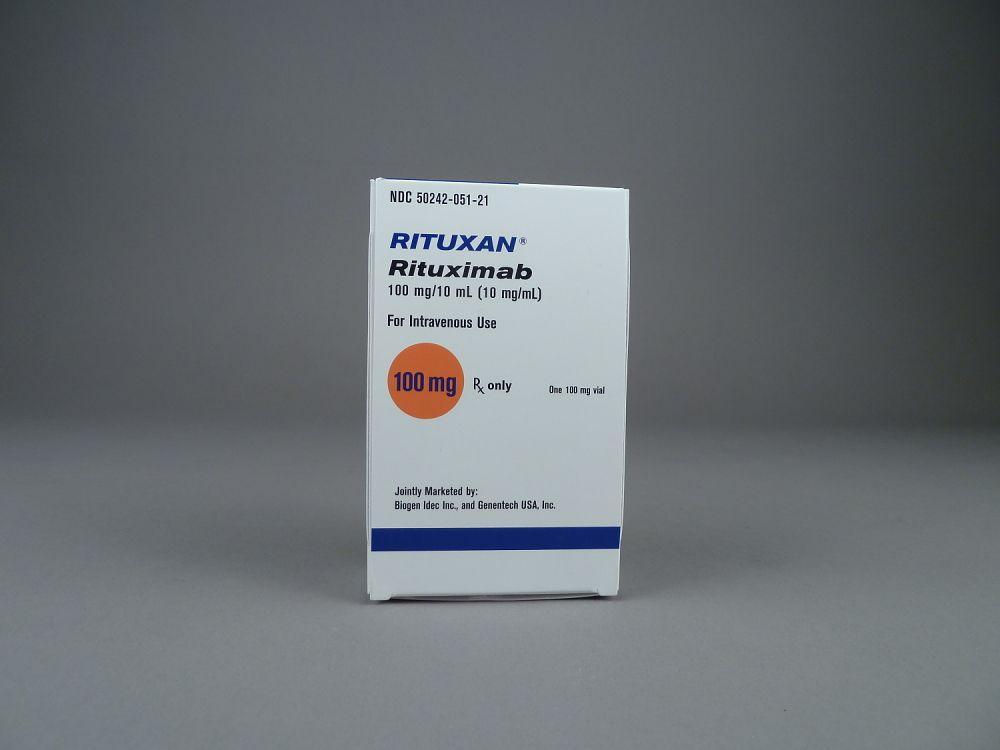
Rituxan (Rituximab): An Authoritative Medical SEO Guide
1. Comprehensive Introduction & Overview
Rituxan, generically known as rituximab, is a groundbreaking medication that has revolutionized the treatment landscape for a range of serious conditions, from certain cancers to severe autoimmune diseases. Classified as a chimeric monoclonal antibody, Rituxan specifically targets the CD20 protein found on the surface of B-lymphocytes. By selectively depleting these B-cells, Rituxan interrupts disease progression in conditions where B-cells play a critical pathogenic role.
Originally approved by the U.S. Food and Drug Administration (FDA) in 1997 for non-Hodgkin's lymphoma, its utility has expanded significantly over the years to include other hematologic malignancies and various autoimmune disorders, such as rheumatoid arthritis, granulomatosis with polyangiitis, microscopic polyangiitis, and pemphigus vulgaris. Its efficacy stems from a unique mechanism that modulates the immune system's activity or directly attacks cancerous cells, offering a targeted approach where conventional therapies may fall short.
This comprehensive guide aims to provide an exhaustive overview of Rituxan, covering its intricate mechanism of action, pharmacokinetic profile, detailed indications, precise dosage guidelines, critical contraindications, potential drug interactions, warnings for pregnancy and lactation, and essential overdose management strategies. As an expert medical SEO copywriter and orthopedic specialist, we understand the importance of precise, authoritative, and accessible medical information for both healthcare professionals and patients seeking to understand this powerful therapeutic agent.
2. Deep-Dive into Technical Specifications & Mechanisms
2.1. Mechanism of Action: Targeting CD20 on B-Cells
Rituxan's primary mechanism of action revolves around its high specificity for the CD20 antigen. CD20 is a non-glycosylated phosphoprotein expressed on the surface of pre-B and mature B-lymphocytes, but not on hematopoietic stem cells, pro-B cells, plasma cells, or other normal tissues. This selective expression is crucial, as it allows Rituxan to target and deplete B-cells while largely sparing the precursors and terminally differentiated plasma cells responsible for antibody production, allowing for B-cell regeneration over time.
Upon binding to the CD20 antigen, rituximab initiates a cascade of immune responses that lead to B-cell destruction through several distinct pathways:
- Antibody-Dependent Cell-Mediated Cytotoxicity (ADCC): Rituximab, an antibody, binds to CD20 on the target B-cell. Natural killer (NK) cells, which possess Fc receptors, recognize the Fc portion of the bound rituximab. This recognition triggers the NK cell to release cytotoxic granules, leading to the lysis of the target B-cell.
- Complement-Dependent Cytotoxicity (CDC): The binding of rituximab to CD20 activates the classical complement pathway. This activation results in the formation of the membrane attack complex (MAC) on the B-cell surface, leading to osmotic lysis and cell death.
- Direct Apoptosis: Rituximab binding to CD20 can also directly induce programmed cell death (apoptosis) in B-cells, independent of ADCC or CDC. This direct signaling pathway contributes to its cytotoxic effects.
- Cell Growth Inhibition: In some contexts, rituximab has been shown to inhibit cell growth and proliferation of CD20-positive cells.
The depletion of B-cells subsequently leads to a reduction in inflammation and autoantibody production in autoimmune diseases, and direct tumor cell death in B-cell lymphomas and leukemias.
2.2. Pharmacokinetics
The pharmacokinetic profile of Rituxan is complex and can vary significantly depending on the indication, dose, and individual patient factors.
- Administration: Rituxan is administered intravenously. There is no oral formulation.
- Absorption: Not applicable for IV administration.
- Distribution: After IV infusion, rituximab distributes into the central compartment (plasma) and then into peripheral tissues. It crosses the placental barrier.
- Metabolism: As a protein, rituximab is primarily catabolized by proteolytic enzymes into small peptides and amino acids, similar to endogenous immunoglobulins. It does not undergo metabolism via the cytochrome P450 system.
- Elimination: The elimination of rituximab is characterized by a biphasic decline, with a long terminal half-life. The half-life can range from 18 to 32 days, but can be highly variable. Factors such as tumor burden (in oncology), disease activity (in autoimmune conditions), and the presence of human anti-chimeric antibodies (HACA) can influence clearance. Lower baseline CD20 B-cell counts and higher serum albumin levels are associated with lower clearance.
- Special Populations: No specific dose adjustments are typically required for patients with renal or hepatic impairment, though caution is advised, especially in severe cases due to the lack of specific studies.
3. Extensive Clinical Indications & Usage
Rituxan's broad spectrum of action against CD20-positive B-cells has led to its approval for several distinct and often life-threatening conditions.
3.1. Oncological Indications
- Non-Hodgkin's Lymphoma (NHL):
- Relapsed or Refractory Low-Grade or Follicular CD20-Positive B-Cell NHL: Used as a single agent.
- Previously Untreated Follicular CD20-Positive B-Cell NHL: Used in combination with CVP (cyclophosphamide, vincristine, prednisone) chemotherapy.
- Non-Progressing (Stable Disease) Follicular CD20-Positive B-Cell NHL: Following six to eight cycles of CVP, used as a single agent maintenance therapy.
- Diffuse Large B-Cell Lymphoma (DLBCL), CD20-Positive: In combination with CHOP (cyclophosphamide, doxorubicin, vincristine, prednisone) or other anthracycline-based chemotherapy regimens.
- Chronic Lymphocytic Leukemia (CLL):
- Previously Untreated and Previously Treated CD20-Positive CLL: In combination with fludarabine and cyclophosphamide (FC).
3.2. Autoimmune Indications
- Rheumatoid Arthritis (RA):
- Moderately to Severely Active Rheumatoid Arthritis: In adult patients who have had an inadequate response to one or more TNF antagonist therapies. Used in combination with methotrexate.
- Rituxan targets the B-cells responsible for producing autoantibodies and presenting antigens, thereby reducing inflammation and joint damage.
- Granulomatosis with Polyangiitis (GPA) (Wegener's Granulomatosis) and Microscopic Polyangiitis (MPA):
- Adult Patients with Active, Severe GPA and MPA: In combination with glucocorticoids, for induction of remission.
- Adult Patients with GPA and MPA: As maintenance therapy after achieving remission.
- These are rare, severe forms of vasculitis where B-cells contribute to the inflammatory process and autoantibody (ANCA) production.
- Pemphigus Vulgaris (PV):
- Moderate to Severe Pemphigus Vulgaris: In adult patients.
- PV is a rare, severe autoimmune blistering disease of the skin and mucous membranes caused by autoantibodies targeting desmogleins, a process driven by B-cells.
3.3. Dosage Guidelines
Dosage and administration schedules vary significantly by indication. All infusions require medical supervision due to the risk of infusion-related reactions. Premedication with an antihistamine (e.g., diphenhydramine) and an antipyretic (e.g., acetaminophen) is essential, and corticosteroids may also be administered, especially for RA and vasculitis.
Table 1: General Dosage Guidelines for Rituxan (Rituximab)
| Indication | Recommended Dosage
===META_TITLE===
Rituxan Guide: Uses, Mechanism, Dosage, Side Effects
===META_DESC===
Expert guide to Rituxan (rituximab): understanding its mechanism, detailed indications (NHL, RA, GPA, PV), dosage, pharmacokinetics, contraindications, and safety.
===CONTENT===
Rituxan (Rituximab): An Expert Medical SEO Guide for Patients & Professionals
1. Comprehensive Introduction & Overview
Rituxan, also known by its generic name rituximab, stands as a cornerstone therapy in modern medicine, particularly within oncology and rheumatology. This biologic medication is a chimeric (mouse/human) monoclonal antibody, specifically engineered to target the CD20 antigen found on the surface of B-lymphocytes. By selectively binding to this protein, Rituxan orchestrates the depletion of CD20-positive B-cells, which are implicated in the pathogenesis of various cancers and autoimmune diseases.
First approved by the U.S. Food and Drug Administration (FDA) in 1997 for the treatment of non-Hodgkin's lymphoma, its therapeutic reach has since expanded significantly. Today, Rituxan is a vital treatment option for several types of lymphoma and leukemia, as well as for severe autoimmune conditions such as rheumatoid arthritis, granulomatosis with polyangiitis (GPA), microscopic polyangiitis (MPA), and pemphigus vulgaris (PV). Its ability to modulate the immune system or directly attack malignant cells offers a targeted approach that has profoundly improved patient outcomes.
This extensive guide provides an in-depth exploration of Rituxan, meticulously detailing its mechanism of action, pharmacokinetic profile, comprehensive indications, precise dosage guidelines, critical contraindications, potential drug interactions, warnings regarding pregnancy and lactation, and essential strategies for overdose management. Our aim is to equip both healthcare providers and patients with authoritative, precise, and easily understandable information about this powerful therapeutic agent.
2. Deep-Dive into Technical Specifications & Mechanisms
2.1. Mechanism of Action: Orchestrating B-Cell Depletion via CD20 Targeting
The therapeutic efficacy of Rituxan is rooted in its highly specific interaction with the CD20 antigen. CD20 is a transmembrane protein expressed on the surface of pre-B and mature B-lymphocytes. Crucially, it is absent on hematopoietic stem cells, pro-B cells, plasma cells, and other normal tissues. This selective expression allows Rituxan to specifically target and eliminate B-cells involved in disease processes, while sparing the stem cells necessary for B-cell regeneration and the plasma cells that produce protective antibodies. This selective targeting minimizes broader immunosuppression and allows for immune reconstitution over time.
Upon binding to the CD20 antigen, rituximab triggers a multifaceted immune response leading to the destruction of CD20-positive B-cells through several distinct, yet often synergistic, pathways:
- Antibody-Dependent Cell-Mediated Cytotoxicity (ADCC): This is a primary mechanism. Once rituximab binds to CD20 on the target