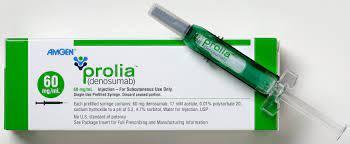
Understanding Prolia: A Comprehensive Medical Guide
Introduction to Prolia (Denosumab)
Prolia, with the generic name denosumab, is a highly effective medication primarily used in the management of various bone-related conditions, most notably osteoporosis. As an expert medical SEO copywriter and orthopedic specialist, we understand the critical role Prolia plays in improving bone health and preventing debilitating fractures. This comprehensive guide aims to provide an exhaustive, authoritative overview of Prolia, covering its mechanism of action, clinical indications, dosage, safety profile, and more, ensuring patients and healthcare professionals have access to accurate and detailed information.
Osteoporosis is a silent disease characterized by a decrease in bone mineral density (BMD) and deterioration of bone tissue, leading to increased bone fragility and a heightened risk of fractures. These fractures, particularly of the hip, spine, and wrist, can significantly impact a patient's quality of life, leading to pain, disability, and even increased mortality. Prolia offers a targeted approach to combating bone loss by interfering with the fundamental processes that contribute to bone degradation.
Why is Prolia Prescribed?
Prolia is prescribed for individuals at high risk of fractures due to osteoporosis, as well as for those experiencing bone loss associated with certain medical treatments. Its unique mechanism of action sets it apart from traditional bisphosphonate therapies, offering a valuable alternative or primary treatment option for many patients. The goal of Prolia therapy is to increase bone density, strengthen bone structure, and ultimately reduce the incidence of fragility fractures, thereby enhancing long-term skeletal health.
The Science Behind Prolia: Mechanism of Action & Pharmacokinetics
Mechanism of Action: Targeting Bone Resorption
Prolia (denosumab) is a human monoclonal antibody that specifically targets and binds to RANKL (Receptor Activator of Nuclear factor Kappa-B Ligand). RANKL is a protein essential for the formation, function, and survival of osteoclasts, which are the cells responsible for bone resorption (the breakdown of bone tissue).
Here's a breakdown of the RANK/RANKL pathway and how denosumab intervenes:
- Bone Remodeling Cycle: Bone is constantly undergoing a remodeling process involving two types of cells: osteoblasts (which build new bone) and osteoclasts (which break down old bone). In healthy individuals, these processes are balanced.
- Role of RANKL: Osteoblasts and stromal cells produce RANKL. RANKL binds to RANK receptors located on the surface of pre-osteoclasts and mature osteoclasts.
- Osteoclast Activation: This binding activates the RANK receptor, signaling pre-osteoclasts to mature into active osteoclasts and prolonging the lifespan of existing osteoclasts. The activated osteoclasts then resorb bone, releasing minerals into the bloodstream.
- Denosumab's Action: Denosumab acts as a "decoy" RANKL. By binding to RANKL with high affinity and specificity, denosumab prevents RANKL from binding to its natural receptor, RANK, on osteoclasts and their precursors.
- Inhibition of Bone Resorption: This blockade effectively inhibits the formation, function, and survival of osteoclasts. The consequence is a significant reduction in bone resorption, allowing osteoblasts to continue building bone without excessive breakdown.
- Outcome: The net effect is an increase in bone mineral density and a reduction in bone turnover markers, leading to stronger bones and a decreased risk of fractures.
This targeted approach makes Prolia a highly effective antiresorptive agent, particularly beneficial for patients who may not tolerate or respond adequately to other osteoporosis treatments.
Pharmacokinetics: How Prolia Works in Your Body
Understanding the pharmacokinetics of Prolia helps explain its dosing regimen and sustained effects.
- Absorption: Denosumab is administered via subcutaneous injection. After a single 60 mg subcutaneous dose, the bioavailability is approximately 61%. Peak serum concentrations are typically achieved within 10 days (range: 3 to 21 days).
- Distribution: The volume of distribution is estimated to be approximately 4-6 liters, suggesting distribution primarily within the serum and extracellular fluid. Denosumab is a protein, so it does not distribute extensively into tissues like small molecule drugs.
- Metabolism: As a monoclonal antibody, denosumab is not metabolized by hepatic cytochrome P450 enzymes. Instead, it is expected to be cleared through non-specific catabolic pathways, similar to other endogenous immunoglobulins, broken down into small peptides and amino acids.
- Elimination: The elimination of denosumab is non-linear and dose-dependent. The mean serum half-life is approximately 25.4 days (range: 16.6 to 40.5 days). However, the pharmacodynamic effects (reduction in bone resorption markers) persist for much longer, aligning with the every-six-month dosing schedule. The drug is primarily eliminated via the reticuloendothelial system.
- Special Populations:
- Renal Impairment: No dose adjustment is needed for patients with renal impairment, including those on dialysis. However, monitoring for hypocalcemia is crucial in patients with severe renal impairment (creatinine clearance < 30 mL/min) or on dialysis, as they are at increased risk.
- Hepatic Impairment: No specific studies have been conducted, but given its metabolic pathway, hepatic impairment is not expected to significantly affect denosumab's pharmacokinetics.
- Elderly: No clinically significant differences in pharmacokinetics have been observed in elderly patients.
Clinical Applications: Indications and Dosage Guidelines
Prolia is approved for several critical indications, demonstrating its versatility in managing bone health across different patient populations.
Detailed Indications for Prolia
Prolia is indicated for:
- Treatment of Postmenopausal Women with Osteoporosis at High Risk for Fracture: This is the most common indication. High risk is defined as a history of osteoporotic fracture, multiple risk factors for fracture, or patients who have failed or are intolerant to other available osteoporosis therapy. Prolia significantly reduces the incidence of vertebral, nonvertebral, and hip fractures in this population.
- Treatment to Increase Bone Mass in Men with Osteoporosis at High Risk for Fracture: Similar to postmenopausal women, men with osteoporosis who are at high risk for fracture can benefit from Prolia to increase bone mineral density and reduce fracture risk.
- Treatment of Glucocorticoid-Induced Osteoporosis (GIOP) in Men and Women at High Risk for Fracture: Glucocorticoid use is a significant cause of secondary osteoporosis. Prolia is indicated for patients initiating or continuing systemic glucocorticoids who are at high risk for fracture.
- Treatment of Bone Loss in Men Receiving Androgen Deprivation Therapy (ADT) for Nonmetastatic Prostate Cancer: ADT, while effective for prostate cancer, often leads to significant bone loss, increasing fracture risk. Prolia helps to increase bone mass and reduce fracture incidence in these men.
- Treatment of Bone Loss in Women Receiving Adjuvant Aromatase Inhibitor (AI) Therapy for Breast Cancer: AI therapy can induce bone loss in postmenopausal women with breast cancer. Prolia is used to increase bone mass and reduce fracture risk in these women.
Table: Summary of Prolia Indications
| Indication | Patient Population | Primary Benefit |
|---|---|---|
| Postmenopausal Osteoporosis | Women at high risk for fracture (e.g., history of fracture, multiple risk factors, intolerance to other therapies). | Reduces vertebral, nonvertebral, and hip fractures; increases BMD. |
| Male Osteoporosis | Men at high risk for fracture. | Increases BMD; reduces fracture risk. |
| Glucocorticoid-Induced Osteoporosis (GIOP) | Men and women at high risk for fracture who are initiating or continuing systemic glucocorticoids. | Increases BMD; reduces fracture risk. |
| Bone Loss in Men on Androgen Deprivation Therapy (ADT) | Men with nonmetastatic prostate cancer receiving ADT. | Increases bone mass; reduces fracture incidence. |
| Bone Loss in Women on Adjuvant Aromatase Inhibitor (AI) Therapy for Breast Cancer | Postmenopausal women with breast cancer receiving AI therapy. | Increases bone mass; reduces fracture incidence. |
Dosage and Administration Guidelines
The consistent and correct administration of Prolia is crucial for its efficacy and safety.
- Standard Dosage: The recommended dose of Prolia is 60 mg administered as a single subcutaneous injection.
- Frequency: The injection is given once every 6 months.
- Administration: Prolia should be administered by a healthcare professional. The injection site can be in the upper arm, upper thigh, or abdomen. The solution should be inspected visually for particulate matter and discoloration prior to administration. It should not be shaken.
- Calcium and Vitamin D Supplementation: All patients receiving Prolia must be adequately supplemented with calcium (at least 1000 mg daily) and vitamin D (at least 400 IU daily) to prevent hypocalcemia. This is a critical component of therapy.
- Management of Missed Doses: If a dose is missed, Prolia should be administered as soon as possible. Thereafter, the injections should be scheduled every 6 months from the date of the last injection.
Safety Profile: Contraindications, Side Effects, and Drug Interactions
As with any potent medication, Prolia has a specific safety profile that includes contraindications, potential side effects, and considerations for drug interactions.
Contraindications: When Prolia Should Not Be Used
Prolia is contraindicated in patients with:
- Hypocalcemia: Pre-existing hypocalcemia must be corrected before initiating Prolia therapy. Patients should be monitored for hypocalcemia, especially in the first few weeks after the initial dose.
- Hypersensitivity: Known hypersensitivity to denosumab or any component of the product. Reactions may include anaphylaxis, facial swelling, urticaria, and rash.
- Pregnancy: Prolia is classified as a Pregnancy Category X (or equivalent strong warning in modern classifications), meaning it is contraindicated in pregnant women due to potential fetal harm.
Potential Side Effects and Adverse Reactions
While generally well-tolerated, Prolia can cause a range of side effects, some of which can be serious.
Common Side Effects (occurring in ≥ 5% of patients):
- Back pain
- Pain in extremities (arms, legs)
- Musculoskeletal pain
- Hypercholesterolemia
- Cystitis (bladder infection)
- Upper respiratory tract infection
- Sciatica
Serious Side Effects (requiring immediate medical attention):
- Hypocalcemia: Can be severe and symptomatic, particularly in patients with severe renal impairment. Symptoms include muscle spasms, cramps, numbness/tingling, and seizures.
- Osteonecrosis of the Jaw (ONJ): A rare but serious condition involving bone death in the jaw. Risk factors include poor oral hygiene, invasive dental procedures (e.g., tooth extraction), cancer, co-treatment with corticosteroids or immunosuppressants, and pre-existing dental disease. Patients should have a dental examination before starting Prolia and maintain good oral hygiene.
- Atypical Femoral Fractures: Rare stress fractures that occur in the shaft of the femur, often with minimal or no trauma. Patients presenting with new or unusual thigh, hip, or groin pain should be evaluated for a femoral fracture.
- Serious Infections: Prolia, by affecting the immune system (via RANKL inhibition), can increase the risk of serious infections, including skin infections (e.g., cellulitis), abdominal infections, and endocarditis. Patients should be advised to report any signs or symptoms of infection.
- Dermatologic Reactions: Cases of dermatitis, eczema, and rashes have been reported, including severe forms requiring hospitalization.
- Multiple Vertebral Fractures (MVF) Upon Discontinuation: Discontinuation of Prolia, especially in patients with prior vertebral fractures, can lead to a rapid increase in bone turnover and a potential rebound increase in the risk of multiple vertebral fractures. Patients should be transitioned to an alternative antiresorptive therapy if Prolia is discontinued.
Drug Interactions
Formal drug interaction studies with Prolia have not been conducted. However, considering its nature as a monoclonal antibody and its mechanism of action:
- Immunosuppressants: Co-administration with other immunosuppressants (e.g., corticosteroids, methotrexate, cyclosporine) may theoretically increase the risk of serious infections. Caution should be exercised.
- Other Bone-Modifying Agents: Prolia is generally not recommended for co-administration with other antiresorptive agents (e.g., bisphosphonates) or other denosumab-containing products (e.g., Xgeva, which is a higher dose formulation for cancer-related bone events), as additive benefits have not been established and risks may increase.
- Calcium and Vitamin D: Adequate supplementation is crucial and not considered an interaction, but rather a necessary adjunct to therapy.
Pregnancy and Lactation Warnings
- Pregnancy: Prolia is contraindicated in pregnant women. Animal studies have shown that denosumab can cause fetal harm, including skeletal abnormalities and decreased postnatal survival. If a woman becomes pregnant while taking Prolia, she should be apprised of the potential hazard to the fetus.
- Lactation: It is unknown whether denosumab is excreted in human milk. Given the potential for serious adverse reactions in a breastfed infant from denosumab, a decision should be made whether to discontinue nursing or to discontinue the drug, taking into account the importance of the drug to the mother. Due to the potential for adverse effects on bone development in nursing infants, breastfeeding is generally not recommended during Prolia treatment.
Overdose Management
There is no specific information available on overdose with Prolia. Clinical trials did not report any cases of overdose.
- No Specific Antidote: As there is no specific antidote for denosumab, in the event of an overdose, supportive measures should be initiated.
- Monitoring: Given its mechanism of action, the primary concern would be profound hypocalcemia. Close monitoring of serum calcium levels would be essential, and corrective measures, such as calcium supplementation, should be administered as clinically indicated.
- Symptomatic Treatment: Treatment for overdose should be symptomatic and supportive, focusing on managing any adverse effects that may arise.
Frequently Asked Questions (FAQ) About Prolia
Q1: How does Prolia differ from bisphosphonates, another common osteoporosis treatment?
A1: Prolia and bisphosphonates both treat osteoporosis but through different mechanisms. Bisphosphonates work by inhibiting osteoclast activity by incorporating into the bone matrix. Prolia, a monoclonal antibody, directly targets and binds to RANKL, a protein essential for osteoclast formation, function, and survival, preventing them from breaking down bone. Prolia is administered via subcutaneous injection every 6 months, while bisphosphonates can be oral (daily, weekly, or monthly) or intravenous (quarterly or yearly). Prolia may be an option for patients who cannot tolerate bisphosphonates or have severe renal impairment.
Q2: What should I do if I miss a Prolia dose?
A2: If you miss a scheduled Prolia dose, you should contact your healthcare provider immediately to schedule the injection as soon as possible. Once the injection is administered, your subsequent doses should be scheduled every 6 months from the date of that most recent injection. It's important not to delay subsequent doses beyond the 6-month interval to maintain bone protection.
Q3: Is dental work safe while on Prolia?
A3: Dental work, particularly invasive procedures like tooth extractions or dental implants, carries a small risk of osteonecrosis of the jaw (ONJ) for patients on Prolia. Before starting Prolia, it is highly recommended to have a complete dental examination and address any pre-existing dental issues. While on Prolia, maintain excellent oral hygiene and inform your dentist that you are taking Prolia. Discuss any planned invasive dental procedures with both your dentist and your prescribing doctor to assess the risk and determine if any precautions are needed.
Q4: How long do I need to take Prolia?
A4: The duration of Prolia treatment is determined by your healthcare provider based on your individual fracture risk, bone mineral density, and response to therapy. Osteoporosis is a chronic condition, and treatment is often long-term. However, the need for continued therapy should be periodically re-evaluated. If Prolia is discontinued, there is a risk of a rapid increase in bone turnover and a potential rebound increase in the risk of multiple vertebral fractures, especially for those with a history of such fractures. Your doctor will discuss strategies to manage this risk, which may include transitioning to another antiresorptive agent.
Q5: What are the signs of hypocalcemia (low calcium levels) and what should I do?
A5: Hypocalcemia is a serious potential side effect, especially if you have severe kidney problems or are not adequately supplementing with calcium and vitamin D. Symptoms can include muscle spasms, cramps, numbness or tingling in the fingers, toes, or around the mouth, and in severe cases, seizures or irregular heartbeats. If you experience any of these symptoms, contact your doctor immediately. Ensuring adequate daily intake of calcium and vitamin D is critical for preventing hypocalcemia while on Prolia.
Q6: Can men take Prolia?
A6: Yes, Prolia is approved for use in men. It is indicated for increasing bone mass in men with osteoporosis who are at high risk for fracture, and also for treating bone loss in men receiving androgen deprivation therapy for nonmetastatic prostate cancer.
Q7: Does Prolia cause weight gain?
A7: Weight gain is not listed as a common or direct side effect of Prolia in clinical trials. If you experience unexpected weight changes while on Prolia, it's advisable to discuss this with your healthcare provider to investigate potential underlying causes, which may not be related to the medication itself.
Q8: What happens if I decide to stop Prolia?
A8: Stopping Prolia can lead to a rapid increase in bone turnover and a potential rebound risk of multiple vertebral fractures, particularly within 7 to 16 months after the last dose, especially in patients with a history of vertebral fractures. It is crucial not to stop Prolia without consulting your doctor. If discontinuation is necessary, your doctor will discuss strategies to manage this risk, which may include transitioning to an alternative antiresorptive therapy to maintain bone protection.
Q9: Is Prolia covered by insurance?
A9: Coverage for Prolia varies widely depending on your specific insurance plan, formulary, and geographical location. Most insurance plans, including Medicare Part D and commercial plans, typically cover Prolia if it is deemed medically necessary and you meet their specific criteria. It is always recommended to contact your insurance provider directly or consult with your pharmacy or healthcare provider's office to understand your coverage and potential out-of-pocket costs. Patient assistance programs may also be available.
Q10: What is the risk of atypical femoral fractures with Prolia?
A10: Atypical femoral fractures (AFFs) are rare but serious side effects associated with antiresorptive therapies, including Prolia. These are stress fractures that occur in the shaft of the femur (thigh bone) with minimal or no trauma. The risk is very low, but it increases with longer duration of therapy. Patients should be alert to new or unusual pain in the thigh, hip, or groin and report it to their doctor immediately, as this could be a sign of an impending fracture.
Q11: Can Prolia be used in children?
A11: Prolia is not indicated for use in pediatric patients. The safety and efficacy of denosumab in children and adolescents have not been established. Its effects on bone development in growing individuals are a concern, and it is contraindicated in those whose epiphyses are not yet closed.
Q12: How quickly does Prolia start working?
A12: Prolia begins to work fairly quickly to reduce bone resorption. Within days of the first injection, markers of bone turnover (like CTX, a marker of bone breakdown) show significant reductions. Clinically, increases in bone mineral density (BMD) are typically observed within the first year of treatment and continue to improve with ongoing therapy. The full benefits in terms of fracture risk reduction are seen over months to years of consistent treatment.