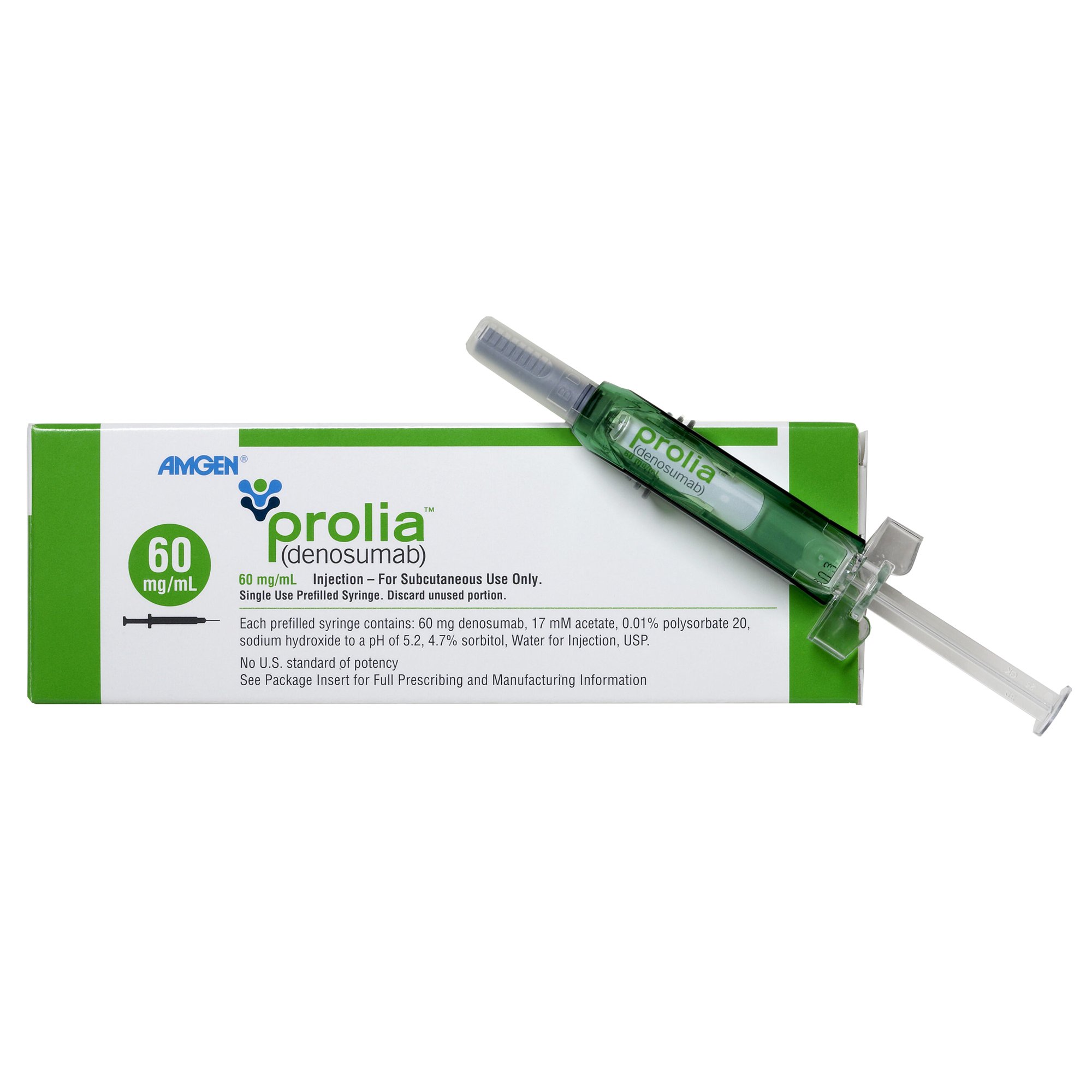
Prolia (Denosumab): A Comprehensive Medical SEO Guide for Orthopedic Specialists and Patients
1. Comprehensive Introduction & Overview
Prolia (denosumab) is a highly specialized medication, a monoclonal antibody, that plays a critical role in the management of various bone-related conditions, primarily osteoporosis and certain types of cancer-related bone loss. As an expert medical SEO copywriter and orthopedic specialist, this guide aims to provide an exhaustive, authoritative resource for both healthcare professionals and patients seeking to understand Prolia in depth.
Developed by Amgen, Prolia represents a significant advancement in bone therapy, offering an alternative to traditional bisphosphonate treatments. Its unique mechanism of action targets a specific pathway in bone remodeling, making it particularly effective for individuals at high risk of fractures. This guide will delve into its technical specifications, clinical applications, safety profile, and practical considerations for its use.
What is Denosumab?
Denosumab is a human monoclonal antibody (IgG2) that targets and binds with high affinity and specificity to RANK Ligand (RANKL). RANKL is a protein essential for the formation, function, and survival of osteoclasts, the cells responsible for bone resorption (breakdown). By inhibiting RANKL, denosumab effectively reduces osteoclast activity, leading to decreased bone resorption and increased bone mineral density (BMD).
Key Highlights of Prolia
- Targeted Action: Directly inhibits RANKL, a key mediator of bone breakdown.
- Subcutaneous Administration: Convenient dosing every six months for osteoporosis.
- Broad Indications: Approved for postmenopausal osteoporosis, male osteoporosis, glucocorticoid-induced osteoporosis, and specific cancer-related bone issues.
- Fracture Risk Reduction: Proven to significantly reduce the risk of vertebral, non-vertebral, and hip fractures.
2. Deep-dive into Technical Specifications / Mechanisms
Understanding Prolia's efficacy requires a detailed look into its mechanism of action and pharmacokinetic profile.
2.1 Mechanism of Action (MOA)
Bone is a dynamic tissue constantly undergoing a process called remodeling, where old bone is removed (resorption) by osteoclasts and new bone is formed (formation) by osteoblasts. In conditions like osteoporosis, the balance shifts towards excessive bone resorption, leading to weakened bones and increased fracture risk.
The receptor activator of nuclear factor kappa-B ligand (RANKL) is a critical signaling molecule in this process. It is expressed by osteoblasts and stromal cells and binds to its receptor, RANK, on the surface of osteoclast precursors and mature osteoclasts. This binding is essential for osteoclast differentiation, activation, and survival.
Denosumab acts as a "decoy" RANKL receptor. By binding to RANKL, denosumab prevents RANKL from interacting with its natural receptor, RANK, on osteoclasts. This inhibition leads to:
* Reduced formation of new osteoclasts.
* Decreased function of existing osteoclasts.
* Increased apoptosis (programmed cell death) of osteoclasts.
The net effect is a profound reduction in bone resorption, which in turn allows bone formation to catch up, leading to an increase in bone mineral density and improved bone strength. Unlike bisphosphonates, which are incorporated into the bone matrix and inhibit osteoclast activity indirectly, denosumab acts in the extracellular fluid, making its effects more immediate and reversible upon discontinuation.
2.2 Pharmacokinetics
As a human monoclonal antibody, denosumab exhibits pharmacokinetic characteristics typical of large protein molecules.
Absorption
- Route of Administration: Administered via subcutaneous injection.
- Bioavailability: Estimated to be approximately 62% for the 60 mg dose, reaching peak serum concentrations in about 10 days.
- Dose Proportionality: Pharmacokinetics are approximately dose-proportional over a wide range of doses.
Distribution
- Volume of Distribution: Low, consistent with limited distribution to tissues outside the systemic circulation.
- Binding: Denosumab does not bind to plasma proteins in a non-specific manner.
Metabolism
- Not Metabolized by Cytochrome P450 Enzymes: As a therapeutic protein, denosumab is not metabolized by hepatic cytochrome P450 enzymes.
- Catabolism: Like other antibodies, denosumab is expected to be cleared through non-specific catabolic pathways into small peptides and amino acids.
Elimination
- Half-life: The serum half-life is approximately 25.5 days, but its pharmacological effect on bone resorption can persist for 6 months or longer due to its high affinity for RANKL and the slow turnover of osteoclasts.
- Clearance: Clearance is primarily mediated by the reticuloendothelial system. Renal elimination of intact denosumab is considered minimal.
Special Populations
- Renal Impairment: No dose adjustment is needed for patients with renal impairment, including those on dialysis. However, patients with severe renal impairment (creatinine clearance < 30 mL/min) or on dialysis are at increased risk of hypocalcemia and require careful monitoring and calcium/vitamin D supplementation.
- Hepatic Impairment: No studies have been conducted, but hepatic impairment is not expected to affect denosumab pharmacokinetics, as it is not metabolized via hepatic pathways.
- Elderly: No significant differences in pharmacokinetics have been observed in elderly patients.
- Pediatric: Prolia is not indicated for pediatric patients, except for giant cell tumor of bone in adolescents with mature skeletons.
3. Extensive Clinical Indications & Usage
Prolia (denosumab) is approved for a range of conditions where reducing bone resorption is beneficial.
3.1 Detailed Indications
| Indication | Description |
|---|---|
| Postmenopausal Osteoporosis (PMO) | Treatment of postmenopausal women with osteoporosis at high risk for fracture, defined as a history of osteoporotic fracture, multiple risk factors for fracture, or failure of, or intolerance to, other available osteoporosis therapy. Prolia significantly increases BMD at the lumbar spine, total hip, and femoral neck, and reduces the incidence of vertebral, non-vertebral, and hip fractures. |
| Osteoporosis in Men | Treatment to increase bone mineral density in men with osteoporosis at high risk for fracture. Similar efficacy to PMO, reducing fracture risk. |
| Glucocorticoid-Induced Osteoporosis (GIOP) | Treatment of men and women at high risk for fracture receiving glucocorticoid therapy who are at high risk for fracture. Effective in patients receiving ≥7.5 mg/day of prednisone (or equivalent) for at least 6 months and who have a T-score of -2.0 or less at the lumbar spine, total hip, or femoral neck, or a history of osteoporotic fracture. |
| Bone Loss in Prostate Cancer | Treatment to increase bone mineral density in men at high risk for fracture receiving androgen deprivation therapy for non-metastatic prostate cancer. Androgen deprivation therapy can lead to significant bone loss, and Prolia helps mitigate this. |
| Bone Loss in Breast Cancer | Treatment to increase bone mineral density in women at high risk for fracture receiving adjuvant aromatase inhibitor therapy for breast cancer. Aromatase inhibitors can accelerate bone loss in postmenopausal women, and Prolia helps preserve bone density. |
| Giant Cell Tumor of Bone (GCTB) | Treatment of adults and skeletally mature adolescents with giant cell tumor of bone that is unresectable or where surgical resection is likely to result in severe morbidity. This indication uses a higher dose (Xgeva, a different brand name for denosumab, typically 120 mg). Denosumab inhibits the RANKL pathway, which is overexpressed in GCTB, thereby reducing tumor-associated osteolysis and promoting bone formation within the tumor. |
3.2 Dosage Guidelines
Precise adherence to dosage guidelines is crucial for optimal efficacy and safety.
3.2.1 Standard Dosing for Osteoporosis and Bone Loss Indications
- Dosage: 60 mg administered as a single subcutaneous injection.
- Frequency: Once every 6 months.
- Administration Site: Thigh, abdomen, or upper arm.
- Preparation: Prolia is supplied in a prefilled syringe. It should be allowed to reach room temperature for 15-30 minutes before injection. Do not shake.
3.2.2 Important Considerations
- Calcium and Vitamin D Supplementation: Patients must receive adequate calcium (at least 1000 mg daily) and vitamin D (at least 400 IU daily, often 800-1200 IU recommended) supplementation while on Prolia, unless hypercalcemic. This is critical to minimize the risk of hypocalcemia.
- Monitoring: Serum calcium levels should be monitored, especially prior to each dose and within 14 days after the initial dose in patients predisposed to hypocalcemia (e.g., severe renal impairment).
- Missed Dose: If a dose is missed, administer Prolia as soon as possible. Thereafter, schedule subsequent injections every 6 months from the date of the last injection.
- Duration of Therapy: The optimal duration of Prolia therapy has not been definitively established. Patients should be periodically reassessed for the need for continued treatment. Discontinuation can lead to a rapid rebound in bone turnover and increased risk of vertebral fractures. Therefore, an alternative anti-resorptive therapy should be considered upon discontinuation.
3.2.3 Dosing for Giant Cell Tumor of Bone (GCTB)
- Dosage: 120 mg administered as a subcutaneous injection.
- Frequency: Once every 4 weeks with additional loading doses of 120 mg on Days 8 and 15 of the first month of therapy.
- Brand: For GCTB, denosumab is typically marketed as Xgeva, though the active ingredient is the same. The higher dose and frequency reflect the different therapeutic goal.
4. Risks, Side Effects, and Contraindications
While highly effective, Prolia is associated with certain risks and side effects that healthcare providers and patients must be aware of.
4.1 Contraindications
- Hypocalcemia: Prolia is absolutely contraindicated in patients with pre-existing hypocalcemia. Hypocalcemia must be corrected prior to initiating therapy with Prolia.
- Hypersensitivity: Known hypersensitivity to denosumab or any component of the product. Reactions may include anaphylaxis, facial swelling, urticaria, or rash.
- Pregnancy: Prolia is contraindicated in pregnant women.
4.2 Serious Adverse Reactions
| Adverse Reaction | Description |
|---|---|
| Hypocalcemia | Can be severe and symptomatic. Risk is higher in patients with severe renal impairment (CrCl < 30 mL/min) or on dialysis. Symptoms include paresthesia, muscle spasms, tetany, and seizures. Requires adequate calcium and vitamin D supplementation and close monitoring, especially in the first two weeks post-injection. |
| Osteonecrosis of the Jaw (ONJ) | A rare but serious condition involving jawbone death. Risk factors include invasive dental procedures (e.g., tooth extractions), poor oral hygiene, cancer diagnosis, concomitant therapies (e.g., chemotherapy, corticosteroids, anti-angiogenic agents), and pre-existing dental disease. A thorough dental examination with preventive dentistry should be considered prior to Prolia initiation, especially for patients with risk factors. Patients should maintain good oral hygiene during treatment. |
| Atypical Femoral Fractures (AFF) | Rare, but serious, stress fractures that occur in the subtrochanteric or diaphyseal regions of the femur, often with minimal or no trauma. Patients presenting with new or unusual thigh, hip, or groin pain should be evaluated for an atypical femoral fracture. Bilateral examination is recommended as these fractures can be bilateral. |
| Serious Infections | Prolia can increase the risk of serious infections, including cellulitis, endocarditis, and abdominal infections, requiring hospitalization. This is due to the role of RANKL in the immune system. Patients should be advised to seek prompt medical attention if they develop signs or symptoms of infection. |
| Dermatologic Adverse Reactions | Cases of dermatitis, eczema, and rashes have been reported, including rare cases of severe skin reactions such as Stevens-Johnson syndrome. |
| Multiple Vertebral Fractures (MVF) | Upon discontinuation of Prolia, there is a rapid increase in bone turnover markers and a rebound increase in vertebral fracture risk, particularly multiple vertebral fractures. It is crucial to transition patients to an alternative anti-resorptive therapy (e.g., bisphosphonate) if Prolia is discontinued, especially in those at high fracture risk. |
4.3 Common Side Effects (≥5% and more frequent than placebo)
- Back pain
- Pain in extremity
- Musculoskeletal pain
- Hypercholesterolemia
- Cystitis
- Infections (e.g., urinary tract infections, upper respiratory tract infections)
- Sciatica
4.4 Drug Interactions
Given that denosumab is a monoclonal antibody and not metabolized by hepatic cytochrome P450 enzymes, it has a low potential for drug-drug interactions via metabolic pathways. However, certain considerations apply:
* Immunosuppressants: Concomitant use with immunosuppressive agents (e.g., corticosteroids, chemotherapy) may further increase the risk of serious infections.
* Other Anti-resorptive Agents: Co-administration with other anti-resorptive agents (e.g., bisphosphonates) is generally not recommended due to lack of incremental benefit and potential for increased risks.
* Calcium-Altering Medications: Care should be taken with medications that can affect calcium levels, as these could exacerbate hypocalcemia risk with Prolia.
4.5 Pregnancy and Lactation Warnings
- Pregnancy (Category X): Prolia is contraindicated in pregnant women. Animal studies have shown that denosumab can cause fetal harm (e.g., skeletal abnormalities, decreased fetal weight, stillbirths). Women of childbearing potential should be advised to use effective contraception during treatment and for at least 5 months after the last dose.
- Lactation: It is unknown whether denosumab is excreted in human milk. Given the potential for serious adverse reactions in a breastfed infant, a decision should be made whether to discontinue nursing or to discontinue the drug, taking into account the importance of the drug to the mother.
4.6 Overdose Management
There is no specific antidote for denosumab overdose. In the event of an overdose, management should be supportive and aimed at treating any associated symptoms. Close monitoring for hypocalcemia is paramount, and appropriate measures to correct calcium levels should be instituted if necessary. Due to its long half-life, the effects of an overdose could be prolonged.
5. Massive FAQ Section
Here are frequently asked questions about Prolia (denosumab) to provide further clarity for patients and healthcare providers.
Q1: What exactly is Prolia used for?
Prolia is primarily used to treat osteoporosis in postmenopausal women and men at high risk of fractures. It's also approved for glucocorticoid-induced osteoporosis, bone loss in men receiving androgen deprivation therapy for prostate cancer, and bone loss in women receiving aromatase inhibitor therapy for breast cancer. Additionally, a higher dose (Xgeva) is used for giant cell tumor of bone.
Q2: How does Prolia differ from bisphosphonates like Fosamax or Boniva?
Prolia and bisphosphonates both treat osteoporosis by reducing bone breakdown, but they do so through different mechanisms. Bisphosphonates are absorbed into the bone matrix and inhibit osteoclast activity from within the bone. Prolia is a monoclonal antibody that works in the bloodstream by binding to RANKL, preventing it from activating osteoclasts. This targeted action means Prolia is not incorporated into the bone and has a different safety profile and administration schedule (subcutaneous injection every 6 months vs. daily/weekly/monthly oral bisphosphonates or yearly IV infusions).
Q3: How is Prolia administered?
Prolia is administered as a single 60 mg subcutaneous injection once every 6 months. It can be injected into the thigh, abdomen, or upper arm by a healthcare professional.
Q4: What should I do if I miss a dose of Prolia?
If you miss an injection, contact your doctor or nurse as soon as possible. They will administer the dose, and then subsequent doses should be scheduled every 6 months from the date of your last injection.
Q5: What are the most common side effects of Prolia?
Common side effects include back pain, pain in arms and legs, musculoskeletal pain, high cholesterol, bladder infections, and other infections like upper respiratory tract infections. Most side effects are mild to moderate.
Q6: What are the serious risks associated with Prolia?
Serious risks include severe hypocalcemia (low blood calcium), osteonecrosis of the jaw (ONJ), atypical femoral fractures (unusual thigh bone fractures), serious infections (e.g., cellulitis), and multiple vertebral fractures upon discontinuation of the drug. Your doctor will discuss these risks with you.
Q7: Do I need to take calcium and vitamin D supplements while on Prolia?
Yes, it is crucial to take adequate calcium and vitamin D supplements as recommended by your doctor while on Prolia, unless you have high calcium levels. This helps prevent hypocalcemia, a serious side effect.
Q8: Can Prolia be used during pregnancy or breastfeeding?
No, Prolia is contraindicated during pregnancy due to potential harm to the fetus. Women of childbearing potential should use effective contraception during treatment and for at least 5 months after the last dose. It is unknown if Prolia passes into breast milk, so breastfeeding is generally not recommended.
Q9: What happens if I stop taking Prolia?
If Prolia is discontinued, there can be a rapid increase in bone turnover, potentially leading to a rebound increase in the risk of vertebral fractures, especially multiple vertebral fractures. It is highly recommended to transition to an alternative anti-resorptive therapy (like a bisphosphonate) if Prolia is stopped, particularly for patients at high fracture risk.
Q10: Is dental work safe while on Prolia?
You should inform your dentist that you are taking Prolia. While rare, osteonecrosis of the jaw (ONJ) is a serious risk, especially with invasive dental procedures like tooth extractions. Your doctor may recommend a dental check-up before starting Prolia, especially if you have risk factors for ONJ. Maintaining good oral hygiene is very important.
Q11: How long will I need to take Prolia?
The optimal duration of Prolia therapy is still being studied. Your doctor will periodically reassess your condition and fracture risk to determine if continued treatment is necessary. Some patients may take it for many years, while others may transition to different therapies.
Q12: Can men take Prolia for osteoporosis?
Yes, Prolia is approved for the treatment of osteoporosis in men at high risk for fracture. It is also used to increase bone mineral density in men receiving androgen deprivation therapy for prostate cancer.
Q13: Does Prolia affect the immune system?
Yes, RANKL, the target of Prolia, also plays a role in the immune system. Therefore, Prolia can increase the risk of serious infections, including skin infections (cellulitis), and abdominal infections. Patients should report any signs of infection to their doctor promptly.
Q14: What is the difference between Prolia and Xgeva?
Prolia and Xgeva both contain denosumab as the active ingredient. The primary difference is the dosage and indications. Prolia (60 mg every 6 months) is used for osteoporosis and bone loss indications. Xgeva (120 mg monthly, with loading doses) is used for prevention of skeletal-related events in patients with bone metastases from solid tumors and for the treatment of giant cell tumor of bone.
Q15: How should Prolia be stored?
Prolia should be stored in a refrigerator at 2°C to 8°C (36°F to 46°F) in its original carton to protect from light. Do not freeze. If removed from the refrigerator, Prolia must be used within 14 days and not stored above 25°C (77°F).