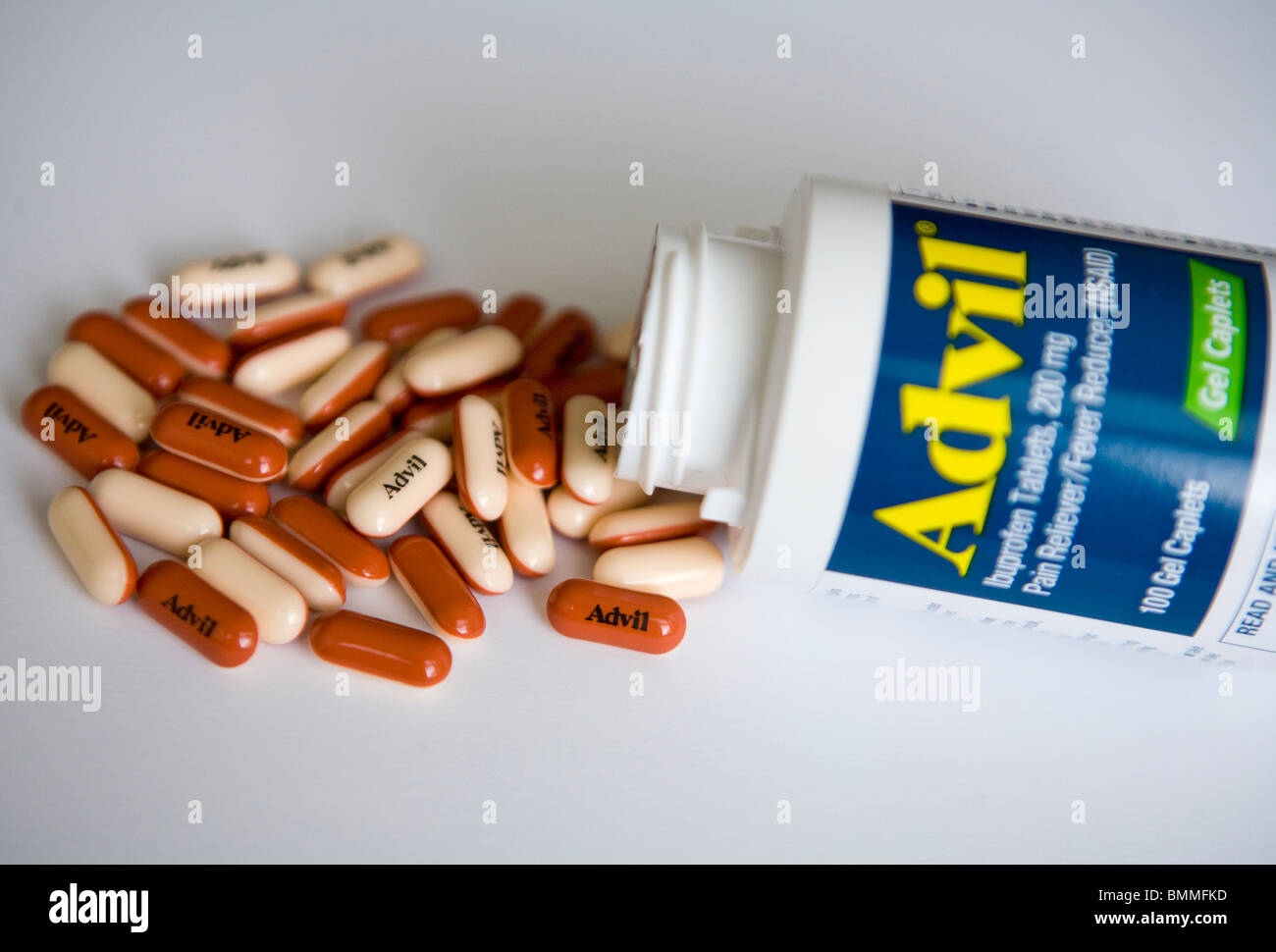
Comprehensive Introduction: Unveiling Profinal (Ibuprofen)
Profinal, a widely recognized brand name for the active pharmaceutical ingredient Ibuprofen, stands as a cornerstone in the management of pain, inflammation, and fever. As a member of the nonsteroidal anti-inflammatory drug (NSAID) class, Profinal offers a potent therapeutic profile that has made it an indispensable medication in both clinical practice and over-the-counter availability. Its efficacy stems from its ability to target the underlying biochemical pathways responsible for these common ailments, providing symptomatic relief for a vast array of conditions.
This comprehensive guide, crafted by an expert Medical SEO Copywriter and Orthopedic Specialist, aims to provide an exhaustive overview of Profinal (Ibuprofen). We will delve into its scientific intricacies, clinical applications, safety considerations, and practical usage, empowering patients and healthcare professionals alike with authoritative, evidence-based information. From its molecular mechanism of action to detailed dosage guidelines and critical warnings, every aspect of Profinal's profile will be meticulously explored to ensure a thorough understanding of this essential medication.
Deep Dive into the Science: Mechanism of Action & Pharmacokinetics
Understanding how Profinal works at a cellular level and how it navigates the human body is crucial for appreciating its therapeutic effects and potential limitations.
Mechanism of Action: How Profinal Works
Profinal (Ibuprofen) exerts its primary pharmacological effects by inhibiting the activity of cyclooxygenase (COX) enzymes. There are two main isoforms of COX:
- Cyclooxygenase-1 (COX-1): This enzyme is constitutively expressed in most tissues and is responsible for producing prostaglandins that play vital roles in maintaining physiological functions, such as protecting the gastric mucosa, regulating renal blood flow, and facilitating platelet aggregation.
- Cyclooxygenase-2 (COX-2): This isoform is primarily induced at sites of inflammation, injury, and infection. It produces prostaglandins that mediate pain, inflammation, and fever.
Ibuprofen is a non-selective NSAID, meaning it inhibits both COX-1 and COX-2 enzymes. By inhibiting these enzymes, Profinal prevents the synthesis of prostaglandins from arachidonic acid. The reduction in prostaglandin synthesis leads to:
- Analgesia (Pain Relief): Prostaglandins sensitize nociceptors (pain receptors) to pain-producing stimuli. By reducing prostaglandin levels, Profinal diminishes pain perception.
- Anti-inflammatory Effects: Prostaglandins contribute significantly to the inflammatory process by increasing vascular permeability, causing vasodilation, and recruiting inflammatory cells. Inhibition of their synthesis reduces swelling, redness, and tenderness.
- Antipyresis (Fever Reduction): Prostaglandins, particularly prostaglandin E2 (PGE2), are involved in mediating fever by resetting the hypothalamic thermoregulatory set point. Profinal's inhibition of PGE2 synthesis helps to lower elevated body temperature.
Pharmacokinetics: The Journey of Ibuprofen in Your Body
Pharmacokinetics describes how the body handles a drug—its absorption, distribution, metabolism, and excretion (ADME).
- Absorption:
- Profinal is rapidly and almost completely absorbed from the gastrointestinal (GI) tract following oral administration.
- Peak plasma concentrations are typically achieved within 1-2 hours after ingestion of immediate-release formulations.
- Food can delay the rate of absorption but generally does not affect the total amount absorbed.
- Distribution:
- Ibuprofen is highly bound to plasma proteins, primarily albumin (approximately 90-99%).
- It readily penetrates synovial fluid, where it can achieve concentrations comparable to or even higher than plasma levels, which is beneficial for treating inflammatory joint conditions.
- It crosses the placenta and is excreted in breast milk in small amounts.
- Metabolism:
- Profinal undergoes extensive hepatic metabolism, primarily via oxidation by cytochrome P450 enzymes (mainly CYP2C9) to two inactive primary metabolites.
- These metabolites are then conjugated with glucuronic acid.
- Excretion:
- The vast majority (approximately 95%) of Profinal is excreted in the urine as metabolites and their conjugates, with only a small fraction excreted unchanged.
- The elimination half-life of Ibuprofen is relatively short, typically ranging from 1.8 to 3.5 hours, necessitating multiple daily doses for sustained therapeutic effects.
- Renal impairment can lead to accumulation of metabolites, though the parent drug's elimination is less affected.
Extensive Clinical Indications & Usage: When and How to Use Profinal
Profinal's broad therapeutic utility makes it suitable for a wide range of conditions requiring pain relief, inflammation reduction, or fever management.
Detailed Indications: Conditions Treated by Profinal
Profinal is indicated for the symptomatic treatment of various conditions, including:
- Rheumatic Diseases:
- Rheumatoid Arthritis (RA)
- Osteoarthritis (OA)
- Ankylosing Spondylitis
- Psoriatic Arthritis
- Juvenile Idiopathic Arthritis (JIA)
- Musculoskeletal Pain:
- Sprains and strains
- Back pain
- Neck pain
- Tendinitis
- Bursitis
- Acute Pain Syndromes:
- Headaches (tension headaches, migraines)
- Dental pain (toothache, post-extraction pain)
- Post-operative pain
- Post-traumatic pain
- Soft tissue injuries
- Dysmenorrhea (Menstrual Pain):
- Primary dysmenorrhea
- Fever:
- Reduction of fever associated with various illnesses (e.g., common cold, flu).
- Other Inflammatory Conditions:
- Gout (acute attacks, though other NSAIDs may be preferred)
Dosage Guidelines: Administering Profinal Safely and Effectively
Dosage of Profinal varies significantly based on the patient's age, weight, the specific condition being treated, and the severity of symptoms. It is crucial to use the lowest effective dose for the shortest possible duration to minimize the risk of adverse effects.
General Adult Dosing
| Indication | Typical Single Dose | Frequency | Maximum Daily Dose | Notes ## Comprehensive Introduction: Unveiling Profinal (Ibuprofen)
Profinal, a widely recognized brand name for the active pharmaceutical ingredient Ibuprofen, stands as a cornerstone in the management of pain, inflammation, and fever. As a member of the nonsteroidal anti-inflammatory drug (NSAID) class, Profinal offers a potent therapeutic profile that has made it an indispensable medication in both clinical practice and over-the-counter availability. Its efficacy stems from its ability to target the underlying biochemical pathways responsible for these common ailments, providing symptomatic relief for a vast array of conditions.
This comprehensive guide, crafted by an expert Medical SEO Copywriter and Orthopedic Specialist, aims to provide an exhaustive overview of Profinal (Ibuprofen). We will delve into its scientific intricacies, clinical applications, safety considerations, and practical usage, empowering patients and healthcare professionals alike with authoritative, evidence-based information. From its molecular mechanism of action to detailed dosage guidelines and critical warnings, every aspect of Profinal's profile will be meticulously explored to ensure a thorough understanding of this essential medication.
Deep Dive into the Science: Mechanism of Action & Pharmacokinetics
Understanding how Profinal works at a cellular level and how it navigates the human body is crucial for appreciating its therapeutic effects and potential limitations.
Mechanism of Action: How Profinal Works
Profinal (Ibuprofen) exerts its primary pharmacological effects by inhibiting the activity of cyclooxygenase (COX) enzymes. There are two main isoforms of COX:
- Cyclooxygenase-1 (COX-1): This enzyme is constitutively expressed in most tissues and is responsible for producing prostaglandins that play vital roles in maintaining physiological functions, such as protecting the gastric mucosa, regulating renal blood flow, and facilitating platelet aggregation.
- Cyclooxygenase-2 (COX-2): This isoform is primarily induced at sites of inflammation, injury, and infection. It produces prostaglandins that mediate pain, inflammation, and fever.
Ibuprofen is a non-selective NSAID, meaning it inhibits both COX-1 and COX-2 enzymes. By inhibiting these enzymes, Profinal prevents the synthesis of prostaglandins from arachidonic acid. The reduction in prostaglandin synthesis leads to:
- Analgesia (Pain Relief): Prostaglandins sensitize nociceptors (pain receptors) to pain-producing stimuli. By reducing prostaglandin levels, Profinal diminishes pain perception.
- Anti-inflammatory Effects: Prostaglandins contribute significantly to the inflammatory process by increasing vascular permeability, causing vasodilation, and recruiting inflammatory cells. Inhibition of their synthesis reduces swelling, redness, and tenderness.
- Antipyresis (Fever Reduction): Prostaglandins, particularly prostaglandin E2 (PGE2), are involved in mediating fever by resetting the hypothalamic thermoregulatory set point. Profinal's inhibition of PGE2 synthesis helps to lower elevated body temperature.
Pharmacokinetics: The Journey of Ibuprofen in Your Body
Pharmacokinetics describes how the body handles a drug—its absorption, distribution, metabolism, and excretion (ADME).
- Absorption:
- Profinal is rapidly and almost completely absorbed from the gastrointestinal (GI) tract following oral administration.
- Peak plasma concentrations are typically achieved within 1-2 hours after ingestion of immediate-release formulations.
- Food can delay the rate of absorption but generally does not affect the total amount absorbed.
- Distribution:
- Ibuprofen is highly bound to plasma proteins, primarily albumin (approximately 90-99%).
- It readily penetrates synovial fluid, where it can achieve concentrations comparable to or even higher than plasma levels, which is beneficial for treating inflammatory joint conditions.
- It crosses the placenta and is excreted in breast milk in small amounts.
- Metabolism:
- Profinal undergoes extensive hepatic metabolism, primarily via oxidation by cytochrome P450 enzymes (mainly CYP2C9) to two inactive primary metabolites.
- These metabolites are then conjugated with glucuronic acid.
- Excretion:
- The vast majority (approximately 95%) of Profinal is excreted in the urine as metabolites and their conjugates, with only a small fraction excreted unchanged.
- The elimination half-life of Ibuprofen is relatively short, typically ranging from 1.8 to 3.5 hours, necessitating multiple daily doses for sustained therapeutic effects.
- Renal impairment can lead to accumulation of metabolites, though the parent drug's elimination is less affected.
Extensive Clinical Indications & Usage: When and How to Use Profinal
Profinal's broad therapeutic utility makes it suitable for a wide range of conditions requiring pain relief, inflammation reduction, or fever management.
Detailed Indications: Conditions Treated by Profinal
Profinal is indicated for the symptomatic treatment of various conditions, including:
- Rheumatic Diseases:
- Rheumatoid Arthritis (RA)
- Osteoarthritis (OA)
- Ankylosing Spondylitis
- Psoriatic Arthritis
- Juvenile Idiopathic Arthritis (JIA)
- Musculoskeletal Pain:
- Sprains and strains
- Back pain
- Neck pain
- Tendinitis
- Bursitis
- Acute Pain Syndromes:
- Headaches (tension headaches, migraines)
- Dental pain (toothache, post-extraction pain)
- Post-operative pain
- Post-traumatic pain
- Soft tissue injuries
- Dysmenorrhea (Menstrual Pain):
- Primary dysmenorrhea
- Fever:
- Reduction of fever associated with various illnesses (e.g., common cold, flu).
- Other Inflammatory Conditions:
- Gout (acute attacks, though other NSAIDs may be preferred)
Dosage Guidelines: Administering Profinal Safely and Effectively
Dosage of Profinal varies significantly based on the patient's age, weight, the specific condition being treated, and the severity of symptoms. It is crucial to use the lowest effective dose for the shortest possible duration to minimize the risk of adverse effects.
General Adult Dosing
| Indication | Typical Single Dose | Frequency | Maximum Daily Dose | Notes