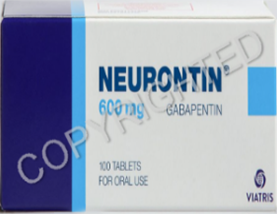
Neurontin (Gabapentin): An Exhaustive Medical SEO Guide for Patients & Professionals
Welcome to the definitive guide on Neurontin, the brand name for the medication gabapentin. As an expert medical SEO copywriter and orthopedic specialist, we aim to provide a comprehensive, authoritative resource for understanding this widely prescribed medication. Neurontin plays a crucial role in managing various neurological conditions, primarily focusing on neuropathic pain and certain seizure disorders. This guide will delve into its intricacies, from its fundamental mechanism of action to practical dosage guidelines and critical safety information.
1. Introduction & Overview: Understanding Neurontin (Gabapentin)
Neurontin, chemically known as gabapentin, is an anticonvulsant and neuropathic pain agent. Despite its name, which suggests an interaction with gamma-aminobutyric acid (GABA), the primary inhibitory neurotransmitter in the brain, its exact mechanism of action is distinct and does not directly bind to GABA receptors. It was originally synthesized as a GABA analog designed to penetrate the blood-brain barrier more effectively.
Approved by the U.S. Food and Drug Administration (FDA) for specific indications, Neurontin has also found extensive off-label use due to its efficacy in various pain syndromes and neurological conditions. Its therapeutic benefits stem from its ability to modulate neuronal excitability, leading to reduced pain signaling and seizure activity.
Key Highlights of Neurontin:
- Active Ingredient: Gabapentin
- Drug Class: Anticonvulsant, Neuropathic Pain Agent
- Primary Uses: Postherpetic neuralgia (nerve pain after shingles), partial-onset seizures
- Formulations: Capsules, tablets, oral solution
- Mechanism: Modulates voltage-gated calcium channels
- Administration: Oral
This guide is designed to be an indispensable resource for patients seeking to understand their medication better, as well as for healthcare professionals needing a quick, reliable reference.
2. Deep-Dive into Technical Specifications & Mechanisms
Understanding how Neurontin works at a molecular level is key to appreciating its therapeutic effects and side effect profile.
2.1. Mechanism of Action
Despite its structural similarity to GABA, gabapentin does not act directly on GABA-A or GABA-B receptors, nor does it inhibit GABA reuptake or degradation. Instead, its primary mechanism of action is believed to involve binding to the alpha-2-delta (α2δ) subunit of voltage-gated calcium channels (VGCCs) in the central nervous system.
Detailed Mechanism:
- Binding to α2δ Subunit: Gabapentin selectively binds with high affinity to the α2δ-1 protein subunit, which is an auxiliary subunit of presynaptic VGCCs.
- Modulation of Calcium Influx: This binding reduces the influx of calcium ions into presynaptic nerve terminals.
- Reduction of Neurotransmitter Release: By limiting calcium influx, gabapentin effectively reduces the release of excitatory neurotransmitters such as glutamate, norepinephrine, and substance P. These neurotransmitters are implicated in pain transmission and seizure generation.
- Antinociceptive and Anticonvulsant Effects: The reduction in excitatory neurotransmitter release leads to decreased neuronal excitability, thereby exerting its anticonvulsant and antinociceptive (pain-relieving) effects.
- Other Potential Effects (less understood): Some research suggests gabapentin may also modulate GABA synthesis, increase non-synaptic GABA, or affect monoamine neurotransmitter levels, but these are considered secondary to its primary α2δ binding.
It's crucial to note that gabapentin's effects are not immediate and often require titration to achieve optimal therapeutic levels, reflecting its modulatory rather than direct agonist/antagonist action.
2.2. Pharmacokinetics
The journey of gabapentin through the body is unique, particularly concerning its absorption and elimination.
Pharmacokinetic Profile of Gabapentin:
| Parameter | Description | Clinical Implication Neurontin