Neurontin (Gabapentin): An Expert Medical SEO Guide
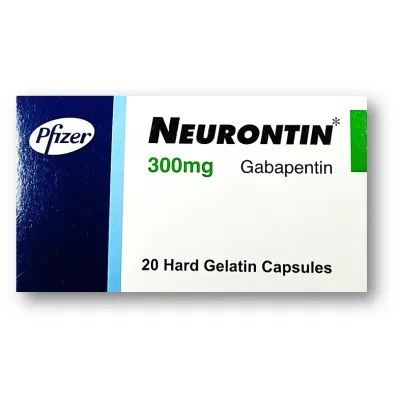
Neurontin, the brand name for gabapentin, is a widely prescribed medication primarily used to manage certain types of seizures and neuropathic pain. As an expert medical SEO copywriter and orthopedic specialist, this guide aims to provide a massive, exhaustive, and highly authoritative overview of Neurontin, covering its technical specifications, clinical applications, safety profile, and more. Understanding this medication is crucial for both patients seeking relief and healthcare professionals aiming for optimal treatment outcomes.
1. Comprehensive Introduction & Overview
Neurontin (gabapentin) is an anticonvulsant and neuropathic pain agent. It was originally approved by the U.S. Food and Drug Administration (FDA) in 1993 as an adjunctive therapy for partial seizures in adults. Since then, its utility has expanded to include the treatment of postherpetic neuralgia (PHN), a painful condition that can follow shingles.
While often grouped with antiepileptic drugs (AEDs), gabapentin's mechanism of action is unique and distinct from many traditional AEDs. It is not metabolized by the liver to any significant extent and is excreted largely unchanged by the kidneys, which simplifies its use in patients with liver disease but necessitates dose adjustments in those with renal impairment.
This guide will delve into the intricacies of Neurontin, providing a deep understanding of how it works, when it's used, how to manage its dosage, potential risks, and crucial safety information.
2. Deep-Dive into Technical Specifications & Mechanisms
Understanding the science behind Neurontin is key to appreciating its therapeutic effects and limitations.
Mechanism of Action
Gabapentin's mechanism of action is distinct and does not involve direct binding to GABA receptors, nor does it inhibit GABA reuptake or degradation. Instead, its primary mechanism is believed to involve binding to the alpha-2-delta (α2δ) subunit of voltage-gated calcium channels (VGCCs) in the central nervous system.
- Binding to α2δ Subunit: Gabapentin binds with high affinity to the α2δ-1 subunit, a protein associated with voltage-gated calcium channels. This binding is believed to reduce the influx of calcium into nerve terminals.
- Modulation of Neurotransmitter Release: By reducing calcium influx, gabapentin modulates the release of several excitatory neurotransmitters, including glutamate, norepinephrine, and substance P. This reduction in neurotransmitter release is thought to stabilize hyperexcited neurons, leading to its anticonvulsant and analgesic effects.
- No Direct GABAergic Action: It is important to note that gabapentin does not directly act on GABA-A or GABA-B receptors, nor does it enhance GABA synthesis or prevent its breakdown. Its name, "gabapentin," is derived from its chemical structure, which resembles the neurotransmitter GABA, but this similarity does not translate to direct GABAergic activity.
- Other Potential Effects: Some research suggests gabapentin may also modulate descending pain pathways and influence non-NMDA glutamate receptors, contributing to its analgesic properties.
Pharmacokinetics
The way the body processes gabapentin is unique and influences its dosing and administration.
- Absorption:
- Gabapentin absorption is dose-dependent and saturable. This means that as the dose increases, the proportion of the drug absorbed decreases.
- Bioavailability ranges from approximately 60% for a 300 mg dose to about 35% for a 1600 mg dose, taken three times daily.
- Food has a minimal effect on the rate and extent of absorption.
- Distribution:
- Gabapentin is widely distributed throughout the body.
- It crosses the blood-brain barrier.
- Protein binding is negligible (<3%), which means it has a low potential for drug interactions based on protein displacement.
- Metabolism:
- Gabapentin is not significantly metabolized in humans. It does not induce hepatic enzymes.
- This lack of hepatic metabolism is a significant advantage, reducing the likelihood of drug-drug interactions with other medications metabolized by the liver.
- Elimination:
- The drug is almost entirely eliminated unchanged by renal excretion.
- The elimination half-life is typically 5 to 7 hours in individuals with normal renal function.
- Due to its renal excretion, dose adjustments are critical in patients with impaired kidney function to prevent accumulation and toxicity.
- Steady State: Steady-state plasma concentrations are generally achieved within 1-2 days with a three-times-daily dosing regimen.
3. Extensive Clinical Indications & Usage
Neurontin is a versatile medication with several FDA-approved indications and numerous off-label uses.
Detailed Indications
1. Postherpetic Neuralgia (PHN)
- Description: PHN is a persistent, often severe nerve pain that can occur in the area where a person previously had shingles (herpes zoster) rash. It is characterized by burning, aching, or stabbing pain, often accompanied by allodynia (pain from normally non-painful stimuli).
- Usage: Gabapentin is highly effective in reducing the intensity and duration of PHN pain. It is often a first-line treatment option.
2. Adjunctive Therapy for Partial Seizures
- Description: Partial seizures, also known as focal seizures, originate in a specific area of the brain. They can occur with or without secondary generalization (spreading to cause a generalized seizure).
- Usage: Neurontin is approved as an add-on therapy for adults and pediatric patients (3 years and older) with partial seizures. It is used in conjunction with other antiepileptic medications when monotherapy is insufficient.
Off-Label Uses (Commonly Prescribed)
While not FDA-approved for these conditions, gabapentin is frequently prescribed off-label based on clinical evidence and practice guidelines.
- Neuropathic Pain Syndromes (beyond PHN):
- Diabetic Peripheral Neuropathy (DPN)
- Trigeminal Neuralgia
- Complex Regional Pain Syndrome (CRPS)
- Sciatica and other radicular pain
- Restless Legs Syndrome (RLS): Helps alleviate uncomfortable sensations and the urge to move the legs.
- Fibromyalgia: Can help manage chronic widespread pain, fatigue, and sleep disturbances.
- Alcohol Withdrawal Syndrome: Used to manage symptoms like anxiety, insomnia, and tremors, and to reduce seizure risk during withdrawal.
- Anxiety Disorders: Particularly generalized anxiety disorder (GAD), though benzodiazepines are more common.
- Hot Flashes: Especially in women who cannot take hormonal therapy.
- Migraine Prophylaxis: Some evidence supports its use in preventing migraine headaches.
Dosage Guidelines
Dosage of Neurontin must be individualized, starting with a low dose and gradually titrating upwards to achieve optimal therapeutic effect while minimizing side effects. Abrupt discontinuation should be avoided.
General Principles:
- Start Low, Go Slow (Titration): This allows the body to adjust to the medication and reduces the incidence of side effects.
- Administer in Divided Doses: Due to its relatively short half-life and saturable absorption, gabapentin is typically given three times daily.
- Renal Function: Dose adjustment is mandatory for patients with impaired renal function.
Specific Dosage Recommendations:
1. Postherpetic Neuralgia (PHN) in Adults:
* Day 1: 300 mg once daily.
* Day 2: 300 mg twice daily.
* Day 3: 300 mg three times daily (total 900 mg/day).
* Titration: The dose can be further increased as needed, based on response and tolerability, up to a maximum of 1800-3600 mg/day in divided doses. A common maintenance dose is 1800 mg/day (600 mg three times daily).
2. Adjunctive Therapy for Partial Seizures:
- Adults and Adolescents (12 years and older):
- Initial: 300 mg three times daily on Day 1 (total 900 mg/day).
- Titration: The dose can be increased rapidly to an effective dose, typically 900-1800 mg/day.
- Maintenance: The effective dose range is 900 to 3600 mg/day, administered in three divided doses. Doses up to 4800 mg/day have been tolerated.
- Pediatric Patients (3 to 11 years of age):
- Initial: 10-15 mg/kg/day, given in three divided doses.
- Titration: The dose can be titrated upward over approximately 3 days to an effective dose.
- Maintenance:
- 3 to 4 years of age: 40 mg/kg/day in three divided doses.
- 5 to 11 years of age: 25-35 mg/kg/day in three divided doses.
- Maximum recommended dose for this age group is 50 mg/kg/day.
Dosage in Renal Impairment (Adults):
| Creatinine Clearance (CrCl) (mL/min) | Total Daily Dose Range (mg/day) | Dosing Regimen |
|---|---|---|
| ≥ 60 | 900-3600 | TID |
| 30-59 | 400-1400 | BID |
| 15-29 | 200-700 | QD |
| < 15 | 100-300 | QD |
| Hemodialysis | 125-350 (supplemental dose) | After dialysis |
- For patients on hemodialysis, a loading dose of 300-400 mg is recommended, followed by 200-300 mg after each 4-hour hemodialysis session.
Administration:
- Neurontin can be taken with or without food.
- It is crucial to take doses consistently at approximately the same time each day to maintain stable drug levels.
- Do not crush, chew, or break extended-release tablets if prescribed.
Discontinuation:
- Abrupt discontinuation of gabapentin, especially at higher doses, can precipitate withdrawal symptoms such as anxiety, insomnia, nausea, pain, and sweating. In patients with epilepsy, abrupt withdrawal can increase seizure frequency.
- When discontinuing gabapentin, it should be tapered gradually over at least 1 week.
4. Risks, Side Effects, & Contraindications
Like all medications, Neurontin carries potential risks and side effects. A thorough understanding of these is essential for safe and effective use.
Common Side Effects (Generally Mild to Moderate)
These are often dose-related and may diminish with continued use as the body adjusts.
- Nervous System: Dizziness, somnolence (drowsiness), ataxia (impaired coordination), fatigue, nystagmus (involuntary eye movement), tremor, headache.
- Gastrointestinal: Nausea, vomiting, diarrhea, constipation, indigestion.
- Other: Peripheral edema (swelling of hands/feet), weight gain, blurred vision, dry mouth, viral infection.
Serious Side Effects & Warnings
Patients and caregivers should be vigilant for these more severe reactions.
- Suicidal Thoughts and Behavior (Class Effect of AEDs): All antiepileptic drugs, including gabapentin, carry an increased risk of suicidal thoughts or behavior. Patients should be monitored for new or worsening depression, suicidal ideation, or unusual changes in mood or behavior.
- Respiratory Depression: Serious, life-threatening respiratory depression has been reported with gabapentin, particularly when used concomitantly with central nervous system (CNS) depressants like opioids, or in patients with underlying respiratory impairment (e.g., COPD, asthma, elderly).
- Drug Reaction with Eosinophilia and Systemic Symptoms (DRESS): A severe, potentially life-threatening hypersensitivity reaction involving multiple organ systems. Symptoms may include fever, rash, lymphadenopathy, and organ involvement (e.g., hepatitis, nephritis). It can be difficult to diagnose early.
- Anaphylaxis and Angioedema: Rare but serious allergic reactions characterized by swelling of the face, lips, throat, and tongue, potentially leading to airway obstruction.
- Withdrawal Seizures: Abrupt discontinuation of gabapentin, especially in patients treated for epilepsy, can precipitate status epilepticus or increase seizure frequency.
- Neuropsychiatric Adverse Events in Children: Behavior problems, hostility, emotional lability, and hyperkinesia have been reported more frequently in children aged 3-12 years.
- Falls: Dizziness and somnolence can increase the risk of falls, especially in the elderly.
Contraindications
- Hypersensitivity: Neurontin is contraindicated in patients with a history of hypersensitivity to gabapentin or any of its excipients.
Precautions & Warnings
- Renal Impairment: Dose adjustments are crucial due to gabapentin's exclusive renal elimination.
- Elderly Patients: May be more susceptible to side effects like dizziness, somnolence, and ataxia, increasing the risk of falls.
- Driving and Operating Machinery: Patients should be warned about the potential for dizziness and somnolence, which can impair their ability to perform tasks requiring mental alertness.
- History of Substance Abuse: Gabapentin has a potential for misuse and abuse, particularly in individuals with a history of substance use disorder. Prescribers should assess this risk.
- Respiratory Risk Factors: Use with caution in patients with underlying respiratory disease or those taking concomitant CNS depressants.
Drug Interactions
Gabapentin has a relatively low potential for significant drug interactions due to its lack of hepatic metabolism and low protein binding. However, some interactions are clinically relevant:
- Opioids (e.g., Morphine, Hydrocodone): Concomitant use significantly increases the risk of respiratory depression, sedation, and potentially coma or death. Lower doses of both drugs may be necessary, and close monitoring is essential.
- Antacids (containing aluminum and magnesium): Can decrease the bioavailability of gabapentin by up to 24%. It is recommended to take gabapentin at least 2 hours after antacid administration.
- Alcohol and Other CNS Depressants: Concurrent use can intensify CNS depressant effects such as drowsiness, dizziness, and impaired coordination.
- Hydrocodone: Co-administration may increase gabapentin concentrations.
- Naproxen: May increase gabapentin absorption.
- Cimetidine: May slightly decrease the renal clearance of gabapentin.
Note: Gabapentin does not typically interact with other antiepileptic drugs (e.g., phenytoin, carbamazepine, valproic acid, phenobarbital), oral contraceptives, or warfarin.
Pregnancy & Lactation Warnings
- Pregnancy Category C:
- Animal studies have shown evidence of developmental toxicity (e.g., skeletal abnormalities, hydroureter/hydronephrosis) at doses higher than those used in humans.
- There are no adequate and well-controlled studies in pregnant women.
- Neurontin should be used during pregnancy only if the potential benefit justifies the potential risk to the fetus. Registration with the North American Antiepileptic Drug (NAAED) Pregnancy Registry is encouraged.
- Lactation:
- Gabapentin is excreted into human milk.
- The effect on breastfed infants is unknown, but potential for drowsiness, sedation, or poor feeding exists.
- A decision should be made whether to discontinue nursing or to discontinue the drug, taking into account the importance of the drug to the mother.
5. Overdose Management
In the event of an overdose, prompt medical attention is crucial.
Symptoms of Overdose
Symptoms of gabapentin overdose typically include an exaggeration of common side effects, such as:
* Dizziness
* Double vision (diplopia)
* Slurred speech (dysarthria)
* Drowsiness
* Lethargy
* Mild diarrhea (less common)
Fatal overdoses have been reported when gabapentin was taken in combination with other CNS depressants.
Management of Overdose
- Supportive Care: The primary approach is supportive treatment. Maintain a patent airway and monitor vital signs.
- Gastric Lavage: May be indicated if the ingestion is recent (within a few hours) and the patient is conscious and cooperative.
- Activated Charcoal: May be considered, though its effectiveness in gabapentin overdose is not well-established due due to gabapentin's non-linear absorption.
- Hemodialysis: Gabapentin can be removed by hemodialysis. This may be beneficial in patients with severe renal impairment or in cases of life-threatening overdose.
- No Specific Antidote: There is no specific antidote for gabapentin overdose.
6. Massive FAQ Section
Q1: What is Neurontin used for?
Neurontin (gabapentin) is primarily used to treat postherpetic neuralgia (nerve pain after shingles) and as an add-on therapy for partial seizures in adults and children (3 years and older). It is also commonly prescribed off-label for other types of neuropathic pain, restless legs syndrome, and fibromyalgia.
Q2: How does Neurontin work?
Neurontin works by binding to a specific subunit (alpha-2-delta) of voltage-gated calcium channels in the brain and spinal cord. This action reduces the release of certain excitatory neurotransmitters, helping to calm overactive nerve signals that cause seizures and pain. It does not directly affect GABA receptors.
Q3: Is Neurontin a controlled substance?
In some states, gabapentin is classified as a Schedule V controlled substance due to concerns about misuse and abuse, particularly in combination with opioids. However, it is not federally scheduled as a controlled substance in the U.S. Always check local regulations.
Q4: Can I stop taking Neurontin suddenly?
No, you should never stop taking Neurontin suddenly, especially if you've been on it for a long time or at high doses. Abrupt discontinuation can lead to withdrawal symptoms like anxiety, insomnia, nausea, sweating, and increased seizure frequency in epileptic patients. Your doctor will advise a gradual tapering schedule.
Q5: What are the common side effects of Neurontin?
Common side effects include dizziness, drowsiness (somnolence), unsteadiness (ataxia), fatigue, swelling in the hands or feet (peripheral edema), and weight gain. These often lessen as your body adjusts to the medication.
Q6: Can Neurontin cause weight gain?
Yes, weight gain is a recognized side effect of Neurontin. The exact mechanism is not fully understood, but it may be related to changes in appetite or metabolism. If you experience significant weight gain, discuss it with your doctor.
Q7: Can I drink alcohol while taking Neurontin?
It is generally advised to avoid or limit alcohol consumption while taking Neurontin. Both alcohol and Neurontin can cause central nervous system depression, leading to increased drowsiness, dizziness, and impaired coordination. Combining them can intensify these effects and increase the risk of accidents or respiratory depression.
Q8: How long does it take for Neurontin to work?
For seizure control, Neurontin's effects may be noticeable within a few days to a week. For neuropathic pain, it often takes several weeks of gradual dose titration to achieve significant pain relief. Consistent dosing is key to reaching steady-state levels and experiencing the full therapeutic benefit.
Q9: Is Neurontin addictive?
While not typically considered addictive in the same way as opioids or benzodiazepines, there is a potential for misuse and psychological dependence, especially in individuals with a history of substance abuse. Patients may experience withdrawal symptoms if the drug is stopped abruptly.
Q10: What should I do if I miss a dose of Neurontin?
If you miss a dose, take it as soon as you remember, unless it is almost time for your next dose. In that case, skip the missed dose and continue with your regular schedule. Do not take a double dose to make up for a missed one. If you frequently miss doses, discuss this with your doctor.
Q11: Can Neurontin be used for anxiety?
Neurontin is sometimes prescribed off-label for anxiety disorders, particularly generalized anxiety disorder (GAD). While not FDA-approved for this indication, some studies and clinical experience suggest it can be effective in reducing anxiety symptoms for certain individuals.
Q12: Is there a generic version of Neurontin?
Yes, the generic name for Neurontin is gabapentin. Generic gabapentin is widely available and typically more affordable than the brand-name version. It contains the same active ingredient and is considered bioequivalent to Neurontin.
Q13: What is the difference between Neurontin and Lyrica (pregabalin)?
Both Neurontin (gabapentin) and Lyrica (pregabalin) belong to the gabapentinoid class of drugs and share a similar mechanism of action, binding to the alpha-2-delta subunit of voltage-gated calcium channels. However, pregabalin generally has more predictable and linear absorption, higher potency, and a longer half-life, allowing for less frequent dosing (usually twice daily). They are used for similar conditions but may be preferred for different patients based on individual response and tolerability.