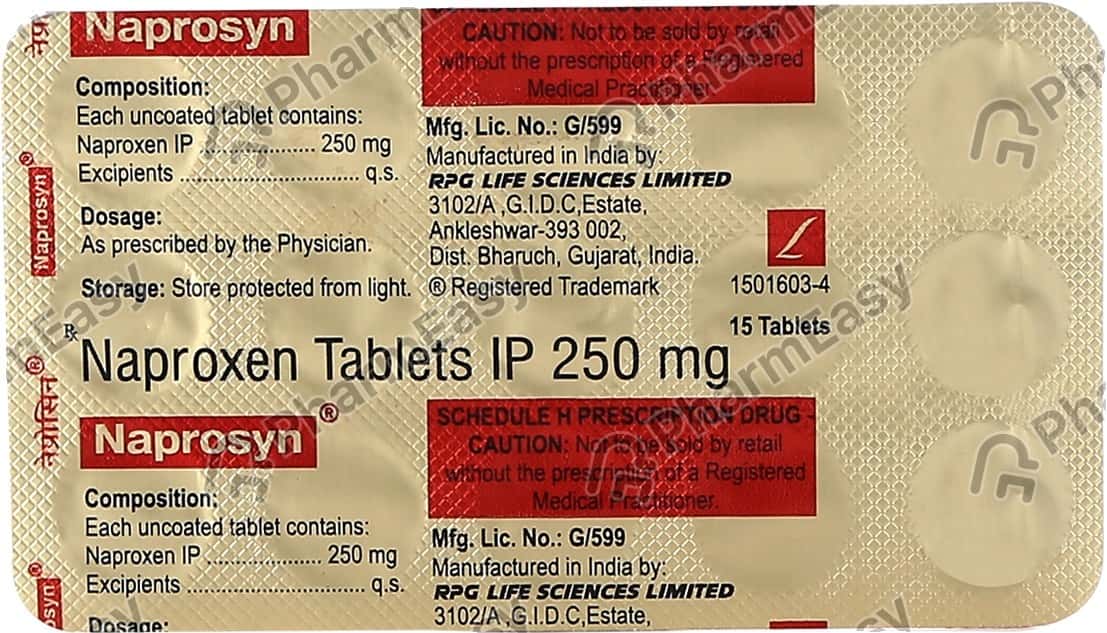
Naprosyn (Naproxen): A Comprehensive Medical SEO Guide for Pain and Inflammation Management
As an expert in orthopedic care and medical SEO copywriting, we understand the critical need for accurate, in-depth information regarding medications that significantly impact patient well-being. Naprosyn, the brand name for naproxen, stands as a cornerstone in the management of pain and inflammation across a wide spectrum of conditions, particularly those affecting the musculoskeletal system. This exhaustive guide aims to provide a definitive resource for healthcare professionals, patients, and caregivers seeking to understand the intricacies of Naprosyn, from its molecular action to its clinical applications and safety profile.
Naproxen is a nonsteroidal anti-inflammatory drug (NSAID) widely prescribed for its potent analgesic, anti-inflammatory, and antipyretic properties. Its efficacy in alleviating symptoms associated with various inflammatory and degenerative conditions, including arthritis, makes it an invaluable tool in orthopedic and rheumatologic practices. This guide delves into the scientific underpinnings of Naprosyn, offering a deep dive into its pharmacological characteristics and practical clinical considerations.
Technical Specifications & Mechanism of Action
Understanding how Naprosyn works at a cellular level is fundamental to appreciating its therapeutic effects and potential side effects.
Mechanism of Action: Prostaglandin Synthesis Inhibition
Naproxen exerts its primary therapeutic effects by reversibly inhibiting the cyclooxygenase (COX) enzymes, specifically both COX-1 and COX-2 isoforms.
* Cyclooxygenase (COX) Enzymes: These enzymes are responsible for the conversion of arachidonic acid into prostaglandins, prostacyclins, and thromboxanes, which are key mediators in inflammation, pain, fever, and various physiological processes.
* COX-1: This isoform is constitutively expressed in most tissues and is involved in maintaining normal physiological functions, such as gastric mucosal protection, renal blood flow regulation, and platelet aggregation.
* COX-2: This isoform is primarily induced during inflammatory processes and is responsible for the production of prostaglandins that mediate pain, inflammation, and fever.
* Non-Selective Inhibition: Naproxen is considered a non-selective NSAID because it inhibits both COX-1 and COX-2 enzymes. By blocking these enzymes, Naproxen reduces the synthesis of prostaglandins that contribute to inflammation, pain signaling, and fever.
* Anti-inflammatory Effect: Reduced prostaglandin synthesis at sites of inflammation leads to decreased vasodilation, edema, and leukocyte infiltration.
* Analgesic Effect: Inhibition of prostaglandins that sensitize nociceptors (pain receptors) results in pain relief.
* Antipyretic Effect: Reduced prostaglandin E2 synthesis in the hypothalamus helps to lower fever.
Pharmacokinetics: Absorption, Distribution, Metabolism, and Excretion
The journey of Naprosyn through the body dictates its onset of action, duration, and potential for accumulation.
- Absorption:
- Naproxen is rapidly and completely absorbed from the gastrointestinal tract following oral administration.
- Peak plasma concentrations are typically achieved within 2-4 hours for immediate-release formulations and 3-5 hours for delayed-release (enteric-coated) formulations.
- Food may delay the rate but not the extent of absorption.
- Distribution:
- Naproxen is highly protein-bound (over 99%) to plasma albumin, which means only a small fraction is free to exert pharmacological effects.
- It distributes into synovial fluid, where its concentrations remain high, contributing to its efficacy in arthritic conditions.
- The volume of distribution is approximately 0.16 L/kg.
- Metabolism:
- Naproxen is extensively metabolized in the liver, primarily by the cytochrome P450 enzyme system, specifically CYP2C9.
- The main metabolite is 6-O-desmethylnaproxen, which has no pharmacological activity. Both naproxen and its desmethyl metabolite undergo further conjugation with glucuronic acid.
- Excretion:
- Approximately 95% of the dose is excreted in the urine, mainly as naproxen (less than 1%), 6-O-desmethylnaproxen, and their conjugates.
- A small amount (less than 3%) is excreted in the feces.
- The elimination half-life of naproxen is relatively long, averaging 12-17 hours, allowing for twice-daily dosing.
- Steady-state plasma concentrations are usually reached within 4-5 days of regular dosing.
Extensive Clinical Indications & Usage
Naprosyn is a versatile NSAID with a broad range of approved indications, primarily focusing on pain and inflammatory conditions.
Detailed Indications
Naprosyn is indicated for the symptomatic treatment of various conditions where pain and inflammation are prominent features.
- Rheumatoid Arthritis (RA):
- Chronic inflammatory autoimmune disease primarily affecting joints, leading to pain, swelling, stiffness, and potential joint destruction. Naprosyn helps manage pain and reduce inflammation.
- Osteoarthritis (OA):
- Degenerative joint disease characterized by cartilage breakdown, leading to pain, stiffness, and reduced joint function, particularly in weight-bearing joints. Naprosyn provides symptomatic relief.
- Ankylosing Spondylitis (AS):
- A chronic inflammatory disease primarily affecting the spine and sacroiliac joints, causing back pain, stiffness, and potential spinal fusion. NSAIDs like Naprosyn are first-line treatment.
- Juvenile Arthritis (JA):
- A group of rheumatic diseases that begin before age 16, characterized by chronic joint inflammation. Naprosyn is used to manage pain and inflammation in pediatric patients.
- Acute Gout:
- A painful form of inflammatory arthritis caused by the deposition of uric acid crystals in joints, leading to sudden, severe attacks of pain, redness, and swelling. Naprosyn is highly effective for acute gout flares.
- Bursitis:
- Inflammation of a bursa (fluid-filled sac that cushions bones, tendons, and muscles near joints). Common sites include the shoulder, elbow, and hip. Naprosyn reduces pain and inflammation.
- Tendonitis (Tendinitis):
- Inflammation of a tendon, often due to overuse or injury. Common examples include rotator cuff tendonitis, Achilles tendonitis, and patellar tendonitis. Naprosyn provides relief.
- Acute Pain:
- For the management of mild to moderate acute pain from various sources, such as post-operative pain, dental pain, and musculoskeletal injuries.
- Dysmenorrhea (Menstrual Cramps):
- Effective in reducing the pain and cramping associated with menstruation by inhibiting prostaglandin synthesis in the uterus.
Dosage Guidelines
Dosage of Naprosyn varies based on the specific condition, patient age, and formulation (immediate-release vs. extended-release). It is crucial to use the lowest effective dose for the shortest possible duration to minimize risks.
General Adult Dosing (Immediate-Release Tablets):
| Condition | Initial Dose | Maintenance Dose | Max Daily Dose |
|---|---|---|---|
| Rheumatoid Arthritis | 250 mg, 375 mg, or 500 mg twice daily | 250-500 mg twice daily | 1500 mg (short-term) |
| Osteoarthritis | 250 mg, 375 mg, or 500 mg twice daily | 250-500 mg twice daily | 1500 mg (short-term) |
| Ankylosing Spondylitis | 250 mg, 375 mg, or 500 mg twice daily | 250-500 mg twice daily | 1500 mg (short-term) |
| Acute Gout | 750 mg once, then 250 mg every 8 hours | Continue until attack subsides | 1250 mg (Day 1) |
| Bursitis/Tendonitis | 250 mg, 375 mg, or 500 mg twice daily | 250-500 mg twice daily | 1500 mg (short-term) |
| Acute Pain/Dysmenorrhea | 500 mg once, then 250 mg every 6-8 hours as needed | 250 mg every 6-8 hours as needed | 1250 mg (Day 1) |
Naprosyn CR (Controlled-Release) and EC (Enteric-Coated) Tablets:
* Naprosyn EC (Delayed-Release): Typically 375 mg or 500 mg twice daily.
* Naprosyn CR (Extended-Release): Typically 750 mg or 1000 mg once daily.
Pediatric Dosing (for Juvenile Arthritis):
* Oral Suspension (125 mg/5 mL) or Tablets: 10 mg/kg/day in two divided doses.
* Maximum daily dose: 15 mg/kg/day.
* Not recommended for children under 2 years of age.
Important Considerations:
* Always take Naprosyn with food, milk, or antacids to minimize gastrointestinal upset.
* Do not crush, chew, or break enteric-coated or extended-release tablets.
* Dosage adjustments may be necessary in patients with renal or hepatic impairment.
Risks, Side Effects, and Contraindications
While Naprosyn is highly effective, its use is associated with potential risks and side effects. A thorough understanding of these is crucial for safe prescribing and patient counseling.
Common Side Effects
These are generally mild and may resolve with continued use or dosage adjustment.
- Gastrointestinal: Nausea, heartburn, indigestion, abdominal pain, diarrhea, constipation.
- Central Nervous System: Headache, dizziness, drowsiness.
- Other: Tinnitus (ringing in the ears), edema (fluid retention).
Serious Adverse Reactions
These require immediate medical attention.
- Gastrointestinal (GI) Events:
- GI bleeding, ulceration, and perforation: These can occur without warning symptoms and may be fatal. Risk increases with duration of use, higher doses, advanced age, history of GI bleeding, and concomitant use of anticoagulants or corticosteroids.
- Cardiovascular (CV) Thrombotic Events:
- Increased risk of serious cardiovascular thrombotic events, myocardial infarction (heart attack), and stroke, which can be fatal. Risk may increase with duration of use and pre-existing CV disease or risk factors. Naproxen may have a lower CV risk compared to some other NSAIDs, but it is not risk-free.
- Renal Effects:
- Acute renal failure, interstitial nephritis, nephrotic syndrome, papillary necrosis. Risk is higher in patients with pre-existing renal impairment, heart failure, liver dysfunction, or those on diuretics or ACE inhibitors.
- Hepatic Effects:
- Elevated liver enzymes, severe hepatic reactions (e.g., fulminant hepatitis, liver necrosis, hepatic failure), which can be fatal.
- Hypersensitivity Reactions:
- Anaphylactic reactions, angioedema, bronchospasm (especially in patients with aspirin-sensitive asthma).
- Skin Reactions:
- Severe skin reactions such as Stevens-Johnson Syndrome (SJS), toxic epidermal necrolysis (TEN), and exfoliative dermatitis, which can be fatal.
- Hematologic Effects:
- Anemia, agranulocytosis, thrombocytopenia.
- Hypertension:
- NSAIDs can lead to new onset hypertension or worsening of pre-existing hypertension, and may impair the efficacy of antihypertensive medications.
Contraindications
Naprosyn is absolutely contraindicated in certain situations to prevent severe adverse outcomes.
- Known Hypersensitivity: To naproxen, aspirin, or other NSAIDs (e.g., patients with a history of asthma, urticaria, or allergic-type reactions after taking aspirin or other NSAIDs).
- Aspirin-Exacerbated Respiratory Disease (AERD): Patients with a history of aspirin-sensitive asthma, urticaria, or other allergic-type reactions.
- Peri-operative Pain in Coronary Artery Bypass Graft (CABG) Surgery: NSAIDs are contraindicated for the treatment of pain in the setting of CABG surgery due to increased risk of myocardial infarction and stroke.
- Active Gastrointestinal Bleeding or Peptic Ulcer Disease: Due to the risk of exacerbating bleeding or perforation.
- Severe Renal Impairment (CrCl < 30 mL/min): Significant risk of exacerbating renal dysfunction.
- Severe Hepatic Impairment: Risk of further liver damage and impaired metabolism.
- Third Trimester of Pregnancy: Due to the risk of premature closure of the fetal ductus arteriosus and renal dysfunction in the fetus.
Drug Interactions
Naprosyn can interact with various medications, potentially altering their efficacy or increasing the risk of adverse effects. Careful review of concomitant medications is essential.
- Anticoagulants (e.g., Warfarin): Increased risk of bleeding due to impaired platelet function and potential displacement of warfarin from protein binding sites.
- Antiplatelet Agents (e.g., Aspirin, Clopidogrel): Increased risk of GI bleeding. Concomitant use with low-dose aspirin for cardioprotection may reduce aspirin's antiplatelet effect.
- Other NSAIDs (including COX-2 inhibitors): Concomitant use with other NSAIDs or aspirin in analgesic doses increases the risk of GI side effects and does not offer additional therapeutic benefit.
- Corticosteroids (e.g., Prednisone): Increased risk of GI ulceration and bleeding.
- Selective Serotonin Reuptake Inhibitors (SSRIs) and Serotonin-Norepinephrine Reuptake Inhibitors (SNRIs): Increased risk of GI bleeding.
- Diuretics (e.g., Furosemide, Hydrochlorothiazide): NSAIDs can reduce the natriuretic and antihypertensive effects of diuretics by inhibiting renal prostaglandin synthesis.
- Angiotensin-Converting Enzyme (ACE) Inhibitors and Angiotensin Receptor Blockers (ARBs): NSAIDs can diminish the antihypertensive effect of ACE inhibitors/ARBs and increase the risk of renal impairment, especially in elderly or volume-depleted patients.
- Lithium: NSAIDs can increase plasma lithium levels, potentially leading to lithium toxicity, by reducing renal clearance of lithium.
- Methotrexate: NSAIDs can increase plasma methotrexate levels and enhance its toxicity by inhibiting renal tubular secretion of methotrexate.
- Cyclosporine: Concomitant use may increase the nephrotoxicity of cyclosporine due to inhibition of renal prostaglandin synthesis.
- Digoxin: NSAIDs may increase serum digoxin concentrations.
- Pemetrexed: Concomitant use may increase pemetrexed toxicity.
- Phenytoin: Naproxen may increase serum concentrations of phenytoin.
- Beta-blockers: May reduce the antihypertensive effect of beta-blockers.
Pregnancy and Lactation Warnings
The use of Naprosyn during pregnancy and lactation requires careful consideration due to potential risks to the fetus and infant.
Pregnancy
- Pregnancy Category C: During the first and second trimesters, animal reproduction studies have shown an adverse effect on the fetus, but there are no adequate and well-controlled studies in humans. Naproxen should be used only if the potential benefit justifies the potential risk to the fetus.
- Pregnancy Category D: In the third trimester of pregnancy, NSAIDs like Naprosyn are contraindicated.
- Risk of Premature Ductus Arteriosus Closure: NSAID use in late pregnancy can cause premature closure of the fetal ductus arteriosus, leading to pulmonary hypertension in the newborn.
- Fetal Renal Dysfunction: NSAIDs can cause fetal renal dysfunction leading to oligohydramnios (low amniotic fluid) and, in some cases, neonatal renal impairment.
- Inhibition of Uterine Contractions: NSAIDs may inhibit uterine contractions and delay labor.
- Recommendation: Avoid Naprosyn during the third trimester of pregnancy. For other trimesters, use only if clearly needed and the potential benefit outweighs the potential risk.
Lactation (Breastfeeding)
- Naproxen and its metabolites are excreted in human milk in small amounts.
- The American Academy of Pediatrics considers naproxen generally compatible with breastfeeding, but caution is advised.
- Monitor breastfed infants for potential adverse effects such as irritability, drowsiness, or gastrointestinal issues.
- Consult with a healthcare provider before using Naprosyn while breastfeeding.
Overdose Management
In cases of Naprosyn overdose, prompt medical attention is critical.
Symptoms of Overdose
Symptoms following acute NSAID overdose are usually limited to lethargy, drowsiness, nausea, vomiting, and epigastric pain. Gastrointestinal bleeding can occur. Rarely, hypertension, acute renal failure, respiratory depression, and coma may occur. Anaphylactoid reactions have been reported with therapeutic ingestion of NSAIDs and may occur following an overdose.
Management of Overdose
- Symptomatic and Supportive Care: There is no specific antidote for Naprosyn overdose. Treatment should be symptomatic and supportive.
- Gastric Decontamination:
- Emesis and/or Gastric Lavage: May be considered within 4 hours of ingestion in patients presenting with symptoms or following a large overdose (5-10 times the usual dose).
- Activated Charcoal: Administration of activated charcoal may be useful within 4 hours of ingestion to reduce absorption.
- Monitoring: Monitor vital signs, renal function, liver function, and electrolyte balance.
- For specific complications: Treat hypotension, metabolic acidosis, and GI bleeding as appropriate.
- Forced Diuresis, Alkalinization of Urine, Hemodialysis, or Hemoperfusion: These are unlikely to be beneficial due to the high protein binding of naproxen.
Massive FAQ Section
Here are some frequently asked questions about Naprosyn, providing quick and authoritative answers.
Q1: What is Naprosyn used for?
Naprosyn (naproxen) is an NSAID used to relieve pain, inflammation, and stiffness caused by conditions such as rheumatoid arthritis, osteoarthritis, ankylosing spondylitis, juvenile arthritis, bursitis, tendonitis, acute gout, and menstrual cramps (dysmenorrhea). It's also used for general acute pain management.
Q2: How does Naprosyn work to relieve pain and inflammation?
Naprosyn works by blocking enzymes called cyclooxygenases (COX-1 and COX-2). These enzymes produce prostaglandins, which are chemicals in the body that cause pain, inflammation, and fever. By inhibiting prostaglandin production, Naprosyn reduces these symptoms.
Q3: How quickly does Naprosyn start to work?
For immediate-release formulations, you may start to feel pain relief within 1-2 hours, with peak effects typically seen within 2-4 hours. For inflammatory conditions, the full anti-inflammatory effects may take several days to a week of regular dosing to become apparent.
Q4: Should I take Naprosyn with food?
Yes, it is highly recommended to take Naprosyn with food, milk, or an antacid. This helps to reduce the risk of stomach upset, heartburn, and more serious gastrointestinal side effects like ulcers or bleeding.
Q5: What is the difference between Naprosyn and other NSAIDs like ibuprofen?
Both Naprosyn (naproxen) and ibuprofen are NSAIDs that work similarly by inhibiting COX enzymes. The main difference lies in their duration of action. Naproxen has a longer half-life (12-17 hours), allowing for twice-daily dosing, whereas ibuprofen has a shorter half-life (2-4 hours), typically requiring more frequent dosing (e.g., every 4-6 hours).
Q6: Can I take Naprosyn if I have high blood pressure or heart problems?
Naprosyn, like other NSAIDs, can increase blood pressure and may increase the risk of serious cardiovascular thrombotic events, including heart attack and stroke. If you have high blood pressure or heart problems, discuss the risks and benefits with your doctor. They may recommend alternative treatments or closer monitoring.
Q7: What are the serious side effects I should watch out for?
Serious side effects include severe stomach pain, black or tarry stools (signs of GI bleeding), severe allergic reactions (rash, hives, difficulty breathing, swelling of face/throat), chest pain, weakness on one side of the body, sudden vision changes (signs of heart attack/stroke), swelling in ankles/feet, unusual weight gain (signs of kidney problems), and yellowing of skin/eyes (signs of liver problems). Seek immediate medical attention if you experience any of these.
Q8: Can Naprosyn interact with other medications?
Yes, Naprosyn can interact with many medications, including blood thinners (e.g., warfarin), other NSAIDs, aspirin, corticosteroids, diuretics, blood pressure medications (ACE inhibitors, ARBs), lithium, and methotrexate. Always inform your doctor and pharmacist about all medications, supplements, and herbal products you are taking to avoid potential interactions.
Q9: Is Naprosyn safe during pregnancy or while breastfeeding?
Naprosyn is generally not recommended during pregnancy, especially in the third trimester, due to risks to the fetus, including premature closure of the ductus arteriosus and kidney problems. While small amounts pass into breast milk, it's generally considered compatible with breastfeeding with caution. Always consult your doctor before using Naprosyn if you are pregnant or breastfeeding.
Q10: What should I do if I miss a dose of Naprosyn?
If you miss a dose, take it as soon as you remember. However, if it's almost time for your next scheduled dose, skip the missed dose and resume your regular dosing schedule. Do not double the dose to make up for a missed one.
Q11: How long can I take Naprosyn?
Naprosyn should be used at the lowest effective dose for the shortest possible duration to minimize the risk of side effects. For chronic conditions, your doctor will determine the appropriate duration of treatment and may periodically reassess the need for continued therapy. Long-term use carries a higher risk of serious gastrointestinal, cardiovascular, and renal adverse events.
Q12: Can I drink alcohol while taking Naprosyn?
It is generally advised to limit or avoid alcohol consumption while taking Naprosyn. Alcohol can increase the risk of stomach irritation and gastrointestinal bleeding, which is already a potential side effect of Naprosyn. Combining them can significantly heighten this risk.
Q13: Does Naprosyn cause drowsiness?
Drowsiness and dizziness are reported side effects of Naprosyn. If you experience these, avoid driving or operating heavy machinery until you know how the medication affects you.
Q14: How should Naprosyn be stored?
Store Naprosyn at room temperature, away from moisture and heat. Keep the medication in its original container and out of reach of children and pets.
This comprehensive guide underscores the importance of Naprosyn as a potent therapeutic agent in managing pain and inflammation. Its judicious use, guided by a thorough understanding of its pharmacology and potential risks, ensures optimal patient outcomes in orthopedic and general medical practice. Always consult with a qualified healthcare professional for personalized medical advice and treatment plans.