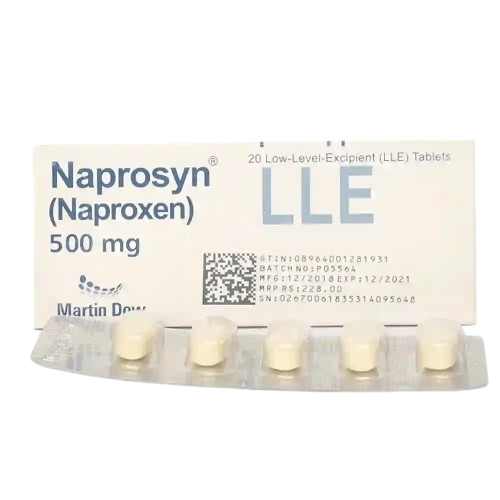
Naprosyn: Your Definitive Medical SEO Guide to Pain and Inflammation Management
As an expert medical SEO copywriter and orthopedic specialist, I understand the critical need for accurate, comprehensive, and accessible information regarding essential medications. Naprosyn, a well-established nonsteroidal anti-inflammatory drug (NSAID), plays a pivotal role in managing pain and inflammation across a spectrum of conditions. This exhaustive guide provides an in-depth look at Naprosyn (naproxen), detailing its mechanism of action, pharmacokinetics, clinical indications, dosage, potential risks, and crucial considerations for safe and effective use.
Introduction & Overview of Naprosyn
Naprosyn is a brand name for the active pharmaceutical ingredient naproxen. It belongs to the class of medications known as nonsteroidal anti-inflammatory drugs (NSAIDs). Naproxen is widely prescribed and used over-the-counter (in lower doses, often as naproxen sodium, e.g., Aleve) for its potent analgesic (pain-relieving), anti-inflammatory, and antipyretic (fever-reducing) properties.
First approved for medical use in the 1970s, Naprosyn has a long history of efficacy in treating various inflammatory and pain-related conditions. It is available in several formulations, including immediate-release tablets, delayed-release tablets (often branded as Naprosyn EC), and oral suspension, offering flexibility in administration and patient-specific needs. The primary goal of Naprosyn therapy is to alleviate symptoms such as pain, swelling, stiffness, and fever, thereby improving the quality of life for individuals suffering from acute and chronic inflammatory disorders.
Deep-Dive into Technical Specifications & Mechanisms
Understanding how Naprosyn works at a molecular level is crucial for appreciating its therapeutic effects and potential side effects.
Mechanism of Action
Naprosyn exerts its therapeutic effects primarily by inhibiting the activity of cyclooxygenase (COX) enzymes. COX enzymes are responsible for the synthesis of prostaglandins, thromboxanes, and prostacyclins from arachidonic acid, which are lipid compounds that play a central role in mediating inflammation, pain, and fever.
There are two main isoforms of the COX enzyme:
- COX-1 (Constitutive Cyclooxygenase): This enzyme is constitutively expressed in most tissues and is involved in maintaining normal physiological functions, such as protecting the gastric mucosa, regulating renal blood flow, and facilitating platelet aggregation.
- COX-2 (Inducible Cyclooxygenase): This enzyme is typically induced at sites of inflammation by various inflammatory mediators. It is primarily responsible for the production of prostaglandins that mediate pain, inflammation, and fever.
Naproxen is a non-selective NSAID, meaning it inhibits both COX-1 and COX-2 enzymes. By inhibiting COX enzymes, Naprosyn reduces the production of pro-inflammatory prostaglandins, leading to:
- Anti-inflammatory effects: Reduced redness, swelling, and heat at inflammatory sites.
- Analgesic effects: Alleviation of pain by reducing prostaglandin-mediated sensitization of pain receptors.
- Antipyretic effects: Reduction of fever by inhibiting prostaglandin synthesis in the hypothalamus, which regulates body temperature.
While the inhibition of COX-2 contributes to its anti-inflammatory and analgesic effects, the inhibition of COX-1 is largely responsible for some of the common side effects, particularly gastrointestinal issues and effects on platelet function.
Pharmacokinetics
The pharmacokinetic profile of Naprosyn describes how the body absorbs, distributes, metabolizes, and eliminates the drug.
- Absorption: Naproxen is rapidly and completely absorbed from the gastrointestinal tract following oral administration. Peak plasma concentrations are typically achieved within 2-4 hours for immediate-release tablets. Food can delay the rate but not the extent of absorption. Delayed-release formulations are designed to bypass the stomach and release the drug in the small intestine, potentially reducing immediate gastric irritation.
- Distribution: Naproxen is highly bound to plasma proteins, primarily albumin, with binding exceeding 99%. This high protein binding means that only a small fraction of the drug is unbound and pharmacologically active. It distributes into synovial fluid (joint fluid) where it can achieve therapeutic concentrations, which is beneficial for treating arthritis. The volume of distribution is relatively small due to extensive protein binding.
- Metabolism: Naproxen is extensively metabolized in the liver, primarily by demethylation to 6-O-desmethylnaproxen, followed by conjugation of both the parent drug and the demethylated metabolite with glucuronic acid. The cytochrome P450 enzyme system plays a minor role in its metabolism. The metabolites are largely inactive.
- Elimination: The majority of naproxen and its metabolites (approximately 95%) are excreted in the urine. A small amount is excreted in the feces. The elimination half-life of naproxen is relatively long, ranging from 12 to 17 hours, which allows for twice-daily dosing in many indications. Steady-state plasma concentrations are usually reached after 4-5 doses.
Special Populations:
* Elderly: May have reduced renal clearance, potentially leading to higher plasma concentrations.
* Renal Impairment: Significant impairment can lead to accumulation of naproxen and its metabolites, necessitating dose reduction.
* Hepatic Impairment: Severe hepatic impairment can alter protein binding and metabolism, requiring careful monitoring and dose adjustment.
Extensive Clinical Indications & Usage
Naprosyn is a versatile medication with a broad range of approved indications, primarily focused on managing pain and inflammation.
Detailed Indications
Naprosyn is prescribed for the symptomatic treatment of:
- Rheumatologic Conditions:
- Rheumatoid Arthritis: Chronic inflammatory disorder affecting joints, causing pain, swelling, stiffness, and potential joint damage.
- Osteoarthritis: Degenerative joint disease characterized by cartilage breakdown, leading to pain, stiffness, and reduced joint function.
- Ankylosing Spondylitis: Chronic inflammatory disease primarily affecting the spine and sacroiliac joints, causing back pain and stiffness.
- Juvenile Idiopathic Arthritis (JIA): A group of chronic arthritic conditions occurring in children under the age of 16.
- Psoriatic Arthritis: A form of arthritis that affects some people with psoriasis.
- Acute Pain Management:
- Bursitis: Inflammation of the bursae (fluid-filled sacs that cushion joints).
- Tendinitis: Inflammation of a tendon.
- Acute Gout: A sudden and severe attack of pain, swelling, redness, and tenderness in one or more joints, often the big toe.
- Dysmenorrhea: Severe and painful menstrual cramps.
- Post-operative Pain: Pain experienced after surgical procedures.
- Migraine Headaches: Specific formulations (naproxen sodium) are indicated for the acute treatment of migraine attacks.
Dosage Guidelines
Dosage of Naprosyn varies significantly depending on the specific condition being treated, the patient's age, and their renal/hepatic function. The general principle is to use the lowest effective dose for the shortest possible duration to minimize the risk of adverse effects.
Adult Dosing for Naproxen (Immediate-Release Tablets):
| Condition | Initial Dose | Maintenance Dose | Maximum Daily Dose (MDD) |
|---|---|---|---|
| Rheumatoid Arthritis, Osteoarthritis, Ankylosing Spondylitis | 250 mg, 375 mg, or 500 mg twice daily | 250 mg, 375 mg, or 500 mg twice daily | 1500 mg |
| Acute Gout | 750 mg once, then 250 mg every 8 hours | 250 mg every 8 hours | 1250 mg (Day 1), 1000 mg (subsequent) |
| Bursitis, Tendinitis, Acute Musculoskeletal Disorders | 250 mg, 375 mg, or 500 mg twice daily | 250 mg, 375 mg, or 500 mg twice daily | 1250 mg (Day 1), 1000 mg (subsequent) |
| Dysmenorrhea | 500 mg once, then 250 mg every 6-8 hours as needed | 250 mg every 6-8 hours as needed | 1250 mg (Day 1), 1000 mg (subsequent) |
Note: For delayed-release (Naprosyn EC) tablets, the typical dose is 375 mg or 500 mg twice daily, with a maximum of 1000 mg daily for long-term use. These tablets should not be crushed or chewed.
Pediatric Dosing (for Juvenile Idiopathic Arthritis - Oral Suspension):
- Standard Dose: 10 mg/kg/day divided into two doses.
- Maximum Dose: 15 mg/kg/day (up to 1000 mg/day) for short-term use.
Important Administration Notes:
* Naprosyn should be taken with food, milk, or antacids to minimize gastrointestinal upset.
* Patients should be advised to swallow tablets whole and not to crush, chew, or break them, especially delayed-release formulations.
* Adherence to prescribed dosing is crucial; do not exceed recommended doses.
Special Populations:
* Elderly Patients: Due to increased risk of adverse reactions, particularly GI bleeding and renal impairment, lower doses should be considered, and patients should be closely monitored.
* Patients with Renal Impairment: Dose reduction is necessary. Naproxen is generally not recommended for patients with advanced renal disease.
* Patients with Hepatic Impairment: Use with caution, and consider dose reduction.
Risks, Side Effects, and Contraindications
While Naprosyn is generally effective, it carries potential risks and side effects, some of which can be serious. It is important for patients and healthcare providers to be aware of these.
Common Side Effects (Occurring in >1% of patients)
- Gastrointestinal: Nausea, heartburn, abdominal pain, dyspepsia (indigestion), constipation, diarrhea.
- Central Nervous System: Headache, dizziness, drowsiness.
- Dermatologic: Rash, pruritus (itching).
- Other: Edema (swelling), tinnitus (ringing in the ears).
Serious Side Effects (Requiring immediate medical attention)
- Gastrointestinal (Black Box Warning):
- GI Bleeding, Ulceration, Perforation: Can occur at any time, without warning symptoms, and can be fatal. Risk is increased in elderly patients, those with a history of ulcers/GI bleeding, or concurrent use of anticoagulants/corticosteroids.
- Cardiovascular (Black Box Warning):
- Thrombotic Events: Increased risk of serious cardiovascular thrombotic events, including myocardial infarction (heart attack) and stroke, which can be fatal. Risk may increase with duration of use and in patients with pre-existing cardiovascular disease.
- Hypertension and Heart Failure: NSAIDs can lead to new onset or worsening of hypertension and fluid retention, potentially exacerbating heart failure.
- Renal Effects:
- Acute Kidney Injury: Can cause dose-dependent renal papillary necrosis and other renal injury. Risk is higher in elderly, dehydrated patients, or those with pre-existing renal dysfunction, heart failure, or liver dysfunction.
- Interstitial Nephritis, Nephrotic Syndrome.
- Hepatic Effects:
- Elevated liver enzymes, severe hepatic reactions (e.g., jaundice, fatal hepatitis).
- Hematologic Effects:
- Anemia, thrombocytopenia (low platelet count), agranulocytosis (low white blood cell count).
- Hypersensitivity Reactions:
- Anaphylactic reactions, angioedema.
- Severe skin reactions (e.g., Stevens-Johnson Syndrome (SJS), Toxic Epidermal Necrolysis (TEN), exfoliative dermatitis).
- Asthma Exacerbation: May precipitate bronchospasm in aspirin-sensitive asthmatics.
Contraindications
Naprosyn is contraindicated in patients with:
- Known hypersensitivity to naproxen, aspirin, or other NSAIDs.
- History of asthma, urticaria, or other allergic-type reactions after taking aspirin or other NSAIDs.
- Peri-operative pain in the setting of coronary artery bypass graft (CABG) surgery. NSAIDs increase the risk of myocardial infarction and stroke in this setting.
- Active gastrointestinal bleeding or peptic ulcer disease.
- Severe renal or hepatic impairment.
- Third trimester of pregnancy due to the risk of premature closure of the fetal ductus arteriosus.
Drug Interactions
Concomitant use of Naprosyn with certain medications can alter its effects or increase the risk of adverse reactions.
| Interacting Drug Class/Drug | Potential Interaction | Management Strategy |
|---|---|---|
| Anticoagulants (e.g., Warfarin) | Increased risk of bleeding. | Close INR monitoring, consider alternative analgesia. |
| Antiplatelet Agents (e.g., Aspirin, Clopidogrel) | Increased risk of GI bleeding. | Avoid concomitant use if possible. Monitor for bleeding. |
| Corticosteroids | Increased risk of GI ulceration and bleeding. | Co-prescribe a proton pump inhibitor (PPI) or H2 blocker. |
| SSRIs/SNRIs | Increased risk of GI bleeding. | Use with caution, monitor for bleeding. |
| Diuretics (e.g., Furosemide, Thiazides) | Reduced diuretic and antihypertensive effects. Increased risk of renal impairment. | Monitor blood pressure and renal function. |
| ACE Inhibitors/ARBs | Reduced antihypertensive effect. Increased risk of renal impairment. | Monitor blood pressure and renal function. |
| Lithium | Increased plasma lithium levels, potentially leading to toxicity. | Monitor lithium levels closely. Dose adjustment may be needed. |
| Methotrexate | Increased plasma methotrexate levels, leading to toxicity. | Avoid concomitant use or monitor for methotrexate toxicity. |
| Cyclosporine/Tacrolimus | Increased nephrotoxicity. | Monitor renal function closely. |
| Digoxin | Increased plasma digoxin levels. | Monitor digoxin levels. |
| Antacids/Sucralfate | May delay absorption of naproxen. | Administer naproxen several hours apart from antacids. |
| Alcohol | Increased risk of GI irritation and bleeding. | Advise against excessive alcohol consumption. |
Pregnancy and Lactation Warnings
- Pregnancy:
- First and Second Trimesters: Use with caution, only if the potential benefit justifies the potential risk to the fetus. Lowest effective dose for the shortest duration.
- Third Trimester: CONTRAINDICATED. NSAIDs can cause premature closure of the fetal ductus arteriosus, fetal renal dysfunction, and inhibit labor.
- Fertility: NSAIDs may impair female fertility and are not recommended for women trying to conceive.
- Lactation:
- Naproxen is excreted into breast milk.
- Due to the potential for serious adverse reactions in nursing infants, a decision should be made whether to discontinue nursing or to discontinue the drug, taking into account the importance of the drug to the mother.
Overdose Management
In the event of an overdose with Naprosyn, symptoms can vary depending on the amount ingested and individual patient factors.
- Symptoms of Overdose:
- Common: Drowsiness, dizziness, epigastric pain, heartburn, indigestion, nausea, vomiting.
- More Severe: Gastrointestinal bleeding, respiratory depression, coma, acute renal failure, hypertension, tinnitus, seizures.
- Treatment of Overdose:
- There is no specific antidote for Naprosyn overdose.
- Symptomatic and supportive care is paramount.
- Gastric decontamination: Activated charcoal may be administered if the overdose is recent (within 1-2 hours) to reduce absorption. Gastric lavage may be considered in severe cases.
- Monitoring: Closely monitor vital signs, renal function (creatinine, BUN), electrolyte balance, and for signs of GI bleeding.
- Supportive Measures: Provide supportive measures for respiratory depression, hypotension, and GI bleeding as needed.
- Dialysis: Due to high protein binding, hemodialysis is unlikely to be effective in removing significant amounts of naproxen from the blood.
Massive FAQ Section
Here are some frequently asked questions about Naprosyn, providing quick and authoritative answers.
Q1: What is Naprosyn used for?
A1: Naprosyn is primarily used to relieve pain, reduce inflammation, and lower fever. It is commonly prescribed for conditions like rheumatoid arthritis, osteoarthritis, ankylosing spondylitis, juvenile idiopathic arthritis, acute gout, bursitis, tendinitis, menstrual pain (dysmenorrhea), and other acute musculoskeletal disorders.
Q2: How quickly does Naprosyn start to work?
A2: For pain relief, Naprosyn generally starts to work within 1 to 2 hours after taking a dose. For inflammatory conditions like arthritis, the full anti-inflammatory effects may take several days or even up to two weeks of consistent use to become apparent.
Q3: Is Naprosyn the same as Aleve?
A3: Aleve is an over-the-counter brand name for naproxen sodium, which is a salt form of naproxen. Naprosyn is a prescription brand name for naproxen (the acid form). While both contain naproxen, Aleve typically comes in lower doses (e.g., 220 mg naproxen sodium, equivalent to 200 mg naproxen base) for OTC use, whereas prescription Naprosyn is available in higher strengths (e.g., 250 mg, 375 mg, 500 mg naproxen base).
Q4: Can I take Naprosyn with food?
A4: Yes, it is highly recommended to take Naprosyn with food, milk, or an antacid. This helps to reduce the risk of gastrointestinal side effects such as stomach upset, heartburn, and nausea, which are common with NSAIDs.
Q5: What are the main side effects of Naprosyn I should be aware of?
A5: Common side effects include stomach upset, heartburn, nausea, abdominal pain, headache, dizziness, and swelling (edema). More serious side effects, though less common, can include gastrointestinal bleeding or ulcers, increased risk of heart attack or stroke, kidney problems, and severe allergic reactions. Always consult your doctor if you experience severe or persistent side effects.
Q6: Can Naprosyn affect my blood pressure?
A6: Yes, Naprosyn and other NSAIDs can increase blood pressure or worsen existing hypertension. They can also cause fluid retention, which may contribute to elevated blood pressure. If you have high blood pressure, your doctor will monitor it closely while you are taking Naprosyn.
Q7: Is Naprosyn safe during pregnancy?
A7: Naprosyn should be used with caution during the first and second trimesters of pregnancy, only if clearly necessary and with the lowest effective dose for the shortest duration. It is contraindicated during the third trimester of pregnancy due to significant risks to the fetus, including premature closure of the ductus arteriosus and kidney problems.
Q8: How long can I take Naprosyn?
A8: The duration of Naprosyn treatment depends on the condition being treated. For acute pain or inflammation, it may be prescribed for a few days to a few weeks. For chronic conditions like arthritis, it may be used long-term. However, due to potential risks, particularly cardiovascular and gastrointestinal, it is generally recommended to use the lowest effective dose for the shortest possible duration. Always follow your doctor's instructions.
Q9: What should I do if I miss a dose of Naprosyn?
A9: If you miss a dose, take it as soon as you remember, unless it is almost time for your next scheduled dose. In that case, skip the missed dose and continue with your regular dosing schedule. Do not take a double dose to make up for a missed one.
Q10: Can I drink alcohol while taking Naprosyn?
A10: It is generally advisable to limit or avoid alcohol consumption while taking Naprosyn. Both alcohol and Naprosyn can irritate the stomach lining and increase the risk of gastrointestinal bleeding and ulcers. Combining them can significantly heighten this risk.
Q11: Does Naprosyn interact with other medications?
A11: Yes, Naprosyn can interact with many medications, including blood thinners (like warfarin, aspirin), other NSAIDs, corticosteroids, diuretics, ACE inhibitors, ARBs, lithium, and methotrexate. These interactions can increase the risk of side effects or reduce the effectiveness of either drug. Always inform your doctor and pharmacist about all medications, supplements, and herbal products you are taking.
Q12: Is there a difference between Naprosyn and naproxen?
A12: Naproxen is the generic, active pharmaceutical ingredient. Naprosyn is one of the brand names under which naproxen is sold. So, they refer to the same drug, but "Naprosyn" is a specific brand formulation.
This comprehensive guide aims to equip patients and healthcare professionals with an exhaustive understanding of Naprosyn, facilitating informed decisions for safe and effective pain and inflammation management. Always consult with a qualified healthcare provider for personalized medical advice.