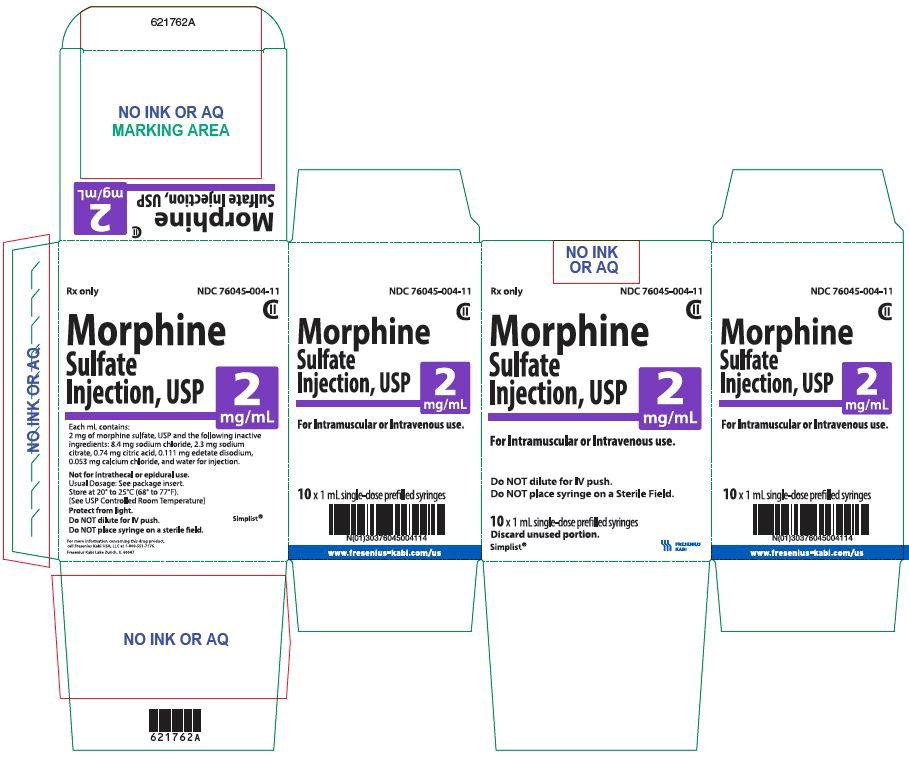
Morphine Sulfate: An In-Depth Medical SEO Guide for Pain Management
Introduction & Overview of Morphine Sulfate
Morphine Sulfate is a powerful opioid analgesic, a cornerstone in the management of severe pain for centuries. Derived from the opium poppy, it is one of the most effective medications available for acute and chronic pain of various etiologies, including post-surgical pain, trauma, and cancer-related pain. As a Schedule II controlled substance in the United States, its use is strictly regulated due to its high potential for abuse, addiction, and physical dependence.
This comprehensive guide delves into the intricate details of Morphine Sulfate, providing an authoritative resource for healthcare professionals, patients, and caregivers. We will explore its precise mechanism of action, pharmacokinetic profile, detailed clinical indications, appropriate dosage guidelines, potential risks, drug interactions, and critical overdose management strategies. Understanding these facets is crucial for maximizing therapeutic benefits while minimizing adverse outcomes associated with this potent medication.
Deep-Dive into Technical Specifications & Mechanisms
Mechanism of Action
Morphine exerts its primary pharmacological effects by acting as a strong agonist at mu (μ) opioid receptors within the central nervous system (CNS) and to a lesser extent, at kappa (κ) and delta (δ) opioid receptors. These receptors are G protein-coupled receptors that, when activated, lead to several intracellular changes:
- Inhibition of Adenylyl Cyclase: Reduces cyclic AMP (cAMP) levels, altering neuronal excitability.
- Modulation of Ion Channels: Enhances potassium efflux (hyperpolarization) and inhibits voltage-gated calcium channels, leading to decreased neurotransmitter release.
The activation of mu-opioid receptors by morphine primarily mediates:
* Analgesia: Reduces the perception of pain and the emotional response to pain.
* Sedation: Induces drowsiness and reduces anxiety.
* Euphoria: Produces feelings of well-being, contributing to its abuse potential.
* Respiratory Depression: A dose-dependent reduction in the sensitivity of the brainstem respiratory center to carbon dioxide.
* Gastrointestinal Effects: Increases smooth muscle tone and decreases propulsive motility, leading to constipation.
* Miosis: Pinpoint pupils, a classic sign of opioid use.
Pharmacokinetics
The pharmacokinetic profile of Morphine Sulfate varies significantly depending on the route of administration.
Absorption
| Route of Administration | Bioavailability | Onset of Action | Peak Effect | Duration |
|---|---|---|---|---|
| Oral (Immediate Release) | 20-40% | 30-60 minutes | 60-90 minutes | 4-5 hours |
| Oral (Extended Release) | 20-40% | 2-4 hours | 3-6 hours | 8-24 hours |
| Intravenous (IV) | 100% | 5-10 minutes | 20 minutes | 3-4 hours |
| Intramuscular (IM) | High | 10-30 minutes | 30-60 minutes | 3-4 hours |
| Subcutaneous (SC) | High | 15-30 minutes | 60-90 minutes | 3-4 hours |
| Rectal | Variable | 20-60 minutes | 60-90 minutes | 4-5 hours |
| Epidural/Intrathecal | Direct CNS | 15-60 minutes | 30-90 minutes | 6-24 hours |
Oral bioavailability is low due to extensive first-pass metabolism in the liver and gut wall.
Distribution
- Volume of Distribution: Approximately 3-4 L/kg in adults.
- Protein Binding: Low, about 30-35% bound to plasma proteins, primarily albumin.
- Blood-Brain Barrier: Morphine crosses the blood-brain barrier relatively slowly compared to more lipophilic opioids, which contributes to its slower onset of action compared to fentanyl, for example.
Metabolism
Morphine is primarily metabolized in the liver via glucuronidation. The two main metabolites are:
* Morphine-3-glucuronide (M3G): The major metabolite (50-70%), largely inactive as an analgesic, but can cause neuroexcitatory effects (e.g., myoclonus, allodynia, hyperalgesia) at high concentrations, particularly in renal impairment.
* Morphine-6-glucuronide (M6G): A minor metabolite (5-10%), but significantly more potent than morphine as an analgesic and has a longer half-life. It contributes significantly to the analgesic and respiratory depressant effects, especially in patients with renal dysfunction where it can accumulate.
Excretion
- Primary Route: Renal excretion of morphine and its glucuronide metabolites.
- Half-life: The elimination half-life of morphine is approximately 2-4 hours, but the duration of action is influenced by the longer-acting M6G, especially in patients with impaired renal function.
- Renal Impairment: Accumulation of morphine and its active metabolites can lead to exaggerated and prolonged effects, necessitating dose adjustments.
Extensive Clinical Indications & Usage
Morphine Sulfate is indicated for the management of pain severe enough to require an opioid analgesic and for which alternative treatments are inadequate.
Detailed Indications for Morphine Sulfate
| Indication | Description
Dosage Guidelines
Dosage of Morphine Sulfate is highly individualized, based on the patient's pain intensity, previous opioid exposure, overall medical condition, and response to treatment. The lowest effective dose should always be used for the shortest duration possible.
General Dosing Principles:
- Individualization: Doses must be titrated to achieve adequate analgesia with acceptable side effects.
- "Start Low, Go Slow": Especially for opioid-naive patients.
- Route Selection: Choose the most appropriate route based on pain severity, onset needed, and patient's ability to take oral medication.
- Breakthrough Pain: For chronic pain management, supplemental doses of immediate-release morphine may be needed for breakthrough pain.
- Renal/Hepatic Impairment: Significant dose reduction is often required due to reduced clearance of morphine and its active metabolites.
Initial Dosage Examples (Adults, Opioid-Naive):
| Route of Administration | Initial Dose (Typical) | Dosing Frequency