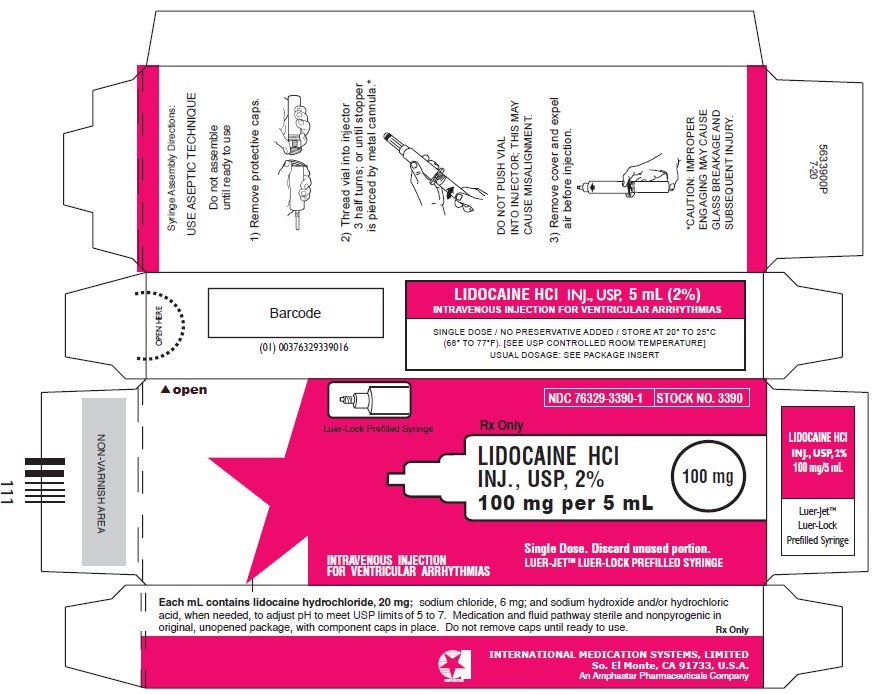
The Definitive Guide to Lidocaine: A Versatile Anesthetic and Antiarrhythmic
Introduction to Lidocaine
Lidocaine, also known as lignocaine, stands as one of the most widely used and versatile medications in modern medicine. Classified primarily as a local anesthetic and a Class IB antiarrhythmic, its discovery in 1943 by Nils Löfgren revolutionized pain management and cardiac care. From numbing a small area of skin before a minor procedure to managing life-threatening ventricular arrhythmias, lidocaine's broad spectrum of applications makes it an indispensable tool for clinicians across various specialties, including orthopedics.
This comprehensive guide delves into the intricate details of lidocaine, covering its fundamental mechanisms, diverse clinical indications, precise dosage guidelines, critical safety considerations, and effective management of potential adverse events. As an orthopedic specialist, I frequently utilize lidocaine for everything from intra-articular injections to regional nerve blocks, underscoring its pivotal role in managing musculoskeletal pain and facilitating various procedures.
Lidocaine is available in numerous formulations, each tailored for specific applications:
* Injectable solutions: For infiltration, nerve blocks, epidural, spinal anesthesia, and intravenous administration.
* Topical preparations: Creams, gels, sprays, and patches for superficial pain relief and mucosal anesthesia.
* Viscous solutions: For oral or pharyngeal pain.
Its rapid onset of action and intermediate duration make it an ideal choice for a wide range of medical and surgical interventions.
Understanding Lidocaine: Mechanism of Action and Pharmacokinetics
To truly appreciate lidocaine's therapeutic power, it's essential to understand how it interacts with the human body at a molecular level and how it is processed.
Mechanism of Action: How Lidocaine Works
Lidocaine exerts its primary effects by stabilizing neuronal membranes, thereby preventing the initiation and conduction of nerve impulses. This action is achieved through its interaction with voltage--gated sodium channels.
- Sodium Channel Blockade: Lidocaine, once it penetrates the nerve cell membrane (in its un-ionized, lipid-soluble form), re-ionizes within the intracellular environment. The ionized form then binds to specific receptors on the inner surface of voltage-gated sodium channels.
- Impulse Inhibition: By blocking these sodium channels, lidocaine prevents the influx of sodium ions into the nerve cell. This inhibits the depolarization of the neuronal membrane, which is a critical step for the generation and propagation of action potentials (nerve impulses).
- Conduction Failure: Without the ability to generate and conduct action potentials, nerve fibers cannot transmit pain signals to the brain or motor commands to muscles, resulting in local anesthesia.
- Differential Blockade: Lidocaine typically blocks smaller, unmyelinated nerve fibers (responsible for pain and temperature sensation) more readily than larger, myelinated fibers (responsible for motor function and proprioception). This explains why patients often lose pain sensation before motor function.
- Cardiac Effects (Antiarrhythmic): As a Class IB antiarrhythmic, lidocaine also affects cardiac muscle cells. It binds to inactivated sodium channels in myocardial cells, shortening the action potential duration and effective refractory period, particularly in ischemic tissue. This action helps to suppress abnormal automaticity and re-entrant arrhythmias, primarily ventricular in origin, without significantly affecting myocardial contractility at therapeutic doses.
Pharmacokinetics: Absorption, Distribution, Metabolism, Excretion (ADME)
The body's handling of lidocaine is complex and varies significantly depending on the route of administration, the specific formulation, and individual patient factors.
Absorption
- Route-Dependent:
- Injected: Absorption rate varies with the vascularity of the injection site. Highly vascular areas (e.g., intercostal blocks) lead to rapid absorption and higher peak plasma levels compared to less vascular areas (e.g., subcutaneous infiltration).
- Topical: Absorption through skin is generally slow and limited, but can be enhanced by damaged skin, occlusive dressings, or larger application areas, increasing the risk of systemic toxicity.
- Intravenous: Immediate and complete systemic availability.
- Vasoconstrictors: The co-administration of vasoconstrictors like epinephrine significantly reduces the rate of systemic absorption of injected lidocaine. This prolongs the duration of local anesthesia, reduces peak plasma concentrations, and minimizes the risk of systemic toxicity.
Distribution
- Rapid Distribution: Lidocaine distributes rapidly to highly perfused organs such as the brain, liver, kidneys, and heart.
- Protein Binding: It is moderately protein-bound (approximately 60-80%), primarily to alpha-1-acid glycoprotein and albumin. Plasma protein binding can be altered by disease states (e.g., liver disease, renal failure, trauma) and other drugs, impacting the amount of free, active drug.
- Blood-Brain Barrier & Placenta: Lidocaine readily crosses the blood-brain barrier and the placenta.
Metabolism
- Hepatic Metabolism: Lidocaine is extensively metabolized in the liver, primarily by the cytochrome P450 enzymes CYP1A2 and CYP3A4.
- Active Metabolites: The primary active metabolites are monoethylglycinexylidide (MEGX) and subsequently glycinexylidide (GX). Both MEGX and GX possess anesthetic and antiarrhythmic activity, though MEGX is more potent than GX. Accumulation of these metabolites, particularly MEGX, can contribute to systemic toxicity, especially in patients with impaired hepatic function or prolonged infusions.
- First-Pass Metabolism: Significant first-pass metabolism occurs when lidocaine is administered orally, which is why oral lidocaine is generally not effective for systemic effects.
Excretion
- Renal Excretion: Both unchanged lidocaine and its metabolites are primarily excreted by the kidneys.
- Renal Impairment: Patients with severe renal impairment may have reduced clearance of lidocaine and its metabolites, necessitating dose adjustments.
Half-life
- The elimination half-life of lidocaine in healthy adults is approximately 1.5 to 2 hours. This can be prolonged in patients with liver disease, congestive heart failure, or during continuous intravenous infusions.
Extensive Clinical Indications and Usage of Lidocaine
Lidocaine's versatility is evident in its wide range of clinical applications, from localized pain management to critical cardiac interventions.
Local Anesthesia and Regional Anesthesia
Lidocaine is a cornerstone for achieving local and regional anesthesia across numerous medical and surgical settings.
-
Infiltrative Anesthesia:
- Application: Directly injected into the tissue around the surgical or painful site.
- Uses: Minor skin procedures (suturing lacerations, biopsy, lesion removal), dental procedures, removal of foreign bodies.
- Orthopedic Relevance: Used for numbing skin and subcutaneous tissue prior to joint aspirations, injections (e.g., corticosteroid injections), or minor orthopedic procedures.
-
Nerve Blocks:
- Application: Injected near specific nerves or nerve plexuses to block sensation and motor function in a larger region.
- Types:
- Peripheral Nerve Blocks: Brachial plexus block (for arm/hand surgery), femoral nerve block (for thigh/knee surgery), sciatic nerve block (for lower leg/foot surgery), intercostal blocks (for chest wall pain).
- Epidural and Spinal Anesthesia: While bupivacaine is often preferred for longer duration, lidocaine can be used for epidural anesthesia (e.g., for labor and delivery, post-operative analgesia) and historically for spinal anesthesia, though less common now due to concerns about transient neurological symptoms (TNS).
- Orthopedic Relevance: Crucial for providing pre-operative, intra-operative, and post-operative pain relief for a wide array of orthopedic surgeries, reducing the need for systemic opioids.
-
Topical Anesthesia:
- Application: Applied directly to skin or mucous membranes.
- Forms: Creams, gels, patches, sprays, viscous solutions.
- Uses:
- Skin: Prior to venipuncture, IV cannulation, laser hair removal, minor dermatological procedures, tattoo application.
- Mucous Membranes: Anesthetizing the oral cavity, pharynx, larynx (e.g., before endoscopy, intubation, dental procedures).
- Pain Relief: Lidocaine 5% patches are specifically indicated for the relief of pain associated with post-herpetic neuralgia (PHN) and can be used off-label for other localized neuropathic pain conditions.
- Orthopedic Relevance: Can be used to numb skin before superficial orthopedic procedures or for localized pain relief from conditions like tendinitis or bursitis, although deep penetration is limited.
-
Ophthalmic Anesthesia:
- Application: Topical eye drops.
- Uses: Minor eye procedures, tonometry.
Orthopedic-Specific Applications of Lidocaine
As an orthopedic specialist, I can attest to lidocaine's invaluable role in managing musculoskeletal conditions:
- Intra-articular Injections: Lidocaine is frequently mixed with corticosteroids or hyaluronic acid for injections into joints (e.g., knee, shoulder, hip) to provide immediate pain relief for diagnostic purposes or as part of a therapeutic regimen for osteoarthritis, inflammatory arthritis, or impingement syndromes.
- Trigger Point Injections: Used to anesthetize and relax hyperirritable spots in skeletal muscle (trigger points) that are associated with myofascial pain syndrome.
- Bursa Injections: To anesthetize inflamed bursae (e.g., subacromial, trochanteric) often mixed with corticosteroids.
- Diagnostic Blocks: Injected around specific nerves or into joints to help pinpoint the source of pain.
- Post-operative Pain Management: Infiltrating surgical wound sites with lidocaine (often liposomal lidocaine for prolonged effect) or utilizing regional nerve blocks to significantly reduce post-operative pain and opioid consumption.
Antiarrhythmic Agent (Class IB)
Lidocaine is an established Class IB antiarrhythmic, primarily used for ventricular arrhythmias.
- Indications:
- Treatment of acute ventricular arrhythmias (e.g., ventricular tachycardia, ventricular fibrillation) occurring during myocardial ischemia, myocardial infarction, or following cardiac surgery.
- Ventricular arrhythmias associated with digitalis toxicity.
- Administration: Typically administered intravenously, often with a loading dose followed by a continuous infusion.
Other Therapeutic Uses
- Neuropathic Pain: Intravenous lidocaine infusions or topical patches can be effective for various chronic neuropathic pain conditions, including diabetic neuropathy, complex regional pain syndrome (CRPS), and trigeminal neuralgia, especially when other treatments have failed.
- Complex Regional Pain Syndrome (CRPS): IV lidocaine infusions can help break the pain cycle in some CRPS patients.
- Cough Reflex Suppression: Topical lidocaine spray can be used to suppress the cough reflex during bronchoscopy or intubation.
Dosage Guidelines and Administration
Dosage of lidocaine is highly variable and depends on the route of administration, the specific indication, patient weight, age, hepatic and renal function, and the presence of vasoconstrictors. Always adhere to maximum recommended doses to prevent systemic toxicity.
General Principles:
- Use the lowest effective dose.
- Consider patient's physical status (ASA classification).
- Adjust for hepatic or renal impairment.
- Monitor for signs of systemic toxicity.
Examples of Dosage Guidelines (Illustrative, always refer to current prescribing information):
| Application Type | Concentration | Max Dose (Adult) Without Epinephrine | Max Dose (Adult) With Epinephrine | Notes |
|---|---|---|---|---|
| Infiltrative | 0.5% - 1% | 4.5 mg/kg (up to 300 mg total) | 7 mg/kg (up to 500 mg total) | Used for minor procedures, dental. |
| Peripheral Nerve Block | 1% - 2% | 4.5 mg/kg (up to 300 mg total) | 7 mg/kg (up to 500 mg total) | Volume and concentration vary by block type. |
| Epidural | 1% - 2% | 4.5 mg/kg (up to 300 mg total) | 7 mg/kg (up to 500 mg total) | Common for labor, post-op analgesia. |
| Topical (Cream/Gel) | 2.5% - 5% | Varies by product/area | N/A | Apply sparingly, avoid large areas/damaged skin. |
| Topical (Patch) | 5% (Lidoderm/generic) | Max 3 patches/day | N/A | Apply for 12 hours on, 12 hours off. For PHN. |
| IV Antiarrhythmic | 10 mg/mL, 20 mg/mL | Loading: 1-1.5 mg/kg over 2-3 min | N/A | Followed by infusion: 1-4 mg/min. Adjust for CHF/liver disease. |
Role of Epinephrine: When lidocaine is combined with epinephrine (typically 1:100,000 or 1:200,000), epinephrine acts as a vasoconstrictor. This serves several purposes:
* Prolongs Anesthesia: By constricting local blood vessels, it slows the absorption of lidocaine away from the injection site, increasing the duration of the anesthetic effect.
* Reduces Systemic Absorption: Decreased absorption lowers peak plasma concentrations of lidocaine, reducing the risk of systemic toxicity.
* Hemostasis: Reduces bleeding in the surgical field, which is particularly useful in orthopedic procedures.
* Identification of Intravascular Injection: If an accidental intravascular injection occurs, the patient may experience transient tachycardia or palpitations due to epinephrine, providing an early warning sign.
Caution: Epinephrine-containing lidocaine should be used with extreme caution or avoided in areas with end-arterial blood supply (e.g., fingers, toes, nose, ears, penis) due to the risk of ischemia and necrosis.
Risks, Side Effects, and Contraindications of Lidocaine
While lidocaine is generally safe and well-tolerated when used appropriately, it is a potent medication with potential side effects, drug interactions, and contraindications that must be carefully considered.
Common Side Effects
Most side effects are localized and mild, but systemic effects can occur, especially with higher doses or accidental intravascular injection.
- Local (at injection/application site):
- Pain, burning, stinging upon injection
- Erythema (redness)
- Edema (swelling)
- Bruising
- Pruritus (itching)
- Systemic (dose-related, often signs of early toxicity):
- Dizziness, lightheadedness
- Drowsiness, sedation
- Tinnitus (ringing in the ears)
- Circumoral numbness (numbness around the mouth)
- Metallic taste in the mouth
- Slurred speech
- Nystagmus (involuntary eye movements)
- Tremors or muscle twitching
Serious Adverse Effects (Systemic Lidocaine Toxicity - LAST)
Local Anesthetic Systemic Toxicity (LAST) is a rare but life-threatening complication that can arise from excessive systemic absorption of lidocaine. It primarily affects the central nervous system (CNS) and cardiovascular system.
- Central Nervous System (CNS) Toxicity:
- Early Signs: Confusion, agitation, disorientation, paresthesia, muscle twitching, tremors.
- Late Signs: Seizures, CNS depression, respiratory depression, apnea, coma.
- Cardiovascular System Toxicity:
- Early Signs: Bradycardia, hypotension, hypertension (initially).
- Late Signs: Cardiac arrhythmias (ventricular fibrillation, asystole), myocardial depression, cardiovascular collapse, cardiac arrest.
- Allergic Reactions: True allergic reactions to amide-type local anesthetics like lidocaine are rare. More common are vasovagal reactions or reactions to preservatives (e.g., parabens, sulfites) in the formulation. Symptoms can range from rash and urticaria to anaphylaxis.
- Methemoglobinemia: A very rare complication, particularly associated with topical lidocaine or high doses, where hemoglobin is oxidized to methemoglobin, reducing oxygen-carrying capacity. Symptoms include cyanosis, shortness of breath, and fatigue.
Contraindications
Lidocaine should not be used in patients with certain conditions to avoid severe adverse outcomes.
- Hypersensitivity: Known allergy or severe hypersensitivity to lidocaine or other amide-type local anesthetics.
- Severe Heart Block: Second or third-degree atrioventricular (AV) block in the absence of a functional pacemaker (especially for IV administration).
- Stokes-Adams Syndrome: A condition characterized by sudden attacks of syncope due to a transient heart block.
- Wolff-Parkinson-White (WPW) Syndrome: Lidocaine can worsen arrhythmias in patients with WPW syndrome who also have atrial fibrillation, as it can accelerate conduction down accessory pathways.
- Porphyria: Acute intermittent porphyria (relative contraindication).
- Severe Hepatic Dysfunction: Due to lidocaine's extensive hepatic metabolism, severe liver impairment can lead to drug accumulation and increased toxicity risk.
- Local Anesthesia with Epinephrine: Avoid in areas supplied by end-arteries (fingers, toes, nose, ears, penis) due to risk of ischemia and necrosis. Avoid in patients with severe hypertension, uncontrolled hyperthyroidism, or pheochromocytoma.
Drug Interactions
Lidocaine can interact with various medications, potentially altering its effects or increasing the risk of adverse reactions.
- Beta-blockers (e.g., Propranolol): Reduce hepatic blood flow, decreasing lidocaine metabolism and increasing plasma levels, enhancing toxicity risk.
- Cimetidine: Inhibits hepatic microsomal enzymes (CYP450), reducing lidocaine clearance and increasing plasma concentrations.
- Other Antiarrhythmics (e.g., Procainamide, Quinidine, Amiodarone): Additive cardiac effects, increasing the risk of cardiac depression and arrhythmias.
- CYP3A4 Inhibitors (e.g., Macrolide antibiotics, Azole antifungals, Grapefruit juice): Can decrease lidocaine metabolism, leading to increased levels.
- CYP3A4 Inducers (e.g., Phenytoin, Carbamazepine, Rifampin): Can increase lidocaine metabolism, potentially reducing its efficacy.
- Succinylcholine: Lidocaine can prolong the neuromuscular blockade produced by succinylcholine.
- Monoamine Oxidase Inhibitors (MAOIs) and Tricyclic Antidepressants (TCAs): Can enhance the cardiovascular effects of co-administered epinephrine.
- Class I Antiarrhythmics: Concurrent use of lidocaine with other Class I antiarrhythmics (e.g., mexiletine, flecainide) can lead to additive cardiac toxicity.
Pregnancy and Lactation Warnings
- Pregnancy (Category B): Lidocaine is generally considered safe for use during pregnancy, and extensive experience exists, particularly in obstetric epidural anesthesia. However, it does cross the placenta. The lowest effective dose should always be used, and fetal monitoring is recommended during obstetric use.
- Lactation: Lidocaine is excreted in breast milk in small amounts. While generally considered compatible with breastfeeding due to low infant exposure, caution is advised. Healthcare providers should weigh the benefits of treatment for the mother against the potential risks to the infant.
Overdose Management (Local Anesthetic Systemic Toxicity - LAST)
Prompt recognition and aggressive management are crucial for successful outcomes in cases of lidocaine overdose or accidental systemic toxicity. The American Society of Regional Anesthesia and Pain Medicine (ASRA) provides comprehensive guidelines for managing LAST.
- Recognition:
- Early CNS Symptoms: Tinnitus, circumoral numbness, metallic taste, agitation, slurred speech, muscle twitching.
- Progressive CNS Symptoms: Seizures, unconsciousness, respiratory arrest.
- Cardiovascular Symptoms: Bradycardia, hypotension, widened QRS, ventricular arrhythmias, asystole.
- Immediate Actions (The "STOP" Protocol):
- Stop local anesthetic injection immediately.
- Treat airway and breathing: Provide 100% oxygen, secure airway, assist ventilation if needed.
- Outcall for help: Alert colleagues, inform pharmacy, prepare for advanced cardiac life support (ACLS).
- Prepare for lipid emulsion therapy.
- Seizure Management:
- Administer benzodiazepines (e.g., midazolam, lorazepam, diazepam) to control seizures.
- Avoid propofol for seizure control in LAST, especially if cardiovascular instability is present, as it can worsen hypotension.
- Cardiovascular Support:
- Bradycardia: Administer atropine.
- Hypotension: Administer vasopressors (e.g., epinephrine, phenylephrine).
- Arrhythmias: Treat according to ACLS guidelines. Avoid lidocaine, procainamide, or bretylium as they can worsen cardiac depression. Amiodarone can be considered.
- Cardiopulmonary Bypass: Consider if refractory to other treatments.
- Intravenous Lipid Emulsion (ILE) Therapy:
- Mechanism: ILE acts as a "lipid sink," sequestering lipophilic local anesthetics from the aqueous plasma phase, thereby reducing the free drug concentration at target organs (heart, brain). It may also have direct cardiotonic effects.
- Dosing: Typically, a bolus of 1.5 mL/kg of 20% lipid emulsion administered intravenously over 1 minute, followed by a continuous infusion of 0.25 mL/kg/min. The bolus can be repeated once or twice for persistent cardiovascular collapse. The infusion rate can be increased to 0.5 mL/kg/min if cardiovascular stability is not achieved. Continue infusion for at least 10 minutes after achieving stability. Max dose is 10-12 mL/kg over 30 minutes.
- Monitoring: Continuous cardiac monitoring, frequent vital signs, and close observation for recurrent symptoms are essential until the patient is stable and the lidocaine has been cleared.
Frequently Asked Questions (FAQ) about Lidocaine
1. What is Lidocaine primarily used for?
Lidocaine is primarily used as a local anesthetic to numb specific areas of the body for minor procedures or pain relief. It is also used intravenously as an antiarrhythmic medication to treat certain types of irregular heartbeats, particularly ventricular arrhythmias. In orthopedics, it's vital for joint injections, nerve blocks, and post-operative pain management.
2. Is Lidocaine safe for everyone?
No. Lidocaine is contraindicated in individuals with known allergies to lidocaine or other amide-type local anesthetics. It should be used with caution and dose adjustments in patients with severe liver or kidney disease, certain heart conditions (e.g., severe heart block), and in pregnant or breastfeeding women.
3. How long does Lidocaine take to work?
The onset of action depends on the route of administration and concentration.
* Injected: Typically works within 2-5 minutes.
* Topical: Can take 20-60 minutes to achieve full effect.
* Intravenous (antiarrhythmic): Effects are almost immediate.
4. How long do the effects of Lidocaine last?
The duration of action varies:
* Injected: 30-60 minutes without epinephrine; 2-4 hours with epinephrine.
* Topical (patch): Up to 12 hours for pain relief (e.g., Lidoderm patch).
* Intravenous: Due to its short half-life, continuous infusion is needed for sustained antiarrhythmic effects.
5. Can Lidocaine be used for nerve pain?
Yes, lidocaine is often used to manage various forms of neuropathic pain. Topical lidocaine patches (5%) are specifically approved for post-herpetic neuralgia (shingles pain) and are used off-label for other localized neuropathic pain conditions. Intravenous lidocaine infusions are also used for severe or refractory neuropathic pain conditions like Complex Regional Pain Syndrome (CRPS).
6. What is the difference between Lidocaine with and without epinephrine?
Epinephrine is a vasoconstrictor often added to injectable lidocaine.
* Lidocaine with Epinephrine: Causes local blood vessels to constrict, which slows the absorption of lidocaine from the injection site. This prolongs the duration of anesthesia, reduces systemic absorption (lowering toxicity risk), and helps minimize bleeding in the surgical area.
* Lidocaine without Epinephrine: Has a shorter duration of action and is absorbed more quickly into the bloodstream. It is preferred for areas with end-arterial blood supply (e.g., fingers, toes, nose, ears, penis) where vasoconstriction could lead to tissue ischemia.
7. Can I be allergic to Lidocaine?
True allergic reactions to lidocaine are rare. Most adverse reactions are due to systemic toxicity from excessive absorption, vasovagal responses, or reactions to preservatives in the formulation (e.g., sulfites). However, hypersensitivity reactions, including anaphylaxis, can occur, and any known allergy should be reported to your healthcare provider.
8. Is Lidocaine addictive?
No, lidocaine is not considered an addictive substance. It does not produce euphoric effects or lead to physical dependence in the way opioids or other controlled substances do.
9. What should I do if I miss a dose of a Lidocaine patch?
If you miss a dose of a lidocaine patch, apply it as soon as you remember. However, do not apply more than the prescribed number of patches within a 24-hour period (typically no more than three 5% patches at a time, for 12 hours on, 12 hours off). Consult your doctor or pharmacist if you have questions.
10. Can Lidocaine interact with other medications?
Yes, lidocaine