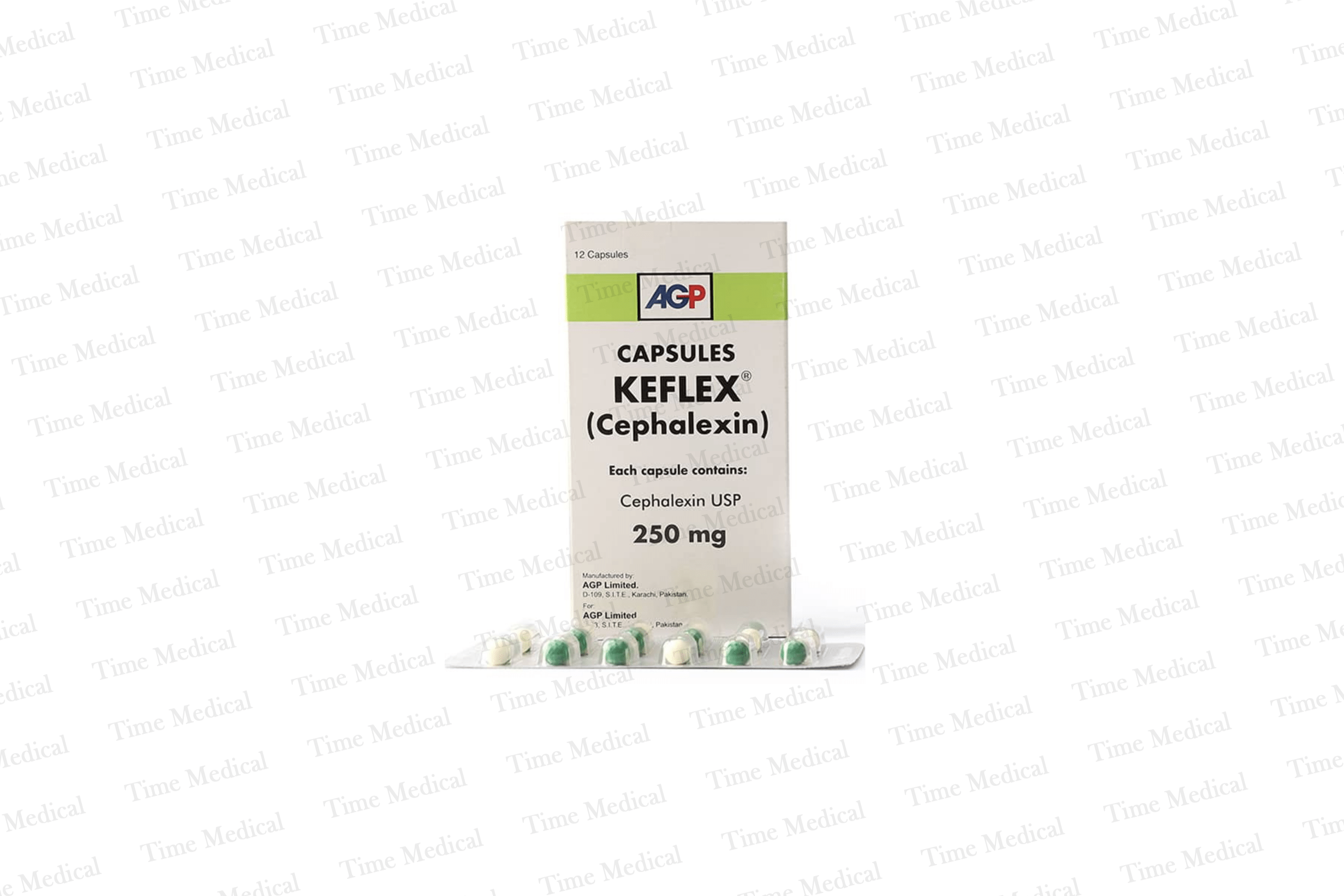
Keflex (Cephalexin): The Comprehensive Medical SEO Guide
Introduction & Overview
Keflex, generically known as cephalexin, is a widely prescribed antibiotic belonging to the class of first-generation cephalosporins. Developed to combat a broad spectrum of bacterial infections, it has been a cornerstone in antimicrobial therapy for decades. As an oral antibiotic, it offers convenience and effectiveness for various conditions, making it a frequent choice for both general practitioners and specialists, including those in orthopedics.
Cephalexin exerts its therapeutic effect by targeting and disrupting the bacterial cell wall, leading to the demise of the invading microorganisms. Its efficacy against many common Gram-positive bacteria, and some Gram-negative strains, makes it versatile. However, like all antibiotics, Keflex is specifically designed to treat bacterial infections and is ineffective against viral illnesses such as the common cold or flu. Proper diagnosis and physician consultation are paramount before initiating treatment with Keflex to ensure appropriate use and prevent antibiotic resistance.
Deep-dive into Technical Specifications / Mechanisms
Mechanism of Action
Keflex (cephalexin) is a bactericidal antibiotic, meaning it kills bacteria rather than just inhibiting their growth. Its primary mechanism of action involves interfering with the synthesis of the bacterial cell wall.
- Targeting Peptidoglycan Synthesis: Bacterial cell walls are crucial for their survival, providing structural integrity and protection. A key component of this wall is peptidoglycan, a cross-linked polymer.
- Penicillin-Binding Proteins (PBPs): Cephalexin, like other beta-lactam antibiotics, binds to specific enzymes located on the inner bacterial cell membrane, known as Penicillin-Binding Proteins (PBPs). These PBPs are essential for the final stages of peptidoglycan synthesis, particularly the transpeptidation (cross-linking) reaction.
- Inhibition of Cross-linking: By binding to PBPs, cephalexin inactivates these enzymes, preventing the cross-linking of peptidoglycan strands. This leads to a defective and weakened cell wall.
- Osmotic Lysis: Without a properly formed and robust cell wall, bacteria become susceptible to osmotic pressure imbalances. The weakened cell wall cannot withstand the internal pressure, leading to cell lysis (bursting) and bacterial death.
- Beta-Lactam Ring: The characteristic beta-lactam ring structure of cephalexin is crucial for its antibacterial activity. It is this ring that interacts with and inhibits the PBPs.
Pharmacokinetics
The pharmacokinetic profile of cephalexin is favorable for oral administration, characterized by good absorption and excretion primarily via the kidneys.
- Absorption:
- Route: Oral.
- Rate: Rapid and nearly complete absorption from the gastrointestinal tract.
- Food Effect: While food may delay the rate of absorption (Tmax), it generally does not significantly affect the extent of absorption (AUC). Cephalexin can be taken with or without food, though taking it with food may help reduce gastrointestinal upset.
- Peak Plasma Concentration (Cmax): Typically reached within 1 to 2 hours after administration.
- Distribution:
- Binding: Approximately 10-15% bound to plasma proteins.
- Penetration: Widely distributed into most body tissues and fluids, including the liver, kidneys, bone, joint fluid, and bile. It crosses the placental barrier and is excreted in breast milk in low concentrations. However, its penetration into the cerebrospinal fluid (CSF) is poor, even with inflamed meninges, making it generally unsuitable for treating central nervous system infections.
- Metabolism:
- Cephalexin undergoes minimal hepatic metabolism. It is primarily excreted unchanged.
- Excretion:
- Route: Predominantly renal excretion. Approximately 70-90% of the administered dose is excreted unchanged in the urine within 8 hours.
- Mechanism: Involves both glomerular filtration and tubular secretion.
- Half-life: In individuals with normal renal function, the elimination half-life is relatively short, approximately 0.5 to 1.2 hours. This necessitates frequent dosing (e.g., every 6 or 12 hours).
- Renal Impairment: The half-life is significantly prolonged in patients with impaired renal function, requiring dosage adjustments. Hemodialysis can effectively remove cephalexin from the body.
Extensive Clinical Indications & Usage
Keflex's broad-spectrum activity against many common bacterial pathogens makes it a valuable agent for various infections. As an orthopedic specialist, I frequently encounter its utility in skin, soft tissue, and sometimes bone and joint infections.
General Indications
Keflex is effective against susceptible strains of Streptococcus pyogenes, Staphylococcus aureus (methicillin-susceptible strains), Escherichia coli, Klebsiella pneumoniae, and Proteus mirabilis.
- Respiratory Tract Infections:
- Pharyngitis (strep throat) and tonsillitis caused by Streptococcus pyogenes.
- Bronchitis and pneumonia (often as step-down therapy).
- Urinary Tract Infections (UTIs):
- Cystitis (bladder infection) caused by E. coli, P. mirabilis, and K. pneumoniae.
- Otitis Media:
- Middle ear infections, particularly in children.
- Dental Infections:
- Prophylaxis or treatment of certain odontogenic infections.
Orthopedic and Skin/Soft Tissue Specific Indications
Given its excellent penetration into skin, soft tissue, and bone, Keflex is a frequent choice in orthopedic practice.
- Skin and Soft Tissue Infections:
- Cellulitis: A common bacterial skin infection characterized by redness, swelling, and warmth.
- Erysipelas: A superficial form of cellulitis.
- Impetigo: A contagious superficial skin infection.
- Furunculosis (Boils) and Carbuncles: Deep-seated infections of hair follicles.
- Surgical Prophylaxis: Sometimes used for prophylaxis in clean-contaminated orthopedic surgeries, particularly involving skin incisions, where Gram-positive coverage is desired.
- Abscesses: Following incision and drainage, Keflex may be prescribed to treat surrounding cellulitis.
- Bone and Joint Infections:
- Osteomyelitis: While often requiring more potent intravenous antibiotics initially, Keflex can sometimes be used as a step-down oral therapy for chronic or less severe osteomyelitis, especially in cases sensitive to first-generation cephalosporins, or for prophylactic purposes in certain situations.
- Septic Arthritis: Similar to osteomyelitis, initial IV therapy is standard, but oral cephalexin might be considered for step-down therapy in specific, sensitive cases.
Dosage Guidelines
Dosage of Keflex varies significantly based on the type and severity of the infection, patient age, weight, and renal function. It is crucial to adhere strictly to the prescribed dosage and duration of treatment.
General Adult Dosing:
| Indication | Recommended Dosage | Frequency |
|---|---|---|
| Skin and Soft Tissue Infections | 250 mg to 500 mg | Every 6 hours |
| Urinary Tract Infections | 250 mg to 500 mg | Every 6 to 12 hours |
| Pharyngitis/Tonsillitis (Streptococcal) | 250 mg | Every 6 hours |
| Bone and Joint Infections (as appropriate) | 250 mg to 1 g | Every 6 hours |
| Severe Infections or Less Susceptible Organisms | Up to 1 g | Every 6 hours |
Pediatric Dosing:
- General: 25-50 mg/kg/day in divided doses (e.g., every 6 or 12 hours).
- Severe Infections: Up to 100 mg/kg/day in divided doses.
- Maximum: Not to exceed the maximum adult daily dose (usually 4 g/day).
Dosage Adjustment in Renal Impairment:
For patients with impaired renal function, the dosage interval must be extended.
| Creatinine Clearance (CrCl) (mL/min) | Recommended Dosage Interval |
|---|---|
| > 60 | No adjustment |
| 30-59 | Every 8-12 hours |
| 15-29 | Every 12-24 hours |
| < 15 | Every 24-48 hours |
| Hemodialysis | Administer post-dialysis |
- Administration: Keflex can be taken with or without food. If gastrointestinal upset occurs, taking it with food may help. It is essential to complete the entire course of medication, even if symptoms improve, to ensure complete eradication of the infection and prevent the development of antibiotic resistance.
Risks, Side Effects, or Contraindications
While Keflex is generally well-tolerated, it is not without risks. Patients should be aware of potential side effects, contraindications, and drug interactions.
Contraindications
- Hypersensitivity: Known severe allergic reaction (e.g., anaphylaxis, Stevens-Johnson syndrome) to cephalexin or any other cephalosporin antibiotic.
- Penicillin Allergy: Patients with a history of severe hypersensitivity to penicillin should exercise extreme caution due to potential cross-reactivity between penicillins and cephalosporins. While the cross-reactivity rate for first-generation cephalosporins like cephalexin is relatively low (around 5-10%), it can still be life-threatening.
Warnings and Precautions
- Penicillin Hypersensitivity: Careful inquiry about previous allergic reactions to penicillins, cephalosporins, or other drugs is crucial. If an allergic reaction occurs, discontinue Keflex immediately.
- Clostridioides difficile-associated Diarrhea (CDAD): Nearly all antibacterial agents, including cephalexin, have been reported to cause CDAD, ranging in severity from mild diarrhea to fatal colitis. It can occur during or even several months after antibiotic treatment. Consider CDAD in patients presenting with diarrhea after antibiotic use.
- Renal Impairment: Dosage adjustments are necessary in patients with kidney dysfunction to prevent accumulation and potential toxicity.
- Seizure Risk: High doses, especially in patients with renal impairment, can rarely lead to seizures.
- Coombs' Test Interference: Cephalosporins can cause a positive direct Coombs' test, which may interfere with cross-matching procedures in blood transfusions.
- Phenylketonuria (PKU): The oral suspension formulation may contain phenylalanine, which is important to consider for patients with PKU.
Common Side Effects
Most side effects are mild and transient.
| System | Common Side Effects |
|---|---|
| Gastrointestinal | Nausea, vomiting, diarrhea, abdominal pain, dyspepsia. |
| Hypersensitivity | Rash, pruritus (itching), urticaria (hives). |
| Central Nervous | Dizziness, headache, fatigue. |
| Genitourinary | Genital pruritus, vaginitis (yeast infection), vaginal discharge. |
| Hematologic | Eosinophilia (increased eosinophils). |
Serious Side Effects
While rare, some serious side effects warrant immediate medical attention.
- Anaphylaxis: Severe, life-threatening allergic reaction (difficulty breathing, swelling of face/throat, severe rash, rapid heartbeat).
- Pseudomembranous Colitis (CDAD): Severe, persistent diarrhea, abdominal cramps, fever.
- Severe Skin Reactions: Stevens-Johnson Syndrome (SJS), Toxic Epidermal Necrolysis (TEN) – severe blistering and peeling skin rashes.
- Blood Disorders: Hemolytic anemia, thrombocytopenia (low platelets), leukopenia (low white blood cells), neutropenia (low neutrophils).
- Liver Dysfunction: Transient elevations in liver enzymes.
- Nephrotoxicity: Although rare with cephalexin, some cephalosporins can cause kidney damage, especially with concomitant use of other nephrotoxic drugs.
Drug Interactions
It's crucial to inform your doctor about all medications, supplements, and herbal products you are taking to avoid potential drug interactions.
| Interacting Drug | Interaction Mechanism