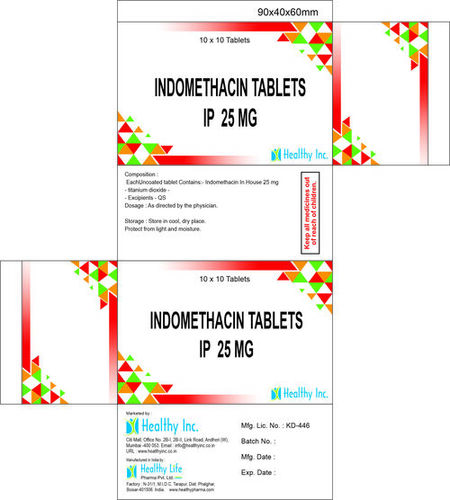
Indomethacin: A Comprehensive Medical SEO Guide for Orthopedic Specialists and Patients
Welcome to this authoritative guide on Indomethacin, a potent nonsteroidal anti-inflammatory drug (NSAID) widely utilized in orthopedic and rheumatological practice. As an expert medical SEO copywriter and orthopedic specialist, we aim to provide an exhaustive resource covering every critical aspect of Indomethacin, from its molecular mechanism to detailed clinical applications and safety profiles. This guide is designed for healthcare professionals seeking in-depth knowledge and for patients looking to understand their medication better.
Indomethacin, an indole acetic acid derivative, stands out among NSAIDs for its significant anti-inflammatory, analgesic, and antipyretic properties. Discovered in 1963, it quickly established itself as a cornerstone in the management of various inflammatory conditions, particularly those affecting the musculoskeletal system. Its efficacy in conditions like acute gouty arthritis, rheumatoid arthritis, and ankylosing spondylitis is well-documented, making it an indispensable tool in the therapeutic arsenal. However, its potency is also associated with a distinct profile of side effects, necessitating careful consideration of its use.
This guide will delve into its technical specifications, explore its extensive clinical indications, outline precise dosage guidelines, detail critical contraindications and drug interactions, and provide essential warnings for pregnancy, lactation, and overdose management.
Deep-Dive into Technical Specifications and Mechanisms
Understanding how Indomethacin works at a cellular level is crucial for appreciating its therapeutic effects and potential adverse reactions.
Mechanism of Action
Indomethacin primarily exerts its therapeutic effects by inhibiting the activity of cyclooxygenase (COX) enzymes. COX enzymes are responsible for the synthesis of prostaglandins, thromboxanes, and prostacyclins from arachidonic acid, which are key mediators of inflammation, pain, and fever.
- Cyclooxygenase Inhibition: Indomethacin is a non-selective inhibitor of both COX-1 and COX-2 isoenzymes.
- COX-1 (Constitutive): This isoform is constitutively expressed in most tissues and is responsible for producing prostaglandins that maintain normal physiological functions. These include gastric mucosal protection, regulation of renal blood flow, and platelet aggregation. Inhibition of COX-1 contributes to many of Indomethacin's adverse effects, particularly gastrointestinal and renal.
- COX-2 (Inducible): This isoform is primarily induced at sites of inflammation by cytokines and growth factors. It is responsible for the production of prostaglandins that mediate pain, inflammation, and fever. Inhibition of COX-2 contributes to Indomethacin's anti-inflammatory and analgesic effects.
- Beyond COX Inhibition: While COX inhibition is the primary mechanism, Indomethacin also possesses other anti-inflammatory properties that may contribute to its efficacy:
- Inhibition of Phospholipase A2: This enzyme is upstream of COX in the arachidonic acid cascade.
- Reduction of Neutrophil Motility: Decreases the migration of inflammatory cells to the site of inflammation.
- Inhibition of Synovial Collagenase and Proteoglycanase: Potentially slows cartilage degradation in inflammatory joint diseases.
- Stimulation of Protein Synthesis: Modulates the inflammatory response at a genetic level.
The potent and rapid inhibition of prostaglandin synthesis makes Indomethacin particularly effective in acute inflammatory conditions like gout, where rapid reduction of inflammation is paramount.
Pharmacokinetics
The pharmacokinetic profile of Indomethacin dictates its absorption, distribution, metabolism, and excretion, influencing its dosing and potential for interactions.
- Absorption:
- Indomethacin is rapidly and almost completely absorbed from the gastrointestinal tract following oral administration.
- Peak plasma concentrations are typically achieved within 1-2 hours after an oral dose.
- Food may delay the rate but not the extent of absorption.
- Distribution:
- It is highly protein-bound, primarily to albumin (over 90%), which can lead to interactions with other highly protein-bound drugs.
- Indomethacin readily distributes into synovial fluid, where concentrations can equal or exceed plasma levels, contributing to its efficacy in joint inflammation.
- It crosses the blood-brain barrier and the placental barrier.
- Metabolism:
- Indomethacin undergoes extensive hepatic metabolism, primarily through O-demethylation and N-deacylation, followed by glucuronidation.
- The metabolites are largely inactive.
- Enterohepatic recirculation occurs to some extent.
- Excretion:
- Approximately 60% of a dose is excreted in the urine, predominantly as metabolites, with a small percentage as unchanged drug.
- About 33% is excreted in the feces, mainly via biliary excretion.
- The plasma elimination half-life ranges from approximately 4-6 hours, but can be variable and prolonged in patients with impaired renal or hepatic function.
Extensive Clinical Indications & Usage
Indomethacin's broad spectrum of action makes it suitable for various inflammatory and painful conditions, particularly within orthopedics and rheumatology.
Detailed Indications
Indomethacin is indicated for the symptomatic treatment of:
- Moderate to Severe Rheumatoid Arthritis: For acute flares and long-term management of pain and inflammation.
- Ankylosing Spondylitis: To alleviate pain and stiffness, improving mobility.
- Moderate to Severe Osteoarthritis: Especially when inflammation is a prominent feature, impacting joint function.
- Acute Gouty Arthritis: This is one of Indomethacin's most well-known and effective indications, providing rapid and profound relief from the excruciating pain and inflammation of acute gout attacks.
- Acute Painful Shoulder (Bursitis and Tendinitis): Such as subacromial bursitis or supraspinatus tendinitis, reducing pain and inflammation to facilitate physical therapy.
- Acute Pain: Including postoperative pain, post-traumatic pain, and dysmenorrhea, though less commonly used for these indications compared to other NSAIDs due to its side effect profile.
- Patent Ductus Arteriosus (PDA) in Premature Infants (IV formulation): This is a specialized, off-label use where Indomethacin is administered intravenously to induce closure of a hemodynamically significant PDA, leveraging its ability to inhibit prostaglandin synthesis, which keeps the ductus open. This is a critical application in neonatology.
- Fever: While an antipyretic, it is rarely a primary indication due to its potency and side effects.
Dosage Guidelines
Dosage must be individualized based on the patient's condition, response, and tolerance, always aiming for the lowest effective dose for the shortest possible duration.
General Principles:
- Administer with food, milk, or an antacid to minimize gastrointestinal upset.
- Start with a low dose and titrate upwards as needed, carefully monitoring for adverse effects.
Adult Dosing (Oral Capsules/Suspension):
| Indication | Initial Dose (Oral) | Maintenance Dose (Oral) | Maximum Daily Dose |
|---|---|---|---|
| Rheumatoid Arthritis, Osteoarthritis, Ankylosing Spondylitis | 25 mg 2 or 3 times a day | Gradually increase by 25-50 mg/day at weekly intervals until satisfactory response or max dose. | 150-200 mg |
| Acute Gouty Arthritis | 50 mg 3 times a day | Continue until pain and inflammation subside, then rapidly taper. | 200 mg |
| Acute Painful Shoulder (Bursitis/Tendinitis) | 75-150 mg/day in divided doses, usually for 7-14 days. | Not typically for long-term use. | 150 mg |
| Acute Pain | 20 mg 2-3 times a day or 40 mg 2 times a day (extended-release) | Short-term use. | 120 mg (ER) |
Rectal Suppositories: 50 mg or 100 mg, typically administered at bedtime for morning stiffness or in patients unable to tolerate oral forms.
Intravenous (for PDA): Specific neonatal protocols; typically 0.1-0.25 mg/kg per dose, repeated as necessary, with strict monitoring. This is a highly specialized use.
Geriatric Dosing:
Elderly patients are at increased risk of adverse effects, particularly GI bleeding and renal impairment. A lower initial dose and careful titration are recommended, along with close monitoring of renal function and GI symptoms.
Pediatric Dosing:
Except for PDA, Indomethacin is generally not recommended for children due to a lack of established safety and efficacy data.
Risks, Side Effects, and Contraindications
Despite its efficacy, Indomethacin carries a significant risk profile that necessitates careful patient selection and monitoring.
Contraindications
Indomethacin is absolutely contraindicated in patients with:
- Known Hypersensitivity: To Indomethacin, aspirin, or other NSAIDs (e.g., history of asthma, urticaria, or allergic-type reactions after taking NSAIDs).
- Active Peptic Ulcer, Gastrointestinal Bleeding, or History of Recurrent GI Ulceration/Hemorrhage: NSAIDs significantly increase the risk of serious GI events.
- Severe Renal Impairment: Due to the risk of exacerbating kidney dysfunction.
- Severe Heart Failure: NSAIDs can lead to fluid retention and exacerbate cardiac conditions.
- Coronary Artery Bypass Graft (CABG) Surgery: Contraindicated for peri-operative pain management due to increased risk of cardiovascular events.
- Third Trimester of Pregnancy: Due to the risk of premature closure of the fetal ductus arteriosus and other fetal complications.
- History of Proctitis or Recent Rectal Bleeding: For rectal suppositories.
Relative Contraindications/Precautions:
- History of GI disease (e.g., ulcerative colitis, Crohn's disease).
- Hypertension or fluid retention.
- Coagulation disorders or concomitant anticoagulant therapy.
- Asthma (even without aspirin sensitivity).
- Psychiatric disturbances, epilepsy, Parkinsonism (may exacerbate these conditions).
- Hepatic impairment.
- Elderly patients.
Adverse Effects
Indomethacin is associated with a higher incidence and severity of certain adverse effects compared to many other NSAIDs.
- Gastrointestinal (Most Common and Serious):
- Dyspepsia, nausea, vomiting, abdominal pain, diarrhea, constipation.
- Serious: Gastric or duodenal ulceration, bleeding (melena, hematemesis), perforation, potentially fatal.
- Central Nervous System (CNS):
- Very Common: Headache (often dose-related, sometimes severe), dizziness, vertigo.
- Less Common/Serious: Confusion, depression, fatigue, anxiety, drowsiness, insomnia, tinnitus, blurred vision, depersonalization, psychosis, seizures.
- Cardiovascular:
- Increased risk of serious cardiovascular thrombotic events (myocardial infarction, stroke), which can be fatal. This risk may increase with duration of use and in patients with pre-existing cardiovascular disease.
- Fluid retention, edema, hypertension, exacerbation of heart failure.
- Renal:
- Acute kidney injury, interstitial nephritis, renal papillary necrosis (especially with long-term use), hyperkalemia, hyponatremia.
- Risk is higher in patients with pre-existing renal disease, heart failure, dehydration, or those on diuretics/ACE inhibitors.
- Hematologic:
- Thrombocytopenia, neutropenia, aplastic anemia, hemolytic anemia, agranulocytosis.
- Inhibition of platelet aggregation, prolonging bleeding time.
- Hepatic:
- Elevated liver enzymes (transaminases).
- Rarely, severe hepatotoxicity, including jaundice and fatal hepatitis.
- Hypersensitivity Reactions:
- Rash, pruritus, urticaria, angioedema, bronchospasm, anaphylaxis.
- Stevens-Johnson Syndrome, Toxic Epidermal Necrolysis (rare but severe).
- Ocular:
- Corneal deposits, retinal disturbances (including macular changes) have been reported with long-term therapy. Regular ophthalmological examinations are recommended for prolonged use.
Drug Interactions
Concomitant use of Indomethacin with certain drugs can lead to significant interactions.
- Anticoagulants (e.g., Warfarin) and Antiplatelet Agents (e.g., Aspirin, Clopidogrel): Increased risk of bleeding, especially GI hemorrhage.
- Corticosteroids: Increased risk of gastrointestinal ulceration and bleeding.
- Selective Serotonin Reuptake Inhibitors (SSRIs): Increased risk of GI bleeding.
- Diuretics (e.g., Thiazides, Furosemide): Reduced natriuretic and antihypertensive effects, increased risk of renal impairment.
- ACE Inhibitors and Angiotensin Receptor Blockers (ARBs): Reduced antihypertensive effect, increased risk of renal dysfunction, especially in elderly or volume-depleted patients.
- Beta-blockers: Reduced antihypertensive effect.
- Lithium: Indomethacin can decrease renal clearance of lithium, leading to increased plasma lithium levels and potential toxicity.
- Methotrexate: Indomethacin can reduce the renal tubular secretion of methotrexate, leading to increased plasma methotrexate concentrations and enhanced toxicity.
- Cyclosporine: Increased risk of nephrotoxicity.
- Digoxin: May increase plasma digoxin levels.
- Phenytoin: May increase plasma phenytoin levels.
- Probenecid: May increase Indomethacin plasma levels and prolong its half-life by reducing renal and biliary excretion.
- Potassium-sparing Diuretics: Increased risk of hyperkalemia.
- Alcohol: Increased risk of GI irritation and bleeding.
Pregnancy and Lactation Warnings
- Pregnancy:
- First and Second Trimesters: Use should be avoided unless the potential benefit outweighs the potential risk to the fetus. Studies suggest a possible increased risk of miscarriage, cardiac malformations, and gastroschisis.
- Third Trimester: ABSOLUTELY CONTRAINDICATED. NSAIDs, including Indomethacin, can cause premature closure of the fetal ductus arteriosus, persistent pulmonary hypertension of the newborn, fetal renal dysfunction leading to oligohydramnios, and inhibition of labor.
- Lactation: Indomethacin is excreted in breast milk. Due to the potential for serious adverse reactions in nursing infants (e.g., CNS effects, GI bleeding), use during breastfeeding is generally not recommended. A decision should be made whether to discontinue nursing or discontinue the drug, taking into account the importance of the drug to the mother.
Overdose Management
In the event of an Indomethacin overdose, prompt medical attention is crucial.
- Symptoms of Overdose: May include nausea, vomiting, abdominal pain, drowsiness, dizziness, disorientation, lethargy, severe headache, tinnitus, GI bleeding, convulsions, and coma. Acute renal failure may occur.
- Treatment:
- There is no specific antidote for Indomethacin overdose.
- Treatment is primarily supportive and symptomatic.
- Gastric Lavage and/or Activated Charcoal: May be considered if ingestion is recent (within 1 hour) to reduce absorption.
- Monitoring: Closely monitor vital signs, renal function, liver function, and electrolyte balance.
- Seizures: If convulsions occur, administer benzodiazepines (e.g., diazepam) intravenously.
- GI Bleeding: Manage GI bleeding as per standard protocols.
- Hypotension: Address hypotension with intravenous fluids.
- Dialysis: Hemodialysis or peritoneal dialysis is generally not effective in removing Indomethacin due to its high protein binding.
Massive FAQ Section
Here are some frequently asked questions about Indomethacin, providing quick and clear answers for patients and healthcare providers.
Q1: What is Indomethacin primarily used for?
Indomethacin is primarily used to reduce pain, inflammation, and stiffness associated with various conditions, most notably acute gouty arthritis, rheumatoid arthritis, ankylosing spondylitis, and osteoarthritis. It's also used for acute painful shoulder (bursitis/tendinitis) and, in a specialized IV form, for premature infants with patent ductus arteriosus.
Q2: How quickly does Indomethacin start working?
For acute conditions like gout, Indomethacin can provide rapid relief, often within a few hours of the first dose. For chronic conditions, it may take several days to achieve optimal therapeutic effects.
Q3: Is Indomethacin a strong painkiller?
Yes, Indomethacin is considered a potent NSAID with strong analgesic (pain-relieving) and anti-inflammatory properties. Its efficacy is comparable to or greater than many other NSAIDs for certain conditions, particularly acute gout.
Q4: What are the most common side effects of Indomethacin?
The most common side effects include gastrointestinal issues (nausea, vomiting, dyspepsia, abdominal pain), headaches (which can be severe), and dizziness. It also carries a significant risk of more serious GI complications like ulcers and bleeding.
Q5: Can I take Indomethacin with other pain relievers?
You should generally avoid taking Indomethacin with other NSAIDs (e.g., ibuprofen, naproxen) or aspirin, as this significantly increases the risk of gastrointestinal side effects and bleeding without providing additional benefit. If you need additional pain relief, discuss non-NSAID options like acetaminophen with your doctor.
Q6: Why is Indomethacin not recommended during pregnancy?
Indomethacin is contraindicated in the third trimester of pregnancy because it can cause serious harm to the fetus, including premature closure of the ductus arteriosus (a vital blood vessel), leading to heart problems and persistent pulmonary hypertension in the newborn. It can also cause kidney problems in the fetus.
Q7: How should I take Indomethacin to minimize stomach upset?
Always take Indomethacin with food, milk, or an antacid to help reduce gastrointestinal irritation and minimize the risk of stomach upset. Do not lie down for at least 10 minutes after taking it.
Q8: Is Indomethacin addictive?
No, Indomethacin is not an opioid and is not considered addictive. It works by reducing inflammation and pain, not by altering brain chemistry in a way that leads to physical dependence.
Q9: What should I do if I miss a dose of Indomethacin?
If you miss a dose, take it as soon as you remember. However, if it is almost time for your next scheduled dose, skip the missed dose and continue with your regular dosing schedule. Do not double the dose to catch up.
Q10: Are there any specific dietary restrictions while taking Indomethacin?
While there are no strict dietary restrictions, it is advisable to avoid or limit alcohol consumption while taking Indomethacin. Alcohol can increase the risk of gastrointestinal irritation and bleeding, which is already a significant concern with Indomethacin.
Q11: Can Indomethacin affect my blood pressure?
Yes, Indomethacin and other NSAIDs can cause fluid retention and may increase blood pressure, even in individuals without pre-existing hypertension. If you have high blood pressure, your doctor will monitor it closely while you are on Indomethacin.
Q12: How long can I safely take Indomethacin?
Indomethacin should be taken for the shortest possible duration and at the lowest effective dose to minimize the risk of side effects. For acute conditions like gout, it's typically used for a few days. For chronic conditions, long-term use requires careful monitoring by your physician for potential gastrointestinal, cardiovascular, and renal complications.
This comprehensive guide underscores the potent therapeutic benefits of Indomethacin balanced with its complex safety profile. Always consult with a healthcare professional for personalized medical advice regarding Indomethacin or any medication.