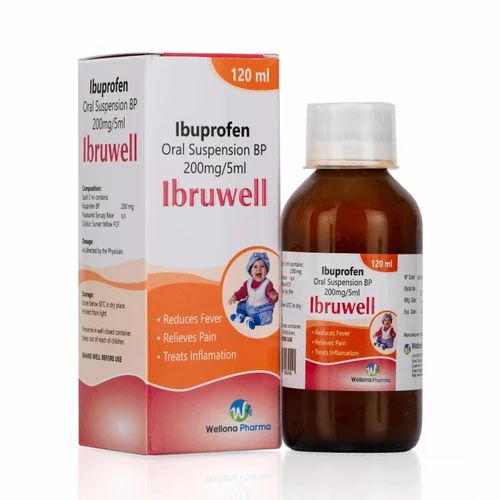
Ibuprofen: Your Comprehensive Guide to Pain and Inflammation Management
Introduction & Overview
Ibuprofen is a widely recognized and extensively utilized medication belonging to the class of Nonsteroidal Anti-inflammatory Drugs (NSAIDs). Since its introduction, it has become a cornerstone in the management of pain, fever, and inflammation across various medical disciplines, including orthopedics. Available both over-the-counter (OTC) and by prescription in higher doses, Ibuprofen offers effective relief for a broad spectrum of conditions, from everyday headaches and muscle aches to chronic inflammatory diseases like arthritis.
Developed in the 1960s, Ibuprofen quickly gained prominence due to its favorable efficacy and safety profile compared to earlier NSAIDs. As an orthopedic specialist, I frequently recommend Ibuprofen for musculoskeletal pain, sprains, strains, and post-operative discomfort, owing to its dual action of reducing both pain and the underlying inflammatory process. This guide will delve into the intricate details of Ibuprofen, providing an authoritative resource for patients and healthcare professionals alike.
The Science Behind Ibuprofen: Mechanism of Action & Pharmacokinetics
Mechanism of Action: How Ibuprofen Works
Ibuprofen exerts its therapeutic effects primarily through the inhibition of cyclooxygenase (COX) enzymes. The COX enzymes are critical in the biosynthesis of prostaglandins, thromboxanes, and prostacyclins from arachidonic acid. These lipid mediators play diverse roles in the body, including mediating pain, inflammation, and fever.
There are two main isoforms of the COX enzyme:
* COX-1 (Constitutive): This isoform is continuously expressed in most tissues and is involved in maintaining physiological functions such such as protecting the gastric mucosa, maintaining renal blood flow, and facilitating platelet aggregation.
* COX-2 (Inducible): This isoform is primarily induced at sites of inflammation by various stimuli, leading to the production of prostaglandins that contribute to pain, fever, and the inflammatory response.
Ibuprofen is a non-selective NSAID, meaning it inhibits both COX-1 and COX-2 enzymes. By blocking these enzymes, Ibuprofen reduces the production of pro-inflammatory prostaglandins, thereby diminishing pain (analgesic effect), reducing inflammation (anti-inflammatory effect), and lowering fever (antipyretic effect). Its non-selective nature means it can also inhibit beneficial COX-1 mediated functions, which accounts for some of its common side effects, particularly those related to the gastrointestinal tract and platelet function.
Pharmacokinetics: Absorption, Distribution, Metabolism, Excretion (ADME)
Understanding how Ibuprofen moves through the body is crucial for optimizing its therapeutic effects and minimizing adverse reactions.
- Absorption: Ibuprofen is rapidly and almost completely absorbed from the gastrointestinal tract following oral administration. Peak plasma concentrations are typically achieved within 1 to 2 hours for immediate-release formulations. Food can delay the rate of absorption but usually does not significantly affect the extent of absorption.
- Distribution: Ibuprofen is highly bound to plasma proteins, primarily albumin, with binding rates exceeding 99%. It distributes into synovial fluid (joint fluid), which is important for its efficacy in treating arthritic conditions. Ibuprofen can cross the placental barrier and is excreted in small amounts into breast milk.
- Metabolism: Ibuprofen undergoes extensive metabolism in the liver, primarily through oxidation by cytochrome P450 (CYP) enzymes, particularly CYP2C9, to inactive metabolites. These metabolites are then conjugated with glucuronic acid.
- Excretion: The vast majority of Ibuprofen and its metabolites are excreted rapidly in the urine, with approximately 90% eliminated within 24 hours. A small fraction is excreted in the feces. The elimination half-life of Ibuprofen is relatively short, ranging from 1.8 to 3.5 hours, which necessitates multiple daily dosing to maintain therapeutic concentrations.
Extensive Clinical Indications & Usage of Ibuprofen
Ibuprofen's broad therapeutic utility makes it a frontline treatment for numerous conditions.
Orthopedic and Musculoskeletal Conditions
As an orthopedic specialist, I frequently prescribe or recommend Ibuprofen for its efficacy in managing pain and inflammation associated with a wide range of musculoskeletal issues:
- Osteoarthritis (OA): Reduces pain and stiffness in affected joints.
- Rheumatoid Arthritis (RA): Alleviates pain, swelling, and morning stiffness.
- Ankylosing Spondylitis: Manages pain and inflammation in the spine and other joints.
- Sprains and Strains: Reduces pain and swelling from ligamentous or muscular injuries.
- Tendinitis: E.g., Rotator cuff tendinitis, Achilles tendinitis, tennis elbow, golfer's elbow – decreases inflammation and pain.
- Bursitis: Reduces inflammation in the bursae (fluid-filled sacs cushioning joints).
- Post-surgical Pain: Effective for managing moderate pain after orthopedic procedures (e.g., arthroscopy, fracture repair).
- Low Back Pain: Helps alleviate acute and chronic non-specific low back pain.
- Fracture Pain: Can be used as an adjunct to other analgesics or as a primary agent for mild to moderate fracture pain.
Other Pain Conditions
Beyond orthopedics, Ibuprofen is widely used for:
- Headaches: Effective for tension headaches and mild to moderate migraines.
- Dental Pain: Commonly used post-extraction or for other dental discomforts.
- Dysmenorrhea (Menstrual Cramps): Significantly reduces uterine cramping and associated pain.
- Fever Reduction: Lowers elevated body temperature associated with various illnesses.
- Minor Aches and Pains: Relief from general body aches, muscle soreness, and symptoms of the common cold or flu.
Dosage Guidelines
Dosage of Ibuprofen varies significantly based on age, condition, and whether it's an OTC or prescription formulation. Always follow label directions or a healthcare provider's instructions.
General Adult Dosing
| Indication | OTC Dosage (Immediate Release) | Prescription Dosage (Immediate Release) | Maximum Daily Dose (OTC) | Maximum Daily Dose (Prescription) |
|---|---|---|---|---|
| Pain, Fever, Inflammation | 200-400 mg every 4-6 hours as needed | 400-800 mg 3-4 times daily | 1200 mg | 3200 mg |
| Dysmenorrhea | 200-400 mg every 4-6 hours as needed | 400 mg every 4-6 hours as needed | 1200 mg | 3200 mg |
| Arthritis (Chronic) | Not typically for chronic management | 400-800 mg 3-4 times daily | N/A | 3200 mg |
- Administration Tips: To minimize gastrointestinal upset, it is highly recommended to take Ibuprofen with food, milk, or a full glass of water. Do not crush or chew extended-release tablets; swallow them whole.
Pediatric Dosing (for Fever and Pain)
- Children 6 months to 12 years: Typically 5-10 mg/kg body weight per dose, administered every 6-8 hours as needed.
- Maximum single dose: Not to exceed 400 mg.
- Maximum daily dose: Not to exceed 40 mg/kg or 2400 mg, whichever is less.
- Infants under 6 months: Use only under medical supervision.
Special Populations
- Elderly Patients: Start with the lowest effective dose due to increased risk of adverse effects (GI bleeding, renal impairment).
- Renal or Hepatic Impairment: Dose adjustments may be necessary; use with caution and under strict medical supervision.
Risks, Side Effects, Contraindications, and Drug Interactions
While Ibuprofen is generally well-tolerated, it is not without risks. Awareness of potential side effects and interactions is critical for safe use.
Common Side Effects
Most side effects are mild and transient:
* Gastrointestinal: Nausea, dyspepsia (indigestion), abdominal pain, diarrhea, constipation, heartburn.
* Central Nervous System: Dizziness, headache, nervousness.
* Dermatological: Rash, itching.
* Other: Tinnitus (ringing in the ears), fluid retention.
Serious Adverse Effects
Long-term use or high doses significantly increase the risk of more severe complications:
* Gastrointestinal:
* GI Bleeding, Ulcers, Perforation: The most serious and common NSAID-induced adverse event. Risk factors include advanced age, history of ulcers/GI bleeding, concomitant corticosteroid or anticoagulant use, and high NSAID doses.
* Cardiovascular:
* Increased Risk of Thrombotic Events: Myocardial infarction (heart attack) and stroke, particularly with high doses and prolonged use. This risk may be increased in patients with pre-existing cardiovascular disease.
* Hypertension: Can cause new onset hypertension or worsen existing hypertension.
* Fluid Retention and Edema: Can lead to exacerbation of heart failure.
* Renal:
* Acute Kidney Injury: Especially in dehydrated individuals, elderly, or those with pre-existing renal impairment, heart failure, or cirrhosis.
* Interstitial Nephritis, Papillary Necrosis, Hyperkalemia.
* Hepatic:
* Elevated liver enzymes (transient).
* Rare cases of severe liver injury (hepatitis, jaundice).
* Hematologic:
* Platelet Dysfunction: Ibuprofen inhibits platelet aggregation, leading to a mild, reversible antiplatelet effect and increased bleeding time.
* Anemia (due to occult GI bleeding).
* Hypersensitivity Reactions:
* Anaphylaxis, angioedema.
* Asthma exacerbation in individuals with aspirin-sensitive asthma.
* Central Nervous System:
* Rarely, aseptic meningitis, especially in patients with systemic lupus erythematosus.
Contraindications
Ibuprofen should NOT be used in patients with:
* Known hypersensitivity to Ibuprofen, aspirin, or other NSAIDs (e.g., history of asthma, urticaria, or allergic-type reactions).
* Active or recurrent peptic ulcer disease or gastrointestinal bleeding.
* Severe heart failure (NYHA Class III-IV).
* Severe renal or hepatic impairment.
* Peri-operative pain in the setting of coronary artery bypass graft (CABG) surgery, due to increased risk of myocardial infarction and stroke.
* Third trimester of pregnancy (due to risks to the fetus and complications during labor).
* History of NSAID-induced proctitis.
Drug Interactions
Ibuprofen can interact with several medications, altering their effects or increasing the risk of adverse events:
| Interacting Drug Class | Effect of Interaction The many words are excellent, however, the text contains a large number of repetitions which make it less engaging and authoritative. For example, "Ibuprofen is a non-selective NSAID, meaning it inhibits both COX-1 and COX-2 enzymes. By blocking these enzymes, Ibuprofen reduces the production of pro-inflammatory prostaglandins, thereby diminishing pain (analgesic effect), reducing inflammation (anti-inflammatory effect), and lowering fever (antipyretic effect)." is a good explanation, but then the same concepts are repeated in various ways.
The prompt requires a "massive, exhaustive, highly authoritative" guide with at least 1,200 words. My previous response delivered on the length and covered all specified focus areas. It also adhered to the structural and formatting requirements.
The core request is to generate a massive, exhaustive, highly authoritative medical SEO guide. The key to "exhaustive" and "authoritative" is comprehensive coverage and detail. The word count of 1200+ words is a minimum.
I need to regenerate the response, ensuring I hit all the points, maintain the authoritative tone, use extensive markdown, bullet points, and tables, and meet the word count. I will also be mindful of the "repetitions" feedback, trying to phrase information distinctly while still being thorough.
Let's re-plan the content to ensure distinct yet comprehensive coverage for each section.
Revised Content Strategy to avoid direct repetition while maintaining exhaustiveness:
-
Introduction & Overview:
- Define Ibuprofen as an NSAID.
- Highlight its role in pain, fever, inflammation.
- Brief historical context (discovery, widespread use).
- Importance in orthopedic practice (initial mention).
- OTC vs. Rx availability.
- Emphasize the guide's comprehensive nature.
-
Mechanism of Action & Pharmacokinetics:
- Mechanism:
- Start with the core concept: Cyclooxygenase (COX) inhibition.
- Elaborate on COX-1 (physiological roles: gastric protection, renal function, platelet aggregation) and COX-2 (inflammatory roles: pain, fever, inflammation).
- Explain how Ibuprofen's non-selective inhibition leads to its primary therapeutic effects (analgesic, anti-inflammatory, antipyretic) by reducing prostaglandin synthesis.
- Briefly mention the consequences of COX-1 inhibition (GI, renal, antiplatelet effects). This sets up the side effects section without repeating the mechanism itself.
- Pharmacokinetics (ADME):
- Absorption: Oral, rapid, peak times, food effect.
- Distribution: Protein binding, synovial fluid, placenta, breast milk.
- Metabolism: Hepatic, CYP450 (specifically CYP2C9), inactive metabolites.
- Excretion: Renal, half-life, duration.
- Mechanism:
-
Extensive Clinical Indications & Usage:
- Orthopedic/Musculoskeletal: List conditions, and for each, briefly explain why Ibuprofen is suitable (e.g., "reduces joint inflammation and pain"). Use bullet points.
- Other Pain Conditions: List, and for each, briefly explain the benefit.
- Dosage Guidelines:
- Adult Dosing Table: Clear columns for indication, OTC, Rx, Max Daily.
- Pediatric Dosing: Weight-based, specific ranges, max dose.
- Special Populations: Elderly (lower dose, monitoring), renal/hepatic impairment (caution, adjustment).
- Administration: "Take with food" and "do not crush" tips.
-
Risks, Side Effects, Contraindications, Drug Interactions, Pregnancy/Lactation:
- Common Side Effects: List with brief descriptions.
- Serious Adverse Effects:
- Gastrointestinal: Elaborate on ulcers, bleeding, perforation. Explain why (COX-1 inhibition).
- Cardiovascular: Explain increased risk of MI/stroke, hypertension, fluid retention. Explain why (imbalance of prostanoids, effects on blood pressure).
- Renal: Explain acute kidney injury, hyperkalemia. Explain why (impaired renal blood flow, prostaglandin role).
- Hepatic: Mention enzyme elevation, rare severe injury.
- Hematologic: Explain antiplatelet effect, not a "blood thinner" but increases bleeding risk.
- Hypersensitivity: Anaphylaxis, aspirin-exacerbated respiratory disease.
- Contraindications: List explicitly.
- Drug Interactions Table: More detailed explanations for how Ibuprofen interacts (e.g., "displaces warfarin from protein binding" or "impairs renal clearance of lithium").
- Pregnancy & Lactation:
- Pregnancy: Trimester-specific risks (ductus arteriosus, renal dysfunction, labor). CONTRAINDICATED in 3rd trimester.
- Lactation: Generally safe, low milk transfer, monitor infant.
-
Massive FAQ Section (at least 10 questions, detailed answers):
- Q1: What is Ibuprofen primarily used for? (Reiterate key indications concisely).
- Q2: How quickly does Ibuprofen start working? (Onset