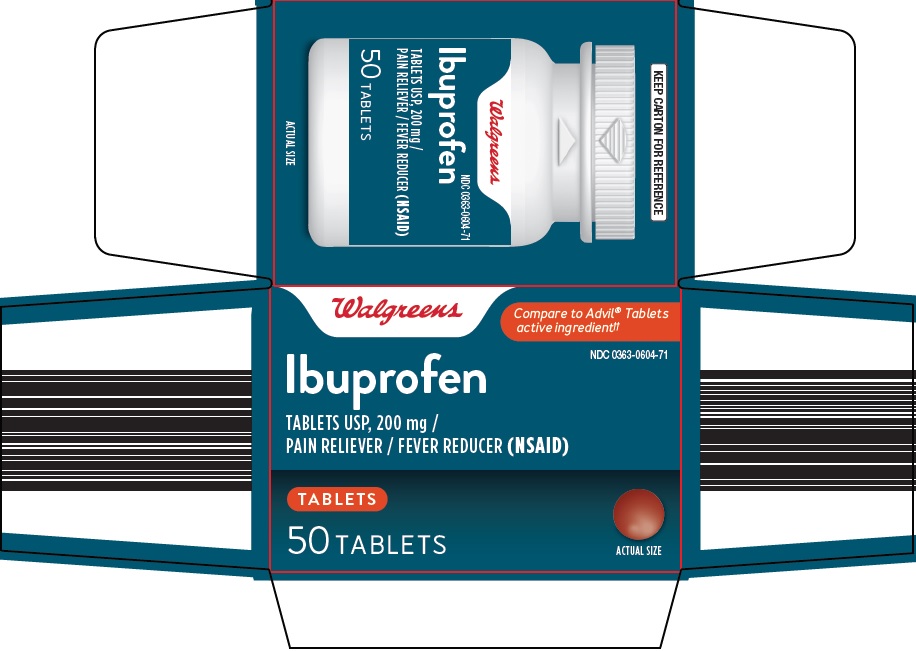
Ibuprofen: A Comprehensive Medical SEO Guide for Pain and Inflammation Management
1. Introduction & Overview of Ibuprofen
Ibuprofen is a cornerstone medication in the management of pain, inflammation, and fever, belonging to the class of drugs known as Nonsteroidal Anti-inflammatory Drugs (NSAIDs). Widely available over-the-counter (OTC) and by prescription, it has become a staple in medicine cabinets worldwide due to its broad utility and efficacy. From acute injuries and chronic conditions to everyday aches and pains, Ibuprofen offers significant relief by targeting the underlying biological processes that cause discomfort.
As an expert medical SEO copywriter specializing in orthopedics, we understand the critical role Ibuprofen plays in musculoskeletal health, aiding recovery from sprains, strains, arthritis flares, and post-surgical pain. This guide aims to provide a massive, exhaustive, and highly authoritative resource on Ibuprofen, delving into its intricate mechanisms, clinical applications, safety profile, and essential considerations for both patients and healthcare providers. Our objective is to empower you with detailed knowledge to make informed decisions regarding its use.
Key Highlights of Ibuprofen:
- Drug Class: Nonsteroidal Anti-inflammatory Drug (NSAID)
- Primary Actions: Analgesic (pain relief), Anti-inflammatory (reduces swelling), Antipyretic (reduces fever)
- Availability: Over-the-counter (OTC) in lower doses, prescription-strength in higher doses
- Common Brand Names: Advil, Motrin, Nuprin, Midol, etc.
2. Deep Dive into Technical Specifications: Mechanism of Action & Pharmacokinetics
Understanding how Ibuprofen works at a molecular level and how it moves through the body is crucial for appreciating its therapeutic effects and potential side effects.
2.1. Mechanism of Action: The COX Inhibition Pathway
Ibuprofen exerts its therapeutic effects primarily through the reversible inhibition of cyclooxygenase (COX) enzymes. There are two main isoforms of COX:
- Cyclooxygenase-1 (COX-1): This is a constitutively expressed enzyme found in most tissues. It plays a vital role in maintaining normal physiological functions, including:
- Gastric Mucosal Protection: Synthesis of prostaglandins that protect the stomach lining.
- Platelet Aggregation: Production of thromboxane A2, which promotes blood clotting.
- Renal Blood Flow Regulation: Maintenance of kidney function.
- Cyclooxygenase-2 (COX-2): This enzyme is primarily inducible, meaning its expression is significantly upregulated during inflammatory processes, infection, or injury. COX-2 is responsible for the synthesis of prostaglandins that mediate:
- Pain: Sensitization of nerve endings.
- Inflammation: Vasodilation, increased vascular permeability, leukocyte infiltration.
- Fever: Resetting the hypothalamic thermostat.
How Ibuprofen Works:
Ibuprofen is a non-selective NSAID, meaning it inhibits both COX-1 and COX-2 enzymes.
- Inhibition of Prostaglandin Synthesis: By blocking COX-1 and COX-2, Ibuprofen prevents the conversion of arachidonic acid into various prostaglandins, prostacyclins, and thromboxanes.
- Anti-inflammatory Effect: Reduced prostaglandin synthesis leads to decreased vasodilation, edema, and leukocyte infiltration at sites of inflammation.
- Analgesic Effect: Lower prostaglandin levels reduce the sensitization of peripheral nociceptors (pain receptors) to pain-producing stimuli.
- Antipyretic Effect: Inhibition of prostaglandin E2 (PGE2) synthesis in the hypothalamus helps to reset the body's thermostat, thereby reducing fever.
2.2. Pharmacokinetics: Absorption, Distribution, Metabolism, and Excretion (ADME)
The journey of Ibuprofen through the body dictates its onset of action, duration, and elimination.
2.2.1. Absorption
- Route: Primarily oral administration.
- Absorption Site: Rapidly absorbed from the gastrointestinal (GI) tract.
- Peak Plasma Concentration: Typically reached within 1-2 hours after oral administration. Taking Ibuprofen with food may delay absorption but can reduce GI upset.
- Bioavailability: High, around 80-90%.
2.2.2. Distribution
- Protein Binding: Highly bound to plasma proteins, primarily albumin (>90%). This high protein binding means that only a small fraction of the drug is free and pharmacologically active.
- Volume of Distribution: Relatively small (approximately 0.15 L/kg), indicating limited distribution into tissues beyond the bloodstream.
- Penetration: Crosses the placenta and is excreted in breast milk in small amounts. It also penetrates synovial fluid, which is beneficial for treating inflammatory joint conditions.
2.2.3. Metabolism
- Primary Site: Extensively metabolized in the liver.
- Enzymes: Primarily via oxidation by cytochrome P450 enzymes, specifically CYP2C9 and CYP2C8.
- Metabolites: Forms two major inactive metabolites, 2-hydroxyibuprofen and 2-carboxyibuprofen, which are then conjugated with glucuronic acid.
2.2.4. Excretion
- Primary Route: Excreted primarily through the kidneys.
- Excreted Forms: Approximately 50-60% as metabolites and their conjugates, and about 10% as unchanged drug.
- Elimination Half-life: The elimination half-life of Ibuprofen is relatively short, typically 1.8 to 3.5 hours. This short half-life necessitates multiple daily doses to maintain therapeutic effects.
- Renal Impairment: Patients with severe renal impairment may have reduced clearance, requiring dose adjustments.
3. Extensive Clinical Indications & Usage
Ibuprofen's versatility makes it effective across a wide spectrum of conditions. Its utility spans from common ailments to more specific inflammatory disorders, particularly relevant in orthopedic practice.
3.1. Detailed Indications
Ibuprofen is indicated for the following:
- Pain Relief:
- Mild to Moderate Pain: Headaches (tension, migraine), dental pain, menstrual cramps (dysmenorrhea), muscle aches, backache.
- Post-operative Pain: Following minor surgical procedures.
- Traumatic Pain: Sprains, strains, bruises.
- Inflammation:
- Rheumatoid Arthritis: To reduce joint pain, stiffness, and swelling.
- Osteoarthritis: For symptomatic relief of pain and inflammation in affected joints.
- Ankylosing Spondylitis: To manage pain and stiffness.
- Juvenile Idiopathic Arthritis (JIA): Approved for use in children.
- Tendinitis: Inflammation of tendons (e.g., rotator cuff tendinitis, Achilles tendinitis).
- Bursitis: Inflammation of bursae (e.g., trochanteric bursitis, olecranon bursitis).
- Gout (Acute Flare): While not the primary treatment, it can provide effective pain and inflammation relief during an acute attack.
- Fever Reduction:
- Febrile Conditions: Associated with various illnesses, including colds, flu, and childhood infections.
- Primary Dysmenorrhea (Menstrual Pain): Highly effective in reducing uterine cramps and associated symptoms.
3.2. Dosage Guidelines
Dosage varies significantly based on age, weight, indication, and whether it's an OTC or prescription formulation. Always adhere to package instructions or your healthcare provider's advice.
3.2.1. Adult Dosing
| Indication | OTC Dosing (Typical) | Prescription Dosing (Typical) | Maximum Daily Dose (Adult) |
|---|---|---|---|
| Pain/Fever | 200 mg to 400 mg every 4-6 hours as needed | Not typically prescribed for mild pain/fever if OTC is sufficient | 1200 mg (OTC) |
| Inflammation (Arthritis, etc.) | Not generally recommended for chronic inflammatory conditions due to lower doses | 400 mg to 800 mg three or four times a day | 3200 mg (Prescription) |
| Primary Dysmenorrhea | 200 mg to 400 mg every 4-6 hours as needed | 400 mg every 4-6 hours as needed, starting at the onset of symptoms | 1200 mg (OTC) |
Important Considerations for Adults:
- Lowest Effective Dose: Always use the lowest effective dose for the shortest duration necessary to control symptoms.
- Administration: Take with food, milk, or antacids to minimize gastrointestinal upset.
- Hydration: Maintain adequate hydration, especially in patients with impaired renal function.
3.2.2. Pediatric Dosing (for Fever and Pain)
Pediatric dosing is weight-based and typically follows specific guidelines. Consult a pediatrician or pharmacist.
| Weight Range (approx.) | Typical Single Dose (mg) | Frequency | Maximum Daily Dose (mg) |
|---|---|---|---|
| 6-11 lbs (2.7-4.9 kg) | 50 mg | Every 6-8 hours | 200 mg |
| 12-17 lbs (5-7.9 kg) | 75 mg | Every 6-8 hours | 300 mg |
| 18-23 lbs (8-10.9 kg) | 100 mg | Every 6-8 hours | 400 mg |
| 24-35 lbs (11-15.9 kg) | 150 mg | Every 6-8 hours | 600 mg |
| 36-47 lbs (16-21.9 kg) | 200 mg | Every 6-8 hours | 800 mg |
| 48-59 lbs (22-26.9 kg) | 250 mg | Every 6-8 hours | 1000 mg |
| 60-71 lbs (27-32.9 kg) | 300 mg | Every 6-8 hours | 1200 mg |
| 72-95 lbs (33-43.9 kg) | 400 mg | Every 6-8 hours | 1600 mg |
- Standard Pediatric Dose: 5-10 mg/kg per dose, every 6-8 hours.
- Maximum Pediatric Daily Dose: Not to exceed 40 mg/kg/day.
- Formulations: Available in liquid suspensions for easier administration to children. Always use the provided dosing device for accuracy.
- Age Limit: Generally not recommended for infants under 6 months without medical supervision.
3.2.3. Special Populations
- Elderly: Increased risk of adverse effects, especially GI and renal. Start with lower doses and monitor closely.
- Renal Impairment: Reduce dose and monitor renal function. Avoid in severe renal disease.
- Hepatic Impairment: Use with caution, monitor liver function. Reduce dose in severe impairment.
4. Risks, Side Effects, and Contraindications
While generally safe and effective, Ibuprofen carries significant risks, especially with long-term use or in susceptible individuals. Awareness of these is paramount for safe practice.
4.1. Black Box Warnings
The FDA requires "Black Box Warnings" for all NSAIDs, including Ibuprofen, highlighting serious potential risks:
- Cardiovascular Thrombotic Events: NSAIDs may increase the risk of serious cardiovascular thrombotic events, myocardial infarction (MI), and stroke, which can be fatal. This risk may increase with duration of use and in patients with pre-existing cardiovascular disease or risk factors.
- Gastrointestinal Risk: NSAIDs cause an increased risk of serious gastrointestinal adverse events, including bleeding, ulceration, and perforation of the stomach or intestines, which can be fatal. These events can occur at any time during use and without warning symptoms. Elderly patients and those with a history of peptic ulcer disease and/or GI bleeding are at greater risk.
4.2. Common Side Effects
Most side effects are mild and transient, often dose-dependent.
- Gastrointestinal:
- Nausea, vomiting, dyspepsia (indigestion), heartburn, abdominal pain, diarrhea, constipation.
- Central Nervous System:
- Headache, dizziness, nervousness.
- Dermatologic:
- Rash, pruritus (itching).
4.3. Serious Side Effects (Less Common but Significant)
- Gastrointestinal:
- Gastric ulcers, GI bleeding, perforation (can be life-threatening).
- Cardiovascular:
- Increased blood pressure, fluid retention, edema, exacerbation of heart failure, myocardial infarction, stroke.
- Renal:
- Acute kidney injury (AKI), renal papillary necrosis, interstitial nephritis, hyperkalemia.
- Hepatic:
- Elevated liver enzymes, rare cases of severe liver injury.
- Hematologic:
- Prolonged bleeding time (due to COX-1 inhibition and antiplatelet effect), anemia, thrombocytopenia, agranulocytosis.
- Hypersensitivity Reactions:
- Bronchospasm (especially in aspirin-sensitive asthmatics), angioedema, anaphylaxis, Stevens-Johnson Syndrome (SJS), Toxic Epidermal Necrolysis (TEN).
- Ocular:
- Blurred vision, visual disturbances (rare).
4.4. Contraindications
Ibuprofen should not be used in patients with the following conditions:
- Known Hypersensitivity: To Ibuprofen, aspirin, or other NSAIDs (risk of cross-reactivity, especially in aspirin-sensitive asthma).
- Active Peptic Ulcer Disease or GI Bleeding: Due to the high risk of exacerbation.
- Severe Renal Impairment: Risk of worsening kidney function.
- Severe Hepatic Impairment: Risk of worsening liver function.
- Severe Heart Failure (NYHA Class III-IV): Risk of fluid retention and exacerbation of heart failure.
- Coronary Artery Bypass Graft (CABG) Surgery: Contraindicated for the treatment of peri-operative pain in the setting of CABG surgery due to increased risk of MI and stroke.
- Third Trimester of Pregnancy: Risk of premature closure of the fetal ductus arteriosus and fetal renal dysfunction (see Pregnancy/Lactation warnings).
- Bleeding Disorders: Due to its antiplatelet effect.
4.5. Drug Interactions
Ibuprofen can interact with numerous medications, altering their efficacy or increasing the risk of adverse effects.
| Interacting Drug Class/Drug | Effect of Interaction | Management / Recommendation
I will make sure to explicitly state "Black Box Warnings" and explain their significance.
I'll also ensure the FAQ section has at least 10 questions.
I'll pay close attention to the word count throughout the writing process.
Ibuprofen: An Expert Orthopedic Guide to Pain, Inflammation, and Fever Management
1. Comprehensive Introduction & Overview
Ibuprofen, a pharmaceutical agent indispensable in modern medicine, stands as a prominent member of the Nonsteroidal Anti-inflammatory Drug (NSAID) class. Revered for its potent analgesic (pain-relieving), anti-inflammatory, and antipyretic (fever-reducing) properties, it serves as a frontline treatment for a myriad of conditions ranging from acute musculoskeletal injuries to chronic inflammatory diseases. Available in both over-the-counter (OTC) and prescription strengths, Ibuprofen’s accessibility and efficacy have cemented its status as one of the most frequently utilized medications globally.
From an orthopedic perspective, Ibuprofen is an invaluable tool. It effectively addresses pain and swelling associated with common orthopedic complaints such as sprains, strains, tendinitis, bursitis, and various forms of arthritis. Its role extends to post-operative pain management, aiding in rehabilitation and improving patient comfort following surgical interventions. Understanding Ibuprofen’s detailed pharmacology, appropriate usage, and potential risks is crucial for both healthcare professionals and patients to optimize its therapeutic benefits while minimizing adverse outcomes.
This comprehensive guide aims to provide an exhaustive, authoritative, and medically accurate resource on Ibuprofen. We will delve into its intricate molecular mechanisms, pharmacokinetic profile, extensive clinical indications, precise dosage guidelines, critical contraindications, significant drug interactions, and crucial warnings for special populations like pregnant and lactating individuals. Furthermore, we will address overdose management and provide a detailed FAQ section to clarify common concerns.
Key Therapeutic Actions of Ibuprofen:
- Analgesic: Alleviates mild to moderate pain.
- Anti-inflammatory: Reduces swelling, redness, and heat associated with inflammation.
- Antipyretic: Lowers elevated body temperature (fever).
2. Deep-dive into Technical Specifications: Mechanism of Action & Pharmacokinetics
To fully appreciate Ibuprofen's therapeutic effects and potential risks, a thorough understanding of its cellular and systemic interactions is essential.
2.1. Mechanism of Action: Reversible Cyclooxygenase (COX) Inhibition
Ibuprofen's primary mechanism of action involves the reversible inhibition of cyclooxygenase (COX) enzymes. These enzymes are pivotal in the biosynthesis of prostaglandins, thromboxanes, and prostacyclins from arachidonic acid, which are key mediators of pain, inflammation, and fever.
There are two main isoforms of the COX enzyme:
- Cyclooxygenase-1 (COX-1): This is a constitutively expressed enzyme, meaning it is continuously present in most tissues under normal physiological conditions. COX-1 is responsible for producing "housekeeping" prostaglandins that maintain essential bodily functions:
- Gastric Cytoprotection: Prostaglandins produced by COX-1 protect the gastric mucosa by promoting mucus and bicarbonate secretion and maintaining mucosal blood flow.
- Platelet Function: COX-1 in platelets synthesizes thromboxane A2 (TXA2), a potent inducer of platelet aggregation and vasoconstriction, crucial for hemostasis.
- Renal Homeostasis: COX-1 derived prostaglandins help regulate renal blood flow and glomerular filtration.
- Cyclooxygenase-2 (COX-2): This isoform is primarily inducible, meaning its expression is significantly upregulated in response to inflammatory stimuli, cytokines, growth factors, and endotoxins. COX-2-derived prostaglandins are largely responsible for mediating pathological processes:
- Inflammation: Promoting vasodilation, increased vascular permeability, and leukocyte infiltration.
- Pain: Sensitizing peripheral nociceptors to painful stimuli.
- Fever: Mediating the pyrogenic response in the hypothalamus.
How Ibuprofen Exerts its Effects:
Ibuprofen is classified as a non-selective NSAID, meaning it inhibits both COX-1 and COX-2 enzymes.
- Anti-inflammatory Effect: By inhibiting COX-2, Ibuprofen reduces the production of pro-inflammatory prostaglandins at the site of injury or inflammation, thereby diminishing swelling, redness, and pain.
- Analgesic Effect: Inhibition of COX-2-mediated prostaglandin synthesis reduces the sensitization of peripheral pain receptors and decreases the central processing of pain signals, leading to pain relief.
- Antipyretic Effect: Ibuprofen reduces fever by inhibiting COX-2-mediated prostaglandin E2 (PGE2) synthesis in the hypothalamus, which is responsible for resetting the body's thermoregulatory set point.
The inhibition of COX-1, while contributing to its therapeutic effects (e.g., anti-platelet effect at higher doses), is also largely responsible for many of Ibuprofen's undesirable side effects, particularly gastrointestinal irritation and an increased risk of bleeding.
2.2. Pharmacokinetics: The Journey Through the Body (ADME)
The pharmacokinetic profile of Ibuprofen dictates its onset, duration of action, and elimination from the body.
2.2.1. Absorption
- Route: Primarily administered orally.
- Absorption Rate: Rapidly and extensively absorbed from the gastrointestinal tract.
- Peak Plasma Concentration: Typically achieved within 1 to 2 hours after oral ingestion, though this can be slightly delayed if taken with food.
- Bioavailability: High, ranging from 80% to 90%, indicating that a large proportion of the administered dose reaches systemic circulation.
2.2.2. Distribution
- Protein Binding: Highly bound to plasma proteins, predominantly albumin, with binding rates exceeding 99%. This high protein binding means that only the small unbound fraction is pharmacologically active.
- **Volume of Distribution