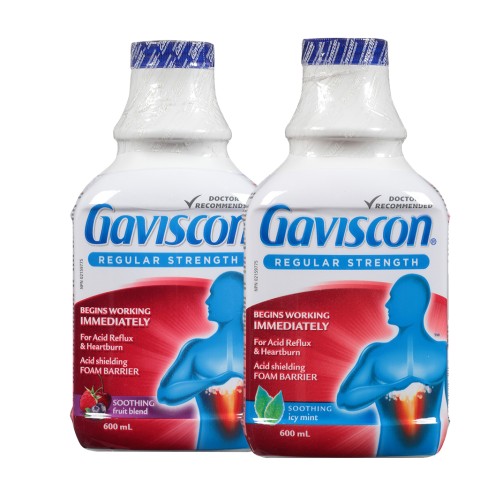
Gaviscon: Your Authoritative Medical Guide to Heartburn and Indigestion Relief
As an expert in orthopedic health and a seasoned medical SEO copywriter, it's crucial to understand that gastrointestinal health profoundly impacts overall well-being, even influencing aspects of musculoskeletal comfort through referred pain or systemic inflammatory responses. Gaviscon, a widely recognized over-the-counter medication, stands as a frontline defense against the discomforts of heartburn and indigestion. This comprehensive guide delves into every facet of Gaviscon, from its unique mode of action to detailed clinical usage, ensuring you have the most authoritative and exhaustive information available.
1. Introduction & Overview: Understanding Gaviscon
Gaviscon is a popular over-the-counter medication primarily used to treat symptoms of acid reflux, heartburn, and indigestion. Unlike traditional antacids that solely neutralize stomach acid, Gaviscon employs a distinctive mechanism to form a protective barrier, or "raft," on top of the stomach contents, physically preventing acid from refluxing into the esophagus.
This dual-action approach—combining acid neutralization with a physical barrier—makes Gaviscon particularly effective for conditions like gastroesophageal reflux disease (GERD) and symptoms that worsen after meals or when lying down. Available in various formulations, including liquid suspensions and chewable tablets, Gaviscon offers flexible and fast-acting relief for millions worldwide.
2. Deep-Dive into Technical Specifications & Mechanisms
Understanding how Gaviscon works at a molecular level is key to appreciating its efficacy.
What is Gaviscon Made Of? Key Ingredients
Gaviscon's effectiveness stems from its carefully selected active ingredients:
- Sodium Alginate: Derived from brown seaweed, sodium alginate is the cornerstone of Gaviscon's unique "raft" mechanism. It's a polysaccharide that, upon contact with stomach acid, precipitates to form a viscous gel.
- Antacids (Calcium Carbonate, Sodium Bicarbonate, sometimes Magnesium Carbonate): These ingredients provide immediate relief by directly neutralizing excess stomach acid.
- Calcium Carbonate: A potent antacid that neutralizes hydrochloric acid (HCl) in the stomach, forming calcium chloride, water, and carbon dioxide.
- Sodium Bicarbonate: Another fast-acting antacid that reacts with stomach acid to produce sodium chloride, water, and carbon dioxide. It also contributes to the buoyancy of the alginate raft.
- Magnesium Carbonate: (Found in some formulations) Works similarly to calcium carbonate, neutralizing acid.
The Unique Mechanism of Action: The "Raft" Formation
Gaviscon's primary distinguishing feature is its innovative "raft" mechanism:
- Ingestion: Upon ingestion, Gaviscon enters the stomach.
- Acid Contact: The sodium alginate rapidly comes into contact with the acidic environment of the stomach.
- Gel Formation: In the presence of stomach acid, the sodium alginate precipitates and forms a viscous, cohesive gel.
- Buoyancy and Raft Formation: The carbon dioxide released from the reaction of sodium bicarbonate (and sometimes calcium carbonate) with stomach acid gets trapped within this alginate gel. This trapping of gas makes the gel buoyant, causing it to float on top of the stomach contents.
- Protective Barrier: This floating gel forms a physical barrier, or "raft," that sits atop the stomach's acid pool. This barrier effectively prevents the reflux of gastric acid, pepsin, and bile into the esophagus, thereby protecting the esophageal lining from irritation and damage.
- Antacid Action: Concurrently, the calcium carbonate and sodium bicarbonate provide immediate neutralization of existing stomach acid, offering rapid symptomatic relief.
This dual action provides both immediate acid neutralization and prolonged protection against reflux, often lasting for up to 4 hours.
Pharmacokinetics: What Happens to Gaviscon in Your Body?
The pharmacokinetic profile of Gaviscon highlights its localized action and minimal systemic absorption, contributing to its safety profile.
- Absorption:
- Sodium Alginate: This component is largely unabsorbed from the gastrointestinal tract. It remains within the digestive system, performing its protective function locally.
- Antacids (Calcium Carbonate, Sodium Bicarbonate): Small amounts of the ions (calcium, sodium) from the antacids may be absorbed systemically. However, in typical therapeutic doses, this absorption is minimal and generally well-tolerated in individuals with normal renal function.
- Distribution: Gaviscon's active components primarily exert their effects locally within the stomach and lower esophagus. There is no significant systemic distribution of the alginate.
- Metabolism: Sodium alginate is not metabolized by the human body. The antacid components (calcium, sodium) are absorbed as ions and participate in normal physiological processes or are excreted.
- Excretion:
- Sodium Alginate: Excreted virtually unchanged in the feces.
- Antacid Ions: Absorbed calcium and sodium ions are primarily excreted by the kidneys. Unabsorbed portions are excreted in the feces.
This localized action is a key reason why Gaviscon is often considered a safe option for various patient populations, including pregnant women.
3. Extensive Clinical Indications & Usage
Gaviscon is indicated for a range of conditions characterized by acid reflux and indigestion.
Primary Indications
- Heartburn (Acid Reflux): The burning sensation in the chest or throat caused by stomach acid flowing back into the esophagus. Gaviscon provides rapid relief by neutralizing acid and forming a barrier.
- Indigestion (Dyspepsia): A general term for discomfort in the upper abdomen, often including bloating, belching, and nausea. Gaviscon addresses the acid-related components of indigestion.
- Gastroesophageal Reflux Disease (GERD): A chronic condition where stomach acid frequently flows back into the esophagus. Gaviscon is particularly effective for post-prandial reflux and nocturnal symptoms, helping to manage the frequency and severity of reflux episodes.
- Reflux during Pregnancy: Due to its minimal systemic absorption, Gaviscon is a frequently recommended and safe option for managing heartburn and indigestion during pregnancy.
- Hiatal Hernia-related reflux: For individuals with a hiatal hernia, where part of the stomach pushes up through the diaphragm, Gaviscon's barrier action can be especially beneficial in preventing acid reflux.
- Laryngopharyngeal Reflux (LPR): Often referred to as "silent reflux," LPR involves stomach acid reaching the throat and voice box, causing symptoms like chronic cough, hoarseness, and throat clearing. The protective raft can help shield these upper airways.
Dosage Guidelines
Dosage can vary slightly between specific Gaviscon formulations (e.g., Gaviscon Advance, Gaviscon Double Action) and countries. Always refer to the product packaging for precise instructions. The following are general guidelines:
| Patient Group | Formulation | Standard Dose | Frequency | Max Daily Dose |
|---|---|---|---|---|
| Adults & Children > 12 | Liquid | 10-20 ml (2-4 teaspoonfuls) | After meals and at bedtime, up to 4 times a day | 80 ml |
| Adults & Children > 12 | Chewable Tabs | 2-4 tablets | After meals and at bedtime, up to 4 times a day | 16 tablets |
| Children 6-12 years | Liquid | 5-10 ml (1-2 teaspoonfuls) | After meals and at bedtime, up to 4 times a day | 40 ml |
| Children 6-12 years | Chewable Tabs | 1-2 tablets | After meals and at bedtime, up to 4 times a day | 8 tablets |
| Children < 6 years | Not recommended without medical advice |
Important Administration Tips:
- Liquid Formulations: Shake the bottle well before use. Do not dilute the liquid.
- Chewable Tablets: Chew tablets thoroughly before swallowing. Do not swallow whole.
- Timing: For optimal effect, Gaviscon is best taken after meals and before bedtime, as these are common times for reflux symptoms to occur or worsen.
- Do Not Exceed Dose: Adhere strictly to the recommended dosage. Exceeding the maximum daily dose can increase the risk of side effects.
- Separation from Other Medications: See the "Drug Interactions" section for critical advice on spacing Gaviscon from other medications.
4. Risks, Side Effects, and Contraindications
While generally safe and well-tolerated, like all medications, Gaviscon has potential risks, side effects, and specific contraindications.
Contraindications: When NOT to Use Gaviscon
- Hypersensitivity: Individuals with a known allergy or hypersensitivity to sodium alginate, calcium carbonate, sodium bicarbonate, or any other ingredient in Gaviscon should avoid its use.
- Severe Renal Impairment: Due to the sodium and calcium content, Gaviscon should be used with caution or avoided in patients with severe kidney disease, as it could lead to electrolyte imbalances (e.g., hypernatremia, hypercalcemia).
- Hypercalcemia or Hypophosphatemia: Formulations containing calcium carbonate should not be used in patients with pre-existing high calcium levels (hypercalcemia) or low phosphate levels (hypophosphatemia), as it can exacerbate these conditions.
- Heart Failure: Caution is advised for patients on a sodium-restricted diet due to the sodium content in Gaviscon.
Potential Side Effects
Gaviscon is generally associated with a low incidence of side effects, which are typically mild and transient.
- Gastrointestinal:
- Belching (due to carbon dioxide release).
- Mild constipation (especially with calcium carbonate).
- Diarrhea (less common, possibly with magnesium-containing formulations).
- Bloating or abdominal discomfort.
- Allergic Reactions (Rare):
- Skin rash, itching, hives.
- Swelling of the face, lips, tongue, or throat (angioedema).
- Difficulty breathing or wheezing (bronchospasm).
- Anaphylaxis (extremely rare).
- Seek immediate medical attention if any severe allergic reaction occurs.
- With High Doses or Prolonged Use:
- Milk-alkali Syndrome: A rare but serious condition that can occur with excessive intake of calcium and absorbable alkali (like calcium carbonate and sodium bicarbonate), leading to hypercalcemia, metabolic alkalosis, and renal impairment.
- Electrolyte Imbalances: Hypernatremia (high sodium levels) or hypercalcemia (high calcium levels) can occur with very high doses, particularly in individuals with impaired renal function.
Drug Interactions: Using Gaviscon with Other Medications
Gaviscon can interfere with the absorption of several other medications, primarily due to its antacid components and its ability to form a physical barrier.
-
Reduced Absorption of Other Drugs: The presence of Gaviscon in the stomach can reduce the absorption of drugs that require an acidic environment for dissolution or those that chelate with calcium or magnesium. This includes:
- Antibiotics: Tetracyclines, fluoroquinolones (e.g., ciprofloxacin, levofloxacin).
- Iron Supplements: Reduced absorption of oral iron.
- Thyroid Hormones: Levothyroxine.
- Bisphosphonates: (e.g., alendronate) Used for osteoporosis.
- Digoxin: A heart medication.
- Antifungals: Ketoconazole, itraconazole.
- Beta-blockers: (e.g., atenolol, sotalol)
- Phenytoin: An anti-epileptic drug.
- Certain Vitamins: Some fat-soluble vitamins.
-
Recommendation: To minimize interactions, it is generally recommended to separate the administration of Gaviscon from other medications by at least 2 hours before or 2 hours after taking the other drug.
- Consultation: Always inform your doctor or pharmacist about all medications, supplements, and herbal remedies you are taking before starting Gaviscon to ensure there are no potential interactions.
Pregnancy and Lactation Warnings
- Pregnancy: Gaviscon is widely considered safe for use during pregnancy. Its primary active ingredient, sodium alginate, has minimal systemic absorption, meaning very little of the drug enters the bloodstream and reaches the fetus. The antacid components are also generally considered safe in recommended doses. It is often a preferred choice for pregnancy-induced heartburn. However, as with any medication during pregnancy, it is advisable to consult a healthcare provider.
- Lactation (Breastfeeding): Gaviscon is also considered safe for use during breastfeeding. The active ingredients are not significantly absorbed into the mother's bloodstream and therefore are unlikely to pass into breast milk in amounts that would harm a nursing infant.
Overdose Management
Accidental overdose of Gaviscon is generally not associated with severe consequences due to its localized action and minimal systemic absorption.
- Symptoms: An overdose may primarily lead to gastrointestinal discomfort, such as bloating, abdominal distension, and potentially belching. In very rare cases, if extremely high doses of calcium-containing formulations are consumed over time, symptoms of milk-alkali syndrome could develop, but this is highly unlikely from an acute overdose.
- Treatment: Management is typically symptomatic and supportive.
- Discontinue Gaviscon.
- Ensure adequate hydration.
- Monitor for any electrolyte imbalances, especially in individuals with pre-existing renal issues.
- If symptoms are severe or persistent, seek medical attention.
5. Massive FAQ Section
Here are answers to frequently asked questions about Gaviscon:
Q1: How quickly does Gaviscon work?
A1: Gaviscon typically starts to work very quickly, often within minutes of administration, as its antacid components begin to neutralize stomach acid immediately, and the alginate raft forms rapidly.
Q2: How long do the effects of Gaviscon last?
A2: The protective "raft" barrier formed by Gaviscon can provide relief for up to 4 hours, which is generally longer than traditional antacids.
Q3: Is Gaviscon safe for long-term use?
A3: Gaviscon is generally safe for intermittent, short-term use. For persistent or chronic symptoms, it's crucial to consult a healthcare professional to rule out underlying conditions and discuss long-term management strategies. Prolonged, excessive use could potentially lead to electrolyte imbalances, especially in individuals with kidney problems.
Q4: Can I take Gaviscon with other antacids or PPIs?
A4: You can generally take Gaviscon with other antacids, though it's often unnecessary due to Gaviscon's dual action. If you are taking proton pump inhibitors (PPIs) like omeprazole or lansoprazole, Gaviscon can be used as an add-on for breakthrough symptoms. Always space Gaviscon at least 2 hours apart from other medications to avoid interactions.
Q5: What's the difference between Gaviscon liquid and tablets?
A5: Both liquid and chewable tablet forms contain the same active ingredients and work similarly. The liquid may offer slightly faster onset of action due to its dispersed nature, while tablets offer convenience for on-the-go use. The choice often comes down to personal preference.
Q6: Does Gaviscon cause constipation?
A6: Gaviscon formulations containing calcium carbonate can sometimes cause mild constipation in some individuals. If you experience persistent constipation, discuss it with your doctor or pharmacist.
Q7: Is Gaviscon gluten-free?
A7: Most Gaviscon formulations are generally considered gluten-free, but it's always best to check the specific product packaging or consult the manufacturer for the most up-to-date and accurate information, especially if you have severe gluten sensitivity or celiac disease.
Q8: Can children take Gaviscon?
A8: Gaviscon can be given to children over 6 years of age at reduced doses. For children under 6, Gaviscon should only be administered under medical supervision. Always consult a pediatrician for appropriate dosage and suitability.
Q9: What should I do if I miss a dose?
A9: Gaviscon is typically taken as needed for symptoms. If you miss a dose and don't have symptoms, there's no need to take it. If symptoms return, take your usual dose. Do not double up doses.
Q10: Are there any dietary restrictions when taking Gaviscon?
A10: While Gaviscon provides symptomatic relief, it's still advisable to avoid foods and drinks that commonly trigger heartburn and indigestion, such as fatty foods, spicy foods, caffeine, chocolate, and alcohol. Lifestyle modifications are a key part of managing reflux.
Q11: What is the "raft" and why is it important?
A11: The "raft" is a protective gel barrier formed by sodium alginate that floats on top of your stomach contents. It's important because it physically prevents stomach acid and other irritating contents from refluxing back into the esophagus, offering superior and longer-lasting protection compared to traditional antacids alone.
Q12: Can Gaviscon help with a sore throat caused by reflux?
A12: Yes, if your sore throat is a symptom of acid reflux (Laryngopharyngeal Reflux or LPR), Gaviscon can help. By creating a barrier and reducing acid reflux, it can prevent stomach contents from irritating the throat, thereby alleviating reflux-induced sore throat and hoarseness.