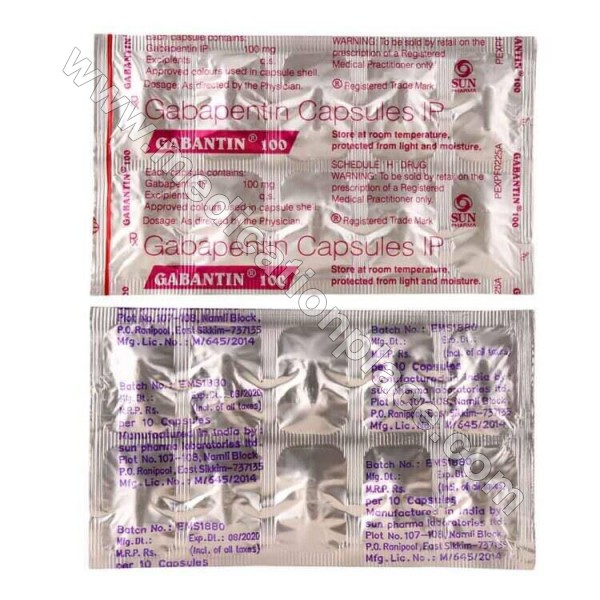
Gabantin: An Exhaustive Medical SEO Guide to Its Uses, Mechanisms, and Safety
As an expert medical SEO copywriter specializing in orthopedics and general medicine, we present a definitive guide to Gabantin (generic name: Gabapentin). This medication is a cornerstone in the management of various neurological conditions, particularly neuropathic pain and certain seizure disorders. Understanding its intricate mechanisms, broad indications, and critical safety profile is paramount for both healthcare professionals and patients.
1. Introduction & Overview of Gabantin
Gabantin, widely recognized by its generic name Gabapentin, is an anticonvulsant and neuropathic pain agent. Initially developed as a gamma-aminobutyric acid (GABA) analogue, its primary therapeutic utility extends beyond its initial conceptualization. It has become an indispensable tool in treating conditions characterized by nerve pain and as an adjunctive therapy for partial seizures.
First introduced in the early 1990s, Gabantin's unique pharmacological profile distinguished it from other antiepileptic drugs. Unlike direct GABA agonists, Gabantin modulates neural activity through a distinct pathway, offering relief for patients who may not respond to conventional treatments. Its efficacy in managing chronic pain conditions, particularly neuropathic pain, has significantly improved the quality of life for countless individuals.
This comprehensive guide aims to provide an in-depth understanding of Gabantin, covering its scientific underpinnings, clinical applications, dosage considerations, potential risks, and essential safety information. It is designed to be an authoritative resource, grounded in medical science, yet accessible to a wide audience.
2. Deep-Dive into Technical Specifications & Mechanisms
Understanding how Gabantin works is key to appreciating its therapeutic effects and managing potential side effects. Its mechanism is complex and distinct from many other neurological medications.
Mechanism of Action
Despite being structurally related to the neurotransmitter GABA, Gabantin does not directly bind to GABA receptors, nor does it inhibit GABA reuptake or degradation. Instead, its primary mechanism of action is believed to involve binding to the alpha-2-delta (α2δ) subunit of voltage-gated calcium channels (VGCCs) in the central nervous system.
- Alpha-2-delta Subunit Binding: Gabantin selectively binds with high affinity to the α2δ-1 protein, an auxiliary subunit of presynaptic VGCCs.
- Modulation of Neurotransmitter Release: This binding is thought to reduce the influx of calcium into presynaptic nerve terminals. By reducing calcium entry, Gabantin modulates the release of several excitatory neurotransmitters, including glutamate, norepinephrine, and substance P.
- Anticonvulsant Effects: By reducing the release of excitatory neurotransmitters, Gabantin helps to stabilize overactive neuronal membranes, thereby preventing the excessive firing of neurons that characterizes epileptic seizures.
- Analgesic Effects: In neuropathic pain states, there is often an upregulation of α2δ subunits in the dorsal horn of the spinal cord. Gabantin's binding to these sites is believed to normalize this hyperexcitability, reducing the transmission of pain signals. It does not directly block pain receptors but rather modulates the processing of pain signals in the nervous system.
Pharmacokinetics
The journey of Gabantin through the body is characterized by unique pharmacokinetic properties:
- Absorption:
- Gabantin is absorbed from the gastrointestinal tract in a saturable manner. This means that as the dose increases, the bioavailability (the proportion of the drug that enters the circulation) decreases.
- Peak plasma concentrations are typically reached within 2 to 3 hours after oral administration.
- Food does not significantly affect the rate or extent of absorption, allowing it to be taken with or without meals.
- Distribution:
- Gabantin readily crosses the blood-brain barrier, which is essential for its central nervous system effects.
- It exhibits very low plasma protein binding (less than 3%), meaning most of the drug in the bloodstream is free and available to exert its effects.
- The volume of distribution is approximately 58 liters.
- Metabolism:
- A significant advantage of Gabantin is that it is not appreciably metabolized in humans. It does not induce or inhibit hepatic enzyme systems, minimizing the potential for drug-drug interactions related to liver metabolism.
- Excretion:
- Gabantin is eliminated almost entirely by renal excretion as unchanged drug.
- The elimination half-life ranges from 5 to 7 hours in individuals with normal renal function.
- Due to its renal excretion, dosage adjustments are crucial for patients with impaired kidney function to prevent accumulation and toxicity.
3. Extensive Clinical Indications & Usage
Gabantin's versatility makes it a valuable therapeutic option for a range of conditions. Its approved indications are well-established, and it is also widely used off-label for several other challenging conditions.
Approved Indications
- Postherpetic Neuralgia (PHN):
- Gabantin is approved for the management of neuropathic pain associated with postherpetic neuralgia in adults. PHN is a persistent and often debilitating nerve pain that can occur after a shingles (herpes zoster) infection. Gabantin helps to reduce the burning, stabbing, and aching pain associated with PHN, significantly improving patient comfort and sleep quality.
- Adjunctive Therapy in Partial Seizures:
- Gabantin is approved as adjunctive therapy in the treatment of partial seizures with and without secondary generalization in adults and pediatric patients 3 years of age and older. It is used in combination with other antiepileptic drugs when monotherapy is insufficient to control seizures.
Off-label Uses
Healthcare providers may prescribe Gabantin off-label for various conditions based on clinical evidence and expert consensus. Some common off-label uses include:
- Diabetic Neuropathy: Management of nerve pain associated with diabetes.
- Fibromyalgia: Alleviation of widespread chronic pain, fatigue, and tenderness.
- Restless Legs Syndrome (RLS): Reduction of uncomfortable sensations and an irresistible urge to move the legs.
- Migraine Prophylaxis: Prevention of migraine headaches.
- Alcohol Withdrawal Syndrome: Management of symptoms during alcohol detoxification.
- Anxiety Disorders: Particularly generalized anxiety disorder, where it can help reduce anxiety symptoms.
- Neuropathic Pain of Other Etiologies: Including pain from spinal cord injury, chemotherapy-induced neuropathy, and trigeminal neuralgia.
Dosage Guidelines
Gabantin dosing is highly individualized, starting with a low dose and gradually titrating upwards to achieve optimal therapeutic effect while minimizing side effects. Abrupt discontinuation should be avoided due to the risk of withdrawal symptoms.
General Dosing Principles:
* Start low and go slow (titrate gradually).
* Administer in divided doses (typically three times a day) to maintain stable plasma levels and manage the saturable absorption.
* Do not exceed the maximum recommended daily dose.
Specific Dosing for Adults:
| Indication | Initial Dose | Titration Schedule | Maintenance Dose |
|---|---|---|---|
| Postherpetic Neuralgia | Day 1: 300 mg once daily | Day 2: 300 mg twice daily; Day 3: 300 mg three times daily. Then, increase as needed based on response and tolerability, typically in 300 mg increments per day. | 1800 mg/day to 3600 mg/day (divided into three doses). Some patients may benefit from doses up to 3600 mg/day. |
| Partial Seizures | Day 1: 300 mg once daily | Day 2: 300 mg twice daily; Day 3: 300 mg three times daily. Then, increase as needed based on response and tolerability, typically in 300 mg increments per day. | 900 mg/day to 1800 mg/day (divided into three doses). Doses up to 2400-3600 mg/day have been well tolerated in studies. |
Pediatric Dosing (Partial Seizures, 3-12 years of age):
* Initial Dose: 10-15 mg/kg/day in 3 divided doses.
* Titration: Titrate upwards over approximately 3 days to an effective dose.
* Maintenance Dose: 25-35 mg/kg/day in 3 divided doses. Doses up to 50 mg/kg/day have been well tolerated.
Dosage Adjustments in Renal Impairment:
Since Gabantin is eliminated renally, dose adjustment is critical for patients with compromised kidney function.
| Creatinine Clearance (CrCl) (mL/min) | Total Daily Dose (mg/day) | Dosing Regimen |
|---|---|---|
| ≥60 | 900-3600 | 300 mg three times a day up to 1200 mg three times a day |
| 30-59 | 400-1400 | 200 mg twice a day up to 700 mg twice a day |
| 15-29 | 200-700 | 200 mg once a day up to 700 mg once a day |
| <15 | 100-300 | 100 mg once a day up to 300 mg once a day. For CrCl <15 mL/min, the daily dose should be reduced proportionally (e.g., patients with CrCl 7.5 mL/min should receive half the dose of patients with CrCl 15 mL/min). |
| Hemodialysis Patients | 125-350 | A loading dose of 300-400 mg, then 200-300 mg after each 4-hour hemodialysis session. |
Administration Advice:
* Gabantin capsules, tablets, and oral solution can be taken with or without food.
* Swallow capsules whole with water. Do not crush, chew, or break tablets/capsules unless specifically instructed by your doctor for extended-release formulations.
* Space doses evenly throughout the day to maintain consistent drug levels.
4. Risks, Side Effects, & Contraindications
While generally well-tolerated, Gabantin is associated with a range of side effects, some common and others rare but serious. Awareness of these is crucial for safe use.
Common Side Effects
These are often dose-dependent and may decrease with continued use as the body adjusts:
* Dizziness
* Somnolence (drowsiness)
* Ataxia (impaired coordination, unsteadiness)
* Fatigue
* Nystagmus (involuntary eye movement)
* Peripheral edema (swelling in the extremities)
* Weight gain
* Tremor
* Blurred vision, diplopia (double vision)
* Viral infection (especially in pediatric patients)
* Nausea, vomiting
* Headache
Serious Side Effects & Warnings
- Suicidal Thoughts and Behavior: Antiepileptic drugs (AEDs), including Gabantin, increase the risk of suicidal thoughts or behavior in patients taking these drugs for any indication. Patients should be monitored for the emergence or worsening of depression, suicidal thoughts or behavior, and/or any unusual changes in mood or behavior.
- Anaphylaxis and Angioedema: Rare but severe hypersensitivity reactions have been reported, including angioedema (swelling of the face, lips, tongue, and throat) and anaphylaxis. Patients should be advised to discontinue Gabantin and seek immediate medical attention if they experience signs of these reactions.
- Drug Reaction with Eosinophilia and Systemic Symptoms (DRESS): This is a severe, potentially life-threatening hypersensitivity reaction involving a rash, fever, lymphadenopathy, and multi-organ involvement (e.g., hepatitis, nephritis, myocarditis, eosinophilia). Early recognition and discontinuation are vital.
- Respiratory Depression: Serious, life-threatening respiratory depression has been reported with Gabantin, particularly when co-administered with central nervous system (CNS) depressants like opioids, or in patients with underlying respiratory impairment, elderly patients, or those with renal impairment.
- Withdrawal Seizures: Abrupt discontinuation of Gabantin, particularly at higher doses or in patients receiving it for seizure control, can precipitate status epilepticus or other withdrawal seizures. Tapering the dose gradually over at least one week is recommended.
- Neuropsychiatric Adverse Events in Pediatric Patients: Behavioral problems such as aggression, hostility, thought disorder, and hyperactivity have been reported more frequently in pediatric patients aged 3-12 years treated with Gabantin compared to placebo.
- Driving and Operating Machinery: Due to potential for dizziness, somnolence, and impaired coordination, patients should be advised to exercise caution when driving or operating hazardous machinery until they know how Gabantin affects them.
Contraindications
- Hypersensitivity: Gabantin is contraindicated in patients who have demonstrated hypersensitivity to gabapentin or any of the inactive ingredients in the formulation.
Drug Interactions
- Opioids and Other CNS Depressants: Co-administration of Gabantin with opioids (e.g., morphine, hydrocodone), benzodiazepines, alcohol, or other CNS depressants can increase the risk of respiratory depression, profound sedation, and coma. Close monitoring and dose reduction of Gabantin or the concomitant CNS depressant may be necessary.
- Antacids: Co-administration of Gabantin with antacids containing aluminum and magnesium can reduce the bioavailability of Gabantin by up to 24%. It is recommended to administer Gabantin at least 2 hours after antacid administration.
- Hydrocodone: Gabantin can increase hydrocodone plasma concentrations. The clinical significance of this interaction is unclear but warrants monitoring.
- Morphine: When Gabantin is co-administered with morphine, Gabantin exposure increases. Patients should be observed for signs of CNS depression, and the dose of Gabantin or morphine should be reduced as appropriate.
- Naproxen: Co-administration with naproxen (an NSAID) may increase Gabantin absorption.
Pregnancy and Lactation Warnings
- Pregnancy Category: Gabantin is generally classified as Pregnancy Category C. This means that animal reproduction studies have shown an adverse effect on the fetus, but there are no adequate and well-controlled studies in humans.
- Risk-Benefit Assessment: Gabantin should be used during pregnancy only if the potential benefit justifies the potential risk to the fetus. Women of childbearing potential should discuss pregnancy planning with their healthcare provider.
- Lactation: Gabantin is excreted in human milk. The effect on breastfed infants is unknown. A decision should be made whether to discontinue nursing or to discontinue the drug, taking into account the importance of the drug to the mother and the potential risks to the infant.
Overdose Management
Acute, life-threatening toxicity with Gabantin is rare. Overdose symptoms typically reflect an exaggeration of common side effects.
- Symptoms of Overdose: Dizziness, double vision, slurred speech, drowsiness, lethargy, mild diarrhea. In severe cases, respiratory depression, coma, and death, especially with co-ingestion of other CNS depressants.
- Treatment: There is no specific antidote for Gabantin overdose. Management is primarily supportive:
- Gastric Decontamination: Consider activated charcoal if ingested recently (within 1-2 hours) in a large amount.
- Supportive Care: Maintain a patent airway, monitor vital signs, and provide symptomatic treatment for any adverse effects.
- Hemodialysis: Gabantin can be removed by hemodialysis. This may be useful in patients with severe renal impairment or in cases of severe, life-threatening overdose, particularly when other CNS depressants have also been ingested.
5. Massive FAQ Section
Q1: What is Gabantin primarily used for?
Gabantin (Gabapentin) is primarily used to treat neuropathic pain, such as postherpetic neuralgia (nerve pain after shingles), and as an adjunctive therapy for partial seizures in adults and children. It is also used off-label for conditions like diabetic neuropathy, fibromyalgia, and restless legs syndrome.
Q2: How does Gabantin work to relieve pain and seizures?
Gabantin works by binding to a specific protein (alpha-2-delta subunit) on voltage-gated calcium channels in the brain and spinal cord. This action reduces the release of certain excitatory neurotransmitters, thereby stabilizing overactive nerve cells. This modulation helps to decrease nerve pain signals and prevent the excessive electrical activity that causes seizures.
Q3: Is Gabantin addictive, or does it have potential for misuse?
While Gabantin is not classified as a controlled substance in all regions, there is a recognized potential for misuse and abuse, particularly at high doses or in individuals with a history of substance abuse. It can produce feelings of euphoria or a "high" in some individuals. Patients should take Gabantin exactly as prescribed and discuss any concerns about misuse with their healthcare provider.
Q4: Can I stop taking Gabantin suddenly?
No, you should never stop taking Gabantin suddenly, especially if you are taking it for seizure control or at higher doses. Abrupt discontinuation can lead to withdrawal symptoms, including anxiety, insomnia, nausea, pain, sweating, and potentially severe withdrawal seizures (status epilepticus). Your doctor will advise you on a gradual tapering schedule to safely reduce your dose over several weeks.
Q5: How long does it take for Gabantin to start working?
The onset of action for Gabantin can vary. For neuropathic pain, some patients may notice improvement within a few days to a week, but it often takes several weeks of gradual dose titration to reach a therapeutic level and experience significant pain relief. For seizure control, its effects can be seen more quickly, but optimal control often requires dose adjustment.
Q6: Can Gabantin cause weight gain?
Yes, weight gain is a recognized and relatively common side effect of Gabantin, particularly with long-term use. The exact mechanism is not fully understood, but it may be related to changes in appetite or metabolism. If you are concerned about weight gain, discuss strategies with your doctor or a nutritionist.
Q7: Can I drink alcohol while taking Gabantin?
It is generally advised to avoid or limit alcohol consumption while taking Gabantin. Both Gabantin and alcohol can cause central nervous system (CNS) depression, leading to increased drowsiness, dizziness, impaired coordination, and potentially respiratory depression. Combining them can intensify these side effects and be dangerous.
Q8: What should I do if I miss a dose of Gabantin?
If you miss a dose of Gabantin, take it as soon as you remember, unless it is almost time for your next scheduled dose. In that case, skip the missed dose and continue with your regular dosing schedule. Do not take a double dose to make up for a missed one, as this can increase the risk of side effects.
Q9: Is Gabantin an opioid or related to opioids?
No, Gabantin is not an opioid and is not chemically related to opioids. It works through a completely different mechanism in the brain and does not bind to opioid receptors. However, Gabantin is sometimes prescribed alongside opioids for pain management, and this combination requires careful monitoring due to the increased risk of respiratory depression and sedation.
Q10: What are the severe side effects of Gabantin I should watch out for?
While serious side effects are rare, they require immediate medical attention. These include:
* Severe allergic reactions: Rash, hives, swelling of the face, lips, tongue, or throat, difficulty breathing.
* DRESS (Drug Reaction with Eosinophilia and Systemic Symptoms): Rash, fever, swollen glands, and multi-organ involvement.
* Suicidal thoughts or behavior: New or worsening depression, anxiety, agitation, or thoughts of self-harm.
* Respiratory depression: Slow, shallow breathing, especially if combined with opioids or other sedatives.
* Severe dizziness or unsteadiness: That significantly impairs daily activities.
Q11: Can Gabantin be used for anxiety?
Yes, Gabantin is sometimes prescribed off-label for anxiety disorders, particularly generalized anxiety disorder. While not FDA-approved for this indication, some studies and clinical experience suggest it can be effective in reducing anxiety symptoms for certain individuals, especially those who may not tolerate or respond to other anxiety medications.
Q12: Is there a generic version of Gabantin?
Yes, Gabantin is the brand name for the generic drug Gabapentin. Generic Gabapentin is widely available and typically more affordable than the brand-name version. Both contain the same active ingredient and are considered therapeutically equivalent.