Fosamax (Alendronate): An Expert's Comprehensive Medical SEO Guide
Osteoporosis, a debilitating bone disease characterized by reduced bone mass and structural deterioration of bone tissue, affects millions worldwide, leading to increased fracture risk. For decades, medications like Fosamax (alendronate sodium) have been at the forefront of managing this silent disease. As expert medical SEO copywriters and orthopedic specialists, we aim to provide an exhaustive, authoritative guide to Fosamax, covering its intricate mechanisms, clinical applications, safety profile, and essential considerations for both patients and healthcare providers.
1. Introduction & Overview of Fosamax
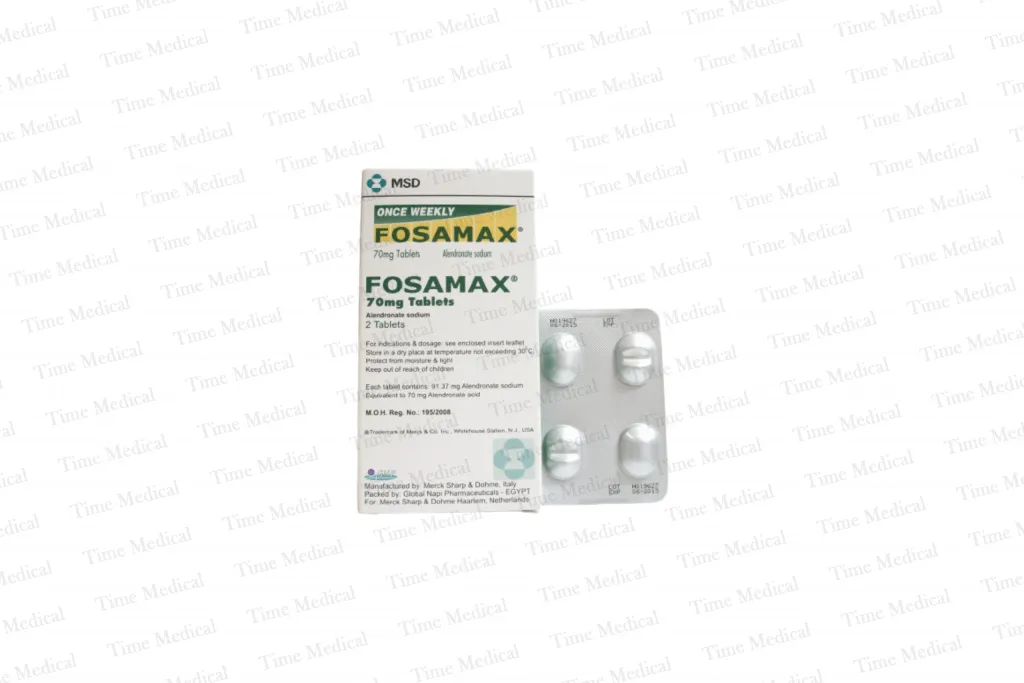
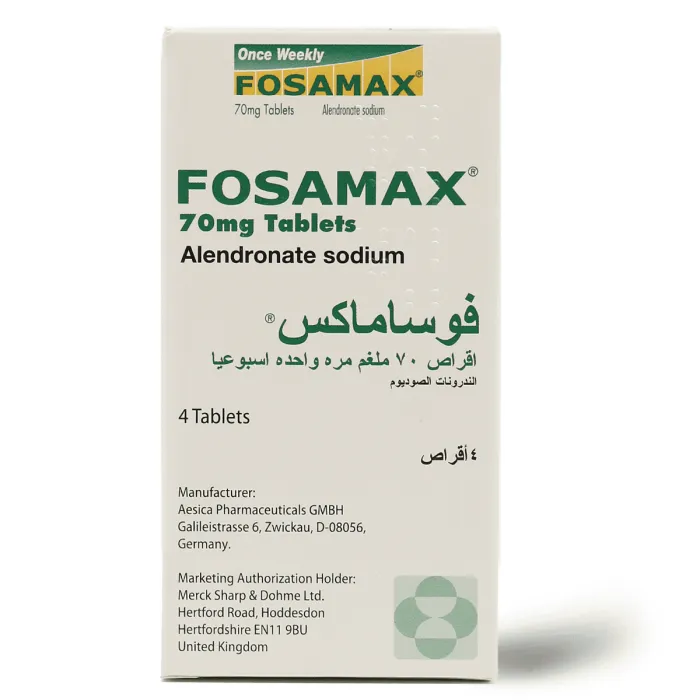
Fosamax is a widely recognized brand name for the active pharmaceutical ingredient alendronate sodium. It belongs to a class of drugs known as bisphosphonates, which are potent inhibitors of bone resorption. Approved by the U.S. Food and Drug Administration (FDA) in 1995, Fosamax revolutionized the treatment and prevention of osteoporosis, significantly reducing the incidence of vertebral and hip fractures.
What is Fosamax?
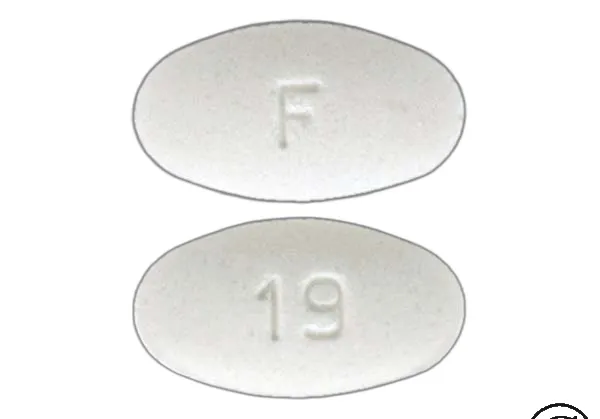
Fosamax is an oral bisphosphonate medication prescribed primarily to increase bone mineral density (BMD) and reduce the risk of fractures in individuals with osteoporosis. It is also used to treat other bone conditions like Paget's disease. Its efficacy stems from its ability to specifically target and inhibit the activity of osteoclasts, the cells responsible for breaking down bone tissue.
The Burden of Osteoporosis
Osteoporosis is a progressive skeletal disorder that makes bones fragile and prone to fractures. It often progresses without symptoms until a fracture occurs, commonly in the hip, spine, or wrist. Risk factors include aging, female gender, menopause, low body weight, certain medical conditions, and lifestyle choices. Fosamax offers a crucial therapeutic option to combat the relentless progression of this disease.
2. Deep-Dive into Technical Specifications & Mechanisms
Understanding how Fosamax works at a molecular and cellular level is key to appreciating its therapeutic benefits.
Mechanism of Action (MoA)
Alendronate, the active ingredient in Fosamax, is a nitrogen-containing bisphosphonate. Its mechanism of action is highly specific to bone tissue.
- Selective Bone Accumulation: Alendronate has a strong affinity for hydroxyapatite crystals, the primary mineral component of bone. After absorption, it rapidly localizes to sites of active bone remodeling, particularly areas where bone resorption is occurring.
- Osteoclast Inhibition: Once incorporated into the bone matrix, alendronate is ingested by osteoclasts during the process of bone resorption.
- Disruption of Mevalonate Pathway: Inside the osteoclast, alendronate interferes with the mevalonate pathway, specifically by inhibiting the enzyme farnesyl pyrophosphate synthase (FPPS). This enzyme is crucial for the synthesis of isoprenoid lipids (farnesyl pyrophosphate and geranylgeranyl pyrophosphate).
- Impaired Osteoclast Function & Apoptosis: The inhibition of FPPS leads to a deficiency in these isoprenoid lipids, which are essential for the post-translational modification (prenylation) of small GTPases (e.g., Rho, Rac, Rab). These prenylated proteins are vital for osteoclast function, including:
- Formation of the ruffled border (the active resorptive surface).
- Adhesion to the bone surface.
- Cytoskeletal integrity.
- Survival.
- By disrupting these processes, alendronate effectively impairs osteoclast activity, reduces their ability to resorb bone, and ultimately promotes osteoclast apoptosis (programmed cell death).
- Reduced Bone Resorption & Increased BMD: The net effect is a significant reduction in bone turnover, with bone formation (by osteoblasts) continuing at a relatively stable rate while bone resorption is markedly decreased. This imbalance leads to a gradual increase in bone mineral density and improved bone strength, thereby lowering fracture risk.
Pharmacokinetics
The pharmacokinetic profile of alendronate is unique and critical for its effective use.
- Absorption:
- Alendronate is poorly absorbed from the gastrointestinal tract. Oral bioavailability is approximately 0.64% for a 10 mg dose when administered after an overnight fast and two hours before a standardized breakfast.
- Food, beverages (other than plain water), and certain medications (e.g., calcium, antacids) significantly reduce absorption, sometimes by up to 60%. This emphasizes the strict administration instructions.
- Distribution:
- Following absorption, alendronate is transiently distributed to soft tissues and then rapidly cleared from the blood, with approximately 50% binding to plasma proteins.
- A significant portion (approximately 78%) is taken up by the bone matrix, where it is incorporated into the hydroxyapatite.
- Metabolism:
- Alendronate is not metabolized in humans. It is excreted unchanged.
- Elimination:
- Unabsorbed alendronate is excreted in the feces.
- Absorbed alendronate that does not bind to bone is excreted unchanged by the kidneys.
- Due to its strong binding to bone, alendronate has a very long terminal half-life in bone (estimated to be >10 years), reflecting its slow release from the skeleton. This prolonged retention allows for once-weekly dosing regimens.
3. Extensive Clinical Indications & Usage
Fosamax is indicated for several conditions related to bone loss and fragility.
3.1. Treatment and Prevention of Postmenopausal Osteoporosis
- Treatment: For postmenopausal women with osteoporosis, Fosamax significantly increases bone mineral density (BMD) at the spine, hip, and other skeletal sites. It has been shown to reduce the incidence of vertebral, hip, and wrist fractures.
- Prevention: For postmenopausal women at risk of osteoporosis, Fosamax can help maintain BMD and prevent the onset of the disease. This is typically considered for women with osteopenia (low bone mass) or other risk factors.
3.2. Treatment to Increase Bone Mass in Men with Osteoporosis
- Men can also develop osteoporosis, and Fosamax is effective in increasing BMD in the spine and hip, reducing fracture risk in this population.
3.3. Treatment of Glucocorticoid-Induced Osteoporosis in Men and Women
- Long-term use of glucocorticoids (e.g., prednisone) is a common cause of secondary osteoporosis. Fosamax is indicated for the treatment of osteoporosis in men and women who are receiving or initiating systemic glucocorticoid therapy at a daily dose equivalent to 7.5 mg or greater of prednisone and who have low bone mineral density.
3.4. Treatment of Paget's Disease of Bone
- Paget's disease is a chronic disorder of bone metabolism characterized by excessive bone breakdown and disorganized new bone formation, leading to enlarged and weakened bones. Fosamax effectively normalizes elevated serum alkaline phosphatase, a marker of bone turnover, and improves bone lesions in patients with Paget's disease.
Dosage Guidelines and Administration
Correct administration is paramount for Fosamax's efficacy and to minimize adverse effects, particularly gastrointestinal irritation.
General Administration Instructions:
- Timing: Take Fosamax upon awakening for the day, before the first food, beverage, or other medication.
- Liquid: Swallow the tablet whole with a full glass (6-8 ounces or 180-240 mL) of plain water only. Do not use mineral water, coffee, juice, or milk.
- Position: Remain in an upright position (sitting or standing) for at least 30 minutes after taking the tablet and until after the first food of the day. This helps prevent esophageal irritation.
- No Lying Down: Do not lie down until at least 30 minutes have passed and after you have eaten your first food of the day.
- No Chewing/Sucking: Do not chew, crush, or suck on the tablet, as this can cause or worsen oropharyngeal ulceration.
- Food/Drink: Wait at least 30 minutes after taking Fosamax before consuming any food, beverages (other than plain water), or other medications.
- Calcium/Vitamin D: Ensure adequate intake of calcium and vitamin D through diet or supplements, as recommended by your physician.
Specific Dosage Regimens:
| Indication | Dosage Regimen |
|---|---|
| Treatment of Postmenopausal Osteoporosis | 70 mg orally once weekly, OR 10 mg orally once daily. |
| Prevention of Postmenopausal Osteoporosis | 35 mg orally once weekly, OR 5 mg orally once daily. |
| Treatment of Male Osteoporosis | 70 mg orally once weekly, OR 10 mg orally once daily. |
| Glucocorticoid-Induced Osteoporosis | 5 mg orally once daily. For postmenopausal women not receiving estrogen, 10 mg daily. |
| Paget's Disease of Bone | 40 mg orally once daily for six months. |
Missed Dose:
* Once-weekly: If a dose is missed, take one tablet on the morning after it is remembered. Do not take two tablets on the same day. Return to taking one tablet once a week on your originally scheduled day.
* Once-daily: If a dose is missed, skip the missed dose and resume your regular dosing schedule the next day. Do not double the dose.
4. Risks, Side Effects, and Contraindications
While highly effective, Fosamax carries potential risks and side effects that require careful consideration.
4.1. Common Side Effects
Most side effects are mild to moderate and often involve the gastrointestinal system:
- Abdominal pain
- Acid reflux/heartburn (dyspepsia)
- Nausea
- Constipation
- Diarrhea
- Headache
- Musculoskeletal pain
4.2. Serious Side Effects
- Esophageal Irritation, Ulceration, or Erosions: This is a significant concern, especially if administration instructions are not followed. Can lead to dysphagia, odynophagia, and esophageal ulcers or strictures. In rare cases, severe esophageal reactions requiring hospitalization have occurred.
- Osteonecrosis of the Jaw (ONJ): A rare but serious condition involving jawbone death, primarily seen in cancer patients receiving intravenous bisphosphonates, but also reported with oral bisphosphonates like Fosamax. Risk factors include poor oral hygiene, dental procedures (especially extractions), cancer, chemotherapy, corticosteroids, and pre-existing dental disease.
- Atypical Femoral Fractures (AFF): Rare fractures of the femur (thigh bone) that occur with minimal or no trauma. These are typically subtrochanteric or diaphyseal fractures. Patients may experience prodromal pain in the thigh or groin weeks to months before a complete fracture.
- Severe Musculoskeletal Pain: While mild pain is common, some patients experience severe and occasionally debilitating bone, joint, and/or muscle pain. If this occurs, discontinuation of the drug should be considered.
- Hypocalcemia: Fosamax can cause a transient decrease in serum calcium and phosphate. Pre-existing hypocalcemia must be corrected before starting therapy.
- Hypersensitivity Reactions: Rare cases of allergic reactions, including urticaria, angioedema, and Stevens-Johnson syndrome, have been reported.
- Ocular Inflammation: Rarely, uveitis, scleritis, or episcleritis may occur.
4.3. Contraindications
Fosamax is contraindicated in patients with:
- Hypersensitivity: To any component of this product.
- Esophageal Abnormalities: Conditions that delay esophageal emptying, such as stricture or achalasia, increase the risk of esophageal adverse reactions.
- Inability to Stand or Sit Upright: For at least 30 minutes. This is critical to prevent esophageal irritation.
- Hypocalcemia: Must be corrected before initiating Fosamax therapy.
- Severe Renal Impairment: Creatinine clearance less than 35 mL/min.
4.4. Drug Interactions
- Calcium Supplements / Antacids: These medications interfere with the absorption of alendronate. Patients must wait at least 30 minutes after taking Fosamax before taking any oral medications, including calcium supplements and antacids.
- Aspirin / NSAIDs: Concomitant use with aspirin or other non-steroidal anti-inflammatory drugs (NSAIDs) may increase the risk of upper gastrointestinal adverse events. Caution is advised.
- Other Oral Medications: All other oral medications should be taken after the 30-minute waiting period to ensure optimal absorption of alendronate.
4.5. Pregnancy and Lactation Warnings
- Pregnancy Category C: There are no adequate and well-controlled studies of Fosamax in pregnant women. Animal studies have shown adverse effects on fetal development. Fosamax should be used during pregnancy only if the potential benefit justifies the potential risk to the mother and fetus. Given its long bone retention, women who become pregnant after discontinuing Fosamax may still be at risk.
- Lactation: It is not known whether alendronate is excreted in human milk. Because many drugs are excreted in human milk and because of the potential for serious adverse reactions in nursing infants, a decision should be made whether to discontinue nursing or to discontinue the drug, taking into account the importance of the drug to the mother. Generally, not recommended for use in nursing mothers.
4.6. Overdose Management
- Symptoms: Overdose may result in hypocalcemia, hypophosphatemia, and upper gastrointestinal adverse events, such as upset stomach, heartburn, esophagitis, gastritis, or ulcer.
- Management:
- Administer milk or antacids to bind alendronate and reduce absorption.
- For hypocalcemia, intravenous calcium may be considered.
- Treatment should be symptomatic and supportive. Dialysis is not expected to be beneficial as alendronate is not significantly bound to plasma proteins.
5. Massive FAQ Section
Q1: What is Fosamax primarily used for?
A1: Fosamax (alendronate) is primarily used for the treatment and prevention of osteoporosis in postmenopausal women, to increase bone mass in men with osteoporosis, to treat glucocorticoid-induced osteoporosis, and to treat Paget's disease of bone. Its main goal is to strengthen bones and reduce the risk of fractures.
Q2: How often do I need to take Fosamax?
A2: Fosamax is typically prescribed as a 70 mg tablet once a week for most osteoporosis indications. For some conditions or individual patient needs, a daily dose of 5 mg or 10 mg may be prescribed. For Paget's disease, it's usually 40 mg daily for six months. Always follow your doctor's specific instructions.
Q3: What are the critical administration instructions for Fosamax?
A3: To ensure proper absorption and minimize side effects, take Fosamax first thing in the morning, on an empty stomach, with a full glass of plain water only. Remain upright (sitting or standing) for at least 30 minutes after taking it, and do not eat, drink anything other than plain water, or take any other medications during this 30-minute period. Do not lie down until after you've had your first food of the day.
Q4: Can I take Fosamax with coffee, juice, or milk?
A4: No. You must only take Fosamax with plain water. Coffee, juice, milk, and other beverages can significantly reduce the absorption of the medication, making it less effective.
Q5: What should I do if I miss a dose of once-weekly Fosamax?
A5: If you miss a dose of once-weekly Fosamax, take one tablet on the morning after you remember it. Do not take two tablets on the same day. Return to taking one tablet once a week on your originally scheduled day.
Q6: What are the common side effects of Fosamax?
A6: Common side effects often include gastrointestinal issues such as abdominal pain, heartburn, nausea, constipation, or diarrhea. Headaches and mild musculoskeletal pain can also occur.
Q7: Are there any serious side effects I should be aware of?
A7: Yes, serious side effects, though rare, can include severe esophageal irritation (ulcers, erosions), osteonecrosis of the jaw (ONJ), atypical femoral fractures, and severe musculoskeletal pain. Contact your doctor immediately if you experience severe pain, difficulty swallowing, new or unusual pain in your hip or thigh, or any signs of an allergic reaction.
Q8: Who should not take Fosamax (contraindications)?
A8: Fosamax should not be taken by individuals with known hypersensitivity to alendronate, certain esophageal abnormalities (e.g., stricture, achalasia), an inability to stand or sit upright for at least 30 minutes, hypocalcemia (low blood calcium), or severe renal impairment (creatinine clearance less than 35 mL/min).
Q9: How does Fosamax work to treat osteoporosis?
A9: Fosamax works by inhibiting osteoclasts, which are the cells responsible for breaking down bone tissue. It binds to the bone surface and, when absorbed by osteoclasts, interferes with their function and survival. This reduces bone resorption, allowing bone-building cells (osteoblasts) to work more effectively, leading to increased bone mineral density and stronger bones.
Q10: How long do I need to take Fosamax for osteoporosis?
A10: The duration of Fosamax treatment is determined by your doctor based on your individual risk factors and response to therapy. While many patients take it for 3-5 years, a "drug holiday" may be considered for some after a certain period, especially for those at lower fracture risk, to reassess benefits versus risks. Regular follow-ups with your physician are crucial.
Q11: Can Fosamax cure osteoporosis?
A11: Fosamax does not "cure" osteoporosis, but it is highly effective in treating and preventing the progression of the disease. It significantly increases bone mineral density, improves bone strength, and reduces the risk of fractures, thereby managing the condition and improving quality of life.
Q12: Is generic alendronate as effective as brand-name Fosamax?
A12: Yes, generic alendronate is considered therapeutically equivalent to brand-name Fosamax. Generic medications contain the same active ingredient, have the same strength, dosage form, and route of administration, and meet the same strict standards for quality and effectiveness as their brand-name counterparts.
This comprehensive guide aims to empower you with in-depth knowledge about Fosamax. Always consult with your healthcare provider for personalized medical advice and treatment plans.