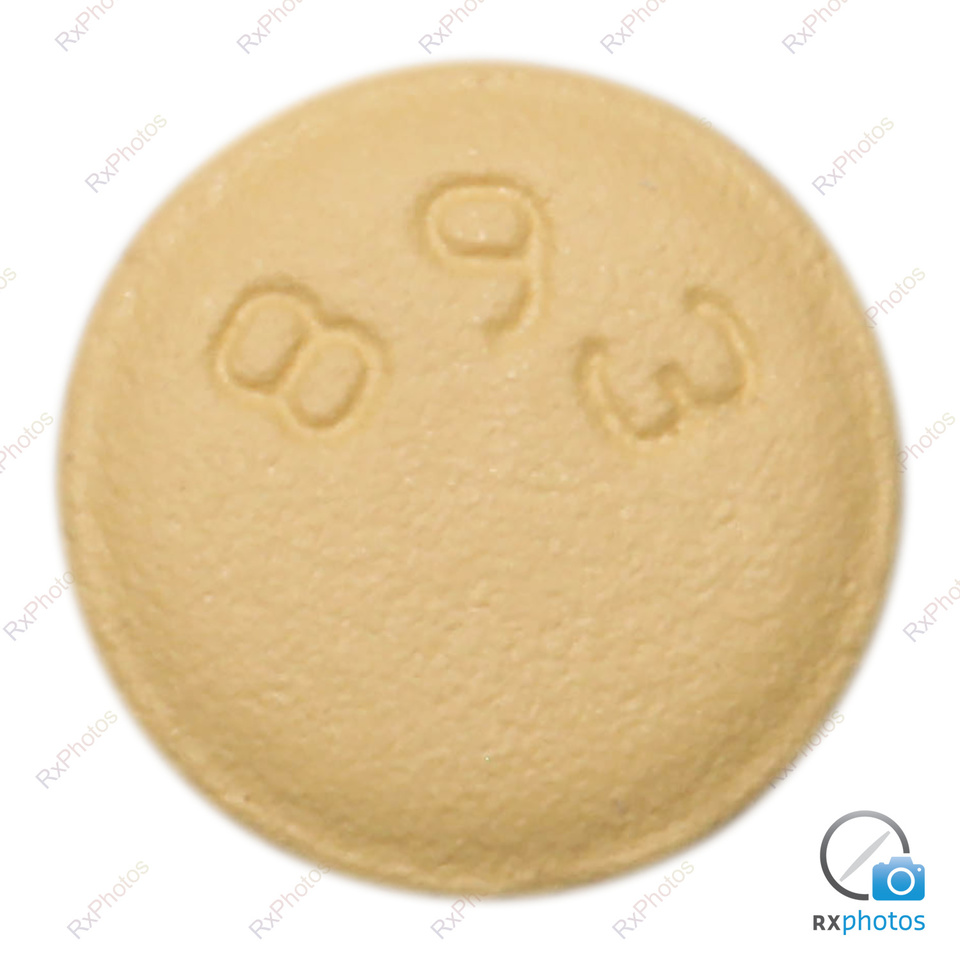
Eliquis (Apixaban): Your Definitive Medical SEO Guide to Anticoagulation
Comprehensive Introduction & Overview
Eliquis, generically known as apixaban, is a groundbreaking oral anticoagulant medication that has significantly reshaped the landscape of blood clot prevention and treatment. As a direct-acting oral anticoagulant (DOAC), also known as a novel oral anticoagulant (NOAC), Eliquis offers a targeted approach to inhibiting the coagulation cascade, specifically by blocking Factor Xa. This mechanism provides a predictable anticoagulant effect, often without the need for routine blood monitoring that is characteristic of older anticoagulants like warfarin.
Developed by Bristol Myers Squibb and Pfizer, Eliquis has emerged as a frontline therapy for several critical cardiovascular conditions. Its primary role is to reduce the risk of stroke and systemic embolism in patients with nonvalvular atrial fibrillation (NVAF), a common heart rhythm disorder. Beyond NVAF, Eliquis is also indispensable in the treatment and prevention of deep vein thrombosis (DVT) and pulmonary embolism (PE), life-threatening conditions involving blood clots in the veins and lungs, respectively. Furthermore, it plays a crucial role in preventing DVT following major orthopedic surgeries such as hip or knee replacement.
This comprehensive guide aims to provide an exhaustive, authoritative, and medically accurate overview of Eliquis, delving into its intricate mechanism, pharmacokinetic profile, detailed clinical indications, precise dosage guidelines, critical contraindications, potential drug interactions, and essential warnings for specific populations like pregnant or lactating individuals. Understanding Eliquis is paramount for both healthcare professionals and patients to ensure its safe and effective utilization.
Deep-Dive into Technical Specifications / Mechanisms
Mechanism of Action: The Direct Factor Xa Inhibition
Eliquis (apixaban) exerts its anticoagulant effect by directly and reversibly inhibiting Factor Xa (FXa), a pivotal enzyme in the intrinsic and extrinsic pathways of the blood coagulation cascade.
- The Coagulation Cascade: Blood clotting is a complex process involving a series of enzymatic reactions. Factor Xa sits at a critical juncture, converting prothrombin into thrombin. Thrombin, in turn, is responsible for converting fibrinogen into fibrin, the structural meshwork of a blood clot.
- Apixaban's Role: By directly inhibiting Factor Xa, apixaban prevents the generation of thrombin. Without sufficient thrombin, the formation of fibrin is significantly impaired, thereby preventing the formation of new clots and inhibiting the expansion of existing ones.
- Key Advantages of Direct Factor Xa Inhibition:
- Predictable Anticoagulation: Unlike warfarin, which inhibits the synthesis of several clotting factors (including Factor X) and is affected by Vitamin K intake, apixaban directly targets one specific factor. This leads to a more predictable dose-response relationship.
- No Routine Monitoring: The predictable pharmacokinetics and pharmacodynamics often negate the need for routine INR (International Normalized Ratio) monitoring, simplifying patient management compared to warfarin.
- Rapid Onset/Offset: Apixaban generally has a faster onset of action and a shorter half-life than warfarin, allowing for quicker therapeutic effect and more rapid reversal of anticoagulant activity if needed.
Pharmacokinetics: How Eliquis Moves Through the Body
Understanding the pharmacokinetics of apixaban is crucial for optimizing its therapeutic use and managing potential adverse effects.
- Absorption:
- Apixaban is rapidly absorbed after oral administration.
- Peak plasma concentrations (Cmax) are typically reached within 3 to 4 hours.
- Oral bioavailability is approximately 50% for doses up to 10 mg.
- Food does not significantly affect the absorption or bioavailability of apixaban, allowing it to be taken with or without food.
- Distribution:
- Apixaban is moderately bound to plasma proteins (approximately 87%).
- The volume of distribution is approximately 21 liters, indicating distribution into tissues.
- Metabolism:
- Apixaban undergoes metabolism primarily via the cytochrome P450 enzyme system, specifically CYP3A4/5, and is also a substrate for the P-glycoprotein (P-gp) efflux transporter.
- Approximately 25% of the administered dose is metabolized.
- The main metabolic pathways involve O-demethylation and hydroxylation.
- Metabolites are generally inactive.
- Elimination:
- Apixaban is eliminated through multiple pathways, with both renal and hepatic routes contributing.
- Approximately 27% of the administered dose is excreted renally as unchanged drug.
- Biliary/fecal excretion accounts for a significant portion of the elimination of both unchanged drug and metabolites.
- The terminal elimination half-life is approximately 12 hours, supporting its twice-daily dosing regimen.
- Special Populations Considerations:
- Renal Impairment: Reduced renal function leads to increased apixaban exposure. Dose adjustments are necessary in specific patient populations with moderate to severe renal impairment, particularly in NVAF.
- Hepatic Impairment: Apixaban exposure is also increased in patients with hepatic impairment. While no dose adjustment is recommended for mild to moderate hepatic impairment, Eliquis is contraindicated in patients with severe hepatic impairment.
- Elderly Patients: Older age is associated with higher plasma concentrations of apixaban, often due to decreased renal function. This is a factor in dose adjustment criteria for NVAF.
Extensive Clinical Indications & Usage
Eliquis is approved for several key indications where preventing or treating blood clots is critical.
Approved Indications
| Indication | Description ## Eliquis (Apixaban): Comprehensive Guide to Anticoagulation
This guide provides a comprehensive overview of apixaban, marketed as Eliquis, focusing on its mechanism, indications, dosage, and safety profile. This information is for educational purposes and should not replace advice from a qualified healthcare professional.
Comprehensive Introduction & Overview
Eliquis (apixaban) is a direct oral anticoagulant (DOAC), also known as a novel oral anticoagulant (NOAC), that plays a critical role in preventing and treating various thrombotic conditions. Unlike older anticoagulants like warfarin, Eliquis offers a more predictable effect, a wider therapeutic window, and typically does not require routine blood monitoring. Its targeted action on Factor Xa, a key enzyme in the blood clotting cascade, makes it highly effective in preventing the formation and growth of dangerous blood clots.
Primarily, Eliquis is prescribed to reduce the risk of stroke and systemic embolism in patients with nonvalvular atrial fibrillation (NVAF). It is also widely used for the treatment of deep vein thrombosis (DVT) and pulmonary embolism (PE), as well as for the secondary prevention of recurrent DVT and PE. Furthermore, Eliquis is a crucial prophylactic agent for preventing DVT in patients undergoing hip or knee replacement surgery. Its introduction has significantly improved patient outcomes by offering an effective and generally well-tolerated alternative to traditional anticoagulant therapies.
Deep-Dive into Technical Specifications / Mechanisms
Mechanism of Action: Direct Factor Xa Inhibition
Apixaban exerts its anticoagulant effect by directly and reversibly inhibiting Factor Xa (FXa), a serine protease that occupies a central position in the coagulation cascade.
- The Coagulation Cascade Explained: Blood clotting is a complex physiological process designed to prevent excessive blood loss. It involves a cascade of protein activations, culminating in the formation of a stable fibrin clot. A critical step in both the intrinsic and extrinsic pathways of this cascade is the activation of Factor X to Factor Xa.
- Role of Factor Xa: Once activated, Factor Xa, in complex with Factor Va, calcium, and phospholipids (the prothrombinase complex), converts prothrombin (Factor II) into thrombin (Factor IIa). Thrombin is the most potent enzyme in the cascade, responsible for converting soluble fibrinogen into insoluble fibrin strands, which then polymerize to form the structural matrix of a blood clot. Thrombin also activates platelets and other clotting factors, amplifying the coagulation process.
- How Apixaban Works: By directly binding to and inhibiting free and clot-bound Factor Xa, apixaban effectively blocks the activity of the prothrombinase complex. This inhibition leads to a significant reduction in thrombin generation, thereby preventing the formation of fibrin and ultimately inhibiting blood clot formation and growth.
- Key Distinctions:
- Direct vs. Indirect: Unlike indirect Factor Xa inhibitors (e.g., fondaparinux) that require antithrombin for their activity, apixaban directly inhibits Factor Xa.
- Targeted vs. Broad: In contrast to vitamin K antagonists (e.g., warfarin) which inhibit the synthesis of multiple vitamin K-dependent clotting factors (II, VII, IX, X), apixaban specifically targets Factor Xa. This specificity contributes to its more predictable anticoagulant effect.
Pharmacokinetics: Absorption, Distribution, Metabolism, and Excretion
The pharmacokinetic profile of apixaban dictates its dosing regimen and interaction potential.
- Absorption:
- Rapid Onset: Apixaban is rapidly absorbed from the gastrointestinal tract following oral administration.
- Peak Plasma Concentration (Cmax): Achieved approximately 3 to 4 hours post-dose.
- Bioavailability: The absolute oral bioavailability