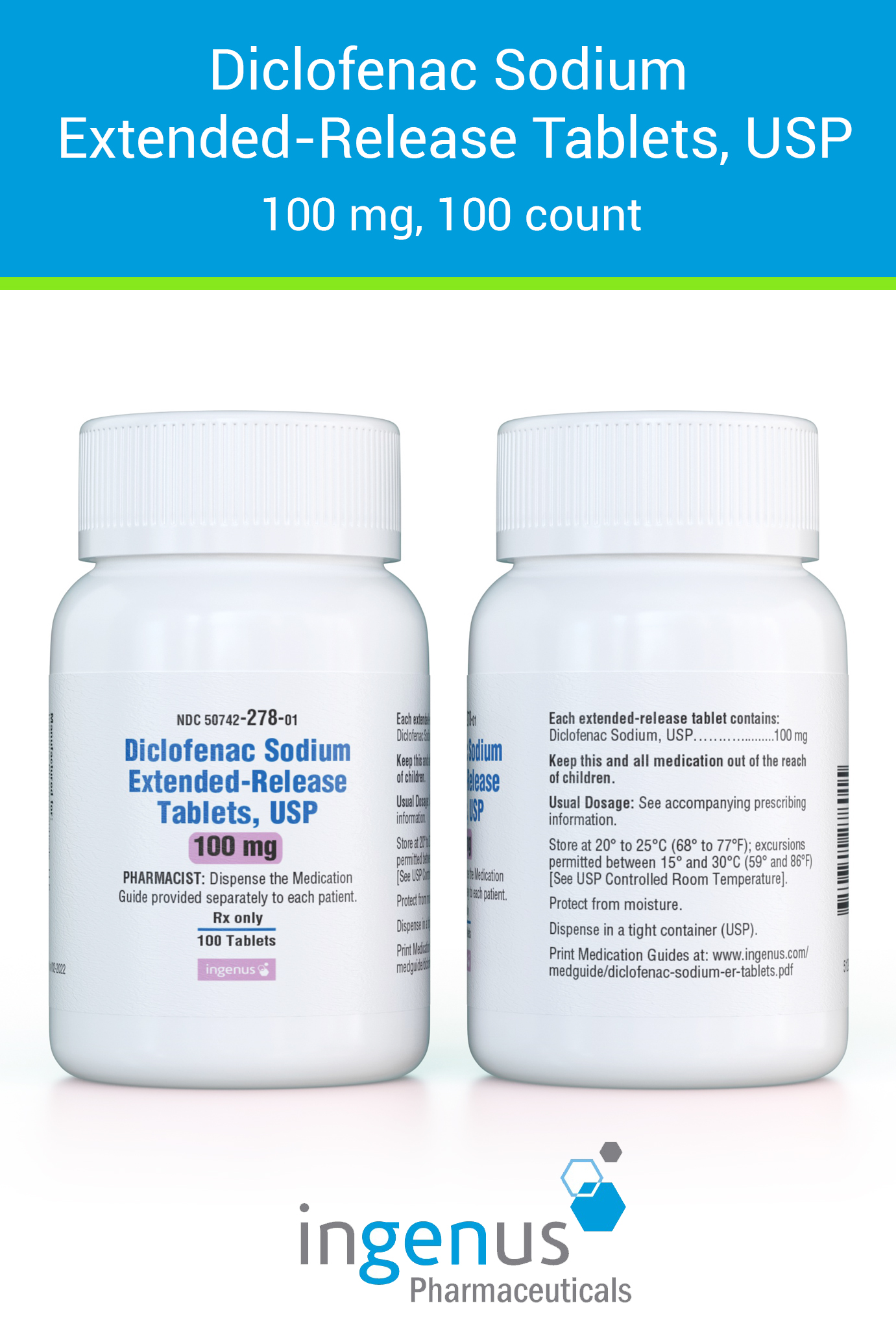
Diclofenac Sodium: An Expert Medical SEO Guide for Orthopedic Health
As an expert medical SEO copywriter and orthopedic specialist, we understand the critical need for accurate, comprehensive, and authoritative information regarding medications vital to musculoskeletal health. Diclofenac Sodium is a widely prescribed non-steroidal anti-inflammatory drug (NSAID) that plays a significant role in managing pain and inflammation across various orthopedic and general medical conditions. This exhaustive guide aims to provide a deep dive into Diclofenac Sodium, covering its scientific underpinnings, clinical applications, safety profile, and essential considerations for both healthcare professionals and patients.
1. Comprehensive Introduction & Overview
Diclofenac Sodium is a potent NSAID derived from phenylacetic acid. It is globally recognized for its powerful anti-inflammatory, analgesic (pain-relieving), and antipyretic (fever-reducing) properties. Since its introduction, it has become a cornerstone in the symptomatic treatment of numerous acute and chronic inflammatory and painful conditions, particularly those affecting the musculoskeletal system. Its efficacy in conditions ranging from osteoarthritis and rheumatoid arthritis to acute injuries and post-operative pain makes it an indispensable tool in modern medicine.
Available in various formulations – oral tablets, capsules, extended-release preparations, topical gels and patches, ophthalmic solutions, and injectable forms – Diclofenac Sodium offers flexibility in administration tailored to the specific needs and conditions of the patient. However, like all potent medications, its use requires a thorough understanding of its mechanisms, appropriate dosing, potential risks, and interactions to maximize benefits and minimize harm.
2. Deep-dive into Technical Specifications & Mechanisms
Understanding how Diclofenac Sodium works at a molecular level is crucial for appreciating its therapeutic effects and potential side effects.
Mechanism of Action
Diclofenac Sodium primarily exerts its therapeutic effects by inhibiting cyclooxygenase (COX) enzymes. These enzymes are central to the synthesis of prostaglandins, which are lipid compounds that mediate pain, inflammation, and fever.
- Cyclooxygenase (COX) Inhibition: Diclofenac is a non-selective COX inhibitor, meaning it inhibits both COX-1 and COX-2 isoforms.
- COX-1 (Constitutive): This isoform is constitutively expressed in most tissues and is responsible for producing prostaglandins involved in normal physiological functions, such as protecting the gastric mucosa, maintaining renal blood flow, and facilitating platelet aggregation. Inhibition of COX-1 contributes to some of the common side effects of NSAIDs, particularly gastrointestinal disturbances and bleeding risks.
- COX-2 (Inducible): This isoform is primarily induced at sites of inflammation by cytokines and other inflammatory mediators. It produces prostaglandins that are key drivers of pain, inflammation, and fever. Inhibition of COX-2 is largely responsible for Diclofenac's anti-inflammatory and analgesic effects.
- Prostaglandin Synthesis Inhibition: By blocking COX enzymes, Diclofenac reduces the production of various prostaglandins (e.g., PGE2, PGI2) and thromboxane A2. This reduction leads to:
- Anti-inflammatory effect: Decreased vasodilation, edema, and leukocyte infiltration.
- Analgesic effect: Reduced sensitization of nociceptors (pain receptors) to inflammatory mediators.
- Antipyretic effect: Lowering of prostaglandin-mediated fever in the hypothalamus.
- Other Potential Mechanisms (less prominent): Some studies suggest Diclofenac may also interfere with lipoxygenase pathways, reduce leukotriene synthesis, inhibit substance P release, or modulate nitric oxide pathways, contributing to its overall anti-inflammatory profile.
Pharmacokinetics
The pharmacokinetic profile of Diclofenac Sodium dictates its absorption, distribution, metabolism, and excretion, influencing its onset and duration of action.
- Absorption:
- Oral: Diclofenac is rapidly and almost completely absorbed from the gastrointestinal tract following oral administration. However, it undergoes significant first-pass metabolism, resulting in a systemic bioavailability of approximately 50-60%. Peak plasma concentrations are typically reached within 2-3 hours for conventional tablets.
- Topical: When applied topically (e.g., gel, patch), Diclofenac is absorbed through the skin, achieving therapeutic concentrations in underlying tissues (muscles, joints) with lower systemic exposure, thereby reducing systemic side effects.
- Injectable: Intramuscular (IM) administration leads to rapid absorption, with peak plasma levels occurring within 10-30 minutes. Intravenous (IV) administration provides immediate systemic availability.
- Distribution:
- Diclofenac is highly protein-bound (over 99%), primarily to albumin.
- It readily penetrates synovial fluid, where concentrations can exceed plasma levels and persist for longer periods, which is beneficial for treating joint inflammation.
- It distributes into breast milk in small amounts.
- Metabolism:
- Diclofenac is extensively metabolized in the liver, primarily by hydroxylation and subsequent glucuronidation.
- The main enzyme systems involved are cytochrome P450 (CYP) enzymes, particularly CYP2C9 and CYP3A4.
- Its primary metabolite, 4'-hydroxydiclofenac, has weak pharmacological activity. Other metabolites are inactive.
- Excretion:
- Approximately 60% of the dose is excreted in the urine as metabolites, and about 30% is eliminated in the bile via feces.
- The terminal elimination half-life is relatively short, around 1-2 hours for the parent drug, but the metabolites have longer half-lives. This short half-life belies its longer duration of action, which is attributed to its accumulation in inflammatory sites and synovial fluid.
3. Extensive Clinical Indications & Usage
Diclofenac Sodium is indicated for a broad spectrum of conditions where pain and inflammation are prominent features. Its versatility makes it a valuable agent across various medical specialties, particularly orthopedics.
Musculoskeletal Conditions
Diclofenac is a cornerstone in the management of numerous orthopedic and rheumatologic disorders.
- Osteoarthritis (OA): Symptomatic relief of pain and inflammation associated with OA, particularly in knees, hips, and hands.
- Rheumatoid Arthritis (RA): Management of pain, tenderness, swelling, and morning stiffness in active RA.
- Ankylosing Spondylitis: Alleviation of pain and stiffness associated with spinal inflammation.
- Acute Gout: Rapid resolution of pain and inflammation during acute gouty attacks.
- Tendinitis and Bursitis: Reduction of pain and inflammation in soft tissue inflammatory conditions.
- Sprains and Strains: Acute management of pain and swelling following musculoskeletal injuries.
- Post-operative Pain: Control of moderate to severe pain and inflammation after orthopedic surgeries (e.g., joint replacement, fracture repair).
- Low Back Pain: Relief of acute and chronic non-specific low back pain.
Other Pain and Inflammatory Conditions
- Dysmenorrhea (Menstrual Pain): Effective relief of primary dysmenorrhea.
- Migraine Headaches: Specific formulations (e.g., Diclofenac potassium for oral solution) are approved for the acute treatment of migraine attacks with or without aura.
- Post-traumatic and Post-operative Inflammation and Pain: General management of pain and swelling following trauma or non-orthopedic surgeries.
- Renal Colic: Injectable forms (IM/IV) are highly effective in rapidly relieving severe pain associated with renal colic.
- Actinic Keratosis: Topical Diclofenac gel is used for the treatment of actinic keratosis.
- Ophthalmic Inflammation: Diclofenac ophthalmic solution is used to treat post-operative inflammation following cataract extraction and for temporary relief of pain and photophobia in corneal abrasion.
Available Formulations and Their Specific Uses
| Formulation | Common Uses | Key Considerations