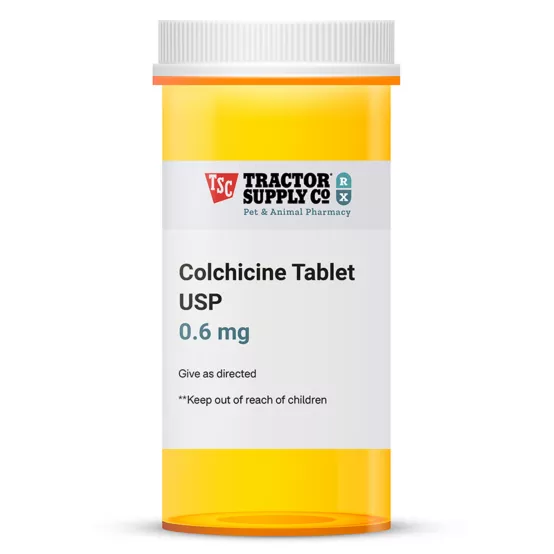
Colchicine: An Expert's Comprehensive Guide to Its Therapeutic Use
Colchicine is an ancient alkaloid derived from the autumn crocus (Colchicum autumnale) plant, used for centuries to treat joint pain and swelling. Its modern application primarily revolves around its potent anti-inflammatory properties, making it a cornerstone in the management of gout and other inflammatory conditions. While its historical use dates back millennia, the understanding of its precise mechanisms and pharmacokinetic profile has evolved significantly, leading to refined therapeutic strategies and a clearer appreciation of its safety considerations. As an expert medical SEO copywriter and orthopedic specialist, this guide provides an exhaustive overview of colchicine, from its cellular workings to its clinical application, risks, and management of overdose.
Mechanism of Action: Unraveling Colchicine's Cellular Impact
Colchicine exerts its therapeutic effects through a complex and multifaceted mechanism, primarily targeting cellular microtubules and inhibiting various inflammatory processes.
Microtubule Disruption
The primary molecular action of colchicine involves its binding to tubulin, a protein subunit that polymerizes to form microtubules. Microtubules are essential components of the cytoskeleton, playing critical roles in:
* Cell division (mitosis): Colchicine disrupts the formation of the mitotic spindle, arresting cells in metaphase.
* Cell motility: It impairs the migration of various cells, including neutrophils, which are key players in acute inflammation.
* Intracellular transport: It interferes with the movement of vesicles and granules within cells.
* Phagocytosis: It inhibits the ability of phagocytes (like neutrophils and macrophages) to engulf and clear inflammatory debris, such as urate crystals in gout.
Anti-inflammatory Effects
By disrupting microtubule function, colchicine indirectly achieves its profound anti-inflammatory effects, particularly relevant in crystal-induced inflammation:
* Inhibition of Neutrophil Chemotaxis and Adhesion: Colchicine significantly reduces the migration of neutrophils to sites of inflammation. It impairs their ability to adhere to vascular endothelium and move into inflamed tissues, thereby limiting the inflammatory cascade.
* Reduction of Inflammatory Mediator Release: It inhibits the degranulation of neutrophils and other inflammatory cells, reducing the release of pro-inflammatory cytokines, chemokines, and lysosomal enzymes that contribute to tissue damage and pain.
* NLRP3 Inflammasome Inhibition: Emerging research highlights colchicine's ability to inhibit the activation of the NOD-like receptor protein 3 (NLRP3) inflammasome. The NLRP3 inflammasome is a key component of the innate immune system, responsible for processing and activating pro-inflammatory cytokines like interleukin-1 beta (IL-1β) and IL-18, which are central to the pathogenesis of gout and familial Mediterranean fever (FMF). By suppressing NLRP3 activity, colchicine effectively dampens the robust inflammatory response.
Pharmacokinetics: Absorption, Distribution, Metabolism, and Excretion
Understanding colchicine's pharmacokinetics is crucial for safe and effective dosing, especially given its narrow therapeutic index.
Absorption
- Oral Absorption: Colchicine is rapidly absorbed after oral administration.
- Peak Plasma Concentration: Peak plasma concentrations are typically achieved within 0.5 to 3 hours.
- Bioavailability: Oral bioavailability varies but is generally around 25-50%, influenced by individual variability and the activity of efflux transporters like P-glycoprotein (P-gp) in the gut.
Distribution
- Extensive Tissue Distribution: Colchicine exhibits a very high volume of distribution (Vd), indicating extensive uptake into tissues rather than remaining in the bloodstream. It concentrates significantly in leukocytes, kidneys, liver, and spleen.
- Plasma Protein Binding: It has moderate plasma protein binding (around 39%).
Metabolism
- Hepatic Metabolism: Colchicine is primarily metabolized in the liver, predominantly by the cytochrome P450 3A4 (CYP3A4) enzyme system.
- P-glycoprotein (P-gp) Substrate: Colchicine is also a substrate for P-glycoprotein, an efflux transporter found in the gut, liver, and kidneys. P-gp actively pumps colchicine out of cells, influencing its absorption and excretion.
- Active Metabolites: While some metabolites are formed, their contribution to the overall pharmacological activity is generally considered minor compared to the parent drug.
Excretion
- Biliary and Renal Excretion: Colchicine is excreted via both biliary and renal routes. Approximately 40-50% of an administered dose is excreted unchanged in the urine, while a significant portion undergoes enterohepatic recirculation.
- Elimination Half-life: The elimination half-life is relatively long, typically ranging from 26 to 31 hours, but can be significantly prolonged in patients with renal or hepatic impairment.
- Implications for Impairment: Renal or hepatic dysfunction can lead to accumulation of colchicine, increasing the risk of toxicity. Dose adjustments are often necessary in these patient populations.
Clinical Indications & Dosage Guidelines
Colchicine is indicated for several inflammatory conditions, with specific dosing regimens tailored to each.
Gout
- Acute Gout Flares: Colchicine is effective in treating acute gout attacks when initiated at the first sign of a flare.
- Dosing: The recommended dose is 1.2 mg orally at the first sign of a flare, followed by 0.6 mg one hour later. This regimen should not be repeated for at least 3 days. High-dose regimens (e.g., 0.6 mg every hour for 6-8 doses) are generally discouraged due to increased toxicity with minimal additional benefit.
- Gout Prophylaxis: Colchicine is used to prevent recurrent gout flares, especially during the initiation of urate-lowering therapy (ULT) like allopurinol or febuxostat, which can paradoxically trigger flares.
- Dosing: 0.6 mg once or twice daily. Prophylaxis typically continues for 3-6 months after ULT initiation, or longer in patients with recurrent flares or persistent tophi.
Familial Mediterranean Fever (FMF)
- Colchicine is the cornerstone of therapy for FMF, an autosomal recessive autoinflammatory disorder, to prevent acute attacks and the long-term complication of amyloidosis.
- Dosing (Adults): 0.6 mg to 1.2 mg daily, often divided into two doses. Doses may be gradually increased up to 1.8 mg or 2.4 mg daily in refractory cases, under strict medical supervision.
- Dosing (Children): Typically 0.03-0.07 mg/kg/day, with maximum doses adjusted by age group (e.g., 0.6 mg/day for children 4-6 years, 0.9-1.2 mg/day for children 6-12 years, and adult doses for >12 years).
Pericarditis
- Colchicine is increasingly recognized for its role in the treatment of acute and recurrent pericarditis, often as an adjunct to NSAIDs or corticosteroids.
- Dosing: Typically 0.5 mg or 0.6 mg once or twice daily, depending on body weight (<70 kg vs. ≥70 kg). Treatment duration can range from 3 months for acute pericarditis to 6-12 months for recurrent cases.
Other Off-Label Uses (with varying evidence)
- Behcet's disease
- Amyloidosis (secondary to FMF)
- Pseudogout (calcium pyrophosphate deposition disease)
- Scleroderma
Table: Colchicine Dosage Guidelines (General Recommendations)
| Indication | Initial Dose (Oral) | Subsequent Dosing (Oral) | Max Daily Dose (Oral) | Notes |
|---|---|---|---|---|
| Acute Gout Flare | 1.2 mg | 0.6 mg 1 hour later | 1.8 mg | Do not repeat for at least 3 days. Low-dose preferred. |
| Gout Prophylaxis | 0.6 mg once or twice daily | Adjust based on tolerability and renal function | 1.2 mg | Typically for 3-6 months, or longer if needed. |
| FMF (Adults) | 0.6 mg - 1.2 mg daily | Up to 1.8 mg - 2.4 mg daily in divided doses (titrate) | 2.4 mg | Lifelong therapy for most patients. |
| FMF (Children 4-6 yrs) | 0.3-0.6 mg daily | May increase to 0.9 mg daily | 0.9 mg | Individualized based on response and tolerability. |
| FMF (Children 6-12 yrs) | 0.9-1.2 mg daily | May increase to 1.5 mg daily | 1.5 mg | Individualized based on response and tolerability. |
| Acute Pericarditis (<70kg) | 0.5 mg once daily | Continue for 3 months (acute) or 6-12 months (recurrent) | 0.5 mg | Often combined with NSAIDs. |
| Acute Pericarditis (≥70kg) | 0.6 mg once or twice daily | Continue for 3 months (acute) or 6-12 months (recurrent) | 1.2 mg | Often combined with NSAIDs. |
Note: Dosage adjustments are required for patients with renal or hepatic impairment. Always consult official prescribing information and a healthcare professional.
Adverse Effects and Safety Profile
Colchicine has a narrow therapeutic index, meaning the difference between an effective dose and a toxic dose is small. Its adverse effects are primarily dose-dependent.
Common Side Effects
- Gastrointestinal (GI) Disturbances: These are the most frequent and often dose-limiting side effects.
- Nausea, vomiting, diarrhea, and abdominal pain. Diarrhea can be severe and is a common indicator of dose-related toxicity.
Serious Side Effects
- Myelosuppression: Colchicine can suppress bone marrow function, leading to:
- Agranulocytosis (severe reduction in white blood cells).
- Aplastic anemia (failure of bone marrow to produce blood cells).
- Thrombocytopenia (low platelet count).
- Pancytopenia (reduction in all types of blood cells).
- Risk factors: Higher doses, prolonged use, renal/hepatic impairment, concomitant use of interacting drugs.
- Neuromyopathy: A characteristic side effect, especially with chronic use or in patients with renal impairment, elderly patients, or those taking statins.
- Muscle weakness, pain, elevated creatine kinase (CK) levels, and in severe cases, rhabdomyolysis (breakdown of muscle tissue).
- Peripheral Neuropathy: Numbness, tingling, or weakness in the extremities.
- Hepatic and Renal Toxicity: While less common, liver enzyme elevations and acute renal failure have been reported.
Monitoring
- Regular monitoring of complete blood counts (CBCs) is essential, especially with long-term therapy or in patients at higher risk.
- Renal and liver function tests should be performed periodically.
- Patients should be advised to report any muscle pain, weakness, or unusual bleeding/bruising immediately.
Contraindications and Warnings
Colchicine is contraindicated in certain patient populations and requires careful consideration due to its potential for severe toxicity.
Absolute Contraindications
- Renal or Hepatic Impairment in combination with strong CYP3A4 inhibitors or P-glycoprotein (P-gp) inhibitors: This combination significantly increases colchicine exposure and the risk of life-threatening toxicity.
- Pre-existing Blood Dyscrasias: Patients with severe blood disorders should generally avoid colchicine due to the risk of myelosuppression.
- Hypersensitivity: Known allergy to colchicine or any component of the formulation.
Relative Contraindications / Warnings
- Elderly Patients: Increased risk of toxicity due to potential age-related decline in renal and hepatic function, and often polypharmacy. Dose reduction and close monitoring are recommended.
- Patients with Cardiovascular Disease: Use with caution.
- Patients with Gastrointestinal Disease: May exacerbate existing GI conditions.
- Moderate Renal or Hepatic Impairment (without strong inhibitors): Dose reduction is necessary.
- Alcohol Consumption: Excessive alcohol intake can increase the risk of GI side effects and may exacerbate gout.
Special Populations
- Pregnancy: Colchicine is classified as Pregnancy Category C. Animal studies have shown teratogenic effects. While human data are limited, colchicine crosses the placenta. Use during pregnancy should only be considered if the potential benefit justifies the potential risk to the fetus, especially for conditions like FMF where the benefits of preventing maternal attacks and amyloidosis may outweigh the risks.
- Lactation: Colchicine is excreted into breast milk. The potential for serious adverse reactions in the nursing infant exists. A decision should be made whether to discontinue nursing or discontinue the drug, taking into account the importance of the drug to the mother.
- Pediatric Use: Colchicine is indicated for FMF in pediatric patients, with specific age-based dosing guidelines.
- Geriatric Use: Due to increased susceptibility to toxicity, lower doses and careful monitoring are recommended.
Drug Interactions: A Critical Overview
Colchicine has numerous significant drug interactions that can dramatically increase its plasma concentrations and the risk of severe toxicity.
CYP3A4 Inhibitors
Concomitant use with strong or moderate CYP3A4 inhibitors can significantly increase colchicine levels by impairing its metabolism. This is a major concern, as it can lead to fatal toxicity.
* Strong Inhibitors:
* Macrolide antibiotics: Clarithromycin, erythromycin, telithromycin.
* Azole antifungals: Ketoconazole, itraconazole, posaconazole, voriconazole.
* Protease inhibitors: Ritonavir, atazanavir, indinavir, nelfinavir, saquinavir.
* Calcium channel blockers: Verapamil, diltiazem.
* Others: Nefazodone.
* Moderate Inhibitors: Cimetidine, fluconazole, grapefruit juice.
* Recommendation: Concomitant use with strong CYP3A4 inhibitors is generally contraindicated, especially in patients with renal or hepatic impairment. If unavoidable, significant dose reductions and close monitoring are mandatory. Grapefruit juice should be avoided.
P-glycoprotein (P-gp) Inhibitors
Drugs that inhibit P-gp can increase colchicine absorption and reduce its elimination, leading to higher systemic exposure.
* Examples: Cyclosporine, quinidine, ranolazine, ticagrelor.
* Recommendation: Similar to CYP3A4 inhibitors, caution and dose adjustments are needed. Combination with cyclosporine is particularly risky.
Other Important Interactions
- Statins and Fibrates: Concomitant use with HMG-CoA reductase inhibitors (statins) or fibrates increases the risk of myopathy and rhabdomyolysis. Careful monitoring for muscle symptoms and CK levels is crucial.
- Digoxin: Colchicine may increase plasma concentrations of digoxin.
- Vitamin B12: Colchicine can interfere with the absorption of vitamin B12, particularly with long-term use.
- CYP3A4 Inducers: Drugs like rifampin or phenytoin may decrease colchicine levels, potentially reducing its efficacy.
Overdose Management: Recognizing and Responding to Toxicity
Colchicine overdose is a medical emergency with a high mortality rate due to its narrow therapeutic window and multi-organ toxicity. There is no specific antidote.
Symptoms of Overdose
Symptoms typically progress through several stages:
* Early Stage (2-12 hours post-ingestion):
* Severe gastrointestinal symptoms: Nausea, vomiting, profuse watery or bloody diarrhea, severe abdominal pain, leading to significant fluid and electrolyte loss.
* Intermediate Stage (24 hours - 7 days):
* Myelosuppression: Leukopenia, thrombocytopenia, aplastic anemia.
* Cardiovascular: Hypotension, shock, arrhythmias.
* Neurological: Ascending paralysis, respiratory depression, seizures, confusion.
* Renal: Acute renal failure (due to shock, rhabdomyolysis, direct toxicity).
* Hepatic: Liver dysfunction.
* Muscular: Rhabdomyolysis, muscle weakness.
* Other: Alopecia, skin desquamation.
* Late Stage (after 7 days):
* Recovery of bone marrow function (if patient survives).
* Persistent organ damage.
Treatment
Management is primarily supportive and aggressive:
* Gastric Decontamination:
* Gastric lavage: May be considered within 1 hour of ingestion if the patient is alert and cooperative.
* Activated charcoal: Administer multiple doses, especially if ingestion was recent, to reduce absorption and enhance elimination (due to enterohepatic recirculation).
* Supportive Care:
* Fluid and Electrolyte Management: Aggressive intravenous fluid resuscitation to correct hypovolemia and electrolyte imbalances caused by severe GI losses.
* Vasopressors: To manage hypotension and shock.
* Respiratory Support: Mechanical ventilation for respiratory depression or paralysis.
* Monitoring: Continuous cardiac monitoring, frequent vital signs, serial blood counts, renal and liver function tests, electrolyte levels.
* Infection Control: Prophylactic antibiotics may be considered due to severe myelosuppression.
* Hematopoietic Growth Factors: Granulocyte colony-stimulating factors (G-CSFs) may be used to accelerate recovery from myelosuppression.
* Extracorporeal Removal: Hemodialysis and hemoperfusion are generally ineffective due to colchicine's high volume of distribution and extensive tissue binding.
Early recognition and prompt, aggressive supportive care are critical for improving outcomes in colchicine overdose.
Frequently Asked Questions (FAQ)
1. What is colchicine primarily used for?
Colchicine is primarily used to treat and prevent acute gout flares. It's also a first-line treatment for Familial Mediterranean Fever (FMF) and is increasingly used for acute and recurrent pericarditis.
2. How quickly does colchicine work for gout?
For acute gout flares, patients may start to feel relief within 12-24 hours, with significant improvement typically seen within 24-48 hours after the initial dose. Early administration is key for optimal efficacy.
3. What are the most common side effects of colchicine?
The most common side effects are gastrointestinal, including nausea, vomiting, diarrhea, and abdominal pain. Diarrhea is a very common dose-limiting side effect.
4. Can I take colchicine every day?
Yes, colchicine is often taken daily for gout prophylaxis (to prevent flares) and as a lifelong treatment for conditions like Familial Mediterranean Fever (FMF). The daily dose for chronic use is typically lower than for acute flares.
5. What foods should I avoid while taking colchicine?
It's generally recommended to avoid grapefruit and grapefruit juice while taking colchicine, as they can significantly increase colchicine levels in the body, leading to increased risk of toxicity.
6. Is colchicine safe for long-term use?
Colchicine can be safe for long-term use at appropriate doses, particularly for conditions like FMF and gout prophylaxis. However, long-term use requires regular monitoring for potential side effects such as myelosuppression and neuromyopathy, especially in patients with renal or hepatic impairment.
7. Can colchicine interact with other medications?
Yes, colchicine has several critical drug interactions, particularly with medications that inhibit the CYP3A4 enzyme or P-glycoprotein (P-gp). These interactions can dramatically increase colchicine levels and the risk of severe toxicity. Always inform your doctor about all medications and supplements you are taking.
8. What should I do if I miss a dose of colchicine?
If you miss a dose for chronic conditions, take it as soon as you remember, unless it's almost time for your next dose. In that case, skip the missed dose and continue with your regular schedule. Do not double doses. For acute gout, follow your doctor's specific instructions.
9. Who should not take colchicine?
Colchicine is contraindicated in patients with severe renal or hepatic impairment who are also taking strong CYP3A4 or P-gp inhibitors. It should also be avoided in individuals with pre-existing blood disorders or known hypersensitivity to the drug. Caution is advised in elderly patients and those with cardiovascular or gastrointestinal disease.
10. How is colchicine different from NSAIDs for gout?
While both are used for gout, colchicine works by inhibiting microtubule formation and reducing neutrophil migration and inflammasome activation, specifically targeting the inflammatory response to urate crystals. NSAIDs (Nonsteroidal Anti-inflammatory Drugs) work by inhibiting cyclooxygenase enzymes, reducing prostaglandin production and general inflammation. Colchicine can be used in patients unable to take NSAIDs due to renal issues or GI bleeding risk.
11. Can colchicine be used for back pain or other types of arthritis?
Colchicine is not typically used for general back pain or common forms of arthritis like osteoarthritis. Its anti-inflammatory action is quite specific to crystal-induced inflammation (gout, pseudogout) and certain autoinflammatory conditions (FMF, pericarditis).
12. What are the signs of colchicine toxicity?
Signs of colchicine toxicity include severe gastrointestinal symptoms (nausea, vomiting, profuse diarrhea, abdominal pain), muscle weakness or pain, fatigue, unusual bruising or bleeding, and fever. In severe cases, it can lead to multi-organ failure. Seek immediate medical attention if you suspect an overdose or severe toxicity.