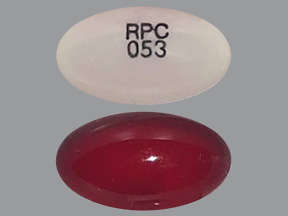
Colace (Docusate Sodium): A Comprehensive Medical SEO Guide
As expert Medical SEO Copywriters and Orthopedic Specialists, we understand the critical need for accurate, accessible, and exhaustive information regarding medications that impact patient care and recovery. Colace, the brand name for docusate sodium, is a widely recognized and frequently utilized medication, particularly in settings where preventing straining during defecation is paramount. This guide aims to provide a definitive resource on Colace, covering its technical specifications, clinical applications, safety profile, and more, ensuring both healthcare professionals and patients have a reliable reference.
Colace is primarily known as a stool softener, playing a crucial role in managing and preventing constipation. Unlike stimulant laxatives that directly stimulate bowel muscle contractions, Colace works by a gentler mechanism, making it a preferred choice for individuals who need to avoid physical exertion, such as post-surgical patients, those recovering from myocardial infarction, or individuals with hemorrhoids or anal fissures. Its efficacy in softening stool without causing immediate, forceful bowel movements contributes significantly to patient comfort and recovery.
Understanding Constipation and the Role of Stool Softeners
Constipation is a common gastrointestinal complaint characterized by infrequent bowel movements, difficulty passing stools, or a sensation of incomplete evacuation. While often benign, severe or chronic constipation can lead to significant discomfort, complications like hemorrhoids or anal fissures, and in some cases, fecal impaction. For many patients, the act of straining during defecation can exacerbate existing conditions or pose new risks, particularly in orthopedic recovery where core muscle engagement needs to be minimized, or in cardiovascular patients where increased intra-abdominal pressure can be dangerous. This is where Colace provides invaluable therapeutic support.
Deep Dive into Technical Specifications and Mechanisms
Mechanism of Action (MOA)
Docusate sodium, the active ingredient in Colace, functions as an anionic surfactant. Surfactants are compounds that lower the surface tension between two liquids or between a liquid and a solid. In the context of the gastrointestinal tract, docusate sodium acts on the fecal mass by:
- Reducing Surface Tension: It allows water and lipids (fats) to penetrate and mix more efficiently with the stool.
- Emulsifying Fecal Matter: By facilitating the mixture of water and fat into the dry, hard stool, docusate sodium softens the fecal mass.
- Increasing Water and Electrolyte Secretion (Minor Effect): Some studies suggest a minor effect on increasing water and electrolyte secretion into the colon, further contributing to stool softening.
Crucially, docusate sodium does not stimulate intestinal peristalsis (muscle contractions) directly. Its action is purely to make the stool softer and easier to pass, thereby preventing painful or difficult bowel movements and the associated straining. The onset of action is typically slow, usually taking 12 to 72 hours, and sometimes up to 3 to 5 days, to produce a bowel movement. This slow onset underscores its role as a preventative or gentle management tool rather than an acute relief agent for severe constipation.
Pharmacokinetics
The pharmacokinetic profile of docusate sodium is characterized by minimal systemic absorption, which contributes to its generally favorable safety profile.
- Absorption: Docusate sodium is minimally absorbed from the gastrointestinal tract following oral administration. The small amount that is absorbed undergoes further processing.
- Metabolism: The absorbed portion is primarily metabolized in the liver, forming both active and inactive metabolites.
- Excretion: The metabolites, along with the unabsorbed drug, are primarily excreted via the bile and feces.
- Onset of Action: As noted, the therapeutic effect of stool softening typically manifests within 12 to 72 hours, with full effects possibly taking several days. This delayed onset is important for patient education to manage expectations.
Available Formulations
Colace (docusate sodium) is available in various formulations to suit different patient needs and preferences:
- Capsules: The most common form, available in various strengths (e.g., 50 mg, 100 mg).
- Liquid/Syrup: Often used for pediatric patients or individuals who have difficulty swallowing pills.
- Enema: Rectal formulations are available for direct action in the lower bowel, providing faster, localized relief.
Extensive Clinical Indications & Usage
Colace is indicated for the prevention and treatment of constipation, particularly in situations where straining during defecation must be avoided. Its gentle action makes it suitable for a broad range of patients.
Primary Indications
- Prevention of Constipation: Especially in patients who are bedridden, on opioid therapy, or have conditions that predispose them to hard stools.
- Treatment of Occasional Constipation: When a gentle approach is preferred over a stimulant laxative.
Specific Clinical Scenarios
Colace is frequently recommended in the following patient populations and clinical contexts:
- Post-Surgical Patients: To prevent straining that could disrupt surgical sites, particularly after abdominal, pelvic, or orthopedic surgeries (e.g., hip replacement, spinal surgery) where core muscle engagement needs to be minimized.
- Cardiovascular Patients: Individuals recovering from myocardial infarction, stroke, or those with severe hypertension, where straining can increase blood pressure and cardiac workload.
- Patients with Hemorrhoids or Anal Fissures: Softening stool helps to reduce pain, bleeding, and irritation associated with passing hard stools.
- Pregnant Women: Constipation is common during pregnancy, and Colace is often considered a safe option after consultation with a healthcare provider due to its minimal systemic absorption.
- Elderly Patients: Who may have reduced bowel motility, decreased fluid intake, and are more prone to constipation.
- Patients on Opioid Therapy: Opioids are notorious for causing constipation. Docusate sodium is often used in combination with a stimulant laxative (e.g., senna, bisacodyl) to manage opioid-induced constipation effectively.
- Patients with Irritable Bowel Syndrome (IBS) with predominant constipation (IBS-C): Can be used as part of a broader management strategy, though other agents might be more effective for chronic IBS-C.
Dosage Guidelines
Dosage of Colace varies based on age, severity of constipation, and individual response. It is typically administered orally with a full glass of water.
Typical Oral Dosage Guidelines:
| Patient Group | Recommended Dosage Range | Frequency | Notes |
|---|---|---|---|
| Adults | 50 mg to 300 mg daily | Once daily or in divided doses | Commonly 100 mg 1 to 3 times daily. Start with lower dose and adjust. |
| Children (6-12 years) | 50 mg to 150 mg daily | Once daily or in divided doses | Consult pediatrician for exact dosing. |
| Children (2-6 years) | 25 mg to 75 mg daily | Once daily or in divided doses | Consult pediatrician for exact dosing. |
| Infants (<2 years) | 10 mg to 40 mg daily (liquid formulation often preferred) | Once daily or in divided doses | Use only under strict medical supervision. |
Important Considerations:
- Administration: Always take with a full glass of water to enhance its softening effect.
- Duration of Use: Colace is generally intended for short-term use (e.g., 1 week). Prolonged use should only be under medical supervision to avoid potential electrolyte imbalances or masking of underlying conditions.
- Onset: Remind patients that effects are not immediate and may take 1-3 days to manifest.
- Combination Therapy: For severe or opioid-induced constipation, Colace is often more effective when combined with a stimulant laxative.
Risks, Side Effects, and Contraindications
While generally well-tolerated, Colace is not without potential risks and contraindications. Awareness of these is crucial for safe and effective use.
Common Side Effects
Most side effects associated with docusate sodium are mild and gastrointestinal in nature:
- Abdominal Cramping: Mild stomach discomfort or cramps.
- Diarrhea: Especially with higher doses.
- Nausea: Feeling of sickness.
- Throat Irritation: Can occur with the liquid formulation if not adequately diluted or followed by water.
- Bitter Taste: Some individuals report an unpleasant taste with liquid forms.
Rare but Serious Side Effects
Patients should discontinue use and seek immediate medical attention if they experience:
- Rectal Bleeding: May indicate a more serious underlying condition.
- Severe Abdominal Pain: Intense pain, especially if accompanied by fever or vomiting.
- Allergic Reaction: Rash, itching, swelling (especially of the face/tongue/throat), severe dizziness, trouble breathing.
Contraindications
Colace should not be used in individuals with the following conditions:
- Hypersensitivity: Known allergy to docusate sodium or any component of the formulation.
- Acute Abdomen: Symptoms of acute abdominal pain, nausea, or vomiting of unknown origin, as it may mask serious conditions like appendicitis or bowel obstruction.
- Intestinal Obstruction: Should not be used in the presence of suspected or confirmed bowel obstruction.
- Undiagnosed Rectal Bleeding: Until the cause is determined.
- Concomitant Use with Mineral Oil: This is a critical contraindication. Docusate sodium can increase the absorption of mineral oil from the gastrointestinal tract, potentially leading to systemic adverse effects, including lipid pneumonia if mineral oil is aspirated.
Drug Interactions
- Mineral Oil: As mentioned, concurrent use is contraindicated due to increased absorption of mineral oil.
- Anthraquinone Laxatives (e.g., Senna, Cascara): Docusate sodium may increase the absorption of these laxatives, potentially increasing their effects and side effects.
- Phenolphthalein: Docusate sodium can increase the absorption of phenolphthalein (an older laxative no longer widely used).
Warnings and Precautions
- Not for Long-Term Use: Unless directed by a physician. Chronic reliance on laxatives can lead to dependence or mask serious underlying medical conditions.
- Fluid and Electrolyte Balance: While docusate sodium itself has a minimal impact on electrolytes, excessive use or use in combination with other laxatives can potentially disrupt fluid and electrolyte balance, especially in vulnerable populations like the elderly or those with renal impairment.
- Not for Immediate Relief: Patients should be educated on the slow onset of action.
Pregnancy and Lactation Warnings
- Pregnancy: Docusate sodium is frequently used during pregnancy for constipation. It is generally considered compatible due to its minimal systemic absorption. However, it is officially categorized as Pregnancy Category C by the FDA (animal reproduction studies have shown an adverse effect on the fetus and there are no adequate and well-controlled studies in humans, but potential benefits may warrant use of the drug in pregnant women despite potential risks). Many clinicians consider its risk profile closer to Category B. Always consult a healthcare provider before using any medication during pregnancy.
- Lactation (Breastfeeding): Docusate sodium is generally considered compatible with breastfeeding. Minimal amounts are excreted into breast milk, and no adverse effects have been reported in breastfed infants. However, as with any medication, use during lactation should be discussed with a healthcare professional.
Overdose Management
Accidental overdose of docusate sodium is typically not life-threatening but can lead to significant gastrointestinal discomfort.
- Symptoms of Overdose: Primarily severe diarrhea, abdominal cramping, and potential electrolyte imbalances due to fluid loss (e.g., hypokalemia).
- Management:
- Discontinue Medication: Stop taking Colace immediately.
- Symptomatic and Supportive Care: Focus on managing diarrhea and abdominal pain.
- Hydration: Oral rehydration with electrolyte-rich fluids is crucial to prevent dehydration and correct electrolyte imbalances. In severe cases, intravenous fluids may be necessary.
- Medical Consultation: Seek medical attention, especially if symptoms are severe or signs of dehydration or significant electrolyte disturbance are present.
Massive FAQ Section
Q1: Is Colace a laxative?
A1: Yes, Colace is a type of laxative, specifically classified as a stool softener. Unlike stimulant laxatives that make your bowels contract, Colace works by helping water and fats penetrate the stool, making it softer and easier to pass without directly stimulating bowel movements.
Q2: How long does Colace take to work?
A2: Colace is not for immediate relief. Its effects are typically seen within 12 to 72 hours (1 to 3 days), and sometimes it can take up to 3 to 5 days to produce a comfortable bowel movement.
Q3: Can I take Colace every day?
A3: Colace is generally recommended for short-term use (e.g., up to one week) unless otherwise directed by a healthcare professional. Prolonged daily use without medical supervision can potentially mask underlying medical conditions or lead to issues like electrolyte imbalance, though this is less common with stool softeners than with stimulant laxatives.
Q4: Is Colace safe during pregnancy?
A4: Colace is often considered one of the safer options for constipation during pregnancy due to its minimal systemic absorption. However, it is classified as Pregnancy Category C. It's crucial to consult your doctor or obstetrician before taking any medication during pregnancy to ensure it's appropriate for your specific situation.
Q5: What's the difference between Colace and a stimulant laxative?
A5: The main difference lies in their mechanism of action. Colace (docusate sodium) is a stool softener that helps water penetrate and soften the stool. Stimulant laxatives (e.g., senna, bisacodyl) directly stimulate the muscles of the intestines to contract, pushing stool through the bowel. Colace is gentler and slower-acting, primarily preventing straining, while stimulant laxatives provide a more forceful and quicker bowel movement.
Q6: Can children take Colace?
A6: Yes, docusate sodium is available in formulations and dosages suitable for children, including infants. However, it should only be administered to children under the guidance and prescription of a pediatrician, who will determine the appropriate dose and duration of use.
Q7: What if I miss a dose of Colace?
A7: Since Colace has a slow onset of action and is often used for prevention, missing a single dose is unlikely to cause significant issues. Take the next dose as scheduled. Do not double up on doses to make up for a missed one. If you frequently miss doses, discuss this with your healthcare provider.
Q8: What are the serious side effects of Colace to watch for?
A8: While rare, serious side effects include severe abdominal pain, rectal bleeding, or signs of an allergic reaction (rash, itching, swelling, severe dizziness, trouble breathing). If you experience any of these, stop taking Colace and seek immediate medical attention.
Q9: Can Colace cause dependence?
A9: Unlike stimulant laxatives, which can potentially lead to "laxative dependence" with long-term, unsupervised use, Colace is less likely to cause true physical dependence. However, prolonged use without addressing the underlying cause of constipation can lead to reliance on the medication for regular bowel movements. It's always best to use it under medical guidance for extended periods.
Q10: Does Colace interact with other medications?
A10: Yes, the most critical interaction is with mineral oil. Colace can increase the absorption of mineral oil, which is contraindicated due to the risk of systemic adverse effects, including lipid pneumonia if aspirated. It may also increase the absorption of some other medications, so always inform your doctor or pharmacist about all medications and supplements you are taking.
Q11: Can I take Colace with food?
A11: Colace can be taken with or without food. However, it is generally recommended to take it with a full glass of water to help maximize its stool-softening effects.
Q12: Is generic docusate sodium as effective as brand-name Colace?
A12: Yes, generic docusate sodium contains the same active ingredient in the same strength and dosage form as brand-name Colace. According to FDA regulations, generic medications must demonstrate bioequivalence to their brand-name counterparts, meaning they work in the same way and provide the same clinical benefit. Therefore, generic docusate sodium is considered equally effective and is often a more cost-effective option.
Q13: Who should avoid taking Colace?
A13: Individuals with acute abdominal pain, nausea, vomiting, or symptoms of intestinal obstruction should avoid Colace. It should also not be used if you have undiagnosed rectal bleeding or a known allergy to docusate sodium. Crucially, do not take it with mineral oil. Always consult a healthcare professional if you are unsure.