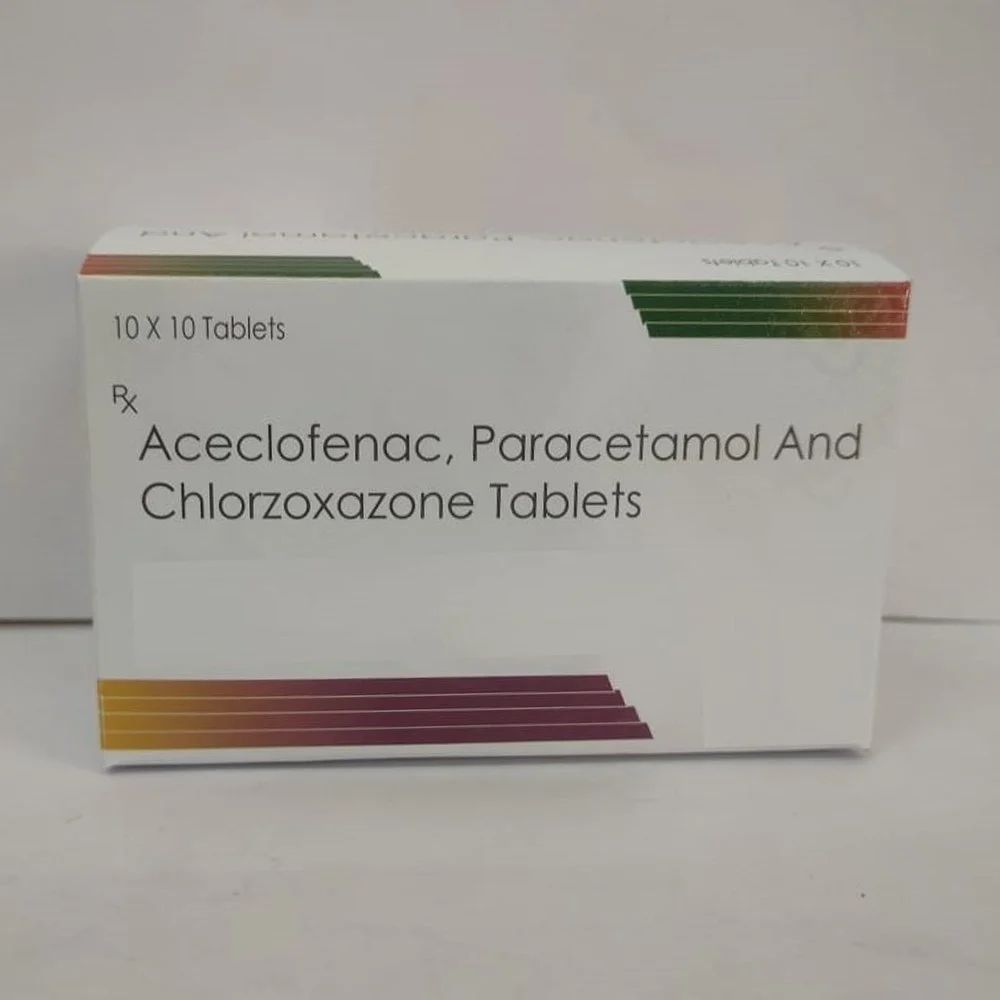
Chlorzoxazone and Paracetamol Tablet: An Expert Medical SEO Guide
Comprehensive Introduction & Overview
The Chlorzoxazone and Paracetamol tablet is a widely prescribed pharmaceutical combination designed to provide comprehensive relief from musculoskeletal pain associated with muscle spasms. This medication brings together the distinct yet complementary actions of two active pharmaceutical ingredients: Chlorzoxazone, a centrally acting muscle relaxant, and Paracetamol (also known as Acetaminophen), a well-known analgesic and antipyretic.
This guide, authored by an expert Medical SEO Copywriter and Orthopedic Specialist, aims to provide an exhaustive and authoritative overview of Chlorzoxazone and Paracetamol tablets. It delves into the intricate mechanisms by which these drugs exert their therapeutic effects, outlines their pharmacokinetic profiles, details their clinical indications, and provides crucial information regarding dosage, potential risks, drug interactions, and special considerations. Understanding this combination medication is vital for healthcare professionals and patients alike to ensure safe and effective use in managing acute and chronic musculoskeletal conditions.
The synergistic action of Chlorzoxazone and Paracetamol makes this formulation particularly effective for conditions where both muscle spasm and pain are significant contributing factors. By addressing both components simultaneously, it offers a more complete therapeutic response compared to using either agent alone. This dual approach helps improve patient comfort, facilitates mobility, and aids in the recovery process from various orthopedic and musculoskeletal ailments.
Deep-dive into Technical Specifications / Mechanisms
Understanding how Chlorzoxazone and Paracetamol work individually and synergistically is crucial for appreciating their therapeutic utility.
Mechanism of Action
Chlorzoxazone: The Muscle Relaxant Component
Chlorzoxazone is a centrally acting skeletal muscle relaxant. Its primary mechanism involves the selective inhibition of polysynaptic reflex arcs within the spinal cord and subcortical areas of the brain. While the exact precise mechanism is not fully elucidated, it is believed to:
* Reduce muscle hyperactivity: By depressing nerve transmission at the spinal cord level, Chlorzoxazone effectively breaks the cycle of pain and spasm.
* Decrease muscle tone: It reduces the exaggerated reflex activity that contributes to muscle stiffness and discomfort.
* Indirectly alleviate pain: By relaxing spastic muscles, it reduces the mechanical compression on nerves and blood vessels, thereby indirectly contributing to pain relief.
It does not directly relax skeletal muscles but rather acts on the central nervous system (CNS) to produce its muscle relaxant effects.
Paracetamol (Acetaminophen): The Analgesic and Antipyretic Component
Paracetamol is a non-opioid analgesic and antipyretic. Unlike NSAIDs, it exhibits minimal anti-inflammatory activity at therapeutic doses. Its mechanism of action is primarily central and is believed to involve:
* Inhibition of Prostaglandin Synthesis: Paracetamol selectively inhibits prostaglandin synthesis in the central nervous system, particularly targeting cyclooxygenase-3 (COX-3), an isoform of the COX enzyme found mainly in the brain and spinal cord. This central inhibition leads to its analgesic effects.
* Modulation of Serotonergic Pathways: It may also act through descending serotonergic pathways, which play a role in pain modulation.
* Antipyretic Effect: Its antipyretic action is achieved by inhibiting prostaglandin synthesis in the hypothalamus, which helps to reset the body's thermostat and reduce fever.
Synergistic Effect
The combination of Chlorzoxazone and Paracetamol offers a synergistic therapeutic benefit:
* Comprehensive Pain Management: Paracetamol directly tackles pain, while Chlorzoxazone addresses the underlying muscle spasm that often exacerbates pain in musculoskeletal conditions.
* Improved Mobility: By reducing spasm and pain, the combination facilitates better muscle function and range of motion.
* Reduced Overall Discomfort: The dual action leads to more effective relief from the complex symptoms of musculoskeletal injury or inflammation.
Pharmacokinetics
The pharmacokinetic profiles of Chlorzoxazone and Paracetamol are well-characterized, dictating their absorption, distribution, metabolism, and excretion.
Chlorzoxazone
- Absorption: Rapidly absorbed from the gastrointestinal (GI) tract following oral administration. Peak plasma concentrations are typically achieved within 1-2 hours.
- Distribution: Widely distributed throughout the body.
- Metabolism: Extensively metabolized in the liver, primarily via hydroxylation, to 6-hydroxychlorzoxazone, an inactive metabolite.
- Excretion: Excreted primarily in the urine as the glucuronide conjugate of its metabolite. The elimination half-life is approximately 1-2 hours.
Paracetamol
- Absorption: Rapidly and almost completely absorbed from the GI tract after oral administration. Peak plasma concentrations are usually reached within 30-60 minutes.
- Distribution: Relatively uniformly distributed throughout most body fluids. It is minimally bound to plasma proteins.
- Metabolism: Primarily metabolized in the liver through glucuronidation (major pathway) and sulfation (minor pathway). A small amount is metabolized by cytochrome P450 enzymes (CYP2E1) to a highly reactive intermediate metabolite, N-acetyl-p-benzoquinone imine (NAPQI), which is rapidly detoxified by conjugation with glutathione. In overdose, glutathione stores can be depleted, leading to NAPQI accumulation and hepatotoxicity.
- Excretion: The majority of Paracetamol and its metabolites are excreted in the urine. The elimination half-life ranges from 1.25 to 3 hours.
Extensive Clinical Indications & Usage
Chlorzoxazone and Paracetamol tablets are indicated for a range of conditions characterized by painful muscle spasms.
Detailed Indications
This combination medication is primarily indicated for the symptomatic relief of acute painful musculoskeletal conditions where muscle spasm is a prominent feature. These include:
- Acute Musculoskeletal Pain: For conditions involving pain, tenderness, and restricted movement due to muscle spasm.
- Muscle Spasms Associated With:
- Sprains and Strains: Injuries to ligaments (sprains) or muscles/tendons (strains) often result in painful muscle guarding and spasm.
- Myalgia: General muscle pain or aches.
- Torticollis (Wry Neck): A condition where neck muscles contract, causing the head to twist to one side.
- Low Back Pain: Acute episodes of lower back pain, often due to muscle strain or disc issues, frequently involve significant muscle spasms.
- Tension Headaches: In cases where muscle tension in the neck and shoulders contributes to the headache etiology.
- Fibrositis/Fibromyalgia: To alleviate muscle stiffness and pain, though often part of a broader management strategy.
- Post-operative Orthopedic Procedures: To manage pain and muscle spasms following certain surgical interventions affecting the musculoskeletal system.
- Fractures and Dislocations: As an adjunct therapy to reduce associated muscle spasm and pain.
- Cervical and Lumbar Radiculopathy: To help relieve muscle spasms that can exacerbate nerve compression symptoms.
Dosage Guidelines
The dosage of Chlorzoxazone and Paracetamol tablets must be individualized based on the patient's condition, severity of symptoms, and response to treatment. It is crucial to adhere to prescribed dosages and not exceed the maximum recommended daily limits, especially for Paracetamol, due to the risk of hepatotoxicity.
Standard Adult Dosage
- Typical Dose: One to two tablets (e.g., Chlorzoxazone 250mg/Paracetamol 300mg or similar strengths) taken orally.
- Frequency: Usually administered three to four times a day.
- Maximum Daily Dose: The total daily dose of Paracetamol should not exceed 4000 mg (4 grams) in adults, and for Chlorzoxazone, it is typically up to 750 mg three to four times daily, depending on the specific formulation. Patients must be advised against taking other Paracetamol-containing products concurrently.
- Administration: Can be taken with or without food. Taking it with food may help reduce gastrointestinal upset.
Duration of Treatment
- Treatment should generally be for the shortest possible duration, typically for acute conditions, often not exceeding 7-10 days. Prolonged use should be under strict medical supervision.
Special Populations
- Elderly Patients: Use with caution. Elderly patients may be more susceptible to CNS side effects (drowsiness, dizziness) of Chlorzoxazone and may have reduced hepatic or renal function, necessitating lower doses.
- Renal Impairment: Exercise caution. Dose adjustment may be required, especially for Paracetamol, as metabolites are renally excreted. Severe renal impairment is often a contraindication.
- Hepatic Impairment: Contraindicated in severe hepatic impairment due to the risk of Paracetamol-induced hepatotoxicity. In mild to moderate impairment, dose reduction and careful monitoring are essential.
- Pediatric Use: Generally not recommended for children under 12 years of age unless specifically advised and dosed by a physician, given the lack of extensive safety data for the combination in this age group.
Risks, Side Effects, or Contraindications
Like all medications, Chlorzoxazone and Paracetamol tablets carry potential risks, side effects, and contraindications that must be carefully considered.
Common Side Effects
Most side effects are mild to moderate and often transient.
* Central Nervous System (CNS) Effects:
* Drowsiness, sedation
* Dizziness, lightheadedness
* Headache
* Malaise
* Gastrointestinal (GI) Effects:
* Nausea
* Vomiting
* Abdominal discomfort
* Dyspepsia
* Other:
* Rash, urticaria (hives)
* Discoloration of urine (orange or purplish-red due to Chlorzoxazone metabolites – harmless)
Serious Side Effects
While rare, some serious side effects warrant immediate medical attention.
* Hepatotoxicity: The most serious risk associated with Paracetamol, especially with overdose or chronic high doses, leading to liver damage or failure. Symptoms include severe nausea, vomiting, loss of appetite, dark urine, jaundice (yellowing of skin/eyes).
* Severe Allergic Reactions (Anaphylaxis): Rare but potentially life-threatening, characterized by swelling of the face/throat, severe rash, difficulty breathing, dizziness.
* Gastrointestinal Bleeding/Ulcers: Though less common than with NSAIDs, Paracetamol can, in rare cases, exacerbate existing GI issues.
* Blood Dyscrasias: Rarely, conditions like agranulocytosis, thrombocytopenia, or hemolytic anemia have been reported.
* Stevens-Johnson Syndrome (SJS) / Toxic Epidermal Necrolysis (TEN): Extremely rare but severe skin reactions.
Contraindications
Chlorzoxazone and Paracetamol tablets are contraindicated in individuals with:
* Hypersensitivity: Known allergy to Chlorzoxazone, Paracetamol, or any component of the formulation.
* Severe Hepatic Impairment or Active Liver Disease: Due to the risk of Paracetamol-induced hepatotoxicity.
* Acute Intermittent Porphyria: Chlorzoxazone can exacerbate this condition.
* Glucose-6-Phosphate Dehydrogenase (G6PD) Deficiency: Paracetamol can induce hemolytic anemia in these individuals.
* Severe Renal Impairment: Due to accumulation of drug metabolites.
* History of Gastrointestinal Bleeding or Peptic Ulcer Disease: Use with extreme caution or avoid if severe.
* Alcoholism: Chronic alcohol consumption significantly increases the risk of Paracetamol-induced hepatotoxicity.
Drug Interactions
Concurrent use of Chlorzoxazone and Paracetamol with certain other medications can lead to adverse interactions.
* CNS Depressants: Concurrent use with alcohol, sedatives, hypnotics, anxiolytics, opioids, or other muscle relaxants can potentiate the CNS depressant effects of Chlorzoxazone, leading to increased drowsiness, dizziness, and impaired coordination.
* Anticoagulants (e.g., Warfarin): High doses or prolonged use of Paracetamol can enhance the anticoagulant effect of warfarin, increasing the risk of bleeding. Regular monitoring of INR is recommended.
* Hepatotoxic Drugs: Co-administration with other medications known to be hepatotoxic (e.g., isoniazid, certain anticonvulsants) increases the risk of liver damage.
* Other Paracetamol-Containing Products: Patients must be strictly advised to avoid taking other over-the-counter or prescription medications containing Paracetamol to prevent accidental overdose.
* Enzyme Inducers/Inhibitors: Drugs that induce hepatic enzymes (e.g., phenobarbital, carbamazepine, rifampin) can increase the formation of the toxic Paracetamol metabolite (NAPQI). Enzyme inhibitors might affect Chlorzoxazone metabolism.
* Cholestyramine: Reduces the absorption of Paracetamol if administered within one hour.
Pregnancy and Lactation Warnings
Pregnancy
- Chlorzoxazone: Classified as Pregnancy Category C. Animal studies have shown adverse effects, but there are no adequate and well-controlled studies in pregnant women. It should be used during pregnancy only if the potential benefit justifies the potential risk to the fetus.
- Paracetamol: Classified as Pregnancy Category B. Generally considered safe for use during pregnancy when used at recommended doses for short periods. However, prolonged or excessive use should be avoided.
- Overall: The combination tablet should be used during pregnancy only after careful consideration of the risks and benefits by a healthcare provider.
Lactation (Breastfeeding)
- Chlorzoxazone: It is unknown whether Chlorzoxazone is excreted in human breast milk. Due to potential for adverse effects in nursing infants, a decision should be made whether to discontinue nursing or to discontinue the drug, taking into account the importance of the drug to the mother.
- Paracetamol: Excreted into breast milk in small amounts, but typically considered compatible with breastfeeding at usual therapeutic doses, posing minimal risk to the infant.
- Overall: Caution should be exercised when administering this combination to a nursing mother. Consult a healthcare professional.
Overdose Management
An overdose of Chlorzoxazone and Paracetamol can be serious and potentially life-threatening, primarily due to Paracetamol-induced hepatotoxicity.
Symptoms of Overdose
- Early Symptoms (within 24 hours): Nausea, vomiting, abdominal pain, loss of appetite, pallor, malaise, diaphoresis (sweating).
- Later Symptoms (24-48 hours onwards): Hepatic tenderness, jaundice, signs of liver failure (e.g., coagulopathy, encephalopathy), renal tubular necrosis, cardiac arrhythmias.
- Chlorzoxazone-specific symptoms (less severe than Paracetamol): Drowsiness, dizziness, lightheadedness, weakness, hyporeflexia, respiratory depression.
Emergency Steps and Treatment
- Immediate Medical Attention: Seek emergency medical care immediately. Do not wait for symptoms to appear.
- Gastric Decontamination:
- Activated Charcoal: May be administered within 1-2 hours of ingestion to reduce absorption, especially if a large amount was taken.
- Gastric Lavage: May be considered in very recent, large ingestions.
- Antidote for Paracetamol:
- N-acetylcysteine (NAC): The specific antidote for Paracetamol overdose. It works by replenishing glutathione stores, which detoxify the toxic metabolite NAPQI. NAC is most effective when administered within 8-10 hours of ingestion but can still be beneficial up to 24 hours or more. It can be given orally or intravenously.
- Supportive Care:
- Maintain airway, breathing, and circulation.
- Monitor liver function tests (ALT, AST, bilirubin, INR), renal function, blood glucose, and electrolytes.
- Manage fluid and electrolyte balance.
- Treat symptoms like nausea and vomiting.
- In severe cases, liver transplantation may be considered.
A Massive FAQ Section
Q1: What is Chlorzoxazone and Paracetamol used for?
A1: This medication is primarily used to relieve pain and discomfort associated with acute, painful musculoskeletal conditions where muscle spasm is present. This includes conditions like muscle sprains, strains, low back pain, torticollis (wry neck), and other forms of muscle-related pain. Chlorzoxazone helps relax the muscles, while Paracetamol provides pain relief.
Q2: How does this medication work?
A2: It works through two main components. Chlorzoxazone is a centrally acting muscle relaxant that works on the spinal cord and brain to reduce muscle spasms and stiffness. Paracetamol is an analgesic (pain reliever) and antipyretic (fever reducer) that works primarily in the brain to block pain signals. Together, they target both the spasm and the pain, offering comprehensive relief.
Q3: What is the typical dosage for adults?
A3: The typical adult dosage is usually one to two tablets, taken orally, three to four times a day. However, the exact dosage and frequency depend on the specific formulation (strength of each component) and your doctor's assessment. It's crucial not to exceed the prescribed dose, especially the maximum daily limit for Paracetamol (generally 4000 mg), to avoid liver damage. Always follow your doctor's instructions.
Q4: Can I take this medication with alcohol?
A4: No, it is strongly advised to avoid alcohol while taking Chlorzoxazone and Paracetamol. Alcohol can significantly increase the sedative effects of Chlorzoxazone, leading to increased drowsiness and impaired coordination. More importantly, alcohol greatly increases the risk of liver damage (hepatotoxicity) associated with Paracetamol, even at therapeutic doses.
Q5: What are the common side effects of Chlorzoxazone and Paracetamol?
A5: Common side effects include drowsiness, dizziness, lightheadedness, nausea, vomiting, stomach upset, and headache. Your urine may also turn orange or reddish-purple, which is a harmless effect of Chlorzoxazone. If these side effects become severe or persistent, consult your doctor.
Q6: Is it safe to take Chlorzoxazone and Paracetamol during pregnancy or while breastfeeding?
A6: During pregnancy, this medication should only be used if clearly needed and after a thorough discussion with your doctor, as Chlorzoxazone is classified as Pregnancy Category C. Paracetamol is generally considered safer, but the combination should be used with caution. It is unknown if Chlorzoxazone passes into breast milk, though Paracetamol does in small amounts. Consult your doctor before using this medication if you are pregnant or breastfeeding.
Q7: How long can I take this medicine?
A7: This medication is generally intended for short-term use, typically for acute conditions, often not exceeding 7-10 days. Prolonged use should only be under the strict supervision of a healthcare professional, as long-term use, especially of Paracetamol, carries risks.
Q8: What should I do if I miss a dose?
A8: If you miss a dose, take it as soon as you remember, unless it is almost time for your next scheduled dose. In that case, skip the missed dose and resume your regular dosing schedule. Do not double the dose to catch up.
Q9: Are there any specific dietary restrictions while taking this medication?
A9: Generally, there are no specific dietary restrictions. However, taking the tablet with food might help reduce gastrointestinal upset for some individuals. Always avoid alcohol.
Q10: Can children take this medication?
A10: This combination medication is generally not recommended for children under 12 years of age unless specifically prescribed and carefully dosed by a pediatrician. Pediatric use requires specialized medical guidance due to potential risks and lack of extensive safety data.
Q11: What are the signs of an overdose, and what should I do?
A11: Signs of overdose can include severe nausea, vomiting, stomach pain, loss of appetite, dark urine, yellowing of the skin or eyes (jaundice), and extreme drowsiness. If you suspect an overdose, seek immediate emergency medical attention, even if you feel well, as Paracetamol overdose can cause severe liver damage that may not show symptoms right away.
Q12: How should I store Chlorzoxazone and Paracetamol tablets?
A12: Store the tablets at room temperature, away from moisture and direct heat. Keep them in their original container and out of reach of children and pets. Do not store in the bathroom. Dispose of any expired or unused medication properly according to local guidelines.