Ceftriaxone: A Comprehensive Medical SEO Guide for Patients and Professionals
As an expert medical SEO copywriter and orthopedic specialist, we understand the critical need for accurate, in-depth information regarding essential medications. Ceftriaxone is a widely utilized broad-spectrum antibiotic, indispensable in treating a myriad of bacterial infections, including many relevant to orthopedic practice. This guide aims to provide a massive, exhaustive, and highly authoritative overview of Ceftriaxone, covering its fundamental mechanisms to intricate clinical applications and safety profiles.
1. Introduction & Overview of Ceftriaxone
Ceftriaxone is a third-generation cephalosporin antibiotic, a class of beta-lactam antibiotics known for their potent bactericidal activity against a broad range of Gram-positive and Gram-negative bacteria. Introduced in the 1980s, it rapidly became a cornerstone in antimicrobial therapy due to its extended half-life, allowing for once-daily dosing, and its excellent tissue penetration, including the central nervous system (CNS).
Its efficacy across various systemic infections, from serious community-acquired pneumonia to complicated urinary tract infections, and its particular utility in treating conditions like bacterial meningitis and gonorrhea, underscore its importance. From an orthopedic perspective, Ceftriaxone's ability to penetrate bone and joint tissues makes it a valuable agent in managing osteomyelitis and septic arthritis.
Key Characteristics:
- Class: Third-generation cephalosporin antibiotic.
- Administration: Intravenous (IV) or Intramuscular (IM).
- Spectrum: Broad-spectrum, effective against many Gram-positive and Gram-negative bacteria.
- Half-life: Long (approximately 6-9 hours), enabling once-daily dosing.
- Excretion: Dual excretion via renal and biliary routes, making it useful in patients with compromised kidney or liver function (with appropriate dose adjustments).
2. Deep-Dive into Technical Specifications & Mechanisms
Understanding how Ceftriaxone works is crucial to appreciating its therapeutic power and potential limitations.
2.1. Mechanism of Action
Ceftriaxone, like other beta-lactam antibiotics, exerts its bactericidal effect by interfering with bacterial cell wall synthesis.
- Target: Peptidoglycan layer, a crucial component of the bacterial cell wall that provides structural integrity.
- Enzymes: Ceftriaxone binds to and inactivates penicillin-binding proteins (PBPs), which are enzymes located in the bacterial cytoplasmic membrane. PBPs are transpeptidases responsible for cross-linking peptidoglycan strands during cell wall synthesis.
- Inhibition: By binding to PBPs, Ceftriaxone prevents the final cross-linking step of peptidoglycan synthesis.
- Outcome: This disruption leads to an unstable cell wall, increased bacterial cell permeability, and ultimately, cell lysis and bacterial death.
Ceftriaxone has a high affinity for a wide range of PBPs, contributing to its broad spectrum of activity against various susceptible bacteria. Its resistance to degradation by many beta-lactamases (enzymes produced by some bacteria that inactivate other beta-lactam antibiotics) further enhances its effectiveness.
2.2. Pharmacokinetics
The pharmacokinetics of Ceftriaxone are favorable for its clinical utility, characterized by good absorption, wide distribution, minimal metabolism, and dual excretion.
- Absorption:
- Administered parenterally (IV or IM) as it is poorly absorbed orally.
- Peak plasma concentrations are achieved rapidly after IV administration and within 2-3 hours after IM injection.
- Distribution:
- Highly protein-bound (85-95%), primarily to albumin.
- Distributes well into various body fluids and tissues, including:
- Lungs
- Heart
- Bone (highly relevant for orthopedic infections)
- Joints (synovial fluid)
- Gallbladder
- Skin and soft tissues
- Cerebrospinal Fluid (CSF): Achieves therapeutic concentrations in the CSF, making it effective for meningitis.
- Crosses the placenta and is excreted in breast milk.
- Metabolism:
- Minimally metabolized in the liver.
- Primarily eliminated as unchanged drug.
- Elimination:
- Unique dual elimination pathway: Approximately 50-60% via renal excretion (glomerular filtration and tubular secretion) and 40-50% via biliary and intestinal excretion into feces.
- This dual pathway means that dosage adjustments may not be necessary in patients with mild to moderate impairment of either renal or hepatic function alone, but combined severe impairment would require careful monitoring and potential adjustment.
- The long elimination half-life (6-9 hours) supports once-daily dosing in most indications.
3. Extensive Clinical Indications & Usage
Ceftriaxone's broad spectrum and favorable pharmacokinetics make it a go-to antibiotic for a wide array of bacterial infections.
3.1. Approved Indications:
- Lower Respiratory Tract Infections:
- Community-acquired pneumonia (CAP)
- Hospital-acquired pneumonia (HAP)
- Acute bacterial exacerbations of chronic bronchitis (ABECB)
- Acute Bacterial Otitis Media:
- Often used for resistant cases or when oral therapy is not feasible.
- Skin and Skin Structure Infections:
- Cellulitis
- Erysipelas
- Abscesses (often in combination with drainage)
- Urinary Tract Infections (UTIs):
- Complicated UTIs
- Pyelonephritis (kidney infection)
- Bone and Joint Infections: (Highly relevant for orthopedic practice)
- Osteomyelitis: Infections of the bone, often requiring prolonged courses.
- Septic Arthritis: Infections of the joint space.
- Prosthetic Joint Infections: Can be part of combination therapy.
- Intra-abdominal Infections:
- Peritonitis
- Diverticulitis
- Appendicitis (often in combination with anaerobic coverage)
- Biliary tract infections (e.g., cholangitis)
- Meningitis:
- Bacterial meningitis (e.g., due to Streptococcus pneumoniae, Neisseria meningitidis, Haemophilus influenzae)
- Its excellent CSF penetration is a major advantage.
- Sexually Transmitted Diseases (STDs):
- Uncomplicated Gonorrhea (often a single IM dose)
- Pelvic Inflammatory Disease (PID)
- Surgical Prophylaxis:
- Prevention of post-operative infections, particularly in clean-contaminated surgeries.
- Commonly used in orthopedic surgeries (e.g., joint replacement, fracture repair) to reduce surgical site infection risk.
- Lyme Disease:
- Disseminated Lyme disease, especially with neurological or cardiac involvement.
- Bacteremia:
- Treatment of bloodstream infections when caused by susceptible organisms.
3.2. Dosage Guidelines
Dosage varies significantly based on the type and severity of infection, patient age, and renal/hepatic function.
3.2.1. General Adult Dosing
| Indication | Recommended Dosage | Frequency | Duration |
|---|---|---|---|
| Most Infections (moderate to severe) | 1-2 grams | Once daily | 4-14 days (or longer depending on infection) |
| Serious Infections | Up to 4 grams | Once daily | 4-14 days (or longer depending on infection) |
| Uncomplicated Gonorrhea | 500 mg IM (single dose) | Single dose | N/A |
| Surgical Prophylaxis | 1 gram IV/IM | Single dose | 30-90 minutes prior to surgery |
| Bacterial Meningitis | 2 grams IV | Every 12 hrs | 7-14 days (depending on pathogen and response) |
| Acute Bacterial Otitis Media | 50 mg/kg IM (max 1 gram) | Single dose | N/A |
| Disseminated Lyme Disease (adults) | 2 grams IV | Once daily | 14-28 days |
3.2.2. Pediatric Dosing
- General Infections (non-meningitis): 50-75 mg/kg IV or IM once daily (max 2 grams/day).
- Meningitis: 100 mg/kg IV once daily or 50 mg/kg IV every 12 hours (max 4 grams/day).
- Acute Bacterial Otitis Media: 50 mg/kg IM (max 1 gram) as a single dose.
- Uncomplicated Gonorrhea:
- Children weighing <45 kg: 25-50 mg/kg IM (max 125 mg) as a single dose.
- Children weighing ≥45 kg: Adult dose (500 mg IM single dose).
3.2.3. Renal and Hepatic Impairment
- Renal Impairment: Dosage adjustment is generally not required for mild to moderate renal impairment. For severe renal impairment (creatinine clearance <10 mL/min), the total daily dose should not exceed 2 grams. Hemodialysis and peritoneal dialysis do not significantly remove Ceftriaxone.
- Hepatic Impairment: Dosage adjustment is generally not required for mild to moderate hepatic impairment. For severe hepatic impairment, especially with concomitant renal impairment, careful monitoring and potential dose reduction are advised.
- Combined Renal and Hepatic Impairment: In cases of severe combined dysfunction, the dose should not exceed 2 grams daily, and plasma concentrations should be monitored if possible.
4. Risks, Side Effects, and Contraindications
While highly effective, Ceftriaxone is not without potential risks.
4.1. Contraindications
- Hypersensitivity: Known severe hypersensitivity to Ceftriaxone, other cephalosporins, penicillins, or other beta-lactam antibiotics. Cross-reactivity can occur.
- Neonates (especially premature and hyperbilirubinemic): Ceftriaxone can displace bilirubin from albumin binding sites, increasing the risk of kernicterus (bilirubin encephalopathy).
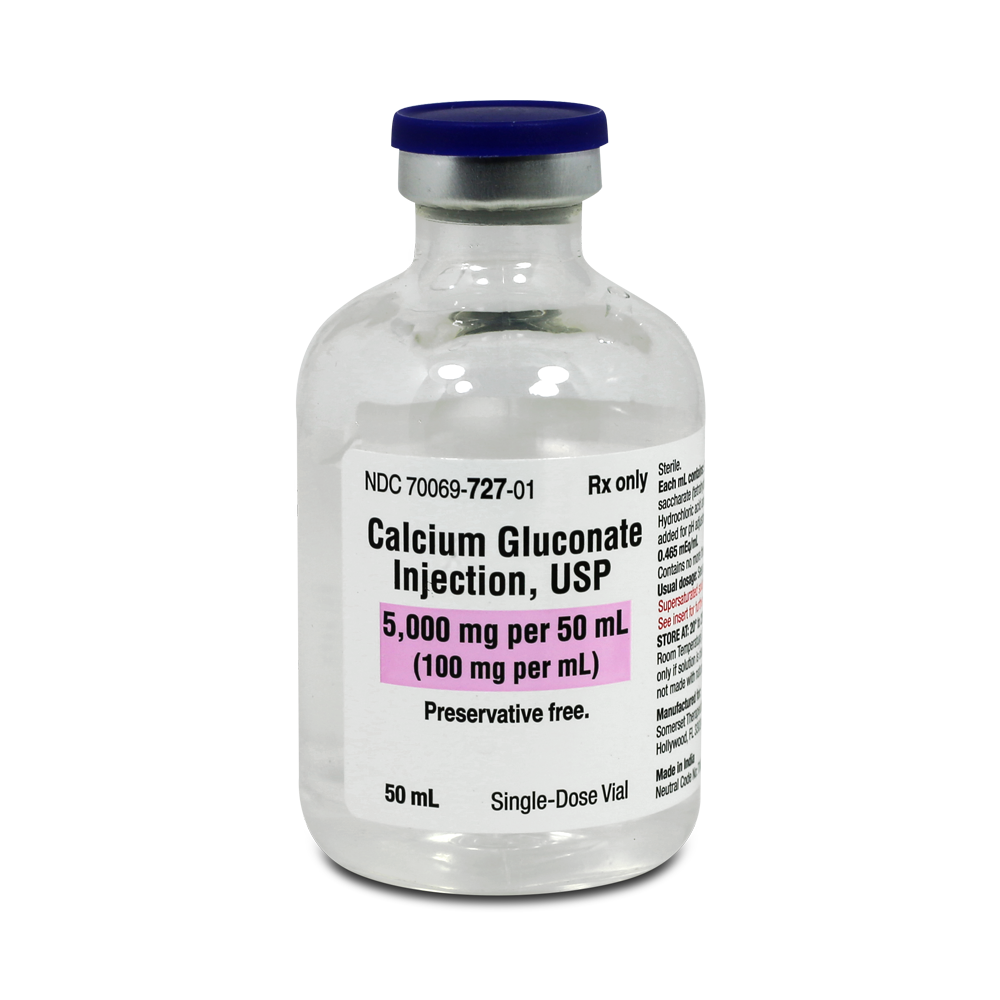
- Concomitant IV Calcium-Containing Solutions/Products in Neonates: Ceftriaxone can precipitate with calcium in the lungs and kidneys, leading to fatal events. This interaction is strictly contraindicated in neonates.
- Gallbladder Sludge/Pseudolithiasis: While not an absolute contraindication, caution is advised in patients with a history of gallbladder disease.
4.2. Common Side Effects
- Gastrointestinal: Diarrhea (most common), nausea, vomiting, abdominal pain.
- Injection Site Reactions: Pain, tenderness, induration at the IM injection site; phlebitis at the IV injection site.
- Dermatologic: Rash, pruritus.
- Hematologic: Eosinophilia, thrombocytosis, leukopenia.
- Hepatic: Elevated liver enzymes (AST, ALT, alkaline phosphatase).
- Renal: Elevated BUN and creatinine (less common).
4.3. Serious Side Effects
- Clostridioides difficile-associated Diarrhea (CDAD): Can range from mild diarrhea to fatal colitis. Occurs due to disruption of normal gut flora.
- Hypersensitivity Reactions: Severe allergic reactions including anaphylaxis, Stevens-Johnson syndrome, and toxic epidermal necrolysis. Immediate medical attention is required.
- Ceftriaxone-Calcium Precipitation: Potentially fatal in neonates; can also occur in older patients, though less common and usually self-resolving.
- Gallbladder Pseudolithiasis (Biliary Sludge): Formation of calcium-ceftriaxone precipitates in the gallbladder, leading to symptoms mimicking gallstones (abdominal pain, nausea, vomiting). Usually reversible upon discontinuation.
- Hemolytic Anemia: Immune-mediated hemolytic anemia, sometimes severe and fatal.
- Pancreatitis: Rare, but reported, particularly in association with biliary obstruction.
- Nephrolithiasis (Kidney Stones): Very rare, but calcium-ceftriaxone precipitates can form in the renal tubules.
4.4. Drug Interactions
- Calcium-Containing Solutions/Products:
- Neonates: STRICTLY CONTRAINDICATED with IV calcium-containing solutions (e.g., Ringer's solution, parenteral nutrition).
- Adults: Ceftriaxone and IV calcium-containing solutions should not be administered simultaneously or within 48 hours of each other.
- Oral Anticoagulants (e.g., Warfarin): Ceftriaxone can potentiate the anticoagulant effect, increasing the risk of bleeding. Close INR monitoring is recommended.
- Loop Diuretics (e.g., Furosemide): Concomitant use may increase the risk of nephrotoxicity, especially in patients with pre-existing renal impairment.
- Probenecid: While probenecid typically inhibits renal tubular secretion of beta-lactams, Ceftriaxone's dual elimination pathway means this interaction is less clinically significant compared to other cephalosporins, but may slightly increase Ceftriaxone levels.
- Live Bacterial Vaccines (e.g., Typhoid vaccine): Antibiotics may reduce the therapeutic effect of live bacterial vaccines. Administer at least 24 hours apart.
- Alcohol: Although not a direct disulfiram-like reaction (as seen with some other cephalosporins), it's generally advisable to avoid alcohol during antibiotic treatment.
4.5. Pregnancy and Lactation Warnings
- Pregnancy (FDA Pregnancy Category B):
- Animal reproduction studies have shown no evidence of harm to the fetus.
- There are no adequate and well-controlled studies in pregnant women.
- Ceftriaxone should be used during pregnancy only if clearly needed and the potential benefits outweigh the potential risks to the fetus.
- Lactation:
- Ceftriaxone is excreted in human breast milk in low concentrations.
- While generally considered compatible with breastfeeding, potential risks to the infant include alteration of gut flora (leading to diarrhea, candidiasis) and interference with bilirubin metabolism (especially in jaundiced infants).
- Caution should be exercised when Ceftriaxone is administered to a nursing woman.
5. Overdose Management
Accidental overdose with Ceftriaxone is rare but can occur, particularly with rapid IV infusion of excessively high doses.
5.1. Symptoms of Overdose
Symptoms are generally an exaggeration of known side effects and may include:
- Nausea, vomiting, diarrhea
- Severe abdominal pain (due to biliary sludge)
- Seizures (especially in patients with renal impairment or CNS pathology)
- Hypersensitivity reactions
- Hematologic abnormalities
5.2. Management of Overdose
- No specific antidote: Management is primarily symptomatic and supportive.
- Discontinuation: Immediately discontinue Ceftriaxone administration.
- Supportive Care:
- Maintain airway, breathing, and circulation.
- Monitor vital signs closely.
- Administer intravenous fluids as needed to maintain hydration and renal perfusion.
- Manage seizures with anticonvulsants if they occur.
- Treat severe hypersensitivity reactions with epinephrine, antihistamines, and corticosteroids as appropriate.
- Hemodialysis/Peritoneal Dialysis: Ceftriaxone is not significantly removed by hemodialysis or peritoneal dialysis due to its high protein binding. Therefore, dialysis is generally not effective for overdose management.
- Biliary Sludge: If biliary pseudolithiasis occurs, it typically resolves spontaneously upon drug discontinuation.
6. Massive FAQ Section
Here are some frequently asked questions about Ceftriaxone, providing quick answers to common concerns.
Q1: What is Ceftriaxone used for?
A1: Ceftriaxone is a broad-spectrum antibiotic used to treat a wide range of bacterial infections, including pneumonia, UTIs, skin infections, bone and joint infections (like osteomyelitis and septic arthritis), meningitis, gonorrhea, and surgical site infection prophylaxis.
Q2: How is Ceftriaxone administered?
A2: Ceftriaxone is administered either intravenously (IV) directly into a vein or intramuscularly (IM) into a large muscle. It is not available in an oral form.
Q3: How often do I need to take Ceftriaxone?
A3: Due to its long half-life, Ceftriaxone is typically given once a day for most infections. For very severe infections like meningitis, it might be given every 12 hours.
Q4: Can I drink alcohol while on Ceftriaxone?
A4: While Ceftriaxone does not cause a direct disulfiram-like reaction with alcohol, it's generally advisable to avoid alcohol during antibiotic treatment. Alcohol can dehydrate you and may worsen some side effects like stomach upset.
Q5: What are the most common side effects of Ceftriaxone?
A5: Common side effects include diarrhea, nausea, abdominal pain, and pain or tenderness at the injection site. Rashes are also possible.
Q6: Can Ceftriaxone cause allergic reactions?
A6: Yes, like all antibiotics, Ceftriaxone can cause allergic reactions, ranging from mild skin rashes to severe, life-threatening anaphylaxis. Inform your doctor immediately if you experience hives, swelling, or difficulty breathing.
Q7: Is Ceftriaxone safe for pregnant or breastfeeding women?
A7: Ceftriaxone is classified as Pregnancy Category B. It should be used during pregnancy only if clearly needed. It is excreted in breast milk in small amounts, so caution is advised for nursing mothers due to potential effects on the infant's gut flora or bilirubin levels.
Q8: Why is Ceftriaxone contraindicated with calcium in neonates?
A8: Ceftriaxone can form precipitates with calcium, especially in the lungs and kidneys of neonates, which can be fatal. Therefore, it is strictly contraindicated to administer Ceftriaxone with IV calcium-containing solutions to neonates.
Q9: How long does it take for Ceftriaxone to start working?
A9: You may start to feel better within 24-48 hours of starting treatment, but it's crucial to complete the entire course of antibiotics as prescribed, even if symptoms improve, to ensure the infection is fully eradicated and prevent antibiotic resistance.
Q10: What should I do if I miss a dose of Ceftriaxone?
A10: If you miss a dose, contact your healthcare provider for advice. They will guide you on whether to take the missed dose or adjust your schedule. Do not double the dose to catch up.
Q11: Can Ceftriaxone treat viral infections?
A11: No, Ceftriaxone is an antibiotic and is only effective against bacterial infections. It will not work for viral infections like the common cold, flu, or COVID-19.
Q12: How does Ceftriaxone help with bone and joint infections?
A12: Ceftriaxone has excellent penetration into bone and joint tissues, reaching therapeutic concentrations at the site of infection. This makes it highly effective for conditions like osteomyelitis (bone infection) and septic arthritis (joint infection), which are common in orthopedic practice.
Q13: Are there any specific dietary restrictions while on Ceftriaxone?
A13: Generally, there are no specific dietary restrictions. However, maintaining good hydration and a balanced diet can help manage potential gastrointestinal side effects.
Q14: Can Ceftriaxone cause kidney stones or gallbladder problems?
A14: Rarely, Ceftriaxone can cause the formation of calcium-ceftriaxone precipitates in the gallbladder (known as biliary sludge or pseudolithiasis) or, even more rarely, in the kidneys (nephrolithiasis). These usually resolve after discontinuing the medication.
This comprehensive guide serves as an authoritative resource for understanding Ceftriaxone, emphasizing its role and considerations in various medical contexts, including its significant utility in orthopedic care. Always consult with a qualified healthcare professional for personalized medical advice and treatment plans.