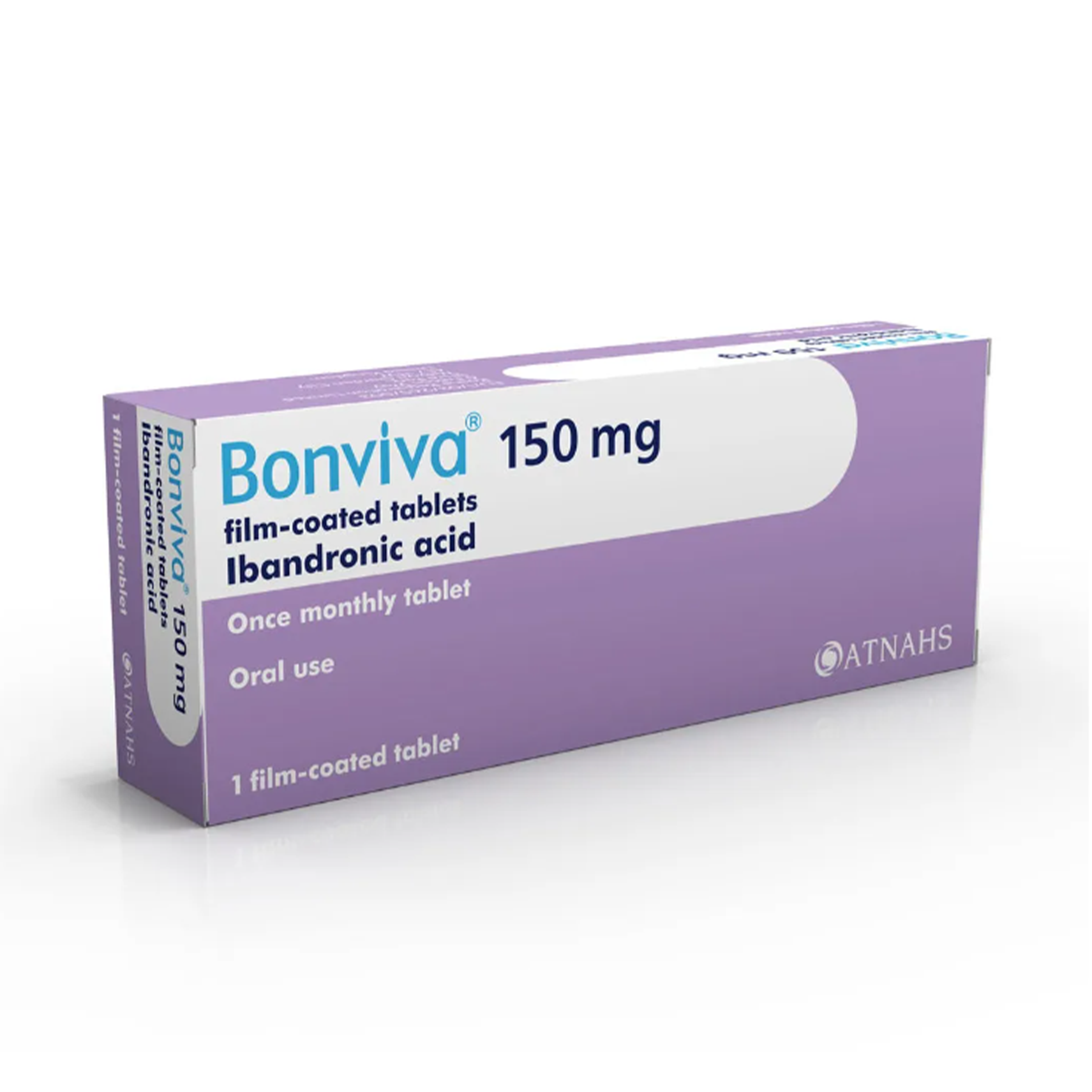
Bonviva (Ibandronate): A Comprehensive Medical SEO Guide for Osteoporosis Management
Introduction & Overview: Understanding Bonviva for Bone Health
Bonviva, known by its generic name Ibandronate, is a crucial medication in the fight against osteoporosis, a condition characterized by weakened bones and an increased risk of fractures. As an expert medical SEO copywriter and orthopedic specialist, this guide aims to provide an exhaustive, authoritative, and easy-to-understand overview of Bonviva, covering its scientific underpinnings, clinical applications, safety profile, and practical considerations.
Osteoporosis affects millions worldwide, particularly postmenopausal women, leading to debilitating fractures of the hip, spine, and wrist. These fractures can significantly impair quality of life, cause chronic pain, and even lead to premature mortality. Effective treatments like Bonviva are vital in preventing bone loss, increasing bone mineral density (BMD), and ultimately reducing the incidence of these life-altering fractures.
Bonviva belongs to a class of drugs called bisphosphonates, which are specifically designed to inhibit bone resorption—the process by which old bone tissue is broken down. By slowing this process, Bonviva helps maintain bone mass and strength, thus fortifying the skeletal system against the ravages of osteoporosis. Available in both oral and intravenous formulations, Bonviva offers flexible dosing regimens tailored to patient needs and preferences.
This comprehensive guide delves into the intricate details of Bonviva, from its molecular mechanism of action to practical dosage instructions, potential side effects, and critical warnings. Our goal is to empower patients, caregivers, and healthcare professionals with the knowledge needed to make informed decisions regarding osteoporosis treatment.
Deep-Dive into Technical Specifications & Mechanisms
Understanding how Bonviva works at a cellular level is fundamental to appreciating its therapeutic efficacy. As a potent bisphosphonate, ibandronate exerts its effects directly on the bone remodeling cycle.
Mechanism of Action: How Bonviva Strengthens Bones
Bone is a dynamic tissue constantly undergoing a process called remodeling, where old bone is removed by cells called osteoclasts (resorption) and new bone is formed by cells called osteoblasts. In osteoporosis, the balance shifts, with bone resorption outpacing bone formation, leading to net bone loss.
Bonviva (ibandronate) acts by selectively binding to the surface of bone mineral, specifically at sites of active bone remodeling. Once incorporated into the bone matrix, it is then taken up by osteoclasts during the resorption process. Inside the osteoclast, ibandronate interferes with an enzyme pathway critical for osteoclast function and survival: the mevalonate pathway, specifically inhibiting farnesyl pyrophosphate synthase. This disruption leads to:
- Impaired Osteoclast Function: The osteoclasts become unable to effectively resorb bone.
- Osteoclast Apoptosis: Ibandronate induces programmed cell death (apoptosis) in osteoclasts, reducing their number and activity.
- Reduced Bone Resorption: The net effect is a significant reduction in the rate of bone breakdown.
By inhibiting osteoclast activity, Bonviva allows osteoblasts to continue forming new bone, thereby shifting the balance back towards bone formation and increasing bone mineral density. This leads to stronger bones that are more resistant to fractures.
Pharmacokinetics: The Journey of Ibandronate in the Body
The pharmacokinetic profile of Bonviva describes how the body handles the drug—its absorption, distribution, metabolism, and excretion.
- Absorption:
- Oral: Ibandronate has very poor oral bioavailability, typically less than 1% when taken with food or other medications. It is crucial to take oral Bonviva on an empty stomach with plain water to maximize absorption.
- Intravenous: IV administration bypasses the gastrointestinal tract, ensuring complete bioavailability.
- Distribution:
- Once absorbed, ibandronate rapidly distributes throughout the body, with approximately 40-50% binding to bone. The remaining drug is primarily excreted.
- It exhibits high affinity for bone mineral, where it remains for an extended period, contributing to its long duration of action.
- Metabolism:
- Ibandronate is not metabolized in humans. It is eliminated from the body as the unchanged drug. This minimizes the potential for drug-drug interactions mediated by liver enzymes.
- Elimination:
- Approximately 50-60% of the systemically absorbed dose is eliminated by renal excretion (via the kidneys) as unchanged drug.
- The unabsorbed oral dose is eliminated in the feces.
- The terminal half-life in bone is very long, potentially lasting for years, reflecting its strong binding to bone. The elimination half-life from plasma is relatively short (around 10-72 hours), but this does not reflect its pharmacological activity which is sustained by its presence in bone.
Extensive Clinical Indications & Usage
Bonviva's primary role is in the management of osteoporosis, particularly in specific patient populations.
Primary Indications for Bonviva
Bonviva is indicated for:
- Treatment of Postmenopausal Osteoporosis: This is the most common indication. Bonviva significantly reduces the risk of vertebral fractures in postmenopausal women with osteoporosis. While it has shown efficacy in reducing vertebral fractures, its effect on non-vertebral fractures, including hip fractures, has not been consistently demonstrated across all studies, though it is generally accepted to contribute to overall skeletal health.
- Prevention of Postmenopausal Osteoporosis: In some cases, Bonviva may be used for the prevention of osteoporosis in postmenopausal women at increased risk, though treatment is more common.
Dosage Guidelines and Administration
Precise adherence to dosage and administration instructions is critical for both the efficacy and safety of Bonviva.
Oral Bonviva (150 mg tablet)
- Dosing Frequency: One 150 mg tablet once a month, on the same date each month.
- Administration Instructions (CRITICAL):
- Take the tablet in the morning, at least 60 minutes before the first food or drink (other than plain water) or any other oral medication or supplement.
- Swallow the tablet whole with a full glass (180 to 240 mL) of plain water only. Do NOT use mineral water, coffee, juice, or milk.
- Do NOT chew or suck the tablet.
- Remain in an upright position (sitting or standing) for at least 60 minutes after taking the tablet. Do NOT lie down.
- Do NOT eat, drink (other than plain water), or take any other medication or supplement (including calcium, vitamin D, or antacids) for at least 60 minutes after taking Bonviva.
- If you miss your monthly dose and your next scheduled dose is more than 7 days away, take one 150 mg tablet the morning after you remember. Then, return to taking your tablet once a month on your originally scheduled date.
- If you miss your monthly dose and your next scheduled dose is less than 7 days away, wait until your next scheduled dose and continue taking one tablet once a month on your originally scheduled date. Do NOT take two tablets in the same week.
Intravenous Bonviva (3 mg solution for injection)
- Dosing Frequency: One 3 mg injection administered intravenously every three months.
- Administration:
- Must be administered by a healthcare professional.
- The injection should be given over 15 to 30 seconds.
- Ensure adequate calcium and vitamin D intake, especially in the days following the injection.
- If a dose is missed, administer the injection as soon as convenient. Thereafter, schedule subsequent injections every three months from the date of the last injection.
Special Populations
- Renal Impairment:
- Oral: No dose adjustment needed for mild to moderate renal impairment (creatinine clearance ≥30 mL/min). Contraindicated in severe renal impairment (CrCl <30 mL/min).
- IV: No dose adjustment needed for mild to moderate renal impairment. Contraindicated in severe renal impairment (CrCl <30 mL/min).
- Hepatic Impairment: No dose adjustment is necessary.
- Elderly: No dose adjustment is considered necessary based on age.
- Pediatric Patients: Bonviva is not indicated for use in children.
Monitoring During Treatment
Regular monitoring is important to assess treatment efficacy and detect potential side effects.
- Bone Mineral Density (BMD): DEXA scans are typically performed periodically (e.g., every 1-2 years) to track changes in bone density.
- Serum Calcium and Phosphate: Levels should be checked, especially before initiating treatment and periodically thereafter. Hypocalcemia must be corrected prior to starting Bonviva.
- Renal Function: Creatinine clearance should be monitored, particularly in patients with pre-existing renal impairment.
- Dental Examinations: A comprehensive dental examination with appropriate preventive dentistry should be considered prior to treatment, especially for patients with risk factors for osteonecrosis of the jaw (ONJ).
Risks, Side Effects, and Contraindications
While Bonviva is an effective treatment, it is associated with a range of potential risks and side effects that patients and prescribers must be aware of.
Contraindications
Bonviva is contraindicated in patients with:
- Hypersensitivity: Known hypersensitivity to ibandronate or any component of the formulation.
- Hypocalcemia: Pre-existing hypocalcemia must be corrected before initiating Bonviva due to the drug's ability to further decrease serum calcium levels.
- Severe Renal Impairment: Creatinine clearance less than 30 mL/min for both oral and intravenous formulations.
- Esophageal Abnormalities (Oral Bonviva only): Patients with abnormalities of the esophagus which delay esophageal emptying (e.g., stricture, achalasia) are contraindicated due to the risk of severe esophageal irritation.
- Inability to Stand or Sit Upright for 60 Minutes (Oral Bonviva only): This is crucial to prevent esophageal irritation.
Warnings and Precautions
Several important warnings and precautions are associated with Bonviva use:
- Hypocalcemia: Ensure adequate calcium and vitamin D intake. Hypocalcemia must be corrected prior to initiation of therapy.
- Upper Gastrointestinal Irritation (Oral Bonviva): Bisphosphonates can cause local irritation to the upper gastrointestinal mucosa. Esophagitis, esophageal ulcers, and erosions, sometimes severe and requiring hospitalization, have been reported. Strict adherence to administration instructions is paramount.
- Osteonecrosis of the Jaw (ONJ): A rare but serious adverse event, characterized by progressive destruction and exposure of bone in the jaw. Risk factors include cancer, concomitant therapies (chemotherapy, corticosteroids, anti-angiogenic drugs), poor oral hygiene, pre-existing dental disease, and invasive dental procedures. A dental examination prior to treatment is recommended for patients with risk factors.
- Atypical Femur Fractures (AFF): Rare but serious, these low-trauma fractures of the subtrochanteric and diaphyseal femur have been reported in patients on long-term bisphosphonate therapy. Patients presenting with new or unusual thigh, groin, or hip pain should be evaluated for a possible AFF.
- Musculoskeletal Pain: Severe and occasionally incapacitating bone, joint, and/or muscle pain has been reported. Symptoms typically resolve upon discontinuation of the drug.
- Ocular Inflammation: Cases of ocular inflammation (e.g., conjunctivitis, uveitis, episcleritis) have been reported.
- Renal Impairment: Monitor renal function in patients at risk.
- Asthma: While rare, some cases of asthma exacerbation have been reported with bisphosphonates.
Common Side Effects
The most frequently reported side effects include:
- Flu-like symptoms (fever, chills, bone/muscle pain, fatigue), particularly common with the IV formulation and often subsiding after the first dose.
- Dyspepsia, nausea, abdominal pain.
- Headache.
- Myalgia (muscle pain), arthralgia (joint pain).
- Diarrhea.
- Rash.
Serious Side Effects (Less Common)
- Esophageal reactions (ulcers, erosions, strictures) (oral).
- Osteonecrosis of the jaw.
- Atypical femur fractures.
- Allergic reactions (including anaphylaxis).
- Ocular inflammation.
Drug Interactions
- Calcium, Antacids, Multivitamins with Minerals: Oral calcium supplements, antacids, and other oral medications containing multivalent cations (e.g., aluminum, magnesium, iron) interfere with the absorption of oral ibandronate. These must be taken at least 60 minutes after Bonviva.
- NSAIDs (Nonsteroidal Anti-inflammatory Drugs): Concurrent use with oral ibandronate may increase the risk of gastrointestinal irritation. Caution is advised.
- H2 Blockers/Proton Pump Inhibitors (PPIs): While some studies suggest a slight increase in ibandronate absorption with these agents, it is generally not considered clinically significant and no dose adjustment is typically required.
- Other Medications: Due to ibandronate not being metabolized by the cytochrome P450 system, significant interactions with drugs metabolized via this pathway are unlikely.
Pregnancy and Lactation Warnings
- Pregnancy Category C: There are no adequate and well-controlled studies of Bonviva in pregnant women. Animal studies have shown adverse effects on fetal development. Bonviva should be used during pregnancy only if the potential benefit justifies the potential risk to the fetus. Given its long residence time in bone, women of childbearing potential should generally avoid Bonviva.
- Lactation: It is unknown whether ibandronate is excreted in human milk. Due to the potential for serious adverse reactions in nursing infants, a decision should be made whether to discontinue nursing or to discontinue the drug, taking into account the importance of the drug to the mother.
Overdose Management
In the event of an overdose, specific actions should be taken based on the route of administration.
Symptoms of Overdose
- Oral Overdose: May lead to hypocalcemia, hypophosphatemia, and hypomagnesemia. Upper gastrointestinal adverse events such as dyspepsia, esophagitis, gastritis, or ulceration may also occur.
- Intravenous Overdose: Primarily associated with hypocalcemia, hypophosphatemia, and hypomagnesemia.
Management of Overdose
- Oral Overdose:
- Administer milk or antacids containing calcium, magnesium, or aluminum to bind ibandronate and reduce absorption.
- Induce vomiting if appropriate and not contraindicated (e.g., due to esophageal damage).
- Monitor serum electrolytes (calcium, phosphate, magnesium) and provide supportive care for any gastrointestinal irritation.
- Intravenous Overdose:
- Management should involve correcting any clinically significant hypocalcemia with intravenous calcium gluconate.
- Monitor serum electrolytes and provide general supportive care as clinically indicated.
There is no specific antidote for ibandronate overdose. Hemodialysis is not expected to be effective in removing ibandronate due to its high binding affinity to bone.
Massive FAQ Section: Your Questions About Bonviva Answered
Q1: What is Bonviva used for?
Bonviva (ibandronate) is primarily used for the treatment and prevention of osteoporosis in postmenopausal women. It helps to increase bone mineral density and reduce the risk of vertebral (spine) fractures.
Q2: How often do I take Bonviva oral tablets?
Oral Bonviva is taken once a month. You should take one 150 mg tablet on the same date each month.
Q3: What are the specific instructions for taking oral Bonviva to ensure it works effectively?
It is crucial to follow these instructions:
* Take it in the morning, at least 60 minutes before your first food, drink (other than plain water), or any other medication.
* Swallow the tablet whole with a full glass (180-240 mL) of plain water only. Do not chew or suck it.
* Remain upright (sitting or standing) for at least 60 minutes after taking the tablet. Do not lie down.
* Do not eat, drink anything else, or take other medications/supplements for at least 60 minutes after your dose.
Q4: How is intravenous Bonviva administered?
Intravenous Bonviva is given as a 3 mg injection directly into a vein by a healthcare professional every three months. The injection typically takes 15 to 30 seconds.
Q5: What are the most common side effects of Bonviva?
Common side effects include flu-like symptoms (especially after IV administration), headache, muscle or joint pain (myalgia, arthralgia), indigestion (dyspepsia), nausea, abdominal pain, and diarrhea.
Q6: Can Bonviva cause jaw problems or other serious side effects?
Yes, though rare, Bonviva can cause serious side effects like osteonecrosis of the jaw (ONJ), which involves damage to the jaw bone. Other rare but serious side effects include atypical femur fractures (fractures in the thigh bone) and severe musculoskeletal pain. Discuss any concerns with your doctor.
Q7: Is Bonviva safe during pregnancy or breastfeeding?
Bonviva is generally not recommended during pregnancy (Pregnancy Category C) or while breastfeeding, as its effects on a fetus or nursing infant are not fully established and there are potential risks. Women of childbearing potential should discuss alternatives with their doctor.
Q8: What should I avoid while taking Bonviva to prevent drug interactions?
For oral Bonviva, avoid taking calcium supplements, antacids, or multivitamins containing minerals (like iron, magnesium) for at least 60 minutes after your dose, as they can significantly reduce Bonviva's absorption. Discuss all other medications and supplements with your doctor.
Q9: How long do I need to take Bonviva for osteoporosis?
The duration of Bonviva treatment is individualized and should be determined by your doctor based on your specific condition, bone mineral density, and fracture risk. Long-term use (e.g., beyond 5 years) should be periodically re-evaluated due to the rare risks of ONJ and AFF.
Q10: What should I do if I miss a dose of oral Bonviva?
If your next scheduled dose is more than 7 days away, take the missed dose the morning after you remember, then return to your regular monthly schedule. If your next scheduled dose is less than 7 days away, wait until your next scheduled dose and do not take two tablets in the same week.
Q11: Can men take Bonviva for osteoporosis?
While Bonviva is primarily indicated for postmenopausal women, bisphosphonates in general are sometimes used off-label for osteoporosis in men, particularly when other first-line treatments are not suitable or effective. Your doctor will determine the most appropriate treatment.
Q12: How quickly does Bonviva start working?
Bonviva starts working on a cellular level soon after administration by inhibiting osteoclast activity. However, significant changes in bone mineral density and a reduction in fracture risk are typically observed over several months to a year of consistent treatment. Regular monitoring with DEXA scans helps track its effectiveness.