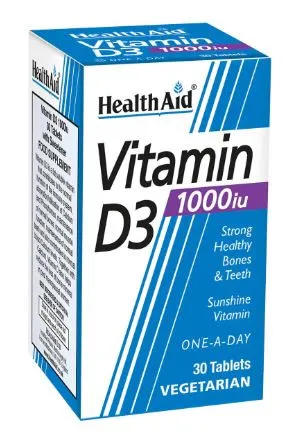

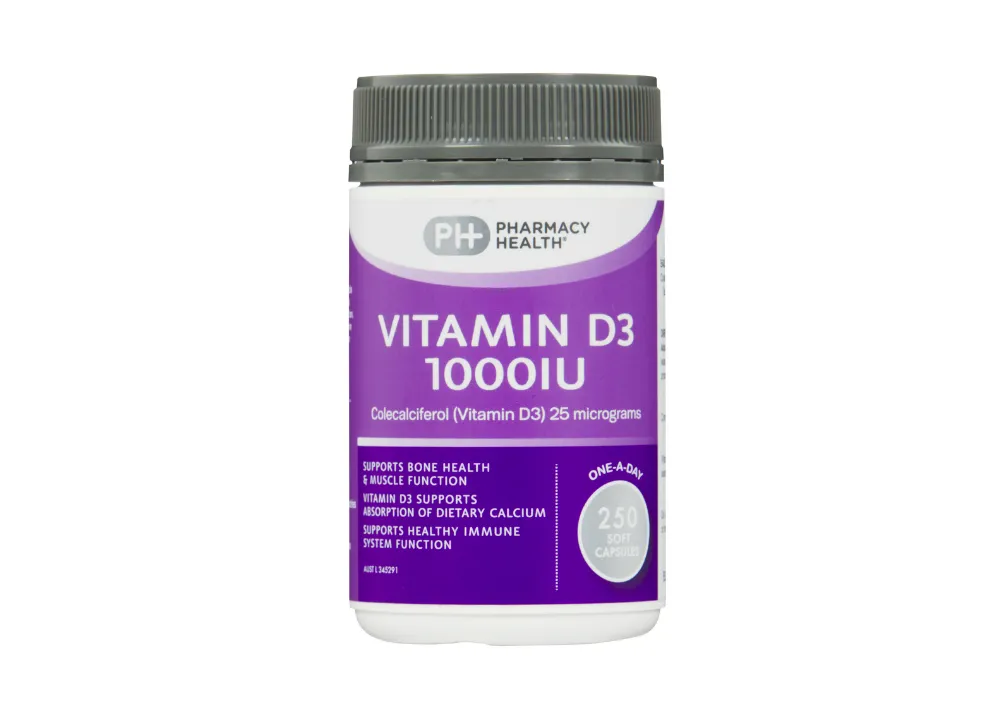
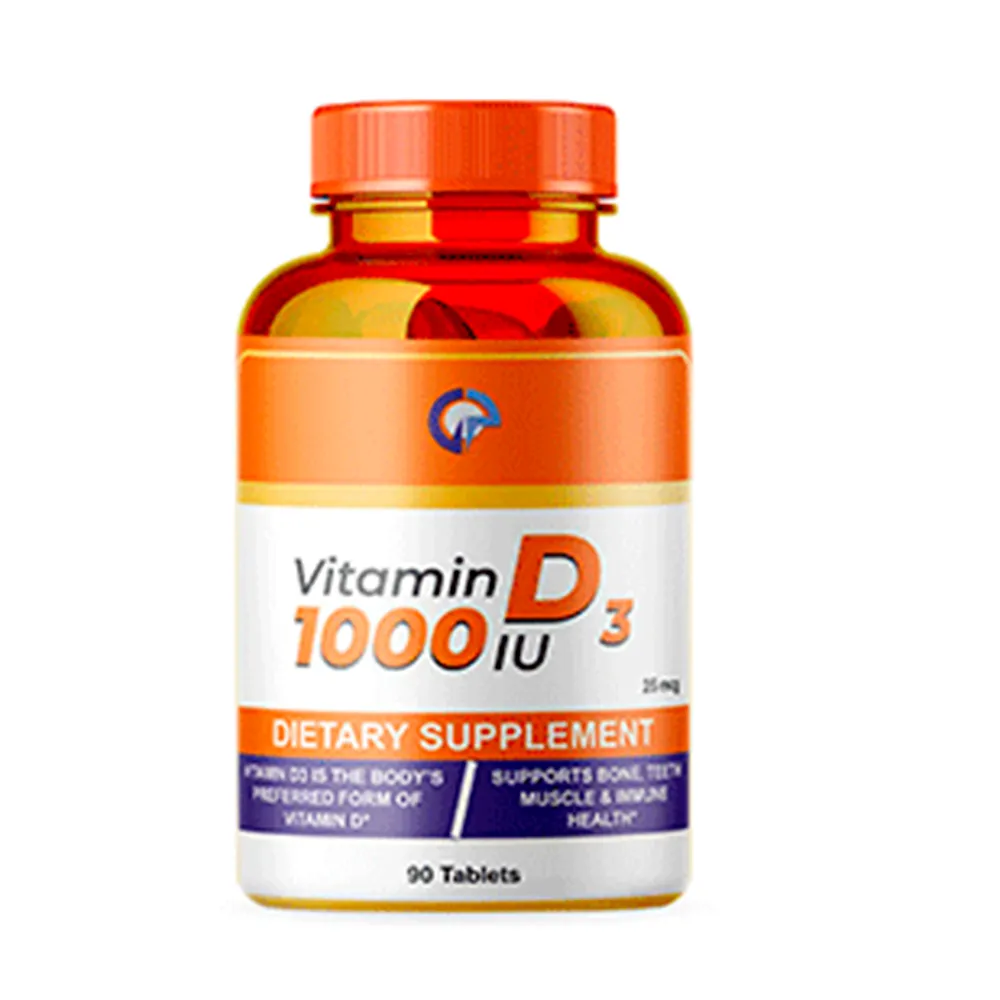
Bioheal D3 Tablet: An Exhaustive Medical SEO Guide to Cholecalciferol Supplementation
Welcome to this comprehensive medical guide dedicated to Bioheal D3 Tablet, a vital supplement containing Cholecalciferol (Vitamin D3). As an expert Medical SEO Copywriter and Orthopedic Specialist, our aim is to provide an authoritative, in-depth resource for patients, caregivers, and healthcare professionals alike, focusing on its critical role in maintaining optimal health, particularly bone integrity and immune function.
Vitamin D, often referred to as the "sunshine vitamin," is a fat-soluble vitamin essential for numerous physiological processes. While naturally synthesized in the skin upon exposure to ultraviolet B (UVB) sunlight, modern lifestyles, geographical factors, and dietary limitations often lead to widespread deficiency. Bioheal D3 Tablet serves as a crucial intervention to address this gap, ensuring adequate levels of this indispensable nutrient.
This guide will delve into the intricate science behind Bioheal D3, covering its mechanism of action, pharmacokinetics, detailed clinical indications, precise dosage guidelines, potential risks, and critical management strategies for adverse events. Our goal is to empower you with the knowledge to understand and utilize Bioheal D3 Tablet safely and effectively.
Deep Dive into Technical Specifications and Mechanisms
Bioheal D3 Tablet provides Cholecalciferol, the naturally occurring form of Vitamin D. Understanding its journey through the body and how it exerts its effects is fundamental to appreciating its therapeutic value.
What is Cholecalciferol (Vitamin D3)?
Cholecalciferol is a prohormone produced in the skin from 7-dehydrocholesterol upon exposure to UVB radiation. It can also be obtained from dietary sources (e.g., fatty fish, fortified foods) or supplements like Bioheal D3. Unlike ergocalciferol (Vitamin D2), cholecalciferol is considered more potent and effective in raising and maintaining serum 25-hydroxyvitamin D levels.
Pharmacokinetics: The Body's Journey with Bioheal D3
The pharmacokinetics of Bioheal D3 describe how the body absorbs, distributes, metabolizes, and excretes cholecalciferol.
- Absorption:
- Cholecalciferol is a fat-soluble vitamin. Upon oral administration, it is absorbed primarily in the small intestine, largely in the jejunum and ileum.
- Absorption is enhanced in the presence of dietary fat and bile salts, which form micelles essential for its uptake. This is why it's often recommended to take Bioheal D3 with a meal.
- After absorption, cholecalciferol enters the lymphatic system via chylomicrons.
- Distribution:
- From the lymphatic system, cholecalciferol enters the systemic circulation, where it binds to vitamin D-binding protein (DBP) and, to a lesser extent, albumin.
- It is then transported to the liver and other tissues, including adipose tissue, where it can be stored for later use.
- Metabolism:
- The liver is the primary site for the first hydroxylation step: Cholecalciferol is converted to 25-hydroxyvitamin D [25(OH)D], also known as calcifediol, by the enzyme 25-hydroxylase (CYP2R1, CYP27A1). Serum 25(OH)D is the main circulating form of vitamin D and the best indicator of vitamin D status.
- The kidneys are the primary site for the second hydroxylation step: 25(OH)D is further converted to its biologically active form, 1,25-dihydroxyvitamin D [1,25(OH)2D], also known as calcitriol, by the enzyme 1α-hydroxylase (CYP27B1). This step is tightly regulated by parathyroid hormone (PTH), calcium, and phosphate levels.
- Excretion:
- Vitamin D metabolites, primarily 1,25(OH)2D and 24,25(OH)2D, are excreted mainly in the bile and feces, with a smaller amount excreted in the urine. The half-life of 25(OH)D in circulation is approximately 2-3 weeks, while that of 1,25(OH)2D is much shorter, only a few hours.
Mechanism of Action: How Bioheal D3 Works
The active form, calcitriol (1,25(OH)2D), exerts its effects by binding to the vitamin D receptor (VDR), a nuclear receptor found in various tissues throughout the body.
- Calcium and Phosphate Homeostasis: This is the most well-known function.
- Intestinal Absorption: Calcitriol significantly enhances the absorption of calcium and phosphate from the small intestine, which is crucial for bone mineralization.
- Bone Remodeling: It works in conjunction with parathyroid hormone (PTH) to regulate calcium and phosphate levels. In low calcium states, calcitriol, along with PTH, stimulates osteoclasts to release calcium from bone, while also promoting bone formation in healthy states.
- Renal Reabsorption: Calcitriol promotes the reabsorption of calcium and phosphate by the kidneys, preventing their excessive loss in urine.
- Beyond Bone Health: The presence of VDRs in many non-skeletal tissues highlights vitamin D's pleiotropic effects.
- Immune System Modulation: Calcitriol modulates both innate and adaptive immune responses. It enhances the activity of macrophages, dendritic cells, and T cells, playing a role in fighting infections and potentially reducing the risk of autoimmune diseases.
- Muscle Function: Adequate vitamin D levels are associated with improved muscle strength and reduced risk of falls, particularly in the elderly.
- Cell Growth and Differentiation: Calcitriol influences cell proliferation, differentiation, and apoptosis, with potential implications in various cancers.
- Cardiovascular Health: Research suggests a role in blood pressure regulation and endothelial function.
- Mood Regulation: Emerging evidence links vitamin D deficiency to mood disorders, including depression.
Extensive Clinical Indications & Usage of Bioheal D3 Tablet
Bioheal D3 Tablet is indicated for a wide range of conditions related to vitamin D deficiency and its downstream effects. Its use is guided by clinical assessment and serum 25(OH)D levels.
Primary Indications:
- Prevention and Treatment of Vitamin D Deficiency: This is the most common indication. Deficiency is defined by serum 25(OH)D levels generally below 20 ng/mL (50 nmol/L), with insufficiency between 20-30 ng/mL (50-75 nmol/L).
- Osteoporosis: As an adjunct to other anti-osteoporosis therapies. Adequate vitamin D levels are crucial for calcium absorption and bone mineralization, reducing fracture risk.
- Osteomalacia and Rickets: These are bone-softening disorders caused by severe and prolonged vitamin D deficiency in adults and children, respectively. Bioheal D3 is essential for their treatment.
- Hypoparathyroidism: In conditions where the parathyroid glands produce insufficient PTH, calcitriol production is impaired. Bioheal D3 helps maintain calcium homeostasis.
Specific Populations and Secondary Indications:
- Elderly Individuals: Increased risk of deficiency due to reduced skin synthesis, decreased dietary intake, and impaired renal hydroxylation.
- Individuals with Malabsorption Syndromes: Conditions like Crohn's disease, celiac disease, cystic fibrosis, or bariatric surgery can impair fat absorption, thus reducing vitamin D uptake.
- Chronic Kidney Disease (CKD): Impaired renal 1α-hydroxylase activity leads to decreased calcitriol production. While often requiring active vitamin D analogs, Bioheal D3 can support overall vitamin D status.
- Individuals with Limited Sun Exposure: Those who are housebound, institutionalized, or consistently use high SPF sunscreen.
- Obesity: Adipose tissue sequesters vitamin D, leading to lower circulating levels. Higher doses may be required.
- Certain Medications: Long-term use of anticonvulsants, glucocorticoids, or antiretrovirals can affect vitamin D metabolism.
- Supportive Therapy for Immune System Health: Particularly during cold and flu season or in individuals with compromised immunity.
- Muscle Weakness and Myopathy: Improvement in muscle strength has been observed with vitamin D repletion.
Dosage Guidelines for Bioheal D3 Tablet
Dosage of Bioheal D3 is highly individualized, depending on the patient's age, serum 25(OH)D levels, clinical condition, and response to therapy. It is crucial to follow a healthcare professional's advice.
| Condition | Typical Adult Dosage (Cholecalciferol) | Frequency | Notes |
|---|---|---|---|
| Vitamin D Deficiency | 20,000 - 60,000 IU | Weekly | For 8-12 weeks, followed by maintenance. |
| 1,000 - 10,000 IU | Daily | Depending on severity and baseline levels. | |
| Vitamin D Maintenance | 800 - 2,000 IU | Daily | For general health in adults, higher for specific risks. |
| Osteoporosis (Adjunct) | 800 - 2,000 IU | Daily | Often combined with calcium supplementation. |
| Rickets/Osteomalacia | 2,000 - 5,000 IU | Daily | For several months, then maintenance, under medical supervision. |
| Children (Deficiency) | 1,000 - 2,000 IU | Daily | Doses vary significantly by age and weight. Consult pediatrician. |
Important Considerations:
* Administration: Bioheal D3 Tablet should ideally be taken with the largest meal of the day to maximize absorption, given its fat-soluble nature.
* Monitoring: Regular monitoring of serum 25(OH)D, serum calcium, and phosphate levels is essential, especially during initiation of high-dose therapy and in patients with underlying conditions.
* Target Levels: Most guidelines recommend achieving serum 25(OH)D levels of 30-60 ng/mL (75-150 nmol/L) for optimal health.
Risks, Side Effects, and Contraindications of Bioheal D3 Tablet
While Bioheal D3 Tablet is generally safe and well-tolerated when used appropriately, it is not without risks. Understanding potential adverse effects, contraindications, and drug interactions is paramount for safe use.
Contraindications:
Bioheal D3 Tablet is contraindicated in patients with:
* Hypercalcemia: Elevated levels of calcium in the blood, regardless of cause.
* Hypervitaminosis D: Excessively high levels of vitamin D, usually due to over-supplementation.
* Severe Renal Impairment with Hyperphosphatemia: In cases where phosphate levels are already high, vitamin D can worsen the condition.
* Hypersensitivity: Known allergy to cholecalciferol or any components of the tablet.
Warnings and Precautions:
- Renal Impairment: Patients with kidney disease may have impaired metabolism of vitamin D and require careful monitoring of calcium and phosphate levels. Active vitamin D analogs might be preferred in severe cases.
- Sarcoidosis and Other Granulomatous Diseases: These conditions can lead to increased extra-renal production of 1,25-dihydroxyvitamin D, increasing the risk of hypercalcemia even with normal doses of cholecalciferol.
- Atherosclerosis and History of Kidney Stones: High doses of vitamin D that lead to hypercalcemia can exacerbate these conditions.
- Cardiac Patients: Special caution is advised in patients on cardiac glycosides due to increased risk of arrhythmias if hypercalcemia develops.
Drug Interactions:
Several medications can interact with Bioheal D3, potentially altering its efficacy or increasing the risk of adverse effects.
| Drug Class | Interaction Mechanism | Clinical Effect |
|---|---|---|
| Thiazide Diuretics | Reduce urinary calcium excretion. | Increased risk of hypercalcemia. |
| Corticosteroids | Impair vitamin D metabolism and calcium absorption. | May require higher doses of Bioheal D3. |
| Anticonvulsants | (e.g., phenytoin, carbamazepine, barbiturates) Enhance hepatic metabolism of vitamin D. | May lead to vitamin D deficiency and require higher doses. |
| Cardiac Glycosides | (e.g., digoxin) | Hypercalcemia induced by vitamin D can potentiate digoxin toxicity, leading to arrhythmias. |
| Bile Acid Sequestrants | (e.g., cholestyramine, colestipol) Interfere with fat-soluble vitamin absorption. | Reduced absorption of Bioheal D3. Administer Bioheal D3 several hours apart. |
| Mineral Oil / Orlistat | Interfere with fat-soluble vitamin absorption. | Reduced absorption of Bioheal D3. |
| Phosphate Binders | (e.g., sevelamer, lanthanum) | May reduce phosphate absorption, which can be affected by vitamin D. |
Side Effects:
Side effects from Bioheal D3 are rare at recommended doses. They are primarily associated with hypervitaminosis D and subsequent hypercalcemia, which usually occurs with excessive intake.
Symptoms of Hypercalcemia (due to overdose):
* Early Symptoms: Nausea, vomiting, constipation, anorexia, thirst, polyuria (frequent urination), muscle weakness, fatigue, headache, metallic taste.
* Severe Symptoms: Renal dysfunction (nephrocalcinosis, kidney stones), cardiac arrhythmias, hypertension, confusion, coma.
Pregnancy and Lactation Warnings:
- Pregnancy: Vitamin D is essential during pregnancy for maternal and fetal bone health. Bioheal D3 can be used during pregnancy to prevent and treat vitamin D deficiency. However, excessive doses should be avoided as hypercalcemia in the mother can lead to adverse effects in the fetus, including supravalvular aortic stenosis and mental retardation. Dosing should be carefully monitored by a healthcare provider.
- Lactation: Cholecalciferol and its metabolites are excreted in breast milk. Bioheal D3 can be safely used by breastfeeding mothers at recommended doses to ensure adequate vitamin D levels for both mother and infant. High doses can lead to hypercalcemia in the infant. Monitoring of infant serum calcium is advisable if the mother is receiving very high doses.
Overdose Management:
Accidental or intentional overdose of Bioheal D3 can lead to hypervitaminosis D and hypercalcemia, which can be serious.
Symptoms of Overdose: (As listed under "Side Effects - Symptoms of Hypercalcemia")
Management:
1. Discontinuation: Immediately stop Bioheal D3 Tablet and any other calcium or vitamin D supplements.
2. Hydration: Encourage increased fluid intake to promote urinary calcium excretion. In severe cases, intravenous saline may be administered.
3. Dietary Restriction: Implement a low-calcium diet.
4. Medications:
* Loop Diuretics: (e.g., furosemide) may be used to increase urinary calcium excretion, but careful monitoring of fluid and electrolyte balance is crucial.
* Corticosteroids: (e.g., prednisone) can reduce intestinal calcium absorption and bone resorption, useful in severe hypercalcemia.
* Bisphosphonates: (e.g., pamidronate) can inhibit osteoclastic bone resorption and lower serum calcium, particularly in chronic hypercalcemia.
* Calcitonin: Can rapidly but transiently lower serum calcium levels.
5. Monitoring: Close monitoring of serum calcium, phosphate, magnesium, kidney function, and electrocardiogram (ECG) is essential until levels normalize.
Massive FAQ Section: Bioheal D3 Tablet
Here are at least 10 frequently asked questions about Bioheal D3 Tablet, providing practical answers for common concerns.
Q1: What is Bioheal D3 Tablet used for?
A1: Bioheal D3 Tablet is primarily used to prevent and treat vitamin D deficiency. This, in turn, helps maintain healthy bones, supports immune function, improves muscle strength, and plays a role in overall well-being. It is often prescribed for conditions like osteoporosis, osteomalacia, rickets, and in populations at high risk of deficiency.
Q2: How should I take Bioheal D3 Tablet for best absorption?
A2: Since vitamin D is fat-soluble, Bioheal D3 Tablet is best absorbed when taken with a meal containing some fat. The largest meal of the day is often recommended to maximize its uptake into the bloodstream.
Q3: How long does it take for Bioheal D3 to work?
A3: You won't feel immediate effects, as vitamin D works by gradually building up its levels in your body. Significant improvements in serum 25(OH)D levels are usually seen after 8-12 weeks of consistent supplementation, with bone and muscle benefits accruing over several months. Your doctor will monitor your blood levels to assess efficacy.
Q4: Can I take Bioheal D3 with other medications?
A4: Bioheal D3 can interact with certain medications, including some anticonvulsants, corticosteroids, bile acid sequestrants, and thiazide diuretics. It's crucial to inform your doctor or pharmacist about all medications, supplements, and herbal products you are currently taking to avoid potential interactions.
Q5: What happens if I miss a dose of Bioheal D3?
A5: If you miss a dose, take it as soon as you remember. However, if it's almost time for your next scheduled dose, skip the missed dose and resume your regular dosing schedule. Do not double the dose to make up for a missed one, as this could increase the risk of side effects.
Q6: What are the signs of too much vitamin D (hypervitaminosis D)?
A6: Symptoms of vitamin D overdose, primarily due to hypercalcemia, can include nausea, vomiting, constipation, excessive thirst, frequent urination, muscle weakness, fatigue, headache, and a metallic taste in the mouth. In severe cases, it can lead to kidney damage or heart problems. If you experience any of these symptoms, contact your doctor immediately.
Q7: Is Bioheal D3 safe during pregnancy and breastfeeding?
A7: Yes, Bioheal D3 is generally considered safe and important during pregnancy and breastfeeding at recommended doses to support maternal and infant health. However, high doses that lead to hypercalcemia should be avoided. Always consult your healthcare provider to determine the appropriate dosage during these periods.
Q8: Do I need to take calcium with Bioheal D3?
A8: Vitamin D is essential for the absorption of calcium. While Bioheal D3 helps your body absorb calcium from your diet, your doctor might recommend a calcium supplement if your dietary intake is insufficient or if you have specific conditions like osteoporosis. Always follow your doctor's advice regarding combined supplementation.
Q9: How often should my vitamin D levels be checked while taking Bioheal D3?
A9: The frequency of monitoring depends on your initial vitamin D status, the dosage of Bioheal D3, and any underlying health conditions. Typically, your doctor may check your serum 25(OH)D levels 2-3 months after initiating treatment to ensure they are within the target range and then periodically thereafter for maintenance.
Q10: Can Bioheal D3 help with mood or energy levels?
A10: While Bioheal D3 is not a direct treatment for mood disorders or fatigue, some studies suggest a link between vitamin D deficiency and symptoms of depression or low energy. Correcting a deficiency with Bioheal D3 may indirectly improve these symptoms in some individuals, particularly if the deficiency was contributing to them. However, it should not replace specific treatments for mental health conditions.
Q11: What's the difference between Vitamin D2 and Vitamin D3?
A11: Vitamin D2 (ergocalciferol) is plant-derived, while Vitamin D3 (cholecalciferol), found in Bioheal D3, is animal-derived and also produced in the human skin. Research indicates that Vitamin D3 is more effective at raising and maintaining serum 25(OH)D levels and has a longer half-life in the body, making it generally preferred for supplementation.
Q12: Can children take Bioheal D3 Tablet?
A12: Yes, children can take Bioheal D3, especially those with vitamin D deficiency or at risk of rickets. However, the dosage must be carefully determined by a pediatrician based on the child's age, weight, and specific needs. Self-medication in children is not recommended.
This exhaustive guide provides a robust overview of Bioheal D3 Tablet, aiming to be a definitive resource for anyone seeking comprehensive information on this crucial vitamin D supplement. Always remember to consult with a healthcare professional for personalized medical advice and treatment plans.