

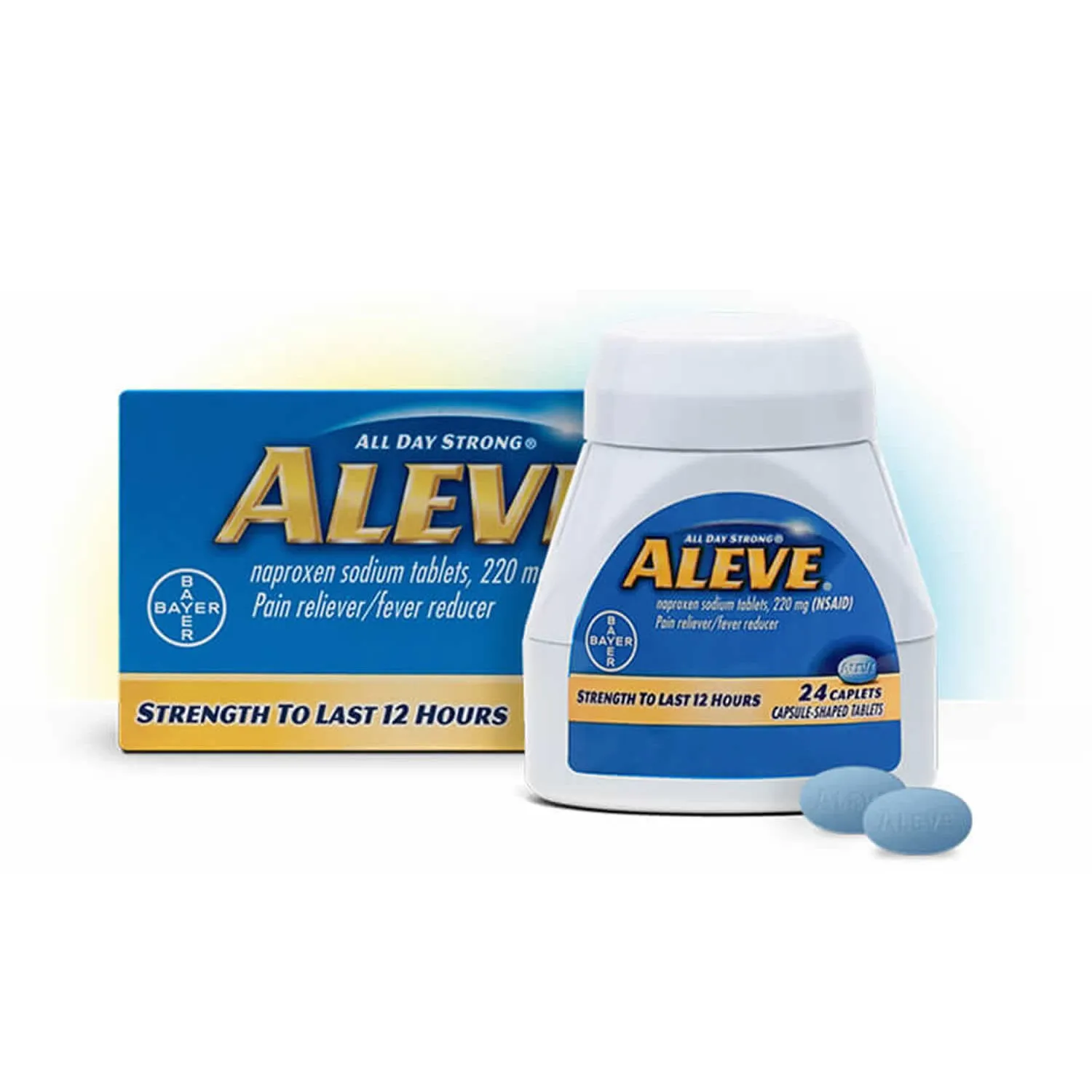

Introduction to Aleve (Naproxen Sodium): Your Expert Guide to Pain Relief
Welcome to this comprehensive medical SEO guide on Aleve, a widely recognized over-the-counter and prescription medication for managing pain and inflammation. As an expert medical SEO copywriter and orthopedic specialist, my aim is to provide you with an exhaustive, authoritative, and easy-to-understand resource on this crucial medication.
Aleve, generically known as naproxen sodium, belongs to a class of drugs called Nonsteroidal Anti-inflammatory Drugs (NSAIDs). It is renowned for its ability to provide long-lasting relief from various types of pain, inflammation, and fever. Unlike some other NSAIDs that require more frequent dosing, Aleve's prolonged action makes it a preferred choice for sustained symptom management.
This guide will delve deep into the scientific underpinnings of how Aleve works, its specific clinical applications, appropriate dosing strategies, potential risks, and critical considerations for safe and effective use. Our goal is to empower you with the knowledge needed to understand Aleve's role in your health journey, always emphasizing the importance of professional medical advice.
Understanding the Science: Mechanism of Action & Pharmacokinetics
To truly appreciate Aleve's therapeutic benefits, it's essential to understand its scientific foundation – how it interacts with your body and what happens to the drug once ingested.
Mechanism of Action: How Aleve Works
Aleve (naproxen sodium) exerts its therapeutic effects primarily by inhibiting the activity of specific enzymes known as cyclooxygenases (COX). There are two main isoforms of these enzymes:
- Cyclooxygenase-1 (COX-1): This enzyme is constitutively expressed (always present) in most tissues and plays a vital role in maintaining normal physiological functions. COX-1 produces prostaglandins that protect the stomach lining, regulate kidney blood flow, and support platelet aggregation (blood clotting).
- Cyclooxygenase-2 (COX-2): This enzyme is primarily induced (produced in response to stimuli) at sites of inflammation, injury, or infection. COX-2 produces prostaglandins that mediate pain, inflammation, and fever.
Naproxen, like most traditional NSAIDs, is a non-selective COX inhibitor, meaning it inhibits both COX-1 and COX-2 enzymes. By blocking these enzymes, naproxen reduces the synthesis of prostaglandins throughout the body.
The reduction in prostaglandin synthesis leads to:
* Analgesic effect: Decreased pain perception by inhibiting the sensitization of pain receptors.
* Anti-inflammatory effect: Reduced swelling, redness, and heat associated with inflammation.
* Antipyretic effect: Lowering of fever by acting on the hypothalamus in the brain.
The longer half-life of naproxen (approximately 12-17 hours) compared to other NSAIDs like ibuprofen (2-4 hours) is a key differentiator, allowing for less frequent dosing and sustained pain relief.
Pharmacokinetics: What Happens in Your Body
Pharmacokinetics describes the journey of a drug through the body – absorption, distribution, metabolism, and elimination (ADME).
- Absorption: When taken orally, naproxen sodium is rapidly and completely absorbed from the gastrointestinal tract. Peak plasma concentrations are typically achieved within 2-4 hours after ingestion. The sodium salt formulation (naproxen sodium, as in Aleve) is absorbed more quickly than naproxen base, leading to faster onset of action.
- Distribution: Naproxen is highly bound to plasma proteins, predominantly albumin, with binding exceeding 99%. This high protein binding means that only a small fraction of the drug is free and pharmacologically active. It readily penetrates synovial fluid (joint fluid), where it can achieve therapeutic concentrations, making it effective for arthritic conditions.
- Metabolism: The drug is extensively metabolized in the liver primarily by the CYP2C9 enzyme system. The main metabolic pathway involves demethylation to 6-O-desmethylnaproxen, followed by glucuronidation of both the parent compound and its desmethyl metabolite. These metabolites are inactive.
- Elimination: The vast majority (approximately 95%) of naproxen and its metabolites are excreted in the urine, mainly as inactive glucuronide conjugates. A small amount is excreted in the feces. The relatively long elimination half-life of 12-17 hours is responsible for its extended duration of action, allowing for twice-daily dosing in many cases. Renal function significantly impacts the elimination of naproxen, and dosage adjustments may be necessary in patients with impaired kidney function.
Extensive Clinical Indications & Usage: When to Use Aleve
Aleve is a versatile medication with a broad spectrum of indications, primarily focused on alleviating pain, reducing inflammation, and lowering fever. Its extended action makes it particularly useful for chronic conditions.
Orthopedic and Musculoskeletal Conditions
As an orthopedic specialist, I frequently recommend Aleve for a variety of conditions affecting joints, muscles, and connective tissues:
- Osteoarthritis: For the relief of signs and symptoms of osteoarthritis, including joint pain, stiffness, and inflammation.
- Rheumatoid Arthritis: To manage the pain, inflammation, and stiffness associated with rheumatoid arthritis.
- Ankylosing Spondylitis: For the symptomatic treatment of pain and inflammation in the spine.
- Juvenile Arthritis: Certain formulations and dosages may be used in children under medical supervision.
- Tendinitis: Inflammation of tendons, such as rotator cuff tendinitis or Achilles tendinitis.
- Bursitis: Inflammation of the bursae, fluid-filled sacs that cushion joints.
- Acute Gout: For the rapid relief of severe pain and inflammation during acute gout attacks.
- Sprains and Strains: To reduce pain and swelling from acute injuries to ligaments and muscles.
- Low Back Pain: Effective for acute and chronic non-specific low back pain.
Other Pain and Inflammatory Conditions
Beyond musculoskeletal issues, Aleve is also indicated for:
- Menstrual Cramps (Dysmenorrhea): Highly effective in reducing uterine cramping and associated pain.
- Headaches: Including tension headaches and as an abortive or prophylactic treatment for migraines.
- Dental Pain: Post-extraction pain or pain from other dental procedures.
- Post-operative Pain: Management of mild to moderate pain after surgical procedures.
- Fever Reduction: To lower elevated body temperature.
Dosage Guidelines: Achieving Optimal Therapeutic Effect
Proper dosing is crucial for maximizing Aleve's benefits while minimizing risks. Always follow your doctor's instructions or the package directions for over-the-counter use.
General Dosing Principles:
- Use the lowest effective dose for the shortest possible duration to achieve treatment goals.
- Take with food, milk, or antacids to reduce the risk of gastrointestinal upset.
- Do not crush, chew, or break extended-release tablets; swallow them whole.
Adult Dosing (Oral Tablets/Caplets - typically 220 mg or 500 mg strength):
| Condition | Initial Dose (Naproxen Sodium) | Subsequent Dosing (Naproxen Sodium) | Maximum Daily Dose (Naproxen Sodium) |
|---|---|---|---|
| Over-the-Counter (OTC) | 220 mg | 220 mg every 8-12 hours | 660 mg (3 tablets) in 24 hours |
| Rheumatoid Arthritis, Osteoarthritis, Ankylosing Spondylitis | 500 mg - 750 mg twice daily | 250 mg - 500 mg twice daily (or as directed) | 1500 mg (prescription strength) |
| Acute Gout | 750 mg, then 250 mg every 8 hours until attack subsides | 250 mg every 8 hours | 1250 mg on day 1, then 750 mg daily |
| Acute Pain, Dysmenorrhea, Tendinitis, Bursitis | 500 mg, then 250 mg every 6-8 hours as needed | 250 mg every 6-8 hours | 1250 mg on day 1, then 1000 mg daily |
Note: Prescription strengths (e.g., 250 mg, 375 mg, 500 mg naproxen base) differ slightly in mg from naproxen sodium (e.g., 220 mg naproxen sodium contains 200 mg naproxen base).
Pediatric Dosing:
- Use in children under 12 years of age (for OTC) or under 2 years (for prescription) should only be done under the strict guidance of a healthcare professional. Dosing is typically weight-based.
Geriatric Dosing:
- Elderly patients are at higher risk for adverse effects, particularly gastrointestinal bleeding and renal impairment. A lower initial dose and careful monitoring are often recommended.
Risks, Side Effects, and Contraindications: Navigating Safe Usage
While Aleve is highly effective, it's crucial to be aware of its potential risks and side effects. All NSAIDs carry certain warnings, and Aleve is no exception.
Common Side Effects (usually mild and transient)
- Gastrointestinal: Nausea, heartburn, indigestion (dyspepsia), abdominal pain, constipation, diarrhea.
- Central Nervous System (CNS): Headache, dizziness, drowsiness.
- Skin: Rash, itching.
- Other: Ringing in the ears (tinnitus), swelling (edema).
Serious Side Effects (require immediate medical attention)
- Gastrointestinal (Black Box Warning):
- GI Bleeding, Ulcers, and Perforation: Increased risk, especially with long-term use, higher doses, in the elderly, or those with a history of GI issues. Can occur without warning symptoms.
- Cardiovascular (Black Box Warning):
- Thrombotic Events: Increased risk of serious cardiovascular thrombotic events, including myocardial infarction (heart attack) and stroke, which can be fatal. This risk may increase with duration of use and in patients with pre-existing cardiovascular disease or risk factors.
- Heart Failure: Can cause new onset or worsening of congestive heart failure.
- Renal:
- Acute Kidney Injury: NSAIDs can impair renal blood flow, leading to acute kidney injury, especially in dehydrated patients or those with pre-existing renal disease, heart failure, or cirrhosis.
- Interstitial Nephritis, Papillary Necrosis: Rare but serious kidney damage.
- Hepatic:
- Liver Enzyme Elevation: Mild, transient increases in liver enzymes are common.
- Severe Hepatic Reactions: Rare but serious liver damage, including liver failure.
- Hypersensitivity Reactions:
- Anaphylaxis: Severe allergic reaction with difficulty breathing, hives, swelling of the face/throat.
- Angioedema: Swelling under the skin.
- Asthma Exacerbation: Can trigger asthma attacks in susceptible individuals (aspirin-induced asthma).
- Hematologic:
- Anemia: Due to occult or gross blood loss.
- Prolonged Bleeding Time: Impairs platelet aggregation.
- Skin Reactions:
- Stevens-Johnson Syndrome (SJS), Toxic Epidermal Necrolysis (TEN): Severe, life-threatening skin reactions.
Contraindications: When Aleve MUST NOT Be Used
Certain conditions absolutely preclude the use of Aleve due to significant risks:
- Known Hypersensitivity: To naproxen, aspirin, or any other NSAID, especially if it has caused asthma, urticaria (hives), or allergic-type reactions.
- Peri-operative Pain in Coronary Artery Bypass Graft (CABG) Surgery: NSAIDs increase the risk of myocardial infarction and stroke in this setting.
- Late Pregnancy (Third Trimester): Due to the risk of premature closure of the fetal ductus arteriosus and potential renal dysfunction in the fetus.
- Active Gastrointestinal Bleeding or Peptic Ulcer Disease: Increases the risk of severe hemorrhage.
- Severe Renal Impairment: Without significant dosage adjustment and close monitoring.
- Severe Hepatic Impairment: Increases the risk of adverse effects due to impaired drug metabolism.
- Severe Uncontrolled Heart Failure: Can worsen fluid retention and cardiovascular function.
Drug Interactions: Preventing Adverse Outcomes
Aleve can interact with numerous medications, potentially altering their effects or increasing the risk of adverse reactions. Always inform your healthcare provider about all medications, supplements, and herbal products you are taking.
| Interacting Drug Class | Potential Interaction | Clinical Implication |
|---|---|---|
| Anticoagulants (e.g., Warfarin, Heparin) | Increased risk of bleeding. | Close monitoring of INR/bleeding time; may require anticoagulant dose adjustment. |
| Antiplatelet Agents (e.g., Aspirin, Clopidogrel) | Increased risk of GI bleeding and other bleeding. | Avoid concomitant use; if essential, monitor closely. Aspirin for cardioprotection may be less effective. |
| Corticosteroids (e.g., Prednisone) | Increased risk of GI ulceration and bleeding. | Use with extreme caution; consider gastroprotective agents. |
| SSRIs/SNRIs | Increased risk of GI bleeding. | Monitor for signs of bleeding. |
| Diuretics (e.g., Furosemide, Thiazides) | Reduced diuretic and antihypertensive effects; potential for renal impairment. | Monitor blood pressure and renal function; adjust diuretic dose if needed. |
| ACE Inhibitors/ARBs | Reduced antihypertensive effect; increased risk of renal impairment (especially in elderly or dehydrated patients); increased hyperkalemia risk. | Monitor blood pressure, renal function, and serum potassium; avoid concomitant use if possible. |
| Lithium | Increased lithium plasma levels and potential toxicity. | Monitor lithium levels closely; adjust lithium dose. |
| **Methotrexate | Increased methotrexate toxicity (e.g., myelosuppression, nephrotoxicity). | Avoid concomitant use or monitor methotrexate levels closely. |
| Cyclosporine/Tacrolimus | Increased nephrotoxicity. | Monitor renal function closely. |
| Digoxin | Increased digoxin levels. | Monitor digoxin levels. |
| Alcohol | Increased risk of GI side effects, especially GI bleeding. | Avoid or limit alcohol consumption while taking Aleve. |
| Bisphosphonates | Increased risk of GI adverse events. | Use with caution. |
Pregnancy and Lactation Warnings
- Pregnancy:
- First and Second Trimesters: Use with caution and only if clearly needed, with the lowest effective dose for the shortest duration. Animal studies have shown adverse effects, and human data is limited.
- Third Trimester: Contraindicated. NSAID use during the third trimester can cause premature closure of the fetal ductus arteriosus, leading to pulmonary hypertension in the newborn. It can also cause fetal renal dysfunction, resulting in oligohydramnios (low amniotic fluid) and potentially renal failure.
- Lactation (Breastfeeding): Naproxen is excreted in breast milk in small amounts. While the American Academy of Pediatrics considers it usually compatible with breastfeeding, caution is advised, especially with long-term use or high doses. Potential effects on the infant are unknown, but theoretical risks include gastrointestinal irritation or bleeding. Consult a healthcare professional before breastfeeding while taking Aleve.
Overdose Management: What to Do in an Emergency
An overdose of Aleve can be serious and requires immediate medical attention.
-
Symptoms of Overdose:
- Drowsiness, lethargy, dizziness
- Nausea, vomiting, epigastric pain
- Gastrointestinal bleeding
- Disorientation
- Acute renal failure
- In rare cases, hypertension, respiratory depression, coma.
- Anaphylactoid reactions have been reported with therapeutic ingestion of NSAIDs and may occur following an overdose.
-
Management of Overdose:
- Immediate Medical Attention: Call emergency services (e.g., 911 in the US) or a poison control center immediately.
- Supportive Care: There is no specific antidote for naproxen overdose. Treatment is primarily supportive and symptomatic.
- Gastric Decontamination: If the overdose is recent (within 1 hour) and a large amount was ingested, activated charcoal may be administered to reduce absorption. Gastric lavage may be considered in severe cases.
- Monitor Vital Signs: Continuously monitor blood pressure, heart rate, respiratory rate, and oxygen saturation.
- Monitor Renal and Liver Function: Regular blood tests to assess kidney and liver function are crucial.
- Treat Symptoms: Administer antiemetics for nausea/vomiting, provide fluid resuscitation for dehydration, and manage any GI bleeding.
- Hemodialysis: Hemodialysis is generally not effective in removing naproxen due to its high protein binding.
Frequently Asked Questions (FAQ) About Aleve
Here are answers to common questions about Aleve, providing practical insights for users.
Q1: How quickly does Aleve start working?
A1: Aleve (naproxen sodium) typically starts to work within 30 to 60 minutes after ingestion, providing noticeable pain relief and anti-inflammatory effects.
Q2: How long do the effects of Aleve last?
A2: The effects of Aleve can last for up to 8 to 12 hours, thanks to its longer half-life compared to other NSAIDs like ibuprofen. This allows for less frequent dosing.
Q3: Is Aleve better than Ibuprofen for certain conditions?
A3: Both Aleve (naproxen) and ibuprofen are effective NSAIDs. Aleve's primary advantage is its longer duration of action, which can be beneficial for conditions requiring sustained pain relief, such as chronic arthritis or overnight pain. Ibuprofen may have a faster onset for acute pain but requires more frequent dosing. The "better" choice depends on individual needs and medical advice.
Q4: Can I take Aleve on an empty stomach?
A4: It is generally recommended to take Aleve with food, milk, or an antacid to minimize the risk of gastrointestinal upset, heartburn, and more serious side effects like stomach ulcers or bleeding.
Q5: What is the maximum number of Aleve pills I can take in a day?
A5: For over-the-counter (OTC) Aleve (220 mg naproxen sodium), the maximum recommended dose for adults is 3 tablets (660 mg) in a 24-hour period. For prescription strengths, the maximum daily dose can be higher (up to 1500 mg of naproxen base), but this must be strictly guided by a healthcare professional.
Q6: Can Aleve be taken with other pain relievers like Tylenol (acetaminophen)?
A6: Yes, Aleve (naproxen) can generally be taken with acetaminophen (Tylenol) as they work through different mechanisms and do not typically interact negatively. However, always consult your doctor or pharmacist before combining medications, especially if you have underlying health conditions. Do not take Aleve with other NSAIDs.
Q7: Is Aleve safe for long-term use?
A7: Long-term use of Aleve, like other NSAIDs, carries increased risks, particularly for gastrointestinal bleeding, cardiovascular events (heart attack, stroke), and kidney problems. It should be used for the shortest possible duration and at the lowest effective dose. Long-term use should always be under the supervision of a healthcare professional.
Q8: What are the signs of a serious stomach problem from Aleve?
A8: Serious stomach problems can include severe abdominal pain, black or tarry stools, vomiting blood or material that looks like coffee grounds, and persistent indigestion. If you experience any of these symptoms, seek immediate medical attention.
Q9: Can Aleve affect my blood pressure?
A9: Yes, Aleve and other NSAIDs can cause an increase in blood pressure and may interfere with the effectiveness of blood pressure medications. Patients with hypertension should monitor their blood pressure closely while taking Aleve and consult their doctor.
Q10: Is Aleve addictive?
A10: No, Aleve is not considered addictive. It does not produce euphoria or other effects that lead to physical or psychological dependence.
Q11: Can children take Aleve?
A11: Over-the-counter Aleve is generally not recommended for children under 12 years of age without consulting a doctor. Pediatric dosing for naproxen (often in liquid suspension) is available by prescription for certain conditions, and should only be administered under medical supervision.
Q12: What should I do if I miss a dose of Aleve?
A12: If you miss a dose, take it as soon as you remember. However, if it is almost time for your next dose, skip the missed dose and resume your regular dosing schedule. Do not double the dose to catch up.
Q13: Does Aleve thin your blood?
A13: Aleve can prolong bleeding time by inhibiting platelet aggregation, which is a mild "blood-thinning" effect. This is why it can increase the risk of bleeding, especially when taken with other blood thinners like warfarin or aspirin. It's not a primary anticoagulant like warfarin, but it does affect clotting.