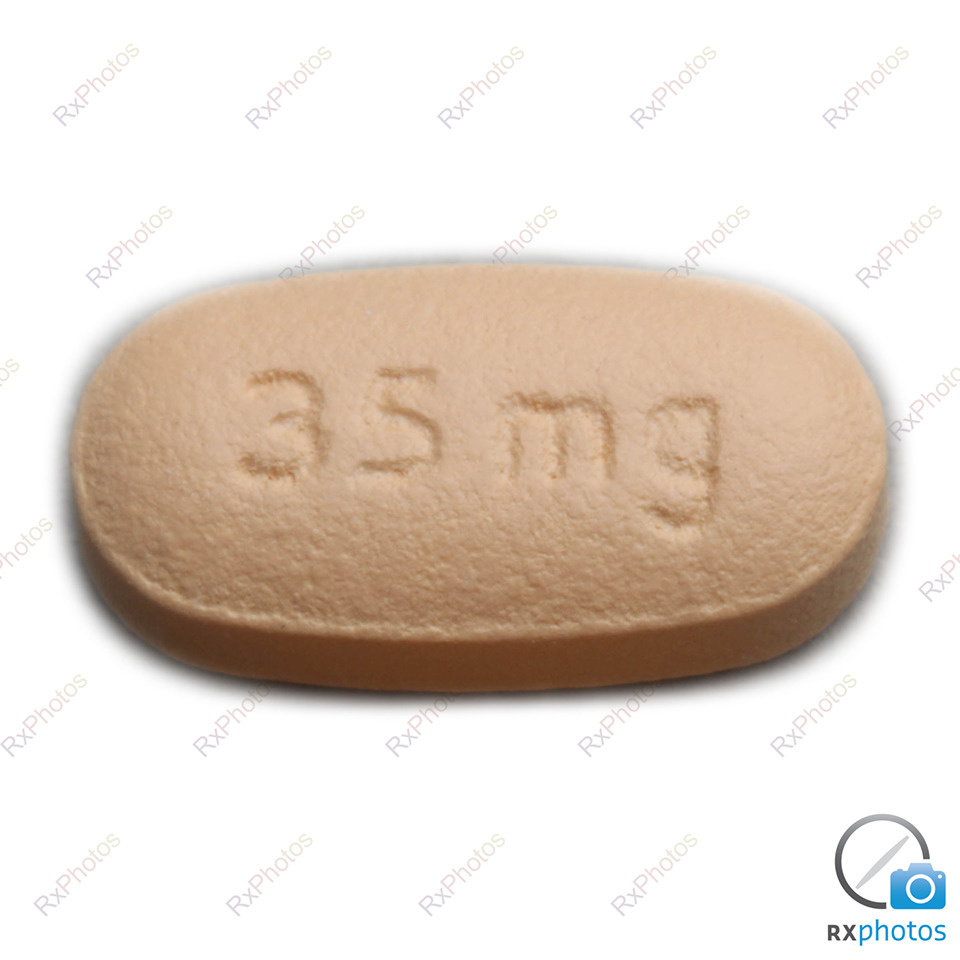
Actonel (Risedronate): A Comprehensive Medical SEO Guide to Bone Health
As an expert in orthopedic health and medical SEO copywriting, we understand the critical importance of clear, authoritative information regarding medications that impact bone integrity. Actonel, with its active ingredient Risedronate Sodium, stands as a cornerstone in the management and prevention of various bone-related conditions, most notably osteoporosis. This exhaustive guide provides an in-depth look at Actonel, designed for patients, caregivers, and healthcare professionals seeking comprehensive, evidence-based understanding.
Introduction to Actonel and Bone Health
Actonel (Risedronate Sodium) is a potent bisphosphonate medication widely prescribed to strengthen bones and reduce the risk of fractures. Bone health is a dynamic process involving continuous remodeling, where old bone tissue is removed (resorption) by osteoclasts and new bone tissue is formed (formation) by osteoblasts. In conditions like osteoporosis, this delicate balance is disrupted, leading to excessive bone loss and weakened skeletal structure. Actonel intervenes in this process, helping to restore balance and preserve bone mineral density (BMD).
This guide will delve into the intricate details of how Actonel works, its precise clinical applications, crucial dosage information, potential risks, and essential considerations for safe and effective use.
Deep Dive into Technical Specifications and Mechanisms
Understanding the science behind Actonel is key to appreciating its therapeutic value in orthopedic medicine.
What is Actonel (Risedronate)?
Actonel is the brand name for the generic drug Risedronate Sodium. It belongs to a class of medications known as bisphosphonates. These drugs are characterized by their high affinity for bone mineral and their ability to inhibit bone resorption.
- Chemical Name: Risedronate Sodium
- Drug Class: Bisphosphonate
- Formulations: Available as oral tablets in various strengths (e.g., 5 mg daily, 35 mg weekly, 150 mg monthly) to accommodate different dosing regimens.
Mechanism of Action (MOA)
Risedronate, like other bisphosphonates, exerts its therapeutic effect by specifically targeting and inhibiting the activity of osteoclasts, the cells responsible for breaking down bone tissue. The mechanism can be summarized as follows:
- Bone Affinity: Risedronate has a strong affinity for hydroxyapatite crystals, the mineral component of bone. After absorption, it rapidly localizes to sites of active bone remodeling, particularly areas undergoing resorption.
- Osteoclast Uptake: When osteoclasts begin to resorb bone that contains risedronate, the drug is internalized by these cells.
- Inhibition of Mevalonate Pathway: Inside the osteoclast, risedronate interferes with the mevalonate pathway, specifically inhibiting farnesyl pyrophosphate synthase (FPPS). This enzyme is crucial for the biosynthesis of isoprenoid lipids, which are essential for the post-translational modification (prenylation) of small GTPases (e.g., Ras, Rho, Rac).
- Osteoclast Apoptosis and Dysfunction: Inhibition of protein prenylation leads to a disruption of the osteoclast cytoskeleton, impaired cell function, and ultimately, programmed cell death (apoptosis) of the osteoclasts.
- Reduced Bone Resorption: By reducing the number and activity of osteoclasts, risedronate effectively slows down the rate of bone resorption, allowing osteoblasts (bone-forming cells) to catch up and maintain or even increase bone mineral density. This action helps to improve bone strength and significantly reduce the risk of osteoporotic fractures.
Pharmacokinetics
The pharmacokinetics of risedronate are critical for understanding its administration and efficacy.
- Absorption:
- Oral bioavailability is low (approximately 0.63% to 0.75%) when taken on an empty stomach.
- Food, beverages (other than plain water), and certain medications (e.g., calcium supplements, antacids) significantly impair absorption.
- Peak plasma concentrations are typically achieved within approximately 1 hour.
- Distribution:
- Approximately 24% of the absorbed dose is bound to plasma proteins.
- Risedronate rapidly distributes to bone, where it has a high affinity for hydroxyapatite and is incorporated into the bone matrix.
- There is no evidence of metabolism in animals or humans.
- Metabolism:
- Risedronate is not metabolized in the liver. It is excreted unchanged.
- Excretion:
- Approximately half of the absorbed dose is excreted unchanged in the urine within 24 hours.
- The unabsorbed portion is eliminated in the feces.
- Due to its strong binding to bone, risedronate has a prolonged terminal elimination half-life estimated to be several hundred hours, reflecting its slow release from the bone matrix.
Extensive Clinical Indications & Usage
Actonel is approved for several important bone conditions, with specific dosing regimens tailored to each indication.
Approved Indications
Actonel is primarily indicated for the treatment and prevention of osteoporosis and for the treatment of Paget's disease of bone.
- Postmenopausal Osteoporosis:
- Prevention: For women at risk of developing osteoporosis.
- Treatment: For women diagnosed with osteoporosis to increase bone mineral density and reduce the incidence of vertebral and non-vertebral fractures.
- Osteoporosis in Men:
- Treatment: To increase bone mineral density and reduce the incidence of vertebral fractures in men with osteoporosis.
- Glucocorticoid-Induced Osteoporosis:
- Prevention and Treatment: For men and women who are initiating or continuing systemic glucocorticoid treatment (e.g., prednisone) in a daily dosage equivalent to 7.5 mg or greater and who are expected to remain on glucocorticoids for at least 6 months.
- Paget's Disease of Bone:
- Treatment: For patients with Paget's disease of bone characterized by elevated serum alkaline phosphatase or symptomatic disease. Risedronate normalizes bone turnover in these patients.
Dosage Guidelines
Adherence to specific administration instructions is crucial for maximizing Actonel's absorption and minimizing potential side effects, particularly gastrointestinal irritation.
General Administration Instructions:
- Timing: Take Actonel at least 30-60 minutes before the first food or drink (other than plain water) of the day, or any other oral medication or supplement.
- Water: Take with a full glass (6-8 oz or 180-240 mL) of plain water. Do not use mineral water, coffee, tea, juice, or milk.
- Position: Remain in an upright position (sitting or standing) for at least 30-60 minutes after taking the tablet to prevent esophageal irritation. Do not lie down.
- Swallow Whole: Swallow the tablet whole. Do not chew, crush, or suck on the tablet, as this can lead to oropharyngeal ulceration.
- Avoid Other Medications: Wait at least 30-60 minutes before taking any other oral medications, including antacids, calcium, or vitamin supplements.
Specific Dosing Regimens:
| Indication | Dosing Regimen |
|---|---|
| Postmenopausal Osteoporosis (Treatment) | 5 mg orally once daily |
| 35 mg orally once a week | |
| 150 mg orally once a month | |
| Postmenopausal Osteoporosis (Prevention) | 5 mg orally once daily |
| 35 mg orally once a week | |
| 150 mg orally once a month | |
| Osteoporosis in Men (Treatment) | 35 mg orally once a week |
| Glucocorticoid-Induced Osteoporosis | 5 mg orally once daily |
| Paget's Disease of Bone | 30 mg orally once daily for 2 months. Re-treatment may be considered after a 2-month post-treatment observation period. |
Special Populations:
- Renal Impairment: Actonel is contraindicated in patients with severe renal impairment (creatinine clearance < 30 mL/min). No dose adjustment is necessary for patients with mild to moderate renal impairment (creatinine clearance ≥ 30 mL/min).
- Hepatic Impairment: No dose adjustment is considered necessary for patients with hepatic impairment.
- Geriatric Patients: No dosage adjustment is required based on age; however, renal function should be monitored.
Missed Dose:
- Daily Dosing: If a daily dose is missed, take one tablet the next morning. Do not take two tablets on the same day. Resume regular daily dosing.
- Weekly Dosing: If a weekly dose is missed, take one tablet on the morning after it is remembered. Do not take two tablets on the same day. Resume regular weekly dosing on the originally scheduled day.
- Monthly Dosing: If a monthly dose is missed and the next scheduled dose is more than 7 days away, take one tablet the next morning. If the next scheduled dose is within 7 days, skip the missed dose and resume the regular dosing schedule. Do not take two tablets in the same week.
Duration of Therapy:
The optimal duration of bisphosphonate treatment, including Actonel, is an area of ongoing research. Many clinicians consider a "drug holiday" after 3-5 years of treatment for patients at low to moderate fracture risk. High-risk patients may continue therapy for longer. Decisions regarding treatment duration should be individualized based on fracture risk assessment, patient tolerance, and shared decision-making with a healthcare provider.
Risks, Side Effects, and Contraindications
While Actonel is generally well-tolerated, it is associated with specific risks and side effects that patients and prescribers must be aware of.
Contraindications
Actonel should not be used in patients with:
- Hypersensitivity: Known hypersensitivity to risedronate or any component of the formulation.
- Hypocalcemia: Pre-existing hypocalcemia must be corrected before initiating Actonel therapy.
- Inability to Sit or Stand Upright: Patients who are unable to sit or stand upright for at least 30-60 minutes after taking the tablet due to increased risk of esophageal adverse events.
- Esophageal Abnormalities: Patients with abnormalities of the esophagus that delay esophageal emptying, such as stricture or achalasia.
- Severe Renal Impairment: Creatinine clearance < 30 mL/min.
Potential Side Effects
Most side effects are mild and transient. However, some serious, albeit rare, adverse events can occur.
Common Side Effects (affecting >1% of patients):
- Gastrointestinal (GI) System:
- Nausea
- Dyspepsia (indigestion)
- Abdominal pain
- Diarrhea
- Constipation
- Flatulence
- Musculoskeletal System:
- Musculoskeletal pain (e.g., joint pain, back pain, muscle pain)
- Nervous System:
- Headache
- Other:
- Flu-like symptoms
Serious/Rare Side Effects (require immediate medical attention):
- Esophageal Irritation/Ulceration:
- Symptoms: Dysphagia (difficulty swallowing), odynophagia (painful swallowing), retrosternal pain, new or worsening heartburn.
- Risk is increased with improper administration (e.g., lying down too soon, not enough water).
- Osteonecrosis of the Jaw (ONJ):
- A rare but serious condition involving jawbone death, typically after dental procedures.
- Risk factors: Cancer, concomitant therapies (chemotherapy, corticosteroids, anti-angiogenic drugs), poor oral hygiene, pre-existing dental disease, invasive dental procedures (e.g., extractions).
- Symptoms: Jaw pain, swelling, numbness, heavy sensation, loosening of a tooth, exposed bone.
- Prevention: A thorough dental exam and appropriate preventive dentistry should be performed before initiating Actonel, especially in patients with risk factors. Invasive dental procedures should be avoided during treatment if possible.
- Atypical Femur Fractures (AFF):
- Rare stress fractures that occur in the subtrochanteric region or femoral shaft.
- Symptoms: New or unusual pain in the hip, groin, or thigh, often preceding a complete fracture.
- Patients experiencing such pain should be evaluated for a potential AFF.
- Hypocalcemia:
- Although Actonel can correct hypocalcemia, it can also exacerbate it if not corrected prior to therapy.
- Symptoms: Muscle cramps, spasms, numbness/tingling.
- Ocular Inflammation:
- Rarely, cases of uveitis, scleritis, or episcleritis have been reported.
- Symptoms: Eye pain, redness, blurred vision.
- Allergic Reactions:
- Rash, itching, swelling (especially of the face/tongue/throat), severe dizziness, trouble breathing.
Drug Interactions
Actonel can interact with several other medications, affecting its absorption or increasing the risk of adverse events.
- Calcium Supplements, Antacids, Mineral Supplements: These products contain polyvalent cations (e.g., calcium, magnesium, aluminum, iron) which can bind to risedronate and significantly interfere with its absorption, rendering it ineffective.
- Management: Administer Actonel at least 30-60 minutes before any of these products.
- Aspirin/NSAIDs: Concurrent use with NSAIDs (Non-Steroidal Anti-Inflammatory Drugs) may increase the risk of upper gastrointestinal adverse effects.
- H2 Blockers and Proton Pump Inhibitors (PPIs): While the clinical significance is debated, some studies suggest that these acid-reducing medications might slightly alter risedronate absorption due to changes in gastric pH.
- Other Bisphosphonates: Concurrent use of other bisphosphonates is not recommended.
Warnings and Precautions
- Pre-existing Hypocalcemia: Must be corrected before initiating Actonel. Adequate intake of calcium and vitamin D is essential for all patients.
- Upper GI Irritation: Use with caution in patients with active upper GI problems (e.g., dysphagia, esophageal disease, gastritis, duodenitis, ulcers).
- Renal Function: Periodically monitor renal function, especially in elderly patients or those with risk factors for renal impairment.
- Dental Health: A comprehensive dental examination with appropriate preventive dentistry is recommended before starting Actonel, especially for patients with risk factors for ONJ.
- Musculoskeletal Pain: Severe and occasionally incapacitating bone, joint, and/or muscle pain has been reported. Discontinue Actonel if severe symptoms develop.
Pregnancy and Lactation Warnings
- Pregnancy Category C: There are no adequate and well-controlled studies of Actonel in pregnant women. Animal studies have shown adverse effects on fetal development. Actonel should be used during pregnancy only if the potential benefit justifies the potential risk to the fetus. It is generally not recommended.
- Lactation: It is unknown whether risedronate is excreted in human milk. Because many drugs are excreted in human milk and because of the potential for serious adverse reactions in nursing infants from bisphosphonates, a decision should be made whether to discontinue nursing or to discontinue the drug, taking into account the importance of the drug to the mother. Generally, Actonel is not recommended during breastfeeding.
Overdose Management
Acute overdose with Actonel is rare but can lead to specific symptoms and requires prompt medical attention.
- Symptoms of Overdose:
- Hypocalcemia (e.g., muscle cramps, spasms, numbness/tingling around the mouth).
- Hypophosphatemia.
- Upper gastrointestinal adverse events (e.g., dyspepsia, heartburn, esophagitis, gastritis, ulcer).
- Management:
- Immediate Action: Administer milk or antacids containing calcium, magnesium, or aluminum to bind risedronate and reduce its absorption.
- Induce Vomiting: Do not induce vomiting, as this may exacerbate esophageal irritation.
- Medical Attention: Seek immediate medical evaluation. Monitor serum calcium and phosphorus levels. Supportive measures should be initiated as clinically indicated.
Massive FAQ Section
Here are answers to frequently asked questions about Actonel, providing practical insights for patients and caregivers.
Q1: How long does Actonel take to work?
A1: Actonel starts working immediately by binding to bone and inhibiting osteoclast activity. However, significant improvements in bone mineral density and a measurable reduction in fracture risk typically become apparent after 6-12 months of consistent treatment. Bone density scans (DEXA scans) are usually performed after one year to assess treatment efficacy.
Q2: What happens if I miss a dose of Actonel?
A2: It depends on your dosing schedule:
* Daily: Take it the next morning. Do not take two on the same day.
* Weekly: Take it the morning you remember. Do not take two in the same week. Resume your regular schedule the following week.
* Monthly: If more than 7 days until your next scheduled dose, take it the morning you remember. If less than 7 days, skip it and wait for your next scheduled dose. Do not take two tablets in the same week.
Q3: Can I take Actonel with other medications?
A3: You must be very careful. Calcium supplements, antacids, and mineral supplements (iron, magnesium) will significantly reduce Actonel's absorption. Always take Actonel at least 30-60 minutes before any other oral medications or supplements. Discuss all your current medications with your doctor or pharmacist to avoid potential interactions.
Q4: What are the most important instructions for taking Actonel?
A4:
1. Take with a full glass of plain water (no coffee, juice, milk).
2. Take at least 30-60 minutes before your first food, drink, or other medication of the day.
3. Remain upright (sitting or standing) for at least 30-60 minutes after taking it.
4. Swallow the tablet whole; do not chew, crush, or suck.
Q5: Is Actonel a cure for osteoporosis?
A5: No, Actonel is not a cure for osteoporosis. It is a treatment that helps manage the condition by slowing down bone loss, increasing bone mineral density, and significantly reducing the risk of fractures. Long-term management and adherence to treatment are crucial for maintaining bone health.
Q6: What foods should I avoid while taking Actonel?
A6: You should avoid all foods and beverages (other than plain water) for at least 30-60 minutes after taking Actonel. This includes coffee, tea, milk, juice, and any solid food. After the waiting period, you can eat and drink normally.
Q7: Can Actonel cause jaw problems (Osteonecrosis of the Jaw)?
A7: Yes, Osteonecrosis of the Jaw (ONJ) is a rare but serious side effect reported with bisphosphonates like Actonel. It involves the death of jawbone tissue, often triggered by dental procedures. Inform your dentist that you are taking Actonel before any dental work. Good oral hygiene is also very important.
Q8: How often do I need bone density tests while on Actonel?
A8: Typically, your doctor will recommend a bone mineral density (BMD) test (DEXA scan) every 1 to 2 years to monitor your response to Actonel and assess changes in your bone density.
Q9: Are there alternatives to Actonel for osteoporosis?
A9: Yes, there are several other treatment options for osteoporosis, including other bisphosphonates (e.g., alendronate, zoledronic acid), selective estrogen receptor modulators (SERMs like raloxifene), parathyroid hormone analogs (e.g., teriparatide, abaloparatide), and RANK ligand inhibitors (e.g., denosumab). Your doctor will determine the most appropriate treatment based on your individual health profile and fracture risk.
Q10: Can men take Actonel?
A10: Yes, Actonel is approved for the treatment of osteoporosis in men to increase bone mineral density and reduce the incidence of vertebral fractures.
Q11: What is a "drug holiday" for Actonel?
A11: A "drug holiday" refers to a temporary discontinuation of bisphosphonate therapy after a certain period (e.g., 3-5 years) in patients at low to moderate risk of fracture. This is done to potentially reduce the risk of rare side effects like atypical femur fractures or ONJ, while still benefiting from the drug's residual effects in the bone. The decision for a drug holiday is complex and must be made in consultation with your healthcare provider.
Q12: Does Actonel cause leg pain?
A12: Musculoskeletal pain, including pain in the legs, joints, or back, is a reported side effect of Actonel. While often mild, severe and incapacitating pain can occur. If you experience new or worsening leg pain, especially in the thigh or groin, it's important to report it to your doctor, as it could be a sign of an atypical femur fracture, a rare but serious side effect.