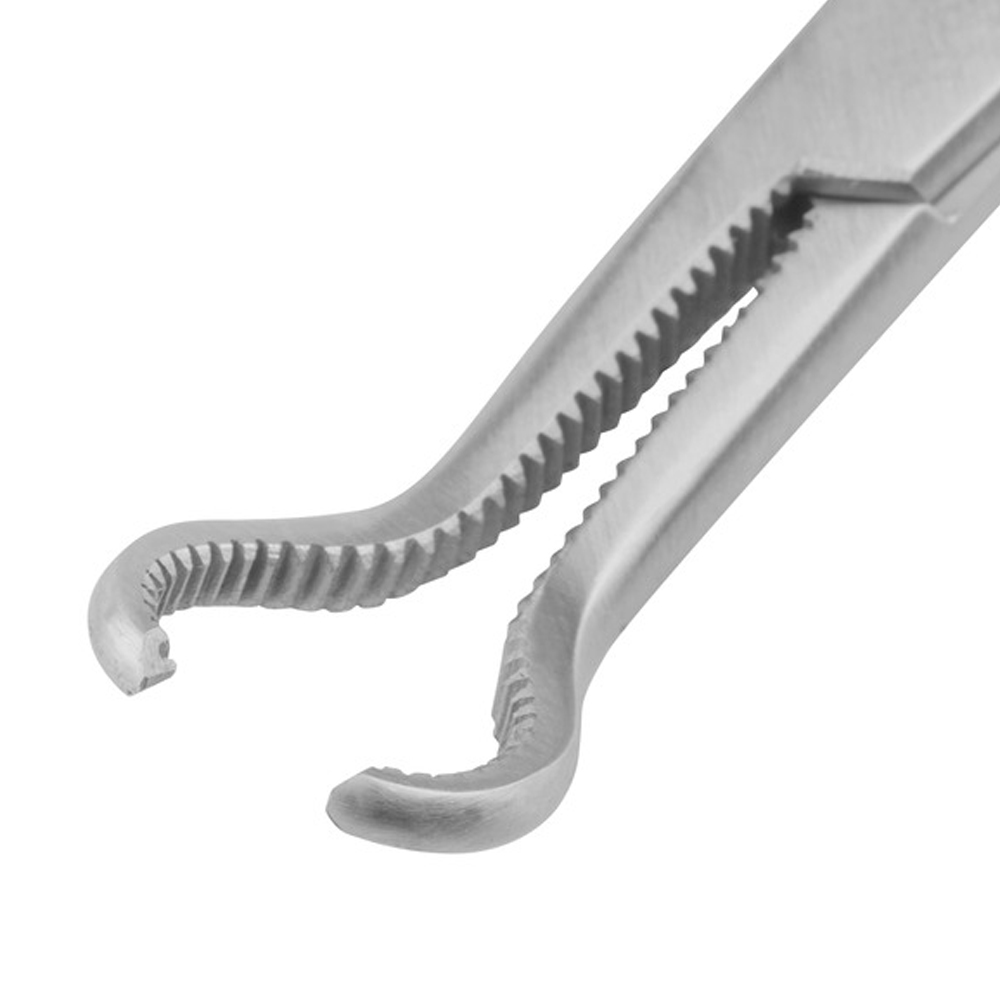
Jeweler's Micro-Forceps: The Pinnacle of Precision in Orthopedic Microsurgery
1. Comprehensive Introduction & Overview
In the intricate world of orthopedic surgery, where precision often dictates the success of a procedure and the quality of a patient's recovery, instruments of unparalleled delicacy and accuracy are paramount. Among these, the "Jeweler's Micro-Forceps" stand out as a testament to engineering excellence, offering surgeons the ability to manipulate the most minute tissues and structures with extraordinary control.
The moniker "Jeweler's" is not merely descriptive but evocative, drawing a direct parallel to the meticulous work performed by jewelers handling delicate gems and intricate mechanisms. In a surgical context, these micro-forceps are designed for the equally delicate tasks of microsurgery, particularly within orthopedics. They are indispensable for procedures involving fine nerves, tiny blood vessels, delicate tendons, and minuscule bone fragments, where even a fraction of a millimeter can mean the difference between restoration of function and permanent impairment.
The advent and continuous refinement of Jeweler's Micro-Forceps have revolutionized various surgical subspecialties, enabling procedures that were once considered impossible or fraught with unacceptable risks. Their slender profile, exquisite balance, and ultra-fine tips empower surgeons to perform intricate dissections, precise tissue grasping, and accurate suture placement under high magnification. This capability directly translates into less tissue trauma, reduced post-operative pain, faster healing, and ultimately, significantly improved patient outcomes. This guide will delve deep into every facet of these critical instruments, from their sophisticated design to their rigorous maintenance, highlighting their profound impact on modern orthopedic practice.
2. Deep-Dive into Technical Specifications & Mechanisms
The seemingly simple design of Jeweler's Micro-Forceps belies the complex engineering and material science that goes into their creation. Every aspect is meticulously considered to ensure maximum precision, durability, and ergonomic efficiency.
2.1. Design & Configuration
- Overall Form: Characterized by an elongated, slender body that tapers to an exceptionally fine tip. This design allows access to deep, confined surgical fields without obstructing the surgeon's view.
- Tip Configurations: This is perhaps the most critical element, with variations tailored for specific tasks:
- Straight Tips: Most common, ideal for general grasping and manipulation in direct lines.
- Angled Tips (45°, 90°): Facilitate access around corners or beneath structures, crucial in nerve or vessel dissection.
- Curved Tips: Useful for retracting tissue or reaching around delicate structures without direct contact.
- Toothed/Serrated Tips: Provide enhanced grip for fibrous tissue, bone fragments, or when a secure hold is paramount. The teeth are incredibly fine, often referred to as "micro-teeth."
- Smooth/Plain Tips: Preferred for handling fragile tissues like nerves or vessels to minimize trauma.
- Tying Platforms: Some variations incorporate a small, flat platform near the tips, designed to aid in knot tying for micro-sutures.
- Shaft: The shaft is typically thin but rigid enough to prevent flexing during use, ensuring that the force applied at the handle is accurately transmitted to the tips. Lengths vary significantly (e.g., 10 cm to 20 cm) to accommodate different surgical depths.
- Handles:
- Spring-Loaded (Self-Opening): Most Jeweler's Micro-Forceps feature a delicate spring mechanism that keeps the tips open, requiring the surgeon to apply gentle pressure to close them. This reduces hand fatigue and enhances fine motor control.
- Non-Locking: These instruments are designed for temporary grasping and release, not for sustained clamping.
- Ergonomic Finger Grips: Often textured or contoured to provide a secure, comfortable grip, allowing for precise control with minimal effort.
- Balanced Weight Distribution: Engineered to feel like an extension of the surgeon's hand, minimizing tremor and maximizing dexterity.
2.2. Materials & Construction
The choice of materials is crucial for performance, longevity, and biocompatibility.
- High-Grade Surgical Stainless Steel:
- Types: Typically medical-grade alloys like 316L or 420 series stainless steel.
- Properties: Excellent corrosion resistance, high tensile strength, and good machinability. It allows for the creation of extremely fine tips while maintaining structural integrity.
- Finish: Often treated with a satin or matte finish to reduce glare under the intense illumination of a surgical microscope, preventing eye strain.
- Titanium:
- Properties: Lighter weight than stainless steel, non-magnetic, superior corrosion resistance, and excellent biocompatibility. Its reduced weight can further minimize hand fatigue during prolonged microsurgical procedures.
- Cost: Generally more expensive than stainless steel.
- Tungsten Carbide (TC) Inserts:
- Application: Often integrated into the working tips of micro-forceps.
- Properties: Extremely hard and wear-resistant. TC tips maintain their sharpness and grip effectiveness significantly longer than plain stainless steel, especially for toothed forceps. This prolongs the instrument's lifespan and ensures consistent performance.
- Manufacturing Process: Involves precision machining, laser welding, and hand finishing by skilled artisans to achieve the necessary refinement and alignment of the tips.
2.3. Biomechanics
The biomechanical principles governing Jeweler's Micro-Forceps are centered on maximizing control and minimizing trauma.
- Leverage and Force Transmission: The instrument acts as a delicate lever. The long, slender shaft allows for the precise transmission of minimal force from the surgeon's fingers to the ultra-fine tips. This enables controlled manipulation of fragile tissues without crushing or tearing.
- Tactile Feedback: The design prioritizes exceptional tactile feedback. Surgeons can "feel" the tissue they are grasping or dissecting, allowing for nuanced adjustments in pressure and movement. This sensory feedback is critical in avoiding inadvertent damage to delicate structures.
- Ergonomics and Fatigue Reduction: The lightweight, balanced design, combined with the spring-loaded action, significantly reduces the muscular effort required to operate the instrument. This minimizes surgeon fatigue, especially during lengthy and complex microsurgical cases, thereby enhancing precision and reducing the risk of tremor.
- Minimizing Tissue Trauma: The finely ground, perfectly aligned tips, whether smooth or micro-serrated, are designed to engage tissues with minimal surface area contact, distributing pressure effectively and reducing the risk of crush injury or tearing.
3. Extensive Clinical Indications & Usage
Jeweler's Micro-Forceps are indispensable tools across a broad spectrum of surgical disciplines, particularly finding their critical role in orthopedic microsurgery where intricate detail and delicate tissue handling are paramount.
3.1. General Microsurgery Applications
While this guide focuses on orthopedics, it's important to note their foundational role in:
- Vascular Anastomosis: Reconnecting tiny blood vessels (arteries and veins) with sutures as fine as 8-0 to 12-0.
- Nerve Repair: Coapting nerve endings (neurorrhaphy) and manipulating nerve fascicles.
- Lymphatic Surgery: Repairing minute lymphatic vessels.
3.2. Orthopedic Specifics: Detailed Surgical Applications
The precision offered by Jeweler's Micro-Forceps is invaluable in numerous orthopedic procedures:
- Hand & Wrist Surgery:
- Tendon Repair and Reconstruction: Grasping and manipulating delicate tendon ends (e.g., flexor tendon repairs in zones 1 and 2), passing micro-sutures through tendon substance.
- Nerve Decompression and Repair: Meticulous dissection around peripheral nerves (e.g., median nerve in carpal tunnel release, ulnar nerve transposition), freeing entrapped nerves, or performing nerve grafts.
- Vascularized Bone Grafts: Handling the tiny vessels attached to bone grafts, crucial for their survival and integration.
- Small Joint Arthroplasty: Manipulating joint capsules and ligaments in finger or wrist joint replacements.
- Fracture Fixation: Holding tiny bone fragments or guiding miniature screws/plates in complex hand and wrist fractures.
- Foot & Ankle Surgery:
- Similar to hand surgery, these forceps are used for delicate tendon repairs (e.g., posterior tibial tendon, Achilles tendon micro-repairs), nerve decompressions (e.g., tarsal tunnel syndrome), and manipulation of small bones and joints.
- Metatarsal Osteotomies: Precise manipulation of bone fragments during corrective foot surgeries.
- Spine Surgery (Microdiscectomy, Laminectomy, Fusion):
- Nerve Root Retraction & Decompression: Gently retracting and manipulating delicate nerve roots to access herniated discs or remove osteophytes without causing injury.
- Dura Manipulation: Extremely careful handling of the dura mater (the tough membrane covering the spinal cord and nerve roots) during discectomy or tumor removal.
- Fragment Removal: Retrieving small fragments of disc material or bone spurs.
- Vascular Control: Coagulating or manipulating tiny vessels around the spine.
- Pediatric Orthopedics:
- Working on the inherently smaller and more delicate structures of children's musculoskeletal systems, such as growth plates, small joint capsules, and developing nerves/vessels.
- Arthroscopy (Small Joints):
- While often used with larger instruments, micro-forceps can be crucial for retrieving very small loose bodies, manipulating delicate meniscal fragments, or precisely grasping synovial tissue in wrist or ankle arthroscopy.
- Tumor Resection:
- In orthopedic oncology, for precise dissection around small tumors or biopsy of delicate tissues, especially in areas with critical neurovascular structures.
3.3. Fitting & Usage Instructions (for Surgical Teams)
Proper handling and technique are as crucial as the instrument's design.
- Pre-operative Inspection:
- Before sterilization and before use, meticulously inspect the forceps under magnification.
- Check for bent tips, misalignment, corrosion, dullness, or any damage that could compromise performance or patient safety.
- Ensure the spring mechanism operates smoothly.
- Proper Grip:
- The most common grip is similar to holding a pencil, allowing for fine motor control using the thumb and index finger, supported by the middle finger.
- The instrument should be balanced in the hand, with the tips oriented correctly for the surgical field.
- Magnification is Mandatory:
- Jeweler's Micro-Forceps are designed for use with high magnification – either surgical loupes (2.5x to 6x) or, more commonly, an operating microscope (typically 10x to 40x).
- Attempting to use them without adequate magnification will lead to imprecise movements and potential tissue damage.
- Controlled, Deliberate Movements:
- All movements should be slow, deliberate, and precise. Avoid jerky or sudden actions.
- Minimize hand tremors by resting the hands or wrists on a stable surface or patient drapes if possible.
- Specific Techniques:
- Grasping: Apply only the minimal necessary pressure to securely grasp the tissue without crushing it. Release gently.
- Dissecting: Use the tips to gently separate tissue planes, often in conjunction with micro-scissors or a micro-scalpel.
- Suture Handling: Use the smooth or tying platform tips to grasp and guide micro-sutures for precise knot tying.
- Fragment Retrieval: Use toothed tips for securing and removing tiny bone fragments or foreign bodies.
- Avoid Overtightening/Over-Squeezing: Excessive force can bend the delicate tips or damage the tissue being manipulated.
- Team Coordination: Surgical assistants must be aware of the delicate nature of these instruments and handle them with extreme care when passing or receiving them from the surgeon.
4. Risks, Side Effects, or Contraindications
While Jeweler's Micro-Forceps are designed to enhance surgical precision and safety, their delicate nature and the critical tasks they perform also introduce specific risks if not handled or maintained properly.
4.1. Instrument-Related Risks
- Tip Damage/Bending: The most common issue. The ultra-fine tips are highly susceptible to bending or breaking if dropped, mishandled, or used with excessive force.
- Consequence: Loss of precision, inability to perform the task, potential for tissue trauma due to misaligned or sharp edges, or requiring instrument exchange mid-procedure.
- Corrosion: Inadequate cleaning or exposure to harsh chemicals can lead to corrosion, particularly at the tips or joints.
- Consequence: Compromised sterility, potential for infection, material failure, and reduced instrument lifespan.
- Improper Sterilization: Any lapse in sterilization protocols can lead to microbial contamination.
- Consequence: Risk of surgical site infection (SSI), which can have severe patient implications.
- Material Fatigue/Breakage: Although rare with high-quality instruments, repeated stress or manufacturing defects can lead to material fatigue and breakage during a procedure.
- Consequence: Foreign body in the surgical field, requiring retrieval, potential for tissue damage, and delay in the procedure.
4.2. Usage-Related Risks (Due to Instrument or Technique)
- Tissue Trauma/Perforation: Even with the finest instruments, excessive force, uncontrolled movements, or dull/damaged tips can lead to:
- Nerve Damage: Particularly critical in orthopedic microsurgery of the hand, foot, or spine, leading to sensory or motor deficits.
- Vessel Damage: Puncture or tearing of tiny blood vessels, leading to hemorrhage or thrombosis.
- Tendon/Ligament Damage: Tearing or fraying of delicate connective tissues.
- Dura Mater Perforation: In spine surgery, leading to cerebrospinal fluid (CSF) leak, headaches, or meningitis.
- Incomplete Procedure or Suboptimal Outcome: If the instrument fails or the surgeon's technique is compromised due to instrument issues, the primary surgical goal might not be fully achieved, leading to less favorable patient outcomes.
- Foreign Body Retention: In the rare event of instrument breakage, a fragment could be left within the patient, necessitating further intervention.
4.3. Contraindications
There are no absolute contraindications to the instrument itself, as it is a tool. However, its use is contraindicated under certain conditions:
- Damaged or Compromised Instrument: Never use micro-forceps with bent tips, visible corrosion, or any functional defect. Such use risks patient harm and procedural failure.
- Non-Sterile Instrument: Absolutely contraindicated for any invasive procedure.
- Inappropriate Application: While versatile, they are not suitable for tasks requiring significant force, blunt dissection, or grasping large, robust tissues for which other instruments are designed. Using them inappropriately can damage the instrument and the tissue.
- Lack of Magnification: As mentioned in usage, attempting to use these instruments without proper magnification (loupes or microscope) is a contraindication to safe and effective use due to the inherent lack of precision it would entail.
5. Maintenance & Sterilization Protocols
The longevity and performance of Jeweler's Micro-Forceps are highly dependent on meticulous maintenance and stringent sterilization protocols. Given their delicate nature and high cost, proper care is an investment in patient safety and surgical efficiency.
5.1. Immediate Post-Use Care
- Rinsing: Immediately after use, rinse the instruments thoroughly with sterile water or an enzymatic solution to remove blood, tissue, and other organic debris. This prevents drying and adherence, which makes subsequent cleaning much more difficult and can lead to staining or pitting.
- Avoid Drying: Do not allow blood or tissue to dry on the instrument, as this can be extremely difficult to remove and may compromise sterilization.
5.2. Cleaning
- Manual Cleaning (Preferred for Delicate Instruments):
- Use soft brushes (e.g., nylon bristles) and enzymatic detergents specifically designed for surgical instruments.
- Gently scrub all surfaces, paying particular attention to the tips, serrations (if present), and any crevices.
- Ensure all visible debris is removed.
- Rinse thoroughly under running de-ionized or distilled water to remove all detergent residue.
- Ultrasonic Cleaning:
- While generally effective, caution must be exercised with extremely delicate instruments like micro-forceps.
- Place them in a protective basket or tray to prevent contact with other instruments, which could cause damage.
- Use appropriate ultrasonic solution and follow manufacturer's guidelines for time and temperature.
- Rinse thoroughly after ultrasonic cleaning.
- Automated Washer-Disinfectors:
- If used, ensure the instruments are placed in specific trays or cassettes designed to protect delicate tips from damage during the wash cycle.
- Verify the washer-disinfector is validated for micro-surgical instruments.
- Always follow the manufacturer's instructions for the instrument and the machine.
5.3. Inspection
- Magnified Inspection: After cleaning and before sterilization, each pair of micro-forceps must be meticulously inspected under magnification (e.g., a dedicated inspection microscope or strong loupes).
- Check for:
- Tip Alignment: Ensure the tips meet perfectly without overlap or gaps.
- Tip Integrity: Look for any bends, nicks, or dullness.
- Corrosion/Pitting: Examine for any signs of rust or material degradation.
- Functionality: Verify the spring mechanism operates smoothly and the instrument opens and closes freely.
- Cleanliness: Confirm there is no residual organic debris or detergent film.
- Repair/Replacement: Instruments showing any signs of damage or wear that could compromise performance or patient safety should be sent for repair by a qualified technician or replaced.
5.4. Sterilization Protocols
The chosen sterilization method must be effective against all microorganisms while being compatible with the instrument's delicate materials.
- Steam Sterilization (Autoclave):
- Method: Most common and preferred method for heat-stable instruments. Uses saturated steam under pressure.
- Process: Instruments are typically placed in sterile trays with tip protectors, then wrapped or placed in rigid sterilization containers.
- Parameters: Follow manufacturer's recommended cycles (e.g., 270°F (132°C) for 4 minutes for pre-vacuum, or 250°F (121°C) for 30 minutes for gravity displacement).
- Drying: Ensure instruments are thoroughly dried within the autoclave cycle to prevent water spots and corrosion.
- Hydrogen Peroxide Gas Plasma (e.g., STERRAD®):
- Method: Low-temperature sterilization, ideal for heat- and moisture-sensitive instruments. Uses hydrogen peroxide vapor and plasma.
- Process: Instruments are placed in specific sterilization pouches or trays.
- Advantages: Shorter cycle times, no toxic residue, safe for delicate instruments.
- Considerations: Requires specific packaging and may not be suitable for instruments with deep lumens (though rare for micro-forceps).
- Ethylene Oxide (EtO) Sterilization:
- Method: Low-temperature chemical sterilization.
- Considerations: Requires aeration time to remove toxic EtO residue, longer cycle times, environmental concerns. Less commonly used for routine sterilization of micro-forceps today compared to steam or gas plasma.
5.5. Packaging & Storage
- Protective Packaging: After inspection, instruments should be individually placed in protective tip guards, then in specialized micro-instrument trays or cassettes. These trays are designed to hold instruments securely, preventing movement and contact with other items during sterilization and transport.
- Sterile Barrier: The trays are then wrapped in sterilization wrap or placed in rigid sterilization containers, creating a sterile barrier.
- Storage: Store sterilized instruments in a clean, dry, temperature-controlled environment, away from dust and potential contaminants, until ready for use.
- Documentation: Maintain meticulous records of instrument cleaning, inspection, sterilization cycles, and any repairs or replacements. This ensures accountability and traceability.
6. Patient Outcome Improvements
The meticulous design and application of Jeweler's Micro-Forceps directly translate into significant improvements in patient outcomes across various orthopedic procedures.
6.1. Reduced Tissue Trauma
- Precision Dissection: The ultra-fine tips allow surgeons to dissect tissue planes with unparalleled accuracy, minimizing damage to adjacent healthy structures.
- Delicate Grasping: The controlled, gentle grip prevents crushing or tearing of fragile nerves, vessels, and tendons. This is crucial for preserving the integrity of these vital structures.
- Minimized Bleeding: Precise manipulation of small vessels reduces intraoperative bleeding, leading to clearer surgical fields, shorter operating times, and reduced need for transfusions.
6.2. Enhanced Functional Recovery
- Improved Nerve Regeneration: In nerve repair, the ability to coapt nerve endings with extreme precision and minimal scar tissue formation fosters better nerve regeneration, leading to improved sensory and motor function post-operatively.
- Stronger Tendon Repairs: Accurate approximation and secure suturing of tendon ends contribute to stronger, more reliable repairs, facilitating earlier rehabilitation and better long-term functional results.
- Stable Fracture Fixation: In complex hand/foot fractures, the ability to precisely manipulate and fix tiny bone fragments ensures optimal anatomical reduction, crucial for restoring joint mechanics and preventing post-traumatic arthritis.
6.3. Decreased Post-Operative Complications
- Lower Infection Rates: Reduced tissue trauma and shorter operating times contribute to a lower risk of surgical site infections.
- Reduced Pain and Swelling: Less tissue disruption translates to less inflammation, leading to decreased post-operative pain and swelling, which in turn can accelerate recovery.
- Minimized Scarring: Precise incisions and delicate tissue handling promote better wound healing and less extensive scar tissue formation, which is aesthetically beneficial and can prevent functional limitations caused by scar contractures.
- Fewer Revisions: The high degree of precision in initial procedures reduces the likelihood of complications requiring revision surgery.
6.4. Faster Rehabilitation and Return to Function
- With less tissue damage, patients often experience a smoother, less painful recovery period. This allows for earlier initiation of physical therapy and rehabilitation, accelerating their return to work, daily activities, and improved quality of life.
- For orthopedic patients, particularly those with hand or foot injuries, the difference in recovery time and functional restoration can be profound, directly impacting their independence and overall well-being.
In essence, Jeweler's Micro-Forceps enable orthopedic surgeons to perform operations with a level of detail and care that was previously unattainable, pushing the boundaries of what's possible in reconstructive and restorative surgery.
7. Massive FAQ Section
Q1: What is the primary difference between standard forceps and Jeweler's Micro-Forceps?
A1: The primary difference lies in their scale and precision. Standard forceps are designed for grasping larger tissues, while Jeweler's Micro-Forceps are significantly smaller, with ultra-fine, delicate tips, and a spring-loaded, non-locking mechanism. They are engineered for manipulating minute structures (e.g., nerves, tiny vessels, micro-sutures) under high magnification, where standard forceps would cause excessive trauma.
Q2: What materials are commonly used to manufacture these instruments?
A2: They are predominantly made from high-grade surgical stainless steel (e.g., 316L, 420 series) or titanium. Many high-quality micro-forceps also feature tungsten carbide inserts at the tips for enhanced durability, wear resistance, and improved grip. These materials ensure biocompatibility, corrosion resistance, and the ability to be sterilized effectively.
Q3: Why are Jeweler's Micro-Forceps essential in orthopedic surgery?
A3: They are essential because orthopedic surgery often involves extremely delicate structures, especially in the hand, wrist, foot, ankle, and spine. These forceps allow surgeons to perform precise dissections, manipulate tiny nerves and blood vessels, repair delicate tendons, and place micro-sutures with minimal tissue trauma, which is critical for successful outcomes and functional recovery in procedures like nerve repair, vascularized bone grafts, and microdiscectomies.
Q4: How do I properly clean and sterilize Jeweler's Micro-Forceps?
A4: Proper care is crucial. Immediately after use, rinse them to prevent drying of organic debris. Manual cleaning with soft brushes and enzymatic detergent is preferred, followed by thorough rinsing with de-ionized water. Meticulous visual inspection under magnification for damage or residual debris is mandatory. Sterilization is typically done via steam autoclave (for heat-stable types) or low-temperature hydrogen peroxide gas plasma (for heat-sensitive or delicate instruments), always following manufacturer guidelines and using protective packaging.
Q5: Can these forceps be used without a surgical microscope or loupes?
A5: No, it is strongly contraindicated to use Jeweler's Micro-Forceps without adequate magnification (typically surgical loupes or, more commonly, an operating microscope). Their tips are too fine, and the structures they manipulate are too small to be seen clearly with the naked eye. Using them without magnification would lead to imprecise movements and a high risk of tissue damage.
Q6: What are the signs that my micro-forceps need replacement or repair?
A6: Key signs include bent, dull, or misaligned tips; any visible corrosion or pitting on the surface; a stiff or malfunctioning spring mechanism; or any signs of cracks or material fatigue in the shaft or handle. Any of these issues compromise precision and patient safety, necessitating repair by a qualified technician or immediate replacement.
Q7: Are there different tip configurations, and if so, for what purposes?
A7: Yes, there are various tip configurations:
* Straight Tips: General grasping and manipulation.
* Angled/Curved Tips: Accessing structures around corners or beneath other tissues.
* Toothed/Serrated Tips: Securely grasping fibrous tissue, small bone fragments, or sutures.
* Smooth/Plain Tips: Handling very delicate tissues like nerves or blood vessels to minimize trauma.
* Tying Platforms: Designed to aid in precise knot tying with micro-sutures.
Q8: How do Jeweler's Micro-Forceps improve patient outcomes?
A8: They improve patient outcomes by enabling unparalleled surgical precision, which leads to reduced tissue trauma, less intraoperative bleeding, and minimized post-operative pain and swelling. This facilitates faster healing, improved functional recovery (e.g., better nerve regeneration, stronger tendon repairs), lower rates of infection and complications, and ultimately, a quicker return to normal activities and a higher quality of life.
Q9: What is the typical lifespan of a high-quality pair of Jeweler's Micro-Forceps?
A9: The lifespan can vary significantly depending on the material, frequency of use, and adherence to maintenance protocols. With proper care, high-quality stainless steel or titanium micro-forceps can last for many years (e.g., 5-10+ years). Instruments with tungsten carbide inserts generally have longer tip lifespans. However, their delicate nature means they are prone to damage if mishandled, which can shorten their functional life.
Q10: What ergonomic considerations are built into their design?
A10: Ergonomic design focuses on reducing surgeon fatigue and enhancing control. Key considerations include: lightweight materials (especially titanium), a balanced weight distribution, a spring-loaded (self-opening) mechanism to minimize constant hand pressure, and textured or contoured finger grips for a secure, comfortable hold. These features help prevent hand tremors and allow for sustained precision during long, intricate procedures.
Q11: Can they be used in all types of orthopedic procedures?
A11: While highly versatile, Jeweler's Micro-Forceps are specifically designed for microsurgical tasks. They are not suitable for all orthopedic procedures, particularly those involving large bone manipulation or requiring significant force. Their use is confined to situations where extreme precision, delicate tissue handling, and often high magnification are essential, such as hand, wrist, foot, ankle, and spine microsurgery.
Q12: What is the role of tungsten carbide inserts in their design?
A12: Tungsten carbide (TC) inserts are fused onto the working tips of some micro-forceps to significantly enhance their durability and performance. TC is an extremely hard and wear-resistant material, which ensures that the tips maintain their sharpness, alignment, and gripping ability much longer than plain stainless steel. This is particularly beneficial for toothed forceps, providing a more secure and consistent grasp over time.