Total Knee Arthroplasty: Biomechanics, Component Selection, and Surgical Principles
Key Takeaway
Total knee arthroplasty (TKA) remains one of the most successful orthopedic interventions. This comprehensive guide synthesizes decades of biomechanical research and clinical outcomes to detail component selection, kinematic principles, and surgical techniques. From cruciate-retaining versus posterior-stabilized designs to the nuances of gap balancing and polyethylene wear, mastering these evidence-based principles is essential for orthopedic surgeons striving to optimize implant survivorship and restore native knee kinematics in patients with end-stage osteoarthritis.
Comprehensive Introduction and Patho-Epidemiology
Total Knee Arthroplasty (TKA) stands as one of the most successful and cost-effective surgical interventions in the history of modern medicine, representing a pinnacle of orthopedic achievement. Initially conceptualized in the mid-20th century, the procedure has evolved from rudimentary hinge designs, which suffered catastrophic failure rates due to aseptic loosening and mechanical breakage, to highly sophisticated, kinematically optimized surface replacements. The pioneering work of Gunston, who introduced the concept of polycentric articulation, alongside the foundational designs of Insall and Freeman, established the biomechanical principles that govern contemporary arthroplasty. Today, TKA offers profound, reproducible pain relief and functional restoration for patients suffering from end-stage degenerative, inflammatory, and post-traumatic arthropathies.
The epidemiology of knee osteoarthritis (OA) paints a picture of a rapidly expanding global health burden. Driven by an aging population, increasing life expectancies, and a rising prevalence of obesity, the incidence of knee OA has surged exponentially over the past three decades. Consequently, the volume of primary and revision total knee arthroplasties is projected to grow by several hundred percent by the year 2040 in the United States alone. This staggering epidemiological trajectory necessitates that orthopedic surgeons possess an uncompromising mastery of TKA principles to ensure implant longevity, minimize complication rates, and optimize healthcare resource utilization.
Pathophysiologically, end-stage knee osteoarthritis is characterized by the progressive, irreversible degradation of articular cartilage, leading to a cascade of joint destruction. As the protective chondral surface is denuded, the underlying subchondral bone is subjected to unmitigated mechanical stress, resulting in subchondral sclerosis, microfractures, and the formation of subchondral cysts. Concurrently, the joint capsule and periarticular soft tissues undergo fibrotic changes, while osteophyte formation at the joint margins alters the native ligamentous tension. This pathoanatomic distortion clinically manifests as severe mechanical pain, crepitus, progressive varus or valgus deformity, and profound loss of the flexion-extension arc.
In inflammatory arthropathies, such as rheumatoid arthritis, the pathophysiology is driven by a hyperplastic synovitis and pannus formation that enzymatically degrades both cartilage and subchondral bone, often resulting in profound bone loss, ligamentous attenuation, and complex multi-planar deformities. Post-traumatic arthropathy introduces its own unique challenges, frequently presenting with retained hardware, malunited intra-articular fractures, and compromised soft-tissue envelopes. Regardless of the underlying etiology, the ultimate goal of TKA remains consistent: to eradicate pain, restore a functional range of motion, re-establish a stable and neutrally aligned mechanical axis, and provide a durable construct that will withstand decades of cyclic loading.
Detailed Surgical Anatomy and Biomechanics
Osteology and Articular Geometry
The knee is the largest and most complex diarthrodial joint in the human body, functioning not as a simple hinge, but as a sophisticated polycentric articulation. The distal femur is characterized by two distinct condyles. The medial femoral condyle is larger, more curved, and extends further distally than the lateral condyle, which is flatter and more prominent anteriorly to prevent lateral patellar subluxation. Anteriorly, the condyles merge to form the trochlear groove, a complex geometric surface that dictates patellofemoral tracking. The proximal tibia features a corresponding medial and lateral plateau, separated by the intercondylar eminence. The medial tibial plateau is concave, providing a stable articulation for the medial femoral condyle, whereas the lateral plateau is convex, allowing for the posterior translation of the lateral femoral condyle during deep flexion.
Ligamentous Anatomy and Kinematics
The kinematics of the native knee are governed by the complex interplay between articular geometry and the primary ligamentous restraints: the anterior cruciate ligament (ACL), the posterior cruciate ligament (PCL), the medial collateral ligament (MCL), and the lateral collateral ligament (LCL) complex. During the initiation of flexion from full extension, the knee undergoes the "screw-home" mechanism, an obligatory external rotation of the tibia relative to the femur, driven by the asymmetry of the femoral condyles and the tension of the cruciate ligaments. As flexion progresses beyond 30 degrees, the PCL becomes the primary driver of femoral rollback—the posterior translation of the femoral condyles on the tibial plateau. This rollback is biomechanically critical; it clears the posterior femoral cortex from the posterior margin of the tibia, thereby maximizing the arc of flexion and optimizing the moment arm of the extensor mechanism.
Implant Biomechanics and Tribology
Replicating native knee kinematics through arthroplasty remains a formidable biomechanical challenge. Cruciate-retaining (CR) implants rely on an intact, properly tensioned PCL to drive femoral rollback. However, fluoroscopic in vivo kinematic studies have demonstrated that traditional CR designs often fail to perfectly replicate native rollback, sometimes exhibiting paradoxical anterior translation of the femur on the tibia during deep flexion. This paradoxical motion can limit maximum flexion and increase cross-shear forces on the polyethylene bearing. Conversely, posterior-stabilized (PS) designs sacrifice the PCL and utilize a tibial polyethylene post that engages a femoral cam to mechanically enforce rollback. While PS knees reliably achieve posterior translation, they introduce the risk of cam-post wear and anterior post impingement.
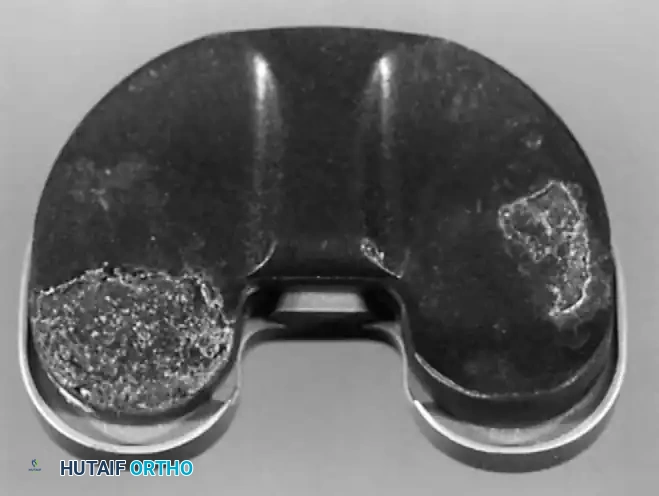
The tribology of TKA—the science of friction, wear, and lubrication—is fundamentally tied to the properties of ultra-high-molecular-weight polyethylene (UHMWPE). Historically, polyethylene wear debris generated a macrophage-mediated inflammatory cascade, culminating in periprosthetic osteolysis and aseptic loosening. The advent of highly cross-linked polyethylene (HXLPE), which is irradiated to create covalent bonds between polymer chains and subsequently melted or annealed to eliminate free radicals, has drastically reduced volumetric wear rates. Furthermore, optimizing articular conformity to maximize contact area and minimize contact stress is a critical tenet of component design, ensuring the longevity of the bearing surface under the immense compressive and shear forces generated during the gait cycle.
Exhaustive Indications and Contraindications
The decision to proceed with Total Knee Arthroplasty must be predicated on a rigorous evaluation of the patient's clinical presentation, radiographic findings, and response to conservative management. The primary indication for TKA is debilitating pain that significantly impairs the patient's activities of daily living, mobility, and overall quality of life, secondary to advanced joint destruction. This pain is typically mechanical in nature, exacerbated by weight-bearing activities, and often accompanied by nocturnal pain that disrupts sleep architecture. Radiographic evidence of severe joint space narrowing, subchondral sclerosis, osteophytosis, and subchondral cysts must correlate directly with the patient's clinical symptoms.
Prior to surgical intervention, patients must have exhausted a comprehensive regimen of non-operative modalities. This includes activity modification, weight loss, physical therapy aimed at quadriceps and hamstring strengthening, non-steroidal anti-inflammatory drugs (NSAIDs), and intra-articular corticosteroid or hyaluronic acid injections. TKA is generally considered an elective procedure, and the timing of surgery should be dictated by the patient's subjective threshold for pain and functional limitation, rather than radiographic severity alone. However, in cases of rapidly progressive deformity, severe flexion contractures, or profound bone loss, earlier intervention may be warranted to prevent irreversible soft-tissue contractures and complex reconstructive challenges.
Contraindications to TKA are strictly delineated to prevent catastrophic perioperative and postoperative complications. Absolute contraindications include active local or systemic infection, which guarantees early periprosthetic joint infection (PJI). Severe peripheral vascular disease poses an unacceptable risk of wound necrosis and amputation, necessitating vascular surgical clearance prior to consideration of arthroplasty. A dysfunctional extensor mechanism, secondary to chronic patellar tendon rupture or severe quadriceps denervation, renders a standard TKA unstable and non-functional. Neuropathic (Charcot) arthropathy is a relative-to-absolute contraindication, as the lack of proprioceptive feedback inevitably leads to rapid implant loosening, massive bone loss, and construct failure.
| Category | Indications | Contraindications |
|---|---|---|
| Absolute | - Refractory pain impairing ADLs with radiographic end-stage OA. - Failure of >6 months of conservative management. - Advanced rheumatoid arthritis or inflammatory arthropathy with joint destruction. - Severe, progressive varus/valgus deformity with functional impairment. |
- Active local articular infection or systemic sepsis. - Severe peripheral vascular disease (lack of palpable pulses/low ABI). - Disrupted or non-functional extensor mechanism. - Neuropathic (Charcot) joint (in most standard TKA designs). |
| Relative | - Post-traumatic arthropathy with altered joint mechanics. - Patellofemoral arthritis with concomitant tibiofemoral disease. - Correction of severe flexion contractures unresponsive to serial casting/PT. |
- Severe medical comorbidities (e.g., recent MI, unoptimized heart failure). - Morbid obesity (BMI > 40-45, depending on institutional protocol). - Poor soft-tissue envelope or active skin ulcerations over the knee. - Uncontrolled diabetes mellitus (HbA1c > 8.0%). |
Pre-Operative Planning, Templating, and Patient Positioning
Radiographic Evaluation and Templating
Meticulous preoperative planning is the foundation of a successful TKA. The radiographic evaluation must include weight-bearing anteroposterior (AP), lateral, and Merchant (skyline) views of the affected knee, alongside full-length standing alignment films from the hip to the ankle. The full-length films are paramount for calculating the mechanical axis (the line connecting the center of the femoral head to the center of the talus) and the anatomic axis of the femur. The angle between these two axes—typically 5 to 7 degrees—determines the valgus cut angle for the distal femoral resection. Templating allows the surgeon to anticipate component sizing, identify the presence of significant bone defects that may require augments or stems, and plan for potential alterations in the joint line.
Patient Optimization and Comorbidity Management
Preoperative patient optimization is a multidisciplinary endeavor designed to mitigate perioperative risks. Glycemic control is strictly evaluated; an HbA1c greater than 8.0% is associated with a significantly increased risk of periprosthetic joint infection and poor wound healing. Nutritional status, assessed via serum albumin and prealbumin levels, must be optimized. Smoking cessation is mandated at least four to six weeks prior to surgery to reduce the risk of wound necrosis and pulmonary complications. Furthermore, preoperative screening for Methicillin-resistant Staphylococcus aureus (MRSA) and decolonization protocols using mupirocin nasal ointment and chlorhexidine body washes have become standard of care to reduce surgical site infections.
Operating Room Setup and Patient Positioning
In the operating room, the patient is positioned supine on a standard radiolucent table. The use of a tourniquet remains highly debated; while it provides a bloodless surgical field and facilitates optimal cement interdigitation, prolonged ischemia is associated with increased postoperative pain, delayed quadriceps recovery, and a theoretical risk of venous thromboembolism. A lateral post or a specialized leg holder is utilized to allow stable, independent positioning of the knee at 90 degrees of flexion, deep flexion, and full extension. The limb is meticulously prepped and draped to allow free manipulation of the hip and knee. Preoperative administration of intravenous tranexamic acid (TXA) is routinely performed prior to skin incision to minimize perioperative blood loss and reduce transfusion requirements.
Step-by-Step Surgical Approach and Fixation Technique
Surgical Exposure and Arthrotomy
The surgical approach dictates the exposure and subsequent soft-tissue balancing of the knee. A straight midline longitudinal incision is made from the superior pole of the patella to the medial border of the tibial tubercle. The deep exposure is most commonly achieved via a standard medial parapatellar arthrotomy, which provides excellent visualization of all three compartments. The incision extends through the medial retinaculum, leaving a 2-3 mm cuff of tissue on the vastus medialis obliquus (VMO) to ensure a robust, watertight closure. Alternative approaches, such as the midvastus or subvastus, aim to spare the extensor mechanism but offer limited exposure in complex or revision scenarios. Once the joint is entered, the patella is everted or subluxated laterally, the ACL is excised, and peripheral osteophytes are meticulously removed to prevent soft-tissue tethering and accurately assess ligamentous tension.
Bone Preparation and Alignment Philosophies
Bone preparation follows either a "measured resection" or a "gap balancing" philosophy, though most modern surgeons utilize a hybrid approach. The goal is to create rectangular, symmetric flexion and extension gaps while restoring the mechanical axis to neutral. An intramedullary alignment rod is introduced into the distal femur, and the distal resection is performed at the pre-calculated valgus angle (typically 5-7 degrees). Establishing correct femoral rotation is critical for patellofemoral tracking and flexion gap symmetry. Rotation is determined using the transepicondylar axis (TEA), Whiteside’s line (the AP axis of the trochlea), and the posterior condylar axis (typically requiring 3 degrees of external rotation to account for the native medial tibial slope). The proximal tibial resection is performed using an extramedullary guide, cutting perpendicular to the mechanical axis in the coronal plane and incorporating a 3 to 7-degree posterior slope in the sagittal plane, depending on the implant design.
Gap Balancing and Soft Tissue Management
Once the initial resections are completed, the surgeon must meticulously evaluate the extension and flexion gaps using spacer blocks or laminar spreaders. The extension gap is defined by the distal femoral resection and the proximal tibial resection, while the flexion gap is defined by the posterior femoral resection and the proximal tibial resection. Both gaps must be rectangular and of equal magnitude. If a varus deformity persists in extension, a sequential medial release (deep MCL, posteromedial capsule, pes anserinus) is performed. Conversely, a valgus deformity requires lateral-sided releases (iliotibial band, posterolateral capsule, lateral collateral ligament), often utilizing a "pie-crusting" technique to achieve a gradual, controlled elongation of the lateral structures.
Patellar Resurfacing and Component Implantation
The decision to resurface the patella is based on patient anatomy, the presence of anterior knee pain, and surgeon preference. If resurfacing is chosen, the patella is resected symmetrically to restore its native composite thickness, and the component is medialized to optimize tracking. Following trial reduction and confirmation of stability, kinematics, and patellar tracking (the "no thumb" test), the definitive components are implanted. The bone surfaces are thoroughly irrigated with pulsatile lavage and dried. High-viscosity polymethylmethacrylate (PMMA) bone cement is applied, and the implants are impacted into position. The knee is brought into full extension to pressurize the cement during polymerization, and all extruded cement is meticulously excised to prevent third-body wear and mechanical impingement.
Complications, Incidence Rates, and Salvage Management
Despite the high success rate of TKA, complications can be devastating, requiring prompt recognition and aggressive management. Periprosthetic Joint Infection (PJI) is the most dreaded complication, occurring in 1-2% of primary TKAs. Acute PJI (occurring within 4 weeks postoperatively) or acute hematogenous infections can often be managed with Debridement, Antibiotics, and Implant Retention (DAIR), provided the implants are well-fixed and the soft-tissue envelope is intact. Chronic PJI, characterized by biofilm formation, mandates a two-stage exchange arthroplasty. This involves complete hardware removal, aggressive debridement, placement of an antibiotic-impregnated cement spacer, and a prolonged course of intravenous antibiotics prior to definitive reimplantation.
Aseptic loosening and osteolysis, driven by the macrophage response to polyethylene wear debris, represent the most common indications for late revision TKA. Patients typically present with progressive, mechanical pain and radiographic evidence of radiolucent lines or expansile osteolytic lesions at the implant-bone interface. Management requires revision arthroplasty, often utilizing diaphyseal engaging stems, highly porous metaphyseal cones or sleeves to bypass massive bone defects, and a constraint level appropriate for the degree of ligamentous incompetence.
Instability following TKA can manifest in extension, flexion, or mid-flexion. Extension instability is typically iatrogenic, resulting from an over-resected distal femur or inadequate soft-tissue balancing. Flexion instability presents with recurrent effusions, a sense of giving way on stairs, and anterior knee pain, often due to an oversized flexion gap or failure to restore the posterior condylar offset. Mid-flexion instability is a complex phenomenon related to joint line elevation or improper component rotation. Management of instability requires a comprehensive evaluation to identify the specific gap mismatch, followed by revision surgery to upsize components, alter constraint (e.g., transitioning from a CR to a PS or Varus-Valgus Constrained [VVC] implant), or correct malrotation.
| Complication | Estimated Incidence | Etiology / Risk Factors | Salvage Management |
|---|---|---|---|
| Periprosthetic Joint Infection (PJI) | 1.0% - 2.0% | Poor glycemic control, obesity, immunosuppression, prolonged operative time. | Acute: DAIR + modular exchange. Chronic: 2-stage exchange with antibiotic spacer. |
| Aseptic Loosening / Osteolysis | 2.0% - 4.0% (at 15 yrs) | Polyethylene wear debris, initial malalignment, poor cement interdigitation. | Revision TKA with stems, metaphyseal cones/sleeves, and bone grafting. |
| Instability (Flexion/Extension) | 1.0% - 3.0% | Gap mismatch, iatrogenic ligamentous injury, component malrotation. | Revision with increased constraint (VVC or Hinge), gap re-balancing. |
| Patellar Clunk Syndrome | < 1.0% (Modern PS) | Fibrotic nodule formation in PS designs catching in the intercondylar box. | Arthroscopic debridement of the fibrotic nodule. |
| Extensor Mechanism Rupture | 0.1% - 0.5% | Over-resection of patella, devascularization, excessive tension. | Primary repair (rarely successful), extensor mechanism allograft, or synthetic mesh reconstruction. |
Phased Post-Operative Rehabilitation Protocols
The postoperative rehabilitation following TKA is as critical to the ultimate clinical outcome as the surgical execution itself. Modern recovery protocols are predicated on rapid mobilization, multimodal analgesia, and the prevention of perioperative complications. The immediate postoperative phase (Days 0-14) focuses on pain control, wound healing, and achieving full active extension. Multimodal analgesia—utilizing preemptive gabapentinoids, acetaminophen, NSAIDs, and intraoperative periarticular injections (a cocktail of bupivacaine, epinephrine, and ketorolac)—has largely supplanted the need for continuous epidural anesthesia or heavy opioid reliance. Venous thromboembolism (VTE) prophylaxis is initiated immediately, utilizing agents tailored to the patient's risk profile, ranging from enteric-coated aspirin for low-risk patients to direct oral anticoagulants (DOACs) or low-molecular-weight heparin (LMWH) for high-risk individuals.
During the immediate phase, physical therapy is initiated on the day of surgery. The primary objective is to prevent arthrofibrosis by establishing a functional range of motion, with a specific emphasis on achieving zero degrees of extension to prevent debilitating flexion contractures. Patients are mobilized using a walker or crutches, progressing to weight-bearing as tolerated. The intermediate phase of rehabilitation (Weeks 2-6) shifts the focus toward maximizing the flexion arc (aiming for >110 degrees), normalizing the gait pattern, and aggressively strengthening the quadriceps and hamstring musculature. Closed kinetic chain exercises, stationary cycling, and proprioceptive training are introduced to enhance dynamic joint stability.
The late phase of rehabilitation (Weeks 6-12 and beyond) involves the transition back to independent activities of daily living and the reintroduction of low-impact recreational activities. Patients are encouraged to engage in swimming, cycling, and golf, while high-impact activities such as running or singles tennis are generally discouraged to prevent accelerated polyethylene wear and premature aseptic loosening. Maximum medical improvement following TKA is typically achieved between 12 and 18 months postoperatively. Long-term follow-up is mandated, with clinical and radiographic evaluations performed at 1 year, 5 years, and every 5 years thereafter to monitor for silent osteolysis and ensure implant survivorship.
Summary of Landmark Literature and Clinical Guidelines
The evolution of Total Knee Arthroplasty is deeply rooted in rigorous, evidence-based research and the continuous analysis of large-scale joint registries. Landmark data from the Swedish Knee Arthroplasty Register and the Australian Orthopaedic Association National Joint Replacement Registry have consistently demonstrated 15-year survivorship rates exceeding 90% for primary TKAs. These registries have been instrumental in identifying poorly performing implant designs, validating the efficacy of highly cross-linked polyethylene, and establishing the superiority of cemented tibial fixation over traditional uncemented designs in the primary setting.
The debate between Cruciate-Retaining (CR) and Posterior-Stabilized (PS) designs has been the subject of countless randomized controlled trials and meta-analyses. The current consensus in the orthopedic literature indicates that while PS designs may offer a slight advantage in maximum flexion, there is no statistically significant difference in long-term survivorship, functional outcome scores, or patient satisfaction between the two philosophies, provided the knee is accurately balanced. The choice between CR and PS remains largely dictated by surgeon preference, patient anatomy, and the integrity of the PCL.
Recent literature has heavily focused on alignment philosophies. While mechanical alignment (cutting the femur and tibia perpendicular to their mechanical axes) has been the gold standard for decades, kinematic alignment—which aims to restore the patient's pre-arthritic constitutional alignment by resurfacing the joint without altering native ligamentous tension—has gained significant traction. Early and mid-term studies suggest that kinematic alignment may yield higher patient reported outcome measures (PROMs) and a more "natural" feeling knee, though long-term survivorship data comparable to mechanical alignment is still pending.
Clinical guidelines promulgated by the American Academy of Orthopaedic Surgeons (AAOS) provide strong, evidence-based recommendations for the perioperative management of TKA patients. The routine use of intravenous and/or topical Tranexamic Acid (TXA) is strongly recommended for patients without contraindications, as it profoundly reduces blood loss and the need for allogeneic transfusions. Furthermore, the AAOS guidelines on VTE prophylaxis emphasize a risk-stratified approach, supporting the use of aspirin as a safe and effective prophylactic agent in standard-risk patients, significantly reducing the incidence of major bleeding complications associated with aggressive anticoagulation while providing adequate protection against deep vein thrombosis and pulmonary embolism.
📚 Medical References
- total knee arthroplasty in patients who have a long-standing fusion of the hip, J Bone Joint Surg 71A:1355, 1989.
- Insall JN, Binazzi R, Soudry M, Mestriner LA. Total knee arthroplasty. Clin Orthop Relat Res. 1985;(192):13-22.
- Sharkey PF, Lichstein PM, Shen C, Tokarski AT, Parvizi J. Why are total knee arthroplasties failing today--has anything changed after 10 years? J Arthroplasty. 2014;29(9):1774-1778.
- Parvizi J, Gehrke T, Chen AF. Proceedings of the International Consensus on Periprosthetic Joint Infection. Bone Joint J. 2013;95-B(11):1450-1452.
