Part of the Master Guide

Orthopedic Surgery Board Review MCQs: Arthroplasty, Ligament & Spine | Part 149

Orthopedic Board Review MCQs: Hip & Knee Arthroplasty, Sports Medicine | Part 99
23 Apr 2026 53 min read 56 Views
Orthopedic Surgery Board Review MCQs: AAOS Master Bank Part 99

Key Takeaway

This page presents Part 99 of an orthopedic surgery board review quiz. It features 50 high-yield multiple-choice questions (MCQs) designed for orthopedic residents and surgeons preparing for their OITE and AAOS board certification exams. The interactive format includes study and exam modes to enhance preparation.

Orthopedic Board Review MCQs: Hip & Knee Arthroplasty, Sports Medicine | Part 99

Comprehensive 100-Question Exam


00:00

Start Quiz

Question 1

A 22-year-old female collegiate soccer player sustains a non-contact twisting injury to her right knee and feels a 'pop'. Radiographic evaluation is obtained in the emergency department as shown below.

Based on the pathognomonic radiographic finding, which of the following injury mechanisms most accurately describes the etiology of the associated primary ligamentous pathology?


Explanation

The clinical scenario and the likely presence of a Segond fracture (an avulsion fracture of the anterolateral proximal tibia) are pathognomonic for an anterior cruciate ligament (ACL) tear. The Segond fracture is an avulsion of the anterolateral ligament (ALL) or the lateral capsular ligamentous complex. It occurs due to internal rotation of the tibia combined with varus stress. This is frequently associated with ACL ruptures. While non-contact valgus with external rotation is a common mechanism for ACL tears, the specific Segond fracture avulsion is classically caused by internal tibial rotation and varus stress.

Question 2

A 62-year-old male presents for revision of his total hip arthroplasty (THA). He originally received a ceramic-on-ceramic bearing. During the procedure, the surgeon notes a catastrophic fracture of the ceramic femoral head.

After a thorough synovectomy, which of the following is the most appropriate management regarding the new bearing surface, assuming the acetabular shell and femoral stem are well-fixed?


Explanation

Fracture of a ceramic femoral head requires meticulous removal of all ceramic shards via an extensive synovectomy to prevent severe third-body wear. A cobalt-chromium (CoCr) head should never be used against an old ceramic liner or in an environment where ceramic particles may remain, as the residual ceramic debris will rapidly scratch and destroy the metal head (metallosis). A new ceramic head cannot simply be placed on the existing trunnion, because the trunnion is often microscopically damaged by the fractured head; placing a new ceramic head directly on a damaged trunnion risks stress risers and repeat fracture. A titanium adapter sleeve must be used with the new ceramic head. A highly cross-linked polyethylene (or new ceramic) liner must also be used.

Question 3

A 45-year-old construction worker complains of posterior knee pain and a feeling of 'giving way'. An MRI of the knee is shown.

Which of the following biomechanical phenomena is the most direct consequence of the pathology demonstrated?


Explanation

The clinical presentation and location of the pain strongly suggest a medial meniscus posterior root tear. The posterior root anchor serves a vital biomechanical function by converting axial compressive loads into circumferential 'hoop stresses' within the meniscus. When the root is avulsed, the meniscus can no longer resist these forces, leading to medial meniscal extrusion (often >3 mm) and a profound loss of hoop stresses. Biomechanically, this functions equivalently to a total meniscectomy, significantly increasing medial compartment peak contact pressures.

Question 4

A 55-year-old male with a history of a high tibial osteotomy (HTO) 10 years ago now requires a total knee arthroplasty (TKA) for severe osteoarthritis.

What is the most significant intraoperative challenge the surgeon should anticipate, and what is an appropriate maneuver to address it?


Explanation

A common complication following a high tibial osteotomy (HTO), particularly opening wedge, is patella baja (inferred from the image reference and clinical history). Patella baja makes eversion of the patella and adequate exposure of the joint extremely difficult during TKA. If standard exposure techniques are insufficient, a lateral retinacular release, rectus snip, or a tibial tubercle osteotomy (TTO) may be required to safely mobilize the extensor mechanism without avulsing the patellar tendon.

Question 5

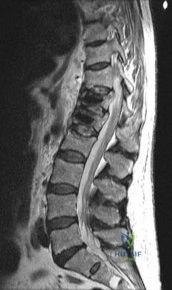
A 25-year-old professional hockey player presents with chronic, deep groin pain exacerbated by hip flexion and internal rotation.

Imaging demonstrates a classic pistol-grip deformity. Which of the following represents the primary mechanism of articular cartilage damage in this condition?


Explanation

The scenario describes Cam-type femoroacetabular impingement (FAI), characterized by a non-spherical femoral head-neck junction (pistol-grip deformity). As the hip goes into flexion and internal rotation, this aspherical head engages the anterosuperior acetabular rim. The shear forces generated cause an outside-in separation (delamination) of the acetabular cartilage from the subchondral bone, often leaving the labrum partially intact initially, unlike Pincer impingement where the primary failure is a crushing of the labrum.

Question 6

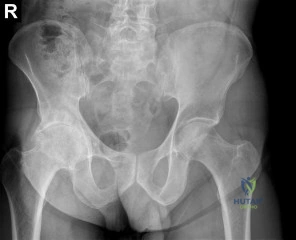
A 68-year-old female presents to the clinic complaining of a painful popping sensation at the anterior aspect of her knee when extending from a flexed position, one year after an uncomplicated posterior-stabilized total knee arthroplasty (PS-TKA).

What is the primary etiology of this specific complication?


Explanation

The presentation is classic for Patellar Clunk Syndrome, which occurs almost exclusively in posterior-stabilized (PS) knee designs. It is caused by the formation of a fibrosynovial nodule at the undersurface of the quadriceps tendon, just proximal to the superior pole of the patella. As the knee flexes, this nodule drops into the intercondylar box of the femoral component. Upon active extension (usually around 30 to 45 degrees), the nodule gets caught on the anterior edge of the box and abruptly 'clunks' out, causing pain and a palpable catch. Treatment usually involves arthroscopic debridement of the nodule.

Question 7

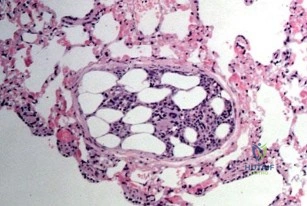
A 60-year-old male with medial compartment osteoarthritis of the knee undergoes evaluation for a unicompartmental knee arthroplasty (UKA).

According to standard Kozinn and Scott criteria, which of the following is an absolute contraindication to performing a medial UKA?


Explanation

Inflammatory arthropathy (e.g., Rheumatoid arthritis) is a classic absolute contraindication for unicompartmental knee arthroplasty (UKA) because the disease process is systemic and will inevitably affect the remaining compartments. The classic Kozinn and Scott criteria for UKA include: non-inflammatory osteoarthritis, intact ACL, correctable varus deformity (<15 degrees), flexion contracture < 15 degrees, and historically age > 60 and weight < 82 kg (though age and weight criteria have been widely challenged and expanded in modern practice). Inflammatory arthritis remains universally recognized as a contraindication.

Question 8

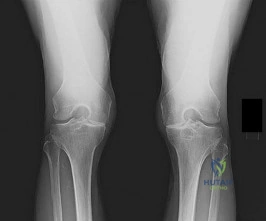
A 74-year-old female presents to the emergency department after a ground-level fall. Five years ago, she underwent an uncomplicated cementless THA.

Radiographs reveal a periprosthetic femur fracture extending around the distal tip of the femoral stem. The stem is visibly loose on radiographs with subsidence. What is the most appropriate surgical treatment?


Explanation

This is a Vancouver B2 periprosthetic femur fracture: the fracture occurs around or just below the stem (type B), and the stem is loose (type B2), but with adequate proximal bone stock (unlike type B3, where proximal bone stock is inadequate). The standard of care for a Vancouver B2 fracture is revision of the femoral component to bypass the fracture using a long, diaphyseal-engaging stem (often fluted and tapered, uncemented) to achieve distal fixation, combined with appropriate fracture reduction and cerclage cabling if necessary. ORIF alone (Option 1) is indicated for Vancouver B1 fractures (stem well-fixed). Proximal femoral replacement is reserved for Vancouver B3.

Question 9

A 16-year-old female basketball player suffers recurrent lateral patellar dislocations. An MRI reveals an avulsion of the Medial Patellofemoral Ligament (MPFL) at its femoral origin.

In an MPFL reconstruction, correct femoral tunnel placement is critical. Where is the anatomical femoral attachment of the MPFL (Schöttle's point) located radiographically on a true lateral view?


Explanation

Schöttle's point defines the optimal radiographic and anatomic femoral attachment for MPFL reconstruction. On a strictly true lateral radiograph of the knee, Schöttle's point is found 1 mm anterior to a line extending the posterior femoral cortex, 2.5 mm distal to the posterior origin of the medial femoral condyle, and proximal to the posterior point of Blumensaat's line. Anatomically, it is situated between the adductor tubercle (proximal) and the medial epicondyle (distal and anterior).

Question 10

A 66-year-old male with a history of long-segment lumbar spine fusion (L2-S1) presents for a primary total hip arthroplasty (THA) for end-stage osteoarthritis. Which of the following adjustments to the acetabular component orientation is most appropriate to minimize the risk of posterior dislocation when the patient transitions from standing to sitting?


Explanation

During the transition from standing to sitting, a normal pelvis retroverts (tilts backward), which functionally increases the anteversion of the acetabulum, providing clearance for the femur and preventing anterior impingement/posterior dislocation. In a patient with a stiff lumbar spine (e.g., prior fusion or ankylosing spondylitis), this dynamic pelvic retroversion does not occur. As a result, the functional anteversion of the cup remains fixed, predisposing the anterior femoral neck to impinge on the anterior rim of the cup, levering the head out posteriorly. To compensate for this lack of dynamic pelvic mobility, the surgeon should intentionally increase the operative anteversion (and often inclination) of the acetabular component to prevent posterior dislocation in flexion.

Question 11

During a primary posterior-stabilized (PS) total knee arthroplasty, the surgeon places trial components. Upon assessment of gap kinematics, the joint space is symmetrically balanced and stable in full extension, but tight and difficult to flex past 90 degrees. Which of the following is the most appropriate next surgical step to balance the knee?


Explanation

The knee is tight in flexion but balanced in extension. Interventions must address the flexion gap without altering the extension gap. Decreasing the anteroposterior (AP) size of the femoral component (using a smaller femoral component matched to the anterior cortex, which resects more posterior condyle) will increase the flexion gap. Alternatively, increasing the posterior slope of the tibial cut will selectively increase the flexion gap without significantly affecting the extension gap. Resecting more distal femur only affects the extension gap. A PS knee does not have an intact PCL. Increasing poly thickness would tighten both gaps.

Question 12

A 54-year-old male presents with a painful total hip arthroplasty 5 years postoperatively. His bearing surface is a metal-on-polyethylene construct. Radiographs show a well-fixed stem and cup with no osteolysis. Joint aspiration is negative for infection, but fluid analysis is black and turbid. Blood tests reveal significantly elevated cobalt levels with normal chromium levels. What is the most likely diagnosis?


Explanation

The clinical picture describes an Adverse Local Tissue Reaction (ALTR) or ALVAL (aseptic lymphocyte-dominated vasculitis-associated lesion) secondary to mechanically assisted crevice corrosion (MACC), commonly known as trunnionosis. This occurs at the modular head-neck junction (the trunnion). In a metal-on-polyethylene THA, a characteristic finding of trunnionosis is an isolated, significant elevation of serum cobalt levels with normal or near-normal serum chromium levels, because the wear and corrosion products primarily release cobalt from the CoCr head. If this were a metal-on-metal bearing wear issue, both cobalt and chromium would typically be elevated.

Question 13

According to the 2018 International Consensus Meeting (ICM) criteria for Periprosthetic Joint Infection (PJI), which of the following synovial fluid biomarkers acts as a highly specific indicator of PJI, functioning as an antimicrobial peptide released by neutrophils?


Explanation

Synovial alpha-defensin is an antimicrobial peptide released by active neutrophils in response to pathogens. It is incorporated into the 2018 ICM criteria as a major biomarker for diagnosing PJI. It is highly specific and sensitive for infection and has the advantage of remaining accurate even in the presence of systemic inflammatory conditions or prior antibiotic administration. CRP and IL-6 are inflammatory markers, leukocyte esterase is an enzyme produced by WBCs (also a valid test, but alpha-defensin is the specific peptide asked about), and D-dimer is a fibrin degradation product (used as a serum marker for PJI).

Question 14

A 12-year-old male baseball player presents with vague, activity-related right knee pain. Radiographs demonstrate a classic Osteochondritis Dissecans (OCD) lesion. Assuming the most common anatomic location for this lesion, which of the following best describes its position?


Explanation

The most common location for an Osteochondritis Dissecans (OCD) lesion in the knee is the lateral aspect of the medial femoral condyle (often remembered by the mnemonic LAME: Lateral Aspect Medial Epicondyle/condyle, though technically it's the condyle). It accounts for roughly 70-80% of all knee OCD lesions. These lesions are thought to result from repetitive microtrauma and vascular insufficiency to the subchondral bone.

Question 15

During a primary anterior cruciate ligament (ACL) reconstruction, the surgeon must decide on graft choice. From a purely biomechanical standpoint, which of the following common graft choices possesses the highest ultimate tensile load at the time of time zero testing?


Explanation

A quadrupled hamstring (semitendinosus and gracilis) autograft has the highest ultimate tensile load to failure among the standard graft choices at time zero, approximating 4000 N. For comparison, the native ACL is approximately 2160 N, a 10 mm BPTB is around 2977 N, and a 10 mm quadriceps tendon is around 2352 N. However, despite the higher time-zero strength of the quadrupled hamstring graft, clinical outcomes and stability rates are generally comparable among these graft choices, with BPTB traditionally having lower rerupture rates in high-demand young athletes due to bone-to-bone healing.

Question 16

In the manufacturing of highly cross-linked polyethylene (HXLPE) for total hip arthroplasty, the irradiation process creates free radicals that improve wear resistance but risk long-term oxidation and structural failure. To eliminate these free radicals, the material is often remelted or annealed. Which of the following mechanical properties is most significantly DECREASED as a direct result of this cross-linking and remelting process?


Explanation

Highly cross-linked polyethylene (HXLPE) drastically reduces the volumetric wear rate in THA, minimizing osteolysis. The cross-linking is achieved by irradiation. However, irradiation leaves behind free radicals. To eliminate free radicals and prevent long-term oxidation, the PE is heated (remelted or annealed). This extensive cross-linking and subsequent thermal treatment significantly decreases the material's fatigue crack propagation resistance, yield strength, and ultimate tensile strength. This is why HXLPE is generally avoided in components requiring high fatigue strength and thin polyethylene, such as highly constrained liners or older thin TKA inserts.

Question 17

A 28-year-old female sustains a complete tear of her anterior cruciate ligament (ACL) and requires reconstruction. The pivot shift test is positive on examination. Which anatomic structure dynamically causes the visible 'clunk' or reduction of the tibia during the pivot shift maneuver as the knee is transitioned from extension to flexion?


Explanation

The pivot shift test demonstrates dynamic rotatory instability of the ACL-deficient knee. Starting in extension with valgus and internal rotation applied, the lateral tibial plateau subluxates anteriorly. As the knee flexes past 20 to 30 degrees, the Iliotibial (IT) band transitions its orientation relative to the instantaneous center of rotation from an extensor to a flexor of the knee. This transition pulls the subluxated lateral tibial plateau posteriorly, creating the sudden reduction or 'clunk' characteristic of a positive pivot shift.

Question 18

A 35-year-old male with a history of a severe nickel allergy requires a primary total knee arthroplasty for post-traumatic osteoarthritis. Standard cobalt-chromium (CoCr) implants contain small amounts of nickel. To avoid a type IV hypersensitivity reaction, which of the following is the most appropriate alternative femoral component material?


Explanation

Standard cobalt-chromium (CoCr) alloy implants contain trace amounts of nickel and are a known risk factor for metal hypersensitivity (a Type IV delayed hypersensitivity reaction). For patients with a documented severe nickel allergy, oxidized zirconium (Oxinium) or purely titanium femoral components are the indicated alternatives. Oxidized zirconium undergoes a process that changes its surface to a hard ceramic (zirconia), eliminating metal ion release at the surface while retaining the fracture resistance of a metal core. Trabecular metal (tantalum) is used for bone ingrowth surfaces, not as an articulating femoral surface.

Question 19

A 19-year-old football player sustains a complex knee injury involving an acute grade III medial collateral ligament (MCL) tear and a complete ACL rupture. Based on current literature and sports medicine guidelines, what is the most broadly accepted initial treatment strategy for this combined injury?


Explanation

The standard of care for a combined ACL and grade III MCL tear is to allow the MCL to heal non-operatively in a hinged knee brace for approximately 4 to 6 weeks, followed by delayed reconstruction of the ACL. Operating on the ACL immediately or repairing the MCL routinely increases the risk of severe post-operative arthrofibrosis. The MCL has an excellent intrinsic healing capacity due to its robust blood supply. If valgus instability persists after 6 weeks of conservative management, an MCL reconstruction or repair can be performed concurrently with the ACL reconstruction.

Question 20

A surgeon utilizes the direct anterior approach (DAA) for a total hip arthroplasty using the internervous plane between the tensor fasciae latae (TFL) and the sartorius. During deep dissection, a nerve passing over the anterior aspect of the iliacus muscle is at risk of iatrogenic traction injury. What is the clinical consequence of an injury to this specific nerve?


Explanation

The nerve described is the Lateral Femoral Cutaneous Nerve (LFCN), which provides sensory innervation to the anterolateral thigh. During the direct anterior approach (Smith-Petersen), the superficial internervous plane is between the TFL (superior gluteal nerve) and the sartorius (femoral nerve). The LFCN is highly variable in its course but typically runs medial to the ASIS and passes over the anterior aspect of the sartorius/iliacus fascia. Retraction in this area places it at high risk for neurapraxia or transection, leading to meralgia paresthetica (numbness/burning of the anterolateral thigh). Hip abduction weakness (Option A) implies superior gluteal nerve injury. Weakness in knee extension (Option D) implies femoral nerve injury.

Question 21

During a primary posterior-stabilized total knee arthroplasty (TKA), after the preliminary bone cuts have been made, trial components are placed. The surgeon notes that the joint is tight in 90 degrees of flexion but symmetric and well-balanced in full extension. Which of the following is the most appropriate next step to correct this mismatch?


Explanation

A knee that is tight in flexion but balanced in extension indicates a tight flexion gap. Recutting the proximal tibia or changing the polyethylene thickness would affect BOTH the flexion and extension gaps equally. Recutting the distal femur affects ONLY the extension gap. Decreasing the size of the femoral component (which decreases the AP dimension of the femur) increases the flexion gap without affecting the extension gap, thereby balancing the knee.

Question 22

A 68-year-old male is scheduled to undergo a total hip arthroplasty (THA). He previously underwent a T10-to-pelvis posterior spinal fusion. Which of the following describes the most likely spinopelvic kinematics when this patient transitions from a standing to a seated position, and what is the corresponding implication for acetabular component positioning?


Explanation

Patients with a long lumbar fusion to the pelvis have a 'stiff spine' and lose normal spinopelvic mobility. Normally, when moving from standing to sitting, the lumbar spine flexes and the pelvis tilts posteriorly (retroverts), functionally increasing acetabular anteversion to accommodate hip flexion and prevent anterior impingement. In a stiff, fused spine, the pelvis fails to retrovert upon sitting. This lack of dynamic functional anteversion leads to anterior impingement of the femur on the acetabulum during sitting, which dramatically increases the risk of posterior dislocation. To compensate, the surgeon must place the acetabular component in higher combined anteversion and slightly higher inclination than standard targets.

Question 23

When performing a medial patellofemoral ligament (MPFL) reconstruction, identifying the correct anatomic femoral attachment is critical to ensure anisometry is minimized. Radiographically, Schottle's point represents the ideal femoral origin. Which of the following best describes the radiographic location of Schottle's point on a true lateral radiograph of the knee?


Explanation

Schottle's point is a radiographic landmark for the femoral origin of the MPFL on a strict lateral radiograph. It is located 1 mm anterior to a line extending the posterior femoral cortex, 2.5 mm distal to a line parallel to the posterior articular border of the medial femoral condyle, and proximal to a line extending from Blumensaat's line.

Question 24

A 55-year-old female presents with progressive groin pain 6 years after an uncomplicated metal-on-polyethylene total hip arthroplasty utilizing a modular titanium stem and a large-diameter cobalt-chromium head. Inflammatory markers are normal and an aspiration is negative for infection. MRI with MARS sequencing reveals a large, thick-walled cystic mass communicating with the joint. Serum ion levels show Cobalt is 8.5 ppb and Chromium is 1.1 ppb. What is the most likely pathophysiologic mechanism for her condition?


Explanation

The patient is experiencing an adverse local tissue reaction (ALTR) secondary to trunnionosis, which is mechanically assisted crevice corrosion (MACC) at the modular head-neck junction (the trunnion). In metal-on-polyethylene THA, significant elevations in serum cobalt with normal or minimally elevated chromium levels strongly suggest corrosion at the modular cobalt-chromium head and titanium stem taper junction. This is distinguished from metal-on-metal bearing wear, which typically presents with equally elevated cobalt and chromium levels.

Question 25

A 25-year-old male presents with a chief complaint of profound loss of knee flexion 8 months following an anterior cruciate ligament (ACL) reconstruction using a bone-patellar tendon-bone autograft. He states the knee feels 'locked' whenever he tries to bend it past 80 degrees.

Based on the radiographic principles of ACL graft placement, what is the most likely technical error leading to this specific complication?


Explanation

Placement of the femoral tunnel too far anteriorly is a classic error in ACL reconstruction that results in the graft becoming excessively tight as the knee goes into flexion. This leads to restricted knee flexion and a feeling of 'locking' or extreme tightness when attempting to bend the knee. Conversely, if the femoral tunnel is placed too far posterior, the graft will be tight in extension, resulting in an extension deficit. Tibial tunnel malpositioning typically leads to roof impingement (if too anterior) or PCL impingement (if too posterior).

Question 26

A 62-year-old female presents with an audible and palpable 'catch' in her knee 14 months after a primary posterior-stabilized total knee arthroplasty. The catching occurs consistently when the knee moves from 45 degrees of flexion to 30 degrees of flexion during active extension. Range of motion is 0 to 120 degrees. Radiographs show well-fixed components with no signs of loosening. What is the anatomic basis for this phenomenon?


Explanation

This is the classic presentation of 'patellar clunk syndrome', a complication historically associated with posterior-stabilized (PS) knee designs. It is caused by the formation of a fibrosynovial nodule on the undersurface of the quadriceps tendon just proximal to the superior pole of the patella. As the knee flexes, the nodule enters the intercondylar box of the femoral component. As the knee actively extends from roughly 45 to 30 degrees, the nodule abruptly pops out of the box, creating a painful clunk.

Question 27

A 74-year-old female presents for revision total hip arthroplasty due to severe aseptic loosening of her acetabular component. Preoperative radiographs demonstrate more than 3 cm of superomedial migration of the cup. The teardrop is completely obliterated, and Kohler's line is crossed, indicating extensive medial wall destruction. Based on the Paprosky classification of acetabular defects, what is her defect type?


Explanation

The patient has a Paprosky Type 3B defect. This is characterized by severe bone loss with 'up and in' migration of the acetabular component. Key radiographic findings include >3 cm of superior migration, medial migration crossing Kohler's line, and obliteration of the radiographic teardrop. Type 3A defects show 'up and out' migration (>3 cm superolateral migration) with intact medial wall (Kohler's line not crossed).

Question 28

A 45-year-old female with a BMI of 32 presents with sudden onset posteromedial knee pain after stepping off a curb. She has no prior history of knee trauma.

MRI reveals a full-thickness radial tear of the medial meniscus at its posterior attachment to the tibia, with 4 mm of meniscal extrusion. Biomechanically, what is the consequence of this injury on the medial compartment?


Explanation

A posterior root tear of the medial meniscus disrupts the meniscal attachment to the tibial plateau, eliminating the ability of the meniscus to convert axial loads into hoop stresses. Biomechanical studies have demonstrated that a complete root tear with associated meniscal extrusion (>3 mm) alters knee contact mechanics equivalently to a total meniscectomy, leading to significantly increased peak contact pressures and rapid progression of osteoarthritis.

Question 29

According to the 2018 Musculoskeletal Infection Society (MSIS) / International Consensus Meeting (ICM) criteria, which of the following sets of synovial fluid laboratory values is the threshold for diagnosing a chronic periprosthetic joint infection in a total knee arthroplasty?


Explanation

Based on the 2018 ICM criteria for diagnosing PJI, the established threshold for synovial fluid in chronic periprosthetic joint infections of the hip and knee is a WBC count > 3,000 cells/µL or a polymorphonuclear (PMN) percentage > 80%. Acute infections (typically defined as within the first 6 weeks postoperatively) have higher thresholds, classically WBC > 10,000 cells/µL and PMN > 90%.

Question 30

A 42-year-old male undergoes a primary THA using a ceramic-on-ceramic bearing. One year postoperatively, he complains of a loud, high-pitched squeaking noise coming from his hip when he walks, bend over, or performs deep squats. He denies pain. Radiographs demonstrate the acetabular cup is positioned in 60 degrees of inclination and 35 degrees of anteversion. What is the primary tribological mechanism leading to squeaking in this scenario?


Explanation

Squeaking is a specific complication of ceramic-on-ceramic (CoC) bearings, occurring in up to 1-10% of patients. The most common cause is edge loading, which often results from component malposition (such as excessive inclination > 50 degrees or abnormal anteversion). Edge loading leads to stripe wear and the loss of the thin fluid-film lubrication layer between the bearing surfaces. This localized dry friction creates high-frequency vibrations perceived as a squeak.

Question 31

A 28-year-old male sustains a high-energy multi-ligament knee injury following a motorcycle collision.

Clinical and MRI evaluation reveals a Schenck KD III-L injury (disruption of the ACL, PCL, and the posterolateral corner/LCL). He has intact pulses with normal ABIs. Which associated neurologic injury is most frequently seen with this specific ligamentous injury pattern?


Explanation

The Schenck KD III-L classification denotes a multi-ligament knee injury involving the anterior cruciate ligament, posterior cruciate ligament, and the lateral/posterolateral structures. Due to the severe varus and internal rotation forces required to disrupt the posterolateral corner, traction on the common peroneal nerve is highly likely. Common peroneal nerve palsy occurs in approximately 15-25% of KD III-L and KD IV knee dislocations, representing the most common neurologic deficit in this setting.

Question 32

A 70-year-old female experiences a catastrophic disruption of her patellar tendon 3 months following a revision total knee arthroplasty. Primary repair is deemed impossible due to poor tissue quality. The surgeon plans an extensor mechanism reconstruction using a synthetic mesh (e.g., Marlex mesh). During the procedure, what is the critical step regarding the positioning of the knee when tensioning and securing the mesh to ensure clinical success?


Explanation

When performing an extensor mechanism reconstruction using synthetic (Marlex) mesh or an allograft, it is paramount that the construct is tensioned maximally with the knee in full extension (0 degrees). Postoperatively, these constructs invariably stretch out. If tensioned in flexion or secured loosely, the patient will develop an immediate extensor lag that progressively worsens, leading to clinical failure. Postoperative protocol typically involves rigid immobilization in full extension for 6 to 8 weeks.

Question 33

The direct anterior approach (DAA) to the hip is increasingly popular for primary THA due to its use of a true internervous and intermuscular plane. Which of the following accurately describes the superficial internervous plane utilized in the direct anterior approach?


Explanation

The direct anterior approach (Smith-Petersen) utilizes a true superficial internervous plane between the sartorius (innervated by the femoral nerve) and the tensor fasciae latae (innervated by the superior gluteal nerve). The deep internervous plane is between the rectus femoris (femoral nerve) and the gluteus medius (superior gluteal nerve). A key risk during the superficial dissection is injury to the lateral femoral cutaneous nerve.

Question 34

A 22-year-old collegiate hockey player presents with chronic, insidious onset groin pain exacerbated by hip flexion and internal rotation.

Radiographs demonstrate an aspherical femoral head-neck junction with an alpha angle of 65 degrees. He is diagnosed with Cam-type femoroacetabular impingement (FAI). During hip arthroscopy, which pattern of intra-articular damage is most characteristically observed in isolated Cam FAI?


Explanation

Cam-type FAI is caused by a loss of sphericity at the anterolateral femoral head-neck junction (decreased offset). During hip flexion and internal rotation, this prominent cam lesion engages the anterosuperior acetabulum. The shear forces generated typically cause the articular cartilage to delaminate from the subchondral bone at the anterosuperior chondrolabral junction. Often, in early stages, the overlying labrum remains relatively intact or detaches from the articular cartilage (the 'carpet delamination' sign), unlike Pincer impingement where the labrum itself is crushed first.

Question 35

Understanding normal native knee kinematics is essential for optimizing total knee arthroplasty design. During normal active knee flexion from 0 degrees to 120 degrees, which of the following describes the characteristic motion of the tibiofemoral contact points in the axial plane?


Explanation

Normal knee kinematics are characterized by 'medial pivot' motion. During flexion, the medial femoral condyle acts largely like a ball-in-socket joint with minimal anterior-posterior translation. In contrast, the lateral femoral condyle demonstrates significant posterior rollback. This asymmetric rollback results in internal rotation of the tibia relative to the femur during flexion (and the opposite, external rotation during terminal extension, known as the 'screw-home mechanism'). Medial pivot TKA designs attempt to replicate this specific kinematic pattern.

Question 36

An 82-year-old female sustains a mechanical fall 8 years following a primary cementless total hip arthroplasty.

Radiographs reveal a periprosthetic femur fracture that originates at the tip of the stem and extends proximally. The stem is visibly loose, migrating distally by 1 cm. The proximal femoral bone stock demonstrates substantial osteolysis but the diaphyseal bone distal to the fracture is robust. According to the Vancouver classification, what is the type of fracture and the most appropriate definitive management?


Explanation

This is a Vancouver B2 periprosthetic femur fracture. The fracture occurs around or just below the stem tip (Type B), the stem is loose (distinguishes B2/B3 from B1), and there is adequate bone stock distal to the fracture to support fixation (distinguishes B2 from B3). The standard of care for a Vancouver B2 fracture is revision of the femoral component using a long cementless stem (often fluted and tapered) that achieves secure diaphyseal fixation at least 2 cortical diameters distal to the most distal fracture line. B1 fractures have a well-fixed stem and are treated with ORIF. B3 fractures have severe bone loss requiring proximal femoral replacement or allograft-prosthetic composites.

Question 37

A 19-year-old female presents with recurrent episodes of lateral patellar dislocation. Conservative management with physical therapy and bracing has failed. Advanced imaging is obtained to assess risk factors for patellofemoral instability. Which of the following anatomic parameters is a primary indication for adding a tibial tubercle medialization osteotomy (e.g., Fulkerson osteotomy) to a medial patellofemoral ligament (MPFL) reconstruction?


Explanation

A Tibial Tubercle-Trochlear Groove (TT-TG) distance greater than 20 mm is pathologically elevated and represents significant lateralization of the tibial tubercle. This abnormal extensor mechanism vector strongly pulls the patella laterally. In the setting of recurrent patellar instability with a TT-TG > 20 mm, an MPFL reconstruction alone is at high risk of failure due to excessive tension on the graft. Therefore, a tibial tubercle medialization osteotomy (anterior-medialization or AMZ) is indicated to correct the underlying bony malalignment.

Question 38

A 65-year-old female requires a primary total knee arthroplasty for end-stage osteoarthritis. During her preoperative evaluation, she reports a severe, blistering skin reaction to cheap jewelry and watch bands. She believes she has a 'metal allergy'. According to the American Academy of Orthopaedic Surgeons (AAOS) guidelines, what is the most appropriate management regarding component selection?


Explanation

While the true incidence and clinical impact of metal hypersensitivity (Type IV delayed hypersensitivity) in total joint arthroplasty remain controversial, current consensus recommends that patients with a compelling history of severe metal allergy (e.g., severe blistering from jewelry, known nickel allergy) should receive hypoallergenic implants. Standard cobalt-chromium alloys contain small amounts of nickel. Options to avoid nickel include oxidized zirconium (Oxinium) femoral components, titanium alloy components, or entirely all-polyethylene tibial components.

Question 39

A dual mobility cup is utilized in a 71-year-old male undergoing revision total hip arthroplasty for recurrent instability. Three years later, he presents with acute hip pain and shortening of the limb after a minor twisting injury. Radiographs show eccentric seating of the metallic femoral head within the acetabular cup, creating a 'bubble sign', but the large polyethylene bearing remains contained within the metal acetabular shell. What is the most specific complication unique to dual mobility bearings that has occurred?


Explanation

Intra-prosthetic dislocation (IPD) is a complication unique to dual mobility (DM) articulations. It occurs when the inner small metallic femoral head dislocates out of the larger mobile polyethylene liner. This typically happens as a late complication due to wear of the retentive rim of the polyethylene liner, or acutely due to improper assembly or impingement. Radiographically, the 'bubble sign' is classic: the small metal head is eccentrically positioned within the outer metal cup, indicating it has escaped the polyethylene liner which is radiolucent.

Question 40

A 40-year-old male manual laborer with symptomatic, isolated medial compartment knee osteoarthritis and a mechanical varus axis of 8 degrees is undergoing a medial opening-wedge high tibial osteotomy (HTO). To achieve optimal offloading of the diseased medial compartment without causing excessive lateral compartment overload, the mechanical axis should be corrected to pass through a specific anatomic coordinate on the tibial plateau. What is the standard target point for the mechanical axis post-correction?


Explanation

The goal of a high tibial osteotomy (HTO) for medial compartment osteoarthritis in a varus knee is to shift the mechanical weight-bearing axis laterally to offload the diseased medial cartilage. The widely accepted standard target is the 'Fujisawa point', which is located at 62-62.5% of the tibial width, measured from the medial edge (0%) to the lateral edge (100%). This point lies just lateral to the lateral tibial spine. Overcorrection beyond 65-70% risks rapid degeneration of the lateral compartment, while undercorrection (<50%) fails to adequately relieve medial pain.

Question 41

An 18-year-old female collegiate soccer player sustains an anterior cruciate ligament (ACL) tear. She wishes to undergo reconstruction that offers the lowest rate of re-rupture to ensure she can return to high-demand sports. Which of the following graft choices is most statistically supported to minimize her risk of graft failure?


Explanation

Autologous bone-patellar tendon-bone (BPTB) grafts have consistently demonstrated the lowest re-rupture rates in young, high-demand athletes. Allografts carry a significantly higher failure rate in this specific demographic.

Question 42

During a primary total knee arthroplasty, the surgeon assesses the gaps and finds the knee is well-balanced in extension but unacceptably tight in flexion. Which of the following intraoperative modifications will best address this imbalance without altering the extension gap?


Explanation

Downsizing the femoral component while using an anterior referencing system translates the posterior condyles anteriorly, thereby increasing the flexion gap. This maneuver does not affect the distal femoral resection, keeping the extension gap unchanged.

Question 43

A 65-year-old male presents 8 years post-total hip arthroplasty (metal-on-polyethylene bearing with a 36-mm cobalt-chrome head) with new-onset groin pain. Serum inflammatory markers are normal. MRI with metal artifact reduction shows a solid cystic mass adjacent to the hip joint. Joint aspiration yields cloudy fluid with a negative culture. What is the most likely diagnosis?


Explanation

Large cobalt-chrome heads on titanium stems increase torque and micromotion at the head-neck junction. This can lead to mechanically assisted crevice corrosion (trunnionosis) and subsequent ALTR, presenting as a sterile, cystic pseudotumor.

Question 44

During a primary posterior-stabilized total knee arthroplasty, the surgeon checks the gap kinematics with trial components. The extension gap is perfectly balanced, but the flexion gap is excessively tight. Which of the following is the most appropriate surgical step to achieve a balanced knee?


Explanation

A tight flexion gap with a balanced extension gap requires altering the femoral side in flexion. Downsizing the femoral component increases the flexion gap without affecting the extension gap.

Question 45

A 68-year-old female presents with an inability to actively extend her knee 3 weeks after a primary total knee arthroplasty. Imaging reveals well-fixed components and a complete mid-substance patellar tendon rupture. What is the most reliable surgical treatment?


Explanation

Primary repair of a disrupted extensor mechanism after TKA has an unacceptably high failure rate. Extensor mechanism allograft reconstruction with rigid fixation is the most reliable treatment for complete tendon ruptures with well-fixed components.

Question 46

A 75-year-old male sustains a fall 5 years after receiving a primary cementless total hip arthroplasty. Radiographs demonstrate a displaced spiral fracture around the distal tip of the femoral stem. The stem has subsided 15 mm and appears loose. What is the Vancouver classification and appropriate management?


Explanation

A fracture around a loose stem with adequate bone stock is a Vancouver B2 fracture. The standard of care is revision arthroplasty using a long uncemented stem (often fluted and tapered) that bypasses the fracture by at least 2 cortical diameters.

Question 47

A 45-year-old male undergoes arthroscopy for a medial meniscus posterior root tear. Which of the following best describes the biomechanical consequence of this specific pathology if left untreated?


Explanation

A posterior root tear disrupts the meniscal ring, resulting in a loss of hoop stresses and meniscal extrusion. Biomechanically, this effectively mimics the altered contact pressures and areas seen in a total meniscectomy.

Question 48

When performing a medial patellofemoral ligament (MPFL) reconstruction, anatomic femoral tunnel placement is critical to prevent graft anisometry. According to Schöttle, where is the ideal radiographic femoral attachment point?


Explanation

Schöttle's point is radiographically defined on a true lateral knee radiograph as 1 mm anterior to the posterior cortical line extension, 2.5 mm distal to the posterior articular border, and proximal to Blumensaat's line. Proper placement prevents graft overtensioning in flexion.

Question 49

A 62-year-old male with a metal-on-polyethylene total hip arthroplasty presents with new-onset groin pain. Radiographs show well-fixed components with no osteolysis. Serum cobalt levels are significantly elevated, while chromium levels are normal. An MRI with metal artifact reduction shows a cystic pseudotumor. What is the most likely diagnosis?


Explanation

Elevated cobalt levels disproportionate to chromium in a metal-on-polyethylene bearing strongly indicate mechanically assisted crevice corrosion (trunnionosis) at the head-neck taper. This leads to an adverse local tissue reaction (ALTR) or pseudotumor formation.

Question 50

According to the 2018 International Consensus Meeting (ICM) criteria, which of the following is considered an absolute major criterion for the diagnosis of periprosthetic joint infection (PJI)?


Explanation

According to the 2018 ICM criteria, the two major criteria for diagnosing PJI are a sinus tract communicating with the joint or two positive cultures of the same organism. Minor criteria include elevated synovial WBC, CRP, and positive alpha-defensin.

Question 51

In the context of anterior cruciate ligament (ACL) reconstruction, which of the following patients has the strongest indication for a concomitant lateral extra-articular tenodesis (LET) or anterolateral ligament (ALL) reconstruction?


Explanation

Indications for an added LET or ALL reconstruction include young age (<25), pivoting sports, generalized hyperlaxity, high-grade pivot shift, and revision ACL reconstruction. It helps control anterolateral rotatory instability.

Question 52

A patient dislocates their total hip arthroplasty anteriorly during extension and external rotation. Which of the following component malpositions is most commonly associated with this specific direction of instability?


Explanation

Anterior dislocation of a THA typically occurs with the hip in extension and external rotation. It is most commonly associated with excessive anteversion of the acetabular or femoral components.

Question 53

A 65-year-old female presents with an audible and palpable 'pop' in her knee when extending from a flexed position, 1 year after a posterior-stabilized total knee arthroplasty. What is the most likely etiology of this phenomenon?


Explanation

Patellar clunk syndrome occurs in posterior-stabilized TKA when a fibrotic nodule forms at the superior pole of the patella. It catches in the femoral intercondylar box during flexion and 'clunks' out during active extension (usually around 30-45 degrees).

Question 54

Which of the following best describes the pathomechanics of pincer-type femoroacetabular impingement (FAI)?


Explanation

Pincer FAI is caused by local or global acetabular overcoverage. The femoral neck abuts the overhanging acetabular rim, causing linear contact that crushes the labrum and can lead to secondary contrecoup cartilage lesions.

Question 55

A 24-year-old male sustains a multiligament knee injury resulting in a KD-III L classification (ACL, PCL, and posterolateral corner disruption). He is at highest risk for injury to which of the following neurovascular structures?


Explanation

KD-III L injuries involve the posterolateral corner (PLC). The common peroneal nerve anatomically courses around the fibular neck and is highly susceptible to traction injury during varus-hyperextension mechanisms that disrupt the PLC.

Question 56

Manufacturers often add Vitamin E to highly cross-linked polyethylene (HXLPE) liners used in total hip arthroplasty. What is the primary biomaterial purpose of this addition?


Explanation

Irradiating polyethylene to create cross-links generates free radicals, which can lead to oxidation and embrittlement. Vitamin E is an antioxidant doped into HXLPE to quench these free radicals without the need for post-irradiation melting.

Question 57

Kinematic alignment in total knee arthroplasty aims to differ from traditional mechanical alignment primarily by doing which of the following?


Explanation

Kinematic alignment uses the patient's native, pre-arthritic articular geometry to guide bony resections. It aims to co-align the axes of the components with the three kinematic axes of the normal knee, rather than forcing a neutral mechanical axis.

Question 58

When evaluating an osteochondritis dissecans (OCD) lesion of the medial femoral condyle, which of the following factors is the most reliable predictor of successful healing with non-operative management?


Explanation

Juvenile OCD (patients with open physes) has a significantly higher rate of spontaneous healing with non-operative management compared to adult OCD. Open physes are the strongest predictor of non-operative success.

Question 59

A 55-year-old female presents with persistent anterior groin pain exacerbated by active straight leg raise 6 months after a total hip arthroplasty. What is the most common iatrogenic cause of this condition?


Explanation

Iliopsoas impingement post-THA is classically caused by anterior overhang of the acetabular shell. The iliopsoas tendon rubs against the prominent metal edge during active flexion, causing pain and tendinitis.

Question 60

Compared to traditional first-generation Autologous Chondrocyte Implantation (ACI), what is the primary technical advantage of Matrix-induced Autologous Chondrocyte Implantation (MACI)?


Explanation

MACI uses cultured chondrocytes seeded onto a porcine collagen membrane, which is then secured into the defect with fibrin glue. This avoids the technical morbidity of harvesting and suturing a periosteal patch used in first-generation ACI.

Question 61

During open surgical repair of a chronic proximal hamstring avulsion, careful retractor placement is required to protect the sciatic nerve. Anatomically, what is the normal relationship of the sciatic nerve to the ischial tuberosity?


Explanation

The sciatic nerve typically exits the greater sciatic foramen and descends approximately 1.2 cm lateral to the lateral border of the ischial tuberosity. Retractors must be placed carefully on the lateral aspect of the tuberosity to avoid injury.

Question 62

A patient with a history of severe contact dermatitis to cheap jewelry requires a total knee arthroplasty. To prevent a severe metal hypersensitivity reaction, the surgeon should utilize implants specifically avoiding which of the following elements?


Explanation

Nickel is the most common sensitizing metal in orthopedic implants, often causing hypersensitivity reactions in susceptible individuals. Cobalt-chromium alloys contain trace amounts of nickel, whereas Oxinium (oxidized zirconium) or all-titanium components are preferred in allergic patients.

Question 63

The anterior cruciate ligament (ACL) is composed of two primary bundles. Which of the following statements correctly describes their biomechanical behavior during knee range of motion?


Explanation

The ACL's anteromedial (AM) bundle is tightest in flexion and primarily restricts anterior tibial translation at 90 degrees. The posterolateral (PL) bundle is tightest in extension and provides critical rotatory stability.

Question 64

A 65-year-old male presents with new-onset right groin pain 5 years after an uncomplicated metal-on-polyethylene total hip arthroplasty. Inflammatory markers are normal. Aspiration yields cloudy fluid with negative cultures, but significantly elevated cobalt levels compared to chromium. What is the primary mechanism of failure?


Explanation

Mechanically assisted crevice corrosion (trunnionosis) at the modular head-neck junction can occur in metal-on-polyethylene THAs. It classically presents with elevated serum or synovial cobalt levels out of proportion to chromium.

Question 65

In anterior cruciate ligament (ACL) reconstruction, which of the following autografts possesses the highest ultimate tensile load?


Explanation

A quadrupled hamstring (semitendinosus and gracilis) autograft has an ultimate tensile load exceeding 4000 N, which is the highest among common autografts. The native ACL has an ultimate tensile load of approximately 2160 N.

Question 66

During a posterior-stabilized total knee arthroplasty, the surgeon uses spacer blocks and notes that both the flexion and extension gaps are excessively tight and symmetric. Which of the following is the most appropriate next step in balancing the knee?


Explanation

When both the flexion and extension gaps are symmetrically tight, the problem lies on the tibial side. Resecting more proximal tibia will symmetrically increase both the flexion and extension gaps.

Question 67

A 70-year-old female is evaluated for a total hip arthroplasty (THA). Radiographs reveal a prior L2-S1 posterior spinal fusion. Standing and sitting lateral spinopelvic radiographs demonstrate a change in pelvic tilt of 5 degrees. Based on her spinopelvic biomechanics, what THA component positioning strategy is recommended to minimize dislocation risk?


Explanation

This patient has a stiff spinopelvic junction (<10 degrees change in pelvic tilt from standing to sitting). To compensate for the lack of increased pelvic retroversion while sitting, the surgeon should increase the acetabular cup anteversion and/or inclination to prevent anterior impingement and posterior dislocation.

None

Dr. Mohammed Hutaif
Medically Verified Content by
Prof. Dr. Mohammed Hutaif
Consultant Orthopedic & Spine Surgeon
Chapter Index
