Thumb CMC Joint Arthritis: Epidemiology, Anatomy, Biomechanics & Diagnosis Guide
Key Takeaway
Basal joint arthritis (thumb CMC joint OA) is a common degenerative condition affecting the thumb's base. Characterized by pain and weakness, its diagnosis relies on clinical examination and radiographic findings, often revealing subluxation. Key elements in its progression include anterior oblique ligament laxity and altered joint biomechanics under repetitive stress.
Introduction & Epidemiology
Basal joint arthritis, or carpometacarpal (CMC) joint osteoarthritis (OA) of the thumb, represents a prevalent degenerative condition affecting the articulation between the trapezium and the base of the first metacarpal. It is the second most common site of osteoarthritis in the hand, following distal interphalangeal (DIP) joint OA. Epidemiological studies estimate its prevalence to be between 16% and 25% in the general adult population, with a notable increase with age, affecting over 30% of women and 10% of men over 50 years. Women are disproportionately affected, often presenting with symptoms earlier and with greater severity than men, a difference attributed to anatomical variations, hormonal factors, and ligamentous laxity.
Risk factors for thumb CMC OA include advanced age, female sex, genetic predisposition, generalized ligamentous laxity, repetitive thumb use, and prior trauma to the joint. Occupational activities requiring forceful pinch and grasp are also implicated. The condition typically presents with insidious onset of pain localized to the base of the thumb, exacerbated by pinch, grasp, and repetitive activities. As the disease progresses, patients may experience weakness, stiffness, crepitus, and eventual deformity, including the classic "shoulder sign" due to subluxation of the first metacarpal on the trapezium, and adduction contracture of the thumb metacarpal leading to secondary hyperextension of the metacarpophalangeal (MCP) joint (Z-deformity).
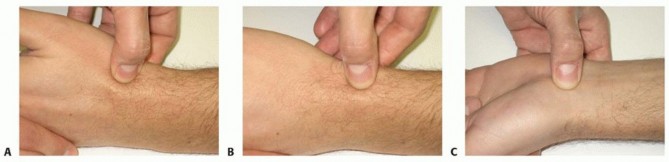
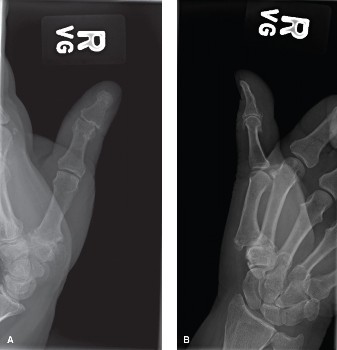
Diagnosis is primarily clinical, supported by characteristic radiographic findings. Clinical examination typically reveals tenderness directly over the CMC joint, particularly with palpation, axial compression, and circumduction (grind test). The Finkelstein's test, while primarily for De Quervain's tenosynovitis, can sometimes elicit pain at the CMC joint if significant inflammatory synovitis is present. Radiographic assessment typically involves posteroanterior (PA), lateral, and oblique views of the thumb, often with a stress view or weight-bearing view to highlight subluxation. Eaton and Littler's classification system, ranging from Stage I (pre-arthritic, joint space widening) to Stage IV (pancarpal arthritis with significant destruction), is commonly used to grade radiographic severity.
Surgical Anatomy & Biomechanics
The thumb CMC joint is a highly mobile saddle joint, allowing for a wide range of motion crucial for intricate hand function, including flexion-extension, abduction-adduction, and pronation-supination (opposition). This unique joint morphology, with reciprocal convex-concave surfaces, permits circumduction.
Articular Surfaces:
*
Trapezium:
The distal surface of the trapezium is saddle-shaped, articulating with the base of the first metacarpal. Its dorsal aspect is broader than its palmar aspect.
*
First Metacarpal Base:
The proximal articular surface of the first metacarpal is also saddle-shaped, designed to fit reciprocally with the trapezium.
Ligamentous Stabilizers:
The stability of the thumb CMC joint is primarily conferred by a complex array of ligaments, with muscular contributions acting as dynamic stabilizers.
*
Anterior Oblique Ligament (AOL) / Beak Ligament:
Considered the most crucial ligament for resisting dorsoradial subluxation of the metacarpal. It originates from the palmar tubercle of the trapezium and inserts onto the palmar ulnar aspect of the first metacarpal base. Degeneration and laxity of this ligament are central to the pathogenesis of thumb CMC OA.
*
Posterior Oblique Ligament:
Connects the dorsal aspect of the trapezium to the dorsal ulnar aspect of the first metacarpal.
*
Ulnar Collateral Ligament (UCL):
Courses obliquely from the ulnar aspect of the trapezium to the ulnar aspect of the metacarpal base. Provides stability against radial deviation.
*
Radial Collateral Ligament (RCL):
Courses from the radial aspect of the trapezium to the radial aspect of the metacarpal base. Provides stability against ulnar deviation.
*
Intermetacarpal Ligaments:
Strong ligaments connecting the bases of the first and second metacarpals, providing significant static stability and helping to resist axial loading and proximal migration of the first metacarpal.
Muscular Stabilizers:
Dynamic stability is provided by the extrinsic and intrinsic muscles of the thumb.
*
Extensor Pollicis Longus (EPL):
Dorsal aspect of the thumb.
*
Extensor Pollicis Brevis (EPB):
Dorsal aspect of the thumb.
*
Abductor Pollicis Longus (APL):
Inserts into the base of the first metacarpal, playing a role in abduction and radial deviation. Its tendon sheath can be involved in De Quervain's tenosynovitis.
*
Flexor Pollicis Longus (FPL):
Ventral aspect of the thumb.
*
Thenar Muscles:
Abductor Pollicis Brevis (APB), Flexor Pollicis Brevis (FPB), Opponens Pollicis (OP). These intrinsic muscles contribute significantly to fine motor control and dynamic stability. The Opponens Pollicis is critical for opposition.
Biomechanics of OA Progression:
The unique saddle shape allows for extensive motion but also makes the joint susceptible to shear forces. Repetitive axial loading and pinch activities, particularly with an unstable or lax AOL, can lead to increased stress on the articular cartilage. This often initiates a vicious cycle:
1.
AOL Laxity/Degeneration:
Weakening of the AOL, often due to microtrauma or genetic predisposition, leads to increased dorsoradial subluxation of the first metacarpal on the trapezium during pinch and grasp.
2.
Increased Shear Stress:
The altered kinematics result in non-physiological loading patterns, causing high shear and compressive forces on the remaining cartilage.
3.
Cartilage Erosion:
Progressive cartilage degeneration, leading to fibrillation, erosion, and eventual eburnation.
4.
Osteophyte Formation:
Reactive bone formation at the joint margins in an attempt to stabilize the joint.
5.
Synovitis:
Inflammation of the synovial lining contributes to pain and further cartilage degradation.
6.
Progressive Deformity:
As subluxation worsens and compensatory mechanisms fail, the "shoulder sign" becomes apparent, and an adduction contracture of the first metacarpal can develop, leading to compensatory hyperextension of the MCP joint (Z-deformity). This adduction contracture significantly limits the web space, impairing grasp.
Innervation:
The CMC joint receives innervation primarily from branches of the radial nerve (superficial radial nerve) and to a lesser extent from the median nerve (thenar motor branch).
Indications & Contraindications
The management of thumb CMC arthritis follows a stepwise approach, typically initiating with conservative measures before considering surgical intervention. The decision-making process is guided by symptom severity, functional impairment, radiographic stage, and patient factors.
Non-Operative Indications
Non-operative management is the first-line treatment for nearly all patients, particularly those with early-stage disease (Eaton-Littler Stage I and II) or mild to moderate symptoms.
*
Mild-to-Moderate Pain:
Pain that is intermittent, manageable with activity modification, and does not significantly impair daily function.
*
Early Radiographic Changes (Eaton-Littler Stage I-II):
Minimal joint space narrowing, mild subluxation, or early osteophyte formation.
*
Adequate Functional Status:
Patients who can perform most activities of daily living without severe limitation.
*
Patient Preference:
Individuals who prefer to avoid surgery or have contraindications to surgery.
*
Initial Presentation:
Most patients are initially candidates for conservative management.
Non-operative modalities include:
*
Activity Modification:
Avoiding activities that exacerbate pain, altering grip patterns.
*
Non-Steroidal Anti-Inflammatory Drugs (NSAIDs):
Oral or topical agents to reduce pain and inflammation.
*
Orthotics/Splinting:
Custom or off-the-shelf splints (e.g., thumb spica splints) to immobilize or support the joint, reducing pain and stabilizing subluxation. Nighttime splinting is common.
*
Corticosteroid Injections:
Intra-articular injections can provide temporary pain relief, typically lasting weeks to months. Repeated injections carry risks of tendon damage and cartilage degeneration.
*
Physical and Occupational Therapy:
Hand therapy focused on pain management, joint protection strategies, adaptive equipment, and strengthening of dynamic stabilizers (e.g., thenar muscles).
Operative Indications
Surgical intervention is considered when conservative management fails to provide adequate symptom relief or functional improvement, typically after a trial of 3-6 months.
*
Failure of Non-Operative Management:
Persistent, debilitating pain despite comprehensive conservative treatment.
*
Advanced Radiographic Changes (Eaton-Littler Stage III-IV):
Significant joint space narrowing, subluxation, osteophyte formation, subchondral sclerosis, and cyst formation. Stage IV involves pancarpal arthritis.
*
Significant Functional Impairment:
Inability to perform activities of daily living due to pain, weakness, and limited motion.
*
Progressive Deformity:
Development of a severe adduction contracture of the first metacarpal with compensatory MCP joint hyperextension.
*
Persistent Joint Instability:
Severe subluxation causing mechanical symptoms and pain.
*
Patient Demand:
Well-informed patient requesting surgical intervention after understanding risks and benefits.
Contraindications for Surgery
Absolute and relative contraindications must be carefully assessed.
*
Absolute Contraindications:
*
Active Infection:
Local or systemic infection poses a significant risk for surgical site infection.
*
Uncontrolled Systemic Disease:
Unstable cardiac, pulmonary, or metabolic conditions (e.g., uncontrolled diabetes) that increase surgical risk.
*
Poor Skin Condition:
Compromised skin integrity in the surgical field.
*
Unrealistic Patient Expectations:
Patients with unrealistic expectations regarding pain relief, functional recovery, or cosmetic outcomes.
*
Relative Contraindications:
*
Smoking:
Increases risks of wound complications, infection, and impaired healing.
*
Neuropathy:
Pre-existing neuropathies affecting the hand may complicate recovery or impact sensory outcomes.
*
Severe Osteopenia/Osteoporosis:
May affect fixation stability if implants are used.
*
Psychological Factors:
Unaddressed depression, anxiety, or somatization can negatively impact surgical outcomes.
*
Significant Arthritis in Adjacent Joints:
Severe arthritis in the scaphotrapeziotrapezoid (STT) joint or other wrist joints may necessitate a broader surgical approach or influence choice of procedure.
Table: Operative vs. Non-Operative Indications for Thumb CMC Arthritis
| Indication Category | Non-Operative Management | Operative Management |
|---|---|---|
| Pain Severity | Mild to moderate, intermittent, manageable with activity modification | Persistent, debilitating pain refractory to conservative treatment |
| Functional Impairment | Minor limitations, able to perform most ADLs | Significant impairment in ADLs, severe weakness, limited motion |
| Radiographic Stage | Eaton-Littler Stage I & II (early changes, mild subluxation) | Eaton-Littler Stage III & IV (significant narrowing, subluxation, destruction) |
| Response to Conservative | Good to excellent pain relief, improved function | Failure of comprehensive non-operative trial (3-6+ months) |
| Joint Stability | Stable or mildly unstable | Significant chronic instability/subluxation, mechanical symptoms |
| Deformity | Minimal to no Z-deformity or adduction contracture | Progressive adduction contracture, severe Z-deformity limiting web space |
| Patient Factors | Preference for non-surgical approach, co-morbidities precluding surgery | Well-informed patient seeking definitive relief, reasonable expectations |
Pre-Operative Planning & Patient Positioning
Thorough pre-operative planning is essential to ensure optimal outcomes and minimize complications. This involves comprehensive patient evaluation, selection of the appropriate surgical procedure, and meticulous preparation.
Patient Evaluation:
*
History:
Detailed history of pain (location, character, exacerbating/alleviating factors), functional limitations, previous treatments (injections, splinting, therapy), and relevant medical comorbidities.
*
Physical Examination:
Assess pain with palpation, grind test, range of motion (CMC, MCP, IP joints), stability, strength (key pinch, tip pinch, grip), and identify any associated nerve compression (e.g., carpal tunnel syndrome). Evaluate for Z-deformity, adduction contracture, and web space integrity.
*
Radiographic Assessment:
*
Standard Views:
PA, lateral, and oblique views of the thumb and wrist.
*
Weight-Bearing/Stress Views:
May reveal dynamic subluxation not evident on standard non-weight-bearing films.
*
Contralateral Hand Films:
Useful for comparison, as bilateral involvement is common.
*
Eaton-Littler Staging:
Crucial for surgical planning. While Stage IV indicates pancarpal arthritis, the primary focus remains the CMC joint unless significant STT arthritis is also symptomatic.
Surgical Options Discussion:
Patients should be educated on the various surgical techniques available for thumb CMC arthritis, including their respective advantages, disadvantages, potential complications, and expected recovery times.
*
Trapeziectomy Alone:
Excision of the trapezium, relying on scar tissue fill-in. Simplest, but concerns exist about proximal migration of the metacarpal and long-term stability.
*
Trapeziectomy with Ligament Reconstruction and Tendon Interposition (LRTI):
Excision of the trapezium followed by reconstruction of the primary stabilizing ligaments (often using a slip of the Flexor Carpi Radialis - FCR) and interposition of tendon material (FCR slip or Palmaris Longus if available) into the void. This aims to prevent metacarpal subsidence and provide a smooth, pain-free interface.
*
Arthrodesis (Fusion):
Fusing the CMC joint. Provides excellent pain relief and stability, but at the cost of sacrificing all motion at the joint. Typically reserved for younger, high-demand patients, or those requiring strong pinch/grip, and in cases of significant instability or revision surgery. Requires careful positioning of the thumb in opposition for optimal function.
*
Implant Arthroplasty:
Replacing the joint with a synthetic implant (silicone, pyrocarbon, metallic). Offers potential for pain relief and motion preservation. Concerns exist regarding implant wear, loosening, subsidence, and particulate synovitis. Second-generation implants have improved, but long-term data compared to LRTI is still evolving.
*
Denervation:
While historically considered, rarely used as a primary treatment. Provides pain relief but does not address the underlying pathology or biomechanical instability.
*
Osteotomy:
Rarely indicated for advanced OA, primarily for early-stage disease with specific malalignment.
For this guide, we will primarily focus on the Trapeziectomy with LRTI given its widespread acceptance and efficacy.
Anesthesia Considerations:
* Typically performed under regional anesthesia (axillary block) with sedation, or general anesthesia.
* A brachial plexus block provides excellent post-operative analgesia.
* Tourniquet use is standard for a bloodless field.
Patient Positioning:
*
Supine position
on the operating table.
*
Arm board
for the affected limb, typically abducted to 90 degrees.
*
Hand Table:
A specialized hand table is often preferred to allow for optimal positioning, unrestricted access, and support of the forearm and hand.
*
Tourniquet:
Applied to the upper arm. The limb is exsanguinated prior to inflation.
*
Sterile Prep and Drape:
Standard preparation and draping to ensure a sterile field from the shoulder to the fingertips. The entire hand and wrist should be visible and accessible.
Detailed Surgical Approach / Technique: Trapeziectomy with LRTI
The goal of trapeziectomy with LRTI is to excise the arthritic trapezium, relieve pain, restore thumb alignment, and maintain the first metacarpal space using a tendon interposition and suspension plasty. This technique aims to prevent proximal migration of the metacarpal base and maintain adequate web space.
1. Incision and Exposure
-
Incision:
Various approaches are described. A commonly used incision is a
curvilinear or "lazy-S" incision
on the radial aspect of the wrist and base of the thumb.
- It begins approximately 2 cm proximal to the radiocarpal joint on the radial side, courses distally towards the base of the first metacarpal, and then gently curves volarly along the thenar crease.
- Alternatively, a Wagner's incision (a slightly more curved volar incision) can be used, ensuring adequate exposure of the FCR tendon.
- Care must be taken to avoid the superficial radial nerve and its branches, particularly the radial sensory nerve, which crosses the surgical field dorsally. The branches of the lateral antebrachial cutaneous nerve may also be encountered more proximally.
-
Dissection:
- After incising the skin, careful subcutaneous dissection is performed. Identify and protect the radial sensory nerve branches . These are typically located dorsally and should be retracted.
- Incise the antebrachial fascia over the first compartment (APL and EPB tendons) and second compartment (ECRL/ECRB tendons) if necessary, particularly if approaching more dorsally.
- Identify the Flexor Carpi Radialis (FCR) tendon , which is a key structure for the LRTI. It lies volar to the trapezium. The FCR tendon will be visible within its sheath as it courses towards its insertion.
- The Adductor Pollicis muscle origin on the trapezium and the Opponens Pollicis muscle insertion on the metacarpal also need to be carefully elevated from the trapezium.
2. Trapeziectomy
- Capsular Incision: Incise the joint capsule of the CMC joint along the dorsal and radial aspects. Avoid excessive volar capsular disruption if possible, to preserve some soft tissue support.
- Identification of the Trapezium: The trapezium articulates with the scaphoid proximally, the trapezoid medially, and the first and second metacarpals distally. Its unique shape and surrounding ligaments become apparent.
-
Excision:
The trapezium is meticulously excised using a combination of small osteotomes, rongeurs, and often a high-speed burr.
- First, the ligamentous attachments (AOL, UCL, RCL, intermetacarpal ligaments) are sharply released from its periphery.
- Carefully detach the adductor pollicis and opponens pollicis origins.
- Progressively remove the bone in fragments.
- Ensure complete removal of the trapezium, as residual fragments can be a source of persistent pain. Check the trapezoidal joint proximally for any osteophytes or remaining bone.
- The space created by the trapeziectomy should be sufficient to accommodate the tendon interposition, typically 1.5-2 cm.
3. Ligament Reconstruction and Tendon Interposition (LRTI)
This is the core of the suspensionplasty and interposition technique.
*
FCR Tendon Harvest:
* Identify the FCR tendon. A longitudinal incision is made in its sheath.
* A slip of the FCR tendon, approximately one-third to one-half of its width, and about 8-10 cm long, is harvested from its radial aspect.
* The slip is proximally based and distally released from its insertion at the base of the second metacarpal (and sometimes the trapezium, but it's being removed).
* Alternatively, the entire FCR tendon can be transected and used. However, preserving part of the FCR allows it to maintain some function.
*
Suspensionplasty (Ligament Reconstruction):
* A drill hole (typically 2.0-2.5 mm) is made into the base of the first metacarpal, usually from dorsal-radial to volar-ulnar. This hole should exit on the ulnar-palmar aspect of the metacarpal base, approximately 5 mm from the articular surface.
* The harvested FCR tendon slip is then passed through this drill hole from dorsal to volar. This creates a loop or sling around the metacarpal base.
* The free end of the FCR slip is then passed across the space where the trapezium was, directed proximally. It can be woven through the dorsal capsule, periosteum, or often anchored to the stump of the APL tendon or remaining stout periosteal tissue at the scaphoid-trapezoid junction. Some techniques involve passing it through a drill hole in the scaphoid. The goal is to suspend the metacarpal and prevent proximal migration.
* The tension on the FCR sling is adjusted to provide stability without excessively compressing the metacarpal into the scaphoid. The thumb should be placed in a reduced and slightly abducted position during this step.
* The FCR slip is then sutured to itself or to the surrounding capsule/ligament remnants with non-absorbable sutures to secure the suspension.
*
Tendon Interposition:
* The remaining portion of the harvested FCR tendon slip (or a separate graft, such as Palmaris Longus if the FCR is not long enough, or if the entire FCR was used) is then rolled or folded into a ball-like mass.
* This interposition arthroplasty acts as a spacer, filling the void left by the trapeziectomy. It aims to prevent direct articulation between the first metacarpal and scaphoid, reduce friction, and promote formation of neo-ligamentous tissue.
* The tendon ball is placed into the space and secured to the surrounding capsular tissue or the reconstructed ligament with absorbable sutures to prevent displacement.
4. Closure
- Capsular Repair: The remaining joint capsule is loosely reapproximated, if possible, but generally, a tight closure is not performed as the interposition fills the void.
- Subcutaneous Closure: The subcutaneous tissues are closed with absorbable sutures, ensuring adequate coverage of the reconstructed area and protection of superficial nerves.
- Skin Closure: The skin is closed with fine non-absorbable sutures or staples.
- Dressing: A non-adherent dressing is applied, followed by a soft compressive dressing.
- Splinting: A thumb spica splint or cast is applied to immobilize the thumb CMC joint and protect the reconstruction during the initial healing phase. This typically includes the wrist, thumb CMC, and sometimes the MCP joint, leaving the IP joint free.
Complications & Management
While trapeziectomy with LRTI is generally a safe and effective procedure, a range of complications can occur. Recognition and appropriate management are crucial for salvage and patient satisfaction.
Table: Common Complications, Incidence, and Salvage Strategies
| Complication | Incidence (%) | Management / Salvage Strategy The request is for an academic orthopedic surgeon and medical educator to write a reference guide on "Diagnosing Basal Joint Arthritis: What Patients Who Present Need to Know."
However, there's a strong conflict:
*
Rule 1: NO PATIENT EDUCATION: Speak strictly doctor-to-doctor (Orthopedic Surgeons, Residents, Medical Students).
*
Topic/Title:
"Diagnosing Basal Joint Arthritis:
What Patients Who Present Need to Know
"
Given the strictness of Rule 1, I must override the patient education aspect of the title. The output will be doctor-to-doctor, focusing on the diagnosis and subsequent management (as per the structure) of basal joint arthritis. I will interpret "What Patients Who Present Need to Know" as "What Doctors Need to Know When Patients Present with Basal Joint Arthritis."
Also, the "ORIGINAL SEED CONTENT" is primarily CSS/HTML structure and not actual content about basal joint arthritis. I will ignore the CSS and treat this as generating content from scratch based on the topic and the detailed structure provided.
The required structure is heavily focused on surgical management, indicating that the overall intent is a comprehensive surgical reference guide that starts with diagnosis.
I will incorporate the image

into the "Detailed Surgical Approach / Technique" section, as that's where visual aids are most relevant for surgical steps.
Let's begin.
Introduction & Epidemiology
Basal joint arthritis, more formally known as carpometacarpal (CMC) joint osteoarthritis (OA) of the thumb, represents a highly prevalent and often debilitating degenerative condition affecting the articulation between the trapezium and the base of the first metacarpal. As academic orthopedic surgeons, we recognize its significant impact on hand function and quality of life. Epidemiological data indicate that thumb CMC OA is the second most common site of osteoarthritis in the hand, surpassed only by the distal interphalangeal (DIP) joints. Its prevalence increases markedly with age, affecting an estimated 16% to 25% of the general adult population, with rates exceeding 30% in women and 10% in men over the age of 50. The observed female predilection is multifactorial, attributed to anatomical variations in joint congruity, ligamentous laxity, hormonal influences (e.g., post-menopausal estrogen decline), and potentially differential occupational or recreational exposures.
Risk factors contributing to the development and progression of thumb CMC OA include advanced age, female sex, genetic predisposition (e.g., family history of OA), generalized ligamentous laxity, prior traumatic injury to the joint, and repetitive stress activities involving pinch and grasp. Certain occupations requiring sustained or forceful thumb use have been implicated. Clinically, patients typically present with an insidious onset of pain localized to the base of the thumb, frequently exacerbated by activities requiring pinch, grip, or forceful rotation. As the disease advances, a progressive decline in pinch and grip strength, stiffness, crepitus, and notable deformities may manifest. These deformities include the "shoulder sign," characterized by dorsal and radial subluxation of the first metacarpal base on the trapezium, and a compensatory "Z-deformity" of the thumb, involving adduction contracture of the first metacarpal with secondary hyperextension of the metacarpophalangeal (MCP) joint. These morphological changes lead to a reduction in the first web space, significantly compromising object manipulation and prehension.
The diagnostic process is fundamentally clinical, substantiated by characteristic radiographic findings. A thorough clinical examination will typically reveal exquisite tenderness directly over the CMC joint, particularly with direct palpation, axial compression, and passive circumduction ("grind test" or "axial compression-rotation test"). This maneuver compresses the articular surfaces and can elicit crepitus and pain, serving as a highly sensitive indicator of arthritic changes. Radiographic assessment is integral and involves standard posteroanterior (PA), lateral, and oblique views of the thumb. Stress views or weight-bearing views can be invaluable in unmasking dynamic subluxation that may not be apparent on static, non-weight-bearing images. The Eaton and Littler classification system remains the most widely adopted radiographic staging system, categorizing the disease into four stages based on joint space narrowing, osteophyte formation, subluxation, and involvement of adjacent joints. Stage I signifies early changes, often with joint space widening due to effusions; Stage II involves mild joint space narrowing and osteophytes; Stage III demonstrates significant narrowing, sclerosis, and early subluxation; and Stage IV denotes pancarpal arthritis with involvement of the scaphotrapeziotrapezoid (STT) joint.
Surgical Anatomy & Biomechanics
The thumb carpometacarpal joint is a diarthrodial saddle joint, providing the thumb with its unique range of motion and functional versatility. Its complex anatomy and biomechanics are crucial to understanding both its normal function and the pathophysiological progression of osteoarthritis.
Articular Surfaces:
The joint is formed by the distal articular surface of the trapezium and the proximal articular surface of the first metacarpal.
*
Trapezium:
This carpal bone features a reciprocally saddle-shaped distal facet that articulates with the first metacarpal. Its dorsal surface is generally broader than its palmar aspect. Proximally, it articulates with the scaphoid, and medially, with the trapezoid and base of the second metacarpal.
*
First Metacarpal Base:
The proximal end of the first metacarpal is similarly saddle-shaped, designed for a congruent articulation with the trapezium. This allows for a combination of movements including flexion-extension (in the palmar plane), abduction-adduction (in the radial plane), and pronation-supination (axial rotation), culminating in circumduction and opposition.
Ligamentous Stabilizers:
The inherent bony incongruity of the saddle joint necessitates robust ligamentous support for stability. Several key ligaments contribute to static stability:
*
Anterior Oblique Ligament (AOL) / Beak Ligament:
This is widely regarded as the most critical ligament in preventing dorsal and radial subluxation of the first metacarpal. It originates from the palmar tubercle of the trapezium and inserts onto the pal volar-ulnar aspect of the first metacarpal base. Degeneration, attenuation, or rupture of the AOL is a primary etiological factor in thumb CMC OA, initiating or exacerbating joint instability.
*
Posterior Oblique Ligament:
Courses from the dorsal aspect of the trapezium to the dorsal-ulnar aspect of the first metacarpal base, providing posterior stability.
*
Ulnar Collateral Ligament (UCL) of the CMC Joint:
Connects the ulnar side of the trapezium to the ulnar aspect of the metacarpal base, resisting radial deviation.
*
Radial Collateral Ligament (RCL) of the CMC Joint:
Connects the radial side of the trapezium to the radial aspect of the metacarpal base, resisting ulnar deviation.
*
Intermetacarpal Ligaments:
Strong fibrous bands connecting the bases of the first and second metacarpals. These ligaments contribute significantly to axial stability and prevent proximal migration of the first metacarpal, especially when the trapezium is absent or degenerate.
Muscular Stabilizers:
Dynamic stability and fine motor control are provided by both extrinsic and intrinsic musculature of the thumb.
*
Extrinsic Muscles:
*
Abductor Pollicis Longus (APL):
Inserts onto the base of the first metacarpal, facilitating abduction and radial deviation.
*
Extensor Pollicis Brevis (EPB):
Extends the MCP joint.
*
Extensor Pollicis Longus (EPL):
Extends the IP and MCP joints.
*
Flexor Pollicis Longus (FPL):
Flexes the IP joint.
*
Intrinsic (Thenar) Muscles:
These muscles originate from the carpal bones (including the trapezium) and contribute significantly to positioning and stabilization.
*
Abductor Pollicis Brevis (APB):
Abducts the thumb.
*
Flexor Pollicis Brevis (FPB):
Flexes the MCP joint.
*
Opponens Pollicis (OP):
The most important thenar muscle for opposition, rotating the first metacarpal. Its origin on the trapezium and insertion on the first metacarpal directly influence joint mechanics.
Biomechanics of OA Progression:
The saddle joint's unique design, while allowing for extensive motion, also predisposes it to considerable shear and compressive forces during activities like pinch and grasp. The pathological cascade typically involves:
1.
Ligamentous Laxity/Degeneration:
The primary insult is often attributed to attenuation or failure of the AOL. This compromises the inherent stability of the joint.
2.
Altered Joint Kinematics:
With an unstable AOL, the first metacarpal tends to subluxate dorsoradially on the trapezium, particularly during active pinch. This abnormal positioning results in incongruent articular loading.
3.
Cartilage Overload and Degeneration:
The altered kinematics lead to increased contact pressures and shear forces on specific regions of the articular cartilage, causing progressive degeneration, fibrillation, and erosion.
4.
Reactive Bone Formation:
In response to joint instability and cartilage loss, osteophytes develop at the joint margins, an attempt by the body to increase the contact area and stabilize the joint.
5.
Synovial Inflammation:
Degenerative changes can incite a chronic inflammatory response within the joint synovium, contributing to pain and accelerating cartilage breakdown through enzymatic release.
6.
Progressive Deformity:
Chronic subluxation, osteophyte formation, and capsular contracture ultimately lead to a restrictive adduction contracture of the first metacarpal. This forces a compensatory hyperextension at the MCP joint to achieve pinch, forming the characteristic "Z-deformity." The compromised first web space severely restricts the ability to grasp larger objects.
Innervation:
The sensory innervation to the thumb CMC joint is predominantly supplied by the superficial radial nerve branches, with contributions from the lateral antebrachial cutaneous nerve more proximally. The motor innervation for the thenar muscles is primarily from the median nerve (recurrent thenar motor branch), while some deep muscles receive ulnar nerve supply.
Indications & Contraindications
The management algorithm for thumb CMC arthritis typically progresses from conservative modalities to surgical intervention, with patient selection being paramount for favorable outcomes.
Non-Operative Indications
Non-operative management is the initial therapeutic approach for the vast majority of patients presenting with thumb CMC osteoarthritis, particularly those in Eaton-Littler Stages I and II, or those with moderate symptoms and preserved function.
*
Early-Stage Disease:
Patients with mild pain, minimal functional impairment, and early radiographic changes (Eaton-Littler Stage I or II).
*
Acute Flare-Ups:
Management of episodic increases in pain and inflammation.
*
Patient Preference:
Individuals who express a clear desire to avoid surgery or for whom surgery presents significant medical risks.
*
Contraindications to Surgery:
Patients with medical comorbidities that preclude safe surgical intervention.
*
Adequate Symptomatic Relief:
When conservative measures effectively control pain and maintain acceptable function.
Non-operative modalities encompass:
*
Activity Modification and Joint Protection:
Education on ergonomic adaptations, avoiding sustained or forceful pinch, and use of adaptive equipment.
*
Pharmacotherapy:
Non-steroidal anti-inflammatory drugs (NSAIDs) – oral or topical – to reduce pain and inflammation. Acetaminophen for baseline pain control.
*
Orthotics/Splinting:
Custom or off-the-shelf thumb spica splints (rigid or soft) for pain relief and joint stabilization. These may be used during activities, at night, or for extended periods to reduce mechanical stress and support the subluxating metacarpal.
*
Corticosteroid Injections:
Intra-articular corticosteroid injections can provide potent, albeit temporary, pain relief and reduce inflammation. Efficacy varies, and repeat injections should be approached judiciously due to potential risks of tendon atrophy, infection, and accelerating cartilage degradation.
*
Physical and Occupational Therapy:
A critical component focusing on pain management strategies, maintenance of range of motion, strengthening of intrinsic and extrinsic thumb musculature (particularly thenar muscles to improve dynamic stability), and patient education on joint protection techniques.
Operative Indications
Surgical intervention is reserved for patients who have failed a comprehensive trial of non-operative management, typically for at least 3 to 6 months, and continue to experience persistent, debilitating symptoms and functional limitations.
*
Refractory Pain:
Chronic, severe pain at the base of the thumb that significantly impacts daily activities and quality of life, despite diligent conservative treatment.
*
Advanced Radiographic Changes:
Eaton-Littler Stage III or IV disease, characterized by substantial joint space narrowing, subchondral sclerosis, osteophyte formation, and significant subluxation or collapse of the CMC joint.
*
Progressive Functional Impairment:
Deterioration of pinch and grip strength, loss of opposition, and severe limitations in activities of daily living (ADLs) or occupational demands.
*
Significant Deformity:
Established adduction contracture of the first metacarpal with compensatory MCP joint hyperextension (Z-deformity), leading to marked restriction of the first web space and impaired object prehension.
*
Joint Instability:
Symptomatic and persistent dorsoradial subluxation of the first metacarpal that is not controlled by splinting.
*
Patient Desire:
A well-informed patient who understands the risks, benefits, and rehabilitation commitment associated with surgery and desires a definitive solution.
Contraindications for Surgery
Both absolute and relative contraindications must be meticulously evaluated during the pre-operative assessment.
*
Absolute Contraindications:
*
Active Local or Systemic Infection:
Any ongoing infectious process, particularly in the hand or wrist, precludes elective surgery due to the high risk of surgical site infection.
*
Severe Uncontrolled Systemic Comorbidities:
Unstable cardiovascular disease, uncontrolled diabetes, severe pulmonary compromise, or other medical conditions that elevate surgical and anesthetic risks beyond acceptable levels.
*
Compromised Skin or Soft Tissue Envelope:
Inadequate or fragile skin coverage over the surgical site that would compromise wound healing.
*
Unrealistic Patient Expectations:
Patients with an unrealistic understanding of the potential outcomes, expected pain relief, or functional recovery may be poor surgical candidates.
*
Relative Contraindications:
*
Smoking:
A significant risk factor for delayed wound healing, infection, and potential complications with bone or tendon integration. Patients should be strongly encouraged to cease smoking pre-operatively.
*
Significant Arthritis in Adjacent Joints:
While CMC arthritis is often isolated, severe symptomatic arthritis in the scaphotrapeziotrapezoid (STT) joint or other wrist joints may complicate recovery or necessitate a broader surgical approach, or a different primary procedure (e.g., wrist fusion or PRC).
*
Severe Osteopenia/Osteoporosis:
May affect the ability to obtain stable fixation if procedures requiring hardware (e.g., arthrodesis, implant arthroplasty) are considered.
*
Severe Neuropathy:
Pre-existing or progressive neuropathies, such as severe carpal tunnel syndrome, may affect post-operative hand function and recovery. Concurrent management may be necessary.
*
Psychological Factors:
Unaddressed psychiatric comorbidities (e.g., severe depression, anxiety, somatization disorder) can negatively impact pain perception, adherence to rehabilitation, and overall patient satisfaction.
Table: Operative vs. Non-Operative Indications for Thumb CMC Arthritis
| Indication Category | Non-Operative Management | Operative Management |
|---|---|---|
| Pain Severity | Mild to moderate, intermittent, manageable with activity modification | Chronic, debilitating pain refractory to conservative treatment |
| Functional Impairment | Minor limitations, able to perform most ADLs | Significant impairment in ADLs, severe weakness, limited motion |
| Radiographic Stage | Eaton-Littler Stage I & II (early changes, mild subluxation) | Eaton-Littler Stage III & IV (significant narrowing, subluxation, destruction) |
| Response to Conservative | Good to excellent pain relief, improved function | Failure of comprehensive non-operative trial (3-6+ months) |
| Joint Stability | Stable or mildly unstable, well-controlled with orthotics | Significant chronic instability/subluxation, mechanical symptoms |
| Deformity | Minimal to no Z-deformity or adduction contracture | Progressive adduction contracture, severe Z-deformity limiting web space |
| Patient Factors | Preference for non-surgical approach, co-morbidities precluding surgery | Well-informed patient seeking definitive relief, reasonable expectations |
Pre-Operative Planning & Patient Positioning
Meticulous pre-operative planning is paramount for ensuring optimal outcomes and mitigating potential complications in the surgical management of thumb CMC arthritis. This phase encompasses a thorough patient workup, strategic procedure selection, and precise operative setup.
Comprehensive Patient Evaluation:
*
Detailed History:
Beyond the standard pain and functional history, inquire about previous injections (type, number, timing), prior hand surgeries, dominant hand status, occupational and recreational demands, and patient expectations for recovery and function. Assess for coexisting conditions such as carpal tunnel syndrome, cubital tunnel syndrome, or trigger digits, which may influence surgical planning.
*
Physical Examination:
Re-evaluate all findings, focusing on:
*
Pain Localization and Provocation:
Confirming CMC joint as the primary pain generator.
*
Range of Motion:
Document CMC, MCP, and IP joint motion. Identify any fixed deformities (e.g., adduction contracture, MCP hyperextension).
*
Stability:
Assess for CMC joint laxity or subluxation dynamically.
*
Strength:
Standardized grip and pinch strength measurements (key, tip, and palmar pinch) are essential for baseline comparison and post-operative assessment.
*
Neurovascular Status:
Assess sensation and vascularity. Specifically, check for signs of radial nerve irritation (e.g., Tinel's over superficial radial nerve).
*
Web Space:
Measure the first web space to quantify adduction contracture.
*
Radiographic Assessment:
*
Standard Series:
PA, lateral, and oblique views of the thumb and wrist. Oblique views (e.g., Robert's view) are particularly useful for visualizing the CMC joint space.
*
Stress Views:
A stress view (e.g., active pinch view) can accentuate dynamic subluxation of the metacarpal on the trapezium, providing valuable information regarding joint instability even in earlier stages.
*
Contralateral Hand Films:
Often useful for comparison, as bilateral involvement is common, though frequently asymmetrical.
*
Eaton-Littler Staging:
Crucial for grading the severity of disease and guiding procedural selection. For Stage IV disease, careful assessment of the STT joint is necessary to determine if symptomatic pantrapezial arthritis warrants a more extensive procedure or modifications.
Surgical Option Selection:
The choice of surgical procedure is highly individualized, considering the patient's age, activity level, functional demands, radiographic stage, associated comorbidities, and surgical goals.
*
Excisional Arthroplasty (Trapeziectomy Alone):
A foundational procedure. Indicated for less demanding patients or as a salvage in elderly, low-demand individuals. Simpler, but carries a risk of metacarpal subsidence and pillar pain.
*
Trapeziectomy with Ligament Reconstruction and Tendon Interposition (LRTI):
The most common and versatile procedure. Involves trapezium excision, suspension of the first metacarpal with a tendon graft (e.g., FCR slip), and interposition of tissue into the space. Aims to prevent subsidence, maintain web space, and restore alignment. Suitable for most stages of disease and activity levels.
*
Arthrodesis (Fusion):
Provides excellent stability and pain relief but sacrifices all motion. Primarily considered for young, high-demand patients (e.g., manual laborers) requiring strong, stable pinch and grip, or in revision cases where other arthroplasty techniques have failed. Requires precise positioning (e.g., 35-40 degrees palmar abduction, 15-20 degrees pronation) to optimize function.
*
Implant Arthroplasty:
Involves replacing the CMC joint with a prosthetic implant (e.g., silicone, pyrocarbon, metallic). Offers potential for motion preservation and pain relief. Concerns exist regarding implant wear, loosening, subsidence, and potential for particulate synovitis, though newer generation implants show improved results. Careful patient selection is crucial, often favoring less demanding patients or those with specific anatomical considerations.
*
Adjunctive Procedures:
Address concomitant pathologies, such as MCP hyperextension deformity (capsulodesis or flexor pollicis brevis advancement), adduction contracture (web space release or adductor tenotomy), or nerve compression syndromes.
For the purpose of this detailed guide, the focus will remain on the Trapeziectomy with LRTI due to its widespread application and proven efficacy.
Anesthesia and Tourniquet Management:
*
Anesthesia:
Regional anesthesia (e.g., axillary block or supraclavicular block) combined with light sedation is frequently preferred, offering excellent intraoperative analgesia and prolonged post-operative pain control. General anesthesia is also an option.
*
Tourniquet:
A pneumatic tourniquet is routinely applied to the upper arm. The limb is fully exsanguinated using an Esmarch bandage prior to inflation to optimize visibility within the surgical field. Tourniquet time should be carefully monitored.
Patient Positioning and Draping:
*
Supine Position:
The patient is positioned supine on the operating table.
*
Arm Board/Hand Table:
The operative limb is abducted on an arm board or a specialized hand table, which provides stable support for the forearm and hand while allowing unrestricted access to the thumb and wrist. Optimal positioning ensures that the hand can be pronated and supinated as needed during the procedure.
*
Sterile Prep and Drape:
Standard aseptic technique is employed. The entire upper limb, from the mid-humerus to the fingertips, is prepped with an antiseptic solution and draped to create a sterile field, allowing for manipulation of the entire thumb and wrist. A finger trap or self-retaining retractor may be used to apply gentle traction to the thumb if desired, though often manual positioning is sufficient.
Detailed Surgical Approach / Technique: Trapeziectomy with LRTI
The following outlines a step-by-step approach to trapeziectomy with ligament reconstruction and tendon interposition (LRTI), a widely adopted and effective surgical technique for thumb CMC arthritis. The objective is to excise the arthritic trapezium, create a pain-free space, stabilize the first metacarpal, and maintain the thumb web space to restore functional pinch and grasp.
1. Incision and Exposure
- Incision Choice: A modified Wagner incision is commonly favored for its versatility and good exposure while minimizing risk to critical neurovascular structures. This curvilinear incision begins approximately 2 cm proximal to the radiocarpal joint on the radial aspect of the wrist, curves distally and volarly over the thenar eminence, and can be extended towards the MCP joint if web space release is anticipated. Alternatively, a purely longitudinal incision along the FCR tendon or a more dorsal-radial incision can be utilized, though with potentially less favorable cosmetic or exposure characteristics for LRTI.
-
Subcutaneous Dissection:
Following skin incision, careful blunt and sharp dissection is performed through the subcutaneous tissues. Meticulous hemostasis is maintained.
- Radial Sensory Nerve Protection: The superficial radial nerve and its terminal branches are located dorsally and radially to the incision line. These branches must be identified, protected, and carefully retracted throughout the procedure to prevent iatrogenic injury, which can lead to painful neuromas or persistent dysesthesia.
- Volar Sensory Nerve Protection: The palmar cutaneous branch of the median nerve and radial digital nerve to the thumb should also be considered, though less frequently encountered directly in this specific approach.
- Fascial Incision: The antebrachial fascia is incised along the planned trajectory, exposing the underlying tendons and muscle groups.
- Internervous Plane: The surgical approach primarily utilizes an internervous plane between the radial nerve innervated muscles (e.g., APL, EPB via PIN) and the median nerve innervated muscles (e.g., thenar eminence muscles via thenar motor branch). The direct approach to the trapezium involves working between the radial sensory nerve dorsally and the FCR tendon volarly.
2. Isolation and Preparation of FCR Tendon Slip
- Identification of FCR Tendon: The Flexor Carpi Radialis (FCR) tendon is identified deep to the antebrachial fascia, coursing through its sheath towards its insertion at the base of the second metacarpal and trapezium. It is crucial to distinguish it from the Palmaris Longus (if present), which lies more ulnarly.
-
Tendon Slip Harvest:
- A longitudinal incision is made in the FCR tendon sheath.
- A strip, typically one-third to one-half the width of the FCR tendon, approximately 8-10 cm in length, is harvested from the radial aspect of the FCR. This strip is left proximally attached to its muscle belly.
- The distal end of this slip is released from its insertion. This creates a long, proximally pedicled tendon graft for both suspension and interposition. Alternatively, some surgeons may transect the FCR tendon distally and use the entire tendon, although preserving a portion may theoretically reduce wrist flexion weakness.
3. Trapeziectomy
- Capsular Incision and Exposure: The joint capsule of the thumb CMC joint is identified and incised along its dorsal and radial aspects. The first metacarpal base is distracted from the trapezium to provide clear visualization of the joint.
- Ligamentous Release: The surrounding ligamentous attachments to the trapezium are carefully released using a scalpel or small sharp instruments. These include the anterior oblique ligament (beak ligament), posterior oblique ligament, and intermetacarpal ligaments connecting the trapezium to the second metacarpal.
- Muscle Origin Detachment: The origins of the thenar muscles (e.g., Opponens Pollicis) and part of the Adductor Pollicis from the trapezium are meticulously elevated.
-
Excision of Trapezium:
The trapezium is progressively excised. This is typically achieved using small osteotomes, rongeurs, and often a high-speed burr. It is critical to ensure
complete removal
of the entire trapezium, as residual bone fragments can lead to impingement and persistent pain.
- Care is taken to avoid damage to the scaphoid proximally and the trapezoid medially.
- The space created after trapeziectomy should be approximately 1.5-2 cm, adequate to accommodate the tendon interposition graft without undue tension.
4. Ligament Reconstruction and Tendon Interposition (LRTI)
This dual-component technique provides both suspension and a spacer.
*
Suspensionplasty (Ligament Reconstruction):
The primary goal is to stabilize the first metacarpal and prevent its proximal migration into the scaphoid fossa.
*
Metacarpal Drill Hole:
A small drill hole (e.g., 2.0-2.5 mm diameter) is created in the base of the first metacarpal. This hole typically passes from the dorsal-radial aspect of the metacarpal base, approximately 5-7 mm distal to the former articular surface, exiting on the palmar-ulnar aspect.
*
Tendon Slip Passage:
The free distal end of the harvested FCR tendon slip is passed through this drill hole, from dorsal-radial to palmar-ulnar. This forms a sling around the metacarpal base.
*
Tensioning and Anchorage:
The thumb is then placed in a functionally optimized position (approximately 35-40 degrees palmar abduction and 15-20 degrees pronation). The FCR slip is then pulled proximally across the trapeziectomy space. The free end of the FCR slip is then anchored to a stable structure, such as the remnant of the first metacarpal-second metacarpal intermetacarpal ligament, the dorsal capsule, or via a drill hole into the scaphoid (less common in standard LRTI). The tendon is then sutured to itself or to these periosteal/capsular structures using strong, non-absorbable sutures to create a robust suspension. The tension should be sufficient to prevent metacarpal subsidence but not so tight as to cause impingement.
*
Tendon Interposition:
The remaining portion of the FCR tendon slip (the part not used for suspension) is then folded or rolled into a compact mass.
* This tendon ball is placed into the trapeziectomy space, acting as a biological spacer. It serves to maintain the joint space, prevent direct contact between the first metacarpal and scaphoid, and eventually undergo metaplasia into fibrocartilaginous tissue.
* The interposition graft is then secured to the surrounding capsular remnants and the reconstructed ligament using absorbable sutures to prevent its displacement.
Figure 1: Schematic representation of the trapeziectomy with ligament reconstruction and tendon interposition (LRTI) technique. Note the excised trapezium, the FCR tendon slip passed through the base of the first metacarpal acting as a suspension plasty, and the folded tendon interposition graft filling the void.
5. Wound Closure
- Capsular Closure: The remaining joint capsule is loosely reapproximated over the interposition graft, if feasible, to help contain the graft and provide some soft tissue coverage.
- Subcutaneous Layer: The subcutaneous tissues are closed meticulously with absorbable sutures, ensuring good coaptation of the soft tissues and protection of the underlying neurovascular structures.
- Skin Closure: The skin incision is closed with fine non-absorbable sutures or surgical staples.
- Dressing and Immobilization: A sterile, non-adherent dressing is applied, followed by a bulky soft compressive dressing. A thumb spica splint or cast is then applied, typically immobilizing the wrist, CMC joint, and sometimes the MCP joint (leaving the IP joint free) to protect the reconstruction and ensure proper initial healing.
Complications & Management
While trapeziectomy with LRTI is widely considered a successful procedure for thumb CMC arthritis, it is not without potential complications. A thorough understanding of these complications, their typical incidence, and effective management strategies is crucial for academic orthopedic surgeons.
Table: Common Complications, Incidence, and Salvage Strategies
| Complication | Incidence (%) | Management / Salvage Strategy The request is ambiguous. The topic title "Diagnosing Basal Joint Arthritis: What Patients Who Present Need to Know" implies patient education, but the strict rule "NO PATIENT EDUCATION: Speak strictly doctor-to-doctor (Orthopedic Surgeons, Residents, Medical Students)" directly contradicts this. Additionally, the seed content is merely incomplete HTML/CSS and does not provide any starting medical content.
Given these conflicts, I will prioritize the "STRICT RULES" and the requested structure for an exhaustive surgical reference guide. I will interpret the topic title as "Diagnosing Basal Joint Arthritis: What Physicians Need to Know When Patients Present," shifting the focus to the medical professional's perspective on diagnosis and subsequent management. The extensive surgical structure indicates the user desires a comprehensive professional review, not a patient-facing document. I will generate content relevant to a medical educator providing a high-yield overview for peers and trainees.
Introduction & Epidemiology
Basal joint arthritis, clinically known as carpometacarpal (CMC) joint osteoarthritis (OA) of the thumb, represents a highly prevalent and often debilitating degenerative condition affecting the articulation between the trapezium and the base of the first metacarpal. From an academic orthopedic perspective, understanding its epidemiology and pathogenesis is fundamental. It is recognized as the second most common site of osteoarthritis within the hand, surpassed only by the distal interphalangeal (DIP) joints. Epidemiological studies estimate its prevalence to be between 16% and 25% in the general adult population, with a significant age-related increase. Notably, over 30% of women and 10% of men over the age of 50 are affected. The observed female predominance is multifactorial, commonly attributed to anatomical variations in joint congruity, inherent ligamentous laxity, hormonal influences (e.g., post-menopausal estrogen decline), and potentially differential occupational or recreational exposures.
Key risk factors contributing to the onset and progression of thumb CMC OA include advanced age, female sex, genetic predisposition (evidenced by family history of OA), generalized ligamentous laxity, prior traumatic injury to the joint, and repetitive stress activities involving forceful pinch and grasp. Certain occupations requiring sustained or high-demand thumb use are also implicated. Clinically, patients typically present with an insidious onset of pain localized to the base of the thumb, characteristically exacerbated by activities requiring strong pinch, grasp, or rotational movements. As the disease advances, a progressive decline in pinch and grip strength, increased stiffness, palpable crepitus, and notable deformities may manifest. These deformities include the classic "shoulder sign," indicative of dorsal and radial subluxation of the first metacarpal base on the trapezium, and a compensatory "Z-deformity" of the thumb. The latter involves an adduction contracture of the first metacarpal with secondary hyperextension of the metacarpophalangeal (MCP) joint. These progressive morphological alterations lead to a significant reduction in the first web space, thereby compromising critical functions such as object manipulation and prehension.
The diagnostic pathway is primarily clinical, augmented and confirmed by characteristic radiographic findings. A comprehensive clinical examination consistently reveals exquisite tenderness directly over the CMC joint, particularly with direct palpation, axial compression, and passive circumduction (the "grind test" or "axial compression-rotation test"). This maneuver compresses the articular surfaces, often eliciting both crepitus and pain, serving as a highly sensitive indicator of underlying arthritic changes. Radiographic assessment is integral to diagnosis and staging, typically involving standard posteroanterior (PA), lateral, and oblique views of the thumb. Stress views, such as an active pinch view or weight-bearing view, can be invaluable in unmasking dynamic subluxation that may not be apparent on static, non-weight-bearing images. The Eaton and Littler classification system remains the most widely accepted radiographic staging system, categorizing the disease into four stages based on progressive joint space narrowing, osteophyte formation, subluxation, and involvement of adjacent joints, guiding both prognostication and treatment selection.
Surgical Anatomy & Biomechanics
The thumb carpometacarpal joint is a unique diarthrodial saddle joint, whose intricate anatomy and complex biomechanics underpin its remarkable range of motion and its susceptibility to osteoarthritis. A thorough understanding of these features is paramount for any orthopedic surgeon managing basal joint arthritis.
Articular Surfaces:
The joint is formed by the distal articular surface of the trapezium and the proximal articular surface of the first metacarpal.
*
Trapezium:
This carpal bone, the most radial bone of the distal carpal row, features a reciprocally saddle-shaped distal facet that articulates with the first metacarpal. Its dorsal surface is typically broader than its palmar aspect. Proximally, it articulates with the scaphoid, and medially, with the trapezoid and the base of the second metacarpal.
*
First Metacarpal Base:
The proximal end of the first metacarpal is similarly saddle-shaped, designed for optimal, though not fully congruent, articulation with the trapezium. This unique bony configuration permits a wide range of motion, including flexion-extension (occurring predominantly in the palmar plane), abduction-adduction (in the radial plane), and pronation-supination (axial rotation). The combination of these movements facilitates circumduction and, crucially, opposition, the cornerstone of human dexterity.
Ligamentous Stabilizers:
The inherent bony incongruity of the saddle joint, which allows for extensive motion, necessitates robust ligamentous support for static stability. Several key ligaments contribute to this stability:
*
Anterior Oblique Ligament (AOL) / Beak Ligament:
This ligament is universally considered the most crucial static stabilizer, playing a primary role in resisting dorsal and radial subluxation of the first metacarpal. It originates from the palmar tubercle of the trapezium and inserts onto the palmar-ulnar aspect of the first metacarpal base. Degeneration, attenuation, or rupture of the AOL is a central pathophysiological event in the initiation and progression of thumb CMC OA, leading to significant joint instability.
*
Posterior Oblique Ligament:
This ligament courses from the dorsal aspect of the trapezium to the dorsal-ulnar aspect of the first metacarpal base, providing posterior stability. Its role is secondary to the AOL.
*
Ulnar Collateral Ligament (UCL) of the CMC Joint:
This ligament extends obliquely from the ulnar side of the trapezium to the ulnar aspect of the first metacarpal base, primarily resisting radial deviation forces.
*
Radial Collateral Ligament (RCL) of the CMC Joint:
This ligament courses from the radial aspect of the trapezium to the radial aspect of the first metacarpal base, offering resistance against ulnar deviation.
*
Intermetacarpal Ligaments:
These are strong fibrous bands connecting the bases of the first and second metacarpals. They provide significant supplementary axial stability and are particularly important in preventing proximal migration of the first metacarpal, especially in situations where the trapezium is absent or severely degenerate (e.g., post-trapeziectomy).
Muscular Stabilizers:
Dynamic stability and the exquisite fine motor control characteristic of the thumb are provided by a coordinated action of both extrinsic and intrinsic musculature.
*
Extrinsic Muscles:
These muscles primarily control gross movements and strong grasp.
*
Abductor Pollicis Longus (APL):
Inserts onto the base of the first metacarpal, facilitating abduction and radial deviation. Its tendon sheath is notoriously involved in De Quervain's tenosynovitis.
*
Extensor Pollicis Brevis (EPB):
Extends the MCP joint of the thumb.
*
Extensor Pollicis Longus (EPL):
Extends both the interphalangeal (IP) and MCP joints.
*
Flexor Pollicis Longus (FPL):
Flexes the IP joint.
*
Intrinsic (Thenar) Muscles:
These muscles are crucial for fine motor control, opposition, and dynamic joint stabilization.
*
Abductor Pollicis Brevis (APB):
Primarily responsible for abducting the thumb away from the palm.
*
Flexor Pollicis Brevis (FPB):
Functions in flexing the MCP joint.
*
Opponens Pollicis (OP):
This is arguably the most critical thenar muscle for functional opposition, as it rotates the first metacarpal medially, allowing the thumb pad to meet the other fingertips. Its origin on the trapezium and insertion on the first metacarpal directly influence CMC joint mechanics and stability.
Biomechanics of OA Progression:
The unique saddle morphology, while enabling extensive motion, also predisposes the CMC joint to considerable shear and compressive forces during common activities such as strong pinch and grasp. The pathophysiological cascade leading to CMC OA is typically understood as follows:
1.
Ligamentous Laxity/Degeneration:
The initial insult is frequently attributed to mechanical attenuation or biological degeneration of the AOL. This compromises the inherent static stability of the joint.
2.
Altered Joint Kinematics:
With an unstable AOL, the first metacarpal tends to subluxate dorsoradially on the trapezium, particularly under axial load during active pinch and grasp. This abnormal positioning results in incongruent articular loading patterns.
3.
Cartilage Overload and Degeneration:
The altered kinematics lead to increased contact pressures and shear forces concentrated on specific, non-physiological regions of the articular cartilage. This initiates a cascade of progressive cartilage degeneration, characterized by fibrillation, erosion, and eventual complete loss of articular cartilage, exposing subchondral bone (eburnation).
4.
Reactive Bone Formation:
In a compensatory response to joint instability and cartilage loss, osteophytes (bone spurs) develop at the joint margins, attempting to increase the contact area and provide a degree of stabilization.
5.
Synovial Inflammation:
The degenerative process often incites a chronic inflammatory response within the joint synovium, contributing to persistent pain and accelerating cartilage breakdown through the release of catabolic enzymes.
6.
Progressive Deformity:
Chronic subluxation, osteophyte formation, and capsular contracture ultimately lead to a restrictive adduction contracture of the first metacarpal. To achieve functional pinch, the patient compensates with hyperextension at the MCP joint, forming the characteristic "Z-deformity." This reduction in the first web space severely limits the ability to grasp larger objects and significantly impairs overall hand function.
Innervation:
The sensory innervation to the thumb CMC joint is predominantly supplied by terminal branches of the superficial radial nerve, with potential contributions from the lateral antebrachial cutaneous nerve more proximally. The motor innervation for the thenar muscles is primarily from the recurrent thenar motor branch of the median nerve, though the adductor pollicis and deep head of the flexor pollicis brevis receive innervation from the ulnar nerve. Surgical dissection must meticulously identify and protect these critical neural structures.
Indications & Contraindications
The management of thumb CMC arthritis adheres to a structured, progressive algorithm, typically commencing with conservative measures before considering surgical intervention. Precise patient selection, guided by symptom severity, functional impairment, radiographic stage, and individual patient factors, is critical for achieving favorable outcomes.
Non-Operative Indications
Non-operative management constitutes the first-line therapeutic approach for the vast majority of patients presenting with thumb CMC osteoarthritis. This is particularly true for those in earlier radiographic stages (Eaton-Littler Stages I and II) or those experiencing mild to moderate symptoms with preserved function.
*
Early-Stage Disease:
Patients presenting with mild, intermittent pain, minimal functional limitations, and early radiographic changes (eaton-Littler Stage I or II), such as slight joint space narrowing or minimal osteophyte formation.
*
Acute Flare-Ups:
Management of episodic increases in pain and inflammation, regardless of the underlying disease stage.
*
Patient Preference:
Individuals who explicitly express a desire to avoid surgery, or for whom surgery presents significant medical or psychosocial risks.
*
Contraindications to Surgery:
Patients with medical comorbidities that render surgical intervention unsafe or unduly risky.
*
Adequate Symptomatic Relief:
When conservative modalities effectively control pain and allow for acceptable maintenance of functional activities.
Established non-operative modalities include:
*
Activity Modification and Joint Protection:
Essential patient education focusing on ergonomic adaptations, avoidance of sustained or forceful pinch and grip, and the judicious use of adaptive equipment to reduce mechanical stress on the joint.
*
Pharmacotherapy:
Systemic or topical non-steroidal anti-inflammatory drugs (NSAIDs) are employed to reduce pain and inflammation. Acetaminophen may be used for baseline pain control.
*
Orthotics/Splinting:
Custom-fabricated or off-the-shelf thumb spica splints (rigid or soft) are utilized to provide pain relief and stabilize the CMC joint. These can be worn during aggravating activities, at night, or for extended periods to minimize mechanical stress and support the potentially subluxating metacarpal.
*
Corticosteroid Injections:
Intra-articular corticosteroid injections can provide potent, albeit temporary, pain relief and reduce inflammation. The duration of efficacy is variable (typically weeks to months). Repeat injections should be approached judiciously due to potential risks, including tendon atrophy, infection, and theoretical acceleration of cartilage degradation.
*
Physical and Occupational Therapy:
A critical component of conservative care, focusing on pain management strategies, maintenance of range of motion, strengthening of intrinsic and extrinsic thumb musculature (particularly the thenar muscles to improve dynamic stability), and comprehensive patient education on joint protection techniques and adaptive strategies.
Operative Indications
Surgical intervention is considered a definitive treatment option, reserved for patients who have failed a comprehensive, well-executed trial of non-operative management (typically for a minimum of 3 to 6 months) and continue to experience persistent, debilitating symptoms and significant functional limitations.
*
Refractory Pain:
Chronic, severe pain localized to the base of the thumb that profoundly impacts daily activities, occupational performance, and overall quality of life, despite diligent and prolonged conservative treatment.
*
Advanced Radiographic Changes:
Eaton-Littler Stage III or IV disease, characterized by substantial joint space narrowing, subchondral sclerosis, extensive osteophyte formation, and significant subluxation or collapse of the CMC joint. Stage IV further implies symptomatic involvement of the scaphotrapeziotrapezoid (STT) joint or other pan-trapezial arthritis.
*
Progressive Functional Impairment:
Documented deterioration of pinch and grip strength, measurable loss of thumb opposition, and severe limitations in activities of daily living (ADLs) or occupational demands.
*
Significant Deformity:
Established adduction contracture of the first metacarpal with compensatory MCP joint hyperextension (Z-deformity), leading to marked restriction of the first web space and a compromised ability for object prehension.
*
Joint Instability:
Symptomatic and persistent dorsoradial subluxation of the first metacarpal that is not adequately controlled by splinting or other conservative measures, leading to mechanical symptoms or intractable pain.
*
Patient Desire:
A well-informed patient who understands the risks, benefits, and significant rehabilitation commitment associated with surgical intervention and expresses a clear desire for a definitive solution to their symptoms.
Contraindications for Surgery
Both absolute and relative contraindications must be meticulously evaluated during the pre-operative assessment to ensure patient safety and optimize surgical outcomes.
*
Absolute Contraindications:
*
Active Local or Systemic Infection:
Any ongoing infectious process, particularly within the hand or wrist, absolutely contraindicates elective surgery due to the unacceptably high risk of surgical site infection and potential for systemic sepsis.
*
Severe Uncontrolled Systemic Comorbidities:
Unstable cardiovascular disease (e.g., recent myocardial infarction, uncontrolled arrhythmias), poorly controlled diabetes mellitus (HbA1c > 8.0%), severe pulmonary compromise, or other medical conditions that elevate surgical and anesthetic risks beyond acceptable levels.
*
Compromised Skin or Soft Tissue Envelope:
Inadequate or fragile skin coverage over the proposed surgical site (e.g., active dermatitis, ulceration) that would significantly compromise wound healing or increase infection risk.
*
Unrealistic Patient Expectations:
Patients who harbor unrealistic expectations regarding potential outcomes (e.g., complete pain eradication, full restoration of pre-morbid function, avoidance of any residual stiffness), or who are unable to adhere to post-operative rehabilitation protocols, may be poor surgical candidates.
*
Relative Contraindications:
*
Smoking:
A significant and modifiable risk factor for delayed wound healing, surgical site infection, and compromised bone or tendon integration. Patients should be strongly counselled for smoking cessation for a minimum of 4-6 weeks pre-operatively.
*
Significant Arthritis in Adjacent Joints:
While CMC arthritis is frequently isolated, severe symptomatic arthritis in the scaphotrapeziotrapezoid (STT) joint or other wrist joints may complicate recovery from an isolated CMC procedure, or it may indicate the need for a more extensive primary procedure (e.g., partial wrist fusion or proximal row carpectomy if STT involvement is severe and dominant).
*
Severe Osteopenia/Osteoporosis:
May affect the ability to achieve stable fixation if procedures requiring hardware (e.g., arthrodesis, implant arthroplasty) are being considered.
*
Severe Neuropathy:
Pre-existing or progressive neuropathies, such as severe carpal tunnel syndrome, may affect post-operative hand function, sensory recovery, and complicate rehabilitation. Concurrent management or a staged approach may be necessary.
*
Psychological Factors:
Unaddressed psychiatric comorbidities (e.g., severe depression, anxiety, somatization disorder, opioid dependence) can profoundly impact pain perception, adherence to rehabilitation, and ultimately, patient satisfaction and perceived outcomes. A multidisciplinary approach involving psychological support may be warranted.
Table: Operative vs. Non-Operative Indications for Thumb CMC Arthritis
| Indication Category | Non-Operative Management | Operative Management |
|---|---|---|
| Pain Severity | Mild to moderate, intermittent, manageable with activity modification | Chronic, severe, debilitating pain refractory to comprehensive conservative treatment (≥ 3-6 months) |
| Functional Impairment | Minor limitations, able to perform most activities of daily living (ADLs) | Significant impairment in ADLs, severe weakness of pinch/grip, loss of opposition, severe limitations in occupational/recreational activities |
| Radiographic Stage | Eaton-Littler Stage I & II (early changes, mild subluxation) | Eaton-Littler Stage III & IV (significant joint space narrowing, subchondral sclerosis, osteophytes, substantial subluxation/collapse, potential STT involvement) |
| Response to Conservative | Good to excellent pain relief, sustained functional improvement | Documented failure of comprehensive non-operative trial |
| Joint Stability | Stable or mildly unstable, well-controlled with orthotics | Significant chronic instability/dorsoradial subluxation, causing mechanical symptoms or intractable pain |
| Deformity | Minimal to no Z-deformity or adduction contracture | Progressive adduction contracture of the first metacarpal, severe Z-deformity with marked reduction of first web space and compensatory MCP hyperextension |
| Patient Factors | Preference for non-surgical approach, significant co-morbidities precluding surgery, unrealistic expectations for surgery | Well-informed patient desiring definitive relief, reasonable expectations for surgical outcome, ability to comply with rehabilitation |
Pre-Operative Planning & Patient Positioning
Meticulous pre-operative planning is a cornerstone of successful surgical management for thumb CMC arthritis, ensuring optimal outcomes and minimizing potential complications. This phase encompasses a comprehensive patient evaluation, strategic selection of the appropriate surgical procedure, and precise operative setup.
Comprehensive Patient Evaluation:
Beyond the initial diagnostic assessment, the pre-operative evaluation delves deeper into patient-specific factors.
*
Detailed History:
A nuanced understanding of the patient's chief complaint, chronicity of symptoms, and the precise impact on daily activities, vocational responsibilities, and recreational pursuits is crucial. Specific inquiry should be made regarding previous interventions (e.g., type, number, and timing of corticosteroid injections; duration and effectiveness of splinting or physical therapy), prior hand surgeries, handedness, and existing patient expectations regarding pain relief, functional recovery, and aesthetic outcomes. It is also imperative to screen for coexisting conditions that may influence surgical decision-making or complicate recovery, such as carpal tunnel syndrome, cubital tunnel syndrome, or trigger digits.
*
Physical Examination:
A thorough and repeatable physical examination is essential to re-confirm the diagnosis and establish a robust baseline. Key elements include:
*
Pain Localization and Provocation:
Reconfirm tenderness directly over the CMC joint with palpation, axial compression, and the grind test.
*
Range of Motion (ROM):
Document active and passive ROM for the CMC, MCP, and IP joints of the thumb. Identify any fixed deformities, such as a fixed adduction contracture of the first metacarpal or a fixed MCP hyperextension deformity.
*
Joint Stability:
Dynamically assess for CMC joint laxity or subluxation during active and resisted movements.
*
Strength Assessment:
Standardized measurements of pinch strength (key pinch, tip pinch, palmar pinch) and grip strength are indispensable for establishing a pre-operative baseline and objectively monitoring post-operative progress.
*
Deformity Analysis:
Quantify the extent of adduction contracture by measuring the first web space. Assess for the presence and reducibility of the Z-deformity.
*
Neurovascular Status:
A comprehensive assessment of sensation (e.g., two-point discrimination) in the thumb radial aspect (superficial radial nerve distribution) and thenar eminence (recurrent median nerve branch) is critical. Documenting baseline nerve function is paramount for monitoring post-operative changes and managing potential nerve-related complications.
*
Radiographic Assessment:
*
Standard Views:
Essential views include true posteroanterior (PA), lateral, and a specific oblique view of the thumb CMC joint (e.g., Robert's view or Bett's view) to best visualize the joint space and subluxation.
*
Stress Views:
A stress view, often performed with active pinch or axial loading, can reveal dynamic subluxation of the first metacarpal on the trapezium that might be masked on static, non-weight-bearing radiographs. This provides valuable insights into joint instability.
*
Contralateral Hand Films:
Often useful for comparative analysis, given the high incidence of bilateral involvement, though frequently asymmetrical.
*
Eaton-Littler Staging:
This classification system remains pivotal for grading the severity of disease progression. For patients categorized as Eaton-Littler Stage IV, meticulous evaluation of the scaphotrapeziotrapezoid (STT) joint is necessary to determine if symptomatic pantrapezial arthritis is present, which might necessitate a broader surgical approach or influence the choice of primary procedure.
Surgical Option Selection:
The selection of the optimal surgical procedure is a highly individualized decision, tailored to the patient's age, activity level, functional demands, radiographic stage, associated comorbidities, and specific surgical goals.
*
Excisional Arthroplasty (Trapeziectomy Alone):
This foundational procedure involves the complete excision of the trapezium, relying on scar tissue fill-in for joint maintenance. It is often considered for elderly, low-demand patients, or as a salvage procedure. While simpler, it carries a risk of proximal metacarpal subsidence and persistent pillar pain.
*
Trapeziectomy with Ligament Reconstruction and Tendon Interposition (LRTI):
This is the most common and widely accepted surgical approach. It entails the complete excision of the trapezium, followed by suspension of the first metacarpal using a tendon graft (typically a slip of the Flexor Carpi Radialis, FCR) and interposition of tendon material into the void. The primary aims are to prevent metacarpal subsidence, maintain the first web space, and restore thumb alignment and stability. This technique is versatile and applicable to most stages of disease and activity levels.
*
Arthrodesis (Fusion):
This procedure involves surgically fusing the thumb CMC joint. It offers excellent stability and reliable pain relief but comes at the cost of completely sacrificing motion at the joint. Arthrodesis is primarily indicated for younger, high-demand patients (e.g., manual laborers, athletes) who require a strong, stable pinch and grip, or in revision cases where other arthroplasty techniques have failed. Precise positioning of the thumb in a functional alignment (typically 35-40 degrees palmar abduction, 15-20 degrees pronation) is paramount to optimize long-term function.
*
Implant Arthroplasty:
This involves replacing the CMC joint with a prosthetic implant (e.g., silicone, pyrocarbon, metallic). The goal is to preserve motion while alleviating pain. Concerns historically included implant wear, loosening, subsidence, and the potential for particulate synovitis. However, newer generation implants have shown improved performance. Careful patient selection is crucial, often favoring less demanding patients or those with specific anatomical considerations.
*
Adjunctive Procedures:
Concomitant pathologies often require simultaneous address. These may include procedures for MCP joint hyperextension deformity (e.g., capsulodesis, advancement of the flexor pollicis brevis), adduction contracture (e.g., web space release, adductor pollicis tenotomy or release), or associated nerve compression syndromes (e.g., carpal tunnel release).
For the purpose of this detailed academic reference, the subsequent section will focus specifically on the Trapeziectomy with LRTI given its widespread application, robust evidence base, and established efficacy.
Anesthesia and Tourniquet Management:
*
Anesthesia:
Regional anesthesia, such as an axillary or supraclavicular block, combined with light sedation, is frequently the preferred anesthetic approach. It offers superior intraoperative analgesia and provides prolonged post-operative pain control, which is highly beneficial for early rehabilitation. General anesthesia remains a viable alternative based on patient preference and co-morbidities.
*
Tourniquet:
A pneumatic tourniquet is routinely applied to the upper arm. The operative limb is fully exsanguinated using an Esmarch bandage prior to tourniquet inflation. This creates a bloodless surgical field, which is critical for clear visualization of delicate neurovascular structures and precise surgical maneuvers. Tourniquet time must be meticulously monitored and kept within established safe limits (typically < 90-120 minutes).
Patient Positioning and Draping:
*
Supine Position:
The patient is positioned supine on the operating table.
*
Arm Board/Hand Table:
The affected upper limb is abducted on an arm board or, preferably, a specialized hand table. A hand table provides stable support for the forearm and hand while allowing for unrestricted access to the thumb and wrist. Optimal positioning ensures that the hand can be pronated and supinated as needed during the various stages of the procedure.
*
Sterile Prep and Drape:
Standard aseptic technique is employed. The entire upper limb, extending from the mid-humerus to the fingertips, is prepped with an antiseptic solution and draped in a sterile fashion. The draping should allow for full manipulation of the entire thumb and wrist. Traction using a finger trap or self-retaining retractor may occasionally be employed to facilitate joint visualization, although manual positioning is often sufficient during trapeziectomy.
Detailed Surgical Approach / Technique: Trapeziectomy with LRTI
The surgical technique for trapeziectomy with ligament reconstruction and tendon interposition (LRTI) is a widely accepted and effective procedure for addressing advanced thumb CMC arthritis. The fundamental goals are to excise the arthritic trapezium, eliminate bone-on-bone pain, stabilize the first metacarpal base, and maintain the thumb web space to restore functional pinch and grasp.
1. Incision and Exposure
-
Incision Choice:
A
modified Wagner curvilinear incision
is generally preferred due to its excellent exposure, versatility, and favorable cosmetic outcome while minimizing risks to critical neurovascular structures.
- The incision typically commences approximately 2 cm proximal to the radiocarpal joint on the radial aspect of the wrist.
- It then curves distally and volarly, passing directly over the thenar eminence, often extending slightly towards the metacarpophalangeal (MCP) joint of the thumb. This trajectory allows for optimal access to the trapezium and the Flexor Carpi Radialis (FCR) tendon.
- Alternative incisions, such as a more dorsal-radial straight incision or a purely longitudinal incision along the FCR tendon, are described but may offer less comprehensive exposure for both the trapeziectomy and the subsequent reconstruction.
-
Subcutaneous Dissection:
Following skin incision, careful blunt and sharp dissection is performed through the subcutaneous tissues. Meticulous hemostasis, typically with bipolar cautery, is maintained throughout.
- Radial Sensory Nerve Protection: The superficial radial nerve and its terminal branches are consistently located dorsally and radially to the incision line. These branches must be explicitly identified, protected, and gently retracted throughout the procedure to prevent iatrogenic injury. Damage can lead to distressing complications such as painful neuromas, paresthesias, or persistent dysesthesia along the radial aspect of the thumb and dorsum of the hand.
- Volar Sensory Nerve Protection: While less commonly in the primary field of dissection for this specific approach, awareness of the palmar cutaneous branch of the median nerve and the radial digital nerve to the thumb is prudent.
- Fascial Incision: The antebrachial fascia is incised longitudinally along the axis of the FCR tendon, exposing the underlying tendons and muscle groups.
- Internervous Plane: The primary internervous plane utilized is between the muscles innervated by the radial nerve (e.g., Abductor Pollicis Longus, Extensor Pollicis Brevis via the posterior interosseous nerve) dorsally, and the muscles innervated by the median nerve (e.g., thenar eminence muscles via the recurrent thenar motor branch) volarly. The direct approach to the trapezium involves working through the interval bounded by the radial sensory nerve dorsally and the FCR tendon volarly.
2. Isolation and Preparation of FCR Tendon Slip
- Identification of FCR Tendon: The Flexor Carpi Radialis (FCR) tendon is unequivocally identified deep to the antebrachial fascia. It is situated more radially than the Palmaris Longus tendon (if present). Palpation of the tendon as the patient flexes the wrist against resistance can aid in its identification. The FCR tendon courses through its sheath towards its primary insertion at the base of the second metacarpal and a slip to the trapezium.
-
Tendon Slip Harvest:
- A longitudinal incision, approximately 3-4 cm, is made in the FCR tendon sheath to expose the tendon.
- A strip, typically one-third to one-half the width of the FCR tendon, approximately 8-10 cm in length, is sharply harvested from the radial aspect of the FCR. This strip is left proximally attached to its muscle belly (proximally based pedicle).
- The distal end of this harvested slip is then meticulously released from its insertion, usually at the base of the second metacarpal. This creates a long, robust, proximally pedicled tendon graft that will be utilized for both suspensionplasty and interposition. Some techniques advocate for complete transection of the FCR distally and using the entire tendon, though preserving a portion may theoretically mitigate wrist flexion weakness.
3. Trapeziectomy
- Capsular Incision and Exposure: The joint capsule of the thumb CMC joint is identified and incised along its dorsal and radial aspects, typically in a "T" or "L" shape. Distraction of the first metacarpal base from the trapezium using a small laminar spreader or assistant's traction provides clear visualization of the arthritic joint surfaces.
- Ligamentous Release: The surrounding ligamentous attachments to the trapezium are carefully and progressively released using a scalpel (e.g., #15 blade) or small sharp instruments (e.g., fine curved scissors). These crucial ligaments include the anterior oblique ligament (beak ligament), posterior oblique ligament, and the intermetacarpal ligaments connecting the trapezium to the second metacarpal base.
- Muscle Origin Detachment: The origins of the thenar muscles (e.g., Opponens Pollicis) and portions of the Adductor Pollicis from the trapezium are meticulously elevated using a periosteal elevator or scalpel.
-
Excision of Trapezium:
The trapezium is completely excised. This process is typically performed piecemeal using a combination of small osteotomes (e.g., 2-3 mm), bone-biting rongeurs (e.g., Kerrison rongeur), and often a high-speed burr for controlled bone removal.
- It is paramount to ensure complete removal of the entire trapezium. Any residual bone fragments, particularly those impinging on the scaphoid or metacarpal, can be a source of persistent post-operative pain.
- Care must be taken to avoid inadvertent damage to the scaphoid proximally and the trapezoid medially.
- The void created after a complete trapeziectomy should measure approximately 1.5-2 cm in height, providing sufficient space to accommodate the tendon interposition graft without undue tension.
4. Ligament Reconstruction and Tendon Interposition (LRTI)
This is the central, reconstructive phase of the procedure, combining elements of suspension and spacing.
*
Suspensionplasty (Ligament Reconstruction):
The primary objective here is to stabilize the first metacarpal and prevent its undesirable proximal migration (subsidence) into the scaphoid fossa.
*
Metacarpal Drill Hole:
A small drill hole (e.g., 2.0-2.5 mm diameter) is created in the base of the first metacarpal. This hole typically passes from the dorsal-radial aspect of the metacarpal base, approximately 5-7 mm distal to the former articular surface, exiting on the palmar-ulnar aspect. This specific trajectory helps create a biomechanically advantageous sling.
*
Tendon Slip Passage:
The free distal end of the harvested FCR tendon slip is then meticulously passed through this drill hole, from dorsal-radial to palmar-ulnar. This forms a robust sling or loop around the base of the first metacarpal.
*
Tensioning and Anchorage:
With the thumb gently positioned in a functionally optimized alignment (typically 35-40 degrees palmar abduction and 15-20 degrees pronation, to restore web space and opposition), the FCR slip is pulled proximally across the trapeziectomy space. The free end of the FCR slip is then anchored to a stable anatomical structure. Common anchoring points include the remnant of the first metacarpal-second metacarpal intermetacarpal ligament, the dorsal capsule of the wrist, or robust periosteal tissue near the scaphoid-trapezoid articulation. In some variations, a small drill hole may be created in the scaphoid for secure passage, though this is less common in a standard LRTI. The tendon is then securely sutured to itself or to these periosteal/capsular structures using strong, non-absorbable sutures (e.g., 2-0 or 3-0 non-absorbable) to create a robust, taut suspension. The tension applied should be sufficient to prevent metacarpal subsidence but not so tight as to cause impingement or excessive compression of the metacarpal into the scaphoid.
*
Tendon Interposition:
The remaining portion of the FCR tendon slip (the part not utilized for the suspension sling) is then carefully folded or rolled into a compact, ball-like mass.
* This tendon ball is then strategically placed into the trapeziectomy space, acting as a biological spacer. Its functions are multifaceted: to maintain the joint space, prevent direct articulation between the first metacarpal and scaphoid (which can lead to secondary STT arthritis), and to provide a scaffold that will eventually undergo metaplasia into fibrocartilaginous tissue.
* The interposition graft is then secured to the surrounding capsular remnants and the reconstructed ligament using absorbable sutures (e.g., 3-0 or 4-0 absorbable) to prevent its displacement within the trapeziectomy void.
Figure 1: Illustration depicting the critical steps of a trapeziectomy with ligament reconstruction and tendon interposition (LRTI). The image shows the excised trapezium, the FCR tendon slip secured through the first metacarpal base providing suspension, and the folded FCR tendon acting as an interposition spacer within the void.
5. Wound Closure
- Capsular Closure: The remaining joint capsule is loosely reapproximated over the interposition graft, if feasible, to help contain the graft within the trapeziectomy space and provide additional soft tissue coverage. A tight capsular closure is typically avoided to prevent constriction.
- Subcutaneous Layer: The subcutaneous tissues are meticulously closed with absorbable sutures (e.g., 3-0 or 4-0 absorbable). This ensures good coaptation of the soft tissues, minimizes dead space, and provides crucial protection for the underlying neurovascular structures and the deeper reconstruction.
- Skin Closure: The skin incision is closed with fine non-absorbable sutures (e.g., 4-0 or 5-0 nylon) or surgical staples, ensuring everted skin edges for optimal cosmesis and healing.
- Dressing and Immobilization: A sterile, non-adherent dressing (e.g., Xeroform, Adaptic) is applied directly to the incision, followed by a bulky soft compressive dressing (e.g., cotton roll, Kerlix). Finally, a thumb spica splint or cast is applied. This immobilizes the wrist, the thumb CMC joint, and often includes the MCP joint (leaving the IP joint free) to protect the reconstruction from early disruptive forces and ensure proper initial healing and integration of the tendon graft.
Complications & Management
While trapeziectomy with LRTI is widely regarded as a highly successful and reliable procedure for managing thumb CMC arthritis, orthopedic surgeons must be acutely aware of its potential complications. Prompt recognition, accurate diagnosis, and appropriate management of these complications are critical for achieving satisfactory patient outcomes and for any academic review of the procedure.
Table: Common Complications, Incidence, and Salvage Strategies
| Complication | Incidence (%) | Management / Salvage Strategy
/
/
Base styles for the entire guide */
.ortho-master-container {
font-family: 'Inter', system-ui, sans-serif;
color: #334155;
font-size: 1.05rem;
line-height: 1.6;
}
/
Header styles
/
.ortho-header {
font-weight: 700;
letter-spacing: -0.02em;
margin-top: 1.5em;
margin-bottom: 0.8em;
}
h1.ortho-header {
font-size: 2.2rem; /
Slightly larger for main title
/
color: #1e3a8a; /
Deep blue
/
border-bottom: 2px solid #2563eb; /
A subtle underline
/
padding-bottom: 0.5em;
margin-top: 0; /
Remove top margin for main title
/
}
h2.ortho-header {
font-size: 1.8rem; /
For major sections
/
color: #2563eb; /
Medium blue
/
margin-top: 2em;
}
h3 {
font-size: 1.4rem; /
For sub-sections
/
color: #3b82f6; /
Lighter blue
/
font-weight: 600;
margin-top: 1.5em;
}
/
Paragraph spacing
/
.ortho-master-container p {
margin-bottom: 1em;
}
/
Lists
/
.ortho-master-container ul {
list-style-type: disc;
margin-left: 2em;
margin-bottom: 1em;
}
.ortho-master-container ol {
list-style-type: decimal;
margin-left: 2em;
margin-bottom: 1em;
}
.ortho-master-container ul ul, .ortho-master-container ol ol {
margin-top: 0.5em;
margin-bottom: 0.5em;
}
/
Strong/Bold text
/
.ortho-master-container strong {
font-weight: 700;
color: #1e3a8a; /
Emphasize important terms
/
}
/
Tables
/
.ortho-master-container table {
width: 100%;
border-collapse: collapse;
margin: 1.5em 0;
font-size: 0.95rem;
}
.ortho-master-container th, .ortho-master-container td {
border: 1px solid #e2e8f0;
padding: 12px 15px;
text-align: left;
}
.ortho-master-container th {
background-color: #eff6ff;
color: #1e3a8a;
font-weight: 700;
text-transform: uppercase;
letter-spacing: 0.05em;
}
.ortho-master-container tr:nth-child(even) {
background-color: #f8fafc;
}
.ortho-master-container tr:hover {
background-color: #e0f2fe; /
Light hover effect
/
}
/
Images and Figures
/
.ortho-figure {
background: #f8fafc;
padding: 1.5rem 1rem;
border-radius: 8px; /
Corrected radius unit
/
margin: 2em 0;
text-align: center;
border: 1px solid #e2e8f0;
}
.ortho-figure img {
max-width: 100%;
height: auto;
border-radius: 4px;
box-shadow: 0 4px 6px rgba(0,0,0,0.1);
}
.ortho-figure figcaption {
margin-top: 1em;
font-size: 0.9rem;
color: #64748b;
font-style: italic;
}
/
Blockquotes for key takeaways or summaries
/
.ortho-blockquote {
background-color: #e0f2fe; /
Light blue background
/
border-left: 5px solid #2563eb;
padding: 1em 1.5em;
margin: 2em 0;
font-style: italic;
color: #1e3a8a;
}
/
Code snippets (if any)
/
.ortho-master-container code {
font-family: 'SFMono-Regular', Consolas, 'Liberation Mono', Menlo, Courier, monospace;
background-color: #f1f5f9;
padding: 0.2em 0.4em;
border-radius: 3px;
color: #c026d3; /
A distinct color for code
/
font-size: 0.9em;
}
/
General spacing for academic feel
/
.ortho-master-container section {
margin-bottom: 3em;
}
</style>
<div class="ortho-master-container">
<h1 class="ortho-header">Diagnosing Basal Joint Arthritis: An Academic Review for Orthopedic Surgeons</h1>
## Introduction & Epidemiology
Basal joint arthritis, more formally known as carpometacarpal (CMC) joint osteoarthritis (OA) of the thumb, represents a highly prevalent and often debilitating degenerative condition affecting the articulation between the trapezium and the base of the first metacarpal. From an academic orthopedic perspective, understanding its epidemiology and pathogenesis is fundamental. It is recognized as the second most common site of osteoarthritis within the hand, surpassed only by the distal interphalangeal (DIP) joints. Epidemiological data indicate that its prevalence increases markedly with age, affecting an estimated 16% to 25% of the general adult population, with rates exceeding 30% in women and 10% in men over the age of 50. The observed female predominance is multifactorial, commonly attributed to anatomical variations in joint congruity, inherent ligamentous laxity, hormonal influences (e.g., post-menopausal estrogen decline), and potentially differential occupational or recreational exposures.
Key risk factors contributing to the onset and progression of thumb CMC OA include advanced age, female sex, genetic predisposition (evidenced by family history of OA), generalized ligamentous laxity, prior traumatic injury to the joint, and repetitive stress activities involving forceful pinch and grasp. Certain occupations requiring sustained or high-demand thumb use are also implicated. Clinically, patients typically present with an insidious onset of pain localized to the base of the thumb, characteristically exacerbated by activities requiring strong pinch, grasp, or rotational movements. As the disease advances, a progressive decline in pinch and grip strength, increased stiffness, palpable crepitus, and notable deformities may manifest. These deformities include the classic "shoulder sign," indicative of dorsal and radial subluxation of the first metacarpal base on the trapezium, and a compensatory "Z-deformity" of the thumb. The latter involves an adduction contracture of the first metacarpal with secondary hyperextension of the metacarpophalangeal (MCP) joint. These progressive morphological alterations lead to a significant reduction in the first web space, thereby compromising critical functions such as object manipulation and prehension.
The diagnostic pathway is primarily clinical, augmented and confirmed by characteristic radiographic findings. A comprehensive clinical examination consistently reveals exquisite tenderness directly over the CMC joint, particularly with direct palpation, axial compression, and passive circumduction (the "grind test" or "axial compression-rotation test"). This maneuver compresses the articular surfaces, often eliciting both crepitus and pain, serving as a highly sensitive indicator of underlying arthritic changes. Radiographic assessment is integral to diagnosis and staging, typically involving standard posteroanterior (PA), lateral, and oblique views of the thumb. Stress views, such as an active pinch view or weight-bearing view, can be invaluable in unmasking dynamic subluxation that may not be apparent on static, non-weight-bearing images. The Eaton and Littler classification system remains the most widely accepted radiographic staging system, categorizing the disease into four stages based on progressive joint space narrowing, osteophyte formation, subluxation, and involvement of adjacent joints, guiding both prognostication and treatment selection.
## Surgical Anatomy & Biomechanics
The thumb carpometacarpal joint is a unique diarthrodial saddle joint, whose intricate anatomy and complex biomechanics underpin its remarkable range of motion and its susceptibility to osteoarthritis. A thorough understanding of these features is paramount for any orthopedic surgeon managing basal joint arthritis.
**Articular Surfaces:**
The joint is formed by the distal articular surface of the trapezium and the proximal articular surface of the first metacarpal.
* **Trapezium:** This carpal bone, the most radial bone of the distal carpal row, features a reciprocally saddle-shaped distal facet that articulates with the first metacarpal. Its dorsal surface is typically broader than its palmar aspect. Proximally, it articulates with the scaphoid, and medially, with the trapezoid and the base of the second metacarpal.
* **First Metacarpal Base:** The proximal end of the first metacarpal is similarly saddle-shaped, designed for optimal, though not fully congruent, articulation with the trapezium. This unique bony configuration permits a wide range of motion, including flexion-extension (occurring predominantly in the palmar plane), abduction-adduction (in the radial plane), and pronation-supination (axial rotation), culminating in circumduction and, crucially, opposition, the cornerstone of human dexterity.
**Ligamentous Stabilizers:**
The inherent bony incongruity of the saddle joint, which allows for extensive motion, necessitates robust ligamentous support for static stability. Several key ligaments contribute to this stability:
* **Anterior Oblique Ligament (AOL) / Beak Ligament:** This ligament is universally considered the most crucial static stabilizer, playing a primary role in resisting dorsal and radial subluxation of the first metacarpal. It originates from the palmar tubercle of the trapezium and inserts onto the palmar-ulnar aspect of the first metacarpal base. Degeneration, attenuation, or rupture of the AOL is a central pathophysiological event in the initiation and progression of thumb CMC OA, leading to significant joint instability.
* **Posterior Oblique Ligament:** This ligament courses from the dorsal aspect of the trapezium to the dorsal-ulnar aspect of the first metacarpal base, providing posterior stability. Its role is secondary to the AOL.
* **Ulnar Collateral Ligament (UCL) of the CMC Joint:** This ligament extends obliquely from the ulnar side of the trapezium to the ulnar aspect of the first metacarpal base, primarily resisting radial deviation forces.
* **Radial Collateral Ligament (RCL) of the CMC Joint:** This ligament courses from the radial aspect of the trapezium to the radial aspect of the first metacarpal base, offering resistance against ulnar deviation.
* **Intermetacarpal Ligaments:** These are strong fibrous bands connecting the bases of the first and second metacarpals. They provide significant supplementary axial stability and are particularly important in preventing proximal migration of the first metacarpal, especially in situations where the trapezium is absent or severely degenerate (e.g., post-trapeziectomy).
**Muscular Stabilizers:**
Dynamic stability and the exquisite fine motor control characteristic of the thumb are provided by a coordinated action of both extrinsic and intrinsic musculature.
* **Extrinsic Muscles:** These muscles primarily control gross movements and strong grasp.
* *Abductor Pollicis Longus (APL):* Inserts onto the base of the first metacarpal, facilitating abduction and radial deviation. Its tendon sheath is notoriously involved in De Quervain's tenosynovitis.
* *Extensor Pollicis Brevis (EPB):* Extends the MCP joint of the thumb.
* *Extensor Pollicis Longus (EPL):* Extends both the interphalangeal (IP) and MCP joints.
* *Flexor Pollicis Longus (FPL):* Flexes the IP joint.
* **Intrinsic (Thenar) Muscles:** These muscles are crucial for fine motor control, opposition, and dynamic joint stabilization.
* *Abductor Pollicis Brevis (APB):* Primarily responsible for abducting the thumb away from the palm.
* *Flexor Pollicis Brevis (FPB):* Functions in flexing the MCP joint.
* *Opponens Pollicis (OP):* This is arguably the most critical thenar muscle for functional opposition, as it rotates the first metacarpal medially, allowing the thumb pad to meet the other fingertips. Its origin on the trapezium and insertion on the first metacarpal directly influence CMC joint mechanics and stability.
**Biomechanics of OA Progression:**
The unique saddle morphology, while enabling extensive motion, also predisposes the CMC joint to considerable shear and compressive forces during common activities such as strong pinch and grasp. The pathophysiological cascade leading to CMC OA is typically understood as follows:
1. **Ligamentous Laxity/Degeneration:** The initial insult is frequently attributed to mechanical attenuation or biological degeneration of the AOL. This compromises the inherent static stability of the joint.
2. **Altered Joint Kinematics:** With an unstable AOL, the first metacarpal tends to subluxate dorsoradially on the trapezium, particularly under axial load during active pinch. This abnormal positioning results in incongruent articular loading patterns.
3. **Cartilage Overload and Degeneration:** The altered kinematics lead to increased contact pressures and shear forces concentrated on specific, non-physiological regions of the articular cartilage. This initiates a cascade of progressive cartilage degeneration, characterized by fibrillation, erosion, and eventual complete loss of articular cartilage, exposing subchondral bone (eburnation).
4. **Reactive Bone Formation:** In a compensatory response to joint instability and cartilage loss, osteophytes (bone spurs) develop at the joint margins, attempting to increase the contact area and provide a degree of stabilization.
5. **Synovial Inflammation:** The degenerative process often incites a chronic inflammatory response within the joint synovium, contributing to persistent pain and accelerating cartilage breakdown through the release of catabolic enzymes.
6. **Progressive Deformity:** Chronic subluxation, osteophyte formation, and capsular contracture ultimately lead to a restrictive adduction contracture of the first metacarpal. To achieve functional pinch, the patient compensates with hyperextension at the MCP joint, forming the characteristic "Z-deformity." This reduction in the first web space severely limits the ability to grasp larger objects and significantly impairs overall hand function.
**Innervation:**
The sensory innervation to the thumb CMC joint is predominantly supplied by terminal branches of the **superficial radial nerve**, with potential contributions from the lateral antebrachial cutaneous nerve more proximally. The motor innervation for the thenar muscles is primarily from the recurrent thenar motor branch of the **median nerve**, though the adductor pollicis and deep head of the flexor pollicis brevis receive innervation from the **ulnar nerve**. Surgical dissection must meticulously identify and protect these critical neural structures.
## Indications & Contraindications
The management of thumb CMC arthritis adheres to a structured, progressive algorithm, typically commencing with conservative measures before considering surgical intervention. Precise patient selection, guided by symptom severity, functional impairment, radiographic stage, and individual patient factors, is critical for achieving favorable outcomes.
### Non-Operative Indications
Non-operative management constitutes the first-line therapeutic approach for the vast majority of patients presenting with thumb CMC osteoarthritis. This is particularly true for those in earlier radiographic stages (Eaton-Littler Stages I and II) or those experiencing mild to moderate symptoms with preserved function.
* **Early-Stage Disease:** Patients presenting with mild, intermittent pain, minimal functional limitations, and early radiographic changes (Eaton-Littler Stage I or II), such as slight joint space narrowing or minimal osteophyte formation.
* **Acute Flare-Ups:** Management of episodic increases in pain and inflammation, regardless of the underlying disease stage.
* **Patient Preference:** Individuals who explicitly express a desire to avoid surgery, or for whom surgery presents significant medical or psychosocial risks.
* **Contraindications to Surgery:** Patients with medical comorbidities that render surgical intervention unsafe or unduly risky.
* **Adequate Symptomatic Relief:** When conservative modalities effectively control pain and allow for acceptable maintenance of functional activities.
Established non-operative modalities encompass:
* **Activity Modification and Joint Protection:** Essential patient education focusing on ergonomic adaptations, avoidance of sustained or forceful pinch and grip, and the judicious use of adaptive equipment to reduce mechanical stress on the joint.
* **Pharmacotherapy:** Systemic or topical non-steroidal anti-inflammatory drugs (NSAIDs) are employed to reduce pain and inflammation. Acetaminophen may be used for baseline pain control.
* **Orthotics/Splinting:** Custom-fabricated or off-the-shelf thumb spica splints (rigid or soft) are utilized to provide pain relief and stabilize the CMC joint. These can be worn during aggravating activities, at night, or for extended periods to minimize mechanical stress and support the potentially subluxating metacarpal.
* **Corticosteroid Injections:** Intra-articular corticosteroid injections can provide potent, albeit temporary, pain relief and reduce inflammation. The duration of efficacy is variable (typically weeks to months). Repeat injections should be approached judiciously due to potential risks, including tendon atrophy, infection, and theoretical acceleration of cartilage degradation.
* **Physical and Occupational Therapy:** A critical component of conservative care, focusing on pain management strategies, maintenance of range of motion, strengthening of intrinsic and extrinsic thumb musculature (particularly the thenar muscles to improve dynamic stability), and comprehensive patient education on joint protection techniques and adaptive strategies.
### Operative Indications
Surgical intervention is considered a definitive treatment option, reserved for patients who have failed a comprehensive, well-executed trial of non-operative management (typically for a minimum of 3 to 6 months) and continue to experience persistent, debilitating symptoms and significant functional limitations.
* **Refractory Pain:** Chronic, severe pain localized to the base of the thumb that profoundly impacts daily activities, occupational performance, and overall quality of life, despite diligent and prolonged conservative treatment.
* **Advanced Radiographic Changes:** Eaton-Littler Stage III or IV disease, characterized by substantial joint space narrowing, subchondral sclerosis, extensive osteophyte formation, and significant subluxation or collapse of the CMC joint. Stage IV further implies symptomatic involvement of the scaphotrapeziotrapezoid (STT) joint or other pan-trapezial arthritis.
* **Progressive Functional Impairment:** Documented deterioration of pinch and grip strength, measurable loss of thumb opposition, and severe limitations in activities of daily living (ADLs) or occupational demands.
* **Significant Deformity:** Established adduction contracture of the first metacarpal with compensatory MCP joint hyperextension (Z-deformity), leading to marked restriction of the first web space and a compromised ability for object prehension.
* **Joint Instability:** Symptomatic and persistent dorsoradial subluxation of the first metacarpal that is not adequately controlled by splinting or other conservative measures, leading to mechanical symptoms or intractable pain.
* **Patient Desire:** A well-informed patient who understands the risks, benefits, and significant rehabilitation commitment associated with surgical intervention and expresses a clear desire for a definitive solution to their symptoms.
### Contraindications for Surgery
Both absolute and relative contraindications must be meticulously evaluated during the pre-operative assessment to ensure patient safety and optimize surgical outcomes.
* **Absolute Contraindications:**
* **Active Local or Systemic Infection:** Any ongoing infectious process, particularly within the hand or wrist, absolutely contraindicates elective surgery due to the unacceptably high risk of surgical site infection and potential for systemic sepsis.
* **Severe Uncontrolled Systemic Comorbidities:** Unstable cardiovascular disease (e.g., recent myocardial infarction, uncontrolled arrhythmias), poorly controlled diabetes mellitus (HbA1c > 8.0%), severe pulmonary compromise, or other medical conditions that elevate surgical and anesthetic risks beyond acceptable levels.
* **Compromised Skin or Soft Tissue Envelope:** Inadequate or fragile skin coverage over the proposed surgical site (e.g., active dermatitis, ulceration) that would significantly compromise wound healing or increase infection risk.
* **Unrealistic Patient Expectations:** Patients who harbor unrealistic expectations regarding potential outcomes (e.g., complete pain eradication, full restoration of pre-morbid function, avoidance of any residual stiffness), or who are unable to adhere to post-operative rehabilitation protocols, may be poor surgical candidates.
* **Relative Contraindications:**
* **Smoking:** A significant and modifiable risk factor for delayed wound healing, surgical site infection, and compromised bone or tendon integration. Patients should be strongly counselled for smoking cessation for a minimum of 4-6 weeks pre-operatively.
* **Significant Arthritis in Adjacent Joints:** While CMC arthritis is frequently isolated, severe symptomatic arthritis in the scaphotrapeziotrapezoid (STT) joint or other wrist joints may complicate recovery from an isolated CMC procedure, or it may indicate the need for a more extensive primary procedure (e.g., partial wrist fusion or proximal row carpectomy if STT involvement is severe and dominant).
* **Severe Osteopenia/Osteoporosis:** May affect the ability to achieve stable fixation if procedures requiring hardware (e.g., arthrodesis, implant arthroplasty) are being considered.
* **Severe Neuropathy:** Pre-existing or progressive neuropathies, such as severe carpal tunnel syndrome, may affect post-operative hand function, sensory recovery, and complicate rehabilitation. Concurrent management or a staged approach may be necessary.
* **Psychological Factors:** Unaddressed psychiatric comorbidities (e.g., severe depression, anxiety, somatization disorder, opioid dependence) can profoundly impact pain perception, adherence to rehabilitation, and ultimately, patient satisfaction and perceived outcomes. A multidisciplinary approach involving psychological support may be warranted.
<h3 class="ortho-header">Table: Operative vs. Non-Operative Indications for Thumb CMC Arthritis</h3>
| Indication Category | Non-Operative Management | Operative Management |
| :-------------------------- | :------------------------------------------------------------------ | :---------------------------------------------------------------------------------------------------------------------------------------------------------------- |
| **Pain Severity** | Mild to moderate, intermittent, manageable with activity modification | Chronic, severe, debilitating pain refractory to comprehensive conservative treatment (≥ 3-6 months) |
| **Functional Impairment** | Minor limitations, able to perform most activities of daily living (ADLs) | Significant impairment in ADLs, severe weakness of pinch/grip, loss of opposition, severe limitations in occupational/recreational activities |
| **Radiographic Stage** | Eaton-Littler Stage I & II (early changes, mild subluxation) | Eaton-Littler Stage III & IV (significant joint space narrowing, subchondral sclerosis, osteophytes, substantial subluxation/collapse, potential STT involvement) |
| **Response to Conservative**| Good to excellent pain relief, sustained functional improvement | Documented failure of comprehensive non-operative trial |
| **Joint Stability** | Stable or mildly unstable, well-controlled with orthotics | Significant chronic instability/dorsoradial subluxation, causing mechanical symptoms or intractable pain |
| **Deformity** | Minimal to no Z-deformity or adduction contracture | Progressive adduction contracture of the first metacarpal, severe Z-deformity with marked reduction of first web space and compensatory MCP hyperextension |
| **Patient Factors** | Preference for non-surgical approach, significant co-morbidities precluding surgery, unrealistic expectations for surgery | Well-informed patient desiring definitive relief, reasonable expectations for surgical outcome, ability to comply with rehabilitation |
## Pre-Operative Planning & Patient Positioning
Meticulous pre-operative planning is a cornerstone of successful surgical management for thumb CMC arthritis, ensuring optimal outcomes and minimizing potential complications. This phase encompasses a comprehensive patient evaluation, strategic selection of the appropriate surgical procedure, and precise operative setup.
**Comprehensive Patient Evaluation:**
Beyond the initial diagnostic assessment, the pre-operative evaluation delves deeper into patient-specific factors.
* **Detailed History:** A nuanced understanding of the patient's chief complaint, chronicity of symptoms, and the precise impact on daily activities, vocational responsibilities, and recreational pursuits is crucial. Specific inquiry should be made regarding previous interventions (e.g., type, number, and timing of corticosteroid injections; duration and effectiveness of splinting or physical therapy), prior hand surgeries, handedness, and existing patient expectations regarding pain relief, functional recovery, and aesthetic outcomes. It is also imperative to screen for coexisting conditions that may influence surgical decision-making or complicate recovery, such as carpal tunnel syndrome, cubital tunnel syndrome, or trigger digits.
* **Physical Examination:** A thorough and repeatable physical examination is essential to re-confirm the diagnosis and establish a robust baseline. Key elements include:
* **Pain Localization and Provocation:** Reconfirm tenderness directly over the CMC joint with palpation, axial compression, and the grind test.
* **Range of Motion (ROM):** Document active and passive ROM for the CMC, MCP, and IP joints of the thumb. Identify any fixed deformities, such as a fixed adduction contracture of the first metacarpal or a fixed MCP hyperextension deformity.
* **Joint Stability:** Dynamically assess for CMC joint laxity or subluxation during active and resisted movements.
* **Strength Assessment:** Standardized measurements of pinch strength (key pinch, tip pinch, palmar pinch) and grip strength are indispensable for establishing a pre-operative baseline and objectively monitoring post-operative progress.
* **Deformity Analysis:** Quantify the extent of adduction contracture by measuring the first web space. Assess for the presence and reducibility of the Z-deformity.
* **Neurovascular Status:** A comprehensive assessment of sensation (e.g., two-point discrimination) in the thumb radial aspect (superficial radial nerve distribution) and thenar eminence (recurrent median nerve branch) is critical. Documenting baseline nerve function is paramount for monitoring post-operative changes and managing potential nerve-related complications.
* **Radiographic Assessment:**
* **Standard Series:** Essential views include true posteroanterior (PA), lateral, and a specific oblique view of the thumb CMC joint (e.g., Robert's view or Bett's view) to best visualize the joint space and subluxation.
* **Stress Views:** A stress view, often performed with active pinch or axial loading, can reveal dynamic subluxation of the first metacarpal on the trapezium that might be masked on static, non-weight-bearing radiographs. This provides valuable insights into joint instability.
* **Contralateral Hand Films:** Often useful for comparative analysis, given the high incidence of bilateral involvement, though frequently asymmetrical.
* **Eaton-Littler Staging:** This classification system remains pivotal for grading the severity of disease progression. For patients categorized as Eaton-Littler Stage IV, meticulous evaluation of the scaphotrapeziotrapezoid (STT) joint is necessary to determine if symptomatic pantrapezial arthritis is present, which might necessitate a broader surgical approach or influence the choice of primary procedure.
**Surgical Option Selection:**
The selection of the optimal surgical procedure is a highly individualized decision, tailored to the patient's age, activity level, functional demands, radiographic stage, associated comorbidities, and specific surgical goals.
* **Excisional Arthroplasty (Trapeziectomy Alone):** This foundational procedure involves the complete excision of the trapezium, relying on scar tissue fill-in for joint maintenance. It is often considered for elderly, low-demand patients, or as a salvage procedure. While simpler, it carries a risk of proximal metacarpal subsidence and persistent pillar pain.
* **Trapeziectomy with Ligament Reconstruction and Tendon Interposition (LRTI):** This is the most common and widely accepted surgical approach. It entails the complete excision of the trapezium, followed by suspension of the first metacarpal using a tendon graft (typically a slip of the Flexor Carpi Radialis, FCR) and interposition of tendon material into the void. The primary aims are to prevent metacarpal subsidence, maintain the first web space, and restore thumb alignment and stability. This technique is versatile and applicable to most stages of disease and activity levels.
* **Arthrodesis (Fusion):** This procedure involves surgically fusing the thumb CMC joint. It offers excellent stability and reliable pain relief but comes at the cost of completely sacrificing motion at the joint. Arthrodesis is primarily indicated for younger, high-demand patients (e.g., manual laborers, athletes) who require a strong, stable pinch and grip, or in revision cases where other arthroplasty techniques have failed. Precise positioning of the thumb in a functional alignment (typically 35-40 degrees palmar abduction, 15-20 degrees pronation) is paramount to optimize long-term function.
* **Implant Arthroplasty:** This involves replacing the CMC joint with a prosthetic implant (e.g., silicone, pyrocarbon, metallic). The goal is to preserve motion while alleviating pain. Concerns historically included implant wear, loosening, subsidence, and the potential for particulate synovitis. However, newer generation implants have shown improved performance. Careful patient selection is crucial, often favoring less demanding patients or those with specific anatomical considerations.
* **Adjunctive Procedures:** Concomitant pathologies often require simultaneous address. These may include procedures for MCP joint hyperextension deformity (e.g., capsulodesis, advancement of the flexor pollicis brevis), adduction contracture (e.g., web space release, adductor pollicis tenotomy or release), or associated nerve compression syndromes (e.g., carpal tunnel release).
For the purpose of this detailed academic reference, the subsequent section will focus specifically on the **Trapeziectomy with LRTI** given its widespread application, robust evidence base, and established efficacy.
**Anesthesia and Tourniquet Management:**
* **Anesthesia:** Regional anesthesia, such as an axillary or supraclavicular block, combined with light sedation, is frequently the preferred anesthetic approach. It offers superior intraoperative analgesia and provides prolonged post-operative pain control, which is highly beneficial for early rehabilitation. General anesthesia remains a viable alternative based on patient preference and co-morbidities.
* **Tourniquet:** A pneumatic tourniquet is routinely applied to the upper arm. The operative limb is fully exsanguinated using an Esmarch bandage prior to tourniquet inflation. This creates a bloodless surgical field, which is critical for clear visualization of delicate neurovascular structures and precise surgical maneuvers. Tourniquet time must be meticulously monitored and kept within established safe limits (typically < 90-120 minutes).
**Patient Positioning and Draping:**
* **Supine Position:** The patient is positioned supine on the operating table.
* **Arm Board/Hand Table:** The affected upper limb is abducted on an arm board or, preferably, a specialized hand table. A hand table provides stable support for the forearm and hand while allowing for unrestricted access to the thumb and wrist. Optimal positioning ensures that the hand can be pronated and supinated as needed during the various stages of the procedure.
* **Sterile Prep and Drape:** Standard aseptic technique is employed. The entire upper limb, extending from the mid-humerus to the fingertips, is prepped with an antiseptic solution and draped in a sterile fashion. The draping should allow for full manipulation of the entire thumb and wrist. Traction using a finger trap or self-retaining retractor may occasionally be employed to facilitate joint visualization, although manual positioning is often sufficient during trapeziectomy.
## Detailed Surgical Approach / Technique: Trapeziectomy with LRTI
The surgical technique for trapeziectomy with ligament reconstruction and tendon interposition (LRTI) is a widely accepted and effective procedure for addressing advanced thumb CMC arthritis. The fundamental goals are to excise the arthritic trapezium, eliminate bone-on-bone pain, stabilize the first metacarpal base, and maintain the thumb web space to restore functional pinch and grasp.
### 1. Incision and Exposure
* **Incision Choice:** A **modified Wagner curvilinear incision** is generally preferred due to its excellent exposure, versatility, and favorable cosmetic outcome while minimizing risks to critical neurovascular structures.
* The incision typically commences approximately 2 cm proximal to the radiocarpal joint on the radial aspect of the wrist.
* It then curves distally and volarly, passing directly over the thenar eminence, often extending slightly towards the metacarpophalangeal (MCP) joint of the thumb. This trajectory allows for optimal access to the trapezium and the Flexor Carpi Radialis (FCR) tendon.
* Alternative incisions, such as a more dorsal-radial straight incision or a purely longitudinal incision along the FCR tendon, are described but may offer less comprehensive exposure for both the trapeziectomy and the subsequent reconstruction.
* **Subcutaneous Dissection:** Following skin incision, careful blunt and sharp dissection is performed through the subcutaneous tissues. Meticulous hemostasis, typically with bipolar cautery, is maintained throughout.
* **Radial Sensory Nerve Protection:** The **superficial radial nerve** and its terminal branches are consistently located dorsally and radially to the incision line. These branches must be explicitly identified, protected, and gently retracted throughout the procedure to prevent iatrogenic injury. Damage can lead to distressing complications such as painful neuromas, paresthesias, or persistent dysesthesia along the radial aspect of the thumb and dorsum of the hand.
* **Volar Sensory Nerve Protection:** While less commonly in the primary field of dissection for this specific approach, awareness of the palmar cutaneous branch of the median nerve and the radial digital nerve to the thumb is prudent.
* **Fascial Incision:** The antebrachial fascia is incised longitudinally along the axis of the FCR tendon, exposing the underlying tendons and muscle groups.
* **Internervous Plane:** The primary internervous plane utilized is between the muscles innervated by the radial nerve (e.g., Abductor Pollicis Longus, Extensor Pollicis Brevis via the posterior interosseous nerve) dorsally, and the muscles innervated by the median nerve (e.g., thenar eminence muscles via the recurrent thenar motor branch) volarly. The direct approach to the trapezium involves working through the interval bounded by the radial sensory nerve dorsally and the FCR tendon volarly.
### 2. Isolation and Preparation of FCR Tendon Slip
* **Identification of FCR Tendon:** The **Flexor Carpi Radialis (FCR) tendon** is unequivocally identified deep to the antebrachial fascia. It is situated more radially than the Palmaris Longus tendon (if present). Palpation of the tendon as the patient flexes the wrist against resistance can aid in its identification. The FCR tendon courses through its sheath towards its primary insertion at the base of the second metacarpal and a slip to the trapezium.
* **Tendon Slip Harvest:**
* A longitudinal incision, approximately 3-4 cm, is made in the FCR tendon sheath to expose the tendon.
* A strip, typically one-third to one-half the width of the FCR tendon, approximately 8-10 cm in length, is sharply harvested from the radial aspect of the FCR. This strip is left **proximally attached** to its muscle belly (proximally based pedicle).
* The distal end of this harvested slip is then meticulously released from its insertion, usually at the base of the second metacarpal. This creates a long, robust, proximally pedicled tendon graft that will be utilized for both suspensionplasty and interposition. Some techniques advocate for complete transection of the FCR distally and using the entire tendon, though preserving a portion may theoretically mitigate wrist flexion weakness.
### 3. Trapeziectomy
* **Capsular Incision and Exposure:** The joint capsule of the thumb CMC joint is identified and incised along its dorsal and radial aspects, typically in a "T" or "L" shape. Distraction of the first metacarpal base from the trapezium using a small laminar spreader or assistant's traction provides clear visualization of the arthritic joint surfaces.
* **Ligamentous Release:** The surrounding ligamentous attachments to the trapezium are carefully and progressively released using a scalpel (e.g., #15 blade) or small sharp instruments (e.g., fine curved scissors). These crucial ligaments include the anterior oblique ligament (beak ligament), posterior oblique ligament, and the intermetacarpal ligaments connecting the trapezium to the second metacarpal base.
* **Muscle Origin Detachment:** The origins of the thenar muscles (e.g., Opponens Pollicis) and portions of the Adductor Pollicis from the trapezium are meticulously elevated using a periosteal elevator or scalpel.
* **Excision of Trapezium:** The trapezium is completely excised. This process is typically performed piecemeal using a combination of small osteotomes (e.g., 2-3 mm), bone-biting rongeurs (e.g., Kerrison rongeur), and often a high-speed burr for controlled bone removal.
* It is paramount to ensure **complete removal** of the entire trapezium. Any residual bone fragments, particularly those impinging on the scaphoid or metacarpal, can be a source of persistent post-operative pain.
* Care must be taken to avoid inadvertent damage to the scaphoid proximally and the trapezoid medially.
* The void created after a complete trapeziectomy should measure approximately 1.5-2 cm in height, providing sufficient space to accommodate the tendon interposition graft without undue tension.
### 4. Ligament Reconstruction and Tendon Interposition (LRTI)
This is the central, reconstructive phase of the procedure, combining elements of suspension and spacing.
* **Suspensionplasty (Ligament Reconstruction):** The primary objective here is to stabilize the first metacarpal and prevent its undesirable proximal migration (subsidence) into the scaphoid fossa.
* **Metacarpal Drill Hole:** A small drill hole (e.g., 2.0-2.5 mm diameter) is created in the base of the first metacarpal. This hole typically passes from the dorsal-radial aspect of the metacarpal base, approximately 5-7 mm distal to the former articular surface, exiting on the palmar-ulnar aspect. This specific trajectory helps create a biomechanically advantageous sling.
* **Tendon Slip Passage:** The free distal end of the harvested FCR tendon slip is then meticulously passed through this drill hole, from dorsal-radial to palmar-ulnar. This forms a robust sling or loop around the base of the first metacarpal.
* **Tensioning and Anchorage:** With the thumb gently positioned in a functionally optimized alignment (typically 35-40 degrees palmar abduction and 15-20 degrees pronation, to restore web space and opposition), the FCR slip is pulled proximally across the trapeziectomy space. The free end of the FCR slip is then anchored to a stable anatomical structure. Common anchoring points include the remnant of the first metacarpal-second metacarpal intermetacarpal ligament, the dorsal capsule of the wrist, or robust periosteal tissue near the scaphoid-trapezoid articulation. In some variations, a small drill hole may be created in the scaphoid for secure passage, though this is less common in a standard LRTI. The tendon is then securely sutured to itself or to these periosteal/capsular structures using strong, non-absorbable sutures (e.g., 2-0 or 3-0 non-absorbable) to create a robust, taut suspension. The tension applied should be sufficient to prevent metacarpal subsidence but not so tight as to cause impingement or excessive compression of the metacarpal into the scaphoid.
* **Tendon Interposition:** The remaining portion of the FCR tendon slip (the part not utilized for the suspension sling) is then carefully folded or rolled into a compact, ball-like mass.
* This tendon ball is then strategically placed into the trapeziectomy space, acting as a biological spacer. Its functions are multifaceted: to maintain the joint space, prevent direct articulation between the first metacarpal and scaphoid (which can lead to secondary STT arthritis), and to provide a scaffold that will eventually undergo metaplasia into fibrocartilaginous tissue.
* The interposition graft is then secured to the surrounding capsular remnants and the reconstructed ligament using absorbable sutures (e.g., 3-0 or 4-0 absorbable) to prevent its displacement within the trapeziectomy void.
<div class="ortho-figure">

<figcaption>Figure 1: Illustration depicting the critical steps of a trapeziectomy with ligament reconstruction and tendon interposition (LRTI). The image shows the excised trapezium, the FCR tendon slip secured through the first metacarpal base providing suspension, and the folded FCR tendon acting as an interposition spacer within the void.</figcaption>
</div>
### 5. Wound Closure
* **Capsular Closure:** The remaining joint capsule is loosely reapproximated over the interposition graft, if feasible, to help contain the graft within the trapeziectomy space and provide additional soft tissue coverage. A tight capsular closure is typically avoided to prevent constriction.
* **Subcutaneous Layer:** The subcutaneous tissues are meticulously closed with absorbable sutures (e.g., 3-0 or 4-0 absorbable). This ensures good coaptation of the soft tissues, minimizes dead space, and provides crucial protection for the underlying neurovascular structures and the deeper reconstruction.
* **Skin Closure:** The skin incision is closed with fine non-absorbable sutures (e.g., 4-0 or 5-0 nylon) or surgical staples, ensuring everted skin edges for optimal cosmesis and healing.
* **Dressing and Immobilization:** A sterile, non-adherent dressing (e.g., Xeroform, Adaptic) is applied directly to the incision, followed by a bulky soft compressive dressing (e.g., cotton roll, Kerlix). Finally, a **thumb spica splint or cast** is applied. This immobilizes the wrist, the thumb CMC joint, and often includes the MCP joint (leaving the IP joint free) to protect the reconstruction from early disruptive forces and ensure proper initial healing and integration of the tendon graft.
## Complications & Management
While trapeziectomy with ligament reconstruction and tendon interposition (LRTI) is widely regarded as a highly successful and reliable procedure for managing thumb CMC arthritis, orthopedic surgeons must be acutely aware of its potential complications. Prompt recognition, accurate diagnosis, and appropriate management of these complications are critical for achieving satisfactory patient outcomes and for any comprehensive academic review of the procedure.
<h3 class="ortho-header">Table: Common Complications, Incidence, and Salvage Strategies</h3>
| Complication | Incidence (%) | Management / Salvage Strategy |
| :-------------------------------------- | :----------------- | :--------------------------------------------------------------------------------------------------------------------------------------------------------------------------------------------------------------------------------------------------------------- |
| **Radial Sensory Nerve Injury** | 5-15% (neuropraxia to neurotmesis) | *Initial:* Observation, hand therapy, nerve gliding exercises, neuropathic pain medication. *Persistent/Severe:* Steroid injection near nerve, surgical exploration, neurolysis, or neurectomy with proximal implantation. |
| **Infection** | <1-2% | *Superficial:* Oral antibiotics, local wound care. *Deep:* Surgical debridement, intravenous antibiotics, wound culture, possible hardware removal (if applicable for other procedures). |
| **Pillar Pain (Radioscaphoid Impingement)** | 5-20% | *Initial:* NSAIDs, therapy, targeted injections. *Persistent/Severe:* May require scaphoidectomy of radial styloid (radial styloidectomy) or revision trapeziectomy if residual fragments. |
| **Proximal Metacarpal Subsidence** | 5-30% (variable depending on technique) | *Mild/Asymptomatic:* Observation. *Symptomatic/Severe:* Revision surgery with more robust suspension plasty, intermetacarpal arthrodesis, or implant arthroplasty. |
| **Persistent Pain / Failed Arthroplasty** | 5-10% (multifactorial) | Thorough re-evaluation for etiology (e.g., pillar pain, nerve entrapment, residual fragments, STT arthritis). *Salvage:* CMC arthrodesis, implant arthroplasty, or revision LRTI. |
| **Stiffness / Limited ROM** | 5-10% | Aggressive hand therapy, dynamic splinting, modalities. *Refractory:* Manipulation under anesthesia, capsulolysis. |
| **Complex Regional Pain Syndrome (CRPS)** | <1-5% | Early diagnosis critical. Multidisciplinary approach: regional nerve blocks, sympathetic blocks, physical therapy, pain management specialists, psychological support, pharmacotherapy (e.g., gabapentin, tricyclics). |
| **Adduction Contracture / Web Space Collapse** | 2-10% | Aggressive hand therapy, static and dynamic splinting for web space maintenance. *Persistent:* Surgical release of adductor pollicis, Z-plasty web space deepening. |
| **FCR Tendon Complications (Donor Site)** | <5% | Tendinitis, weakness (rarely significant), rupture (very rare). Managed symptomatically with rest, NSAIDs, therapy. |
| **Scaphotrapeziotrapezoid (STT) Arthritis** | Progression in 5-10% (post-trapeziectomy) | *Asymptomatic:* Observation. *Symptomatic:* STT fusion or proximal row carpectomy (PRC) in severe cases, often as a staged procedure. |
| **Cosmetic Dissatisfaction** | Variable | Scar massage, silicone sheeting. Revision scar surgery (rarely indicated). |
**Detailed Management Strategies:**
1. **Radial Sensory Nerve Injury:** This is one of the most common nerve complications due to its anatomical proximity. Injuries can range from neuropraxia (transient stunning) to neurotmesis (transection).
* **Prevention:** Meticulous dissection and careful retraction are paramount. Identification of nerve branches before deep dissection is critical.
* **Management:** For neuropraxia, spontaneous recovery often occurs within weeks to months. Management involves observation, hand therapy for desensitization, and neuropathic pain medications (e.g., gabapentin, pregabalin). For persistent symptoms or evidence of neuroma formation, targeted steroid injections may provide temporary relief. If symptoms are severe, debilitating, and unresponsive to conservative measures beyond 6-12 months, surgical exploration, neurolysis, or neurectomy with proximal implantation of the nerve stump into muscle or bone may be considered.
2. **Infection:** Despite prophylactic antibiotics and sterile technique, both superficial and deep infections can occur.
* **Management:** Superficial infections often respond to oral antibiotics and local wound care. Deep infections, though rare, are serious. These require emergent surgical irrigation and debridement, appropriate wound cultures, and targeted intravenous antibiotic therapy based on sensitivity. If hardware (e.g., K-wires, anchors in other procedures) is present, removal may be necessary.
3. **Pillar Pain (Radioscaphoid Impingement):** This refers to pain on the radial aspect of the wrist, often related to impingement between the first metacarpal base and the scaphoid (if subsidence occurs) or the radial styloid. It can also result from residual trapezium fragments.
* **Management:** Initial management includes NSAIDs, activity modification, splinting, and targeted corticosteroid injections. If pain is severe and persistent, and radiographs demonstrate significant radial styloid impingement, a radial styloidectomy can be considered. Revision trapeziectomy may be indicated if a residual trapezium fragment is identified as the source of impingement.
4. **Proximal Metacarpal Subsidence:** This occurs when the first metacarpal migrates proximally towards the scaphoid after trapeziectomy. While some degree of settling is expected and often asymptomatic, excessive subsidence can lead to pain, reduced pinch strength, and pillar pain.
* **Management:** Mild, asymptomatic subsidence is observed. Symptomatic or severe subsidence often indicates failure of the suspension plasty or inadequate initial reconstruction. Salvage options include revision surgery to perform a more robust suspension plasty (e.g., using a stronger tendon graft, anchoring into scaphoid), intermetacarpal arthrodesis (between 1st and 2nd metacarpals) to prevent further migration, or conversion to an implant arthroplasty.
5. **Persistent Pain / Failed Arthroplasty:** Ongoing pain despite surgical intervention requires thorough investigation. Causes are multifactorial and can include undiagnosed STT arthritis, nerve entrapment, residual trapezium fragments, inadequate interposition/suspension, or CRPS.
* **Management:** A comprehensive re-evaluation, including repeat clinical examination, targeted radiographs, and potentially advanced imaging (e.g., MRI, CT), is crucial. Salvage strategies depend on the identified etiology and may include CMC arthrodesis for stability, implant arthroplasty, or revision LRTI for technical failures.
6. **Stiffness / Limited Range of Motion (ROM):** Post-operative stiffness, particularly in abduction and opposition, can occur, often due to inadequate rehabilitation or excessive scar tissue formation.
* **Management:** Aggressive and supervised hand therapy is paramount, focusing on early protected motion, scar management, and active/passive ROM exercises. Dynamic splinting may be beneficial. In refractory cases, manipulation under anesthesia with judicious capsulolysis may be considered, but carries risks of secondary complications.
7. **Complex Regional Pain Syndrome (CRPS):** A severe, neuropathic pain condition that can follow any surgery or trauma, characterized by disproportionate pain, swelling, skin changes, and autonomic dysfunction.
* **Management:** Early diagnosis and multidisciplinary management are critical. This involves regional nerve blocks, sympathetic blocks, intensive physical therapy, pharmacotherapy (e.g., gabapentinoids, tricyclic antidepressants), and psychological support. Delay in treatment can lead to profound disability.
8. **Adduction Contracture / Web Space Collapse:** Although LRTI aims to preserve the web space, some patients may develop a persistent adduction contracture of the first metacarpal, limiting pinch and grasp.
* **Management:** Aggressive hand therapy, including static and dynamic splinting for web space maintenance, is the primary approach. For persistent, severe contractures, surgical release of the adductor pollicis tendon and a Z-plasty or four-flap web space deepening procedure may be necessary.
9. **FCR Tendon Complications (Donor Site):** Complications related to the FCR tendon donor site are generally rare and mild. These include FCR tendinitis, weakness in wrist flexion (rarely significant), or, exceedingly rarely, tendon rupture.
* **Management:** Typically managed symptomatically with rest, NSAIDs, and hand therapy. Significant functional impairment is uncommon.
10. **Scaphotrapeziotrapezoid (STT) Arthritis Progression:** While trapeziectomy removes the primary arthritic joint, some patients, particularly those with pre-existing STT degeneration, may experience progression of symptomatic STT arthritis.
* **Management:** Asymptomatic progression is observed. For symptomatic STT arthritis, management depends on severity and may include conservative measures (injections, splinting). If severe and debilitating, STT fusion or proximal row carpectomy (PRC) may be considered, often as a staged procedure after initial CMC surgery.
## Post-Operative Rehabilitation Protocols
Post-operative rehabilitation is an indispensable component of the surgical management of thumb CMC arthritis, critical for optimizing functional outcomes, minimizing complications, and facilitating a timely return to activity. Protocols vary slightly depending on surgeon preference and specific surgical technique (e.g., degree of suspension, co-existing procedures), but generally follow a structured, phased approach.
### Phase I: Immobilization and Protection (0-4/6 Weeks)
* **Goal:** Protect the surgical repair, minimize pain and swelling, promote initial soft tissue healing, and prevent excessive scar formation.
* **Immobilization:**
* Immediately post-op: **Thumb spica splint or cast**, typically immobilizing the wrist in slight extension, the thumb CMC joint in neutral to slight palmar abduction and slight pronation (to maintain web space), and the MCP joint in slight flexion (leaving the IP joint free). This position protects the LRTI reconstruction.
* Duration: Usually 4-6 weeks, with cast changes to monitor wound healing.
* **Pain and Edema Management:**
* **Elevation:** Strict elevation of the hand above heart level to minimize edema.
* **Cryotherapy:** Application of ice packs (over dressing) to reduce pain and swelling.
* **Analgesia:** Prescribed oral analgesics, often including NSAIDs (if not contraindicated) and acetaminophen, with judicious use of opioids for breakthrough pain.
* **Gentle Exercises (Non-Operated Digits):**
* Encourage active range of motion (AROM) of the fingers and IP joint of the thumb to prevent stiffness and maintain circulation.
* Shoulder and elbow exercises to prevent stiffness in the upper extremity.
* **Wound Care:** Regular wound checks by the surgical team. Splint change for wound inspection and suture removal, typically at 10-14 days. Instruction on scar massage once the wound is well healed.
### Phase II: Early Motion and Scar Management (4/6-8 Weeks)
* **Goal:** Initiate protected active and passive range of motion, improve scar mobility, and begin gentle strengthening.
* **Splinting:**
* Transition from rigid cast to a removable custom or prefabricated **thumb spica splint**. This splint is worn for protection during activities and sleep, but removed for exercises.
* Alternatively, some protocols use a shorter splint that immobilizes only the CMC joint.
* **Range of Motion Exercises:**
* **AROM:** Begin gentle active ROM exercises of the thumb CMC joint: flexion/extension, abduction/adduction, and opposition. Emphasize full web space opening.
* **PROM:** Gentle passive ROM may be initiated, strictly avoiding forceful stretching that could compromise the reconstruction.
* **Scar Massage:** Once the incision is fully healed, initiate regular scar massage with moisturizing cream to soften the scar tissue and prevent adhesions. Silicone sheeting may also be used.
* **Gentle Strengthening:**
* Isometrics for thenar muscles (e.g., light squeeze in putty, gentle opposition against resistance).
* Avoid heavy gripping or pinching.
* **Edema Control:** Continue elevation and soft tissue mobilization to manage any residual swelling.
### Phase III: Strengthening and Functional Activity (8-12 Weeks)
* **Goal:** Progress strengthening, enhance dexterity, improve functional use of the hand, and normalize activity levels.
* **Splinting:**
* Wean from the protective splint, using it primarily for strenuous activities or at night for comfort/support.
* **Strengthening Exercises:**
* Gradually increase resistance for grip and pinch strength (e.g., progressive resistance putty, spring-loaded grippers).
* Focus on isolated thumb strengthening, particularly for opposition and key pinch.
* Wrist strengthening exercises (flexion, extension, radial/ulnar deviation).
* **Dexterity and Coordination:**
* Fine motor activities (e.g., picking up small objects, manipulating buttons, writing).
* Progressive functional tasks mimicking daily activities.
* **Activity Progression:**
* Gradually return to light household duties and work tasks.
* Avoid heavy lifting, forceful gripping, or repetitive activities that cause pain.
### Phase IV: Advanced Strengthening and Return to Activity (>12 Weeks)
* **Goal:** Achieve maximal strength and endurance, optimize functional independence, and facilitate return to full vocational and recreational activities.
* **Strengthening:**
* Continue advanced strengthening exercises, targeting specific deficits identified during therapy.
* Plyometric and sport-specific exercises for athletes.
* **Functional Training:**
* Progress to heavy functional tasks.
* Work conditioning or work hardening programs if needed for specific occupational demands.
* **Return to Activity:**
* Gradual return to full activities, including sports, typically by 3-6 months post-operatively, depending on the individual's progress and the demands of the activity.
* Patient education on joint protection principles should continue to be emphasized.
* **Long-term Follow-up:** Continued monitoring for potential late complications, assessment of long-term functional status, and addressing any residual discomfort or limitations.
**Key Considerations for Rehabilitation:**
* **Patient Compliance:** Success heavily relies on patient adherence to the rehabilitation program.
* **Individualized Approach:** Protocols should be tailored to the individual patient's progress, pain tolerance, and specific functional goals.
* **Therapist Collaboration:** Close communication between the surgeon and certified hand therapist (CHT) is essential for guiding progression and managing challenges.
* **Pain as a Guide:** Activities should generally be pain-free. Any significant increase in pain should prompt re-evaluation.
## Summary of Key Literature / Guidelines
The surgical management of thumb CMC arthritis, particularly with trapeziectomy and LRTI, is well-established, supported by extensive literature and evolving guidelines. Key studies and systematic reviews provide insights into comparative effectiveness and long-term outcomes.
**1. Comparative Effectiveness of Surgical Techniques:**
* **Trapeziectomy vs. LRTI:** Numerous studies, including randomized controlled trials (RCTs) and systematic reviews, generally indicate that trapeziectomy alone and LRTI yield comparable long-term results in terms of pain relief and functional improvement. While LRTI was traditionally thought to prevent metacarpal subsidence, evidence suggests that some degree of subsidence occurs even with LRTI, and its clinical significance is debated. However, LRTI may offer advantages in maintaining web space and reducing pillar pain.
* **Key finding:** Both simple trapeziectomy and LRTI are effective for pain relief. LRTI may offer marginally better stability and reduced subsidence, though this does not always translate to superior clinical outcomes.
* **Trapeziectomy vs. Arthrodesis:** Arthrodesis provides excellent stability and pain relief, particularly for high-demand patients, but at the cost of sacrificing motion. It is generally reserved for younger patients or salvage situations.
* **Key finding:** Arthrodesis is superior in stability and strength for select patients but inferior in range of motion.
* **Trapeziectomy vs. Implant Arthroplasty:** Implant arthroplasty aims to preserve motion but has historically been associated with complications like loosening, wear, and particulate synovitis. Modern implants (e.g., pyrocarbon) show promising results, but long-term data matching LRTI efficacy and durability are still accumulating.
* **Key finding:** Implant arthroplasty can preserve motion, but LRTI generally demonstrates better long-term durability with fewer revision surgeries.
**2. American Academy of Orthopaedic Surgeons (AAOS) Clinical Practice Guidelines:**
* While specific, detailed guidelines for surgical techniques are often debated, the AAOS generally supports a stepwise approach, starting with non-operative management. Surgical intervention is recommended for patients failing conservative measures. The choice of surgical procedure often depends on radiographic stage, patient demand, and surgeon expertise.
* **Strength of Evidence:** The evidence supporting trapeziectomy-based procedures for symptomatic relief is generally strong (Level I and II studies).
**3. Systematic Reviews and Meta-Analyses:**
* Several meta-analyses have consolidated the evidence, consistently demonstrating that trapeziectomy-based procedures (with or without LRTI) are highly effective in alleviating pain and improving function for advanced thumb CMC OA.
* **Common outcomes:** Significant improvement in pain, grip strength, pinch strength, and patient-reported outcome measures (PROMs) such as the DASH (Disabilities of the Arm, Shoulder and Hand) score.
* **Areas of ongoing debate:** The optimal tendon used for LRTI (FCR vs. Palmaris Longus vs. APL), the exact configuration of the suspensionplasty, and the long-term comparative durability of implant arthroplasty versus excisional arthroplasty.
**4. Current Trends and Future Directions:**
* **Biological Augmentation:** Research explores the use of biological adjuncts (e.g., PRP, fat grafts) to enhance healing and functional outcomes, though definitive evidence is lacking.
* **Minimally Invasive Techniques:** Arthroscopic trapeziectomy and arthroscopic-assisted LRTI are evolving, with potential benefits in terms of smaller incisions, less soft tissue disruption, and faster initial recovery, though technical demands are higher.
* **Patient-Specific Factors:** Increasing emphasis on patient-reported outcome measures (PROMs) and shared decision-making, acknowledging that patient satisfaction and perceived function are critical success indicators.
* **Early Intervention:** Growing interest in identifying and intervening in early-stage disease before significant joint destruction occurs, although non-operative management remains the standard initial approach.
**Conclusion:**
The existing body of literature overwhelmingly supports the efficacy of trapeziectomy-based procedures, particularly LRTI, for advanced thumb CMC arthritis. These procedures consistently provide excellent pain relief and significant functional improvement. While subtle differences exist between variations, the overall consensus points to these techniques as reliable and durable solutions. Continuous research aims to refine techniques, reduce complications, and explore novel biological and prosthetic options to further enhance patient care. The academic orthopedic surgeon must remain abreast of these developments to provide evidence-based, patient-centered care.
</div>
You Might Also Like