Pediatric Orthopaedics: Comprehensive MCQ Question Bank & Exam Prep
30 مارس 2026
64 min read
114 Views
Key Takeaway
This interactive MCQ bank offers a comprehensive resource for Pediatric Orthopaedics exam preparation. Featuring challenging questions on topics like SCFE, Metatarsus Adductus, and pediatric fractures, it allows users to practice in Study and Exam Modes. This tool is ideal for residents and fellows seeking to master essential concepts and solidify their board review.
Score:
0
%
Orthopedics Online MCQs
Pediatric Orthopaedic MCQS ONLINE BANK 1
A 13-year-old boy who has a history of a pituitary adenoma has an unstable unilateral slipped capital femoral epiphysis. What is the indication for prophylactic pinning of the contralateral, unslipped side? ](http://www.orthobullets.com/pediatrics/4040/slipped-capital-femoral-epiphysis)Review Topic
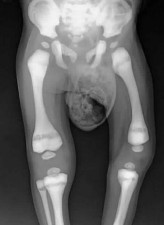
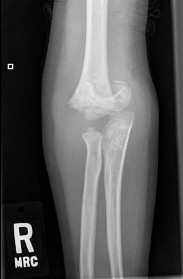
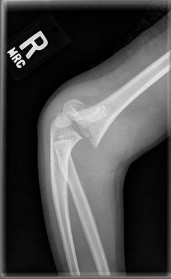
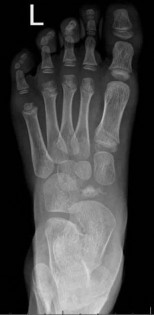
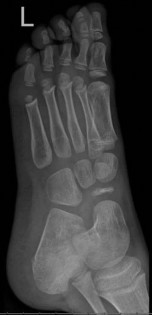
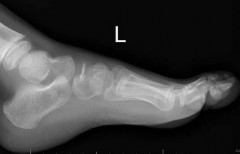
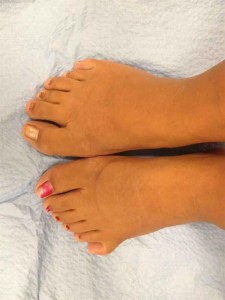
A 13-year-old boy who has a history of a pituitary adenoma has an unstable unilateral slipped capital femoral epiphysis. What is the indication for prophylactic pinning of the contralateral, unslipped side? ](http://www.orthobullets.com/pediatrics/4040/slipped-capital-femoral-epiphysis)Review Topic
A 26-month-old boy with a displaced spiral mid-diaphyseal femur fracture with
The newborn foot deformity seen in Figures 64a and 64b should initially treated with ](http://www.orthobullets.com/pediatrics/4061/metatarsus-adductus)Review Topic
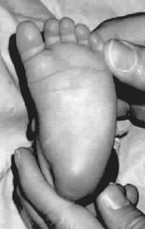
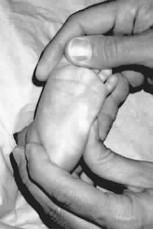
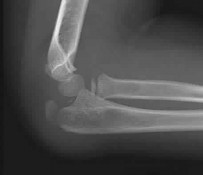
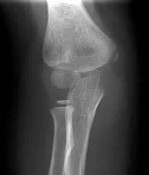
The newborn foot deformity seen in Figures 64a and 64b should initially treated with ](http://www.orthobullets.com/pediatrics/4061/metatarsus-adductus)Review Topic
In the first six months of life, immediately following failed cast treatment
You Might Also Like
Previous ChapterAnatomy Orthopedic Review | Dr Hutaif Basic Science Rev -...
Next Chapter Advanced Sports Orthopedics MCQs: Comprehensive Online Stud…

Medically Verified Content by
Prof. Dr. Mohammed Hutaif
Consultant Orthopedic & Spine Surgeon