Orthopedic Hip And Knee Review | Dr Hutaif Hip & Knee R -...
14 Apr 2026
93 min read
105 Views
Key Takeaway
Looking for accurate information on Orthopedic MCQS online Hip and knee? In total knee arthroplasty (TKA), high-viscosity bone cement is doughier, providing a shorter waiting/mixing time and a longer working time compared to low-viscosity cement. Low-viscosity cement is runnier with a shorter working time. There's a growing preference for high-viscosity cement in total knee arthroplasty for its handling advantages, despite some bone penetration concerns.
Orthopedic Hip And Knee Review | Dr Hutaif Hi...
00:00
Start Quiz
Question 1High Yield
Commercially available polymethylmethacrylate cement formulations vary in the consistency of the material as part of its inherent properties. What is the clinical difference between high- and low-viscosity cement formulations?
Explanation
consistency.
Viscosity is the measure of resistance of a fluid to deform under force or the resistance to flow (ie, thickness of a fluid). The lower the viscosity, the more water-like the bone cement will be; the higher the viscosity, the more doughy the bone cement will be after mixing. Additionally, as the cement polymerizes, the process is broken down into four phases: mixing, waiting, working and hardening. Ideally, we would like a cement to have a short mixing, waiting and hardening time and a long working time. The working time is the period of time during which the cement is manageable to use for cementing implants into place. The cement must penetrate into the cancellous bone for it to function like a “grout” as it is supposed to do. There has been a recent push to use high-viscosity cement in total knee arthroplasty, despite concerns that the doughier cement may not penetrate the bone as well. Based on the properties of cement, high-viscosity cement is doughier with a shorter waiting and mixing time and a longer working time versus low-viscosity cement, which is runnier and has a shorter working time.
Viscosity is the measure of resistance of a fluid to deform under force or the resistance to flow (ie, thickness of a fluid). The lower the viscosity, the more water-like the bone cement will be; the higher the viscosity, the more doughy the bone cement will be after mixing. Additionally, as the cement polymerizes, the process is broken down into four phases: mixing, waiting, working and hardening. Ideally, we would like a cement to have a short mixing, waiting and hardening time and a long working time. The working time is the period of time during which the cement is manageable to use for cementing implants into place. The cement must penetrate into the cancellous bone for it to function like a “grout” as it is supposed to do. There has been a recent push to use high-viscosity cement in total knee arthroplasty, despite concerns that the doughier cement may not penetrate the bone as well. Based on the properties of cement, high-viscosity cement is doughier with a shorter waiting and mixing time and a longer working time versus low-viscosity cement, which is runnier and has a shorter working time.
Question 2High Yield
Figures 1 and 2 are the radiographs of a 72-year-old man 5 weeks after a right total knee arthroplasty (TKA). The patient has had continued drainage from a large hematoma in his right knee, despite an irrigation and debridement 4 weeks prior. His physical examination is notable for swelling and erythema with active purulent drainage. Prior operative cultures were negative for growth and repeat aspiration was negative for growth. What is the best next step?
2
2
Explanation
The patient has an infected TKA that has failed one prior washout. Another irrigation and debridement procedure is not indicated. Knee fusion would be indicated as a limb salvage. Without a known organism, a single-stage reconstruction of the right knee is not advisable. The two-stage reconstruction with an antibiotic spacer as the first stage is the benchmark standard.
Question 3High Yield
In either a ceramic-on-highly-cross-linked polyethylene (HXPE) or metal- on-HXPE component, increasing the ball head size leads to
Explanation
Increasing the size of the ball head increases the primary arc of motion prior to impingement and the jump distance prior to dislocation, assuming an acetabular component abduction of less than 90 degrees. Although HXPE has demonstrated decreases in linear wear rates even with ball head sizes larger than 28 mm, volumetric wear remains a concern. A larger ball head size does not significantly change offset, and larger metal ball heads are not associated with decreased risk for corrosion.
3
3
Question 4High Yield
After completion of bone cuts and ligament balancing of a severe valgus knee during primary total knee arthroplasty, there is a 5-mm increased medial gap that cannot be corrected. In this scenario, what is the most appropriate level of constraint?
Explanation
Cruciate-retaining implants are typically used in the presence of a functioning posterior cruciate ligament (PCL). A posterior stabilized insert improves anteroposterior stability in the absence of a PCL but does not account for imbalance of the collateral ligaments. An uncorrectable laxity medially indicates insufficiency of the medial collateral ligament (MCL), which is best treated with a varus-valgus constrained component. A rotating hinge is generally reserved for complete absence of the MCL or both collateral ligaments.
Question 5High Yield
Gerdy’s tubercle is the attachment point for what structure?
Explanation
Gerdy’s tubercle is a bony prominence on the anterolateral aspect of the proximal tibia and is the distal insertion point for the iliotibial band. The iliotibial band contributes to lateral knee stability and also functions to assist in extension, abduction and external rotation of the hip. Proximally, it becomes confluent with the tensor fascia lata, which inserts onto the iliac crest. The biceps femoris tendon inserts onto the fibular head. The popliteus muscle originates from the lateral femoral epicondyle. The LCL inserts onto the lateral femoral condyle and fibular head. The pes anserinus is the confluence of the sartorius, gracilis and semitendinosus muscles and inserts on the medial proximal tibia.
4
4
Question 6High Yield
Pulsatile bleeding is encountered after placing a retractor anterior to the acetabulum while exposing for reaming during total hip arthroplasty (THA). What vascular structure is likely affected?
Explanation
Intraoperative vascular injuries during THA can be a catastrophic complication, and knowledge of the practical vascular anatomy is critical to complication avoidance. The external iliac artery travels along the medial border of the psoas muscle and is at risk when placing screws in the anterosuperior quadrant, and further distal when placing retractors over the anterior column, before branching into the femoral vessels at the inguinal ligament. The superior gluteal artery is at risk when placing screws in the sciatic notch, and also during the direct lateral approach as it runs between the gluteus medius and minimus about 5 cm superior to the greater trochanter. The obturator artery is located along the quadrilateral surface of the acetabulum and can be injured when placing an inferior retractor under the transverse acetabular ligament. The ascending branches of the lateral femoral circumflex artery are routinely isolated and cauterized during the anterior approach as they run in the interval between the tensor fascia lata and sartorius.
Question 7High Yield
After a fall 2 months ago, an 82-year-old woman presents with the inability to straighten her leg. She has had several subsequent falls. She had a successful primary total knee arthroplasty (TKA) 3 years ago. AP and lateral radiographs are shown Figures 1 and
Explanation
Based on data from Shau and associates and Wood and associates there does not appear to be a difference between cohorts with mesh versus allograft reconstruction in regards to complication rates, patient reported outcomes and infection rates. The data did, however, report a significant reduction in cost and noted that allograft materials are harder to come by compared with the cheaper and more abundantly available mesh grafts. Several studies have documented that the average postoperative extensor lag after these procedures is between 10° and 20°. While some may have <5°, this would not be anticipated and is considered an exceptional result. When counseling patients, anticipating an extensor lag of between 10° and 15° would be more reasonable. Therefore, the correct answer is the one that states that synthetic mesh reconstruction material is readily available and less costly.
6
6
Question 8High Yield
A 72-year-old woman is scheduled to undergo right total hip arthroplasty. Her preoperative radiograph is shown in Figure
Explanation
The management of patients with proximal femoral deformity can be difficult. Appropriate implant selection and preoperative templating are critical. In this patient, it would be difficult to avoid increasing the combined offset by too much, which could contribute to the overtensioning of the soft tissues and trochanteric pain. By medializing the acetabular component (decreasing the combined offset), using a low offset femoral component or a cemented component placed more valgus (decreasing the combined offset), and making a longer neck cut (to avoid shortening of the lower extremity), restoration of the patient’s native offset and leg length can be achieved.
Question 9High Yield
Figures 1 and 2 show the radiographs obtained from a 79-year-old woman who has been experiencing increasing tibial pain 10 years after undergoing revision total knee arthroplasty. No evidence of infection is seen. What is the most appropriate treatment?
7
7
Explanation
8
9
9
Question 10High Yield
Figures 1 and 2 are the preoperative radiographs of a 75-year-old woman with right hip osteoarthritis who presents for a right total hip arthroplasty (THA). During the intake history and physical, the patient discloses that she has been treated with bisphosphonates by her primary care physician. To reduce the risk of a periprosthetic fracture and optimize long-term survivorship of the THA, what is the best option for acetabular and femoral implant selection?
Explanation
In this patient, the radiographs show a Dorr B femur in a >70-year-old Caucasian woman with a history of bisphosphonate use for osteopenia. Long- term outcome studies on fully cemented total hips have a higher failure rate of cemented acetabular components compared with cemented femoral components. In addition, cemented femoral components in this population have a reduced incidence of iatrogenic fracture. Optimizing these two issues leads to a cementless acetabular component and a cemented femoral component, the hybrid THA.
10
10
Question 11High Yield
An 88-year-old man presents with persistent left thigh pain after revision total hip arthroplasty. He initially sustained a fatigue fracture of a cylindrical distally fixed stem (Figure
Explanation
It is important to comprehend the Paprosky classification for femoral defects. Type I is a femur with minimal deficits and can be treated with essentially any stem type.
11
Type II has metaphyseal bone loss but an intact diaphysis and can be treated with any distally fixed type of stem. Type IIIA has metaphyseal bone loss and at least 4 cm of diaphysis remaining and thus, can be treated with a distally fixed stem (taper or cylindrical). Type IIIB is a femur with both metaphyseal and diaphyseal deficits with <4 cm of diaphyseal bone remaining. In these cases, an option such as a modular or monoblock tapered stem or impaction grafting remains viable. Type IV has severe metaphyseal and diaphyseal bone loss such that neither are supportive. In such a severe case typically a megaprosthesis or allograft-prosthetic composite (APC) are utilized. Occasionally, depending on the type IV defect, impaction grafting may be considered. Based upon this classification of a type IV femur, impaction grafting could be considered, except with a history of a prior extended trochanteric osteotomy, weakened bone from the trephines and a new periprosthetic fracture at the tip of the stem (and below the isthmus), this defect would not be amenable to treatment with a short cemented stem. Similarly, a cylindrical monoblock stem would not be indicated, as there is no longer 4 cm of isthmus to get a scratch fit. Therefore, as previously mentioned, the best option would be a megaprosthesis.
11
Type II has metaphyseal bone loss but an intact diaphysis and can be treated with any distally fixed type of stem. Type IIIA has metaphyseal bone loss and at least 4 cm of diaphysis remaining and thus, can be treated with a distally fixed stem (taper or cylindrical). Type IIIB is a femur with both metaphyseal and diaphyseal deficits with <4 cm of diaphyseal bone remaining. In these cases, an option such as a modular or monoblock tapered stem or impaction grafting remains viable. Type IV has severe metaphyseal and diaphyseal bone loss such that neither are supportive. In such a severe case typically a megaprosthesis or allograft-prosthetic composite (APC) are utilized. Occasionally, depending on the type IV defect, impaction grafting may be considered. Based upon this classification of a type IV femur, impaction grafting could be considered, except with a history of a prior extended trochanteric osteotomy, weakened bone from the trephines and a new periprosthetic fracture at the tip of the stem (and below the isthmus), this defect would not be amenable to treatment with a short cemented stem. Similarly, a cylindrical monoblock stem would not be indicated, as there is no longer 4 cm of isthmus to get a scratch fit. Therefore, as previously mentioned, the best option would be a megaprosthesis.
Question 12High Yield
Figure 1 depicts the radiograph obtained from a 52-year-old woman who has leg-length inequality and chronic, activity-related buttock discomfort. This problem has been lifelong, but it is getting worse and increasingly causing back pain. What is the best current technique for total hip arthroplasty?
Explanation
A high hip center is not recommended for Crowe type IV hips because of the lack of acetabular bone and altered hip biomechanics.
12
An anatomic center is a better option but necessitates a technique to address the tight soft-tissue envelope. A trochanteric osteotomy with progressive femoral shortening has been described but can be prone to trochanter nonunion. Iliofemoral lengthening prior to surgery has been described but may not be tolerated by all patients. A shortening subtrochanteric osteotomy avoids trochanter nonunion and allows adjustment of femoral anteversion. Fixation of the osteotomy can include a stem with distal rotational control, plate fixation, a step versus oblique cut, or strut grafts.
12
An anatomic center is a better option but necessitates a technique to address the tight soft-tissue envelope. A trochanteric osteotomy with progressive femoral shortening has been described but can be prone to trochanter nonunion. Iliofemoral lengthening prior to surgery has been described but may not be tolerated by all patients. A shortening subtrochanteric osteotomy avoids trochanter nonunion and allows adjustment of femoral anteversion. Fixation of the osteotomy can include a stem with distal rotational control, plate fixation, a step versus oblique cut, or strut grafts.
Question 13High Yield
A 45-year-old man has a draining sinus and recurrent infection of his right total knee arthroplasty. He has had five previous surgeries, including a proximal tibial osteotomy and subsequent hardware removal and two revision surgeries. On clinical examination, he has a draining sinus in the mid portion of his surgical scar and a range of motion of 5° to 85°. AP and lateral radiographs of the right knee are shown in Figures 1 and
Explanation
13
Extended tibial tubercle osteotomy is an extensile approach to revision total knee arthroplasty that affords excellent exposure and can facilitate removal of tibial sleeves and cones. This patient has had multiple surgeries, including a proximal tibial osteotomy, as well as poor range of motion, patella baja, and a well-fixed metaphyseal sleeve component. Classically, an extended tibial tubercle osteotomy provides outstanding exposure for component removal in the setting of prior high tibial osteotomy and patella baja. For this patient, it is important to recognize the patella baja on the radiographs, as well as the tibial sleeve. In many of these cases the osteotomy provides access to the sleeve to help with extraction, because the stem will not pull through the sleeve or detach from the tray to allow visualization of the sleeve. The extended medial parapatellar approach is just a long medial approach that typically yields good exposure but would not help with the patella baja or extraction of the tibial sleeve. The quadriceps snip would give good exposure to the knee but would not aid in tibial component removal. Lastly, the medial epicondyle osteotomy could help with exposure and tensioning of the medial complex of the knee but would not help with tibial component extraction.
Extended tibial tubercle osteotomy is an extensile approach to revision total knee arthroplasty that affords excellent exposure and can facilitate removal of tibial sleeves and cones. This patient has had multiple surgeries, including a proximal tibial osteotomy, as well as poor range of motion, patella baja, and a well-fixed metaphyseal sleeve component. Classically, an extended tibial tubercle osteotomy provides outstanding exposure for component removal in the setting of prior high tibial osteotomy and patella baja. For this patient, it is important to recognize the patella baja on the radiographs, as well as the tibial sleeve. In many of these cases the osteotomy provides access to the sleeve to help with extraction, because the stem will not pull through the sleeve or detach from the tray to allow visualization of the sleeve. The extended medial parapatellar approach is just a long medial approach that typically yields good exposure but would not help with the patella baja or extraction of the tibial sleeve. The quadriceps snip would give good exposure to the knee but would not aid in tibial component removal. Lastly, the medial epicondyle osteotomy could help with exposure and tensioning of the medial complex of the knee but would not help with tibial component extraction.
Question 14High Yield
Figures 1 through 3 are radiographs taken in the emergency department of a 65-year-old active woman who had a ground level fall and has right hip pain and is unable to bear weight. To optimize functional outcome and minimize complications, what is the most appropriate treatment?
14
14
Explanation
The radiographs show a displaced femoral neck fracture with retro-tilt of the femoral head on the femoral neck, seen best on the lateral view. With this displacement in this age group, neither a closed reduction and percutaneous pinning or a dynamic hip screw is indicated,
due to the possibility of secondary displacement and possible avascular necrosis. The patient is an active woman who would likely benefit from the improved functional outcome obtained from a THA compared with a hemiarthroplasty.
due to the possibility of secondary displacement and possible avascular necrosis. The patient is an active woman who would likely benefit from the improved functional outcome obtained from a THA compared with a hemiarthroplasty.
Question 15High Yield
Figures 1 through 3 represent the radiographs obtained from a 37-year- old man with severe right knee pain. He has a history of prior tibial osteotomy for adolescent tibia vara but notes residual bowing of his legs. On examination, he is 5'8" tall and weighs 322 pounds. He has a waddling gait with a bilateral varus thrust and 20° varus deformity of both legs. His right knee range of motion is 0° to 120° with a fixed varus deformity. What is the best next step?
15
15
Explanation
This patient has severe, uncorrectable varus deformity and pain from end- stage osteoarthritis secondary to prior adolescent tibia vara. Although he is young to consider arthroplasty, this option is likely to give him the most functional limb, compared with arthrodesis with a long antegrade nail. During arthroplasty surgery, his knee will likely require extensive medial release to achieve anatomic limb alignment. Standard components in total knee arthroplasty likely would result in lateral instability, so this option is not the best answer. The best choice is total knee arthroplasty with a constrained device, which adds constraint to the knee to provide balance.
16
16
Question 16High Yield
A 65-year-old woman falls down a couple of stairs at home and has increasing pain in the left hip after prior revision surgery. She is unable to walk and is transferred in for definitive management of her left hip injury. An AP pelvis radiograph is shown in Figure
Explanation
The Paprosky acetabular defect classification is a commonly accepted system that helps predict bone defects and guide operative treatment. The classification is reliable and based on the assessment of the AP pelvis radiograph. The classification relies on four individual assessments to determine the type of defect. (1) Superior migration of the center of rotation of the hip represents superior acetabular bone loss; (2) Ischial osteolysis represents bone loss in the posterior column and wall; (3) Teardrop osteolysis describes inferomedial bone loss from the anterior column, medial wall and superior ramus; (4) Position of the acetabular component in relation to Kohler’s line represents anterior column deficiency.
The classification is outlined here: Type I defect, a relatively normal acetabular with minimal deficits. Type II defect, broken into A,B,C with some acetabular defect noted, yet at least 50% direct host bone contact with a hemispherical component can be anticipated. Importantly the anterior and posterior columns remain intact and supportive. IIA has superior and medial bone loss, IIB has an uncontained or segmental defect, IIC has medial bone loss with an intact rim. Type III defect, represented by a severe segmental defect in the acetabular rim that is unable to support early fixation and biologic ingrowth routinely. IIIA defect, >40-60% host bone is in contact with the biologic fixation surface, noted as the “up and out” defect.
17
Typically, migration is >3 cm above the obturator line with moderate ischial lysis, partial destruction of the teardrop, and ilioischial and iliopubic lines intact. IIIB defect, <40% of the host bone will have intimate contact with the ingrowth surface of an acetabular component and is the up and in defect, often associated with a pelvic discontinuity. Extensive ischial osteolysis can be anticipated with destruction of the teardrop and migration of the component medial to the Kohler line. Superior migration will be >3 cm.
The AP pelvis in this case shows an up and in defect that is >3 cm migrated superiorly, making it a type IIIB defect. Due to the acute nature and degree of intrapelvic protrusion, a CT angiogram is warranted and vascular consultation or an intrapelvic approach to the revision may be necessary (Figure 2, angiogram example). The remainder of the options do not pertain to the findings in this particular case.
The classification is outlined here: Type I defect, a relatively normal acetabular with minimal deficits. Type II defect, broken into A,B,C with some acetabular defect noted, yet at least 50% direct host bone contact with a hemispherical component can be anticipated. Importantly the anterior and posterior columns remain intact and supportive. IIA has superior and medial bone loss, IIB has an uncontained or segmental defect, IIC has medial bone loss with an intact rim. Type III defect, represented by a severe segmental defect in the acetabular rim that is unable to support early fixation and biologic ingrowth routinely. IIIA defect, >40-60% host bone is in contact with the biologic fixation surface, noted as the “up and out” defect.
17
Typically, migration is >3 cm above the obturator line with moderate ischial lysis, partial destruction of the teardrop, and ilioischial and iliopubic lines intact. IIIB defect, <40% of the host bone will have intimate contact with the ingrowth surface of an acetabular component and is the up and in defect, often associated with a pelvic discontinuity. Extensive ischial osteolysis can be anticipated with destruction of the teardrop and migration of the component medial to the Kohler line. Superior migration will be >3 cm.
The AP pelvis in this case shows an up and in defect that is >3 cm migrated superiorly, making it a type IIIB defect. Due to the acute nature and degree of intrapelvic protrusion, a CT angiogram is warranted and vascular consultation or an intrapelvic approach to the revision may be necessary (Figure 2, angiogram example). The remainder of the options do not pertain to the findings in this particular case.
Question 17High Yield
aOne year after undergoing a primary total knee arthroplasty, a 65-year-old man has a 1-week history of new onset anterior knee pain. He can perform a straight-leg raise with no extension lag. Radiographs reveal a transverse patella fracture with 8 mm of displacement and an intact patellar component. The best course of treatment is
Explanation
This patient has a displaced periprosthetic patella fracture with an intact extensor mechanism. Surgical treatment for this condition has been associated with relatively poor clinical results because the fracture occurs late (attributable to patella osteonecrosis). The optimal initial treatment is to treat the fracture nonsurgically with immobilization of the knee in extension either with a long-leg cast or knee immobilizer.
18
18
Question 18High Yield
When comparing the direct anterior approach with the posterolateral surgical approach, the direct anterior approach is associated with
Explanation
The direct anterior approach in primary total hip arthroplasty (THA) has continued to gain in popularity. Prior investigations have shown patients do very well following a direct anterior THA with excellent rates of recovery and clinical outcomes. However, the potential for femoral-sided complications, including femoral component subsidence and fracture, may be increased via the direct anterior approach versus a posterolateral surgical approach.
Question 19High Yield
Figure 1 shows the radiograph obtained from a 67-year-old man recently diagnosed with osteoarthritis, 8 years after receiving a left metal-on-metal total hip arthroplasty (THA). The acetabular component has a modular cobalt alloy acetabular liner. The patient states that he did very well postoperatively, but for the last 6 months has noted worsening pain and swelling in his left hip. Serum metal ion testing reveals a chromium level of 12.4 ng/mL, compared with a normal level of less than 0.3 ng/mL, and a cobalt level of 11.8 ng/mL, compared with a normal level less than 0.7 ng/mL. An MRI with metal artefact reduction sequence (MARS) was performed and is shown in Figure
Explanation
Metal-on-metal THA was initially introduced in the 1990s, with the proposed advantages of decreased wear and improved stability. However, catastrophic adverse local tissue reactions associated with their use has raised numerous concerns. The work-up of a patient with a prior metal-on-metal total hip arthroplasty involves a thorough history and physical examination; blood analysis, including the erythrocyte sedimentation rate, C-reactive protein, and metal ion levels; and secondary imaging, including ultrasonography, CT, and MRI. In a patient with clinical symptoms, elevated metal ion levels, and a large fluid collection seen on MRI, the most appropriate treatment would be removal of the metal-on-metal bearing. Given the presence of an adverse reaction involving cobalt and chromium, a revision ceramic head may be most appropriate to avoid the potential of trunnion-associated corrosion.
Question 20High Yield
When compared with total knee arthroplasty (TKA), unicompartmental knee arthroplasty has been associated with what outcome?
Explanation
Hansen and associates reported lower complication rates for unicompartmental knee arthroplasty patients including wound complication, pulmonary embolism, stiffness, periprosthetic joint infection, myocardial infarction, readmission, and death. However TKA survivorship was higher. Finnish registry data also suggests that TKA survivorship is better at 5-, 10-, and 15-year follow-up.
Question 21High Yield
In long-term follow-up studies of cemented total knee arthroplasty (TKA), the lowest rates of osteolysis have been associated with which design feature?
Explanation
The lowest reported rates of osteolysis involving cemented TKAs are associated with monolithic tibial components. 20
Modular components and cemented metal-backed patella components are associated with a high prevalence of backside tibial insert wear and osteolysis
.
Injury to the popliteal artery during total knee arthroplasty (TKA) is most likely to occur when placing a sharp retractor
A. directly posterior to the posterior cruciate ligament (PCL).
B. posteromedial to the PCL.
C. posterolateral to the PCL.
D. in the posteromedial corner of the knee.
Vascular complications during TKA are rare but do occur. Traditionally, it was taught that the popliteal artery was situated posterior to the PCL; however, more recent anatomic dissections have demonstrated that this artery is usually located posterolateral to the PCL.
Correct answer : C
A 70-year-old woman has severe stiffness of her knee following a primary total knee arthroplasty (TKA) 3 years ago. The patient has well-fixed femoral and tibial components, and a preoperative work-up for infection is negative. The decision is made to proceed with a revision TKA of both the femoral and tibial components. An extensile exposure is planned to facilitate removal of the components. What extensile exposure would require the least modification of postoperative rehabilitation with regards to weight bearing and range of motion?
A. Quadriceps snip
B. Lateral parapatellar approach
C. V-Y quadriceps turndown
D. Tibial tubercle osteotomy
Achievement of adequate exposure in revision TKA is critical as it reduces the surgical time, enhances the ability for both component removal and reconstruction, and avoids devastating complications such as extensor mechanism disruption. Numerous extensile exposures in revision TKA have been described.
21
A tibial tubercle osteotomy, V-Y tendon plasty, and V-Y quadriceps turndown all provide excellent exposure, but require a modification in postoperative rehabilitation as they often require a period of immobilization followed by limits in range of motion. In contrast, the quadriceps snip allows immediate weight bearing along with progressive range of motion; no modification of postoperative rehabilitation is required. Lateral parapatellar approach would offer no benefit for exposure.
Correct answer : A
Modular components and cemented metal-backed patella components are associated with a high prevalence of backside tibial insert wear and osteolysis
.
Injury to the popliteal artery during total knee arthroplasty (TKA) is most likely to occur when placing a sharp retractor
A. directly posterior to the posterior cruciate ligament (PCL).
B. posteromedial to the PCL.
C. posterolateral to the PCL.
D. in the posteromedial corner of the knee.
Vascular complications during TKA are rare but do occur. Traditionally, it was taught that the popliteal artery was situated posterior to the PCL; however, more recent anatomic dissections have demonstrated that this artery is usually located posterolateral to the PCL.
Correct answer : C
A 70-year-old woman has severe stiffness of her knee following a primary total knee arthroplasty (TKA) 3 years ago. The patient has well-fixed femoral and tibial components, and a preoperative work-up for infection is negative. The decision is made to proceed with a revision TKA of both the femoral and tibial components. An extensile exposure is planned to facilitate removal of the components. What extensile exposure would require the least modification of postoperative rehabilitation with regards to weight bearing and range of motion?
A. Quadriceps snip
B. Lateral parapatellar approach
C. V-Y quadriceps turndown
D. Tibial tubercle osteotomy
Achievement of adequate exposure in revision TKA is critical as it reduces the surgical time, enhances the ability for both component removal and reconstruction, and avoids devastating complications such as extensor mechanism disruption. Numerous extensile exposures in revision TKA have been described.
21
A tibial tubercle osteotomy, V-Y tendon plasty, and V-Y quadriceps turndown all provide excellent exposure, but require a modification in postoperative rehabilitation as they often require a period of immobilization followed by limits in range of motion. In contrast, the quadriceps snip allows immediate weight bearing along with progressive range of motion; no modification of postoperative rehabilitation is required. Lateral parapatellar approach would offer no benefit for exposure.
Correct answer : A
Question 22High Yield
A 63-year-old woman had a primary total hip arthroplasty 7 years ago that included a proximally coated titanium stem, a cobalt alloy femoral head, a titanium hemispherical acetabular component, and a polyethylene liner. She did well for 4 years but has now had two dislocations and reports pain and weakness around the left hip. She denies any fevers, chills, or constitutional symptoms. On examination, the patient walks well without any signs of an antalgic or Trendelenburg gait. Her abductor mechanism demonstrates good strength. Her erythrocyte sedimentation rate and C-reactive protein level are normal. On radiographs, all components appear well fixed and in good alignment. What is the most appropriate treatment at this time?
Explanation
Trunnionosis is a recently recognized complication following total hip arthroplasty and can occur when a cobalt alloy femoral head is used on a titanium alloy or cobalt alloy femoral stem. Patients often present with pain or swelling around the hip but at times can present with instability. Certain femoral stem designs have been associated with increased reports of trunnionosis. In a patient with a cobalt alloy femoral head who presents with instability, swelling, and weakness around the hip, the potential for trunnionosis and an adverse local tissue reaction should be considered.
22
22
Question 23High Yield
Figures 1 and 2 are the radiographs of a 75-year-old man who presents with chronic periprosthetic joint infection. He undergoes explantation and antibiotic spacer placement with osteotomy required to remove the fully porous-coated femoral component. After completing intravenous antibiotic therapy and an antibiotic holiday, inflammatory markers are normal, and aspiration shows 1100 WBC (35% neutrophils), cultures no growth. What is the best option for femoral reconstruction?
Explanation
The radiographs show Paprosky type IV femoral deficiency with varus remodeling of the osteotomy and prior fractures and bent antibiotic spacer. In older patients with comorbidities, proximal femoral replacement is a better option than allograft-prosthetic composite. Fully porous-coated stem is not an option in this case, as there is <6 cm of intact diaphysis available for scratch-fit and the proximal bone is unsupportive. Aspiration findings are not consistent with ongoing infection; therefore, reconstruction rather than antibiotic spacer exchange or Girdlestone resection is appropriate.
23
23
Question 24High Yield
A 71-year-old man has worsening left hip pain and is indicated for a left total hip arthroplasty (THA). Figure 1 shows a preoperative plan for the patient. The patient is scheduled for a left THA using a direct anterior approach with the pictured implants. If this plan is followed as pictured, what is the likely outcome for this patient?
Figure could not be loaded
Figure could not be loaded
Explanation
The focus should be on the pictured plan. This shows a medialized cup and a stem that has insufficient offset (distance between the center of rotation and a line down the center of the femoral shaft) to recreate the patient’s anatomy. The cup sets the hip center of rotation (dot in the middle of the cup), and the femoral head reduces to this point. In this patient, inadequate offset could lead to a decrease in abductor efficiency and a Trendelenburg gait and even worse dislocation due to component impingement and/or muscular insufficiency. Compromised THA with a high likelihood of persistent trochanteric bursitis would be accurate if too much offset was restored for the patient. Regarding limb lengths, it appears the height of the implant is sufficient and as it stands would likely not change the leg lengths much at all. The concepts of limb length and offset restoration are critical to performing a successful THA and limiting adverse events and poor outcomes from an acquired limb length discrepancy, limb instability or persistent trochanteric bursitis.
Question 25High Yield
Figure 1 is the radiograph of a 73-year-old woman who had a right hip arthroplasty one year prior. Her BMI is 48. Postoperative radiographs at 6 weeks showed early stem subsidence of 4 mm compared with intraoperative radiographs. The current radiographic findings likely resulted from the
Explanation
24
The observed subsidence in the first 6 weeks indicates lack of initial stability and is likely related to undersizing of the implant at the time of surgery. High BMI has been associated with higher rates of loosening. Based on the other hip, it is unlikely there is mismatch between the metaphysis and diaphysis. The modular neck design has not been associated with higher rates of aseptic loosening.
The observed subsidence in the first 6 weeks indicates lack of initial stability and is likely related to undersizing of the implant at the time of surgery. High BMI has been associated with higher rates of loosening. Based on the other hip, it is unlikely there is mismatch between the metaphysis and diaphysis. The modular neck design has not been associated with higher rates of aseptic loosening.
Question 26High Yield
Liposomal bupivacaine, when compared in randomized, controlled studies to peripheral nerve blockade for total hip arthroplasty (THA), is found to have
Explanation
Liposomal bupivacaine has not been shown to be superior to conventional bupivacaine for periarticular injections after total hip arthroplasty in randomized trials. There have not been any demonstrable advantages related to ambulation, falls and other functional measures.
Question 27High Yield
An otherwise healthy 62-year-old woman presents with several years of increasing groin pain after right total hip arthroplasty (THA). CRP and ESR are mildly elevated and a hip aspiration reveals 1,900 WBC and 65% polymorphonuclear cells (PMNs) in that fluid. Serum cobalt levels are slightly elevated at 2.2 ng/mL and chromium is also mildly elevated. Radiographs show mild osteolysis in the calcar and greater trochanter, and the implants show a well-positioned and well-fixed cup and stem, with a 44-mm cobalt chromium head articulating with a highly cross-linked polyethylene liner. At the time of revision, the trunnion shows evidence of crevice corrosion involving 20% of the trunnion. Treatment should consist of
Explanation
25
This question is centered on knowledge of trunnionosis in the setting of a THA. Trunnion corrosion can cause adverse local tissue reaction (ALTR) and can present with a delayed onset of groin, buttock or thigh pain. Revision for trunnion corrosion can often be accomplished with a head and liner exchange. If the trunnion is minimally damaged, a ceramic head with a manufacturer- specific titanium sleeve adaptor is recommended, as exchange of the CoCr femoral head to another CoCr head may lead to recurrence of ALTR. The acetabular liner should also be exchanged because of the possibility of embedded metal debris. In this patient, the cell count and percent PMNs are not sufficient to definitively identify as infection with optimal cut-offs for manual WBC count of hip synovial fluid being >4,350 WBC/uL and a differential of
>85% PMNs. Although no cut-offs for serum CoCr ion levels have been identified as absolute, a serum cobalt level of >1.6 ng/mlL has been suggested.
This question is centered on knowledge of trunnionosis in the setting of a THA. Trunnion corrosion can cause adverse local tissue reaction (ALTR) and can present with a delayed onset of groin, buttock or thigh pain. Revision for trunnion corrosion can often be accomplished with a head and liner exchange. If the trunnion is minimally damaged, a ceramic head with a manufacturer- specific titanium sleeve adaptor is recommended, as exchange of the CoCr femoral head to another CoCr head may lead to recurrence of ALTR. The acetabular liner should also be exchanged because of the possibility of embedded metal debris. In this patient, the cell count and percent PMNs are not sufficient to definitively identify as infection with optimal cut-offs for manual WBC count of hip synovial fluid being >4,350 WBC/uL and a differential of
>85% PMNs. Although no cut-offs for serum CoCr ion levels have been identified as absolute, a serum cobalt level of >1.6 ng/mlL has been suggested.
Question 28High Yield
In degenerative articular cartilage, decreased proteoglycan concentration is associated with what mechanical change?
Explanation
Degenerative articular cartilage is characterized by degradation of hydrophilic proteoglycan chains and loss of permeable membrane, leading to increased permeability and lower modulus of elasticity. Although water concentration increases, the flow-dependent fluid support mechanisms become less effective. While overall proteoglycan content decreases, the relative concentration of chondroitin sulfate increases.
Question 29High Yield
Pharmacoprophylaxis should be avoided in favor of a pneumatic compression device alone for a patient with
Explanation
26
For patients with known bleeding disorders, a pneumatic compression device alone is recommended over pharmacoprophylaxis to minimize risk for excessive bleeding and wound complications. Factor VIII deficiency (hemophilia) and active liver disease are the 2 conditions for which support is strongest to withhold anticoagulation. Protein C deficiency and protein S deficiency are associated with increased risk for thrombosis, as is the factor V Leiden mutation.
For patients with known bleeding disorders, a pneumatic compression device alone is recommended over pharmacoprophylaxis to minimize risk for excessive bleeding and wound complications. Factor VIII deficiency (hemophilia) and active liver disease are the 2 conditions for which support is strongest to withhold anticoagulation. Protein C deficiency and protein S deficiency are associated with increased risk for thrombosis, as is the factor V Leiden mutation.
Question 30High Yield
Figure 1 is the abdominal radiograph of a 70-year-old man who experiences nausea and abdominal tightness 48 hours after undergoing left total knee arthroplasty. An examination reveals severe abdominal distension and markedly decreased bowel sounds. Insertion of a nasogastric tube does not relieve abdominal tightness. What is the best next step?
Explanation
The abdominal radiograph reveals an acute colonic pseudo-obstruction. It is associated with parenteral narcotic use and hypokalemia. Initial treatment is insertion of a nasogastric tube, discontinuation of parenteral narcotics, and correction of electrolyte imbalances. If a pseudo-obstruction is not relieved, colonoscopy should be performed.
27
27
Question 31High Yield
Figures 1 through 4 show the radiographs, and Figures 5 through 8 show the MRIs obtained from a 32-year-old man with worsening left knee pain. A
Explanation
Proximal tibial osteotomy is the most appropriate intervention to correct varus malalignment and to reduce stress on the ACL. In some cases, proximal tibial osteotomy alone may address both pain and instability, but if instability persists, particularly in the setting in which instability can be dangerous, subsequent ACL reconstruction can further stabilize the knee with less stress on the graft after the correction of malalignment.
29
Varus alignment places increased stress on the native or reconstructed ACL. ACL reconstruction should be performed only at the same time as or following proximal tibial osteotomy to correct alignment in the setting of varus malalignment. It is not appropriate to perform ACL reconstruction prior to proximal tibial osteotomy in this setting. Distal femoral osteotomy is not indicated to correct varus malalignment. Varus alignment places increased stress on the native or reconstructed ACL, and ACL reconstruction alone is not indicated for this patient.
A patient has pain 2 years after undergoing a metal-on-metal (MOM) left total hip arthroplasty (THA). Which test(s) best correlate with prognosis in the setting of reaction to metal debris?
A. Erythrocyte sedimentation rate, C-reactive protein, and white blood cell count
B. Serum cobalt and chromium ion levels
C. MRI with metal artifact reduction sequence (MARS)
D. CT of pelvis
Painful MOM THA and taper corrosion can cause substantial damage to a patient's hip if left untreated. In this case, the workup for a painful MOM THA starts the same as a workup for a painful metal-on-polyethylene bearing couple. Infection must be ruled out in every case with a set of inflammatory markers. If these markers are remotely elevated, this is an indication for joint aspiration. In patients with metal debris, the pathology report often indicates too many cells to count or cellular debris. Metal ion levels do not seem to correlate with prognosis. There are well-functioning patients with high ion levels and poor-functioning patients with low ion levels. Advanced imaging with MARS MRI to evaluate for peritrochanteric fluid collection, a soft-tissue mass, or synovial/capsular hypertrophy will reveal signs of a metal reaction that indicate the need for a revision discussion. A CT scan can show more advanced bony destruction as an indicator of poor prognosis. These films can be used to determine the need for a structural graft or augments for reconstruction of bone loss attributable to metal debris.
Correct answer : C
30
29
Varus alignment places increased stress on the native or reconstructed ACL. ACL reconstruction should be performed only at the same time as or following proximal tibial osteotomy to correct alignment in the setting of varus malalignment. It is not appropriate to perform ACL reconstruction prior to proximal tibial osteotomy in this setting. Distal femoral osteotomy is not indicated to correct varus malalignment. Varus alignment places increased stress on the native or reconstructed ACL, and ACL reconstruction alone is not indicated for this patient.
A patient has pain 2 years after undergoing a metal-on-metal (MOM) left total hip arthroplasty (THA). Which test(s) best correlate with prognosis in the setting of reaction to metal debris?
A. Erythrocyte sedimentation rate, C-reactive protein, and white blood cell count
B. Serum cobalt and chromium ion levels
C. MRI with metal artifact reduction sequence (MARS)
D. CT of pelvis
Painful MOM THA and taper corrosion can cause substantial damage to a patient's hip if left untreated. In this case, the workup for a painful MOM THA starts the same as a workup for a painful metal-on-polyethylene bearing couple. Infection must be ruled out in every case with a set of inflammatory markers. If these markers are remotely elevated, this is an indication for joint aspiration. In patients with metal debris, the pathology report often indicates too many cells to count or cellular debris. Metal ion levels do not seem to correlate with prognosis. There are well-functioning patients with high ion levels and poor-functioning patients with low ion levels. Advanced imaging with MARS MRI to evaluate for peritrochanteric fluid collection, a soft-tissue mass, or synovial/capsular hypertrophy will reveal signs of a metal reaction that indicate the need for a revision discussion. A CT scan can show more advanced bony destruction as an indicator of poor prognosis. These films can be used to determine the need for a structural graft or augments for reconstruction of bone loss attributable to metal debris.
Correct answer : C
30
Question 32High Yield
A patient has pain 2 years after undergoing a metal-on-metal (MOM) left total hip arthroplasty (THA). Which test(s) best correlate with prognosis in the setting of reaction to metal debris?
Explanation
Painful MOM THA and taper corrosion can cause substantial damage to a patient's hip if left untreated. In this case, the workup for a painful MOM THA starts the same as a workup for a painful metal-on-polyethylene bearing couple. Infection must be ruled out in every case with a set of inflammatory markers. If these markers are remotely elevated, this is an indication for joint aspiration. In patients with metal debris, the pathology report often indicates too many cells to count or cellular debris. Metal ion levels do not seem to correlate with prognosis. There are well-functioning patients with high ion levels and poor-functioning patients with low ion levels. Advanced imaging with MARS MRI to evaluate for peritrochanteric fluid collection, a soft-tissue mass, or synovial/capsular hypertrophy will reveal signs of a metal reaction that indicate the need for a revision discussion. A CT scan can show more advanced bony destruction as an indicator of poor prognosis. These films can be used to determine the need for a structural graft or augments for reconstruction of bone loss attributable to metal debris.
Question 33High Yield
Figures 1 and 2 are the recent radiographs of an 82-year-old man with rheumatoid arthritis who underwent total knee arthroplasty (TKA) 18 years ago. These radiographs reveal osteolysis with loosening of the tibial component. Aspiration and laboratory study findings for infection are negative. During the revision TKA, treatment of tibial bone loss should consist of
31
31
Explanation
For severe tibial defects (Anderson Orthopaedic Research Institute [AORI] types 2 and 3), metaphyseal fixation is necessary to achieve construct fixation during revision TKA. Metaphyseal fixation may be achieved with cement, structural allograft, or conical metallic implants. The major concerns regarding structural allograft are graft resorption and mechanical failure and technical issues related to fashioning the graft and obtaining a good host-allograft interface. In a systematic review, porous metal cones were associated with a decreased loosening rate in AORI 2 and 3 defects compared to structural allografts. Metallic trabecular metal cones and metaphyseal porous coated sleeves provide a stable construct with which to support the tibial component during revision TKA. Clinical results with these devices include good metaphyseal fixation for severe tibial bone defects.
Question 34High Yield
A 72-year-old man has had right knee pain for 4 years that is worsening. Three years ago, he was walker-dependent and received knee injections without any relief (Figure
Explanation
Hip disease can present with knee pain in up to 47% of cases. The knee may be the only location of pain. Hip disease should be suspected as a cause of knee pain in patients who have pain and disability disproportionate to disease severity, especially with use of walkers and wheelchairs, symptoms nonresponsive to injections, surgical management, and with limbs fixed in external rotation making it difficult to obtain anteroposterior imaging. This patient has all of these features. His hip radiograph is shown in Figure 4.
33
33
Question 35High Yield
An 81-year-old woman presents to the emergency department after a high- speed motor vehicle collision. Her relevant imaging is shown in Figures 1 through
Explanation
The literature supports the use of acute THA with simultaneous open fixation of the acetabulum fracture for this combination of injuries in the geriatric population (Figure 4). Open fixation of the acetabulum with nonsurgical management of the femoral head fracture would very likely result in a poor outcome requiring further surgery. Nonsurgical management would prolong the patient’s recovery with potential nonunion or malunion and result in a much more complicated situation for delayed treatment. An attempt at fixation of both fractures acutely without THA places her at a high risk for needing further surgery.
34
34
Question 36High Yield
During revision total knee arthroplasty (TKA), there is significant laxity in 90° of flexion and 10° short of full extension. Correcting the gap imbalance is best achieved by
Explanation
When performing revision TKA, the management of gap imbalance and joint line is of critical importance. The flexion gap is generally driven by femoral component size; increasing femoral component size by tightening the flexion gap and downsizing the femoral component size increases the flexion gap. Resecting more distal femur will open up the extension gap; augmenting the femur distally will tighten up the extension gap. Resecting more tibia affects both flexion and extension gaps equally.
Question 37High Yield
Figures 1 through 5 are the radiographs and MRI scans of an 80-year-old woman who had a total hip arthroplasty (THA) 10 years ago and recently experienced an episode of dislocation that was reduced. She currently has no pain, but has a limp and moderate apprehension. Her erythrocyte sedimentation rate is 32 and C-reactive protein is 34. Her cobalt level is 32.8 ug/L (normal <1ug/L) and chromium level 14 ug/L (normal < 5ug/L). The hip aspiration is negative. What is the most appropriate treatment? 35
Explanation
36
The patient has a metal-on-metal articulation with pseudotumor, causing instability and destruction of the abductors. Although inflammatory markers are elevated, this may occur with adverse local soft-tissue reaction, and aspiration may be necessary to rule out infection. Conversion to a polyethylene articulation is necessary to prevent ongoing damage. The MRI scan reveals compromise of abductors by the pseudotumor, but sparing of the gluteus maximus.This facilitates abductor reconstruction to address the limp and improve stability.
The patient has a metal-on-metal articulation with pseudotumor, causing instability and destruction of the abductors. Although inflammatory markers are elevated, this may occur with adverse local soft-tissue reaction, and aspiration may be necessary to rule out infection. Conversion to a polyethylene articulation is necessary to prevent ongoing damage. The MRI scan reveals compromise of abductors by the pseudotumor, but sparing of the gluteus maximus.This facilitates abductor reconstruction to address the limp and improve stability.
Question 38High Yield
A 68-year-old man presents with a 5-year history of worsening right knee pain with a 9-year progressive history of weakness in the right leg. He was born and raised in Nigeria prior to immigrating to the United States as a young man. He has required the use of an ankle foot orthosis and a cane for assistance with ambulation for the past 4 years. He has received two intra- articular right knee steroid injections, which provided several months of partial pain relief. Upon examination, he has noticeable weakness throughout the right lower extremity with 2/5 quadriceps muscle strength. Video 1 demonstrates his gait pattern and Figures 1 and 2 are radiographs of his right knee. He is interested in surgical management. What would you recommend for treatment of his knee to maintain function and relieve pain?
37
37
Explanation
38
Question 39High Yield
A 52-year-old woman has right hip pain and obvious swelling 3 years after undergoing a resurfacing arthroplasty. Her implant consists of a 42-mm femoral component and 48-mm socket. Her components are well positioned, and her metal ion levels are slightly elevated (less than 4 ppm) with a normal erythrocyte sedimentation rate (ESR) and C-reactive protein (CRP) level. What is the most likely cause of her discomfort?
Explanation
This patient likely has a soft-tissue reaction (pseudotumor) related to metal-on- metal articulation. Although the components are well positioned, patient gender and small head size are both known risk factors for failure of hip resurfacing arthroplasties. Metal ion levels are elevated but are not always markedly increased in the setting of a problematic metal-on-metal articulation. The patient should have a metal artifact reduction sequence MR imaging study to confirm the presence of a pseudotumor. Chronic infection is very unlikely in the setting of normal ESR and CRP findings. Impingement and lumbar disk disease would not explain the swelling around the hip.
Question 40High Yield
Figures 1 through 3 are the radiographs of a 72-year-old woman with right knee pain and leg deformity after revision total knee arthroplasty (TKA) 18 months ago. The surgeon is proceeding with revision TKA of the femoral and tibial implants and has performed a quadriceps snip for exposure. The surgeon continues to struggle with access to the joint with difficulty mobilizing the patella after full synovectomy and debridement of lateral scar tissue. What further exposure technique would provide the most assistance in implant removal with the least risk of complication?
39
39
Explanation
The patient has a well-fixed cemented stem with tibial nonunion distal to the stem. Tibial tubercle osteotomy will allow optimal access to the
implant for cement and implant removal. Tibial tubercle osteotomy has been well described in the literature with multiple reports of successful results with low complication rates. However, there is risk of nonunion with a tibial tubercle osteotomy, and care must be taken for proper technique of the osteotomy and subsequent fixation. VY turndown provides extensile approach to the knee joint but would not give further access to the tibial implant, which is of concern in this patient. This procedure also comes with high risk for devascularization of the patella and necrosis of the extensor mechanism. Patellectomy with extensor mechanism reconstruction is not indicated. This would still not allow access to the tibia and would place the patient at unnecessary risk. Extensile lateral release may further mobilize the patella but also will not further exposure of the tibia and
runs the risk of devascularizing the patella.
40
implant for cement and implant removal. Tibial tubercle osteotomy has been well described in the literature with multiple reports of successful results with low complication rates. However, there is risk of nonunion with a tibial tubercle osteotomy, and care must be taken for proper technique of the osteotomy and subsequent fixation. VY turndown provides extensile approach to the knee joint but would not give further access to the tibial implant, which is of concern in this patient. This procedure also comes with high risk for devascularization of the patella and necrosis of the extensor mechanism. Patellectomy with extensor mechanism reconstruction is not indicated. This would still not allow access to the tibia and would place the patient at unnecessary risk. Extensile lateral release may further mobilize the patella but also will not further exposure of the tibia and
runs the risk of devascularizing the patella.
40
Question 41High Yield
A 52-year-old man with a BMI of 40 and primary osteoarthritis undergoes total hip arthroplasty through a posterolateral approach. To retract the femur anteriorly when exposing the acetabulum, the surgeon places a sharp curved retractor over (anterior to) the anterior inferior iliac spine. Pulsatile bleeding is encountered. A branch of which artery has been injured?
Explanation
The femoral artery crosses the hip joint anterior to the anterior hip capsule. The medial femoral circumflex artery enters the joint along the route of the obturator externus. The obturator artery enters the hip joint beneath the transverse acetabular ligament. The iliac circumflex vessel arises superior to the hip joint.
Question 42High Yield
Figure 1 is the anteroposterior radiograph of a 20-year-old woman with mild right groin pain and intermittent "catching" in the hip region. What is the most appropriate next step?
41
41
Explanation
Because this patient is young, substantial bilateral acetabular dysplasia is present, and the joint space is well preserved, periacetabular osteotomy is the treatment of choice (Figure 2). Arthroscopic evaluation and treatment is insufficient to address the mechanical deformity. Although a hip injection can be diagnostically helpful, it would not alter the treatment plan in this scenario. The patient’s young age would make observation and subsequent THA less desirable. Femoral osteotomies also were performed to address rotational deformity.
42
42
Question 43High Yield
A 59-year-old woman with a history of osteoporosis is involved in a high- speed motor vehicle accident, resulting in left hip pain and deformity. The initial radiograph from the trauma bay is shown in Figure
Explanation
The radiograph shows a posterior wall acetabular fracture-dislocation. Postreduction CT indicates a large comminuted posterior wall fracture with marginal impaction of the articular surface. A comminuted femoral head fracture also is seen extending to the superior weight-bearing surface. Given the marginal impaction of the acetabulum and the considerable comminution of the femoral head (which is likely unreconstructible), this injury would have a high risk of causing posttraumatic arthritis if treated with ORIF of the fractures alone. Considering this fact and the patient’s age, ORIF of the posterior wall and acute total hip arthroplasty would likely have the best functional result and the lowest risk of reoperation. Hemiarthroplasty is inappropriate for this injury considering the acetabular fracture. Skeletal traction currently plays a limited role in the definitive treatment of acetabular fractures.
45
45
Question 44High Yield
Radiographs shown in Figures 1 through 3 show two different prosthetic design variations of the same knee implant. When compared with the design of right knee prosthesis, the left can be expected to have a
Explanation
The images show a left posterior stabilized knee prosthesis and a right cruciate sacrificing (ultracongruent / dished type) knee prosthesis. Posterior stabilized designs have a risk of patellar clunk due to the presence of the femoral box with some designs, such as the one shown, exhibiting higher rates. Clinical outcomes are similar between cruciate-retaining, cruciate- sacrificing and posterior stabilized designs.
Question 45High Yield
A 76-year-old woman has had three hip revisions for instability. She presents to the emergency department with another dislocation that occurred while getting up from a low chair. Current radiographs are shown in Figures 1 and
Explanation
The patient has recurrent instability after multiple prior revisions with a dislocated constrained liner. This is likely a multifactorial problem that is challenging to manage. The prior AP pelvis shows the acetabular component to be horizontal, which is exacerbated by pelvic obliquity with the right hemipelvis lower. This is likely resulting in impingement in deep flexion, consistent with this patient’s mechanism of dislocation. Range of motion prior to impingement with constrained liners is also significantly reduced compared with nonconstrained bearings. The best option for definitive management is acetabular component revision with consideration of a dual mobility insert to increase impingement-free range of motion and jump distance. The femoral component should be evaluated and revised if contributing to the instability (retroverted) during trialing. Conversion to a lipped or dual-mobility liner is not indicated in the presence of a malpositioned acetabular component. Revision of a failed constrained liner to another without addressing the underlying mechanical factors would have a high risk of failure.
Question 46High Yield
A surgeon prepares a medial gastrocnemius rotational flap to cover a medial proximal tibia defect at the time of revision knee replacement surgery. To optimize coverage, the surgeon must optimally mobilize which artery?
Explanation
47
The medial sural arteries vascularize the gastrocnemius, plantaris, and soleus muscles proximally. These arteries arise from the popliteal artery. If this artery is not adequately mobilized, a gastrocnemius soleus flap can be devascularized.
The medial sural arteries vascularize the gastrocnemius, plantaris, and soleus muscles proximally. These arteries arise from the popliteal artery. If this artery is not adequately mobilized, a gastrocnemius soleus flap can be devascularized.
Question 47High Yield
Compared with the medial parapatellar approach for total knee arthroplasty (TKA), quadriceps-sparing approaches are associated with
Explanation
Quadriceps-sparing approaches for TKA have shown higher risk of implant malalignment compared with the traditional medial parapatellar approach. No consistent clinically significant benefit to patient-reported outcomes has been demonstrated with quadriceps-sparing TKA, nor is there a significant improvement in postoperative quadriceps strength. Longer surgical and tourniquet times have been observed with “minimally invasive” approaches.
Question 48High Yield
A 66-year-old man had right total hip arthroplasty performed 10 years ago with metal-on-metal hip arthroplasty. He has had 6 months of increasing right groin pain. Recent serologies reveal ESR, 24 mm/hr (reference range: 0-20 mm/hr) and C-reactive protein, 1.5 mg/dL (reference range: 0-1 mg/dL), metal ions chromium <1 ppb and cobalt, <1 ppb. Serologies from one year ago show ESR, 4 mm/hr (reference range: 0-20) and C-reactive protein, 0.2 mg/dL (reference range: 0-1mg/dL). Figures 1 through 3 are the radiographs and metal artifact suppression MRI scan that show well-fixed components and a fluid collection tracking up the psoas tendon. What is the best next step?
48
48
Explanation
Bozic and associates have reported a higher incidence of periprosthetic joint infection associated with metal-on-metal hip replacements. Although this patient may represent adverse response to metal debris or pseudotumor, given the elevated serologies and a metal-on metal bearing, hip aspiration is most appropriate.
Question 49High Yield
Figure 1 is the weight-bearing PA radiograph of a 67-year-old woman undergoing total knee arthroplasty (TKA). During surgery, it is observed that she remains tight laterally in extension only while trialing components. What is the most appropriate next step?
Explanation
Gap balance during TKA is best achieved with an understanding of which structures contribute to which gaps. Studies have shown that the popliteus tendon contributes to flexion gap tightness laterally and that the IT band contributes to extension gap tightness laterally.
49
Resecting additional femur would raise the joint line and would affect both the medial and lateral extension gaps equally. Release of the posterior capsule would also affect both gaps equally. Release of the lateral collateral ligament would likely require an increased level of constraint and, although it would affect only the lateral extension and flexion gaps, it is not the most appropriate next step.
49
Resecting additional femur would raise the joint line and would affect both the medial and lateral extension gaps equally. Release of the posterior capsule would also affect both gaps equally. Release of the lateral collateral ligament would likely require an increased level of constraint and, although it would affect only the lateral extension and flexion gaps, it is not the most appropriate next step.
Question 50High Yield
A 60-year-old man with previous right knee injury now has progressive pain over the last 2 years, despite physical therapy, low impact exercise and steroid injection. Figures 1 and 2 show his current radiographs. What is the best next step?
Explanation
Traditionally, patients with tibiofemoral arthritis and previous patellectomy have been treated with posterior-stabilized knee arthroplasties. There have been some reports suggesting that cruciate-retaining knee arthroplasties may have similar results. This patient has advanced tibiofemoral arthritis, and the only reasonable option listed is posterior stabilized knee arthroplasty. Constrained knee replacement offers no advantage in the absence of varus/valgus instability. The patient does not have knee instability and would not require a hinged prosthesis.
50
50
Question 51High Yield
A 24-year-old female soccer player has recurrent instability following noncontact injury to the right knee 2 years after anterior cruciate reconstruction using hamstring autograft. Physical examination reveals positive Lachman and pivot shift. Radiographs reveal well-preserved joint spaces with 13° of posterior tibial slope. MRI scan reveals failure of graft with small tear of the lateral meniscus. What is the most appropriate treatment?
Explanation
Increased tibial slope (>12°) may be a risk factor for noncontact ACL injury and subsequent failure of repair, and corrective proximal tibial osteotomy may be indicated combined with primary or revision ACL reconstruction. The indications for proximal tibial valgus osteotomy are generally isolated medial compartment degeneration in a knee with varus malalignment in a young, active individual. Factors associated with early failure include increased age (>55 years), increased BMI (10% greater than normal), preoperative flexion
<120° and under- or overcorrection. Inflammatory arthritis, including gout, would be a relative contraindication.
<120° and under- or overcorrection. Inflammatory arthritis, including gout, would be a relative contraindication.
Question 52High Yield
Figures 1 and 2 show the clinical photograph and radiograph obtained from a 62-year-old man who has deformity and pain 1 year after primary total hip arthroplasty. What is the reason for the observed deformity?
51
51
Explanation
Figure 1 reveals an external rotation deformity of the right lower extremity. This deformity can have numerous causes, including extra-articular deformity. Figure 2 reveals a loose, subsided femoral component. Femoral stems typically subside into retroversion due to proximal femoral biomechanics, which cause a compensatory external rotation deformity. The combined findings from both images suggest an external rotation deformity most likely related to subsidence into retroversion.
Question 53High Yield
A concern when choosing irradiated (10 Mrad) and subsequently melted highly cross-linked polyethylene rather than lower dose–irradiated (4 Mrad) polyethylene is related to its inferior resistance to
Explanation
The higher the dose of radiation to the polyethylene, the higher the amount of cross-linking. Adhesive and abrasive wear resistance increases with an increase in cross-linking. However, fatigue properties of the material are decreased when polyethylene is melted (to remove free radicals) during the cross-linking process. Creep (deformation without wear) is also slightly increased with cross-linking of polyethylene.
Question 54High Yield
The knee arthroplasty type associated with the highest 5-year revision rate is
Explanation
52
Revision rates for UKA at 10 years are lower than 5% at specialty centers. However, the 10-year revision rate associated with UKA in registries such as the National Joint Registry for England and Wales is 2 to 3 times that of TKA. Among partial knee replacements, patellofemoral arthroplasty is associated with the highest revision rate at every time interval.
Revision rates for UKA at 10 years are lower than 5% at specialty centers. However, the 10-year revision rate associated with UKA in registries such as the National Joint Registry for England and Wales is 2 to 3 times that of TKA. Among partial knee replacements, patellofemoral arthroplasty is associated with the highest revision rate at every time interval.
Question 55High Yield
A complication unique to computer navigation of total knee arthroplasty (TKA) is
Explanation
Threaded pins are frequently inserted into the femoral shaft and tibial shafts or proximal tibia to attach arrays for tracking devices. There have been case reports of fractures propagating through the pin tracks, which is a complication unique to computer navigation. Intercondylar fractures can occur following posterior stabilized TKA. Vascular injury, ligament disruption, and nerve palsy are rare complications following TKA performed with or without computer navigation.
Figures 1 through 5 are the radiographs and MR arthrograms of a 19-year-old woman who presents with right hip pain that has been present for 4 years that is insidious in onset. The pain is located in the groin and lateral hip and is worse with weight-bearing activity. Flexion, adduction and internal rotation reproduces her pain, and she has a positive external log roll for pain. She has tried NSAIDs, physical therapy and activity modification. What is the best next step?
53
A. Dry needling therapy to the gluteus medius tendon insertion
B. Hip arthroscopy with acetabuloplasty and labral advancement
C. Open hip dislocation with osteochondroplasty and labral repair
D. Periacetabular osteotomy with arthrotomy and labral repair
The patient has hip dysplasia with acetabular index of 14.4 and a lateral center- edge (LCE) angle of 17. MRI scan reveals a labral tear with mild acetabular retroversion. Dry needling may be an effective treatment for chronic lateral hip pain, but would not treat intra-articular pathology. Although hip arthroscopy for labral pathology in the setting of borderline hip dysplasia (LCE 18-25°) may be successful, in higher degrees of dysplasia with potential for additional resection to address mild retroversion, arthroscopy may be associated with high rates of failure. Open hip surgery offers no advantage over arthroscopic treatment in the treatment of labral tears in dysplasia. Periacetabular osteotomy may be combined with open or arthroscopic treatment of intra-articular pathology with good results.
Correct answer : D
54
When performing a cruciate-retaining total knee arthroplasty, trial components are inserted. The knee comes to full extension but is tight in flexion. The surgeon should consider
A. flexing the femoral component.
B. releasing the posterior cruciate ligament.
C. downsizing the tibial insert thickness.
D. resecting more distal femur.
In this scenario, the flexion gap needs to be increased. Increase in flexion gap can be accomplished by downsizing the femoral component and increasing posterior tibial slope. In posterior cruciate-retaining TKA procedures, recession or release of the posterior cruciate ligament can loosen the flexion gap, allowing for an increase in flexion. Flexing the femoral component tightens the flexion gap, and downsizing the tibial insert thickness decreases flexion and extension gaps, while resection of the distal femur only increases the extension gap.
Correct answer : B
Figures 1 through 3 are the radiographs of a 78-year-old woman with a severe valgus deformity and worsening pain in her right knee. She has failed all nonsurgical management and is interested in pursuing a total knee arthroplasty (TKA). When performing a TKA on this patient, attention should be directed toward avoiding what intraoperative femoral component positioning error?
55
A. Oversize
B. External rotation
C. Flexion
D. Internal rotation
Patients who present with a severe valgus knee deformity often have a hypoplastic lateral femoral condyle, which must be assessed intraoperatively. If using a measured resection technique in the setting of a hypoplastic femoral condyle, the femoral component may end up internally rotated, which can lead to issues with patellofemoral tracking and overall extremity rotational alignment. Care must be taken to avoid internal rotation of the femoral component in patients with a hypoplastic lateral femoral condyle.
Correct answer : D
Figures 1 through 5 are the radiographs and MR arthrograms of a 19-year-old woman who presents with right hip pain that has been present for 4 years that is insidious in onset. The pain is located in the groin and lateral hip and is worse with weight-bearing activity. Flexion, adduction and internal rotation reproduces her pain, and she has a positive external log roll for pain. She has tried NSAIDs, physical therapy and activity modification. What is the best next step?
53
A. Dry needling therapy to the gluteus medius tendon insertion
B. Hip arthroscopy with acetabuloplasty and labral advancement
C. Open hip dislocation with osteochondroplasty and labral repair
D. Periacetabular osteotomy with arthrotomy and labral repair
The patient has hip dysplasia with acetabular index of 14.4 and a lateral center- edge (LCE) angle of 17. MRI scan reveals a labral tear with mild acetabular retroversion. Dry needling may be an effective treatment for chronic lateral hip pain, but would not treat intra-articular pathology. Although hip arthroscopy for labral pathology in the setting of borderline hip dysplasia (LCE 18-25°) may be successful, in higher degrees of dysplasia with potential for additional resection to address mild retroversion, arthroscopy may be associated with high rates of failure. Open hip surgery offers no advantage over arthroscopic treatment in the treatment of labral tears in dysplasia. Periacetabular osteotomy may be combined with open or arthroscopic treatment of intra-articular pathology with good results.
Correct answer : D
54
When performing a cruciate-retaining total knee arthroplasty, trial components are inserted. The knee comes to full extension but is tight in flexion. The surgeon should consider
A. flexing the femoral component.
B. releasing the posterior cruciate ligament.
C. downsizing the tibial insert thickness.
D. resecting more distal femur.
In this scenario, the flexion gap needs to be increased. Increase in flexion gap can be accomplished by downsizing the femoral component and increasing posterior tibial slope. In posterior cruciate-retaining TKA procedures, recession or release of the posterior cruciate ligament can loosen the flexion gap, allowing for an increase in flexion. Flexing the femoral component tightens the flexion gap, and downsizing the tibial insert thickness decreases flexion and extension gaps, while resection of the distal femur only increases the extension gap.
Correct answer : B
Figures 1 through 3 are the radiographs of a 78-year-old woman with a severe valgus deformity and worsening pain in her right knee. She has failed all nonsurgical management and is interested in pursuing a total knee arthroplasty (TKA). When performing a TKA on this patient, attention should be directed toward avoiding what intraoperative femoral component positioning error?
55
A. Oversize
B. External rotation
C. Flexion
D. Internal rotation
Patients who present with a severe valgus knee deformity often have a hypoplastic lateral femoral condyle, which must be assessed intraoperatively. If using a measured resection technique in the setting of a hypoplastic femoral condyle, the femoral component may end up internally rotated, which can lead to issues with patellofemoral tracking and overall extremity rotational alignment. Care must be taken to avoid internal rotation of the femoral component in patients with a hypoplastic lateral femoral condyle.
Correct answer : D
Question 56High Yield
A 75-year-old woman is undergoing knee revision surgery. Her medical history is remarkable only for a gastric bypass surgery. Preoperative examination reveals hyperextension of 25° to 120° of flexion, with global instability throughout that range of motion. Preoperative radiographs are shown in Figures 1 through
Explanation
The patient has significant preoperative hyperextension with global instability, despite reasonable appearing preoperative radiographs. She has continued hyperextension with intraoperative trialing. The distal femur has already been augmented to distalize the joint line slightly past the appropriate level. Despite this, with this significant mismatch, the appropriate solution is to convert to a hinged prosthesis, which has a hyperextension stop. Studies have shown good results of hinged devices in appropriate patients. Leaving the patient with severe hyperextension postoperatively is not a good solution. Trialing a thicker polyethylene will not address the mismatch, as the tibial side affects both the flexion and extension spaces. Further augmentation of the distal femur would not be indicated and would impact the joint line.
Figures 1 and 2 are the radiographs of a 32-year-old woman with chronic right greater than left hip pain that she localizes to the groin. She has had pain for 3 years that has gradually worsened over the past 6 months and is now routinely a 7/10 on the pain scale. She has attempted the use of corticosteroid injections, nonsteroidal anti-inflammatory drugs and physical therapy. What is the most appropriate treatment?
57
A. Hip arthroscopy with acetabular rim debridement and labral repair
B. Total hip arthroplasty (THA) with ceramic-on-polyethylene bearing
C. Hip resurfacing arthroplasty with metal-on-metal bearing
D. Small diameter drill bit core decompression with bone marrow autograft
The patient has osteonecrosis of bilateral femoral heads as shown on the AP pelvis radiograph and closer inspection of the groin lateral radiograph of the right hip reveals a large femoral head cyst, collapse of the articular surface and a crescent sign. Arthroscopy is not recommended due to the nature of her pathology arising from osteonecrosis and not from femoroacetabular impingement with no provided evidence supporting a labral tear. Hip resurfacing is a viable option for the treatment of osteonecrosis, but the patient is a young female of childbearing age, relative contraindications to hip resurfacing. She has advanced disease that is classified as Ficat and Arlet stage III, Steinberg stage IVB osteonecrosis with femoral head collapse along with a large femoral head cyst, with overall poor results reported at this stage with hip core decompression. THA was performed with the use of a ceramic- on-polyethylene bearing based on the patient’s age and advanced disease (Figure 3).
correct answer : B
58
Figures 1 and 2 are the radiographs of a 32-year-old woman with chronic right greater than left hip pain that she localizes to the groin. She has had pain for 3 years that has gradually worsened over the past 6 months and is now routinely a 7/10 on the pain scale. She has attempted the use of corticosteroid injections, nonsteroidal anti-inflammatory drugs and physical therapy. What is the most appropriate treatment?
57
A. Hip arthroscopy with acetabular rim debridement and labral repair
B. Total hip arthroplasty (THA) with ceramic-on-polyethylene bearing
C. Hip resurfacing arthroplasty with metal-on-metal bearing
D. Small diameter drill bit core decompression with bone marrow autograft
The patient has osteonecrosis of bilateral femoral heads as shown on the AP pelvis radiograph and closer inspection of the groin lateral radiograph of the right hip reveals a large femoral head cyst, collapse of the articular surface and a crescent sign. Arthroscopy is not recommended due to the nature of her pathology arising from osteonecrosis and not from femoroacetabular impingement with no provided evidence supporting a labral tear. Hip resurfacing is a viable option for the treatment of osteonecrosis, but the patient is a young female of childbearing age, relative contraindications to hip resurfacing. She has advanced disease that is classified as Ficat and Arlet stage III, Steinberg stage IVB osteonecrosis with femoral head collapse along with a large femoral head cyst, with overall poor results reported at this stage with hip core decompression. THA was performed with the use of a ceramic- on-polyethylene bearing based on the patient’s age and advanced disease (Figure 3).
correct answer : B
58
Question 57High Yield
A 75-year-old man is transferred in for management of an infected left total knee arthroplasty (TKA). He has had two irrigation and debridements with polyethylene liner exchanges for a resistant enterococcus bacteria that has been cultured from intraoperative specimens during these procedures. He now has an open wound (Figure
Explanation
No detailed explanation available.
Question 58High Yield
A 35-year-old construction worker has developed isolated lateral compartment arthritis. He has lost 50 pounds, now has a body mass index of 30, and still has pain that limits his activities of daily living and work despite receiving a 4-month course of nonsteroidal anti-inflammatory medications and 2 intra-articular cortisone injections. His range of motion is 5° to 110°, and his mechanical axis is 18° of valgus. What is the most appropriate surgical treatment for this patient?
Explanation
60
Knee arthritis in a young laborer is challenging to address. A surgeon could perform an arthroplasty, but there is concern for early failure and the subsequent need for multiple revisions during this patient’s lifespan. Indications for distal femoral varus osteotomy include at least a 12- to 15- degree valgus mechanical axis and range of motion of at least 15° to 90°. Contraindications for this procedure include inflammatory arthritis and restricted knee motion.
Knee arthritis in a young laborer is challenging to address. A surgeon could perform an arthroplasty, but there is concern for early failure and the subsequent need for multiple revisions during this patient’s lifespan. Indications for distal femoral varus osteotomy include at least a 12- to 15- degree valgus mechanical axis and range of motion of at least 15° to 90°. Contraindications for this procedure include inflammatory arthritis and restricted knee motion.
Question 59High Yield
What is the most well-documented advantage of computer-assisted navigation for total knee arthroplasty (TKA)?
Explanation
Studies of patients following TKA utilizing navigation have failed to show a significant difference in the degree of fat embolization or changes in cognition compared to standard instrumentation. Clinical results also have not changed following TKA with and without navigation in terms of range of motion or blood loss. Most studies do show a decreased incidence of radiographic outliers, however, at least in the coronal plane.
Question 60High Yield
A 68-year-old man presents 15 days after left total hip arthroplasty with increasing pain and subjective fevers for the last 3 days. Physical exam reveals a healing surgical incision with moderate erythema and no drainage and pain with range of motion of the hip. ESR is 44 and CRP is 32.4. Hip aspiration reveals 8000 WBC, 80% polymorphonuclear leukocytes (PMN), and two cultures positive for Cutibacterium acnes. Based on the recommendations of the 2018 Second International Consensus Meeting on Musculoskeletal Infection, what is the most appropriate treatment?
Explanation
61
The patient has a clinical picture concerning for infection. The patient meets major criteria for infection, as a sinus tract or two positive cultures of the same organism are necessary for diagnosis. The minor criteria for diagnosis of infection differs for acute and chronic infection, with WBC levels of 10,000 and 90% PMN. C acnes, although considered a benign contaminant in the past, is now specifically recognized as a pathogen to be treated. DAIR is considered appropriate in acute postoperative joints <3 months from surgery with symptoms occurring in <3 weeks.
The patient has a clinical picture concerning for infection. The patient meets major criteria for infection, as a sinus tract or two positive cultures of the same organism are necessary for diagnosis. The minor criteria for diagnosis of infection differs for acute and chronic infection, with WBC levels of 10,000 and 90% PMN. C acnes, although considered a benign contaminant in the past, is now specifically recognized as a pathogen to be treated. DAIR is considered appropriate in acute postoperative joints <3 months from surgery with symptoms occurring in <3 weeks.
Question 61High Yield
A 72-year-old woman has a painful right hip, and left hip issues are discovered on the radiographs shown in Figures 1 and
Explanation
Radiographs show severe wear of the polyethylene with likely wear through and with massive pelvic osteolysis. Modular revision is an option If there are liners available, the locking mechanism is undamaged (unlikely with the mechanical symptoms) and intraoperative stability is adequate. Cementing a modern liner with good technique is a durable option along with bone grafting of the periacetabular defects. Delayed follow-up would likely result in catastrophic failure.
Question 62High Yield
A 22-year-old female dancer presents with left hip pain progressing over 6 months. Physical examination reveals pain with hip flexion, adduction and internal rotation and positive external log roll. Radiographs reveal crossover sign with positive posterior wall sign, and positive ischial spine sign. Center- edge angle (CEA) is 19°. MRI scan shows acetabular labral tear. She has failed attempts at nonsurgical management. What is the most appropriate surgical treatment?
63
63
Explanation
The patient demonstrates true acetabular retroversion, with deficient posterior and lateral coverage. While acetabular rim-trimming may be indicated for correction of retroversion deformities in volume-sufficient acetabulae, the risk of creating a secondary instability may preclude this treatment in volume- deficient hips (CEA <20, positive posterior wall sign). Arthroscopic and open techniques of acetabular rim-trimming have reported good results, equaling survivorship for periacetabular osteotomy at 5 years, but 10-year results suggest an advantage to periacetabular osteotomy for correction of retroversion.
Question 63High Yield
Figures 1 and 2 are the radiographs of a 79-year-old woman with a
Explanation
The patient’s radiographs show loosening of the cemented femoral stem and varus remodeling of the femur. An extended trochanteric osteotomy is necessary because attempting to extract the existing prosthesis and implant another prosthesis without an osteotomy is likely to cause a proximal femoral fracture. Also, an osteotomy would facilitate atraumatic removal of the stem and cement. Cementless fixation is likely to produce a more predictable long- term outcome than cemented fixation for the revision implant.
Question 64High Yield
The direct anterior approach is an internervous approach to hip arthroplasty. What muscle is innervated by the femoral nerve?
Explanation
The direct anterior approach to hip arthroplasty is both an internervous and intermuscular approach, otherwise known as a modified Smith-Peterson approach between the tensor fascia lata and rectus femoris deep and sartorius more superficially. The rectus femoris is innervated by the femoral nerve. The superior gluteal nerve innervates the gluteus medius. Gluteus maximus is innervated by the inferior gluteal nerve. Tensor fascia lata is innervated by the superior gluteal nerve.
65
65
Question 65High Yield
Figure 1 is the radiograph of an otherwise healthy 68-year-old man with a 4-year history of increasing global left knee pain. He has noticed stiffness, and despite physical therapy, bracing and nonsteroidal anti-inflammatory drugs, he has continued to develop worsening symptoms and progression in his deformity. Physical examination demonstrates 80°of flexion and a 10° flexion contracture. What is the best next step?
Explanation
The patient has a valgus deformity and has developed stiffness in both flexion and extension. Given the progressive loss of motion, progression to TKA is indicated. Manipulation under anesthesia would not be efficacious to prevent the progressive loss of motion without correcting the underlying mechanical issues. The patient has global pain; and therefore, unicompartmental knee arthroplasty is not ideal. Stem cell injection in this setting has not been proven.
Question 66High Yield
Figures 1 and 2 are the radiographs of a 70-year-old man who underwent knee explantation with antibiotic spacer placement. At the time of second- stage surgery for reimplantation of a total knee arthroplasty, a medial parapatellar arthrotomy is used to access the knee. An extensive synovectomy is performed and the gutters are recreated. Medial and lateral joint line releases are done, and scar tissue is removed from around the patella. The cement spacer is removed and the nail is cut and extracted. However, despite this, the knee only flexes 45° and lateral exposure is compromised. What is the best next step?
66
66
Explanation
The technique described as "at a 45° angle proximally about three fingerbreadths superior to the patella" is a quadriceps snip. This is generally the first preferred step to achieve enhanced exposure as it is the most straightforward, can be repaired primarily with no alteration to the postoperative protocol, and has similar clinical outcomes to a medial parapatellar approach. "Divide the quadriceps tendon at a 45° angle proximally about three fingerbreadths superior to the patella, then connect this to a lateral release" is a quadriceps turndown, which is not preferred due to resultant extensor lag and risk of extensor mechanism necrosis. "Perform an osteotomy of the tibial tubercle approximately 5 to 8 cm in length, dividing the soft-tissue attachments laterally to increase exposure" refers to a tibial tubercle osteotomy, which can be a powerful exposure technique especially when removing retained tibial stems or cement; however, when doing this, it is critical to maintain the lateral soft-tissue attachments to preserve the blood
supply to the osteotomy fragment. 67
Releasing the collateral ligaments can increase exposure in very stiff knees, but this would be a secondary technique and would necessitate hinged implants.
supply to the osteotomy fragment. 67
Releasing the collateral ligaments can increase exposure in very stiff knees, but this would be a secondary technique and would necessitate hinged implants.
Question 67High Yield
A 55-year-old woman presents 5 years after a primary total hip arthroplasty (THA) using a cobalt alloy femoral head and a polyethylene liner. She initially did well, but now has worsening pain and weakness around the hip. She also had one episode of instability. Serum ESR and CRP were within normal limits, and serum metal ion levels demonstrated a cobalt level of 4.0 ng/mL (normal
<0.7 ng/mL) and chromium level of 2.4 ng/mL (normal <0.3 ng/mL). Her metal artifact reduction sequence (MARS) MRI scan is shown in Figure
<0.7 ng/mL) and chromium level of 2.4 ng/mL (normal <0.3 ng/mL). Her metal artifact reduction sequence (MARS) MRI scan is shown in Figure
Explanation
Trunnionosis is a recognized complication following THA and can occur with the use of a cobalt alloy femoral head on either a titanium alloy or cobalt alloy femoral stem. Patients often present with pain or swelling around the hip, but at times can present with instability.
Certain femoral stem designs have been associated with increased reports of trunnionosis. In a patient who presents with instability, swelling, and weakness around the hip with a cobalt alloy femoral head, the potential for trunnionosis and an adverse local tissue reaction should be considered. An appropriate revision option in the setting of well-fixed and well-aligned components would be conversion to a ceramic femoral head and polyethylene liner.
68
Certain femoral stem designs have been associated with increased reports of trunnionosis. In a patient who presents with instability, swelling, and weakness around the hip with a cobalt alloy femoral head, the potential for trunnionosis and an adverse local tissue reaction should be considered. An appropriate revision option in the setting of well-fixed and well-aligned components would be conversion to a ceramic femoral head and polyethylene liner.
68
Question 68High Yield
Increased osteolysis in cementless total knee arthroplasty (TKA) has been associated with what design features?
Explanation
Implant materials and design features that have occurred with cementless TKA are flat polyethylene, heat-pressed polyethylene and patch porous- coated surfaces. Smooth metal surfaces that separate pads of porous coating produce metaphyseal and diaphyseal osteolysis by conducting debris along fibrous bridges that form in the smooth areas between the patches of porous metal.
Question 69High Yield
In performing a posterior stabilized total knee arthroplasty (TKA), which component malpositioning is associated with the wear damage shown in this tibial component retrieval (Figure 1)?
Explanation
69
The tibial polyethylene insert shows anterior post wear damage from anterior CAM-post impingement in a posterior stabilized knee. It is associated with excessive femoral component flexion and excessive posterior tibial slope in a TKA construct. It may also be seen in cases of hyperextension. It is not associated with coronal plane alignment.
The tibial polyethylene insert shows anterior post wear damage from anterior CAM-post impingement in a posterior stabilized knee. It is associated with excessive femoral component flexion and excessive posterior tibial slope in a TKA construct. It may also be seen in cases of hyperextension. It is not associated with coronal plane alignment.
Question 70High Yield
A 58-year-old woman underwent a left total knee arthroplasty 6 years ago. She initially did well after surgery but sustained a fall 2 months ago while at work. She now describes left knee pain and instability and an inability to straighten her knee since the fall. She has been using a hinged knee brace, which provides partial support. On examination, she has passive range of motion of 0° to 115° and active range of motion of 80° to -115°. Her radiographs are shown in Figures 1 through
Explanation
70
The patient has an extensor mechanism disruption with patellar tendon rupture. This injury is treated with extensor mechanism reconstruction in the setting of previous total knee arthroplasty. There is a reported high failure rate with attempted repair. Revision to hinge knee arthroplasty would provide implant stability but would not restore the extensor mechanism. The patient is relatively young and is working, so reconstruction would offer better long-term function than a drop lock brace, which can be better used in low-functioning patients with this type of injury. Extensor mechanism reconstruction historically has been accomplished with allograft material, but a novel technique using synthetic mesh also has proved successful in treating this difficult problem.
The patient has an extensor mechanism disruption with patellar tendon rupture. This injury is treated with extensor mechanism reconstruction in the setting of previous total knee arthroplasty. There is a reported high failure rate with attempted repair. Revision to hinge knee arthroplasty would provide implant stability but would not restore the extensor mechanism. The patient is relatively young and is working, so reconstruction would offer better long-term function than a drop lock brace, which can be better used in low-functioning patients with this type of injury. Extensor mechanism reconstruction historically has been accomplished with allograft material, but a novel technique using synthetic mesh also has proved successful in treating this difficult problem.
Question 71High Yield
A 57-year-old man has end-stage osteoarthritis of his right knee. To mechanically align the total knee arthroplasty (TKA) with a neutral coronal plane axis, the surgeon should cut the
Explanation
Standard cuts for a mechanically aligned TKA with a 0 axis in the coronal plane would include a distal femoral cut of 4° to 6° of valgus with respect to the anatomic axis of the femur. The tibial cut should be measured at 0° with respect to the anatomic or mechanical axis of the tibia, because they are often the same in the tibia. A 90° cut of the femur with respect to the anatomic axis would place the knee in significant valgus.
Question 72High Yield
Two years ago, a 63-year-old man underwent right total hip arthroplasty (THA) with a modular femoral head-neck and neck-stem prosthesis (a photograph of the removed implant is shown in Figure 1). He now has increasing hip pain. Radiographs reveal a stable hip arthroplasty and elevated serum cobalt and chromium levels. MR imaging is obtained, and based on these findings, the patient's hip is revised. Which corrosion type likely is responsible for this THA failure?
71
71
Explanation
Micromotion at the femoral head-neck or stem-neck junction can lead to fretting corrosion. Fretting corrosion is among the most common causes of failure in modular components. Modularity gives surgeons additional intraoperative flexibility but has resulted in corrosion-related failure and an implant recall. Although titanium and cobalt-chrome contain a protective surface oxide layer, continued micromotion at the modular junction may disrupt the protective layer, resulting in fretting corrosion. This may eventually lead to excessive metal ion formation and painful synovitis that necessitates a revision procedure. Galvanic corrosion is attributable to a mismatch in electrochemical gradients between dissimilar metals. Crevice or pitting corrosion occurs in fatigue cracks because of differences in oxygen tension.
Question 73High Yield
What recommendation does the American Academy of Orthopaedic Surgeons’ (AAOS) Guidelines for Preventing Venous Thromboembolic Disease in Patients Undergoing Elective Hip and Knee Arthroplasty make regarding the routine use of postoperative duplex ultrasonography screening of patients who undergo elective hip or knee arthroplasty?
Explanation
The AAOS Guidelines strongly recommend against the routine postoperative duplex ultrasonography screening of patients who undergo elective hip or knee arthroplasty.
72
72
Question 74High Yield
A 56-year-old woman presents with left hip pain and diminishing range of motion. Examination reveals pain with range of motion of the hip. Radiographs reveal multiple calcific lesions within the hip and well-preserved joint space. MRI scan shows thickened synovium nodular loose bodies with decreased signal on T1 and T2. What is the best next step?
Explanation
The patient has synovial chondromatosis, a benign metaplastic disorder of cartilagenous synovial nodules, often intra-articular. This condition is usually monoarticular, most commonly affecting the knee, followed by hip, elbow and shoulder. It occurs preferentially in men between the ages of 20 to 40. It may cause pain, mechanical or impingement symptoms and loss of motion, and may cause degenerative changes due to impingement. Synovectomy with excision of the cartilaginous nodules is the treatment of choice, and equally good results may be achieved with arthroscopic debridement and open debridement. Recurrence rates vary, reported from 0% to 22%. THA would not be indicated without the presence of arthritis.
Question 75High Yield
Figures 1 through 3 show the radiographs obtained from an 86-year-old- woman who has had chronic left hip pain for several years. She now uses a walker and a wheelchair for ambulation. She is medically healthy. What is the most appropriate surgical intervention?
73
73
Explanation
This 86-year-old woman has poor bone quality and osteoarthritis of the left hip. Her lateral radiograph confirms Dorr type C bone quality. A hybrid left THA with a cemented femoral stem would be the treatment of choice.
Question 76High Yield
Figures 1 and 2 are the radiographs of a 64-year-old woman with right posttraumatic knee arthritis. She has chronic weakness of the right limb due to poliomyelitis. During knee reconstruction, her flexion/extension gaps are as shown in Figures 3 and
Explanation
75
The images show a posttraumatic knee with medial collateral ligament (MCL) attenuation and a gross mismatch of the flexion and extension gaps. For chronic MCL incompetence or gross mismatch of the gaps, a hinged knee prosthesis is recommended to avoid instability and dislocation of the post.
The images show a posttraumatic knee with medial collateral ligament (MCL) attenuation and a gross mismatch of the flexion and extension gaps. For chronic MCL incompetence or gross mismatch of the gaps, a hinged knee prosthesis is recommended to avoid instability and dislocation of the post.
Question 77High Yield
A 69-year-old woman sustained a periprosthetic distal femur fracture 14 months ago after being struck by a vehicle in a parking lot. She initially underwent lateral femoral plating and presents with complaints of left knee pain, loss of motion and instability. Her radiographs and CT scan at the time of presentation are shown in Figures 1 through
Explanation
Malunion is defined as a healed fracture with deformity of >5° in any plane. This patient meets these criteria as healing is shown on the coronal CT image along with hyperextension of the distal femur on the preoperative lateral radiograph. The ESR was slightly, elevated but the remainder of her infectious evaluation was negative. The removal of hardware with spacer placement is not indicated. Bone grafting with retrograde nail fixation is not indicated, as the fracture is healed and the femoral component is now malaligned. She has knee ligamentous instability, which will not be addressed with this option. She does not require distal femoral resection with resultant arthroplasty, as the bone is healed. Only the hardware interfering with revision arthroplasty was removed with the plate and screws otherwise left intact to protect the femur from future fracture and minimize surgical exposure required. In this instance, she was well-healed and cemented stems were utilized for femoral and tibial revision (Figures 4 and 5).
77
77
Question 78High Yield
A 67-year-old man has right hip pain. He has undergone multiple surgeries to include right total hip arthroplasty 12 years ago with subsequent femoral revision 4 years ago for stem loosening followed by acetabular revision 6 months ago for acetabular component loosening. He has been wheelchair bound since his most recent surgery with the inability to bear weight and shortening of the right leg. He has a history of lung cancer with bone metastasis 3 years ago treated with chemotherapy and pelvis irradiation. Histologic specimen obtained from his most recent surgery reveals cellular necrosis with no evidence of metastatic disease. Laboratory evaluation for infection reveals ESR of 22 mm/hr (reference range 0-30 mm/hr) and CRP of
0.3 ml/dL (reference range 0.0-1.0 ml/dL). Figures 1 through 4 show his preoperative radiographs and relevant CT scan. What is recommended for revision of his arthroplasty components?
78
0.3 ml/dL (reference range 0.0-1.0 ml/dL). Figures 1 through 4 show his preoperative radiographs and relevant CT scan. What is recommended for revision of his arthroplasty components?
78
Explanation
The patient has a chronic discontinuity of the pelvis, as represented by the radiographs and CT scan. He has a history of pelvic irradiation with recent histologic sample demonstrating necrotic bone, which raises the concern for failure of acetabular revision that would rely on bone healing. The first option does not obtain inferior component fixation and would require bone healing for success. The third option is not indicated as he has a well-fixed, fully porous-coated femoral implant with no demonstrable issues radiographically and cemented femoral stem in the setting of osteotomy would potentially result in cement interdigitation of the site and inability to heal. He has also already failed the use of a cemented liner. Plating of the posterior column with shell revision is contraindicated in chronic discontinuity due to the low likelihood of healing. A custom triflange device with constrained liner was utilized to address his acetabular defect in the setting of chronic discontinuity of irradiated bone (Figure 5).
79
79
Question 79High Yield
When compared with a conventional ultra-high molecular weight polyethylene (UHMWPE) -bearing surface in total hip arthroplasty, a highly cross-linked polyethylene (XLPE) -bearing surface is associated with
Explanation
XLPE was developed to address the problem of wear and osteolysis associated with conventional UHMWPE-bearing surfaces. Data have shown, with randomized controlled trials, that XLPE liners have significantly reduced wear and are associated with greater implant survival at 10 years compared with UHMWPE-bearing surfaces.
Question 80High Yield
A 30-year-old patient is indicated for distal femoral osteotomy. This procedure results in survivorship with
Explanation
Distal femoral varus osteotomy (DFVO) is intended for patients younger than age 50, more active patients with isolated lateral compartment arthritis and valgus malalignment. Although the knee functional score improves at 1-year follow-up, the function scores significantly deteriorate at 10-year follow-up. At 15-year follow-up, the knee function further declines, resulting in an overall failure rate of 48.5%. DFVO provides longer lasting benefit in patients with better presurgical knee function.
Total knee arthroplasty following DFVO provides improved function and successful outcomes. Standard posterior stabilized components provide satisfactory stability after appropriate ligament balancing without the need for stemmed or highly constrained implants for most patients.
80
Total knee arthroplasty following DFVO provides improved function and successful outcomes. Standard posterior stabilized components provide satisfactory stability after appropriate ligament balancing without the need for stemmed or highly constrained implants for most patients.
80
Question 81High Yield
Figures 1 through 3 depict the radiographs obtained from a 76-year-old woman with a painful total knee arthroplasty. She describes an uneventful recovery with no wound-healing issues and was pain free for the first 10 years. Although reporting no trauma or inciting event, she now describes pain in the entire knee that is most severe with her first few steps. She has begun to notice night pain and, more recently, constant swelling. What is the most appropriate work-up at this time?
Explanation
An evaluation of the painful total knee must be supported by an understanding of the potential etiologies of pain. They may include, aseptic loosening, infection, osteolysis, gap imbalance, referred pain, stiffness, and complex regional pain syndrome. In this case, the patient demonstrates start-up pain and had no prior history of infections. Her radiographs show subsidence of the tibia, indicating a loose prosthesis. Knowing that the prosthesis is already loose precludes the need for a bone scan. It is, however, important to rule out infection in this case; therefore, CRP and ESR testing is essential. Aspiration is also recommended when going into knee arthroplasty, and infection is a
concern.
81
concern.
81
Question 82High Yield
In the diagnosis of periprosthetic infection involving a total joint arthroplasty using the 2018 Musculoskeletal Infection Society (MSIS) criteria, there are major and minor criteria. An example of a major criteria is
Explanation
82
Question 83High Yield
A 57-year-old man has right knee osteoarthritis and is indicated for a total knee arthroplasty (TKA). The patient has questions regarding the use of preoperative 3-dimensional imaging to develop custom cutting guides. Current data have been shown to support what proposed benefits with the use of custom cutting guides versus conventional instrumentation?
Explanation
Custom cutting guides were developed and introduced with numerous proposed benefits. including improved component coronal and axial alignment, clinical outcomes, and cost-efficiency. Unfortunately, numerous studies have failed to demonstrate these benefits. Overall coronal and implant component alignment have been shown to be similar with the use of conventional instrumentation versus custom cutting guides, and there has been no improvement in clinical outcomes. Furthermore, the costs associated with preoperative imaging and guide fabrication often offset the intraoperative savings associated with decreased instrument trays, sterilization procedures, and operating time. The use of custom cutting guides does decrease the number of instrument trays needed to perform a TKA, as long as recuts are not performed.
Question 84High Yield
Figures 1 through 5 are the radiographs and CT scans of a 67-year-old man who has had intermittent anterior and medial pain since his left total knee arthroplasty (TKA) 12 years ago. Examination reveals full range of motion and positive posterior drawer. His pain has been recalcitrant to physical therapy, nonsteroidal anti-inflammatory drugs, and brace treatment. What is the most appropriate treatment?
83
84
83
84
Explanation
CT evaluation of this TKA shows significant internal rotation of the tibial component. Although there is debate regarding the affect of small amounts of internal rotation on outcomes, significant internal rotation may be associated with pain.
While the knee demonstrates evidence of posterior cruciate ligament insufficiency, the results of revision TKA with isolated polyethylene exchange are inconsistent and should be used in carefully selected patients with well-aligned components and without significant instability. Femoral revision would not address the significant internal rotation of the tibial component.
While the knee demonstrates evidence of posterior cruciate ligament insufficiency, the results of revision TKA with isolated polyethylene exchange are inconsistent and should be used in carefully selected patients with well-aligned components and without significant instability. Femoral revision would not address the significant internal rotation of the tibial component.
Question 85High Yield
A 65-year-old woman with rheumatoid arthritis is undergoing revision total knee arthroplasty (TKA) during which the medial collateral ligament (MCL) is damaged. Suture anchors are used to attempt primary repair, and a varus-valgus constrained insert also is used. Postsurgically she experiences instability that does not respond to bracing with a 3+ opening to valgus stress (Figure 1). What is the most appropriate surgical option?
Explanation
85
MCL repair or reconstruction may be considered in younger, more active patients, but this intervention is technically demanding and produces variable results. Rotating-hinge TKA is associated with good results in a number of small series that include cases performed with MCL insufficiency or absence. A rotating hinge is preferable over a fixed hinge because of decreased stresses on implants imposed by fixed-hinge devices.
MCL repair or reconstruction may be considered in younger, more active patients, but this intervention is technically demanding and produces variable results. Rotating-hinge TKA is associated with good results in a number of small series that include cases performed with MCL insufficiency or absence. A rotating hinge is preferable over a fixed hinge because of decreased stresses on implants imposed by fixed-hinge devices.
Question 86High Yield
Figures 1 through 3 depict the radiographs obtained from a 60-year-old man with instability and pain 1 year after primary right total knee arthroplasty. He states that he had surgery on two occasions for a tendon rupture that was repaired with sutures but that his knee popped again, and now the leg is unable to hold his weight. On examination, he is in no acute distress. His height is 6'3", and he weighs 240 pounds. He is ambulatory with crutches. Range of motion of the right knee is 50° to 120° actively and 0° to 120° passively. More than 10° of varus/valgus laxity and more than 5 mm of anteroposterior drawer are present. A palpable defect is observed in the tissue just proximal to the patella. The incision is well healed. The erythrocyte sedimentation rate is 46 mm/h (reference range 0 to 20 mm/h) and the
Explanation
This patient has a chronic quadriceps tendon rupture after total knee arthroplasty. Two previous primary repair attempts have failed, which is not surprising based on the poor results of primary repair reported in the literature. The patient also has an unstable knee and will require revision of some or all of the prosthesis to achieve a stable knee. Revision total knee arthroplasty with extensor mechanism allograft allows an allograft reconstruction of the ruptured quadriceps tendon. The other option is to utilize a synthetic mesh extensor mechanism reconstruction. These are likely to have the best result in this situation. Revision total knee arthroplasty with liner change and primary quadriceps repair is not the best form of management, because it involves a third attempt at primary tendon repair, which will likely fail again. Resection knee arthroplasty and arthrodesis with antegrade nail is a possible option but is not the best, because it would likely make driving and other daily activities difficult. Two- stage revision total knee arthroplasty with extensor mechanism allograft is not the best option because the laboratory results show no signs of infection, so a single-stage procedure is preferred.
87
87
Question 87High Yield
Figures 1 and 2 demonstrate the radiographs obtained from a 63-year-old man who had right total hip arthroplasty (THA) 4 months ago. Progressive stiffness began 2 months after surgery, and he now reports pain only after prolonged physical activity. His examination reveals a normal gait and painless range of motion with flexion of 70°, extension of 0°, internal rotation of 20°, external rotation of 20°, abduction of 10°, and adduction of 10°. His erythrocyte sedimentation rate and C-reactive protein level are within defined limits. Physical therapy has produced no benefit. What is the most appropriate next step?
Explanation
This patient presents with HO 4 months after undergoing THA. Symptomatic HO may complicate nearly 7% of primary THA cases. Improvement in pain is expected within 6 months, and most patients will not need surgical treatment. Surgical excision may be warranted for symptomatic patients after full maturation of the HO, usually 6 to 18 months after the surgery. Patients can be followed with repeated serum alkaline phosphatase levels, which are elevated initially and should return to normal upon maturation of the HO. Alternatively, a bone scan can show decreased activity after the HO has matured. Twenty-five milligrams of indomethacin 3 times daily for 6 weeks or 1 dose of irradiation at 700 to 800 Gy is effective in the prevention of HO but not for the treatment of established HO.
.
88
.
88
Question 88High Yield
Figure 1 is the radiograph of a 42-year-old man who presents for surgical management of left hip arthritis. Measurement of the radiograph reveals that the femoral head is 80% subluxated. The Crowe classification grade is
Explanation
The grades of the Crowe classification are defined as grade I, <50% subluxation of the femoral head; grade II, between 50% and 75% subluxation of the femoral head; grade III, between 75% and 100% subluxation of the femoral head; and grade IV, >100% dislocation of the femoral head. Grades II and III typically are the most challenging for acetabular reconstruction and the recommended technique is restoration of the native hip center with superolateral femoral head autograft for support of the acetabular component.
Question 89High Yield
A 66-year-old woman presents with pain and a worsening deformity of her right knee after a total knee arthroplasty (TKA) 5 years ago. She has a complete work-up and is diagnosed with aseptic loosening of the tibia. She is 5’6” in height and 185 pounds. Her preoperative nasal screening shows she is negative for methicillin-resistant Staphylococcus aureus. Based on laxity on physical examination and bone loss, she was indicated for a full revision procedure. She has no known drug allergies and her past medical history is significant for osteoarthritis, hypertension and hypercholesterolemia. The patient undergoes an uncomplicated revision TKA with intraoperative testing confirming aseptic loosening. Based on the patient’s history, what is the most appropriate antibiotic prophylaxis for this patient?
Explanation
89
Historically, cefazolin has been used as a common prophylactic antibiotic for total hip arthroplasty (THA) and TKA. Traditionally, a 1-gram dose was given to patients; however, this has more recently evolved to weight-based dosing. Recommended dosing is currently 1 gram if less than 60 kg, 2 grams if between 60 kg to 120 kg and 3 grams if weighing >120 kg. Rondon and associates recently showed that underdosed patients, a situation that commonly occurs, are at higher risk for periprosthetic joint infection. Our patient falls between 60 kg to 120 kg and should receive 2-gram dosing. As she is not allergic to penicillin or cephalosporins, clindamycin is not an appropriate choice. Further, recent studies have shown no benefit in extended antibiotic use in cases of aseptic revision THA or TKA. This makes the dosing of <24 hours the most appropriate option.
Historically, cefazolin has been used as a common prophylactic antibiotic for total hip arthroplasty (THA) and TKA. Traditionally, a 1-gram dose was given to patients; however, this has more recently evolved to weight-based dosing. Recommended dosing is currently 1 gram if less than 60 kg, 2 grams if between 60 kg to 120 kg and 3 grams if weighing >120 kg. Rondon and associates recently showed that underdosed patients, a situation that commonly occurs, are at higher risk for periprosthetic joint infection. Our patient falls between 60 kg to 120 kg and should receive 2-gram dosing. As she is not allergic to penicillin or cephalosporins, clindamycin is not an appropriate choice. Further, recent studies have shown no benefit in extended antibiotic use in cases of aseptic revision THA or TKA. This makes the dosing of <24 hours the most appropriate option.
Question 90High Yield
A 57-year-old woman who is undergoing right total hip arthroplasty is found to have a femoral neck shaft angle of 110° for both hips. She has no measurable leg length discrepancy preoperatively. The femoral component that is selected for the reconstruction has a neck angle of 130°. During surgery, if baseline neck length is maintained, the right hip is prone to
Explanation
There is coxa vara of the hips and, by reconstructing the hip with a more valgus neck angle and maintaining the neck length, the reconstruction would reduce offset and increase leg length relative to the opposite hip.
90
90
You Might Also Like

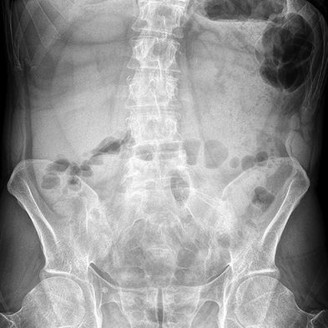

Medically Verified Content by
Prof. Dr. Mohammed Hutaif
Consultant Orthopedic & Spine Surgeon