Incision and Drainage of Deep Fascial Space Infections of the Hand
Key Takeaway
Deep fascial space infections of the hand require prompt surgical intervention to prevent devastating functional loss. This guide details the precise surgical techniques for incision and drainage of the middle palmar, thenar, Parona, and subaponeurotic spaces. Emphasizing safe anatomical approaches, blunt dissection, and meticulous postoperative care, these protocols ensure optimal eradication of purulence while safeguarding critical neurovascular and tendinous structures.
INTRODUCTION TO DEEP FASCIAL SPACE INFECTIONS
Deep fascial space infections of the hand represent true orthopedic emergencies. The complex, compartmentalized anatomy of the hand dictates that purulent collections within these potential spaces can rapidly lead to ischemic necrosis, tendinous rupture, and profound functional impairment if not aggressively managed. The deep fascial spaces—specifically the middle palmar, thenar, Parona, and dorsal subaponeurotic spaces—are anatomically distinct compartments bounded by unyielding fascial septa.
When inoculated via penetrating trauma, hematogenous spread, or contiguous extension from adjacent structures (such as a ruptured flexor tendon sheath in suppurative tenosynovitis), these potential spaces become distended with purulence. The resultant compartment-like syndrome compromises local microvascular perfusion. Prompt surgical incision and drainage (I&D), coupled with targeted antimicrobial therapy, is the gold standard of care.
This comprehensive guide delineates the precise surgical approaches, anatomical considerations, and postoperative protocols required to safely and effectively eradicate deep fascial space infections.
PREOPERATIVE CONSIDERATIONS AND PREPARATION
Clinical Evaluation and Diagnosis
The diagnosis of a deep fascial space infection is primarily clinical. Patients typically present with severe, throbbing pain, massive localized edema, erythema, and a profound loss of hand function.
* Middle Palmar Space: Characterized by loss of the normal palmar concavity, severe dorsal edema (due to the rich dorsal lymphatic network), and pain upon movement of the middle and ring fingers.
* Thenar Space: Presents with massive swelling of the first web space, forcing the thumb into an abducted and flexed posture ("ballooning" of the thenar web).
* Parona Space: Often a sequela of radial or ulnar bursa infections (horseshoe abscess), presenting with deep volar forearm swelling and severe pain with passive wrist or finger extension.
* Subaponeurotic Space: Marked by dorsal hand swelling, localized heat, and exquisite pain specifically during active or passive finger extension.
Imaging Modalities
While the diagnosis is clinical, advanced imaging can be utilized in equivocal cases.
* Plain Radiographs: Essential to rule out retained radiopaque foreign bodies, underlying osteomyelitis, or gas-producing organisms.
* Ultrasound: Highly effective for identifying localized fluid collections and guiding preoperative needle aspiration if the exact location of the abscess is uncertain.
* Magnetic Resonance Imaging (MRI): While highly sensitive for delineating the extent of deep space involvement, MRI is rarely indicated in the acute setting as it may delay emergent surgical intervention.
Surgical Setup
- Anesthesia: General anesthesia or regional block (axillary or supraclavicular) is mandatory. Local infiltration is contraindicated due to the risk of spreading the infection and the acidic environment rendering local anesthetics ineffective.
- Positioning: Supine with the affected extremity extended on a radiolucent hand table.
- Tourniquet: A well-padded pneumatic upper arm tourniquet is essential for a bloodless surgical field, allowing for precise identification of neurovascular structures. Exsanguination should be performed via elevation rather than an Esmarch bandage to prevent proximal milking of purulence.
SURGICAL TECHNIQUE: MIDDLE PALMAR SPACE INFECTION
Anatomical Boundaries
The middle palmar space lies deep within the central palm.
* Volar: Flexor tendons of the middle, ring, and small fingers, and the palmar aponeurosis.
* Dorsal: Fascia covering the third, fourth, and fifth metacarpals and their respective interosseous muscles.
* Radial: The midpalmar (oblique) septum, which separates it from the thenar space.
* Ulnar: The hypothenar septum.
Surgical Approach
Drainage of the middle palmar space can be achieved through several distinct incisions, depending on the exact locus of the abscess and the surgeon's preference.
🔪 Surgical Pearl: Incision Selection
The curved distal palmar crease incision is highly favored as it provides excellent exposure while minimizing the risk of crossing flexion creases perpendicularly, thereby preventing postoperative flexion contractures.
- Incision Placement:
- Curved Incision: Begin at the level of the distal palmar crease, in line with the axis of the long (middle) finger. Extend the incision ulnarward, following the natural curve of the crease, terminating just inside the hypothenar eminence.
- Alternative Incisions: A longitudinal distal palm incision or a transverse palm incision may also be utilized based on the specific pointing of the abscess.
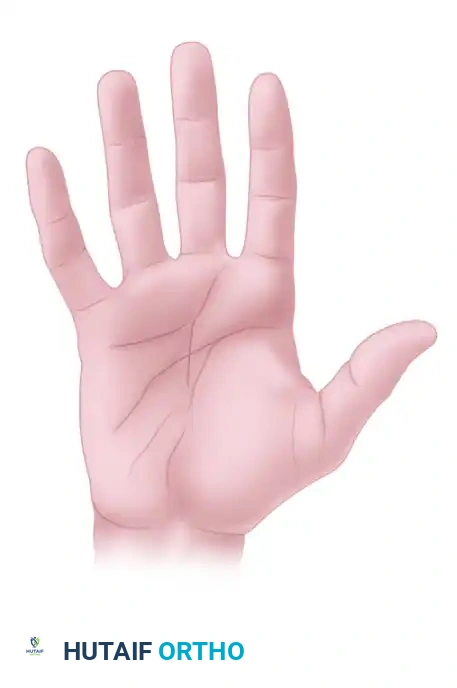
Figure 78-10 A: Distal longitudinal palmar incision.
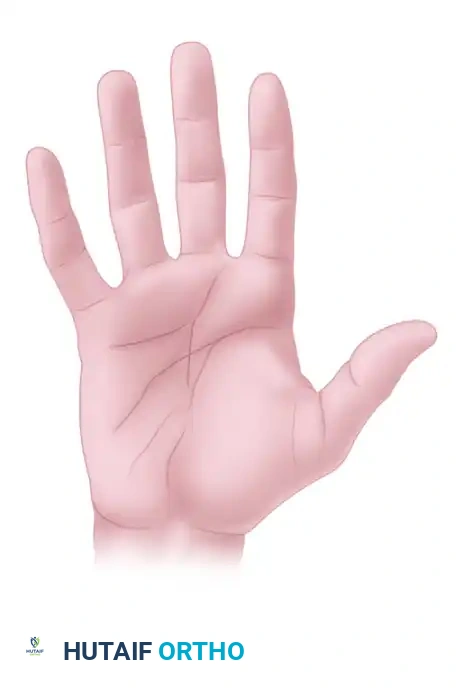
Figure 78-10 B: Transverse palmar incision.
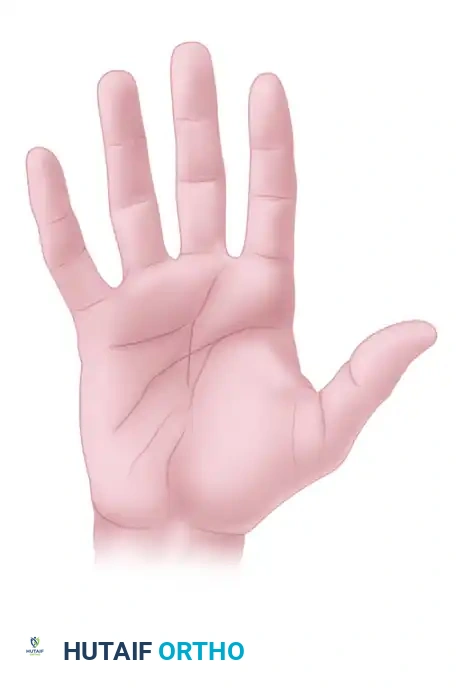
Figure 78-10 C: Extended longitudinal palmar incision.
- Deep Dissection:
- Incise the skin and subcutaneous tissue. Divide the palmar aponeurosis longitudinally.
- Identify the common digital neurovascular bundles and gently retract them.
- Enter the middle palmar space on either side of the long flexor tendon of the ring finger.
- CRITICAL STEP: Use strictly blunt dissection (e.g., using a closed hemostat) to breach the space. Sharp dissection at this depth carries an unacceptably high risk of transecting the digital nerves or lacerating the superficial palmar arch.
- Evacuation and Irrigation:
- Once the abscess cavity is entered, obtain aerobic, anaerobic, and mycobacterial cultures immediately.
- Spread the hemostat to break up loculations.
- Irrigate the space copiously with sterile normal saline (typically 1 to 3 liters).
- Drain Placement:
- If a significant dead space remains or if the infection is highly purulent, leave a small Penrose drain or a pediatric feeding tube in place to facilitate continuous postoperative drainage.
SURGICAL TECHNIQUE: THENAR SPACE INFECTION
Anatomical Boundaries
The thenar space is located in the radial aspect of the palm, deep to the flexor tendons of the index finger.
* Volar: The thenar fascia and the flexor tendons of the index finger.
* Dorsal: The transverse head of the adductor pollicis muscle.
* Ulnar: The midpalmar septum.
* Radial: The lateral edge of the thenar eminence.
Surgical Approach
The thenar space is most safely accessed via a volar or dorsal approach, carefully avoiding the motor branch of the median nerve.
- Incision Placement:
- Palmar Approach (Thenar Crease): Make a curved incision along the medial side of the thenar crease.
- Dorsal Approach (Thumb Web): Alternatively, utilize a curved incision in the dorsal thumb web space, running parallel to the border of the first dorsal interosseous muscle.
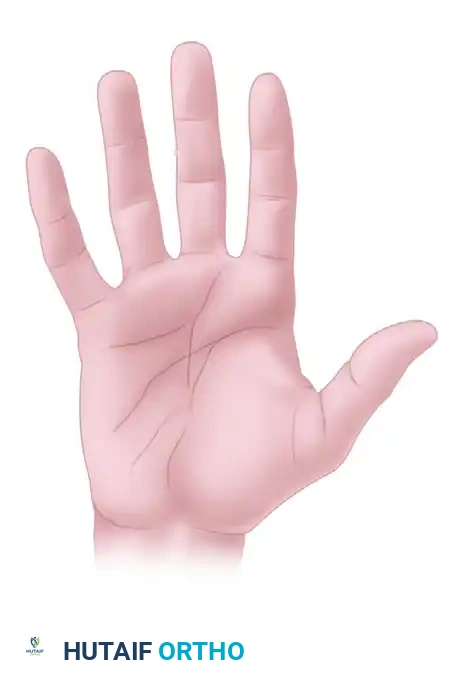
Figure 78-11 A: Thenar crease incision (palmar).
⚠️ Surgical Warning: The "Million Dollar Nerve"
When utilizing the palmar thenar crease incision, extreme caution must be exercised at the proximal extent of the crease. The recurrent motor branch of the median nerve crosses superficially in this region. Iatrogenic transection results in catastrophic loss of thumb opposition.
- Deep Dissection:
- Incise the skin and superficial fascia.
- Employ blunt dissection exclusively to navigate between the thenar musculature and the flexor tendons.
- Delineate the full extent of the abscess cavity, ensuring all loculations are disrupted.
- Evacuation and Irrigation:
- Obtain cultures.
- Irrigate the cavity thoroughly with normal saline.
- Place a drain if the cavity is large or if hemostasis is a concern.
SURGICAL TECHNIQUE: PARONA SPACE INFECTION
Anatomical Boundaries
The space of Parona is a deep fascial space located in the distal volar forearm. It represents a proximal extension of the hand's deep spaces and is the classic site for a "horseshoe abscess" communicating between the radial and ulnar bursae.
* Volar: The flexor digitorum profundus (FDP) tendons.
* Dorsal: The pronator quadratus muscle and the interosseous membrane.
* Distal: The proximal edge of the transverse carpal ligament.
Surgical Approach
- Incision Placement:
- Begin the incision just proximal to the wrist flexion crease, slightly medial to the midaxial line on the volar forearm.
- Extend the incision proximally in a straight or slightly curved fashion. The length must be sufficient to allow adequate exposure of the deep fascial layers without excessive retraction.
- Deep Dissection:
- Incise the antebrachial fascia.
- Identify the flexor carpi ulnaris (FCU) and the ulnar neurovascular bundle medially, and the flexor tendons centrally.
- Retract the flexor tendons (FDS and FDP) and the median nerve radially and anteriorly. Protect the median nerve at all times.
- The space of Parona lies immediately deep to the FDP tendons, resting on the pronator quadratus.
- Evacuation and Irrigation:
- Enter the abscess cavity bluntly.
- Evacuate the purulence and obtain cultures.
- Irrigate the wound copiously.
- Drain Placement:
- Due to the deep nature of this space and the tendency for fluid accumulation, placing a Penrose drain or a perforated silicone tube for postoperative irrigation is highly recommended.
SURGICAL TECHNIQUE: SUBAPONEUROTIC SPACE INFECTIONS
Anatomical Boundaries and Clinical Presentation
The dorsal subaponeurotic space lies on the dorsum of the hand.
* Volar: The dorsal metacarpals and the dorsal interosseous fascia.
* Dorsal: The extensor tendon aponeurosis.
Infections here are typically caused by direct penetrating trauma (e.g., human bites, puncture wounds) or local contiguous spread. Clinically, patients present with profound dorsal hand swelling, erythema, increased localized heat, and tenderness to palpation. A hallmark sign is severe pain upon active or passive finger extension, as the extensor tendons glide directly over the inflamed space.
If the presence of an abscess is difficult to ascertain due to overlying cellulitis, needle aspiration or ultrasound can be utilized to locate the purulent collection.
Surgical Approach
Most dorsal subaponeurotic abscesses can be adequately drained through a single dorsal incision. However, massive collections may require a dual-incision approach.
- Incision Placement:
- Single Incision: Make a longitudinal incision (2 to 3 cm) centered directly over the fluctuant area or the apex of the abscess.
- Dual Incisions: For large abscesses spanning the dorsum, make two parallel longitudinal incisions. Typically, one is placed over the second metacarpal and the second is placed between the fourth and fifth metacarpals.
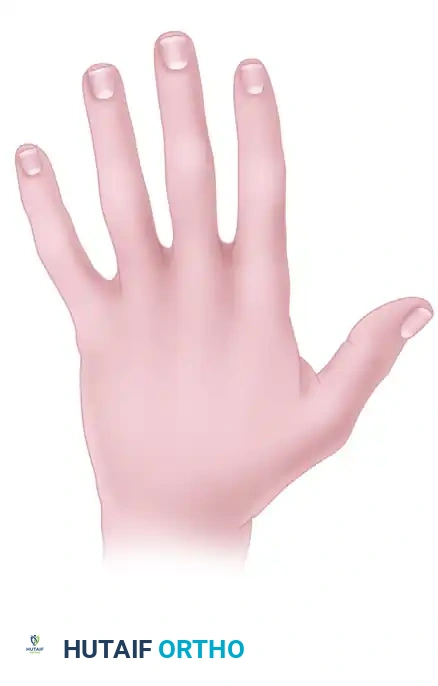
Figure 78-11 B: Dorsal longitudinal incision.
⚠️ Surgical Warning: Skin Bridge Viability
When utilizing two parallel dorsal incisions, ensure the skin bridge between them is sufficiently wide. Narrow skin bridges on the dorsum of the hand are highly susceptible to ischemic necrosis due to compromised subdermal plexus circulation.
- Deep Dissection:
- Incise the skin and subcutaneous tissue.
- Avoid sharp deep dissection. The extensor tendons and their paratenon lie immediately beneath the superficial fascia and are easily lacerated.
- Use a hemostat to bluntly spread the tissues longitudinally (parallel to the extensor tendons) to enter the subaponeurotic space.
- Evacuation and Irrigation:
- Locate and drain the abscess using blunt dissection to break up any septations.
- Thoroughly irrigate the wound with normal saline.
- Drain Placement:
- Place a Penrose drain if the cavity is sufficiently large to create a "dead space" that could re-accumulate hematoma or purulence.
POSTOPERATIVE PROTOCOL AND REHABILITATION
The success of deep fascial space infection management relies as much on meticulous postoperative care as it does on the surgical decompression itself.
Wound Management
- Dressing Application: Apply a nonadherent gauze (e.g., Xeroform or Adaptic) directly over the open wounds. Follow this with a bulky, highly absorbent gauze dressing (fluffs) to capture ongoing exudate.
- Wound Closure: The wounds are never closed primarily. Healing by secondary intention is the preferred and safest method. If the infection is rapidly controlled and the wound bed is clean after several days, delayed primary closure or split-thickness skin grafting may be considered, though secondary intention remains the standard of care.
- Dressing Changes: Change the bandage frequently (often twice daily initially), irrigating the wound with sterile saline during each change to mechanically debride residual fibrinous exudate.
Splinting and Biomechanics
- Immobilization: Apply a rigid volar plaster or fiberglass splint over the bulky dressing.
- Positioning: The hand must be splinted in the "Intrinsic-Plus" (Safe) Position:
- Wrist extended 20 to 30 degrees.
- Metacarpophalangeal (MCP) joints flexed 70 to 90 degrees.
- Interphalangeal (IP) joints in full extension.
- Biomechanical Rationale: This position places the collateral ligaments of the MCP joints at their maximal length, preventing shortening and subsequent extension contractures. Similarly, keeping the IP joints extended prevents volar plate contractures. This position allows for the rapid restoration of functional motion once the acute inflammation subsides.
Antimicrobial Therapy
- Empiric intravenous antibiotics should be initiated immediately following the acquisition of intraoperative cultures.
- Coverage should typically include a first-generation cephalosporin or a penicillinase-resistant penicillin. In cases of suspected MRSA, human/animal bites, or immunocompromised patients, broad-spectrum coverage (e.g., Vancomycin combined with a beta-lactam/beta-lactamase inhibitor) is warranted.
- Antibiotic therapy is subsequently tailored based on final culture and sensitivity reports.
Rehabilitation
- Strict elevation of the affected extremity is maintained to reduce edema.
- Once the acute infection is controlled (typically 48 to 72 hours postoperatively), the splint is removed during the day to allow for active and active-assisted range of motion exercises under the guidance of a specialized hand therapist.
- Early mobilization is critical to prevent tendon adhesions and joint stiffness, which are the most common long-term complications of deep space infections.
You Might Also Like
